

LASIK and Eye Make-Up: When Is It Safe to Wear Mascara Again? (Guide)
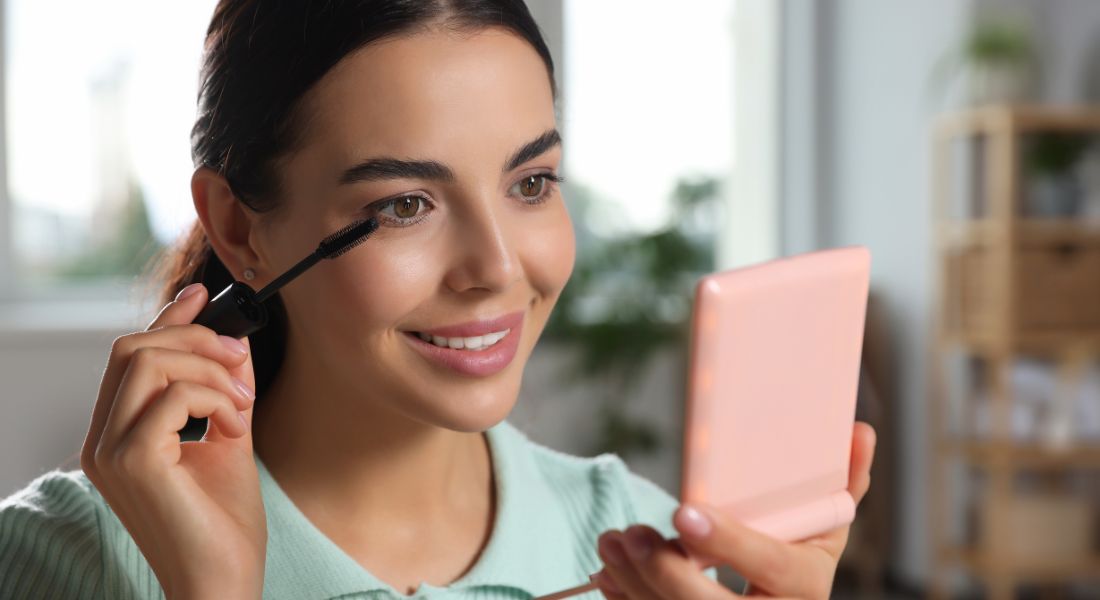
After LASIK, it’s natural to want to get back to your usual routines, including wearing eye make-up. Mascara is often top of the list, but timing is important. Even if your vision feels clear, your eyes are still healing and need protection.
The corneal flap and surface tissues remain delicate in the early days after surgery. Applying make-up too soon can introduce bacteria or irritants, increasing the risk of infection or inflammation. Waiting until your surgeon confirms it’s safe helps avoid complications.
It’s also important to know which products to delay and how to apply them safely. Using clean brushes, avoiding sharing cosmetics, and following hygiene guidelines can reduce risks. Being cautious now supports smooth healing and protects your vision for the long term.
Why Eye Make-Up Is Restricted After LASIK
Eye make-up sits very close to your eyes, which makes it easy for bacteria, tiny particles, or oils to reach the healing cornea. After LASIK, this can create unnecessary risks that may slow recovery or cause irritation. Even products that seem clean can introduce contaminants.
Your corneal flap is still stabilising and depends on natural healing forces. Rubbing your eyes or applying make-up too soon can disrupt this process. Protecting the flap in these early days is essential for smooth, complication-free healing.
These restrictions are temporary but important. They’re designed to safeguard your vision while your eyes are most vulnerable. Following your surgeon’s advice now ensures better long-term outcomes.
Understanding Early Healing After LASIK
The first week after LASIK is crucial for your eyes to heal properly. The corneal surface gradually seals, and nerve endings start to recover. Even if your vision feels clear, your eyes are still going through important structural healing.
Your corneal flap isn’t fully secure right away, so any rubbing or external interference can cause problems. Avoiding pressure on your eyes during this phase helps the healing process. Being gentle now makes a big difference later.
Using eye make-up too soon can disrupt recovery and increase the risk of irritation or infection. Waiting and being patient supports better long-term outcomes. Following your surgeon’s guidance ensures your vision remains safe and stable.
Why Mascara Is the Biggest Concern
If you love wearing mascara, it’s worth understanding why it’s considered high-risk after LASIK. Because it’s applied so close to your eyes, tiny flakes or particles can easily enter the surface of your cornea. During early healing, this can be particularly irritating or even increase the risk of infection.
- Mascara can shed particles into your eyes: As you blink or touch your lashes, small bits of mascara can fall into your eye. These particles may irritate the delicate, healing corneal surface.
- Mascara brushes carry bacteria: Even clean-looking brushes can harbour microorganisms. Repeated contact near your eyes increases the chance of contamination during recovery.
- Early healing is especially vulnerable: Your eyes are more sensitive and prone to infection in the weeks immediately following surgery. Minimising exposure to potential irritants is essential for safe healing.
This is why mascara is usually restricted for the longest period after LASIK. Waiting until your eyes have fully healed greatly reduces the risk of infection and irritation. Being patient now helps ensure your vision recovers safely. Once your eyes are ready, you can return to your beauty routine with confidence.
The Risk of Infection From Eye Cosmetics
Eye cosmetics aren’t sterile, even if they’re brand new. Older products are even more likely to contain bacteria or other contaminants. Using them near your eyes after surgery can introduce germs.
After LASIK, your eye’s natural defences are temporarily reduced. This makes it easier for an infection to take hold, and early infections can affect your vision. Being cautious now protects your long-term results.
Avoiding eye make-up during the early recovery period is a simple but very effective way to reduce preventable risk. Following this advice helps ensure your healing goes smoothly and safely.
Why Rubbing During Make-Up Application Matters
Applying eye make-up usually involves stretching or rubbing your eyelids. This pressure can disturb the healing corneal flap, even if it feels gentle. During the early recovery phase, any contact with your eyes can pose a risk.
Removing make-up also involves rubbing, which adds to the potential for flap disruption. Both putting on and taking off products can interfere with healing. Being mindful of this helps prevent complications.
Keeping your hands and products away from your eyes during recovery is essential. Protecting the healing tissue now supports better long-term outcomes. Following this advice makes a big difference to your vision.
Typical Timeline for Eye Make-Up After LASIK
After LASIK, you might be keen to get back to wearing make-up, but your eyes need a little time to settle first. Using eye cosmetics too soon can increase the risk of irritation or infection while the cornea is healing. That’s why surgeons recommend waiting different lengths of time depending on the product and how close it comes to the eye. The general timelines below are designed to protect your healing eyes, although your surgeon’s advice should always take priority.
| Product Type | Typical Waiting Period |
| Facial make-up (away from eyes) | 24–48 hours |
| Eyeliner (outer lid only) | 1–2 weeks |
| Mascara | 2–3 weeks |
| Eye shadow | 1–2 weeks |
These timelines prioritise safety. Clearance should be confirmed individually.
Why Facial Make-Up Is Allowed Earlier
Facial make-up applied away from your eyes carries very little risk after LASIK. There’s no direct contact with the corneal surface, and it doesn’t involve rubbing your eyes. This makes it much safer than eye make-up during early recovery.
It’s still important to wash your hands thoroughly before applying products. Avoid powders or loose pigments that might drift into your eyes. Gentle application helps keep your eyes protected.
Because facial make-up stays away from the delicate corneal flap, it can be used earlier than eye cosmetics. Proximity to the eyes is what makes all the difference.
Eyeliner and Lash Line Precautions
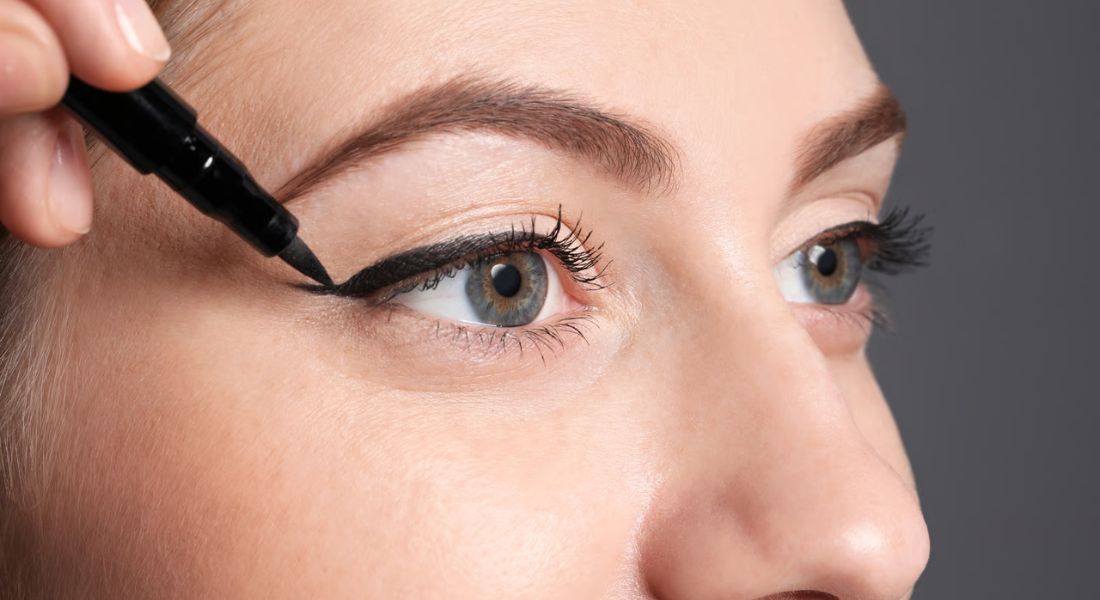
If you wear eyeliner, it’s important to be cautious after LASIK. Applying it close to your lash line can introduce particles into your eyes, and even gentle pressure during application may interfere with healing. Understanding the safest way to reintroduce cosmetics helps protect your eyes.
- Close-lash application increases risk: Lining the inner or outer edges of your lashes can allow particles or bacteria to enter the eye. This can irritate your cornea and slow recovery.
- Outer-lid application may be safer earlier: Some surgeons allow eyeliner on the outer lid before it’s safe to apply near the lash line. Following personalised guidance ensures you don’t risk infection or irritation.
- Inner-lid lining should be avoided initially: Until your eyes are fully healed, avoid eyeliner that touches the inner lash margin. Even minor contact can disrupt delicate healing tissue.
Following clear guidance helps you return to your routine safely. Asking your surgeon when and how to resume eyeliner ensures you avoid setbacks. Patience now protects your vision later. By being cautious, you can enjoy your makeup without compromising recovery.
Why Old Make-Up Should Be Discarded
Old eye make-up is much more likely to be contaminated, as bacteria can build up over time. Using these products after LASIK increases the risk of infection. It’s a simple precaution that can make a big difference to your healing.
Replacing items like mascara, eyeliner, and eyeshadow is strongly recommended. Fresh products carry far less risk and are a small investment for your eye safety. Taking this step helps protect your vision during the critical recovery period.
Keeping brushes and applicators clean is just as important as replacing make-up. Hygiene should always go hand in hand with timing. This ensures you’re giving your eyes the best chance to heal safely.
How to Reduce Infection Risk When You Restart Make-Up
When you start using make-up again, hygiene is key. Always wash your hands thoroughly before applying products and avoid sharing anything with others. Clean tools and fresh applicators help reduce infection risk.
Apply make-up gently, taking care not to pull or rub your eyelids. When removing make-up, use clean cotton pads and avoid harsh rubbing. This protects your healing corneal flap and surface tissues.
If you notice any irritation, redness, or discomfort, stop immediately. Your eyes should always come first—healing should not be compromised for cosmetics. Following these precautions helps you enjoy make-up safely after LASIK.
Waterproof Make-Up and LASIK Recovery
If you enjoy waterproof make-up, it’s important to know why it can be tricky after LASIK. These products are harder to remove, and the extra rubbing or stronger cleansers needed can irritate your healing eyes. Being cautious now helps protect your vision and ensures a smoother recovery.
- Removal can disturb healing: Waterproof mascara or eyeliner often requires more vigorous rubbing or chemical cleansers. This can stress the delicate corneal surface and slow the healing process.
- Delaying use is safest: Most surgeons recommend avoiding waterproof products for longer than standard cosmetics. Even after your eyes are cleared, you should proceed with caution and gentler techniques.
- Easier-to-remove products are gentler on your eyes: Using non-waterproof, easy-to-clean make-up minimises friction and reduces exposure to potential irritants. This helps maintain comfort and supports healthy recovery.
Choosing gentler, easier-to-remove cosmetics protects your eyes during the critical healing period. It reduces irritation, lowers infection risk, and keeps your recovery on track. Even simple precautions now pay off in long-term comfort. By taking these small steps, you can enjoy make-up safely once your eyes are fully healed.
False Lashes and Lash Extensions
False lashes and lash extensions use adhesives very close to your eyes. These glues can irritate the cornea or introduce bacteria. Both applying and removing lashes increase the risk during early healing.
Most surgeons suggest avoiding lash extensions for several weeks after LASIK. Depending on your recovery, some may recommend an even longer delay. It’s always safer to wait until your eyes are fully stable.
If lash treatments are part of your routine, talk to your surgeon about timing. Individual advice ensures your eyes heal safely while you maintain your beauty habits.
Eye Creams and Skincare Around the Eyes
If you use eye creams or specialised skincare, it’s important to be careful after LASIK. Products applied near your eyelids can contain active ingredients that may irritate healing tissue, and some of it can migrate into your eyes. Being mindful now helps protect your vision and keeps your recovery comfortable.
- Some ingredients can irritate healing tissue: Retinoids, acids, or strong moisturisers may cause redness or stinging if they reach your cornea. Even gentle rubbing can increase this risk during early recovery.
- Fragrance-free, light moisturisers may be safer earlier: You can often use these on the outer eyelid, avoiding the lash line. Gentle application ensures your eyes stay comfortable while maintaining your skincare routine.
- Avoid applying too close to the lash line initially: The area immediately around the lashes is particularly sensitive after LASIK. Holding off on applying products here reduces the chance of irritation or infection.
Always check with your surgeon before resuming specialised treatments. Following their guidance helps maintain comfort and protects your healing eyes. Taking care now prevents setbacks later. By being cautious, you can return to your full skincare routine safely once your eyes are fully healed.
Why Clear Vision Does Not Mean Full Healing
Many people feel ready to use eye make-up once their vision seems clear. However, this can be misleading, as the cornea continues to heal structurally even after vision stabilises. The flap and surface tissues are still vulnerable during this phase.
Using make-up too early can disrupt healing and increase the risk of infection. Even if everything looks fine, your eyes are not yet fully protected. Timing really does matter.
Understanding that healing goes beyond visual clarity helps you avoid premature exposure. Patience ensures your eyes recover safely and your results last.
Symptoms That Mean You Should Wait Longer
If you experience persistent irritation, dryness, or sensitivity to light, it’s a sign your eyes are still healing. You should avoid using eye make-up while these symptoms continue. These warnings show that your eyes remain vulnerable.
Any redness, swelling, or discharge should be checked by your surgeon before you resume cosmetics. Applying make-up when these signs are present can increase the risk of infection or complications. Waiting ensures your recovery stays on track.
Always put healing before your usual routine. A short delay now can prevent long-term problems later. Giving your eyes time is the safest way to protect your vision.
Why Follow-Up Appointments Guide Make-Up Clearance
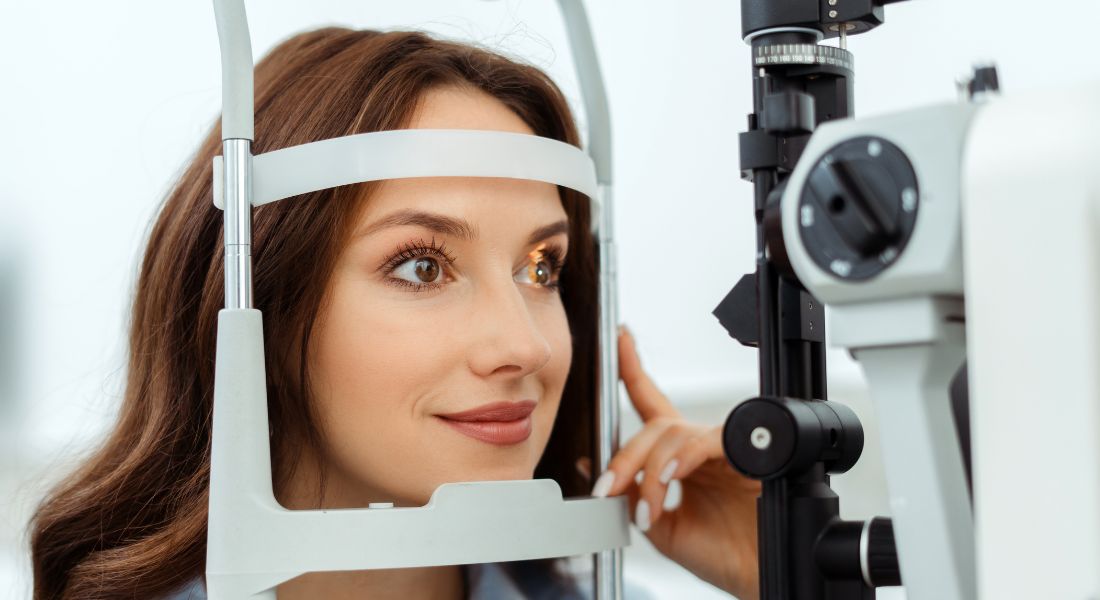
Follow-up visits are important because they let your surgeon check how your eyes are healing. They examine the corneal flap and surface to see if it’s safe to resume activities like wearing make-up. Clearance is often given gradually, based on your individual recovery.
Assuming you’re ready too soon can be risky. Everyone heals at a different pace, so professional assessment is the safest way to know. Your surgeon’s guidance ensures your eyes are protected.
These appointments also give peace of mind. They allow advice to be personalised, so you can restart your routine safely and confidently.
Individual Factors That Affect Make-Up Timelines
After LASIK, you might wonder when it’s safe to return to your usual make-up routine. Healing speed isn’t the same for everyone, and factors like dry eye, age, and tear quality can all affect how quickly your eyes recover. Understanding that your timeline is unique helps you avoid unnecessary risk.
- Healing varies from person to person: Some people notice rapid improvement, while others need extra time for their eyes to stabilise. Your recovery depends on your individual corneal response and overall eye health.
- Certain conditions can extend restrictions: Dry eyes or pre-existing ocular conditions can slow healing. Surgeons may recommend longer make-up restrictions to ensure your eyes stay protected.
- Examination, not comparison, guides decisions: Your surgeon will assess your eyes and give personalised guidance based on how they’re healing. Comparing yourself to friends or online stories is rarely helpful and can lead to mistakes.
Your eyes heal at their own pace, and that’s completely normal. Following personalised advice keeps your recovery safe and comfortable. Being patient now helps prevent complications later. By respecting your own healing timeline, you set yourself up for the best long-term results.
Travel, Events, and Make-Up Planning
Social events often mean you’ll want to wear make-up, so it’s wise to plan your LASIK around them. Allowing enough recovery time in your schedule helps prevent frustration and supports safe healing. Being prepared ensures you don’t rush the process.
If you have an event you can’t move, talk to your surgeon in advance. They may suggest modified routines or safe ways to manage your look later in recovery. Open communication makes it easier to balance social plans and healing.
Planning thoughtfully protects both your eye health and your confidence. Setting realistic expectations helps you enjoy results without risking complications.
Long-Term Eye Hygiene After LASIK
Maintaining good eye hygiene is important even after your LASIK recovery is complete. Make sure to replace make-up regularly and clean your brushes often. These small steps help keep bacteria at bay.
Avoid using expired products, and always remove make-up gently each night. Consistent care reduces the risk of irritation or infection. Protecting your eyes isn’t just about surgery—it’s about daily habits.
Healthy routines support long-term comfort and eye health. LASIK is just one step in maintaining clear, safe vision. Keeping up with good practices ensures your results last.
Common Myths About LASIK and Make-Up
Some people think it’s safe to use eye make-up as soon as their vision feels clear, but this isn’t the case. Healing continues beneath the surface even if everything looks fine. Being patient protects your eyes.
Others assume that using new make-up completely removes all risk. While hygiene does help, the timing of when you restart cosmetics is just as important. Both cleanliness and patience are key to safe recovery.
Understanding and dispelling these myths improves your outcomes. Knowing the facts helps prevent setbacks and supports long-term eye health.
Who Should Be Extra Cautious With Eye Make-Up
Some people need to be extra careful when restarting eye make-up after LASIK. Factors like dry eyes, frequent use of mascara, or waterproof products can increase irritation or infection risk. Lash extensions and pressure to return to events early also add extra challenges. Being aware of these risk factors helps you protect your healing eyes.
| Risk Factor | Why Extra Caution Is Needed |
| Dry eye | Slower surface healing |
| Heavy mascara use | Increased debris |
| Waterproof products | Difficult removal |
| Lash extensions | Adhesive exposure |
| Early event pressure | Premature return |
Balancing Recovery With Daily Routine
Getting back to your daily routine is important, but your eyes need time to heal first. Short-term restrictions, like holding off on make-up, help protect your long-term results. Waiting a little now ensures better outcomes later.
Understanding why these precautions exist can reduce frustration. Seeing recovery as purposeful makes it easier to follow advice. Your vision safety should always come first. Being patient really does pay off. Giving your eyes the time they need supports lasting clarity and comfort.
FAQs:
- How soon after LASIK can I wear eye make-up?
The timing depends on the type of product and your individual healing. Facial make-up applied away from the eyes is usually safe within 24–48 hours. Eye shadow and eyeliner can often be reintroduced after one to two weeks, while mascara and products applied directly to the lashes should typically be avoided for at least two to three weeks. Always confirm clearance with your surgeon, as healing varies between patients. - Why is mascara the most restricted product after LASIK?
Mascara is applied directly to the lashes near the eye surface, and its brushes can carry bacteria or shed particles that may enter the eye. Because the corneal flap is still delicate during early recovery, using mascara too soon increases the risk of contamination or mechanical disturbance. Delaying mascara allows the eye to heal safely. - Can I use waterproof eye make-up immediately after LASIK?
Waterproof cosmetics are harder to remove, which usually requires more rubbing and stronger cleansers. This extra manipulation can disturb healing tissue and increase irritation. Most surgeons recommend avoiding waterproof products until your eyes are fully healed, even after standard cosmetics are allowed. - Are false lashes or lash extensions safe after LASIK?
False lashes and lash extensions involve adhesives close to the eye, which can irritate healing tissue or introduce contaminants. The application and removal process also increases the chance of disturbing the corneal flap. Most surgeons advise waiting several weeks and discussing timing based on individual recovery. - Can I use eye creams and skincare around the eyes after LASIK?
Light, fragrance-free moisturisers are often safe once the eye area is sufficiently healed, but products containing active ingredients or applied too close to the lash line should be avoided initially. Even gentle creams can migrate into the eye, so professional guidance is recommended before resuming your full skincare routine. - Does clear vision mean my eyes are ready for make-up?
Clear vision does not indicate complete healing. Structural recovery of the cornea continues after visual improvement, and using eye make-up too soon can undo progress or increase infection risk. Patience is crucial for long-term outcomes, regardless of how quickly your sight improves. - What symptoms suggest I should delay make-up longer?
Persistent dryness, redness, irritation, light sensitivity, or discharge are signs that your eyes may still be vulnerable. Applying cosmetics under these conditions can compromise healing and increase the likelihood of infection. Always wait until these symptoms resolve and clearance is given by your surgeon. - How do follow-up appointments affect when I can wear make-up?
Follow-up visits allow your surgeon to assess corneal flap stability and surface integrity. Clearance for make-up is often given gradually and individually based on these examinations. Skipping reviews can result in premature exposure to cosmetics and unnecessary risks. - Can travel or special events affect my make-up timeline?
Planning LASIK around important events is helpful to avoid frustration. If an event is unavoidable, modified routines or delaying certain products may be necessary. Discussing your schedule with your surgeon beforehand ensures you can recover safely without compromising healing. - What long-term habits support eye safety after LASIK?
Even after full healing, good eye hygiene is essential. Replace old make-up, clean brushes regularly, and remove products gently every night. Avoid sharing cosmetics and watch for expired items. Maintaining these habits protects both comfort and vision in the long term.
Final Thoughts: Safely Returning to Eye Make-Up After LASIK
Resuming eye make-up after LASIK requires patience and careful timing. Even when your vision feels clear, the corneal flap and surrounding tissues are still healing beneath the surface, and premature application of mascara, eyeliner, or lash extensions can increase the risk of infection, irritation, or delayed recovery. Following your surgeon’s advice, attending all follow-up appointments, and gradually reintroducing cosmetics helps protect your long-term results while allowing you to return to your daily routine safely.
If you’d like to find out whether lasik surgery in London is suitable for you, feel free to contact us at Eye Clinic London to arrange a consultation. Prioritising eye health during recovery ensures that once you resume make-up, your eyes remain comfortable, safe, and fully protected.
References:
- Avunduk, A.M., Senft, C.J., Emerah, S., Varnell, E.D. and Kaufman, H.E., 2004. Corneal healing after uncomplicated LASIK and its relationship to refractive changes: a six‑month prospective confocal study. Investigative Ophthalmology & Visual Science, 45(5), pp.1334–1339. Available at: https://pubmed.ncbi.nlm.nih.gov/15111586/
- Chang, S.W., Ashraf, F.M. and Azar, D.T., 2000. Wound healing patterns following perforation sustained during laser in situ keratomileusis. Journal of the Formosan Medical Association, 99(8), pp.635–641. Available at: https://pubmed.ncbi.nlm.nih.gov/10969507/
- Janiszewska‑Bil, D., Grabarek, B.O., Lyssek‑Boroń, A., Kiełbasińska, A., Kuraszewska, B., Wylęgała, E. and Krysik, K., 2024. Comparative analysis of corneal wound healing: differential molecular responses in tears following PRK, FS‑LASIK, and SMILE procedures. Biomedicines, 12(10), 2289. Available at: https://www.mdpi.com/2227‑9059/12/10/2289
- Shetty, R., 2025. Epigenetic modulation directs recovery post LASIK and SMILE: implications for stromal remodeling. Life, 15(2), 246. Available at: https://www.mdpi.com/2075‑1729/15/2/246
- Ljubimov, A.V., 2015. Progress in corneal wound healing. Progress in Retinal and Eye Research, Elsevier. Available at: https://www.sciencedirect.com/science/article/abs/pii/S135094621500049X