


LASIK and Swimming: When Can You Swim or Use Hot Tubs? (Guide)
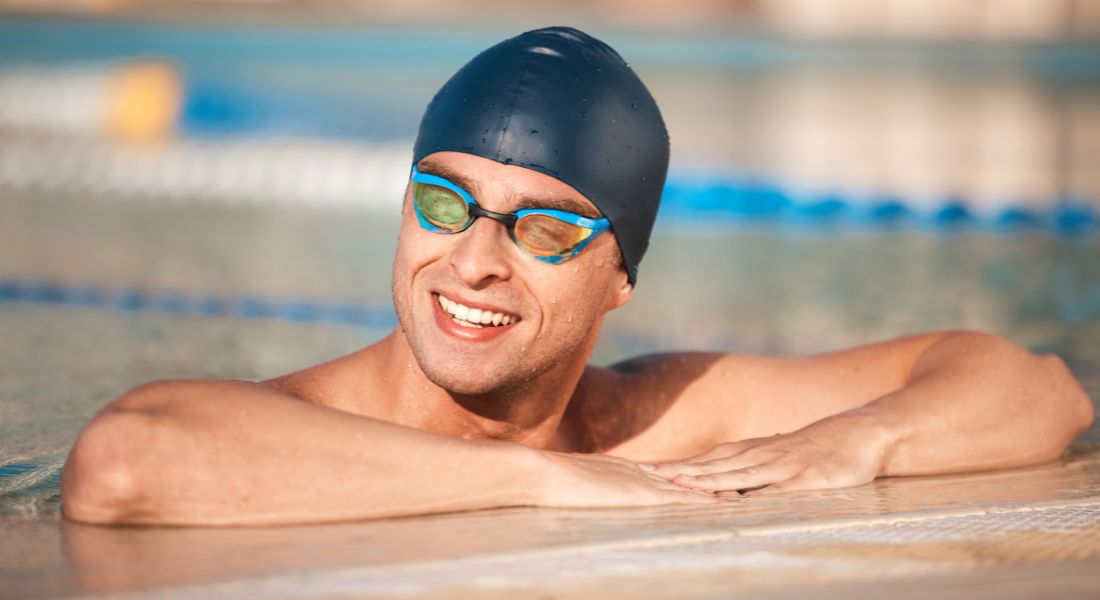
If you’ve had LASIK, it’s natural to want to get back to your normal routine as soon as possible. Swimming, hot tubs, and even saunas often feel like harmless ways to relax or stay active. However, when it comes to your eyes, timing really does matter.
Even though your vision may improve quickly after LASIK, your eyes are still healing beneath the surface. The corneal flap and surrounding tissues are more vulnerable in the early stages of recovery. Exposing your eyes to water too soon can raise the risk of infection or slow down the healing process.
In this guide, you’ll learn when it’s safe to swim, use hot tubs, or enjoy saunas after LASIK. We’ll also explain why these restrictions are important and how you can protect your eyes while they heal. Knowing what to avoid and when helps you recover safely and with confidence.
Why Water Exposure Is a Concern After LASIK
After LASIK, your eye has a healing corneal flap. Although the flap is put back into place straight away, it takes time to fully settle and strengthen. During this early phase, your eye is more vulnerable than usual.
Water can contain bacteria, fungi, and other microorganisms even when it looks clean. Swimming pools, hot tubs, lakes, and even tap water are not sterile. If these germs come into contact with a healing eye, the risk of infection increases.
That’s why your surgeon will advise you to avoid water exposure for a short period after LASIK. These precautions aren’t overcautious they’re there to protect your vision while your eye is at its most sensitive and still recovering.
Understanding Early Healing After LASIK
The first few days after LASIK are a key part of your healing process. Your corneal surface seals gradually, and the tiny nerve endings in your eye begin to recover. Even if your vision feels clear quite quickly, your eye is still healing beneath the surface.
The corneal flap sticks in place using natural adhesion rather than stitches. While it stabilises fairly fast, it isn’t fully secure straight away. Any disturbance during this early stage can increase the risk of complications.
This is why water exposure matters so much at the beginning. Avoiding water helps protect the healing flap and allows your eye to recover without interruption, giving you the best chance of a smooth outcome.
Why Swimming Pools Are Not Sterile
It’s easy to assume that swimming pools are clean because they’re treated with chlorine. While chlorine does reduce many bacteria, it does not make pool water sterile. When your eyes are healing after LASIK, this distinction becomes important.
- Chlorine does not eliminate all microorganisms: Some bacteria, parasites, and fungi are more resistant to chlorine treatment. These organisms can still be present in pool water, even when maintenance standards are high.
- Shared use increases contamination risk: Pools are used by many people, which introduces sweat, cosmetics, skin cells, and other debris into the water. Environmental factors such as dust and leaves can also contribute to contamination.
- Healing eyes are more vulnerable to infection: After LASIK, the surface of your eye is temporarily more sensitive. Even low levels of contamination that would normally cause no issues can increase the risk of irritation or infection.
For a healing LASIK eye, caution is essential. Early exposure to pool water can interfere with proper healing and raise the risk of complications. This is why swimming is usually restricted during the initial recovery period. Giving your eyes time to heal properly helps protect your long-term vision.
The Risk of Infection After LASIK
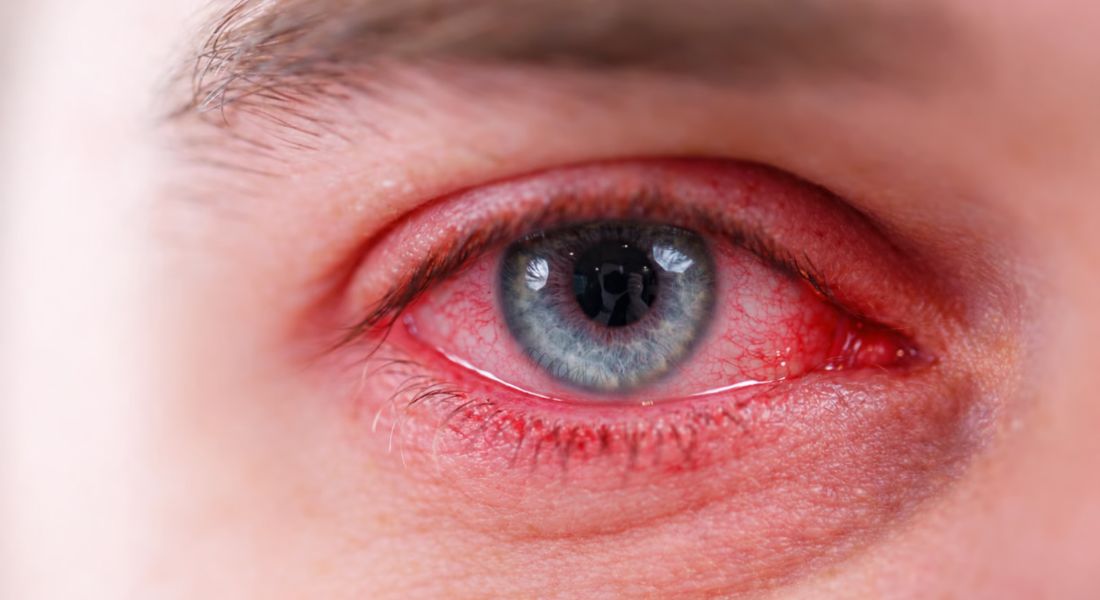
Infection after LASIK is uncommon, but when it does happen, it can be serious. An early infection may affect both your vision and how well your eye heals. That’s why recognising and treating problems quickly is so important.
Water exposure increases this risk during recovery. Water can contain microorganisms that may enter the space between the corneal flap and the underlying tissue. This area is temporarily more vulnerable while your eye heals.
By avoiding water exposure, you reduce a risk that is largely preventable. Surgeons recommend extra caution at this stage to protect your long-term vision and ensure the best possible outcome.
Why Hot Tubs Pose Higher Risk Than Pools
Hot tubs can be especially risky after LASIK. The warm water encourages bacteria to multiply, which means there’s a higher chance of contamination.
Hot tubs also have jets and lots of splashing. Strong water movement can push germs towards your eye and increase the risk of exposure, particularly while your flap is still healing.
For these reasons, surgeons usually advise avoiding hot tubs for longer than pools. Being extra careful at this stage helps protect your vision.
Natural Bodies of Water and LASIK Recovery
Lakes, rivers, and the sea are full of natural microorganisms. These environments are unpredictable, and contamination levels can vary a lot. Even if the water looks clean, it can still carry germs that could affect your healing eye.
Saltwater doesn’t remove the risk of infection, and freshwater can contain bacteria or parasites. Both types of natural water can pose a threat during the early recovery period. Your corneal flap is still settling, making your eye more vulnerable.
For this reason, it’s best to avoid swimming in natural bodies of water until your surgeon confirms your eye has healed sufficiently. Taking this precaution helps prevent rare but potentially serious infections and keeps your vision safe.
Typical Timeline for Swimming After LASIK
Surgeons provide general timelines for returning to water activities. These timelines reflect healing biology. Individual advice may vary.
| Activity | Typical Waiting Period |
| Showering (eyes closed) | 24 hours |
| Swimming pools | 2–4 weeks |
| Sea or lakes | 3–4 weeks |
| Hot tubs | 4–6 weeks |
These guidelines are conservative. They prioritise safety over speed.
Why Showering Is Allowed Earlier
You can usually start showering the day after LASIK. Showers involve brief, controlled water exposure, and you can keep direct contact with your eyes to a minimum.
It’s important to keep your eyes closed and avoid letting the shower spray hit your face directly. Gentle washing is fine, but you should be careful around your eyes.
This kind of limited exposure is very different from swimming. Prolonged immersion in water is still unsafe until your surgeon gives the all-clear.
Using Goggles Does Not Eliminate Risk
You might think that wearing swimming goggles makes it completely safe to get back in the pool after LASIK. While goggles do reduce direct contact with water, they are not completely sealed. Water can still find its way in, and your healing eyes remain vulnerable.
- Goggles are not fully watertight: Even with a snug fit, small amounts of water can enter around the edges. This can carry bacteria or other contaminants straight to your eyes.
- Pressure changes can force water in: Diving, swimming strokes, and rapid movement all create pressure that can push water past the goggles. Your healing cornea is particularly sensitive to this.
- Goggles do not protect against bacteria on surrounding skin: Water can still contact the skin around your eyes, which may carry microorganisms. Goggles reduce exposure but do not remove it entirely.
Using goggles should never be a reason to ignore post-LASIK restrictions. Your eyes need time to heal fully before you safely return to swimming. Even small amounts of water contact can increase the risk of irritation or infection. Prioritising healing now helps protect your vision in the long term.
Why Saunas and Steam Rooms Are Restricted
Even though saunas and steam rooms don’t involve submerging your eyes in water, they can still pose a risk after LASIK. The combination of heat and humidity can affect healing, and sweat may run into your eyes.
High temperatures can increase inflammation, and steam can carry bacteria that irritate your recovering cornea. These factors make your eyes more sensitive during the early stages.
For this reason, surgeons usually recommend waiting several weeks before using saunas or steam rooms. Taking it slowly helps ensure your eyes heal safely.
Dry Eye and Water Exposure
After LASIK, you may notice your eyes feel drier than usual. Dry eye is very common during recovery, and exposing your eyes to water can make irritation worse. Chlorine in pools and salt in the sea are particularly drying, which can slow healing and increase discomfort.
- Water can worsen dryness: Pools, hot tubs, and seawater remove natural moisture from the eye’s surface. This can aggravate irritation and make your eyes feel scratchy or tired.
- Dryness delays healing: A well-protected tear film is essential for the cornea to recover smoothly. When your eyes are dry, the surface takes longer to heal, and your risk of infection rises.
- Protecting your tear film matters: Avoiding water exposure helps maintain moisture and supports a healthier recovery. Lubricating drops may help, but preventing unnecessary contact with water is most effective.
Keeping your eyes dry and comfortable during recovery makes a big difference. It helps your cornea heal faster and reduces the chance of irritation or infection. Even short exposure to pool or seawater can prolong discomfort. Prioritising eye care now means clearer, healthier vision in the weeks and months ahead.
Why Vision Clarity Is Not a Healing Indicator
Just because your vision looks clear after LASIK doesn’t mean your eye has fully healed. It’s common to feel ready to return to normal activities too soon, but doing so can put your eyes at risk.
The structural healing of your cornea takes longer than the improvement in vision. Your cornea needs time to stabilise properly, and being patient helps protect your long-term outcomes.
Surgeons stress this point: don’t let clear vision alone guide your decisions about swimming, saunas, or contact sports. Waiting until your eye is truly ready is essential.
Symptoms That Indicate You Should Wait Longer
If you notice irritation, light sensitivity, or fluctuating vision after LASIK, it’s a sign your eyes are still healing. You should avoid swimming or exposing your eyes to water until these symptoms have settled. Even if your vision feels clear, your cornea may not be fully stable yet. Taking extra caution now protects your long-term outcomes.
Any redness, discomfort, or unusual sensation in your eyes is a warning to take things slowly. These signs show your cornea is still vulnerable, and rushing into water-based activities increases the risk of complications. Listening to your body helps prevent setbacks.
Remember that healing times vary between patients. Your surgeon’s personalised advice is the best guide for when it’s safe to resume activities. Following their instructions closely ensures your eyes recover fully and safely.
Why Follow-Up Appointments Matter
Follow-up visits after LASIK are important to check how your eyes are healing. During these appointments, your surgeon will examine the flap and the corneal surface to make sure everything is stable. They may give clearance for certain activities gradually, depending on your progress.
Skipping these reviews can increase the risk of problems going unnoticed. Even if your vision feels fine, your cornea may still be vulnerable. Having your eyes checked ensures any issues are caught early.
These appointments help guide your safe return to swimming, sports, or other activities. Following the personalised advice your surgeon gives you protects your long-term vision.
Individual Factors That Affect Healing Time
Healing speed can vary a lot from person to person. Your age, tear film quality, and the natural biology of your cornea all influence how quickly your eyes recover. It’s easy to make assumptions, but they can be misleading.
Some people may need longer restrictions before swimming or returning to sports, while others recover more quickly. Your surgeon bases advice on your individual examination, not on averages.
Comparing your progress to friends or teammates isn’t helpful. Your eyes heal at their own pace, and following personalised guidance keeps your vision safe.
Travel and Swimming After LASIK

Many people plan to travel shortly after LASIK, and holidays often include swimming. It’s important to think carefully about timing so you don’t risk your recovery. Planning ahead helps you avoid complications and enjoy your trip safely.
If you know swimming or water activities are unavoidable, make sure to build delays into your travel plans. Talk to your surgeon before you go, so you know exactly when it’s safe to return to the water. Clear guidance helps prevent disappointment or setbacks.
Travel itself is generally safe after LASIK, but you need to manage your activities. Avoiding early water exposure and protecting your eyes keeps your healing on track. A little preparation goes a long way in safeguarding your vision.
Long-Term Eye Safety Around Water
Even once your eyes have fully healed after LASIK, it’s important to remain mindful around water. Pools, hot tubs, and the sea can still irritate your eyes, especially if they tend to get dry. Using precautions helps you protect your vision while still enjoying water activities.
- Goggles reduce irritation and injury: Wearing goggles helps shield your eyes from direct contact with water, chemicals, and debris. While they don’t eliminate all risk, they significantly lower the chances of discomfort or accidental injury.
- Chlorine and saltwater can still affect your eyes: Even healthy, fully healed eyes can feel dry or irritated in treated or saltwater. Using lubricating drops before and after swimming can improve comfort and reduce irritation.
- Good habits support long-term eye health: Regular protection, hydration, and lubrication help maintain comfort and vision quality over time. These habits are a key part of keeping your eyes healthy well beyond recovery.
Protecting your eyes around water is about more than recovery it’s about long-term vision care. Even if your LASIK procedure went perfectly, your eyes still benefit from sensible precautions. Simple steps like goggles and lubrication make swimming and water sports much safer and more enjoyable. Making these habits routine helps ensure your vision stays healthy for years to come.
Common Myths About LASIK and Water

A common myth is that once your vision looks clear, it’s safe to swim or use water activities. This isn’t true, as healing continues beneath the surface even if everything seems fine. Being aware of this helps you avoid setbacks.
Some people also think hot tubs or spa water are harmless because they look clean. In reality, warm water can carry bacteria, making the risk higher than it seems. Knowing this helps you take sensible precautions.
Dispelling these myths improves your recovery and protects your eyes. Understanding how healing really works gives you confidence to follow the right guidelines. Education is one of the best ways to safeguard your vision.
Who Should Be Extra Cautious With Water Exposure
Some people need to be especially careful with water exposure after LASIK. If you have dry eyes, use hot tubs, plan to swim in lakes or the sea, or are travelling soon after surgery, your healing may be slower or more vulnerable. Missing follow-up appointments can also leave your recovery status unclear. Being aware of these risk factors helps you protect your eyes and avoid complications.
| Risk Factor | Why Extra Caution Is Needed |
| Dry eye | Slower surface healing |
| Hot tub use | Higher bacterial load |
| Natural water | Unpredictable contamination |
| Early travel plans | Pressure to swim |
| Missed follow-ups | Unclear healing status |
Balancing Recovery With Lifestyle
Getting back to your normal routine is important, but short-term restrictions are there to protect your long-term vision. Rushing recovery can lead to complications that could have been avoided.
Swimming, hot tubs, and similar activities are worth waiting for until your eyes are fully ready. Your vision is irreplaceable, so prioritising safety now supports lasting results.
Understanding this balance helps reduce frustration and anxiety during recovery. Seeing restrictions as purposeful rather than inconvenient makes the process easier to follow.
Frequently Asked Questions:
- How soon after LASIK can I go swimming?
Most patients are advised to wait at least two to four weeks before swimming in a pool after LASIK. This waiting period allows the corneal flap and surface layers of the eye to stabilise and reduces the risk of infection. Your surgeon may adjust this timeline based on how your eyes are healing, so personalised advice should always be followed. - Why is swimming not allowed immediately after LASIK?
Swimming is restricted early after LASIK because water is not sterile and can contain bacteria or microorganisms that may enter the healing eye. During the initial recovery phase, the corneal flap is more vulnerable, and exposure to contaminated water increases the risk of infection or inflammation. - Is it safe to use hot tubs after LASIK surgery?
Hot tubs usually require a longer waiting period, often four to six weeks after LASIK. Warm water encourages bacterial growth, and the combination of heat, water jets, and splashing increases the likelihood of eye exposure. This makes hot tubs riskier than swimming pools during recovery. - Can I swim in the sea or lakes after LASIK?
Natural bodies of water such as seas, lakes, and rivers should generally be avoided for at least three to four weeks after LASIK. These environments contain unpredictable levels of bacteria and microorganisms, and saltwater does not eliminate infection risk for a healing eye. - Does wearing swimming goggles make it safe to swim sooner?
Swimming goggles do not fully eliminate the risk of water exposure after LASIK. Although they reduce direct contact, they are not completely watertight and can allow water to seep in. Pressure changes during swimming can also force water around the eyes, so goggles should not be used to bypass medical restrictions. - When can I shower after LASIK surgery?
Showering is usually permitted 24 hours after LASIK, provided direct water contact with the eyes is avoided. Patients are advised to keep their eyes closed and avoid strong water spray to the face. This controlled exposure is very different from swimming or immersion in water. - Are saunas and steam rooms safe after LASIK?
Saunas and steam rooms are typically restricted for several weeks after LASIK because heat and humidity can irritate the eyes and interfere with healing. Sweat and steam may enter the eyes, increasing discomfort or inflammation during recovery. - Does clear vision mean my eyes are healed enough to swim?
Clear vision does not indicate complete healing after LASIK. While visual improvement often happens quickly, structural healing of the cornea takes longer. Relying on vision clarity alone can lead to premature activity and increased risk of complications. - What symptoms mean I should delay swimming longer?
Persistent dryness, redness, irritation, light sensitivity, or fluctuating vision suggest that healing may still be ongoing. If these symptoms are present, swimming and water exposure should be postponed until your surgeon confirms that your eyes have healed sufficiently. - Can I swim while travelling soon after LASIK?
Travelling after LASIK is generally safe, but swimming during holidays should be planned carefully. If your trip includes pools, beaches, or hot tubs, it is important to schedule surgery far enough in advance or be prepared to avoid water activities. Discussing travel plans with your surgeon beforehand helps prevent unnecessary risks.
Final Thought: Protecting Your Eyes During LASIK Recovery
Swimming, hot tubs, and saunas are all enjoyable parts of an active lifestyle, but after LASIK, timing really does matter. Even when vision feels clear, the eye is still healing beneath the surface, and short-term precautions play a big role in protecting long-term results. Being patient during recovery helps reduce avoidable risks such as infection, irritation, or delayed healing.
Following your surgeon’s advice, attending follow-up appointments, and waiting until your eyes are fully ready will allow you to return to water activities with confidence. If you’re considering lasik surgery in London and want to know if it’s the right option, you’re welcome to reach out to us at Eye Clinic London to book a consultation.
References:
- Janiszewska-Bil, D., Grabarek, B.O., Lyssek-Boroń, A., Kiełbasińska, A., Kuraszewska, B., Wylęgała, E. & Krysik, K. (2024) Comparative Analysis of Corneal Wound Healing: Differential Molecular Responses in Tears Following PRK, FS-LASIK, and SMILE Procedures. Biomedicines, 12(10), 2289. Available at: https://www.mdpi.com/2227-9059/12/10/2289
- Jadnanansing, A. (2024) Quantifying the Impact of Uneventful LASIK on the Cornea. MDPI Photonics, 11(4), 315. Available at: https://www.mdpi.com/2304-6732/11/4/315
- Bellucci, R. (2009) Avoidance, Recognition, and Management of LASIK Complications. Journal of Refractive Surgery. Available at: https://www.sciencedirect.com/science/article/pii/S0002939405012456
- Murueta-Goyena, A.M. (2018) Visual outcomes and management after corneal refractive surgery: A review. Current Eye Research. Available at: https://www.sciencedirect.com/science/article/pii/S1888429617300705
- Avunduk, A.M., Senft, C.J., Emerah, S., Varnell, E.D. & Kaufman, H.E. (2004) Corneal Healing after Uncomplicated LASIK and Its Influences on Postoperative Corneal Structure. Investigative Ophthalmology & Visual Science. Available at: https://pubmed.ncbi.nlm.nih.gov/15111586/