


LASIK and Contact Sports: When Can You Return Safely? (Guide)

If you play contact sports, eye safety becomes a major consideration when thinking about LASIK. Many people worry about whether their eyes will be strong enough after surgery to withstand impact. These concerns are completely valid and should be addressed clearly.
LASIK involves creating a corneal flap, which affects how the eye heals structurally. Although vision often improves within days, full biomechanical healing takes much longer. This distinction is especially important for activities involving physical contact or sudden blows.
In this guide, we explain how LASIK healing works and why contact sports carry specific risks. We also discuss realistic timelines for returning to sports such as boxing, rugby, and martial arts. Understanding these factors helps you protect your vision in the long term.
Why Contact Sports Require Extra Caution After LASIK
Contact sports involve direct impact, rapid movement, and unpredictable force. These conditions significantly increase the risk of eye trauma. After LASIK, the eye is more vulnerable during the healing phase.
LASIK requires the creation of a corneal flap, which changes the eye’s structural dynamics. Although the flap adheres well over time, it does not heal in the same way as uncut tissue. This means the risk of displacement is highest in the early recovery period.
Physical blows, accidental pokes, or collisions can stress the healing cornea. Even minor trauma may pose a risk soon after surgery. This is why additional caution is advised for contact sport athletes.
Surgeons provide specific guidance on when to return to sport based on how the cornea heals biologically. These recommendations are not arbitrary. They are designed to protect vision and ensure long-term surgical success.
Understanding the LASIK Corneal Flap
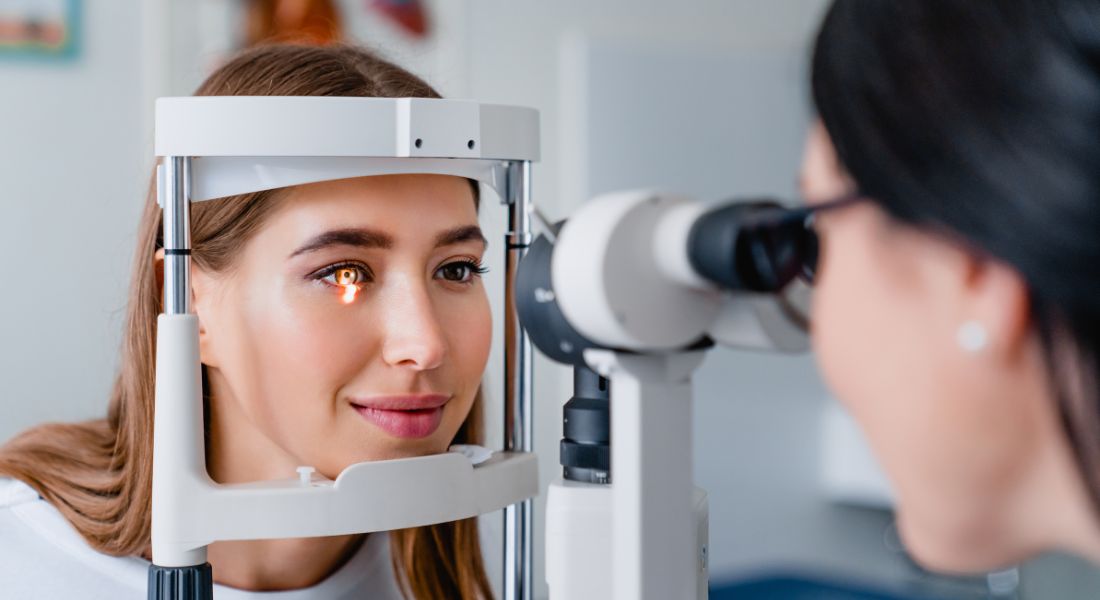
During LASIK, a thin corneal flap is created to allow laser reshaping of the underlying tissue. Once the correction is complete, the flap is carefully repositioned back into place. This design enables rapid visual recovery.
The flap adheres through natural biological forces rather than stitches. While initial attachment happens relatively quickly, full biomechanical stability develops over a much longer period. The cornea does not return to its pre-surgery structure.
This is why the eye is more vulnerable to trauma in the early stages of healing. A direct blow or sudden pressure could potentially disturb the flap before stability is fully established. Extra care during this period is essential.
Early Healing Versus Long-Term Stability
After LASIK, your vision often improves within days, which can feel reassuring. However, this rapid visual recovery doesn’t mean your eye has fully healed. Important structural healing continues beneath the surface for much longer.
- Quick vision improvement can be misleading: Seeing clearly early on may give you a sense that your eye is fully recovered. In reality, deeper healing is still taking place, even if your vision feels stable.
- The first few weeks are critical: During the early healing phase, the corneal flap is more vulnerable to movement or displacement. Avoiding eye rubbing and any form of impact is especially important at this stage.
- Stability improves over time, not overnight: Long-term corneal stability increases significantly after the first few months. However, activities involving high impact or contact can still carry some risk.
Early recovery and long-term healing are not the same thing. Protecting your eyes in the weeks after surgery is essential for a good outcome. Even as stability improves, sensible precautions remain important. Understanding this timeline helps you recover safely and confidently.
Why Non-Contact Sports Are Allowed Earlier
Non-contact sports like running, cycling, or gym workouts carry very little risk of direct eye impact. Because there is no physical collision involved, the chance of flap disturbance after LASIK is low. For this reason, these activities are usually allowed much earlier.
Surgeons still consider factors such as sweat, dust, and accidental eye rubbing. Protective eyewear may be advised in the early weeks, especially outdoors. A gradual return helps avoid unnecessary irritation.
The key difference is the absence of direct trauma. Without impact risk, healing can continue safely alongside light physical activity. This is why guidance varies by sport type rather than fitness level.
Contact Sports With the Highest Risk
Contact sports that involve punches, elbows, or frequent head clashes pose the highest risk after LASIK. Activities such as boxing, rugby, wrestling, and martial arts expose the eyes to unpredictable impact. Accidental eye trauma is common in these environments.
Even when protective headgear is worn, the risk cannot be eliminated entirely. Force from a blow to the face can still be transmitted to the eye. This makes the healing cornea more vulnerable, especially in the early months after surgery.
Because of this, surgeons recommend more cautious return timelines for high-impact sports. Rushing back too soon increases the risk of flap-related complications. Vision protection takes priority over training schedules.
In some cases, extended restrictions or alternative procedures may be discussed. The aim is to balance athletic goals with long-term eye health. Preserving vision always comes first.
Typical Return-to-Sport Timeline After LASIK
Return timelines vary depending on the sport and healing progress. Surgeons assess each case individually. General guidance is cautious.
| Sport Type | Typical Waiting Period |
| Non-contact sports | 1–2 weeks |
| Light contact sports | 4–6 weeks |
| High-impact contact sports | 3–6 months |
These timelines reflect healing biology. They may be adjusted based on individual risk factors.
Why Boxing and Martial Arts Require Longer Delays
Boxing and martial arts involve repeated direct strikes to the face. Even light sparring or controlled drills carry a genuine risk of accidental eye impact. This makes an early return unsafe after LASIK. The unpredictability of contact is the main concern.
If the corneal flap is displaced, it can cause pain, blurred vision, and inflammation. Visual quality may be affected immediately. In some cases, urgent treatment or further surgery is required to reposition the flap. Preventing this risk is far preferable to managing complications.
For these reasons, most surgeons advise waiting several months before returning to boxing or martial arts. Healing time allows the flap to stabilise more securely. Even after clearance, protective eyewear may still be recommended. Safety remains the overriding priority.
Rugby, Football, and Team Contact Sports
If you play team contact sports, returning after eye surgery requires extra caution. Sports like rugby and football involve fast movement, close physical contact, and unpredictable collisions. Even if your vision feels fine, your eyes may still be healing beneath the surface. Understanding these risks helps you make safer decisions about when and how to return to play.
- You’re exposed to unpredictable impact: In sports like rugby and football, collisions aren’t always planned. An elbow, head, or ball can hit your eye without warning. Even when you’re careful, you can’t fully control contact.
- Protective gear has limits: Helmets and headgear may reduce head injury risk, but they don’t fully protect your cornea. Your eye itself remains vulnerable, especially in the early healing phase after surgery.
- Your position and playing intensity matter: If you play in a high-contact position, your risk is higher. Full-contact matches place more stress on the eyes than light training or drills. This affects how soon you can return safely.
- You may return to training before full matches: In many cases, non-contact or modified training is allowed earlier. Full-contact play usually needs a longer recovery period to reduce the risk of flap displacement or injury.
- Your surgeon will assess your individual risk: Return timelines aren’t one-size-fits-all. Your healing progress, sport, and exposure level are all considered. Honest communication about how you play helps guide safer decisions.
Returning to contact sports is not about rushing it’s about timing it right. Giving your eyes enough time to heal reduces long-term risk and protects your vision. With proper guidance, a gradual return, and realistic expectations, you can get back to the sport you love without compromising your eye health.
The Role of Protective Eyewear
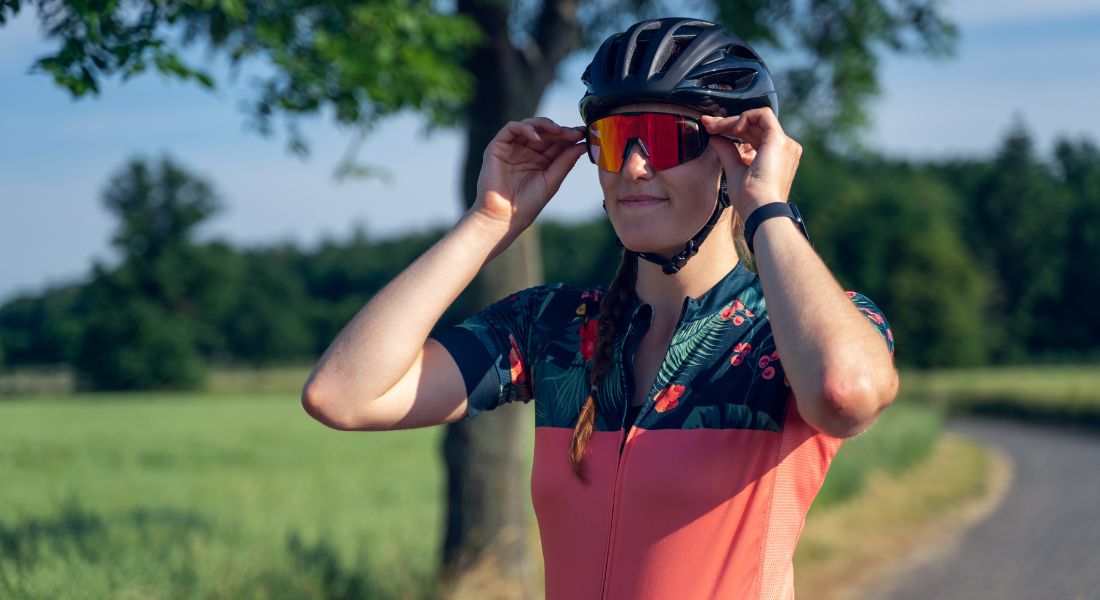
Protective sports goggles can significantly reduce the risk of eye injury after LASIK. They are particularly helpful during the early phases of returning to physical activity. Many surgeons recommend them as an added precaution.
However, protective eyewear is not foolproof. Goggles can deflect direct impact but cannot absorb all transmitted force. A poorly fitting or low-quality pair offers limited protection.
For higher-risk activities, eyewear is often strongly advised even after healing milestones are reached. It should be viewed as an extra safety layer rather than a guarantee. Proper fit and consistent use make a meaningful difference.
Why Surgeons May Recommend Alternatives to LASIK
For people heavily involved in contact sports, LASIK may not be the most suitable option. Activities with frequent physical impact increase the risk of eye trauma. The presence of a corneal flap makes this risk more relevant. These factors are discussed carefully during consultation.
Procedures without a permanent flap may offer greater long-term safety. Surface-based treatments such as LASEK or PRK avoid flap-related concerns. This makes them attractive for athletes in high-contact environments. The goal is durability as much as vision quality.
Surface-based procedures allow the cornea to heal as a single structure. Once recovery is complete, there is no flap that can shift or dislodge. This reduces vulnerability during accidental blows. Over time, the eye behaves more like an untreated cornea.
Procedure choice reflects lifestyle and long-term priorities. Surgeons weigh visual needs against daily risk exposure. For contact sport athletes, protection often takes precedence. Planning focuses on preserving vision for years to come.
When Impact Risk Never Fully Disappears
If you’ve had LASIK, it’s important to understand that impact risk does not completely disappear with time. Even years after surgery, a severe blow to the eye can still affect the corneal flap. The risk is low, but it is not zero, particularly in high-impact sports.
- Extreme trauma can still affect the flap: While the cornea heals well after LASIK, the flap never fully regains the same strength as untouched corneal tissue. A significant impact can disrupt it, even long after your vision has stabilised.
- High-impact sports always carry inherent risk: Activities involving physical contact, fast-moving objects, or falls naturally increase the chance of eye injury. This risk exists whether or not you have had laser eye surgery, but it is more relevant to consider after LASIK.
- Precautions help reduce, not eliminate, risk: Many athletes adapt by wearing protective eyewear or adjusting how they train and compete. These steps lower the chance of injury but cannot remove risk entirely.
This does not mean LASIK is unsafe. It simply means you benefit from understanding the limitations of the procedure. When you know where the risks lie, you can take sensible precautions without giving up the activities you enjoy. Informed decisions tend to lead to greater long-term confidence and satisfaction.
Why Follow-Up Appointments Matter
Post-operative follow-up appointments are essential for assessing how well the eye is healing after surgery. During these visits, surgeons closely examine flap position and corneal integrity to ensure recovery is progressing as expected. These findings directly influence when it is safe to return to physical activity.
Skipping follow-up reviews increases the risk of complications going unnoticed. Subtle issues may not cause immediate symptoms but can still affect long-term vision. For this reason, activity clearance should never be assumed without professional assessment.
Clear communication between patient and surgeon supports a safer return to sport. Ongoing monitoring helps protect visual outcomes and reduces the risk of preventable injury. Follow-up care is a key part of long-term surgical success.
Symptoms That Should Delay Return to Sport
Certain symptoms suggest that healing is not yet complete. Persistent discomfort, fluctuating vision, or ongoing light sensitivity can indicate that the eye remains vulnerable. Returning to sport while these symptoms are present increases the risk of injury or delayed recovery.
Any trauma to the eye should be assessed immediately, even if the impact seems minor. In the early stages of healing, small knocks can have a greater effect on corneal stability. Prompt clinical review helps identify problems before they escalate.
Listening to your body plays an important role in safe recovery. Healing timelines vary between individuals, and there is no universal schedule that suits everyone. Allowing adequate time and seeking reassurance when symptoms arise helps protect long-term visual outcomes.
Psychological Pressure to Return Too Soon
Athletes often feel strong pressure to return to sport as quickly as possible. Training schedules, team expectations, and competition timelines can heavily influence decision-making. In some cases, this urgency can override medical caution.
Returning before the eyes have fully healed increases the risk of vision-related complications. A short-term delay may feel frustrating, but it protects long-term performance and eye health. Vision is irreplaceable, and even minor setbacks can have lasting consequences.
Understanding the balance between recovery and return helps athletes make safer choices. Patience during the healing phase supports better outcomes both on and off the field. Prioritising eye health ultimately preserves sporting potential.
Why Healing Speed Differs Between Individuals
After eye surgery, it’s natural to wonder how quickly you should be healing. You may hear other people’s recovery stories and assume your experience should match theirs. In reality, healing varies widely from person to person.
- Your age and tear health influence recovery: As you get older, the eye’s healing response can slow slightly. Tear quality and quantity also matter, as a healthy tear film supports surface healing and comfort.
- Corneal biology differs from one person to another: Everyone’s cornea responds differently to surgery and inflammation. These biological differences help explain why some people feel settled quickly while others need more time.
- Clinical checks matter more than the calendar: Your surgeon bases clearance on how your eyes look and feel during examination, not on fixed dates. This flexible approach allows recovery to be personalised and safer.
Comparing your healing timeline to someone else’s is rarely helpful. Your eyes recover at their own pace, not according to averages or expectations. Giving your eyes the time they need often leads to better comfort and more stable vision. Trusting the process usually results in a smoother long-term outcome.
Long-Term Vision Protection Strategies
Protecting your eyes extends well beyond the immediate recovery period after surgery. Using appropriate protective eyewear during sports helps reduce the risk of eye injuries over a lifetime. Awareness and precaution play a key role in prevention.
Regular eye examinations remain important even years after treatment. These check-ups allow clinicians to monitor corneal health and detect subtle changes early. Early identification helps prevent small issues from becoming serious problems.
Prioritising vision protection supports long-term athletic participation. Eye care does not end in the operating room but continues through everyday choices. Consistent care helps preserve both performance and visual health.
Common Myths About LASIK and Sports
If you play sports and are considering LASIK, you’ve probably heard a few worrying claims. Some of these myths can make the procedure sound riskier than it really is. Clearing them up helps you make more realistic and confident decisions.
- Myth: LASIK permanently weakens your eyes: LASIK does not leave your eyes fragile once healing is complete. After recovery, the eye remains structurally strong and able to cope with normal physical activity.
- Myth: Protective goggles remove all risk: Wearing sports goggles significantly reduces the chance of injury, especially in high-impact activities. However, no protective gear can eliminate risk entirely, so understanding their limits is important.
- Myth: Sports and LASIK don’t mix at all: Many people return safely to a wide range of sports after LASIK. The key is choosing the right timing, precautions, and activities based on your individual situation.
Dispelling these myths allows you to plan more realistically. When you understand what LASIK can and cannot do, you’re less likely to feel anxious or misled. Accurate information supports better preparation and safer choices. In the long run, knowledge tends to improve both confidence and outcomes.
Who Should Be Most Cautious After LASIK
If you’ve had LASIK, most people return to normal activities without issue, but some situations call for extra care. Your lifestyle, eye health, and training demands can all influence how cautious you need to be during recovery. Understanding whether any of these risk factors apply to you helps you make safer, more informed decisions about returning to sport and physical activity.
| Risk Factor | Why Extra Caution Is Needed |
| Combat sports | Direct facial impact |
| Professional athletes | High training intensity |
| Dry eye | Slower healing |
| Previous eye injury | Reduced resilience |
| Early return pressure | Increased risk |
Balancing Athletic Goals With Eye Safety
Your athletic goals matter, but your vision underpins everything you do. Protecting your eyesight supports not just short-term performance, but your ability to train and compete long term. Sometimes, a brief pause or adjustment can prevent consequences that last a lifetime.
Your surgeon’s role is to help you balance eye health with your sporting ambitions. Recommendations are made collaboratively, taking into account your recovery, your sport, and what you want to achieve. The aim is not to limit you, but to keep you performing safely.
When you’re open about your goals and concerns, better decisions follow. Clear communication helps align safety with ambition rather than putting them in conflict. With the right approach, you can protect your eyes without giving up what drives you.
FAQs:
- How soon can I return to contact sports after LASIK?
Most people are advised to wait several months before returning to contact sports after LASIK. While vision often stabilises quickly, the corneal flap needs more time to gain strength. Returning too early increases the risk of flap displacement if the eye is struck. Clearance should always be based on your surgeon’s examination rather than a fixed timeline. - Why is LASIK riskier for contact sports compared to non-contact sports?
LASIK involves creating a corneal flap, which introduces a vulnerability during healing. Contact sports carry unpredictable impact to the face and eyes, which can disrupt the flap before it stabilises fully. Non-contact sports lack this direct trauma risk, making them safer earlier in recovery. - Can a LASIK flap move years after surgery?
The risk of flap movement decreases significantly over time, but it never becomes zero. Extreme trauma, even years later, can potentially affect the flap. This is why eye protection is still recommended for high-impact sports long after recovery is complete. - Does wearing protective sports goggles make contact sports safe after LASIK?
Protective eyewear can reduce the likelihood of eye injury, but it cannot eliminate risk completely. Goggles help deflect impact but cannot fully absorb strong force transmitted to the eye. They should be seen as an additional safety measure rather than a guarantee. - Is boxing or martial arts ever considered safe after LASIK?
Boxing and martial arts involve direct and repeated facial impact, which makes them particularly risky after LASIK. Most surgeons recommend a longer delay before returning, often several months, and some advise considering alternative procedures if long-term participation is expected. Individual assessment is essential. - Why does vision improve faster than structural healing after LASIK?
LASIK reshapes the cornea to correct vision quickly, which is why clarity often improves within days. However, the corneal flap relies on natural adhesion rather than stitches, and this structural healing continues beneath the surface for months. Good vision does not mean the eye is fully healed. - What symptoms should stop me from returning to sport after LASIK?
Persistent discomfort, fluctuating vision, light sensitivity, or redness can indicate incomplete healing. Any direct impact to the eye, even if mild, should be assessed before resuming sport. Ignoring symptoms increases the risk of complications. - Are professional athletes at higher risk after LASIK?
Professional athletes often train more intensely and face repeated impact, which increases risk during recovery. Pressure to return quickly can also compromise healing. Surgeons take training load and sport type into account when advising professional athletes. - Would another vision correction procedure be safer for contact sports?
Surface-based procedures that do not involve a permanent corneal flap may be safer for people involved in regular contact sports. Once healed, the cornea behaves as a single unit, reducing long-term trauma risk. Procedure choice is usually guided by lifestyle and sporting demands. - Why are follow-up appointments so important before returning to sport?
Follow-up visits allow surgeons to assess flap position, corneal integrity, and healing progress. These checks help determine whether the eye can tolerate physical stress safely. Returning to sport without medical clearance increases the risk of preventable injury.
Final Thought: Long-Term Eye Safety for Active Lifestyles After LASIK
Returning to contact sports after laser eye treatment is all about timing, awareness, and long-term thinking. While LASIK offers excellent visual outcomes, the presence of a corneal flap means impact risk needs to be taken seriously especially if your sport involves collisions, strikes, or unpredictable contact. Clear vision can return quickly, but structural healing takes longer, and understanding that difference helps you make safer decisions.
With the right recovery period, protective strategies, and honest communication with your surgeon, many people do return to sport confidently and safely. For those involved in high-impact or professional-level contact sports, discussing alternative procedures or extended precautions may offer greater peace of mind. The goal is never to rush, but to protect your eyesight for the long run. If you’d like to find out whether lasik surgery in London is suitable for, feel free to contact us at Eye Clinic London to arrange a consultation.
References:
- Pniakowska, Z., Jasińska-Bil, D., Pniakowski, J. and Piotrowska, K. (2022). Clinical evaluation of corneal biomechanics following laser refractive surgery in myopic eyes: a review. Journal of Clinical Medicine, 12(1), pp.1–xx. Available at: https://www.mdpi.com/2077-0383/12/1/243
- Janiszewska-Bil, D., Krug, M., Chellew, M. and Kowalska, M. (2024). Comparative analysis of corneal wound healing responses after FS-LASIK and other refractive procedures. Biomedicines, 12(10), pp.1–xx. Available at: https://www.mdpi.com/2227-9059/12/10/2289
- Dupps Jr., W.J. and Wilson, S.E. (2006). Biomechanics and wound healing in the cornea: implications for refractive surgery. Experimental Eye Research, 83(4), pp.1–xx. Available at: https://www.sciencedirect.com/science/article/abs/pii/S0014483506001990
- Chen, M.C., Roberts, C.J. and Donnenfeld, E.D. (2008). Corneal biomechanical measurements before and after LASIK surgery in myopic patients. Journal of Cataract & Refractive Surgery, 34(5), pp.1–xx. Available at: https://www.sciencedirect.com/science/article/abs/pii/S0886335008007815
- Avunduk, A.M., Senft, C.J., Emerah, S., Varnell, E.D. and Kaufman, H.E. (2004). Corneal healing after uncomplicated LASIK and its relationship to refractive changes: a six-month prospective confocal study. Investigative Ophthalmology & Visual Science, 45(5), pp.1334–1339. Available at: https://pubmed.ncbi.nlm.nih.gov/15111586/