


How Stable Are LASEK Results Long-Term? What Patients Should Know

You may feel reassured as early recovery progresses, yet still question how long your results will truly last. Many people focus on healing milestones while quietly wondering whether their vision will remain reliable years down the line. This concern is natural and reflects a desire for long-term certainty rather than short-term improvement.
We understand that laser eye surgery represents a long-term commitment, not a temporary solution. You are investing not only in recovery but in lasting visual performance that supports everyday life. For this reason, stability carries just as much importance as procedural safety.
You benefit from knowing what typically happens months and years after LASEK. Clear, evidence-based insight helps you form realistic expectations and reduces unnecessary doubt. When outcomes are explained properly, confidence tends to replace uncertainty.
We present long-term stability in practical terms, grounded in clinical evidence rather than assumptions. This approach helps you separate normal change from genuine concern. With the right information, anxiety gives way to understanding and reassurance.
What LASEK Is Designed to Achieve Long Term
LASEK reshapes the cornea to correct refractive error while preserving corneal strength. The procedure is designed for long-term correction rather than temporary improvement. Structural changes are intended to be permanent.
You may wonder whether the eye tries to “undo” the correction over time. In most cases, the reshaped cornea remains stable. The biological healing response usually settles within months.
We emphasise that LASEK aims for durability. Long-term outcomes depend on individual healing rather than surgical intent. The goal is stable vision that lasts for many years. Design supports longevity.
How Long-Term Results Are Measured
Long-term stability is evaluated by looking at how your vision measurements behave over time. Refraction, visual acuity, and consistency across follow-up visits all contribute to this assessment. What matters most are patterns and trends rather than a single isolated result.
You may hear words like stability or regression used during reviews. These terms describe whether vision stays steady or shifts gradually, not whether it is perfect every day. Small variations are common in all eyes and do not automatically indicate a problem.
We focus on results collected over months and years rather than weeks. Long-term data provides clearer insight and greater reassurance than short-term changes. When consistency is seen over time, it becomes the true measure of success and understanding.
What Studies Show About Long-Term LASEK Outcomes
Long-term outcomes after LASEK are generally very stable, which reassures many people considering the procedure. Research consistently shows that meaningful regression is uncommon. When changes do occur, they are usually mild and manageable. We view durability as one of the established strengths of LASEK.
- Long-term vision stability is the norm: Most people maintain good visual results for many years after LASEK. Significant regression is uncommon, supporting confidence in lasting outcomes.
- Stability is comparable across laser procedures: You may wonder whether LASEK differs from other laser treatments over time. Evidence shows long-term performance is broadly similar, with differences mainly in early healing.
- Vision typically settles within the first year: Visual results usually stabilise during the initial healing period. Any later change tends to be gradual and predictable rather than sudden.
LASEK is best understood as a procedure with reliable long-term performance. When viewed through long-term data, stability is the expected outcome rather than the exception. This evidence-based perspective helps set realistic expectations and supports confidence in durability over time.
Why Vision Can Change After Any Laser Procedure
No laser procedure can stop the natural ageing of the eyes. Changes continue throughout life, including shifts in the lens and gradual refractive variation. Understanding this helps you see long-term vision as something that evolves rather than something that is fixed forever.
You may notice changes that are completely unrelated to surgery, such as difficulty with near tasks over time. Presbyopia develops regardless of laser treatment and reflects how the eye matures with age. These changes are expected and do not suggest loss of the original correction.
We emphasise that natural visual changes are not a sign of surgical failure. Surgery corrects a specific refractive issue but cannot alter normal biological processes. When natural change is understood, unnecessary concern reduces and expectations remain grounded.
Regression Versus Normal Vision Change
Regression refers specifically to a partial return of the original refractive error rather than changes caused by ageing. These two processes are often confused, but they are not the same. Understanding the difference helps you interpret changes in vision more accurately.
You may worry that any blurring automatically means regression. In most cases, mild fluctuation is common and temporary, often linked to surface factors or fatigue. True regression follows clear and measurable patterns rather than isolated moments of blur.
We assess potential regression using objective measurements taken over time. Stability is determined by consistent data rather than how vision feels on a single day. When viewed with the right perspective, most patients do not experience meaningful regression.
How Common Is Regression After LASEK
Significant regression after LASEK is uncommon, and when it does happen, it is most likely to appear within the first year after treatment. Beyond this period, vision generally settles into a stable pattern. Late regression is considered rare once healing and adaptation are complete.
You may come across mixed or worrying stories online, which can make outcomes feel unpredictable. Individual experiences vary widely, and isolated accounts rarely reflect what happens for most people. Looking at broader population data gives a far clearer and more reassuring picture.
We consistently see that long-term correction remains stable for the majority of patients. In the small number of cases where minor change occurs, careful assessment may allow for adjustment if appropriate. Overall, regression risk remains low, and stability is the typical outcome.
Factors That Influence Long-Term Stability
Several factors shape how stable your vision remains in the long term. Your original prescription, the way your cornea heals, and how closely post-operative care is followed all play a role. Biological response varies between individuals, which is why outcomes are influenced rather than identical.
You may have started with a higher level of correction before surgery. In these cases, there is a slightly increased chance of minor residual change over time, and this is addressed during your assessment. Understanding this beforehand helps you form realistic expectations from the outset.
We design treatment plans around these individual factors rather than using a one-size-fits-all approach. Personal risk profiles guide both surgical decisions and long-term guidance. When planning is thoughtful and personalised, stability becomes more predictable and risk is reduced.
The Role of Healing in Long-Term Outcomes
Healing plays a central role in how LASEK results develop over time. As the corneal surface regenerates gradually, this process shapes the final quality of vision you experience. Understanding this progression helps explain why outcomes are not immediate.
You may notice vision fluctuating during the first few months after treatment. These changes are part of normal healing rather than a sign of instability or failure. Allowing time for recovery is essential for results to fully settle.
We see that once healing is complete, vision typically becomes stable and predictable. Late instability is uncommon when recovery progresses as expected. When healing timelines are understood, worry reduces and clarity follows with time.
How LASEK Compares With LASIK and PRK Long Term
When healing is complete, long-term outcomes for LASEK, LASIK, and PRK are broadly similar. Differences between these procedures relate mainly to early recovery rather than durability of results. From a long-term perspective, all three techniques are considered reliable. We focus on suitability rather than longevity when guiding choice.
- Durability is comparable across laser procedures: Long-term vision stability is similar for LASEK, LASIK, and PRK. Evidence shows differences lie in early healing, not in how long results last.
- Procedure choice is guided by eye structure and safety: You may be advised to choose LASEK based on corneal characteristics or risk profile. This decision does not compromise long-term stability or visual performance.
- Surface-based treatments remain reliable over time: We continue to see stable outcomes many years after surface procedures. When suitability is properly assessed, long-term results remain consistent.
The choice between laser procedures reflects what is safest and most appropriate for your eyes. Longevity of vision is not sacrificed when the procedure is matched correctly to eye health. This approach prioritises safety and suitability while maintaining reliable long-term outcomes.
Why Some Patients Perceive Change Over Time
Perceived changes in vision do not always mean that your refractive result has altered. Factors such as visual comfort, dryness, and lighting conditions can strongly influence how clear your vision feels. These influences affect perception rather than the underlying correction.
You may notice reduced sharpness during periods of fatigue or extended screen use. This experience does not suggest regression and is often linked to surface or environmental factors. Once these triggers are addressed, clarity typically returns.
We assess both visual measurements and ocular surface health to understand what is really happening. Dry eye can closely mimic refractive change, even when vision is stable. When perception varies, objective measurement helps clarify reality and guide appropriate care.
The Impact of Dry Eye on Long-Term Satisfaction
Dry eye can influence how satisfied you feel with your vision in the long term after LASEK. In some people, surface sensitivity lasts longer and affects comfort rather than clarity itself. Proper management plays an important role in maintaining a positive visual experience.
You may notice brief blurring that improves after blinking or using lubricating drops. This pattern usually points to a surface issue rather than a structural change in the eye. Recognising this difference helps reduce unnecessary concern.
We monitor and manage dry eye as part of ongoing care. Supporting surface health improves comfort and helps vision remain stable. When care continues beyond surgery, clarity is better maintained over time.
Presbyopia and Age-Related Changes
Presbyopia develops as the natural lens becomes less flexible with age, affecting near focus over time. This process happens to everyone and is not altered by laser vision correction. LASEK improves refractive error but does not prevent age-related changes in focusing ability.
You may notice that reading becomes more difficult years after surgery, even though distance vision remains clear. This change is expected and does not indicate regression or loss of the original result. Near vision demands evolve naturally as the eyes age.
We explain presbyopia clearly before surgery so future changes never come as a surprise. Understanding how ageing affects vision helps you set realistic expectations and plan confidently. While surgery reshapes vision, time continues to influence how the eyes work.
The Role of Follow-Up in Long-Term Stability
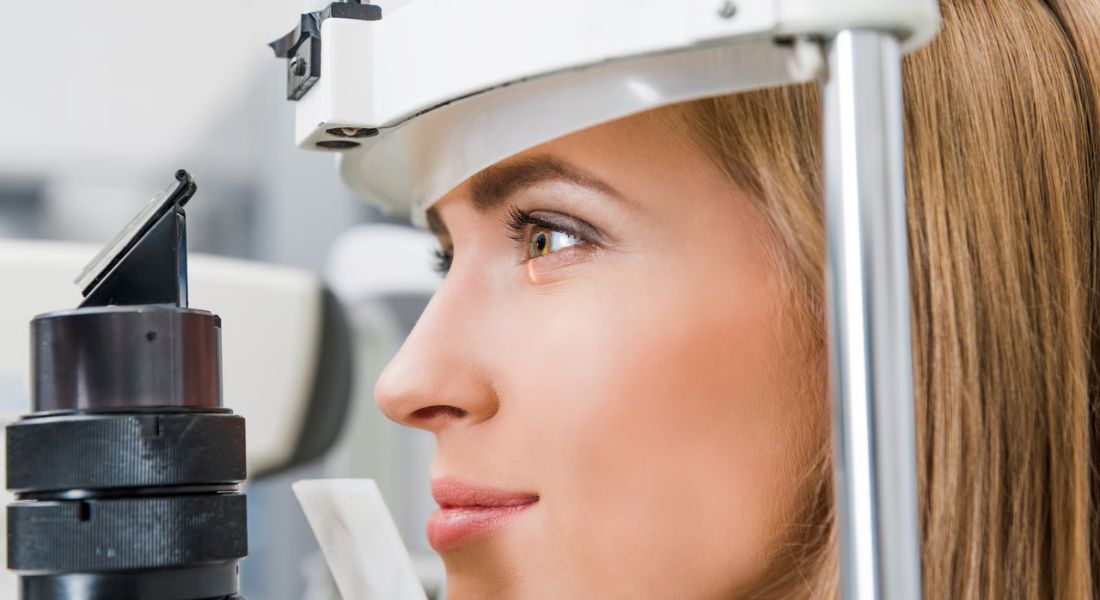
Follow-up appointments play a key role in tracking healing and visual stability after treatment. Early reviews confirm that recovery is progressing as expected, while later checks help verify that outcomes remain consistent over time. This structured approach supports confidence in long-term results.
You may feel that follow-up is unnecessary once your vision feels clear and comfortable. In reality, ongoing monitoring allows potential issues to be identified early, often before symptoms become noticeable. Prevention and timely insight are always more effective than reacting later.
We use follow-up data to distinguish normal variation from meaningful change. Seeing how your eyes behave over time provides reassurance and clarity. With regular monitoring, long-term success is better supported and sustained.
When Enhancements Are Considered
In rare situations, an enhancement may be considered if a small residual refractive error begins to affect your daily activities. The timing of any further treatment is chosen carefully, only after vision has fully stabilised. This measured approach ensures that decisions are based on long-term behaviour rather than short-term change.
You may worry that needing an enhancement means the original procedure was unsuccessful, but this is not how it is viewed clinically. Enhancements are used to fine-tune results when appropriate, not to correct a failure. When indicated, they can improve precision and comfort without compromising safety.
We always assess stability and overall eye health before discussing any additional treatment. Safety remains the priority, and not every eye will require or benefit from further intervention. When used selectively, enhancement simply supports the best possible visual outcome.
Long-Term Satisfaction After LASEK
Most patients continue to feel satisfied with their vision long after LASEK, and long-term stability plays a major role in that experience. When your vision behaves predictably, confidence develops naturally. Over time, this consistency becomes more valuable than the initial result alone.
You may notice that comfort with your vision increases as the years pass. As you adapt, everyday tasks begin to feel effortless, reinforcing the benefits of the procedure. Familiarity helps build trust in how your eyes perform in different situations.
We consistently see high satisfaction when expectations are realistic and well informed. Understanding how vision holds up over the long term reduces uncertainty and supports peace of mind. When stability is understood, confidence continues to grow.
Why Online Stories Can Be Misleading
Online discussions often focus on extreme experiences, while stable and uneventful outcomes receive little attention. This imbalance can distort how you perceive long-term results and make normal outcomes seem less common than they truly are. Understanding this bias helps you interpret what you read more critically.
You may come across stories describing regression or disappointment, but these accounts rarely reflect typical results. Important context is often missing, such as individual eye health or lifestyle factors. Without that detail, isolated experiences can feel more alarming than they should.
We recommend relying on clinical evidence and guidance tailored to you rather than online anecdotes. Individual assessment provides far more clarity than generalised stories. When information is balanced and evidence-led, reassurance follows naturally.
What Patients Should Expect Years After LASEK
Years after LASEK, you can usually expect distance vision to remain steady and reliable. Any small changes that appear over time are more often linked to natural ageing rather than the procedure itself. This distinction helps you view long-term outcomes with clarity and confidence.
You may find that glasses become useful for certain activities as your lifestyle and visual demands change. This is a normal part of how vision evolves and does not indicate loss of correction. Your needs can shift without undermining the benefits already achieved.
We focus on adaptability instead of the idea of permanent perfection. Surgery offers a strong foundation that supports everyday vision for the long term. When expectations are aligned with how vision naturally changes, stability continues to feel functional and dependable.
Why Stability Does Not Mean Zero Change
When we talk about long-term stability, we do not mean that vision remains completely unchanged forever. Stability refers to predictable, manageable shifts rather than sudden or disruptive loss. Understanding this distinction helps make long-term outcomes feel more reassuring. It also sets expectations that align with how vision naturally behaves over time.
- Stability reflects predictability, not permanence: Vision may change slightly over the years, even after successful correction. These shifts are usually gradual and manageable rather than sudden.
- Realistic expectations support long-term satisfaction: You may hope vision stays perfectly sharp for life. Recognising natural progression helps prevent unnecessary disappointment.
- Success is defined by usable, functional vision: We focus on long-term comfort and reliability rather than static perfection. This outlook supports confidence and a more positive overall experience.
Viewing stability as practical rather than absolute encourages understanding and reassurance. By aligning expectations with natural visual change, long-term outcomes feel more predictable and manageable. This perspective helps maintain confidence well beyond the initial treatment period.
Lifestyle Factors and Long-Term Vision

Lifestyle has a greater impact on daily visual comfort than on refractive stability itself. Factors such as prolonged screen use, sleep quality, and your surrounding environment can all influence how clear your vision feels. These influences often affect comfort rather than the actual correction achieved.
You may notice brief episodes of blur during long periods of focused work or screen time. This usually reflects visual fatigue rather than any loss of surgical outcome. With simple adjustments and better management of habits, comfort and clarity typically improve.
We include lifestyle guidance as an essential part of long-term eye care. The habits you follow shape how your vision feels from day to day. When care extends beyond surgery and balance is maintained, visual clarity is better supported over time.
Why Monitoring Remains Important Even Years Later
Regular eye examinations continue to matter even after LASEK, as your eyes naturally change over time. Ongoing monitoring helps protect overall vision and ensures that subtle shifts in eye health are noticed early. This approach supports long-term clarity rather than focusing only on past correction.
You may develop eye conditions in the future that have nothing to do with your previous surgery. Identifying these changes early allows treatment to begin at the right time, which often leads to better outcomes. Vision correction does not remove the need for continued awareness and care.
We encourage a routine approach to eye care that looks beyond refractive results alone. Long-term eye health is just as important as how well you see today. With regular monitoring, we support clear, comfortable vision throughout life.
When to Seek Review Years After Surgery
When your vision changes suddenly or feels noticeably different, it is important that you seek a professional review. Sudden shifts can signal something that needs attention, while slow, gradual changes are far more likely to be harmless. Knowing this difference helps you respond appropriately rather than react out of fear.
You may notice small fluctuations from day to day and worry that each one means something is wrong. When you understand common patterns, it becomes easier to recognise what is normal for you. In most cases, vision remains stable over time, and that stability is far more common than unexpected problems.
We always aim to balance reassurance with sensible caution. Your safety shapes every recommendation we make, without creating unnecessary alarm. When you know when to act and when to stay calm, you feel more confident and in control of your eye health.
Why LASEK Remains a Reliable Option
LASEK remains a reliable option for suitable candidates, with long-term data supporting both safety and stability. You can feel confident that outcomes are predictable when the procedure is chosen for the right reasons. We recognise its established track record over many years.
You may choose LASEK because of specific corneal considerations. We understand that this decision does not compromise long-term results or durability. Outcomes are designed to endure when suitability is carefully assessed.
We continue to recommend LASEK when it is the appropriate option. You benefit from evidence-led decision-making that supports confidence rather than compromise. Reliability defines success, and trust is built through consistent results.
Choosing Experienced Care Matters
Long-term outcomes depend on careful assessment, precise planning, and consistent follow-up. You benefit when experience informs each stage, as precision improves with expertise. We recognise that care quality directly influences results over time.
You gain the most from centres that prioritise monitoring and patient education. We see that understanding what to expect supports adherence and confidence, which are essential for lasting success. Knowledge helps you stay engaged beyond the procedure itself.
We believe expert guidance and partnership underpin stable outcomes. You and we work together to protect results over the long term. Care quality shapes experience, and expertise supports longevity.
Why Expectations Shape Satisfaction

Expectation management plays a central role in overall satisfaction with surgery. You benefit when there is a clear understanding of what surgery can and cannot achieve, as this helps prevent disappointment later. We recognise that clarity early on supports realistic thinking.
You may feel more satisfied when outcomes align with what you were prepared for. We see education as essential in setting achievable goals and avoiding assumptions. When expectations are realistic, outcomes feel more positive even when recovery is gradual.
We emphasise clear communication from the start because understanding builds confidence. You experience care more positively when knowledge shapes expectations. Expectation influences experience, and informed awareness supports peace of mind.
FAQs:
- How stable can you expect your vision to be years after LASEK?
You can usually expect your distance vision to remain reliable for many years. Most eyes settle into a stable pattern once healing is complete. Any later changes are typically gradual. Long-term consistency is the expected outcome for most people. - Can your vision change even if your LASEK result was successful?
Your vision can change slightly over time due to natural eye ageing. These changes are not caused by the procedure itself. Laser correction does not stop biological processes. Understanding this helps prevent unnecessary concern. - Why does stability not mean your vision stays exactly the same forever?
Stability refers to predictability rather than permanent perfection. Small, manageable shifts can occur without affecting daily function. These changes usually happen slowly. Functional vision remains dependable even as minor variation appears. - How do doctors know whether your LASEK result is truly stable?
Stability is assessed by looking at patterns across multiple check-ups. Your measurements are compared over time rather than judged on a single visit. Consistency matters more than perfection. Trends provide reassurance. - Why might your vision feel different even when results are stable?
Comfort, dryness, fatigue, and lighting can affect how sharp vision feels. These factors influence perception rather than correction. Vision may fluctuate without structural change. Objective checks help confirm stability. - How common is significant regression after LASEK for you?
Meaningful regression is uncommon once healing is complete. Most changes, if they occur, happen early rather than years later. Late regression is rare. Long-term durability is typical. - Can dry eye affect how stable your vision feels over time?
Dry eye can make vision feel inconsistent without altering correction. Blurring that improves with blinking often points to surface issues. Managing dryness supports comfort. Stable results feel clearer when the surface is healthy. - Why might you need reading glasses years after LASEK?
Age-related near-vision changes develop naturally over time. LASEK corrects distance vision but does not prevent presbyopia. Reading difficulty reflects ageing rather than loss of correction. Distance clarity often remains strong. - How important is follow-up care for long-term stability?
Follow-up helps confirm healing and track subtle changes over time. Regular checks distinguish normal variation from concern. Early detection supports reassurance. Monitoring protects long-term confidence in results. - When should you seek review long after your LASEK procedure?
You should seek review if vision changes suddenly or feels unusually different. Gradual shifts are usually harmless. Sudden change needs assessment. Knowing when to act supports both safety and peace of mind.
Final Thoughts on Long-Term LASEK Results:
Long-term results after LASEK are generally stable, predictable, and reliable for most people. Vision changes that occur years later are more often related to natural ageing or surface factors rather than failure of the procedure itself. Understanding the difference between regression and normal visual change helps maintain confidence in long-term outcomes.
We believe informed patients feel more secure about their decisions. If you are considering lasek surgery in London and would like personalised advice about long-term stability or follow-up care, you can contact us at Eye Clinic London.
References:
- Yuksel et al. (2014) – Long-term results of LASEK and Epi-LASIK for myopia showing stable visual and refractive outcomes. Available at: https://pubmed.ncbi.nlm.nih.gov/24128385/
- Garcia-Gonzalez et al. (2017) – Long-term follow-up of LASEK with mitomycin-C demonstrating good safety, predictability, and stable refractive results over ~6.5 years. Available at: https://pubmed.ncbi.nlm.nih.gov/29227509/
- Taneri, S., Jendritza, B., Summer, L. and Seitz, B. (2004) – Safety, effectiveness, and refractive stability of LASEK correction for low to moderate myopia over a long-term period. Available at: https://www.sciencedirect.com/science/article/abs/pii/S0886335004003141
- Spadea, L., Verboschi, F., De Rosa, V., Salomone, M., & Vingolo, E.M. (2015). Long-term results of no-alcohol laser epithelial keratomileusis (LASEK) vs PRK for low-moderate myopia. Available at: https://www.ncbi.nlm.nih.gov/pmc/articles/PMC4458666/
- Hashemian, S.J., et al. (2022). Long-term visual and refractive stability after LASEK: 8-year biometric and refractive outcomes. Available at: https://www.ncbi.nlm.nih.gov/pmc/articles/PMC8772487/