


Why Surgeons Recommend LASEK Over LASIK (Guide)

Many patients assume LASIK will be the standard choice for vision correction, so hearing that LASEK is recommended can be surprising. This may cause concern that LASEK is outdated or less effective, but this is not the case. The recommendation is based on safety and suitability rather than preference.
LASEK is chosen for specific clinical reasons, often related to the cornea’s thickness or shape. Patients with thinner or irregular corneas may face higher risks with LASIK. In such cases, LASEK provides a safer alternative while still achieving excellent visual outcomes.
The procedure also takes epithelial healing into account. LASEK preserves more of the corneal structure and reduces the risk of complications like flap-related issues. This makes it particularly suitable for patients with certain corneal characteristics.
Long-term safety and stability are central to the decision. Surgeons consider factors such as potential future eye changes, durability of results, and overall ocular health. Understanding why LASEK is recommended can help patients feel confident in the choice.
Understanding the Difference Between LASIK and LASEK
Both LASIK and LASEK aim to correct vision by reshaping the cornea, but they differ in how the corneal surface is treated. This distinction has important implications for safety, recovery, and suitability.
LASIK creates a thin corneal flap before reshaping the underlying tissue with a laser. In contrast, LASEK works on the surface layers of the cornea without creating a permanent flap, preserving more of the corneal structure.
Because of these differences, each procedure affects corneal biomechanics differently. Surgeons select the most appropriate technique based on your corneal thickness, shape, and overall risk profile.
Why LASIK Is Not Suitable for Everyone
LASIK is a highly effective procedure for many people, but it isn’t suitable for every eye. The cornea must be thick and strong enough to safely support the creation of a flap. If your eyes don’t meet these anatomical requirements, LASIK could do more harm than good.
- Corneal thickness and strength are critical: If your cornea is too thin, creating the LASIK flap can weaken it excessively. This may lead to long-term instability and potential complications.
- Safety always comes first: Even if LASIK seems convenient, it isn’t worth taking unnecessary risks. Protecting your long-term eye health is the priority over achieving immediate freedom from glasses.
- Alternatives are available: When LASIK isn’t safe, your surgeon may recommend procedures like LASEK or other surface-based techniques. These options can provide excellent vision correction without compromising corneal integrity.
Not every eye is a perfect candidate for LASIK. Understanding your individual anatomy helps you avoid unnecessary risks. Exploring safe alternatives ensures you still achieve the best possible vision. Making informed choices puts your eye health first.
Corneal Thickness and Safety Margins
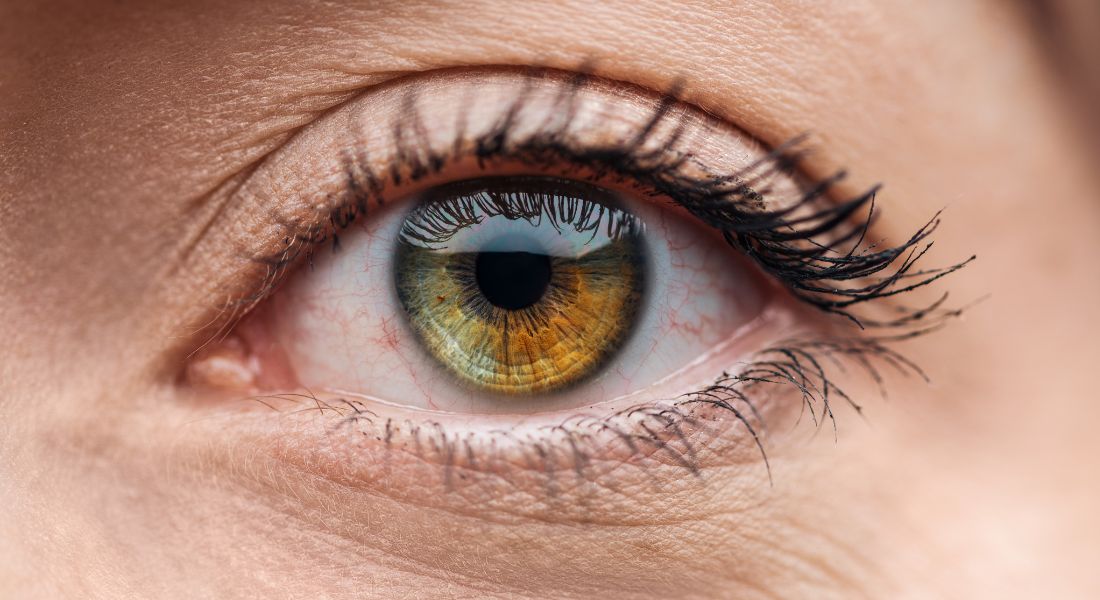
Corneal thickness is one of the most important considerations when planning refractive surgery. In LASIK, a thin flap is created and deeper corneal tissue is reshaped with a laser. While this method is effective for vision correction, it reduces the cornea’s overall structural strength, which can be a concern for patients with thinner corneas.
LASEK, by contrast, works on the surface layers of the cornea without creating a permanent flap. This preserves more of the natural corneal tissue, maintaining its biomechanical stability and long-term strength. Avoiding deep tissue removal lowers the risk of weakening the cornea or developing post-surgical complications.
Patients with borderline or thin corneas particularly benefit from LASEK. The procedure allows effective correction while prioritising safety, reducing the likelihood of structural compromise. Surgeons often recommend LASEK for these patients to maintain optimal corneal integrity.
Overall, considering corneal thickness is essential to achieving safe, predictable outcomes. LASEK provides a tailored approach for those whose corneas are less suited to LASIK, balancing correction with preservation of natural eye health.
Why Thin Corneas Favour LASEK
If your corneas are thin, LASIK may not be the safest option. The combination of flap creation and laser reshaping can remove too much tissue, increasing the risk of long-term instability. Knowing why LASEK is preferred helps you understand how surgeons prioritise safety without sacrificing vision correction.
- LASIK can stress thin corneas: Thin corneas may not tolerate the LASIK flap well. Excess tissue removal can lead to ectasia, a weakening of the cornea that affects vision stability.
- LASEK avoids flap creation: LASEK reshapes only the surface tissue, leaving the deeper corneal layers intact. This significantly reduces biomechanical stress while still improving your vision.
- Safe correction without compromising strength: For patients with thin corneas, LASEK offers effective vision correction without jeopardising corneal integrity. Surgeons often recommend it for this reason.
LASEK provides a safer alternative when corneal thickness is a concern. It balances effective vision improvement with long-term structural safety. Choosing the right procedure ensures your eyes remain healthy and strong. Understanding these options helps you make an informed decision about your treatment.
Irregular Corneal Surfaces and LASEK
Some corneas have subtle irregularities that may not affect daily vision but are important surgically. LASIK relies on creating a precise flap, and uneven corneal surfaces can make this step less predictable, increasing the risk of complications.
LASEK, by working directly on the surface without creating a flap, avoids these flap-related risks. This approach allows for more consistent and predictable outcomes, even when the cornea has minor irregularities.
Surgeons often recommend LASEK for patients with borderline corneal topography or subtle asymmetry. Prioritising safety and precision ensures both effective vision correction and long-term corneal health.
By choosing the procedure best suited to corneal anatomy, patients reduce the risk of post-surgical issues while achieving reliable visual results.
Dry Eye Risk and Procedure Selection
Dry eye symptoms are a common consideration when planning refractive surgery. LASIK affects deeper corneal nerves due to flap creation, which can temporarily or sometimes persistently disrupt tear signalling and worsen dryness.
LASEK, by preserving the deeper corneal structures and working on the surface, generally carries a lower long-term risk of dry eye for susceptible patients. The surface healing process allows corneal nerves to recover more naturally, helping maintain comfort after surgery.
Patients who already experience dry eye or have risk factors for tear instability may benefit from LASEK. Choosing this procedure can reduce post-operative discomfort while still providing effective vision correction.
Why LASEK Is Preferred for Contact Sport Athletes

LASIK involves creating a permanent corneal flap, which while generally stable can be more vulnerable to trauma from direct impact. For people involved in contact sports or high-risk activities, this potential vulnerability is an important consideration.
LASEK, in contrast, does not create a permanent flap. After healing, the cornea remains structurally uniform, reducing the risk of injury-related complications.
Athletes and physically active individuals often benefit from LASEK’s increased long-term corneal stability. This recommendation is based on lifestyle factors rather than visual outcomes alone, ensuring safety while maintaining effective vision correction.
Choosing the right procedure for high-risk lifestyles highlights how refractive surgery can be personalised. Long-term security and performance considerations guide the surgeon’s advice.
Occupational Considerations That Favour LASEK
Some professions involve a higher risk of eye injury, including military personnel, firefighters, and contact sport professionals. For these individuals, flap safety becomes an important factor in choosing a refractive procedure.
LASEK eliminates concerns related to a corneal flap. Once healed, the cornea remains a single, uniform structure, offering greater resilience against trauma.
Surgeons take occupational risks into account when recommending LASEK. Protecting the eyes in daily work and high-risk environments is just as important as achieving optimal vision.
By considering professional demands, LASEK provides a tailored solution that balances safety with effective vision correction.
Surface Healing and Epithelial Regeneration
LASEK works by allowing the corneal epithelium, the surface layer, to heal naturally rather than creating and repositioning a flap as in LASIK. This epithelial regeneration is predictable and well understood, making the procedure safe for a wider range of corneal profiles.
Initial healing takes longer than LASIK, and patients may experience temporary discomfort or slower visual recovery. However, once fully healed, visual outcomes are comparable to LASIK, making the trade-off primarily one of time versus safety.
Surgeons emphasise that the healing method is a key factor in choosing LASEK. While recovery may be slower, prioritising corneal integrity and long-term safety often outweighs speed.
Understanding the differences in healing helps patients set realistic expectations and improves satisfaction with the procedure.
Why Healing Time Alone Should Not Decide
It’s natural to be drawn to procedures that promise quick recovery, but healing speed shouldn’t be the main factor in choosing a vision correction method. LASIK can give faster visual recovery, while LASEK takes longer initially. Understanding why surgeons may recommend the slower route helps you prioritise safety and long-term outcomes.
- Recovery speed differs between procedures: LASIK often allows you to see clearly within a day or two. LASEK usually requires a longer healing period before your vision stabilises.
- Short-term convenience is not the same as long-term safety: Faster recovery doesn’t mean the procedure is safer for your eyes. Surgeons focus on long-term outcomes, even if it means a slower initial recovery.
- Strategic choices protect your vision: Choosing LASEK over LASIK in certain cases is a deliberate decision to preserve corneal strength and long-term visual quality. Patience during healing can prevent complications later.
Healing time is just one piece of the puzzle. Prioritising safety and structural integrity gives your eyes the best long-term protection. Short-term inconvenience can be worth it for lasting results. Making informed choices ensures your vision remains healthy and stable for years to come.
Long-Term Corneal Stability
Long-term corneal stability is a critical consideration in refractive surgery. LASIK changes the cornea’s biomechanics more significantly by creating a flap and reshaping deeper tissue, which is generally safe in eyes with sufficient thickness and regular shape.
LASEK, by preserving the deeper corneal layers, minimises biomechanical disruption. The cornea maintains its natural strength and stability over time, reducing the risk of long-term complications.
Patients with thinner or borderline corneas particularly benefit from LASEK’s approach. Surgeons consider decades of ocular health, not just short-term visual outcomes.
Prioritising corneal integrity ensures that vision correction remains safe and reliable well into the future, providing both effectiveness and peace of mind.
Comparing LASIK and LASEK Safety Profiles
When considering refractive surgery, understanding the safety differences between LASIK and LASEK is essential. Each procedure has distinct characteristics that affect corneal integrity, recovery, and long-term outcomes. Comparing factors such as flap creation, suitability for thin corneas, trauma risk, and stability helps patients and surgeons choose the safest, most effective option for individual eyes.
| Factor | LASIK | LASEK |
| Corneal flap | Yes | No |
| Suitable for thin corneas | Limited | Yes |
| Trauma risk | Slightly higher | Lower |
| Initial recovery | Faster | Slower |
| Long-term stability | Depends on anatomy | Strong |
Why Surgeons Avoid Risk Even When LASIK Is Possible
Even when LASIK is technically feasible, surgeons may recommend LASEK to minimise potential risks. This cautious approach prioritises patient safety over convenience or speed of recovery.
Refractive surgery is elective, so maintaining strong safety margins is essential. Avoiding preventable complications ensures long-term eye health and preserves corneal integrity.
Choosing LASEK in borderline cases reflects experience and foresight rather than hesitation. Surgeons aim to provide the best outcomes with the lowest risk possible.
Ultimately, conservative decision-making protects vision for decades, giving patients confidence in both the procedure and their future eye health.
Epithelial Healing and Visual Outcomes
After LASEK, your corneal surface needs time to heal, and vision improves gradually during this period. Understanding this process helps you set realistic expectations and stay patient as your eyes recover. While the recovery timeline is longer than LASIK, the long-term results are excellent.
- Vision improves gradually: As the epithelial layer stabilises, you’ll notice your vision becoming clearer day by day. Temporary haze or mild blurring is normal during this period.
- Final visual outcomes match LASIK: Once healing is complete, your visual clarity is comparable to LASIK results. There’s no long-term disadvantage the difference lies only in the recovery timeline.
- Counselling ensures realistic expectations: Surgeons explain the healing process in detail before surgery. Knowing what to expect helps you remain patient and reduces anxiety during recovery.
With LASEK, healing requires a little more patience, but the results are just as good as LASIK in the long run. Understanding the process helps you stay confident and prepared. Your final vision is excellent once the cornea fully stabilises. Being informed allows you to focus on the benefits rather than the temporary inconvenience.
Pain and Discomfort Considerations
LASEK recovery typically involves more initial discomfort compared with LASIK. This is a result of surface healing, including epithelial regeneration, but the pain is usually temporary and can be managed with medication and care.
LASIK generally offers a more comfortable early recovery due to flap repositioning, making the first few days easier for patients. However, early comfort does not always correlate with long-term safety or suitability.
Surgeons carefully weigh both comfort and safety when recommending a procedure. For some patients, accepting short-term discomfort with LASEK ensures stronger, more stable corneas in the long run.
Patients are supported throughout recovery with guidance and follow-up, making the temporary discomfort a worthwhile trade-off for lasting visual outcomes and ocular health.
Why LASEK Is Not an “Older” or Inferior Procedure
Some patients mistakenly believe that LASEK is outdated or a second-rate alternative to LASIK. In reality, it is a modern, evidence-based procedure with proven effectiveness and safety.
LASEK is recommended deliberately, not as a fallback. It serves a specific purpose, particularly for patients with thinner corneas, irregular surfaces, or higher risk of trauma, filling an important niche in refractive surgery.
Surgeons choose LASEK because it delivers predictable, durable outcomes while minimising potential complications. Its value lies in safety and long-term corneal stability.
Understanding this helps patients feel confident in the recommendation, recognising that LASEK is a specialised, high-quality option rather than an outdated choice.
How Pre-Operative Testing Guides the Decision
Advanced pre-operative diagnostics play a crucial role in determining the most suitable refractive procedure. Measurements of corneal thickness, shape, and biomechanical properties are taken, and each eye is evaluated individually to identify potential risks.
These tests can reveal subtle anatomical or structural factors that make LASIK less ideal, explaining why LASEK may be the safer choice for certain patients. Evidence-based data guides the decision rather than assumptions.
By tailoring the procedure to each patient’s unique eye characteristics, surgeons maximise both safety and effectiveness. This personalised approach avoids a one-size-fits-all strategy.
Ultimately, thorough pre-operative testing ensures that the chosen procedure aligns with long-term ocular health, recovery, and visual outcomes.
Common Patient Misconceptions About LASEK
You may have heard myths about LASEK that make it seem less effective than LASIK, but these aren’t true. Many people assume slower recovery or surface-based techniques mean inferior results, when in fact outcomes are comparable. Knowing the facts helps you make an informed decision and feel confident about your options.
- LASEK does not mean worse results: Visual outcomes after LASEK match those of LASIK once healing is complete. The only difference is in the initial recovery period.
- LASEK is not a “backup” procedure: Some think LASEK is only used when LASIK fails, but it is often the safest, proactive choice for certain eyes. Choosing it early can prevent complications rather than correcting them later.
- Education reduces anxiety: Understanding what LASEK involves and why it may be recommended helps you feel reassured. Clear information builds trust between you and your surgeon.
Misconceptions can cause unnecessary worry. Knowing the facts lets you approach LASEK with confidence. Recovery may be slower, but the final results are excellent. Being informed allows you to focus on the benefits rather than myths.
When LASEK Offers the Best Balance

LASEK provides the ideal balance when safety margins are limited. It allows effective vision correction while preserving the cornea’s natural strength, making long-term structural stability a priority.
Patients with risk factors such as thinner corneas, irregular surfaces, or higher trauma exposure benefit most from this approach. Surgeons carefully assess each eye to determine suitability, ensuring treatment is personalised rather than generic.
Choosing LASEK is a decision based on safety and individual anatomy, not a compromise on quality or results. Thoughtful planning and tailored care make it the preferred option for many patients.
By focusing on both effectiveness and protection, LASEK offers lasting visual outcomes without sacrificing corneal integrity.
Surgeon Experience and Recommendation Confidence
Surgeons recommend LASEK with confidence when clinical indications point to it. Years of experience allow them to recognise which eyes will benefit most, and long-term outcomes guide their decision-making.
A recommendation is never random or arbitrary. It reflects pattern recognition developed through treating many patients and observing how different procedures perform over time. Consistency in results builds trust and informs future practice.
Patients are encouraged to ask why LASEK is being recommended for their eyes. Understanding the reasoning behind the choice helps strengthen confidence and ensures informed, comfortable decision-making.
Summary: Why LASEK Is Sometimes the Safer Choice
When choosing between LASIK and LASEK, safety considerations often guide the decision. LASEK is sometimes recommended because it better preserves corneal strength, reduces certain risks, and offers long-term stability. Understanding the factors that make LASEK the safer choice helps patients appreciate why it may be the most suitable procedure for their eyes and lifestyle.
| Reason | Why It Matters |
| Thin corneas | Preserves strength |
| Dry eye risk | Reduces nerve disruption |
| Active lifestyle | No flap vulnerability |
| Irregular anatomy | Predictable healing |
| Long-term safety | Stable outcomes |
FAQs:
- What is the main difference between LASEK and LASIK?
LASEK and LASIK both reshape the cornea to correct vision, but the way the cornea is handled differs. LASIK creates a flap in the cornea before laser treatment, while LASEK works on the surface layers without making a permanent flap. This difference affects healing, safety, and suitability for certain eye types. - Why might a surgeon recommend LASEK instead of LASIK?
A surgeon may recommend LASEK when LASIK could pose risks due to thin corneas, irregular corneal surfaces, or higher susceptibility to dry eye. LASEK preserves more of the cornea’s structure and reduces flap-related complications, making it a safer choice in these cases. - Does LASEK take longer to heal than LASIK?
Yes, the healing process for LASEK is generally slower because it relies on surface epithelial regeneration rather than flap repositioning. Patients may notice gradual improvement over several days, but the final visual outcome is usually comparable to LASIK. - Is LASEK less effective than LASIK for vision correction?
No, LASEK is just as effective in correcting vision as LASIK. The difference lies in the method and recovery process rather than the final visual result. The procedure is chosen to reduce risk and preserve corneal strength, especially in eyes that are not ideal candidates for LASIK. - Can patients with dry eyes have LASEK safely?
Yes, LASEK can be safer for patients prone to dry eyes because it minimally disrupts corneal nerves. This reduces the risk of worsening dry eye symptoms compared with LASIK, which can affect the deeper corneal layers and tear regulation more significantly. - Who benefits most from LASEK?
LASEK is particularly suitable for patients with thinner corneas, irregular corneal surfaces, or lifestyles involving high risk of eye trauma. Athletes, military personnel, and individuals engaged in contact sports often benefit because there is no permanent flap that could be displaced. - Will I experience more discomfort with LASEK than LASIK?
Early recovery can involve more discomfort with LASEK due to surface healing. Patients may experience temporary soreness or light sensitivity, but these symptoms typically subside within a few days, and surgeons provide guidance to manage discomfort effectively. - Is LASEK an outdated procedure?
LASEK is not outdated; it is a modern, evidence-based procedure. It remains an important option when LASIK could compromise corneal integrity or long-term safety. The recommendation for LASEK is based on careful evaluation, not because the procedure is less effective. - How does pre-operative testing influence the choice between LASIK and LASEK?
Surgeons use detailed diagnostics, including corneal thickness measurements, topography, and biomechanical assessments, to determine suitability. These tests reveal subtle risks that could make LASIK less safe, guiding the decision to choose LASEK for optimal long-term outcomes. - Will my vision eventually be the same after LASEK as it would have been with LASIK?
Yes, once healing is complete, visual clarity after LASEK is typically similar to LASIK. While recovery is slower, the procedure provides comparable long-term vision correction and offers additional safety for patients whose eyes might be at risk with LASIK.
Final Thoughts: Is LASEK the Right Choice for You?
Choosing between LASIK and LASEK isn’t simply about speed of recovery or convenience it’s about long-term eye health and safety. LASEK is often recommended for patients with thinner corneas, irregular surfaces, or lifestyles that increase the risk of eye trauma. While the initial healing may take longer, the procedure preserves corneal strength, reduces flap-related complications, and provides excellent long-term vision outcomes.
If you’re considering lasek surgery in London and want to understand whether it is the best option for your eyes, you’re welcome to reach out to us at Eye Clinic London to book a consultation. Our team can guide you through pre-operative assessments and personalised recommendations, ensuring you feel confident in your choice of procedure.
References:
- Dooley, I.H., D’Arcy, F. and O’Keefe, M. (2012) Comparison of dry‑eye disease severity and visual fluctuation following LASIK and LASEK, Journal of Cataract and Refractive Surgery, 38(6), pp.1058–1064. https://www.mdpi.com/2077-0383/12/11/3761
- Lee, J.H., et al. (2012) Comparison of LASIK and surface ablation outcomes in a large multicentre cohort, Investigative Ophthalmology & Visual Science, 53(12), pp.7706–7713. https://pubmed.ncbi.nlm.nih.gov/22991419/
- Abad, J.C. et al. (2004) Evolution, techniques, clinical outcomes, and pathophysiology of LASEK: a literature review, Survey of Ophthalmology, 49(5), pp.502–511. https://www.sciencedirect.com/science/article/abs/pii/S0039625704001353
- Long‑term comparison of LASIK versus laser surface ablation in thin corneas (2012) Journal of Refractive Surgery. https://www.sciencedirect.com/science/article/abs/pii/S0886335012003689
- Gabison, E.E., et al. (2023) Dry eye disease following LASIK, PRK, and LASEK: A prospective comparative study, Journal of Clinical Medicine, 12(11), 3761. https://www.mdpi.com/2077-0383/12/11/3761