


Can You Have Glaucoma for Years Without Knowing? (Explained)
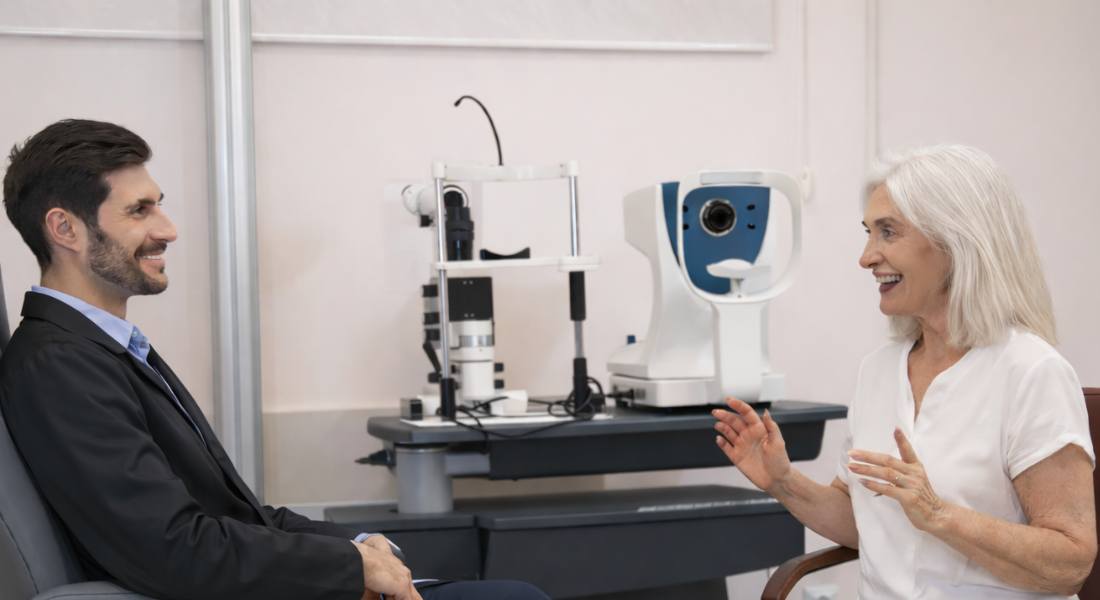
Many people are shocked when they learn they have glaucoma. You might feel your vision is perfectly normal and assume any serious eye disease would be obvious. Unfortunately, glaucoma rarely causes noticeable symptoms in its early stages.
The condition develops silently. Damage to the optic nerve can build up gradually over years, often without affecting central vision. This slow progression allows glaucoma to remain undetected until significant changes occur.
Because peripheral vision is affected first, your brain often compensates for missing information. You may not notice subtle gaps or difficulties, which makes early signs easy to overlook.
Routine eye tests are essential for catching glaucoma before irreversible damage happens. Understanding how it can go unnoticed highlights the importance of proactive screening and regular check-ups.
Why Glaucoma Is Known as a Silent Disease
Glaucoma is often referred to as the “silent thief of sight” because it usually causes no pain or obvious visual symptoms in its early stages. Vision loss develops gradually, making it easy to miss.
Your brain adapts to slow changes, automatically filling in missing visual information. This compensation means you may not notice anything is wrong until damage is advanced.
By the time symptoms like peripheral vision loss or difficulty seeing in dim light become obvious, significant optic nerve damage may already have occurred.
This silent progression is what makes glaucoma particularly dangerous. Staying aware and attending regular eye checks is your best defence.
How Glaucoma Develops Without Symptoms
You might feel perfectly fine even if glaucoma is starting to affect your eyes. That’s because most glaucoma begins by affecting your peripheral (side) vision, leaving central vision what you use for reading and daily tasks largely intact. This subtlety is why early changes often go unnoticed.
- Peripheral vision is affected first: Glaucoma usually impacts your side vision before central vision. Since you don’t consciously monitor your peripheral vision, small losses can happen without you realising.
- Both eyes working together can mask problems: Your eyes often compensate for each other, so one eye may cover for the other. This further hides the gradual changes and allows the disease to progress quietly.
- Symptoms appear late By the time you notice visual problems, significant damage may already have occurred. Relying on how your eyes feel is unreliable; only proper eye tests can detect the early changes.
Because glaucoma progresses silently, you can’t depend on symptoms to know you’re affected. Regular eye examinations are essential to catch it early. Testing gives a clear picture of your eye health before noticeable vision loss occurs. Staying proactive is the only reliable way to protect your sight.
Why Vision Still Feels “Normal” for Years
Many people with early glaucoma continue to read 20/20 on vision charts, which can give a false sense of security. Sharp central vision doesn’t necessarily mean your optic nerves are healthy.
Glaucoma primarily affects the transmission of visual signals rather than the focus of your eyes. Clarity often remains intact until the disease is advanced, which is why routine exams are far more reliable than waiting for symptoms.
Feeling that your vision is normal doesn’t guarantee your eyes are safe. The condition can progress silently, causing damage long before you notice any changes. Regular eye examinations are essential for detection. They reveal early signs that cannot be felt or seen on your own.
The Role of Peripheral Vision Loss
Peripheral vision loss in glaucoma is often very subtle. You might start missing objects at the edges of your sight without even noticing it, as your brain fills in the gaps automatically.
This natural compensation is surprisingly effective, masking functional loss for years. Most people only become aware once the loss is extensive.
Because peripheral changes are hidden, glaucoma can progress silently. Relying on symptoms alone is risky. Regular peripheral vision testing is essential to detect early damage before significant sight is lost.
Why Glaucoma Rarely Causes Pain
You might expect that eye problems would always be painful, but glaucoma often develops quietly. Most forms, especially open-angle glaucoma, progress slowly without causing inflammation, so your eye can look and feel completely normal. Understanding this helps explain why relying on comfort alone can be misleading.
- Open-angle glaucoma is usually painless: This is the most common type of glaucoma. It develops gradually, often without any discomfort, and doesn’t produce obvious signs that you can feel.
- Pain does not indicate safety: Many people assume that if their eyes don’t hurt, everything is fine. Glaucoma defies that expectation, which is why routine testing is essential.
- Pain is rare and usually signals a different type: Acute angle-closure glaucoma can be painful, but it is far less common. Most glaucoma cases remain painless throughout their early and moderate stages.
Even though your eyes may feel comfortable, glaucoma can still be causing damage. This is why regular eye examinations are so important. Only testing can reveal changes before noticeable vision loss occurs. Staying proactive protects your sight, even when your eyes feel fine.
How Long Glaucoma Can Go Undetected
Glaucoma can remain unnoticed for many years. Early damage often affects peripheral vision, which the brain compensates for automatically. Because central vision stays clear, you may feel your eyes are perfectly healthy.
Many cases are discovered by chance during routine eye exams. People often attend for glasses or standard check-ups, and the diagnosis comes as a surprise. This incidental detection is common due to the silent nature of the disease.
The long period of undetected progression is why relying on symptoms is risky. Regular eye screening is essential to identify glaucoma early. Early detection allows treatment to protect your remaining vision.
What Usually Leads to Diagnosis
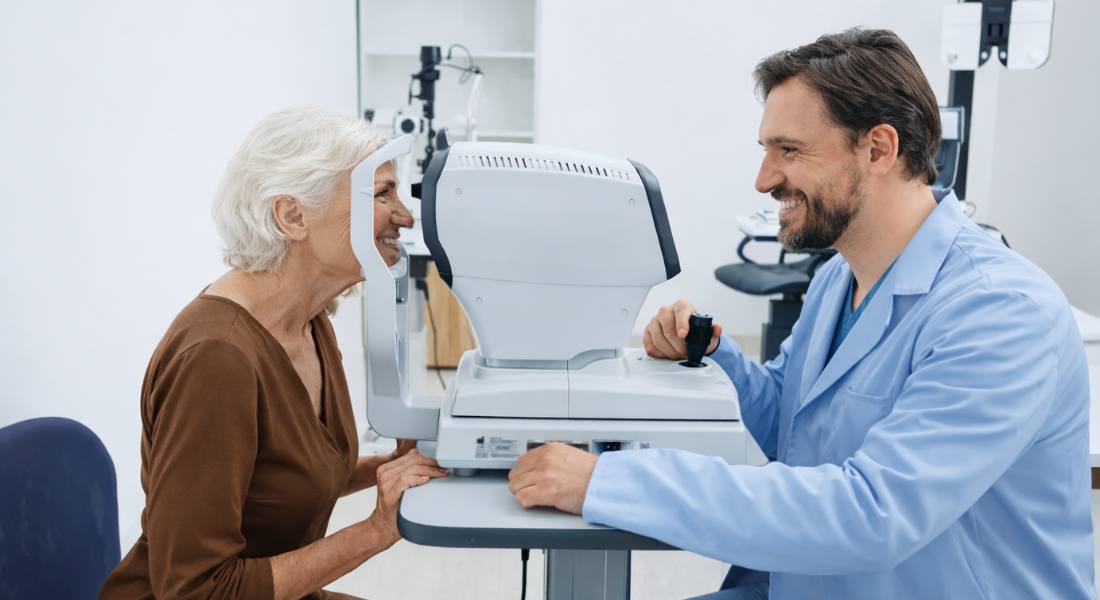
Most glaucoma cases are identified during routine eye examinations. Changes in the optic nerve are often spotted before any noticeable symptoms appear, and tests confirm the presence of the disease.
Occasionally, subtle visual complaints prompt an eye check. Difficulty seeing at night or increased sensitivity to glare may lead you to seek advice, though these signs are often overlooked.
Family history can also encourage earlier testing. Being aware of your risk factors increases the chances of early detection, as glaucoma often remains hidden without proactive screening
Why Family History Matters So Much
If glaucoma runs in your family, you could be at higher risk yourself. Genetic vulnerability doesn’t guarantee you’ll develop the condition, but it does increase the likelihood, and onset may happen earlier than usual. Being aware of your family history helps you plan the right timing for check-ups.
- Glaucoma can run in families: If a parent, sibling, or close relative has been diagnosed, your own risk is higher. This makes it important to be alert to early signs and to schedule regular eye exams.
- Family history is often overlooked: Many people aren’t aware of relatives who had glaucoma, especially if it was diagnosed late. Without this information, screening may start too late to catch the condition early.
- Early awareness guides proactive care: Knowing your family history allows you and your eye specialist to determine when testing should begin. Early detection gives you the best chance of preserving vision.
Understanding your family history puts you in control of your eye health. It allows you to act sooner rather than later. Regular, timely screening can make all the difference. Being informed helps you protect your sight before any damage occurs.
How Age Contributes to Silent Progression
Glaucoma risk increases as you get older. The eye’s drainage system becomes less efficient, and the optic nerve gradually loses resilience, making it more susceptible to damage.
Because changes develop slowly, many older adults assume vision differences are simply part of normal ageing. This misconception can delay diagnosis and allow the disease to progress unnoticed.
Regular eye checks become increasingly important over time. While age raises the risk, it doesn’t increase awareness screening is essential to catch glaucoma early
Normal Eye Pressure Can Still Mean Glaucoma
Many people believe glaucoma only occurs with high eye pressure. This is incorrect. Normal-tension glaucoma is well recognised.
In these cases, pressure readings appear normal. Optic nerve damage still occurs. Diagnosis requires careful assessment. Relying on pressure alone misses cases. Comprehensive testing is essential. Pressure is only part of the picture.
Why Glasses Tests Do Not Detect Glaucoma

Standard eye tests, such as those for glasses prescriptions, primarily measure clarity and refractive errors. They focus on how well you can see letters on a chart, not on the health of your optic nerve. This means a normal sight test can give a false sense of security.
You can have perfect 20/20 vision and still have glaucoma. The disease affects the optic nerve and peripheral vision first, which standard vision tests do not evaluate. Relying on glasses tests alone can miss early damage.
Specialised assessments, like optic nerve imaging and visual field tests, are needed to detect glaucoma. These tests reveal subtle changes that standard sight checks cannot.
Full eye examinations are essential for protecting your vision. While glasses tests help with focus, they are not sufficient to rule out serious eye disease. Regular comprehensive checks are the safest approach.
Structural Damage Before Symptoms Appear
Glaucoma often causes optic nerve damage before you notice any symptoms. Nerve fibre thinning can be seen on scans long before visual loss occurs, making this gap crucial for early intervention.
Modern imaging techniques allow doctors to detect these subtle changes early. Treatment can start before your vision is affected, helping to prevent long-term disability.
Relying on symptoms alone risks missing this window of opportunity. Early detection focuses on structural changes rather than what you can feel or see.
Technology plays a key role in protecting your sight. By identifying damage before it impacts vision, it allows timely action to preserve what remains.
Why the Brain Hides Visual Loss
The brain is remarkably adaptable, automatically filling in missing visual information. This helps you navigate daily life without noticing gaps, but it also conceals early signs of glaucoma.
Small areas of peripheral vision loss go unnoticed because your brain compensates so effectively. As a result, you may feel your vision is perfectly normal even as damage progresses.
This natural adaptation is helpful for daily functioning but misleading when it comes to eye health. It can delay detection and give a false sense of security.
Regular testing bypasses the brain’s compensatory tricks. Objective assessments reveal changes that you would never notice on your own.
How Visual Field Tests Reveal Hidden Damage
Visual field tests measure sensitivity across different parts of your vision, highlighting areas you may not even realise are affected. These tests uncover hidden damage that goes unnoticed in everyday life.
Early defects are often very subtle, but as glaucoma progresses, characteristic patterns begin to appear. Regular testing allows doctors to track these changes and measure progression over time.
Seeing the results can be eye-opening, explaining why you might have felt your vision was perfectly normal. It shows that feeling fine doesn’t always reflect actual eye health.
Objective data from visual field tests is essential for early detection and effective management. It provides a clear picture of damage that symptoms alone cannot reveal.
Why Many Patients Feel Shocked at Diagnosis
A glaucoma diagnosis often comes as a surprise. Many patients feel blindsided because they experienced no noticeable symptoms beforehand, making the news hard to process.
This shock usually arises from misunderstanding. People expect clear warning signs, but glaucoma progresses silently, defying those expectations.
Learning about the condition and its silent nature helps patients adjust emotionally. Understanding that early glaucoma often has no symptoms reduces confusion and fear.
Knowledge empowers you to take control. Being informed about screening and treatment restores confidence and supports proactive care.
What Happens If Glaucoma Is Missed for Years
When glaucoma goes undetected, damage to the optic nerve accumulates over time. Once vision is lost, it cannot be restored, making the effects permanent.
A late diagnosis limits the amount of sight that can be preserved. Treatment can still slow further loss, but much of the vision you might have protected is already gone.
This underscores the importance of early detection. Years of silent progression can cost you sight, so proactive screening is essential.
Preventing damage before it occurs is far more effective than trying to repair it later. Early care truly makes a difference.
Who Is Most Likely to Have Undiagnosed Glaucoma
Glaucoma often progresses quietly, so some people may have the condition without knowing it. Certain factors, such as age, family history, eye structure, and ethnicity, can increase the likelihood of undetected disease. Regular eye checks are crucial for anyone at higher risk.
| Risk Group | Why Risk Is Higher |
| Older adults | Increased prevalence |
| Family history | Genetic risk |
| High myopia | Structural vulnerability |
| African or Asian ancestry | Higher susceptibility |
| Infrequent eye tests | Missed detection |
How Often Eyes Should Be Checked

How frequently you should have your eyes examined depends on your age and risk factors. If you’re low risk, periodic checks may be sufficient, but high-risk individuals require earlier and more frequent assessments.
Once you reach 40, routine eye tests become increasingly important. As you get older, the intervals between exams may shorten, and personalised schedules are often recommended by your eye care professional.
Consistency is key. A single normal exam does not guarantee future safety, and ongoing monitoring is essential to protect your vision over time.
Why Routine Eye Tests Save Vision
Even if your eyes feel fine, regular check-ups are essential because glaucoma often develops silently. Routine eye tests can detect changes before you notice any symptoms, giving you the chance for early treatment and preserving your vision. Knowing the value of these tests helps you prioritise your eye health.
- Early detection protects your sight: Screening allows your eye specialist to spot glaucoma before it causes noticeable damage. The earlier it’s caught, the more effective treatment can be in slowing or preventing vision loss.
- Tests shift care from reactive to preventive: Regular check-ups mean you’re managing your eye health proactively rather than waiting for problems to appear. This dramatically improves long-term outcomes.
- Eye tests are simple and valuable: Most eye exams are quick, painless, and easy to schedule. Despite their simplicity, they provide crucial information that could save your vision.
Routine eye tests are the best way to stay ahead of glaucoma. Attending them gives you peace of mind and the opportunity to protect your sight. Prevention is far easier than trying to reverse damage later. By making screening a habit, you take control of your eye health for the long term.
Common Myths That Delay Diagnosis
It’s easy to believe myths about glaucoma, but they can put your sight at risk. Misunderstandings about symptoms, age, and vision can stop you from getting the checks you need. Knowing the facts helps you act before damage occurs.
- Pain does not always indicate glaucoma: Many people assume that if their eyes aren’t painful, everything is fine. Most forms of glaucoma are painless, so relying on discomfort can give a false sense of security.
- Good vision does not mean healthy eyes: You might think that seeing clearly means your eyes are safe. In reality, glaucoma often affects peripheral vision first, leaving central vision intact, so damage can occur without noticeable changes.
- Glaucoma can affect younger people too: Some assume it only develops in older adults. While risk increases with age, it can appear earlier, especially if there’s a family history or other risk factors.
Dispelling these myths helps you understand when and why to get tested. Being informed encourages timely action and proactive care. Early awareness can prevent unnecessary vision loss. By learning the facts, you put yourself in the best position to protect your sight.
When You Should Be Especially Vigilant
Certain factors put you at higher risk of developing glaucoma. A family history of the condition, prolonged steroid use, high myopia, and diabetes all increase your likelihood of eye disease.
If you fall into any of these categories, it’s important not to wait for symptoms to appear. Early screening and regular checks can help detect changes before vision is affected.
Symptoms are often unreliable, so risk factors should guide your eye care decisions. Being informed empowers you to take proactive steps and protect your vision.
Summary: Why Glaucoma Goes Unnoticed
Glaucoma often progresses silently, making it easy to miss. It usually causes no pain, affects peripheral vision first, and leaves central vision clear, so you may feel your eyes are healthy. Slow changes and a lack of regular screening mean the condition can go undetected for years, often only being discovered once significant damage has occurred.
| Reason | Effect |
| No pain | False reassurance |
| Peripheral loss | Hidden by brain |
| Normal vision | Delayed concern |
| Slow progression | Years unnoticed |
| Lack of screening | Late diagnosis |
FAQs:
- Can glaucoma really go unnoticed for years?
Yes, glaucoma can remain undetected for many years because it often develops slowly and silently. Damage to the optic nerve occurs gradually, and early changes in vision are usually subtle or compensated for by the brain, which makes symptoms difficult to notice. - Why is glaucoma called a “silent thief of sight”?
Glaucoma earns this name because it typically does not cause pain or obvious visual changes in its early stages. Vision loss, particularly in the peripheral field, progresses gradually, and the brain adapts to fill in missing information, hiding the damage until it is more advanced. - How can vision feel normal even when glaucoma is present?
Vision may appear normal in glaucoma because the disease initially affects peripheral vision rather than central vision. Standard sight tests, such as reading an eye chart, often fail to detect these early changes, so individuals can maintain 20/20 vision despite underlying optic nerve damage. - Why doesn’t glaucoma usually cause pain?
Most types of glaucoma, including primary open-angle glaucoma, develop without inflammation or discomfort, which is why pain is rare. Acute angle-closure glaucoma is one exception, but it is less common, and most patients experience no noticeable discomfort while the disease progresses. - How is glaucoma usually detected if there are no symptoms?
Glaucoma ismost commonly detected during routine eye examinations. Optic nerve changes can be observed with specialised tests, such as imaging or visual field assessments, even before any noticeable vision loss occurs, which is why regular screenings are essential. - What role does family history play in undiagnosed glaucoma?
A family history of glaucoma significantly increases the likelihood of developing the disease. Genetic vulnerability can cause earlier onset, and many people are unaware of relatives’ diagnoses, which can delay screening and detection unless proactive testing is pursued. - Can people develop glaucoma even if their eye pressure is normal?
Yes, normal-tension glaucoma occurs when optic nerve damage happens despite normal intraocular pressure readings. Relying solely on pressure measurements can miss this type of glaucoma, so comprehensive eye examinations and testing are required for accurate detection. - Why don’t standard vision tests detect glaucoma?
Standard eye tests primarily measure clarity and focus but do not assess the health of the optic nerve or detect peripheral vision loss. This means a person can have perfect vision in terms of acuity while still experiencing significant glaucoma-related nerve damage. - How does the brain contribute to glaucoma going unnoticed?
The brain adapts to small gaps in visual input, filling in missing information and masking peripheral vision loss. This neurological compensation makes early glaucoma difficult to perceive subjectively, which is why objective testing is critical. - Who is most at risk of having undiagnosed glaucoma?
Individuals at higher risk of undiagnosed glaucoma include older adults, those with a family history of the disease, people with high myopia, individuals of African or Asian descent, and anyone who does not undergo regular eye examinations. Risk factors and infrequent testing contribute to delayed diagnosis.
Final Thoughts: Why Early Detection Matters
Glaucoma can remain silent for years, making regular eye examinations essential for protecting your vision. Understanding your personal risk factors, such as family history, high myopia, age, or ethnicity, helps you stay proactive and avoid delayed diagnosis. Early detection allows treatment to begin before significant damage occurs, preserving vision and improving long-term outcomes.
If you’re exploring whether glaucoma treatment in London could benefit you, get in touch with us at Eye Clinic London to schedule your consultation. Timely assessment provides peace of mind and the best chance of maintaining healthy eyesight for years to come.
References:
- Kosior-Jarecka, E., 2024. Retinal Ganglion Cell Replacement in Glaucoma Therapy. Journal of Clinical Medicine, 13(23), 7204. https://www.mdpi.com/2077-0383/13/23/7204
- Pei, K., 2024. Review: Neuroprotective Nanocarriers in Glaucoma. Pharmaceuticals, 17(9), 1190. https://www.mdpi.com/1424-8247/17/9/1190
- Kosior-Jarecka, E. et al., 2024. Retinal Ganglion Cell Replacement in Glaucoma Therapy. Journal of Clinical Medicine, 13(23). https://pubmed.ncbi.nlm.nih.gov/39685661/
- Cui, N., 2025. Glaucomatous retinal ganglion cells: death and protection. https://pmc.ncbi.nlm.nih.gov/articles/PMC11672089/
- Pang, I. & Clark, A.F., 2023. Therapeutic strategies for glaucoma and optic neuropathies. Molecular Aspects of Medicine, 94, 101219. https://www.sciencedirect.com/science/article/abs/pii/S0098299723000596