


How Quickly Can Glaucoma Cause Vision Loss?

You may feel anxious after being told you have glaucoma or are at risk of developing it. You may naturally worry about how quickly vision could be affected, especially knowing that damage cannot be reversed. We recognise that this concern is understandable and common.
We explain that glaucoma does not progress at the same speed for everyone. You may experience very slow change over many years, while others see faster progression. We also recognise that the condition can behave differently between eyes in the same person.
Understanding what influences progression helps reduce fear and uncertainty. You benefit from knowing that speed depends on several factors acting together, not on a single reading or moment. Glaucoma is not automatically fast-moving.
Clear information helps you feel more in control of what lies ahead. We focus on replacing uncertainty with understanding so decisions feel grounded rather than overwhelming. Knowledge supports confidence and engagement with care.
Why Glaucoma Progression Varies So Much
Glaucoma is not a single condition with a fixed timeline. You may have a subtype that progresses very slowly over decades, while other forms behave more aggressively. We recognise that this diversity makes glaucoma highly variable between individuals.
You may remain stable for many years with minimal change, even when pressure readings look similar to someone else’s. We understand that another person can experience faster loss under comparable measurements. This variation is a normal feature of glaucoma rather than an exception.
We consider glaucoma to be a highly individual condition shaped by interacting risk factors. You benefit when care is guided by ongoing monitoring rather than a single rule or reading. Progression is personal, and observation helps us understand it accurately.
The Role of Eye Pressure in Progression Speed
Eye pressure plays a central role in glaucoma management because it is the most important factor we can actively modify. When pressure remains elevated, the risk of optic nerve damage increases. Lowering pressure has been shown to slow progression in many patients. We therefore place strong emphasis on pressure control as the foundation of care.
- Raised eye pressure increases the risk of progression: Higher pressure is generally linked to faster optic nerve damage. Lowering it helps reduce stress on vulnerable nerve fibres and slow disease progression.
- Normal pressure does not always mean low risk: Some people develop glaucoma even when readings fall within the normal range. We recognise that optic nerve sensitivity varies, so pressure alone does not explain everything.
- Personalised pressure targets guide treatment: We focus on identifying a pressure level your optic nerve can tolerate safely. You benefit when targets are tailored rather than based on single measurements.
Pressure remains a key focus because it is the factor we can most reliably influence. By setting personalised targets and monitoring response over time, we aim to protect the optic nerve as effectively as possible. This approach recognises that while pressure matters, individual tolerance ultimately guides successful care.
Why Some People Lose Vision Without Symptoms
Glaucoma often progresses without obvious warning signs. You usually retain clear central vision until later stages, which makes early damage difficult to recognise without testing. We see this silent progression as one of the main challenges in glaucoma care.
You may feel that your vision is fine while peripheral loss is developing gradually. We understand that the brain compensates for missing areas, masking changes and giving a false sense of stability. This adaptation can delay awareness of progression.
We rely on structured monitoring rather than symptoms alone to detect change. You benefit from visual field testing and imaging that reveal damage before it becomes noticeable. Lack of symptoms does not mean lack of damage, which is why ongoing monitoring remains essential.
How Fast Vision Loss Can Occur Without Treatment
Untreated glaucoma can lead to progressive vision loss over time. You may experience meaningful damage within a few years in some cases, while in others progression unfolds over decades. We recognise that the timeline varies widely between individuals.
You may worry about sudden or complete blindness. We reassure you that glaucoma rarely causes rapid, overnight vision loss, as damage usually accumulates gradually. This slow progression can be deceptive, as change may go unnoticed until loss is established.
We emphasise that untreated progression is unpredictable because optic nerve vulnerability differs from person to person. You face greater risk when care is delayed, even if vision feels stable. Treatment exists to slow damage, and early care significantly improves outcomes.
Why Early Diagnosis Makes a Major Difference
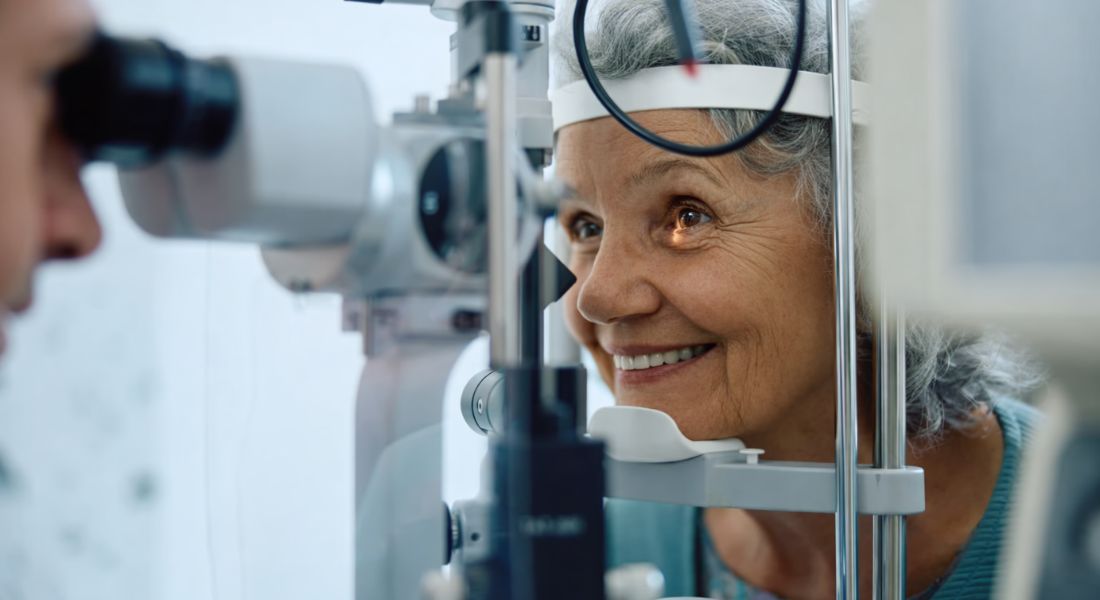
Early detection of glaucoma allows intervention before significant vision loss occurs. You benefit because slowing progression at an early stage preserves more usable vision over the long term. We recognise that timing plays a critical role in protecting sight.
You gain the greatest advantage when treatment begins before functional loss is noticeable. We understand that structural damage often develops before symptoms appear, which means waiting for changes in daily vision can be too late. Early action helps protect visual reserve.
We aim to identify glaucoma before it interferes with everyday life. You are supported through monitoring that allows timely adjustment of care. Early diagnosis transforms prognosis, making long-term vision preservation achievable.
Factors That Increase Risk of Faster Progression
Several factors influence how quickly glaucoma can progress. You may be affected by higher eye pressure, thinner corneas, more advanced damage at diagnosis, or increasing age. We also recognise that vascular health contributes to optic nerve vulnerability.
You may carry additional risk if glaucoma runs in your family or if you have a more aggressive subtype. We understand that risk profiles vary widely between individuals. No two cases behave in exactly the same way.
We assess all relevant factors together rather than relying on a single measurement. You benefit because risk is cumulative, not isolated. Understanding your overall risk guides how intensively care is delivered and supports truly individualised treatment plans.
Why Optic Nerve Health Matters
The optic nerve does not respond to eye pressure in the same way for everyone. This individual variation is one of the most important reasons glaucoma behaves differently between people. Some nerves are more resilient, while others are vulnerable at lower pressures. We place this biological difference at the centre of assessment and planning.
- Pressure tolerance varies between individuals: Some optic nerves tolerate higher pressure without damage. Others show change at levels that appear low or normal.
- Similar pressure readings can lead to different outcomes: You may have the same measurements as someone else but a very different disease course. We recognise this reflects nerve resilience rather than failure of treatment.
- Structural monitoring guides personalised care: Optic nerve imaging often detects change before functional loss appears. You benefit when care adapts to how your nerve responds over time.
Glaucoma management is shaped by optic nerve vulnerability rather than pressure alone. By closely monitoring nerve structure and response, we tailor care to individual risk. This approach allows progression to be anticipated and addressed in a way that reflects how your eyes behave, not how averages suggest they should.
The Importance of Regular Monitoring
Monitoring allows glaucoma progression to be detected at an early stage. You benefit from visual field testing and imaging that track change over time. We rely on emerging patterns to understand speed rather than isolated results.
You may feel frustrated by repeated testing, especially when changes seem subtle. We recognise that these tests provide essential information that cannot be gained in other ways. Results guide treatment decisions and timely adjustment.
We compare findings across months and years to identify meaningful trends. You gain clarity because consistency matters more than a single test. Monitoring turns uncertainty into data, and data guides protection.
How Treatment Slows or Prevents Vision Loss
Modern glaucoma treatment aims to slow or halt progression over time. You can maintain useful vision for life in most cases when care is followed consistently. We see treatment work best when it is used as prescribed and reviewed regularly.
You may use eye drops, laser treatment, or surgery depending on what your condition requires. We recognise that each option works by lowering eye pressure or improving fluid drainage. Treatment is tailored to your needs rather than applied in a fixed sequence.
We adjust care as glaucoma evolves to maintain control. You benefit from a flexible approach that responds to change rather than waiting for damage to occur. Care remains proactive, focused on long-term stability.
Why Progression Can Still Occur Despite Treatment

Even with treatment, some degree of progression can still occur. You should know that glaucoma management reduces risk but cannot remove it entirely, as biology continues to play a role. We see treatment as control rather than cure.
You may feel discouraged if small changes are detected over time. We recognise that slow progression is often expected and can be acceptable when vision remains functional. Stability does not always mean zero change, but meaningful preservation.
We focus on maintaining useful vision over a lifetime rather than eliminating every sign of progression. You may not notice small losses in daily life, and perspective matters. Treatment success is measured over years, with long-term preservation as the goal.
Why Skipping Treatment Increases Risk
Missing treatment can allow eye pressure to rise and damage to continue unnoticed. You may not feel immediate effects, but even short lapses can matter in vulnerable eyes. We recognise that consistency is critical to protecting long-term vision.
You may forget to use drops or stop treatment when symptoms are absent. We understand that glaucoma progresses silently, even when eyes feel normal. Continuous treatment is essential because absence of symptoms does not mean absence of damage.
We encourage building routines and using reminders to support adherence. You benefit when support systems help maintain consistency over time. Treatment only works when it is used, and commitment makes the difference.
How Lifestyle and Health Affect Progression
General health plays an important role in glaucoma progression. You may not realise that factors such as blood pressure regulation, sleep quality, and vascular health all influence optic nerve stability. We see eye health as closely connected to overall wellbeing.
You might be unaware that extreme blood pressure fluctuations can affect blood flow to the optic nerve. We recognise that balance matters more than simply lowering or raising numbers. Coordination between eye care and general healthcare supports safer, more consistent control.
We consider the whole person rather than focusing only on the eye. You benefit when care is holistic and aligned with broader health choices. General wellbeing influences progression, making eye care an integrated part of long-term health.
Why Vision Loss Is Usually Gradual
Glaucoma damage usually develops gradually rather than all at once. Although the diagnosis can feel frightening, sudden or immediate blindness is uncommon in most cases. We recognise that slow progression allows time for monitoring and timely adjustment of care. This long course creates opportunities to protect vision effectively.
- Glaucoma typically progresses slowly: Vision loss usually develops over years rather than days or weeks. This gradual change allows space for detection and intervention.
- Blindness is not an inevitable outcome: You may fear that glaucoma always leads to severe vision loss. We reassure you that this is rare when the condition is properly monitored and treated.
- Ongoing care helps maintain long-term stability: Regular reviews allow treatment to be adjusted before meaningful damage occurs. You benefit when gradual progression is met with consistent, responsive care.
Glaucoma is usually a manageable long-term condition rather than an emergency threat. By combining regular monitoring with appropriate treatment, we aim to keep changes under control. This steady approach helps preserve vision and supports confidence over time.
What Patients Should Take From This Information

Glaucoma does not follow a fixed or predictable timeline. You may experience very slow change or more rapid progression depending on individual risk factors. We understand that early care and timely detection can significantly influence long-term outcomes.
You benefit most from regular monitoring and consistent use of prescribed treatment. We see that understanding your personal risk encourages active engagement with care. Knowledge helps replace fear with confidence and purpose.
We aim to preserve vision for life through shared responsibility. You and we work together to protect sight over time. Awareness supports action, and action protects vision.
FAQs:
- How quickly can glaucoma affect your vision?
Glaucoma can affect vision at very different speeds. You may experience extremely slow change over many years, while others progress more quickly. Speed depends on several interacting factors rather than one reading. Monitoring helps clarify how your eyes behave over time. - Why does glaucoma progress faster in some people than others?
Each person’s optic nerve responds differently to stress. You may have a nerve that tolerates pressure well, while another person’s nerve is more sensitive. Genetics, eye structure, and health all influence this. Variation is normal rather than unusual. - Can glaucoma damage your vision without you noticing?
Yes, early glaucoma often develops without obvious symptoms. You usually keep clear central vision while side vision changes slowly. The brain adapts and masks loss. This is why testing matters even when vision feels normal. - How long does it take for untreated glaucoma to cause damage?
Without treatment, damage can develop over years or sometimes sooner. You are unlikely to lose vision suddenly, but gradual loss can accumulate silently. Progression is unpredictable without care. Early treatment greatly reduces long-term risk. - Does high eye pressure mean your vision will worsen quickly?
High pressure increases risk but does not guarantee rapid loss. You may have stable vision despite raised readings, while others progress at lower levels. Pressure tolerance varies between individuals. Targets are set based on how your optic nerve responds. - Why does early diagnosis protect your eyesight?
Detecting glaucoma early allows damage to be slowed before vision is affected. You preserve more visual reserve when treatment starts sooner. Structural change often appears before symptoms. Early action improves long-term stability. - What factors increase the chance of faster vision loss for you?
Risk rises with higher pressure, advanced damage at diagnosis, or certain glaucoma types. You may also be affected by age, family history, or circulation issues. Risk is cumulative rather than isolated. Understanding your profile guides care intensity. - Can treatment stop glaucoma from damaging your vision?
Treatment aims to slow or halt progression rather than cure glaucoma. You can often keep a useful vision for life with consistent care. Drops, laser, or surgery reduce stress on the optic nerve. Ongoing review ensures control remains effective. - Why can vision still change even when you are treated?
Some progression can occur despite good control. You may still show small changes over time because biology continues to play a role. The goal is long-term preservation rather than zero movement. Success is measured across years. - What can you do to protect your vision if you have glaucoma?
You protect vision by attending regular reviews and using treatment consistently. You should not rely on symptoms alone to judge stability. Monitoring detects change early. Active engagement supports lifelong visual function.
Final Thoughts on How Quickly Glaucoma Can Cause Vision Loss:
Glaucoma can cause vision loss at very different speeds depending on individual risk factors, optic nerve vulnerability, and how early treatment begins. While some people experience very slow progression, others require closer monitoring and more intensive care. The good news is that with timely diagnosis, regular monitoring, and effective glaucoma treatment, most patients retain useful vision for life.
We believe reassurance comes from understanding and action. If you are concerned whether glaucoma treatment in London could benefit you, you can contact us at Eye Clinic London for expert assessment and long-term care focused on protecting your vision.
References:
- Weinreb, R.N., Aung, T. & Medeiros, F.A. (2014) The pathophysiology and treatment of glaucoma: a review. JAMA, 311(18), pp.1901–1911. Available at: https://pubmed.ncbi.nlm.nih.gov/24825645/
- Tham, Y.-C., et al. (2014) Global prevalence of glaucoma and projections of glaucoma burden through 2040. Ophthalmology, 121(11), pp.2081–2090. Available at: https://pubmed.ncbi.nlm.nih.gov/24974815/
- Ehongo, A., et al. (2025) Progress in glaucoma management in the era of value-based care: diagnostics, monitoring, and treatment pathways. Journal of Clinical Medicine, 15(1), 138. Available at: https://www.mdpi.com/2077-0383/15/1/138
- Wagner, I.V. (2022) Updates on the diagnosis and management of glaucoma. Progress in Ophthalmology, 1, Article 100056. Available at: https://www.sciencedirect.com/science/article/pii/S2542454822000686
- Asrani, S.G. (2024) The relationship between intraocular pressure and glaucoma. Experimental Eye Research, 218, Article 109211. Available at: https://www.sciencedirect.com/science/article/pii/S1350946224000685