


What Does Glaucoma Vision Look Like? (Explained)

Many people find glaucoma difficult to understand because it does not usually cause obvious visual blur at first. You may hear that glaucoma affects vision, yet still see clearly when reading or watching television. This can make the diagnosis confusing or even hard to believe.
Glaucoma affects how visual information reaches the brain rather than how sharply objects appear. Vision loss develops slowly and often begins outside your direct line of sight. Because the brain adapts, changes can go unnoticed for years.
In this article, we explain what glaucoma vision actually looks like. We describe how visual field loss develops, how it differs from blurry vision, and what you may notice as the condition progresses. Understanding these patterns helps you recognise why early detection matters.
Why Glaucoma Vision Is Hard to Imagine
Glaucoma doesn’t make your vision fade evenly. Instead, it affects particular nerve fibres in your optic nerve. This creates patchy areas where your vision is missing.
These gaps usually appear outside your central focus. Your brain cleverly fills in the missing information without you noticing. This natural compensation makes the changes hard to spot yourself.
Because of this, imagining what glaucoma vision looks like can be tricky. You might expect a general blur, but that isn’t how it works. The damage is more selective and subtle than most people realise.
Understanding this helps you appreciate why regular eye checks are so important. Even if your vision seems fine, there could be early changes happening that you can’t see.
How Vision Normally Works

Normal vision relies on both central and peripheral awareness. Your central vision lets you read, recognise faces, and focus on details. Peripheral vision helps you move safely and understand your surroundings.
Your brain blends all this information seamlessly, so you hardly notice how much you rely on side vision. Most of the time, you take this balance for granted. It’s essential for everyday tasks and safe navigation.
Glaucoma disrupts this delicate balance in a subtle way. It usually affects peripheral vision first, while your central clarity stays intact. This is why early glaucoma often feels invisible to you.
Because your central vision remains sharp, you might not notice the changes until significant damage has occurred. That’s why regular eye checks are so important for catching glaucoma early.
Why Glaucoma Does Not Cause Blurry Vision Early On
You might expect that a serious eye condition like glaucoma would make your vision blurry, but that’s usually not the case in the early stages. Blurry vision typically comes from problems with focusing, such as refractive errors or cataracts. Glaucoma, however, affects how your optic nerve transmits information to your brain, not the lens or cornea itself.
- The focusing system remains intact: Your lens and cornea continue to work normally, so images appear sharp. You may notice no changes in reading vision or distance clarity, even as glaucoma develops.
- Clear vision can be misleading: Because everything looks sharp, it’s easy to feel reassured that your eyes are healthy. This is why relying on how things “look” alone can be risky.
- Nerve damage progresses silently: Glaucoma can quietly damage your optic nerve over time. You might not notice any symptoms until significant vision loss has already occurred.
Remember, having clear vision does not rule out glaucoma. Regular eye examinations are the only way to detect it early and protect the vision you still have.
Early Visual Field Loss Explained
In early glaucoma, you may develop tiny blind spots in your peripheral vision. These spots are usually subtle, scattered, and easy to miss, so you might not notice them in daily life.
- Your brain can compensate: Even if one eye has a defect, your brain often fills in the gaps using information from the other eye. This means you can still navigate normally without realising anything is wrong.
- Defects are not obvious: Early blind spots don’t form clear patterns that you can detect easily. You might have no warning signs until the damage becomes more advanced.
- Testing is essential: Visual field tests are needed to identify these subtle changes. Relying on symptoms alone is unreliable, which is why regular screening is so important.
Detecting these early defects allows you to take action before more serious vision loss occurs. Screening is the only way to catch glaucoma before it silently progresses.
What Peripheral Vision Loss Feels Like
Peripheral vision loss doesn’t usually feel like a patch of darkness at first. Instead, objects at the edges of your vision can seem to disappear if you’re not looking directly at them. You might miss movement or obstacles without realising it.
Many people describe it more as reduced awareness than actual missing vision. You may start feeling less confident in unfamiliar spaces. Everyday tasks can feel slightly trickier than before.
Bumping into furniture or door frames can become more frequent. Because these changes happen slowly, it’s easy to dismiss them as clumsiness or distraction. Your side vision is narrowing gradually, even if it doesn’t feel obvious.
Recognising these subtle signs early is important. Paying attention to how you navigate your environment can help you spot issues before serious damage occurs. Regular eye checks are the best way to confirm what’s happening.
Why Central Vision Is Preserved Until Late Stages
Glaucoma damages nerve fibres in a specific pattern. The fibres that control your central vision are usually affected later. This means reading, recognising faces, and other detailed tasks often remain easy in the early stages.
This early preservation can be misleading. You might feel like your vision is perfectly “fine” even if significant peripheral loss has already occurred. That false sense of security can delay seeking treatment.
By the time your central vision starts to be affected, the damage is often advanced. Losing this clarity can have a major impact on daily life.
Protecting your central vision relies on detecting glaucoma early. Regular eye checks are the key to catching changes before they reach this stage.
Tunnel Vision: A Common Description
As glaucoma progresses, you may start to notice loss of your peripheral vision. It can feel like looking through a narrow tunnel. Your side vision gradually becomes more restricted over time.
This change doesn’t happen suddenly. The narrowing develops slowly over years, which makes it easy to miss at first. Many people only become aware of it once their vision is noticeably restricted.
Tunnel vision can make moving around and navigating spaces more difficult. You might bump into objects more often or feel less confident in unfamiliar environments. Everyday activities can start to feel challenging without realising why.
Early treatment focuses on preventing your vision from reaching this stage. By detecting glaucoma early, you can slow progression and protect the sight you still have. Regular eye checks are essential for keeping your vision safe.
Differences Between One Eye and Both Eyes
Glaucoma rarely affects both eyes in exactly the same way. One eye may have more advanced damage than the other. Your brain automatically blends the input from both eyes.
This blending can hide deficits in the weaker eye. You might not notice any problems until both eyes are affected. That’s why relying on what feels “normal” isn’t enough.
Clinical testing examines each eye individually to spot differences. This allows your eye specialist to detect asymmetry that you wouldn’t notice yourself.
Symptoms alone aren’t a reliable guide. Only a thorough examination can reveal early glaucoma in one eye before it spreads. Regular screenings help catch these differences early.
Why Glaucoma Vision Is Not Like Black Patches
You might imagine glaucoma causing black patches in your vision, but that’s not how it usually presents. Vision loss from glaucoma is typically subtle and diffuse, making it hard to notice at first.
- Loss is gradual and scattered: Areas of vision are not sharply outlined. Instead, your sensitivity slowly fades, so you may miss objects rather than see obvious dark spots.
- Changes are hard to describe: Because the damage is gradual and uneven, you might find it difficult to explain what you’re seeing. This can make it seem like nothing is wrong, even as damage occurs.
- Vision feels incomplete rather than blocked: Glaucoma doesn’t usually create “holes” in your sight. Instead, it leaves your visual field subtly patchy or less sensitive, giving a sense of incomplete vision.
Understanding this helps you realise why regular eye tests are essential. You cannot rely on noticeable black spots to signal a problem early detection is the only way to protect your vision.
How Contrast Sensitivity Is Affected
Glaucoma can make it harder for you to distinguish objects from their background, even if your vision seems sharp. This reduced contrast sensitivity often appears before obvious visual field loss, making certain tasks more difficult.
- Objects can blend into the background: You may notice that steps, curbs, or obstacles are harder to see, especially in low-light conditions. Everyday navigation can feel less secure as a result.
- Night-time vision is often affected first: Driving or walking at night may feel more challenging because your eyes struggle to detect subtle differences in light and shadow.
- Quality of vision changes before clarity: Contrast sensitivity affects how well you see details in different lighting, not the sharpness of your sight. Recognising this early functional change helps you understand why glaucoma can impact daily life even when your vision seems “normal.”
Being aware of these subtle changes allows you to take precautions and discuss targeted strategies with your eye care professional. Early recognition helps protect your vision and maintain confidence in everyday activities.
Night Vision Changes in Glaucoma
You may start noticing that it’s harder to see in dim lighting. Moving from bright to dark spaces can take longer, and visual comfort may decrease. Everyday tasks at night, like walking in a poorly lit room, can feel more challenging.
These changes happen because the nerve signals from your eyes become less efficient. The peripheral rods, which help you see in low light, are often affected early in glaucoma. Night vision relies heavily on these cells, so even subtle damage can be noticeable.
Many people dismiss these difficulties as a normal part of ageing. You might assume it’s just tired eyes or changing vision with age. However, in glaucoma, it can be an early sign of optic nerve damage.
Getting assessed when you notice night-time vision changes is important. Early detection allows treatment to slow progression. Regular eye checks can help you maintain safer, more comfortable vision in low light.
How Vision Changes Progress Over Time
Glaucoma usually progresses slowly, and changes in your vision build up over years rather than weeks. This gradual loss can be deceptive, making it hard to notice until significant damage has occurred.
- Peripheral vision deteriorates first: Without treatment, small gaps in your peripheral vision slowly expand and can merge into larger areas, reducing your overall visual field.
- Central vision is affected later: In most cases, your central vision remains sharp until the later stages. This can give a false sense of security, even as peripheral damage accumulates.
- Early treatment slows progression: Timely intervention helps protect your remaining vision. Regular monitoring allows your eye care professional to detect changes early and adjust treatment as needed.
Understanding that glaucoma progresses gradually emphasises the importance of regular check-ups. Acting early gives you the best chance of preserving your vision for the long term.
Why You May Not Notice Vision Loss Day to Day

Most of your daily activities rely on central vision. Reading, using a screen, and recognising faces are usually unaffected in the early stages. Because of this, peripheral vision loss can go unnoticed for a long time.
Your brain constantly adapts to changes in what you see. Missing information at the edges is filled in subconsciously. You often don’t realise that your side vision is narrowing.
This natural adaptation is why relying on how your eyes feel can be misleading. You might feel perfectly “fine” while damage is occurring. Symptoms alone aren’t enough to detect early glaucoma.
Objective testing is essential to spot changes you can’t feel. Regular eye checks help catch issues before they become serious. Taking a proactive approach is the best way to protect your vision.
Visual Field Testing and What It Reveals
Visual field tests map what you can see in every direction. They detect subtle losses in sensitivity that you wouldn’t notice yourself. This gives your eye specialist objective evidence of how your vision is performing.
Early defects often show up as small, patchy areas where sensitivity is reduced. As glaucoma progresses, these patterns become more defined and easier to track. Regular testing helps monitor how the disease is developing over time.
These tests are particularly useful for explaining what glaucoma vision feels like. Looking at the results can be eye-opening, showing areas you didn’t realise were affected. They reveal hidden damage long before you notice it in daily life.
Understanding your visual field results helps you appreciate why early detection is so important. They guide treatment decisions and show the areas that need the most protection. By keeping up with testing, you stay informed about your vision.
Structural Damage vs Visual Symptoms
In glaucoma, structural damage to the optic nerve often shows up on scans before you notice any symptoms. Nerve fibre thinning can occur well in advance of obvious vision loss. This gap between damage and perception is a critical reason for early testing.
Advanced imaging allows your eye specialist to detect changes sooner. Treatment can start before your vision is affected, helping to preserve your sight. Acting early gives you the best chance of maintaining normal visual function.
Relying on what you feel your eyes can do often delays care. You might think your vision is fine while damage is quietly progressing.
Modern glaucoma management focuses on detecting these early structural changes. Prevention and timely intervention are far more effective than waiting for symptoms to appear. Regular monitoring is key to protecting your long-term vision.
How Glaucoma Vision Differs From Cataracts
You might think all vision problems feel the same, but glaucoma and cataracts affect your eyes in very different ways. Cataracts make everything look blurred or cloudy, while glaucoma causes areas of missing vision even when what you can see remains clear.
- Cataracts blur everything: With cataracts, your vision appears hazy or foggy. Colours may seem duller, and glare from lights can be more noticeable.
- Glaucoma creates gaps, not haze: With glaucoma, your clarity is often maintained, but parts of your visual field are lost. You may not even notice the missing areas at first, which can be confusing.
- The conditions can coexist: It’s possible to have both cataracts and glaucoma at the same time. Treating one will not fix the other, so accurate diagnosis is essential to manage each condition properly.
Understanding the difference helps you know what to watch for and why regular eye checks are so important. Proper assessment ensures you get the right treatment for each condition and protects your vision.
How Glaucoma Vision Differs From Macular Disease
Macular disease mainly affects your central vision. Tasks like reading or recognising faces can become challenging. Glaucoma, on the other hand, usually leaves central vision intact in the early stages.
This difference helps explain why glaucoma often goes unnoticed at first. You can still perform central tasks easily, while peripheral vision slowly declines. The subtle loss at the edges is easy to miss without testing.
Understanding these differences makes it easier to interpret what your eyes are telling you. Each condition impacts vision in a unique way. Recognising the pattern of loss helps your eye specialist make an accurate diagnosis.
Accurate diagnosis is essential because it guides the right treatment. Knowing whether central or peripheral vision is affected ensures you get care that targets the underlying problem. Early detection can preserve both types of vision.
Functional Challenges Patients May Notice
As glaucoma progresses, you may notice everyday tasks becoming more difficult. Moving through crowds, driving, or climbing stairs can start to feel uncomfortable. You might also feel your confidence waver in unfamiliar or busy environments.
These challenges usually develop gradually over time. You may adapt to the changes without even realising it, rather than raising concerns. This can quietly compromise your safety.
Being aware of these functional changes is important. They are often a reflection of advancing glaucoma. Noticing them early gives you a chance to act before the situation worsens.
Taking early action helps preserve your independence. Regular eye checks and timely treatment can slow progression. Maintaining awareness of how your vision affects daily life is key to staying safe.
Why Glaucoma Vision Loss Is Permanent
Glaucoma causes damage to the fibres of your optic nerve. Once these fibres are lost, they cannot regenerate. This means any vision loss that occurs is permanent.
The main goal of treatment is to protect the vision you still have. Slowing the progression of the disease helps preserve your sight for as long as possible. Starting treatment early has the greatest impact on maintaining your vision.
Understanding that vision loss is permanent can motivate you to act sooner. Preventing damage is far more effective than trying to repair it.
Timing really matters in glaucoma care. Regular eye checks and early intervention give you the best chance of keeping your vision safe. Being proactive helps protect your independence and quality of life.
Who Should Be Especially Alert to Vision Changes
Certain people need to be particularly alert to changes in their vision because their risk of glaucoma is higher. Factors like a family history of the condition, increasing age, or underlying health issues can make you more susceptible. Being aware of these risks helps you take timely action, such as scheduling regular eye checks and monitoring your vision closely.
| Risk Factor | Why Awareness Matters |
| Family history | Higher genetic risk |
| Increasing age | Higher prevalence |
| High myopia | Structural vulnerability |
| Diabetes | Vascular compromise |
| African or Asian ancestry | Increased susceptibility |
When Vision Changes Should Prompt an Eye Check
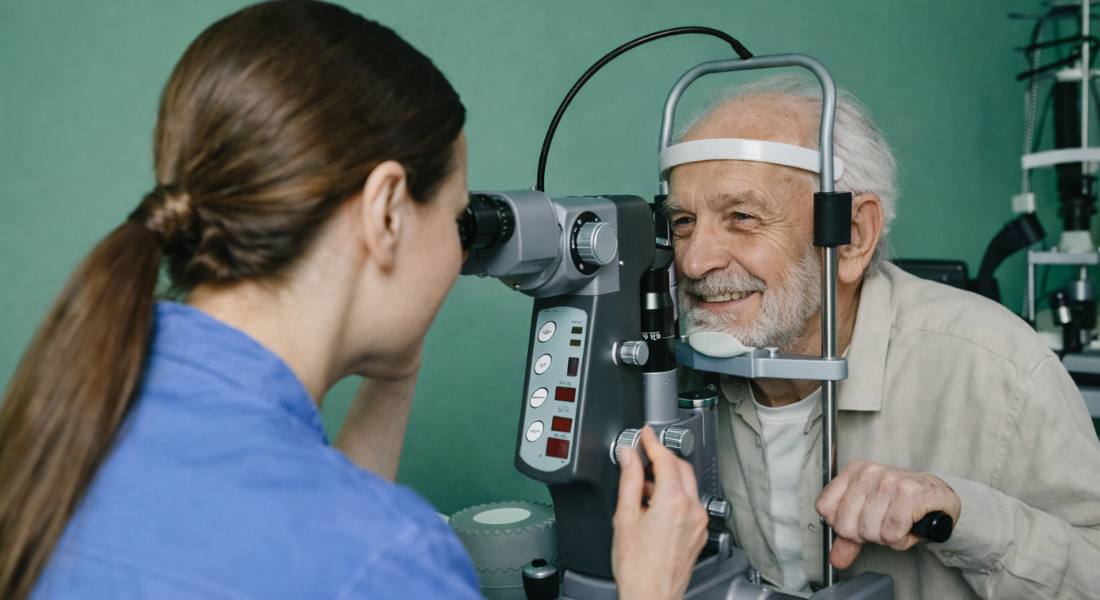
Any unexplained change in your vision should prompt an eye check. This includes noticing gaps in your side vision, increased glare, or difficulty seeing at night. You shouldn’t wait until things become blurry or painful to act.
If you have risk factors like a family history, high myopia, or certain health conditions, routine checks become even more important. Glaucoma symptoms often appear late, long after damage has begun. Regular screening is the best way to protect your vision.
Early assessment can make a real difference in outcomes. Detecting problems sooner allows treatment to slow progression and preserve sight. Waiting too long increases the risk of permanent vision loss.
Taking action as soon as you notice subtle changes matters. Staying vigilant and proactive helps you maintain your vision and independence over the long term.
Summary: What Glaucoma Vision Really Looks Like
Glaucoma can be hard to imagine because the changes in vision are often subtle at first. In the early stages, you may not notice any symptoms at all, even as peripheral vision slowly declines. Understanding how central vision, night vision, and side vision are affected helps you recognise what to watch for and why regular eye checks are so important.
| Aspect | Typical Experience |
| Early stage | No noticeable symptoms |
| Peripheral vision | Gradual loss |
| Central vision | Preserved until late |
| Night vision | Reduced contrast |
| Advanced stage | Tunnel vision |
FAQs:
- What does glaucoma visionactually looklike in real life?
Glaucoma vision doesn’t usually look blurry at first. Instead, you might gradually lose bits of your peripheral vision, almost like you’re missing things at the edges of what you’re looking at. Your brain fills in those gaps, so you often don’t realise anything has changed until the loss becomes more noticeable. - Why don’t people with early glaucoma notice blurry vision?
Early glaucomadoesn’t affect the eye’s focusing system, which means your central vision stays clear for a long time. Because your eyes can still focus sharply on text, faces, or screens, you might think everything is fine even though peripheral nerve signals are being damaged. - What does losing peripheral vision feel like?
Loss of peripheral vision usually feels like reduced awareness of your surroundings rather than a darkor blurry patch. You might miss an object out of the corner of your eye or bump into things more often, especially in unfamiliar spaces, because you are no longer seeing everything around you. - How is “tunnel vision” connected to glaucoma?
As glaucoma progresses, the loss of side vision can make it feel likeyou’re looking through a tunnel, where the area you can see shrinks gradually. It doesn’t happen overnight but develops slowly over years, and by the time you notice it clearly, significant vision loss may already have occurred. - Why does glaucoma affect one eye differently from the other?
Glaucomadoesn’t always affect both eyes equally. One eye may have more advanced nerve damage than the other, but because your brain combines the input from both eyes, it can mask deficits. That’s why you might not notice anything unusual until both eyes are significantly affected. - Will glaucoma ever look like black spots in your vision?
Most people imagine black spots, but glaucoma rarely looks like that. Vision loss tends to be more subtle, with parts of the visual field becoming less sensitive rather than completely dark. Things seem to blend into the background and awareness reduces gradually. - How does glaucoma change your ability to see contrast and in low light?
Glaucoma can reduce your contrast sensitivity, so objects can seem less distinct from their surroundings, particularly in dim lighting. You might find steps,curbs or obstacles harder to see at night, and your eyes may take longer to adjust when lights change, unlike typical blur from other issues. - How does glaucoma vision differ from the vision changes caused by cataracts?
With cataracts, everything often looks hazy or cloudy because the lens becomes less clear. Glaucoma, on the other hand,doesn’t blur the image but reduces portions of your visual field. That means images can still look clear when you focus on them, even though your overall awareness is reduced. - What daily activities might feel different as glaucoma progresses?
You might notice that navigating crowds feels harder, steps seem less obvious in your peripheral vision, or driving at night feels more challenging. These changes often appear slowly and can be easy to attribute to tiredness or ageing rather than a developing eye condition. - Why is early detection so important for glaucoma vision loss?
Once glaucoma damages optic nerve fibres, theydon’t grow back, which means any vision lost is permanent. Early detection gives you a much better chance of slowing progression and protecting what vision you still have, because treatment aims to preserve remaining nerve function before significant loss occurs.
Final Thought: Why Early Action Matters
Glaucoma can affect vision gradually, often starting with subtle peripheral changes that are easy to miss. Recognising these early signs and understanding how vision changes over time can help you take action before significant damage occurs. Routine eye checks are essential for detecting glaucoma early, even if your central vision seems normal.
If you’re considering glaucoma treatment in London and want to know if it’s the right option, you’re welcome to reach out to us at Eye Clinic London to book a consultation. Early intervention can preserve your remaining vision, help you manage the condition effectively, and give peace of mind about your eye health.
References:
- Tripolone, M.C., Issolio, L.A., Perez, D.O. and Barrionuevo, P.A. (2024) Contrast Sensitivity Is Impaired in Suspected Primary OpenAngle Glaucoma Patients, Brain Sciences, 14(10), p.993. https://www.mdpi.com/2076-3425/14/10/993
- Sverstad, A., Møller, J.R., Virgili, G., AzuaraBlanco, A., Freiberg, J., Ahrensberg, S., Kristianslund, O., Petrovski, G. and Kolko, M. (2025) Central Contrast Sensitivity as an Outcome Measure in Randomized Controlled Trials in Glaucoma A Systematic Review, Life, 15(7), 1043. https://www.mdpi.com/2075-1729/15/7/1043
- Hu, C.X. (2014) What Do Patients With Glaucoma See? Visual Symptoms Reported by Patients With Glaucoma, Vision Research, Elsevier. https://www.sciencedirect.com/science/article/pii/S0002962915301920
- Harwerth, R.S., et al. (2002) Visual field defects and neural losses from experimental glaucoma, Progress in Retinal and Eye Research, 21(2), pp.91–125. https://www.sciencedirect.com/science/article/abs/pii/S1350946201000222
- Richman, J. (2010) Importance of visual acuity and contrast sensitivity in glaucoma, Investigative Ophthalmology & Visual Science. https://pubmed.ncbi.nlm.nih.gov/21149782/