


Does Cataract Surgery Change Glaucoma Eye Pressure or Progression? (Guide)

If you have been diagnosed with both cataracts and glaucoma, it is natural to wonder how one condition may affect the other. Cataracts cause clouding of the eye’s natural lens, which reduces vision clarity, while glaucoma focuses on protecting the optic nerve by controlling eye pressure. Understanding how these two conditions interact can help you make confident decisions about your eye health.
Cataract surgery is mainly performed to improve your vision, but it can also influence the pressure inside your eye. In some people, the procedure leads to a reduction in intraocular pressure, which may support glaucoma management. The level of pressure change can vary depending on the type and severity of your glaucoma.
It is also important to understand that cataract surgery does not cure glaucoma. You may still need ongoing treatment, such as eye drops or monitoring, after surgery. Your ophthalmologist will assess how your glaucoma should be managed before and after the procedure.
In this guide, you will learn how cataract surgery may affect eye pressure and glaucoma progression. You will also discover what to consider before and after surgery to protect your vision. With the right approach, you can maintain long-term eye health and stability.
What Happens During Cataract Surgery?
Cataract surgery involves removing the cloudy natural lens of your eye and replacing it with an artificial intraocular lens. It is a common and generally safe procedure that aims to restore clearer vision. Most people experience noticeable improvement after surgery.
Modern cataract surgery usually uses a technique called phacoemulsification. This method uses ultrasound energy to break up the lens before it is removed through a small incision. Smaller cuts allow for quicker recovery and less impact on nearby eye structures.
If you have glaucoma, extra care is taken during the surgical process. Maintaining stable eye pressure is especially important before, during, and after surgery. Your ophthalmologist will assess your condition carefully to reduce the risk of pressure changes and protect your optic nerve.
How Cataract Surgery Can Affect Eye Pressure
Intraocular pressure, or IOP, is a key factor in managing glaucoma. When eye pressure is too high, it can damage your optic nerve and lead to gradual vision loss. Because of this, any treatment that affects IOP is closely monitored.
Cataract surgery can lead to a small reduction in eye pressure for some people. This effect is more commonly seen if you have open-angle glaucoma, although the results can vary. In some cases, the pressure-lowering benefit may be temporary, while others may notice longer-lasting improvement.
The pressure change happens because removing the cloudy natural lens improves fluid flow within your eye. Replacing it with a thinner artificial lens can widen the drainage angle. This allows fluid to move more freely and helps reduce pressure inside the eye.
Impact on Different Types of Glaucoma
The effect of cataract surgery on glaucoma varies depending on the specific type of glaucoma you have. Understanding these differences helps set realistic expectations and supports better treatment planning with your ophthalmologist.
- Open-Angle Glaucoma:Cataract surgery often results in a modest reduction in intraocular pressure (IOP). This pressure-lowering effect can complement existing glaucoma treatments and may reduce the need for multiple medications in some patients.
- Angle-Closure Glaucoma:In eyes with narrow or closed angles, cataract surgery can have a more pronounced benefit. Removing the lens physically widens the drainage angle, improving fluid outflow and lowering the risk of sudden pressure spikes.
- Advanced Glaucoma:Cataract surgery may provide slight IOP reduction, but it does not replace glaucoma-specific treatments. Patients with significant optic nerve damage still require close monitoring and ongoing therapy.
In conclusion, the impact of cataract surgery depends heavily on the type and severity of glaucoma. Knowing your glaucoma subtype allows your ophthalmologist to predict outcomes more accurately and tailor a safe, effective treatment strategy.
Timing Cataract Surgery with Glaucoma Management
Deciding when to have cataract surgery is an important part of managing both your vision and glaucoma. If cataracts are significantly affecting your daily activities, surgery may be recommended to improve clarity and quality of life. Clearer vision can also make it easier to move safely and confidently.
Eye pressure control is another key factor when planning surgery. If your intraocular pressure is not well managed with medication alone, cataract surgery may be timed to support better pressure control. In some cases, it can be coordinated with other glaucoma treatments.
You may also be using multiple eye drops to manage your condition. Cataract surgery can sometimes reduce eye pressure slightly, which may lower your reliance on medication. Your ophthalmologist may also discuss combining cataract surgery with a glaucoma procedure to address both vision and pressure in one operation.
Can Cataract Surgery Slow Glaucoma Progression?
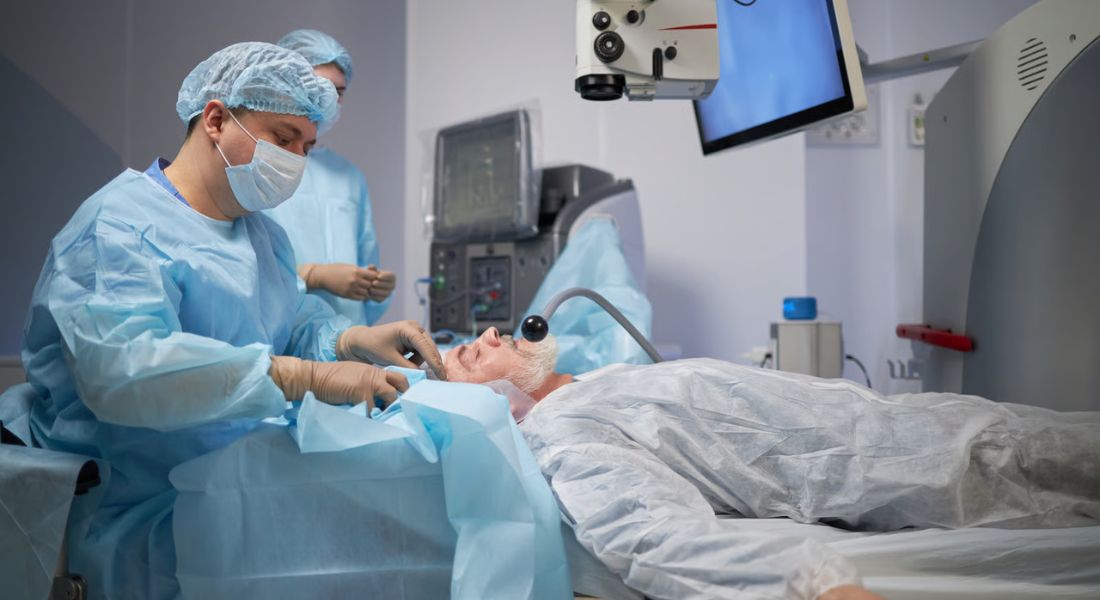
Cataract surgery can lower eye pressure for some people, but it is not a cure for glaucoma. It cannot reverse damage that has already occurred to your optic nerve. The long-term effect on glaucoma progression can vary from person to person.
For those with mild to moderate glaucoma, a reduction in eye pressure may place less strain on the optic nerve. This can help protect the vision you still have. However, the benefit depends on how your condition responds after surgery.
Regular follow-up remains essential after cataract surgery. Continuing your glaucoma treatment and attending eye checks helps monitor any changes. This approach gives you the best chance of slowing progression and maintaining stable vision.
Risks and Considerations
Cataract surgery is generally safe, but having glaucoma means there are extra factors to consider. Shortly after surgery, your eye pressure may rise temporarily, which can usually be managed with medication. Your ophthalmologist will monitor this closely to protect your optic nerve.
You may also be more sensitive to inflammation after the procedure. This can require additional eye drops or follow-up visits to ensure proper healing. Careful monitoring helps reduce the risk of complications.
Cataract surgery can also affect future glaucoma treatments. In some cases, it may make later glaucoma surgery more complex, which is why timing is important. Your ophthalmologist will balance the benefits of clearer vision with the potential risks to your glaucoma.
Preparing for Cataract Surgery with Glaucoma
Careful preparation helps ensure safe surgery and smooth recovery for patients with glaucoma. Taking proactive steps allows your ophthalmologist to plan effectively and reduces the risk of complications.
- Comprehensive Eye Exam:Make sure your glaucoma assessment is up to date, including visual field testing and optic nerve imaging. This provides a clear baseline for post-surgery monitoring.
- Medication Review:Discuss all eye drops and systemic medications with your surgeon to avoid interactions and ensure intraocular pressure is well controlled.
- Understand Recovery Expectations:Cataract surgery usually involves a quick recovery, but glaucoma patients may need closer follow-up to monitor eye pressure and healing.
- Plan for Support:Arrange for assistance on the day of surgery and during the first few days afterward, especially for transportation and daily tasks.
In conclusion, being informed and well-prepared allows you to approach cataract surgery with confidence. Proactive planning supports optimal outcomes while ensuring your glaucoma remains well managed throughout the process.
Post-Operative Eye Pressure Monitoring
After cataract surgery, monitoring your eye pressure is an important part of recovery. Your ophthalmologist will check for any sudden changes in pressure that could affect your optic nerve. Early detection of these changes helps prevent complications.
Your eyes will also be monitored for signs of inflammation or delayed healing. In the first few weeks after surgery, appointments may be more frequent to ensure everything is progressing as expected. This closer follow-up allows any issues to be managed quickly.
It is important to continue using your prescribed glaucoma treatment unless advised otherwise. Maintaining your eye drop routine helps keep pressure stable during recovery. Ongoing monitoring supports both healing and long-term glaucoma control.
How Cataract Surgery Can Complement Glaucoma Treatment
After cataract surgery, monitoring your eye pressure is an important part of recovery. Your ophthalmologist will check for any sudden changes in pressure that could affect your optic nerve. Early detection of these changes helps prevent complications.
Your eyes will also be monitored for signs of inflammation or delayed healing. In the first few weeks after surgery, appointments may be more frequent to ensure everything is progressing as expected. This closer follow-up allows any issues to be managed quickly.
It is important to continue using your prescribed glaucoma treatment unless advised otherwise. Maintaining your eye drop routine helps keep pressure stable during recovery. Ongoing monitoring supports both healing and long-term glaucoma control.
Lifestyle Adjustments After Cataract Surgery
After cataract surgery, making a few lifestyle adjustments can help protect your vision and support recovery. Following your post-operative instructions closely, including using eye drops as prescribed, is essential. Attending all follow-up appointments allows your ophthalmologist to monitor healing and eye pressure.
Protecting your eyes during recovery is also important. Wearing sunglasses can reduce glare and protect your eyes from UV exposure when outdoors. Avoiding strenuous activity, heavy lifting, or bending over can help prevent temporary rises in eye pressure.
Maintaining healthy daily habits supports long-term eye health. A balanced diet, regular gentle exercise, and good hydration all contribute to overall recovery. These simple steps work alongside ongoing glaucoma management to help you achieve the best possible outcome.
Signs You Should Contact Your Ophthalmologist

While most people recover smoothly after cataract surgery, it’s important to recognise warning signs that need prompt medical attention. Early action helps prevent complications and protects long-term eye health.
- Sudden Changes in Vision:Any rapid blurring, loss of vision, or distortion should be assessed immediately.
- Persistent Eye Pain or Redness:Ongoing discomfort or increasing redness may signal inflammation or infection.
- Severe Headaches or Nausea:These symptoms can indicate a sudden rise in eye pressure and require urgent evaluation.
- Worsening Flashes or Floaters:An increase in flashes or floaters could suggest retinal involvement and should not be ignored.
In conclusion, contacting your ophthalmologist promptly when these symptoms appear allows complications to be addressed early. Timely care is essential for preserving both vision quality and overall eye health.
Combining Cataract and Glaucoma Surgery
In some situations, your ophthalmologist may recommend combining cataract surgery with glaucoma treatment. This approach allows both conditions to be addressed during a single procedure. It can be especially helpful if you need better eye pressure control as well as clearer vision.
During combined surgery, cataract removal is performed alongside a procedure designed to lower eye pressure. This may involve traditional filtering surgery or newer minimally invasive glaucoma techniques. These options aim to improve fluid drainage while minimising disruption to the eye.
For people with moderate to advanced glaucoma, combined surgery can offer clear benefits. It may reduce the need for multiple operations and support long-term pressure control. Your ophthalmologist will assess whether this approach is suitable for your specific condition and treatment goals.
The Role of Ongoing Monitoring
Even after successful cataract surgery, ongoing monitoring remains essential for managing glaucoma. Because glaucoma is a long-term condition, your eye pressure can still change over time. Regular check-ups help ensure these changes are detected early.
Routine eye exams may include pressure measurements, visual field tests, and imaging of the optic nerve. These assessments allow your ophthalmologist to track any subtle changes in your eye health. Early detection helps prevent further vision loss.
Taking a proactive approach protects the benefits of your surgery. By attending appointments and following your treatment plan, you reduce the risk of complications. This ongoing care helps preserve your vision and eye health in the long term.
How Cataracts Can Mask or Distort Glaucoma Monitoring
One of the lesser-known issues with cataracts is how they can interfere with glaucoma monitoring. Cataracts don’t just blur vision; they can also affect the accuracy of diagnostic tests. This is especially important when tracking disease progression over time.
Visual field tests, which are essential for glaucoma management, rely on clear visual input. When a cataract is present, test results may appear worse than they truly are. This can make it difficult to tell whether glaucoma is progressing or whether the cataract is simply obstructing light.
Optic nerve imaging can also be affected. Dense cataracts may reduce image quality, making it harder to interpret subtle structural changes. Cataract surgery often restores clarity to these tests, allowing for more reliable long-term glaucoma assessment.
Cataract Surgery and Visual Field Interpretation Afterward
After cataract surgery, you may notice what seems like an improvement in your visual field test results. While this can feel encouraging, it does not mean that your optic nerve has healed. The clearer lens simply allows for more accurate testing of your vision.
This improvement helps your ophthalmologist establish a new baseline for monitoring glaucoma. With a clearer optical pathway, future tests provide more reliable information about your eye health. Accurate results make it easier to track any changes over time.
Having this updated baseline is very valuable for your care. It allows subtle changes in your vision to be detected earlier and managed more precisely. This ensures your glaucoma treatment can be tailored effectively, based on accurate, post-surgery measurements.
Does Cataract Surgery Affect Eye Pressure Fluctuations?
Eye pressure is not constant; it naturally fluctuates throughout the day and in response to activity, medications, and surgery. Cataract surgery can affect these fluctuations, particularly in the period immediately after the procedure. Understanding how your pressure may change helps you manage your glaucoma more effectively.
Mild pressure spikes are relatively common right after surgery. These usually settle within a few days and can be controlled with temporary medication if needed. Monitoring during this time ensures any sudden changes are addressed promptly.
In the long term, many people experience more stable eye pressure after cataract surgery. For patients who previously had narrow drainage angles, this can be especially beneficial. Smoother pressure control reduces stress on your optic nerve and may support better long-term glaucoma management.
Cataract Surgery in Early vs Advanced Glaucoma
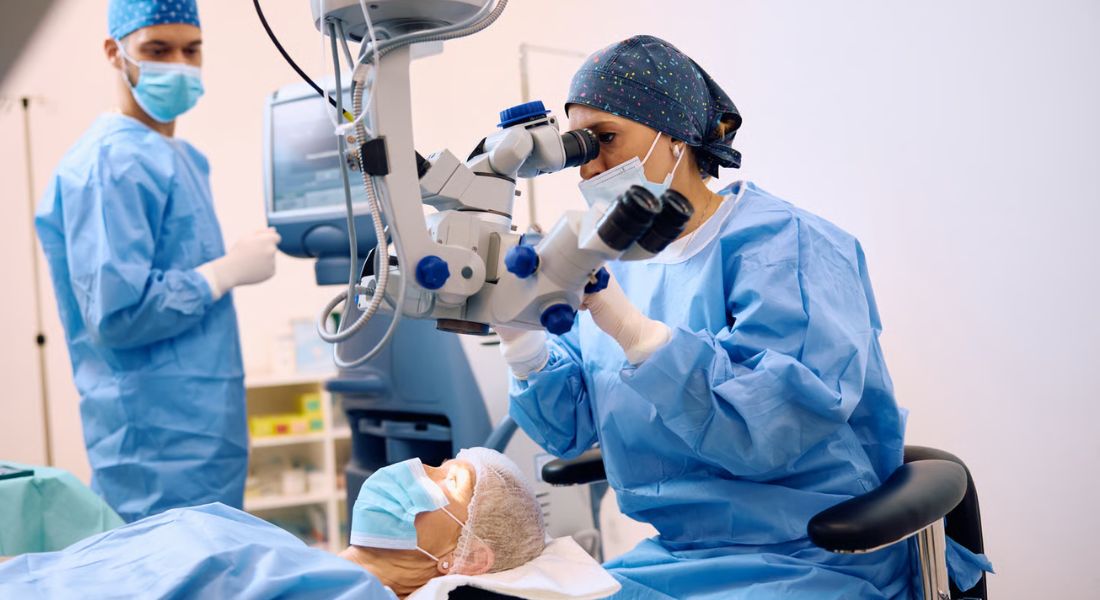
The role of cataract surgery can vary depending on how advanced your glaucoma is. In the early stages, surgery can help improve vision and make future monitoring more accurate. Clearer vision allows your ophthalmologist to make better-informed treatment decisions, and some patients may even be able to reduce their reliance on eye drops for a time.
When glaucoma is more advanced, the approach is more cautious. Your vision may already be limited, and your optic nerve is more vulnerable to pressure changes. Surgery in these cases focuses on improving your quality of life while carefully protecting the vision you still have.
Even with advanced glaucoma, cataract surgery can offer meaningful benefits. By combining careful pressure management with ongoing treatment, your ophthalmologist aims to preserve remaining vision and maintain independence. The goal is to balance clearer sight with long-term eye health.
How Intraocular Lenses (IOLs) Factor Into Glaucoma Care
The choice of intraocular lens matters when you have glaucoma. While most standard lenses are safe, some premium lenses require careful consideration.
Multifocal lenses, for example, may reduce contrast sensitivity. For glaucoma patients who already have compromised contrast perception, this can affect visual quality. Many surgeons recommend monofocal lenses for more predictable outcomes.
Your ophthalmologist will guide you through lens selection, balancing visual goals with long-term glaucoma stability. The aim is always functional vision that supports daily life safely and comfortably.
Medication Changes After Cataract Surgery
After cataract surgery, you may notice changes to your eye drop routine. This can be confusing, especially if your eye pressure readings improve at first. It is important to understand why these adjustments may happen.
In some cases, you may need fewer eye drops for a period of time. This does not mean that glaucoma has gone away. It usually reflects improved fluid flow inside your eye after surgery.
Any changes to your medication should always be guided by your ophthalmologist. Ongoing monitoring remains essential for long-term control of glaucoma. Following your prescribed treatment plan helps protect your vision over time.
FAQs:
- Can cataract surgery affect glaucoma eye pressure?
Yes. Cataract surgery can sometimes lower intraocular pressure (IOP), which may support glaucoma management, though the effect varies by glaucoma type and severity. - Does cataract surgery cure glaucoma?
No. Cataract surgery improves vision clarity but does not cure glaucoma. Ongoing treatment and monitoring are still required. - How does cataract surgery impact different types of glaucoma?
The effect of cataract surgery depends on the type of glaucoma. In open-angle glaucoma, it may lead to a modest reduction in eye pressure, supporting existing treatments. For angle-closure glaucoma, removing the lens can widen the drainage angle, lowering the risk of sudden pressure spikes. - Can cataract surgery slow glaucoma progression?
It may help protect remaining vision by reducing eye pressure, but it cannot reverse existing optic nerve damage. Regular monitoring remains crucial. - Why is timing important when combining cataract and glaucoma care?
Surgery may be coordinated with glaucoma treatment to optimize vision improvement, pressure control, and long-term eye health. - How does cataract surgery affect glaucoma monitoring?
Cataracts can distort visual field tests and optic nerve imaging. After surgery, testing becomes more accurate, allowing better tracking of glaucoma progression. - What lifestyle steps help after cataract surgery with glaucoma?
Follow post-op instructions, use prescribed eye drops, protect eyes from UV light, avoid heavy lifting, maintain healthy diet and hydration, and attend all follow-ups. - Can cataract surgery change my glaucoma medications?
Sometimes. Improved fluid drainage may reduce the need for some eye drops temporarily, but medication adjustments should always be guided by your ophthalmologist. - Are there risks to cataract surgery if I have glaucoma?
Yes. Short-term pressure spikes, inflammation, or increased complexity for future glaucoma surgery can occur. Careful monitoring and planningminimize these risks. - Can cataract and glaucoma surgery be combined?
Yes. Combined procedures can address both vision clarity and eye pressure in one operation, which may benefit patients with moderate to advanced glaucoma.
Final Thought: Protecting Your Vision and Mobility
Glaucoma can quietly affect both your vision and your balance, increasing the risk of falls in everyday life. Awareness of these risks, early detection, and practical safety strategies are key to maintaining confidence, independence, and overall quality of life. By improving lighting, keeping your environment clear of obstacles, and using supportive tools, you can significantly reduce the chance of accidents while staying active.
If you’d like to find out whether glaucoma treatment in London, is suitable for you feel free to contact us at Eye Clinic London to arrange a consultation. Taking prompt action not only helps preserve your eyesight but also supports safe mobility and long-term wellbeing.
References:
- Pasquali, A., et al. (2024) ‘Does cataract extraction significantly affect intraocular pressure?’, Journal of Clinical Medicine, https://www.mdpi.com/2077-0383/13/2/508
- Masis, M., et al. (2022) ‘Cataract surgery and IOP: a systematic review of randomised controlled trials’, https://link.springer.com/article/10.1007/s00417-022-05911-3
- Mansberger, S.L., et al. (2022) ‘Cataract surgery lowers intraocular pressure and medication use in the Ocular Hypertension Treatment Study https://pmc.ncbi.nlm.nih.gov/articles/PMC8761780/
- Brown, R.H. (2014) ‘Using cataract surgery to reduce intraocular pressure’, Current Opinion in Ophthalmology, https://www.sciencedirect.com/science/article/abs/pii/S0886335014007275
- Rothman, A.L. (2023) ‘Intraocular pressure changes following stand-alone cataract surgery’, American Journal of Ophthalmology, ScienceDirect https://www.sciencedirect.com/science/article/abs/pii/S0002939422003609