


Evaporative vs Aqueous Deficient Dry Eye (Guide)
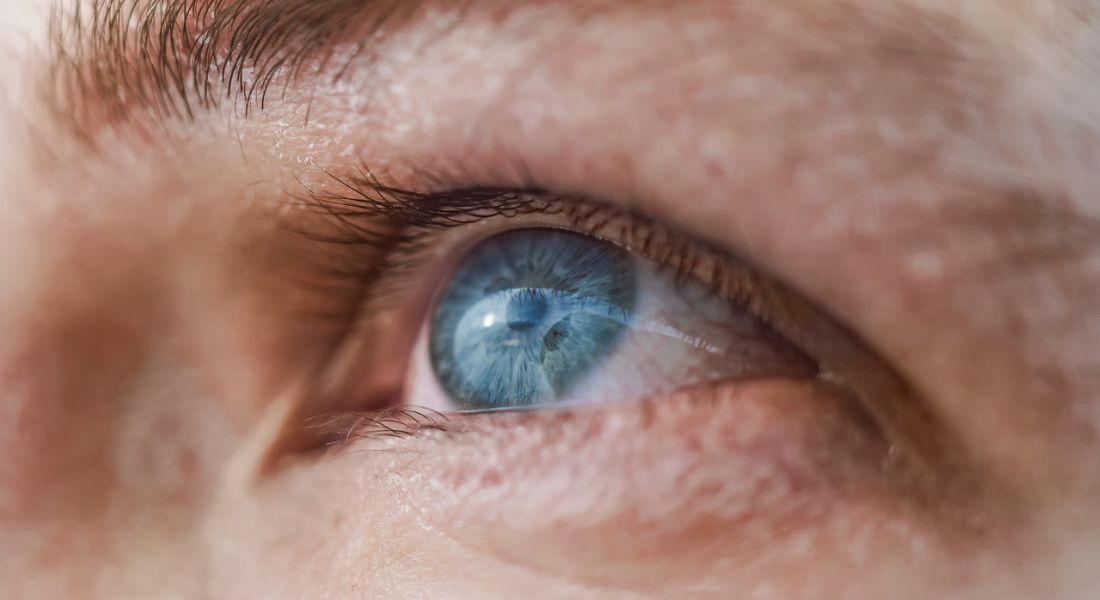
Dry eye is often spoken about as a single condition, but this oversimplification creates confusion. You may be told you have dry eye without any explanation of what type is involved. We see that this lack of clarity frequently leads to ineffective treatment and persistent symptoms.
We now understand that dry eye exists in distinct subtypes, each with a different underlying cause. You are affected in different ways depending on which part of the tear film is disrupted. Identifying the correct subtype changes how care is planned and delivered.
You may notice that symptoms feel similar on the surface. Burning, irritation, and fluctuating vision can occur regardless of subtype. We recognise, however, that the biological mechanisms driving these symptoms are very different.
Understanding these differences helps explain why some treatments succeed while others fail. You benefit when care is based on accurate identification rather than assumption. Correct classification is therefore essential for meaningful improvement.
How the Tear Film Normally Works
The tear film is a layered system that works continuously to keep the eye surface comfortable, clear, and protected. You depend on these layers working together, and disruption to any one of them can trigger dry eye symptoms. We see dryness develop when this balance is disturbed rather than when a single element fails in isolation.
You rely on the tear film to maintain smooth vision and protect the surface from irritation. We recognise that even small imbalances can affect visual stability and comfort throughout the day. This explains why symptoms can appear quickly and feel disproportionate to the change.
We assess dry eye by understanding how the tear film functions as a complete system. You benefit when each component is considered rather than viewing tears as simple moisture. The type of imbalance determines the subtype, which is why accurate evaluation matters.
What Is Aqueous Deficient Dry Eye
Aqueous deficient dry eye develops when tear production is insufficient to keep the eye surface properly hydrated. You experience a reduction in the watery component of the tear film, which compromises surface moisture. We see this lack of tear supply as the defining feature of this subtype.
You may notice ongoing dryness, grittiness, or general discomfort that does not settle easily. We recognise that symptoms often worsen in dry air or during prolonged visual tasks, such as reading or screen use. Artificial tears can help briefly, but relief is often short-lived when tear production remains low.
We commonly associate this subtype with ageing, autoimmune conditions, or dysfunction of the tear-producing glands. You are affected because tears are not produced in adequate volume rather than being lost through evaporation. Identifying reduced tear supply is essential, as treatment focuses on improving tear availability rather than addressing surface oil.
How Aqueous Deficient Dry Eye Develops
This form of dry eye develops when the eyes do not produce enough tears to keep the surface adequately lubricated. Rather than instability of the tear film, reduced tear supply is the primary problem. Understanding this distinction is important because it changes how symptoms are interpreted and treated. We focus on identifying why tear production is insufficient.
- Reduced tear production is the central issue: Inflammation, nerve dysfunction, or wider health conditions can limit lacrimal gland output. We recognise tear deficiency as the main driver rather than evaporation.
- Symptoms tend to be persistent rather than fluctuating: You may notice ongoing dryness, redness, or a gritty sensation. These symptoms reflect continuous under-wetting of the eye surface.
- Broader health factors are often relevant: This subtype may be linked to systemic or autoimmune conditions. You benefit when management addresses the underlying cause, not just surface discomfort.
Treating tear-deficient dry eye requires a different approach from evaporative forms. By focusing on improving tear production and identifying contributing health factors, we aim to restore more consistent surface lubrication. This targeted strategy supports more durable symptom relief and better long-term comfort.
What Is Evaporative Dry Eye

Evaporative dry eye develops when tears disappear too quickly from the eye surface. You may have normal tear production, but poor retention causes the tear film to break down prematurely. We see this instability as the core problem rather than a shortage of tears.
You can experience burning, stinging, or fluctuating vision that worsens with screen use or exposure to wind. We recognise that reduced or incomplete blinking plays a major role in triggering symptoms. These patterns explain why discomfort often varies throughout the day.
We see evaporative dry eye more frequently than other forms, most commonly due to meibomian gland dysfunction. You are affected when the oil layer becomes compromised and can no longer protect the tear film. This subtype is driven by instability, so treatment must focus on controlling evaporation rather than increasing tear volume.
How Evaporative Dry Eye Develops
The tear film depends on a healthy oil layer to slow evaporation and protect the eye surface. When this layer is compromised, tears break up too quickly and the surface becomes exposed and irritated. We see this mechanism driving symptoms even when tear volume appears normal.
You may blink less often during prolonged screen use, which increases evaporation and contributes to gland blockage. We recognise that this leads to symptoms that fluctuate rather than remain constant throughout the day. Environmental and behavioural factors often amplify the problem.
We commonly identify blocked or inflamed oil glands in this subtype, resulting in poor or absent oil secretion. You experience discomfort because tears lose their protective coating rather than because tears are missing. Management therefore focuses on restoring gland function, not increasing tear quantity.
Why Symptoms Often Overlap Between Types
Both dry eye subtypes can cause irritation, redness, and fluctuating vision. You may find that these shared symptoms make it difficult to identify the underlying cause based on sensation alone. We recognise that how your eyes feel does not always reflect what is happening on the surface.
You might assume that dryness automatically means a lack of tears. We often see cases where tear volume is adequate, but stability is poor, leading to rapid evaporation. In these situations, the issue lies in tear quality rather than quantity.
We rely on clinical testing instead of symptoms alone to clarify the cause. You benefit when surface appearance and gland health are properly assessed to guide care. Correct diagnosis reduces frustration and leads to better outcomes.
How Dry Eye Subtypes Are Diagnosed
Diagnosis goes beyond simply discussing how your eyes feel. We assess tear volume, tear stability, and oil gland function because each measurement reveals a different part of the condition. You benefit when the dry eye is evaluated as a system rather than a single symptom.
You may undergo tests that look at how quickly tears evaporate or how much tear fluid is produced. We also examine gland structure to understand whether the tear film is being properly supported. Each assessment adds context rather than standing alone.
We combine these findings to identify clear patterns and determine which subtype is most influential. You are not assessed on one result in isolation, as mixed forms are common. Accurate diagnosis prevents ineffective treatment and allows precision to drive better results.
Why Identifying the Subtype Matters
Dry eye treatments are not one-size-fits-all because dry eye itself is not a single condition. Different subtypes behave differently and respond to different strategies. When treatment is not aligned with the underlying mechanism, improvement is often limited. We see better outcomes when care is guided by accurate identification rather than assumption.
- Different dry eye subtypes require different treatments: Treatments are not interchangeable across all forms of dry eye. When the dominant mechanism is missed, symptoms often persist despite effort.
- Lubrication alone may not address the root problem: Repeated use of artificial tears can bring little relief when evaporation is the main issue. In these cases, tear instability continues even with consistent drop use.
- Targeted care reduces frustration and improves comfort: We tailor treatment based on the most influential dry eye subtype. You benefit when trial and error is replaced by a focused, evidence-led approach.
Effective dry eye management depends on matching treatment to the underlying cause. By identifying the correct subtype early, we can avoid unnecessary frustration and support more lasting relief. Personalised care saves time, improves comfort, and reflects how a dry eye truly behaves.
Treatment Approach for Aqueous Deficient Dry Eye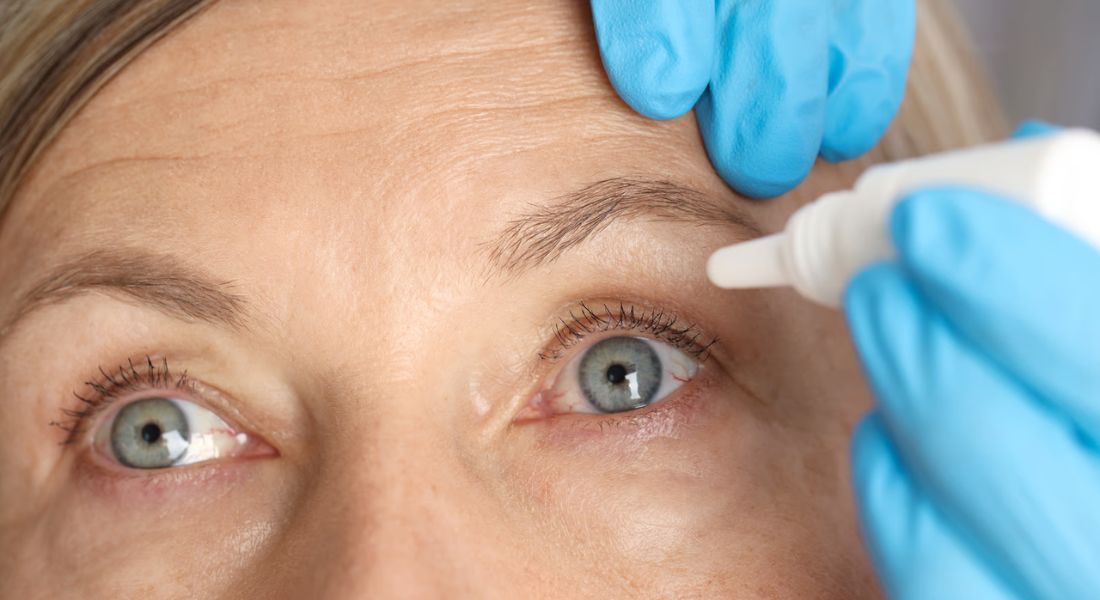
Treatment centres on increasing tear availability while reducing surface inflammation. You may find that tear supplements provide relief, but they are only part of a broader strategy. We focus on supporting natural tear production rather than relying on drops alone.
You can be advised to use lubricants specifically suited to low tear volume, alongside treatments that calm inflammation. We also review wider health factors, as systemic influences can affect tear supply. This ensures care reflects the full picture rather than symptoms in isolation.
We sometimes address nerve-related factors or autoimmune contributors through coordinated care. You benefit when management recognises that dry eye may involve more than the eye surface itself. This approach supports tear supply at its source, keeping production as the primary focus.
Treatment Approach for Evaporative Dry Eye
Evaporative dry eye treatment focuses on restoring healthy oil gland function. You may find that improving oil flow helps stabilise the tear film and slows evaporation. We recognise that surface lubrication alone is often not enough for lasting relief.
You can be advised on lid hygiene routines, heat therapy, or in-clinic treatments to support gland health. We also address blinking patterns and screen habits, as lifestyle influences symptoms significantly. These factors work together to affect tear stability.
We focus on improving gland performance to enhance tear quality and reduce evaporation. You benefit as oil secretion normalises and symptoms become more consistent. This subtype responds best to precise, targeted care, where accuracy truly matters.
Why Many Patients Have Mixed Dry Eye
Many people show features of both dry eye subtypes at the same time. You may experience reduced tear production alongside increased evaporation, which makes mixed dry eye a common presentation. We see this combination frequently in clinical assessment.
You often need a treatment approach that addresses more than one mechanism. We recognise that focusing on only a single aspect can lead to limited or short-lived relief. Balanced care supports more meaningful improvement.
We assess which component is most influential at each stage and prioritise care accordingly. You benefit when treatment adapts as the ocular surface stabilises and improves. Recognising mixed dry eye prevents oversimplification and allows care to reflect its complexity.
How Environment and Lifestyle Influence Both Types
Environmental factors influence both subtypes of dry eye and often intensify symptoms. You may notice that air conditioning, central heating, and prolonged screen use worsen discomfort by increasing tear evaporation and stressing tear production. We see these triggers playing a significant role in day-to-day symptom severity.
You can find that symptoms fluctuate depending on where you are and how you spend your time. We recognise that work environments, particularly those involving screens or controlled air, often contribute more than expected. Awareness of these patterns supports better symptom control.
We incorporate practical lifestyle guidance alongside clinical treatment to address these influences. You benefit when environmental adjustments work in tandem with medical care. Dry eye management extends beyond eye drops alone, because context truly matters.
Why One-Size-Fits-All Treatment Fails
Dry eye is often treated as a single, uniform condition, but this oversimplification can limit results. The tear film is complex, with multiple layers that can fail in different ways. When treatment does not reflect this complexity, improvement is often limited. We see better outcomes when care is guided by understanding rather than assumption.
- Generic treatment overlooks tear film complexity: Dry eye does not behave the same way in every person. When care is not tailored to the affected tear film component, results are often disappointing.
- Poor response usually reflects mistargeted care: You may feel your condition is resistant to treatment. In most cases, this means the underlying dry eye subtype has not been properly addressed.
- Targeted treatment supports meaningful improvement: Identifying the correct subtype allows care to be more precise and effective. You benefit when accuracy replaces trial-and-error approaches.
Dry eye management works best when it is personalised rather than generic. By targeting the specific cause of tear film dysfunction, we can move beyond frustration and towards sustained improvement. This approach reflects how the dry eye truly behaves, not how it is often simplified.
Long-Term Management and Monitoring
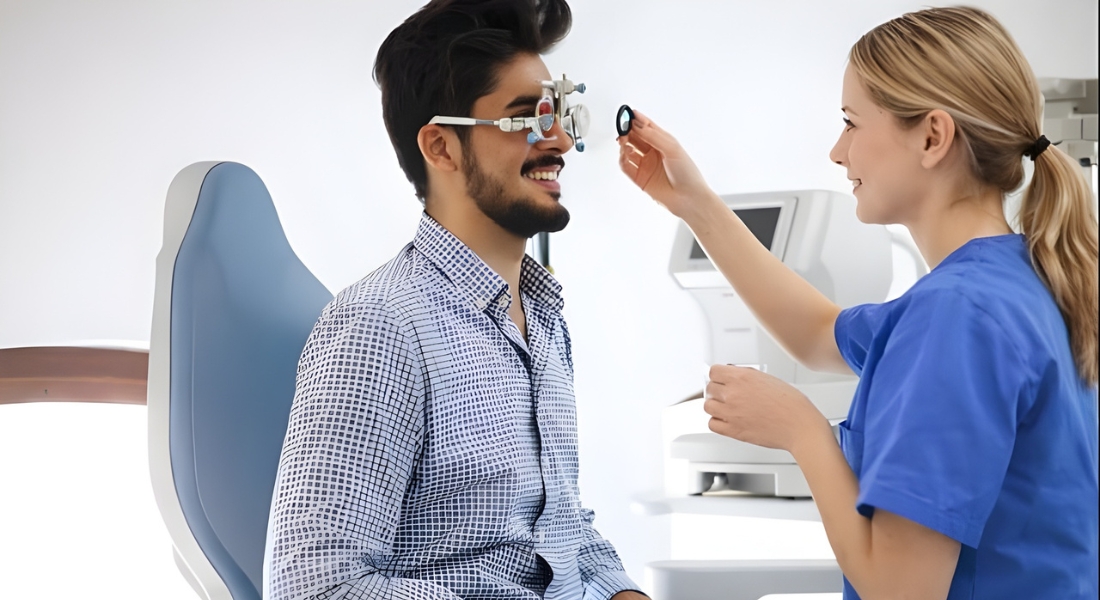
Dry eye is a long-term condition that requires ongoing attention rather than a one-off solution. You may notice that symptoms change over time, even when treatment is in place. We see regular monitoring as essential to ensure care remains effective and responsive.
You might need adjustments as your lifestyle, environment, or general health shifts. We understand that dry eye tend to evolve rather than resolve completely. A flexible approach helps maintain stability and comfort over the long term.
We focus on protecting the ocular surface and reducing the risk of flare-ups, not just easing symptoms when they appear. You benefit most when care is consistent and proactive. We see dry eye management as a shared effort, where ongoing review helps sustain results.
FAQs:
- How can you tell whether your dry eye is evaporative or aqueous deficient?
You cannot reliably tell the difference based on symptoms alone. Both types can cause irritation, redness, and fluctuating vision. The underlying problem differs even when sensations feel similar. Clinical testing is needed to identify which mechanism is dominant. - Why can dry eye feel severe even if your eyes still produce tears?
Tears may evaporate too quickly rather than being absent. When the oil layer is unstable, moisture does not remain on the surface. This creates dryness despite normal tear volume. Stability matters as much as quantity. - Why do artificial tears sometimes give you only short-term relief?
Drops may temporarily soothe the surface without fixing the root cause. If tear production is low, moisture is quickly depleted. If evaporation is high, tears break down too fast. Relief fades when the underlying mechanism is untreated. - How does screen use affect the type of dry eye you experience?
Reduced blinking during screen use increases tear evaporation. This places greater stress on the tear film and oil layer. Symptoms often worsen as the day progresses. Behavioural factors can strongly influence evaporative patterns. - Why does dry eye often fluctuate throughout the day?
Tear film stability changes with environment, activity, and blinking patterns. Evaporation increases in dry air or during prolonged focus. Tear production may also struggle to keep up with demand. These shifts cause symptoms to vary rather than remain constant. - Why is identifying the dry eye subtype important for your treatment?
Each subtype responds to different treatment strategies. Managing evaporation requires gland-focused care, not just lubrication. Tear deficiency needs support for tear production. Targeted treatment improves outcomes and reduces frustration. - How can inflammation play a role in both dry eye types?
Inflammation can reduce tear production and disrupt oil gland function. This worsens both tear quantity and stability. Inflammation also increases surface sensitivity. Addressing it supports longer-term comfort in both subtypes. - Why do some people have both evaporative and aqueous dry eye?
Multiple tear film components can be affected at the same time. Reduced tear production and increased evaporation often coexist. This mixed pattern is common rather than unusual. Treatment must balance both mechanisms to be effective. - How do environmental factors influence your dry eye symptoms?
Dry air, heating, air conditioning, and wind increase evaporation. Visual tasks place additional strain on tear stability. These triggers affect symptoms regardless of subtype. Environmental management supports medical treatment. - Why does dry eye usually require long-term management rather than a quick fix?
Tear film imbalance tends to persist and evolve over time. Symptoms may improve but can flare with lifestyle or health changes. Ongoing review allows treatment to adapt as needs shift. Consistency helps maintain comfort and stability.
Final Thoughts on Evaporative vs Aqueous Deficient Dry Eye:
Dry eye is not a single condition, and understanding whether symptoms are driven by evaporation or tear deficiency makes a significant difference. Evaporative and aqueous deficient dry eyes develop through different mechanisms and require different treatment strategies. Identifying the dominant subtype allows care to be targeted, effective, and sustainable. If you’re exploring whether dry eye treatment in London could benefit you, get in touch with us at Eye Clinic London to schedule your consultation.
References:
- Vidal-Rohr, M., González-Pérez, J. and García-Lázaro, S., 2024. Classification of dry eye disease subtypes: clinical criteria for aqueous-deficient and evaporative forms. Contact Lens and Anterior Eye. Available at: https://www.sciencedirect.com/science/article/pii/S1367048424001498
- Lemp, M.A., Crews, L.A., Bron, A.J., Foulks, G.N. and Sullivan, B.D., 2012. Distribution of aqueous-deficient and evaporative dry eye in a clinic-based patient cohort. Cornea, 31(5), pp.472–478. Available at: https://pubmed.ncbi.nlm.nih.gov/22378109/
- Narang, P., 2023. Evaporative dry eye disease due to meibomian gland dysfunction: clinical approaches and management. PMC free article. Available at: https://pubmed.ncbi.nlm.nih.gov/37026266/
- Di Zazzo, A., et al., 2024. One Soul and Several Faces of Evaporative Dry Eye Disease. Journal of Clinical Medicine, 13(5), 1220. Available at: https://www.mdpi.com/2077-0383/13/5/1220
- Sabucedo-Villamarin, B., 2022. Categorization of Aqueous Deficient Dry Eye by Tear Meniscus Height Cut-off. Life, 12(12), 2007. Available at: https://www.mdpi.com/2075-1729/12/12/2007