


Why Dry Eye Symptoms Can Fluctuate From Day to Day (Explained)
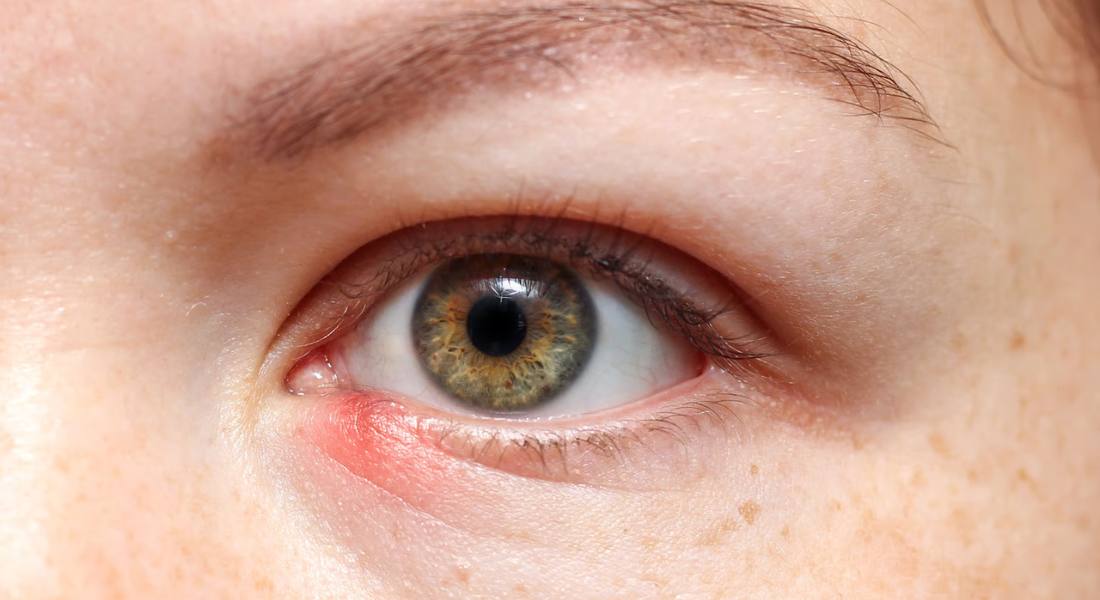
Dry eye is often described as a chronic condition, yet many people notice that their symptoms change from one day to the next. You may feel relatively comfortable one day and significantly irritated the next, even without changing your routine. This unpredictability can be confusing and frustrating.
Dry eye symptoms are not static because the tear film is highly sensitive to internal and external influences. Small changes in environment, behaviour, or inflammation can shift tear stability quickly. Understanding this helps explain why symptoms fluctuate rather than remain constant.
In this article, we explain why dry eye severity can vary so much. We explore tear film instability, environmental triggers, blinking patterns, inflammation cycles, and daily habits. Knowing these factors helps you manage symptoms more effectively and with less uncertainty.
Understanding the Tear Film and Its Instability
The tear film is a thin, dynamic layer that covers the surface of your eye. It has three parts lipid, aqueous, and mucin that all need to work together to keep your eyes comfortable. Even a small imbalance can lead to noticeable symptoms.
If you have dry eye, your tear film becomes unstable. Tears may evaporate too quickly or fail to spread evenly across your eye. This can cause fluctuating vision, irritation, and a burning sensation that you might notice throughout the day.
Because your tear film refreshes with every blink, its condition can change rapidly. That’s why your symptoms can vary from hour to hour. Maintaining tear stability is key to keeping your eyes comfortable and your vision clear.
Why Dry Eye Is Not the Same Every Day
Dry eye is a condition that can feel unpredictable because symptoms often change from one day to the next. These fluctuations are a normal part of how the ocular surface and tear film respond to daily life. Understanding that severity can vary depending on environmental conditions, activity levels, and even personal health factors helps patients set realistic expectations.
- Tear film resilience under daily demands: Dry eye severity depends on how well the tear film maintains stability throughout the day. Some days naturally place more stress on the ocular surface, causing symptoms to feel worse even without a change in treatment.
- Environmental and lifestyle factors: Factors such as wind, humidity, screen use, sleep quality, and hydration vary daily. Each can influence tear film behaviour, making symptoms appear unpredictable at times.
- A fluctuating surface condition, not a fixed problem: Dry eye is more like a dynamic surface condition than a static disease. Recognising that variation is expected, rather than a treatment failure, can help patients manage symptoms calmly.
By understanding the daily fluctuations of dry eye, patients can respond appropriately and maintain confidence in their management plan. Symptom variation is normal and does not indicate worsening disease.
Environmental Triggers and Daily Exposure
The environment around you can have a big impact on your dry eye symptoms. Wind, air conditioning, heating, and pollution all make your tears evaporate faster. Because your exposure changes day to day, your symptoms can fluctuate as well.
Indoor spaces can be especially drying. Offices, cars, and even aircraft cabins often have low humidity, which can make your eyes feel uncomfortable. Spending long periods in these environments can worsen your symptoms noticeably.
Outdoor conditions are important too. Cold air, bright sunlight, and allergens can all irritate the surface of your eyes. This is why your symptoms can change depending on where you are and the weather outside.
How Screen Use Affects Symptoms Throughout the Day
Spending long periods looking at screens can have a big impact on your dry eye symptoms. When you focus on a screen, you tend to blink less often, which reduces tear spread and increases evaporation. This can make your eyes feel dry or irritated more quickly than usual.
You might notice that symptoms get worse as the day goes on. Even if your eyes feel comfortable in the morning, long hours of computer or phone use can lead to afternoon irritation. This pattern is very common for people who work on screens.
Small changes in how you use screens can also influence your symptoms. A sudden increase in workload, phone use, or digital exposure may trigger flare-ups. How often you blink while looking at screens plays a key role in this daily fluctuation.
Blinking Patterns and Tear Distribution
Blinking is a critical, yet often overlooked, part of maintaining healthy eyes. Each blink spreads the tear film evenly across the ocular surface, providing lubrication, nourishment, and protection. When blinking is incomplete or infrequent, the tear film becomes unstable, which can lead to dryness, irritation, and fluctuating vision. Understanding how blinking affects tear distribution helps explain why dry eye symptoms can vary throughout the day.
- Essential role of blinking: A full blink ensures that tears are spread evenly across the eye, keeping the surface hydrated and protected. Incomplete or partial blinks leave areas exposed, making them more prone to dryness and discomfort.
- Impact of concentration and screen use: Many people blink less frequently when focusing on tasks such as reading, using a computer, or watching a screen. Reduced blinking can cause localised dryness and make symptoms more noticeable in certain situations.
- Daily variation in blink patterns: Blinking frequency and completeness can change throughout the day due to fatigue, stress, or level of concentration. This variation helps explain why dry eye symptoms may worsen in the evening or during prolonged focus-intensive activities.
Maintaining awareness of blink habits and taking regular breaks can help support tear film stability. Small changes, such as conscious blinking and screen breaks, can make a noticeable difference in daily comfort.
Inflammation Cycles in Dry Eye Disease
Dry eye involves inflammation on the surface of your eyes, but it isn’t constant. The level of inflammation can rise and fall, which is why your symptoms often fluctuate throughout the day. This cycling is a key reason why your eyes can feel fine one moment and irritated the next.
Inflammation can increase after environmental stress or prolonged dryness. When this happens, your eyes may feel more sensitive and uncomfortable, and symptoms can linger even after the trigger is gone. You may notice that irritation seems worse at certain times or in certain conditions.
On calmer days, inflammation can settle, giving you periods of relative comfort. These fluctuations are completely normal and part of the condition. Understanding that inflammation cycles naturally can help explain why your symptoms sometimes feel unpredictable.
The Role of Meibomian Gland Function
The meibomian glands in your eyelids produce the oily layer of your tear film. This layer helps slow down tear evaporation and keeps your eyes comfortable. The way these glands function can vary from day to day, which affects how stable your tears are.
If the oil isn’t released properly or consistently, your tears become unstable. On days when the oil quality is lower, you may notice more dryness or irritation. This kind of variability is very common in evaporative dry eye.
Several factors influence how your glands work, including temperature, inflammation, and how often you blink. This is why your symptoms can change even when there’s no obvious trigger. Understanding gland function helps explain why dry eye can feel unpredictable.
Hormonal Influences on Tear Stability
Hormones play an important role in your tear production and oil secretion. Changes in hormone levels can affect your dry eye symptoms, and this is often most noticeable in women. Even small fluctuations can influence how comfortable your eyes feel.
Daily or monthly hormonal shifts may alter the quality of your tears. You might notice that your symptoms worsen at certain times without any obvious reason. This pattern is well recognised and completely normal.
Hormonal effects are usually subtle but still significant. They contribute to variability in symptoms rather than constant dryness. Understanding this can help you make sense of why your eyes sometimes feel worse than at other times.
Sleep Quality and Morning Symptoms
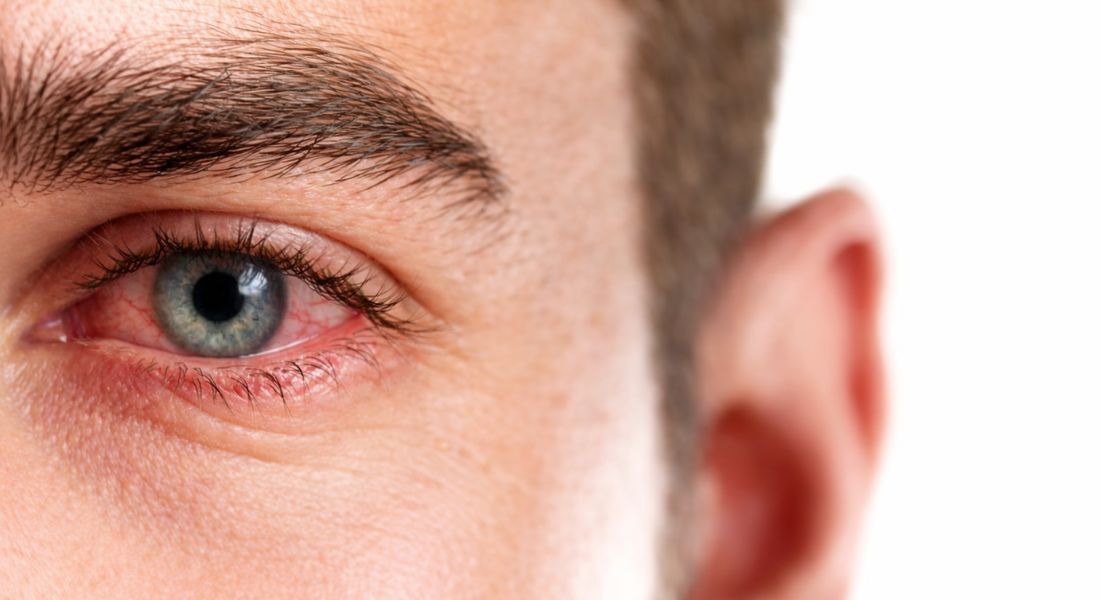
Sleep plays a vital role in maintaining a healthy ocular surface. Poor or disrupted sleep can reduce tear production, increase inflammation, and contribute to irritation. Understanding the connection between sleep quality and eye comfort helps explain why dry eye symptoms can feel worse in the morning or fluctuate throughout the day.
- Impact of poor sleep on tear production: Inadequate or restless sleep can reduce the quantity and quality of tears, leaving the eyes drier and more prone to discomfort upon waking.
- Variability in morning symptoms: Some individuals experience significant dryness and irritation on waking that gradually improves during the day, while others may feel fine in the morning but develop symptoms later. Both patterns are common and normal.
- Night-time factors: Incomplete eyelid closure, rapid eye movement, or disrupted sleep cycles can further compromise ocular surface health. These factors can vary from night to night, contributing to day-to-day differences in dry eye symptoms.
By recognising the link between sleep and eye comfort, patients can take steps to optimise night-time care and manage morning dryness. Sleep hygiene and simple eyelid protection measures can support a more stable tear film and reduce daily symptom variability.
Hydration and Systemic Factors
How well hydrated you are can directly affect your tear production. Even mild dehydration can reduce tear volume, and your daily fluid intake often varies more than you might realise. This can make your eyes feel drier at certain times.
Your overall health also influences tear stability. Illness, stress, and the medications you take can all affect how your eyes feel. Because these factors change day to day, your symptoms can fluctuate as well.
Dry eye isn’t just about the eyes it’s connected to your whole body. This systemic link helps explain why your symptoms may come and go, even without obvious triggers. Recognising this can help you understand and manage daily changes in comfort.
Why Vision Can Fluctuate With Dry Eye
With dry eye, your vision can fluctuate rather than stay constantly blurry. When your tear film is unstable, the way light enters your eye changes from moment to moment. This can make things look clear one second and slightly hazy the next.
Blinking often gives temporary clarity by spreading tears evenly across the surface of your eye. As the tear film breaks up again, your vision may worsen. This cycle can repeat several times throughout the day, especially during prolonged screen use or in dry environments.
Fluctuating vision is a common feature of dry eye and doesn’t usually indicate permanent damage. Your vision tends to stabilise as tear film control improves. Understanding this pattern can help you know what to expect and manage symptoms more effectively.
Dry Eye After Eye Surgery and Symptom Variability
It’s common to experience dry eye symptoms after eye surgery, including procedures like LASIK. Disruption of corneal nerves can affect tear production and signalling, which leads to fluctuating symptoms. Knowing this can help you understand why your eyes feel different at times.
During the healing phase, your symptoms may vary from day to day. Some days your eyes might feel comfortable, while on others they may feel dry, gritty, or irritated. This pattern is a normal part of recovery.
Understanding this variability is important for setting realistic expectations after surgery. Proper management, including lubricating drops and protective measures, supports gradual stabilisation. Patience is key while your eyes adjust and heal.
Common Daily Triggers That Increase Symptoms
Throughout your day, certain triggers can make dry eye symptoms worse. How your tear film behaves can be affected by your environment, habits, and even sleep. Knowing these common triggers can help you anticipate when your eyes might feel drier or more uncomfortable. The table below shows some everyday factors and the patterns you might notice.
| Trigger | Effect on Tear Film | Symptom Pattern |
| Air conditioning | Increased evaporation | Afternoon dryness |
| Screen use | Reduced blinking | End-of-day irritation |
| Poor sleep | Reduced tear production | Morning discomfort |
| Wind exposure | Tear instability | Sudden flare-ups |
Why Treatment Response Can Also Fluctuate
Dry eye treatments don’t always provide the same level of relief every day. Lubricating drops and other therapies work with a tear film that is constantly changing, so their effect can vary from moment to moment. Understanding this helps set realistic expectations for how your eyes feel.
On days when your tear film is more stable, treatment may feel very effective. On stressful days or after long screen use, your symptoms might persist despite following your routine. This doesn’t mean your treatment isn’t working it’s just the nature of the condition.
The goal of management is to reduce the severity and frequency of flare-ups. Complete elimination of fluctuation isn’t realistic, but improving consistency makes a big difference. Focusing on steady relief rather than perfection helps you maintain comfort over time.
Tracking Patterns to Understand Your Dry Eye
Recognising patterns in your dry eye symptoms can be very helpful. By tracking when your eyes feel worse, you can identify specific triggers that affect you. This insight allows you to make targeted adjustments to reduce discomfort.
Many people find symptom diaries useful. Noting details like your environment, screen time, and sleep can reveal trends over days or weeks. Becoming aware of these patterns gives you more control over your symptoms.
Understanding your personal triggers also helps reduce frustration. The more predictable your symptoms become, the easier it is to manage them day to day. This awareness empowers you to take an active role in your eye care.
When Fluctuation Signals the Need for Review
Some fluctuation in your dry eye symptoms is normal, but worsening signs should be checked by a professional. If your discomfort increases or your usual treatments stop working as well, it’s a good idea to book a review. These changes can sometimes indicate progression or new issues.
Persistent pain, redness, or sudden changes in vision should never be ignored. Getting these assessed early helps prevent complications and allows your care plan to be adjusted promptly. You’ll feel more confident knowing any problems are being addressed.
Regular follow-up ensures your dry eye management continues to be effective. Eye care isn’t static, and your needs can change over time. Ongoing assessment supports comfort and helps maintain stable, reliable vision.
How Clinical Management Addresses Fluctuation

Modern dry eye management aims to stabilise your tear film rather than just treating temporary symptoms. By targeting the underlying causes, your symptoms become more consistent and predictable. This approach helps reduce the day-to-day variability you might notice.
Your treatment plan may include lid hygiene, anti-inflammatory therapies, and tear supplements. The focus is on achieving long-term stability rather than just short-term relief. Over time, these strategies help your eyes feel more comfortable throughout the day.
Education is a key part of successful management. Understanding why your symptoms fluctuate can reduce anxiety and frustration. When you know what to expect, you’re more likely to follow your care plan effectively and feel confident in your eye health.
Summary: Why Dry Eye Symptoms Change
If you have dry eye, you may notice that your symptoms aren’t the same all the time. Several factors influence how your eyes feel from moment to moment. The table below highlights the main reasons why your symptoms can change throughout the day, helping you understand what’s happening and why.
| Factor | Why It Fluctuates |
| Tear film | Renews constantly |
| Environment | Daily exposure varies |
| Blinking | Changes with focus |
| Inflammation | Cycles naturally |
| Lifestyle | Not consistent daily |
FAQs:
- Why do my dry eye symptoms feel severe one day and mild the next?
Dry eye symptoms fluctuate because the tear film is highly sensitive and constantly renewing. Small day-to-day changes in environment, screen use, blinking patterns, sleep, or inflammation can quickly affect tear stability. This means symptoms can change even when your routine feels mostly the same. - Is it normal for dry eye symptoms to worsen later in the day?
Yes, this is very common. Tear evaporation increases as the day progresses, especially with prolonged screen use and reduced blinking. Fatigue and environmental exposure also contribute, making symptoms more noticeable in the afternoon or evening. - Can dry eye cause fluctuating vision as well as discomfort?
Dry eye frequently causes fluctuating vision because an unstable tear film alters how light enters the eye. Vision may temporarily improve after blinking and then worsen again as tears break up. This pattern is a hallmark of dry eye rather than a sign of permanent vision damage. - Why do my symptoms change even when I use eye drops regularly?
Eye drops interact with a tear film that is constantly changing. On days when evaporation, inflammation, or environmental stress is higher, drops may feel less effective. This does not mean treatment is failing, but rather that dry eye management aims to reduce flare-ups over time rather than eliminate all variability. - Do weather and indoor environments really make that much difference?
Yes, environmental conditions play a major role in symptom fluctuation. Air conditioning, heating, wind, low humidity, and pollution all increase tear evaporation. Changes in weather or time spent indoors can significantly influence how your eyes feel on a given day. - Can stress or poor sleep make dry eye symptoms worse?
Stress and sleep quality have a direct impact on tear production and inflammation. Poor sleep can reduce tear stability and increase ocular surface sensitivity the following day. Emotional stress can also affect blinking patterns and inflammatory responses, contributing to symptom variability. - Why do my eyes sometimes feel worse even when I haven’t used screens much?
Screen use is only one factor affecting dry eye. Inflammation cycles, hormonal changes, hydration levels, and meibomian gland function can all vary independently of screen time. This explains why symptoms can flare even on days with minimal device use. - Is fluctuating dry eye a sign that the condition is getting worse?
Fluctuation alone does not mean the condition is worsening. Variability is a normal feature ofdry eye disease. However, if symptoms become consistently more severe, less responsive to treatment, or interfere significantly with vision or comfort, reassessment is recommended. - Does dry eye behave differently after eye surgery?
After eye surgery, dry eye symptoms often fluctuate more noticeably due to temporary nerve disruption and healing processes. Some days may feel comfortable while others feel dry or irritated. This pattern usually improves gradually as the ocular surface stabilises. - Can dry eye symptoms ever become stable, or will they always fluctuate?
While some degree of fluctuation is normal, effective management can significantly reduce the frequency and severity of symptom swings. By addressing underlying causes such as inflammation, tear film instability, and lid function, most patients achieve more consistent comfort over time.
Final Thought: Contrast Sensitivity in Everyday Life
Dry eye symptoms fluctuate because the tear film and ocular surface are constantly responding to daily influences. Changes in environment, screen use, blinking behaviour, sleep quality, inflammation, and overall health all interact to affect tear stability. This means variability is not a failure of treatment or self-care, but an expected feature of how dry eye behaves.
Understanding why symptoms change from day to day helps reduce frustration and uncertainty. Rather than aiming for perfectly symptom-free days, effective dry eye management focuses on improving tear film stability, reducing flare-ups, and maintaining long-term comfort. With the right approach, most people notice fewer severe days and better overall visual consistency. If you’re considering lasik surgery in London and want to know if it’s the right option, you’re welcome to reach out to us at Eye Clinic London to book a consultation.
References:
- Solomon, R., Donnenfeld, E. and Perry, H.D. (2012) ‘Prospective, randomized comparison of self-reported postoperative dry eye and visual fluctuation in LASIK and photorefractive keratectomy’, Journal of Cataract and Refractive Surgery, 38(8), pp. 1414–1420. https://pubmed.ncbi.nlm.nih.gov/22892151/
- McCarty, S.J., et al. (2019) ‘Dry eye after refractive surgery: a meta-analysis’, Canadian Journal of Ophthalmology, 54(6), pp. 689–699. https://pubmed.ncbi.nlm.nih.gov/31712000/
- Yahalomi, T., Achiron, A. and Arnon, R. (2023) ‘Dry eye disease following LASIK, PRK, and LASEK: an observational cross-sectional study’, Journal of Clinical Medicine, 12(11), p. 3761. https://pmc.ncbi.nlm.nih.gov/articles/PMC10253504/
- ‘Post-LASIK dry eye’, Post-LASIK Dry Eye Review, Journal of Refractive Surgery. https://pmc.ncbi.nlm.nih.gov/articles/PMC3235707/
- ‘Dry Eye After LASIK’, Ophthalmology Journal. https://pubmed.ncbi.nlm.nih.gov/30481814/