


LASIK and Contrast Sensitivity: What the Evidence Says

When people think about LASIK, they usually focus on visual sharpness measured on an eye chart. Seeing 20/20 is often considered the ultimate goal. However, visual quality involves more than just reading letters clearly.
Contrast sensitivity describes how well you can distinguish objects from their background, especially in low-light or low-contrast situations. This includes driving at night, seeing faces in dim lighting, or navigating foggy or rainy conditions. For many patients, this aspect of vision matters just as much as clarity.
In this article, we explore how LASIK can influence contrast sensitivity, what scientific evidence shows about outcomes, and why changes can occur. We also explain how modern surgical techniques aim to preserve visual quality. Understanding this helps you set realistic expectations before surgery.
What Is Contrast Sensitivity?
Contrast sensitivity refers to your ability to detect subtle differences between light and dark areas. It helps you see objects that don’t stand out clearly from their surroundings. This skill is essential for real-world vision, especially outside ideal lighting conditions. It influences how natural and comfortable your vision feels day to day.
Unlike visual acuity, contrast sensitivity isn’t measured on a standard eye chart. You can have excellent acuity and still experience reduced contrast sensitivity. This is why some people say they can see “clearly” but struggle in dim or hazy environments. Standard tests don’t always capture this issue.
Healthy contrast sensitivity supports confident, functional vision. Changes in this ability can affect activities like night driving, recognising faces, or navigating low-light spaces. Because of this, contrast sensitivity is an important consideration when planning refractive surgery.
Why Contrast Sensitivity Matters in Everyday Life
Contrast sensitivity plays an important role in everyday activities, especially night driving and tasks in low light. Road markings, pedestrians, and obstacles are often seen through contrast rather than sharp outlines. When contrast sensitivity is reduced, these situations can feel more difficult and less comfortable.
It also affects how you see in fog, rain, or glare. In these conditions, faces and objects may look washed out rather than blurred. This kind of problem is often described as reduced visual quality rather than reduced sharpness.
Many patients notice contrast issues before any change in visual acuity. That’s why it’s important to understand how procedures like LASIK can affect both clarity and comfort. Good vision depends on more than just reading letters on a chart.
How LASIK Improves Visual Acuity
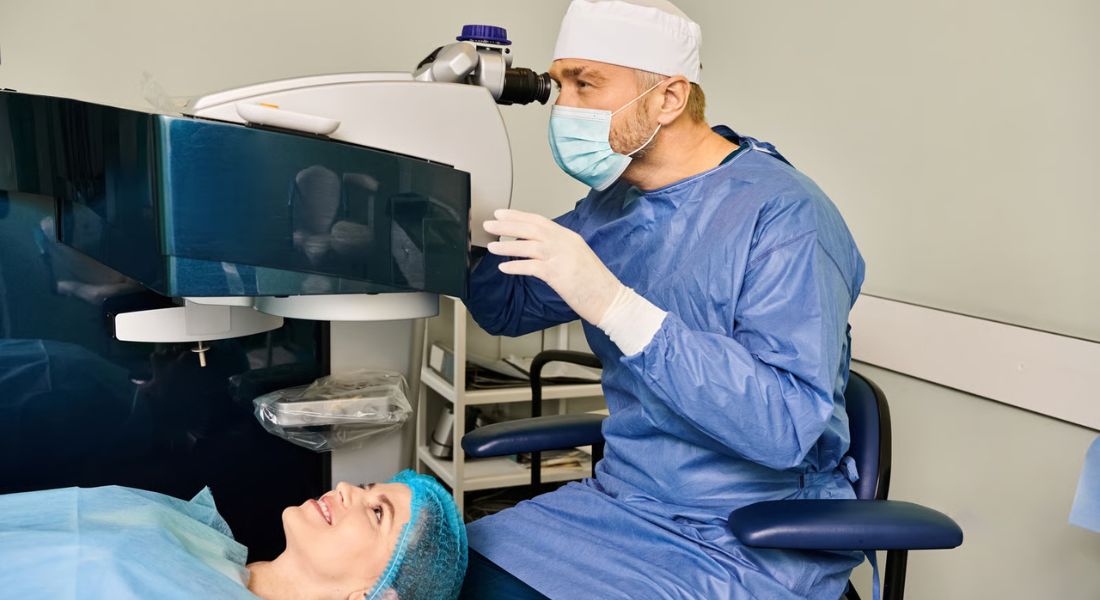
LASIK works by correcting how light enters and focuses in your eye. Instead of just giving your eyes a temporary fix with glasses or contacts, it reshapes your cornea so your vision can be naturally sharper. For many people, this means you can enjoy clear distance vision without reaching for corrective lenses.
- Sharper focus on your retina: By reshaping your cornea, LASIK directs incoming light straight onto your retina. When light hits the right spot, your vision becomes clearer, and everything looks sharper.
- Correcting common vision issues: LASIK is very effective if you’re short-sighted, have astigmatism, or in some cases, are long-sighted. Most people notice significant improvements that stay stable over time.
- Clarity isn’t the same as contrast: It’s important to know that while LASIK can make your vision sharper, it doesn’t always improve contrast sensitivity to the same degree. Sharpness and contrast are different parts of seeing well, and knowing this helps you set realistic expectations.
Overall, LASIK can give you reliable improvements in visual acuity. By understanding the difference between clarity and contrast, you’ll have a better sense of what to expect from your results.
Why Contrast Sensitivity Can Change After LASIK
When you have LASIK, your cornea is reshaped to correct your vision. This change affects how light travels through your eye, and that can influence not just sharpness but also how well you see contrast. In other words, the way you perceive differences between light and dark can shift a bit as your eyes adjust.
Sometimes, small optical imperfections after surgery can temporarily affect your contrast sensitivity. Don’t worry these usually improve as your cornea heals and your brain adapts to the new visual input. This neural adaptation is what helps your vision start to feel natural again.
A change in contrast sensitivity isn’t necessarily a bad thing. In fact, many people notice an improvement as their overall visual clarity gets better. How much your contrast improves or if it changes at all depends on factors like your healing process, your pupil size, and your original prescription.
Early Research on LASIK and Contrast Sensitivity
In the early days of LASIK, some patients did notice reduced contrast sensitivity. This was often due to larger treatment zones and laser systems that weren’t as precise as what’s available today. Night vision complaints were also more common back then.
Scientific studies from those early procedures highlighted this risk, especially under low-light conditions. These findings were important because they helped surgeons improve techniques and refine the technology.
The good news for you is that modern LASIK is very different. Advances in laser precision and treatment planning mean your visual quality is far more stable now, and contrast-related issues are much less common.
What Modern Evidence Shows
Today, the picture is much more reassuring if you’re considering LASIK. With advances in laser accuracy, diagnostics, and personalised treatment planning, the outcomes are far better than in the early days of the procedure.
- Your contrast sensitivity is usually maintained or even better: Most modern studies show that patients either keep their contrast sensitivity or notice improvements after LASIK. Thanks to more precise lasers, the optical side effects that were common in the past are now much less likely.
- Sharper focus can make contrast easier to see: By correcting your refractive error, LASIK reduces optical blur, letting you see subtle differences in shading more clearly. You’ll often notice this most in good lighting, especially during the day.
- Short-term changes are normal: Some people notice temporary changes in contrast while their cornea heals and stabilises. These usually settle on their own, and long-term reductions are rare with modern techniques.
Overall, current evidence shows that LASIK can give you predictable, high-quality vision. Ongoing technological improvements continue to make your results both clear and comfortable in the long term.
Temporary vs Long-Term Contrast Changes
After LASIK, the way you perceive contrast can change over time. Some of these changes are completely normal as your eyes heal, while others reflect how your visual system adapts to the correction. Knowing what to expect can help you feel more confident and avoid unnecessary worry.
| Timeframe | Contrast Sensitivity Effect | Typical Outcome |
| Early weeks | Mild fluctuation | Part of healing |
| First months | Gradual normalisation | Neural adaptation |
| Long term | Stable or improved | Modern LASIK outcomes |
The Role of Higher-Order Aberrations
Higher-order aberrations are tiny, subtle distortions in how your eye focuses light things that glasses can’t fix. LASIK can affect these aberrations depending on how your treatment is designed, and in some cases, they can influence your contrast sensitivity.
The good news is that modern LASIK uses wavefront-guided and wavefront-optimised treatments to minimise these effects. By preserving the natural shape of your cornea, these techniques help protect your ability to see contrast clearly.
Careful surgical planning also reduces the risk of aberrations, which is one of the reasons today’s LASIK offers better overall visual quality. When it comes to your vision, precision really does matter.
Pupil Size and Low-Light Vision
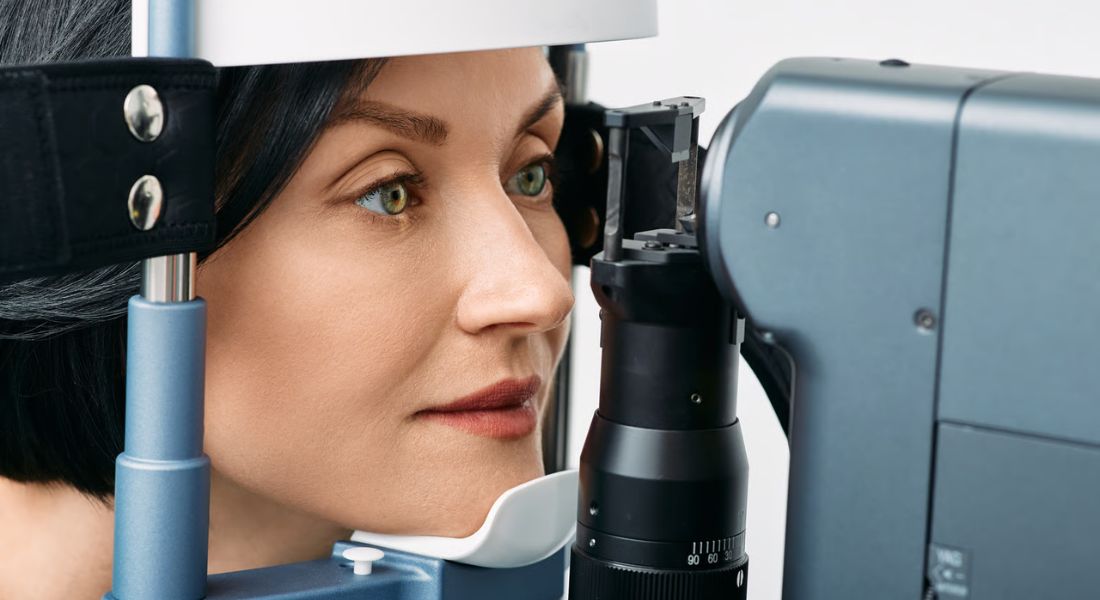
Your pupil size can have a big impact on how well you see after LASIK, especially in dim or low-light conditions. As your pupils widen in darker environments, more of your cornea comes into play, which makes careful treatment planning really important.
- Larger pupils in low light: When it’s dark, your pupils naturally expand to let in more light. If the laser treatment zone is too small, the transition between treated and untreated areas can affect your contrast sensitivity and comfort.
- Larger optical zones for smoother vision: Modern LASIK systems treat bigger optical zones, which helps reduce glare, halos, and other edge effects. This means your vision stays clearer and more comfortable in low-light settings.
- Personalised pre-op assessment: Your surgeon will measure your pupil size as part of the pre-operative screening. This lets them customise your treatment to suit your eyes, especially if you naturally have larger pupils.
By taking your pupil size into account, modern LASIK aims to preserve your visual quality in all lighting conditions. Personalised planning really helps make your outcomes both safe and predictable.
Corneal Healing and Neural Adaptation
After LASIK, your cornea goes through a healing and remodelling phase. During this time, you might notice small fluctuations in contrast sensitivity as your eye tissue settles this is completely normal.
At the same time, your brain is adapting to the new way your eyes are sending visual information. This neural adaptation is a big part of why your overall vision keeps improving after surgery.
Most people notice gradual improvements rather than any long-term decline. Being patient during the healing phase is key, because your early impressions don’t always reflect your final visual outcome.
Contrast Sensitivity in Night Driving
Night driving is one situation where contrast sensitivity really matters. If your contrast is reduced, it can be harder for you to see headlights, road signs, or obstacles so it’s normal to be concerned about this.
The good news is that modern LASIK has greatly reduced night vision problems compared with older techniques. Advanced laser profiles help preserve your contrast sensitivity and overall visual quality. Most patients actually notice stable or even improved night vision after their procedure.
If you do experience early glare or halos at night, these usually settle as your eyes heal. Persistent night vision issues are rare, and thorough pre-operative screening helps minimise any risks from the start.
How Surgical Technique Influences Outcomes
The way your LASIK procedure is performed plays a big role in protecting your contrast sensitivity and overall visual quality. Even with the most advanced lasers, careful planning and precise execution make a real difference in your results.
- Accurate alignment and smooth laser ablation: When the laser is perfectly centred and the ablation is smooth, it reduces optical irregularities. This helps you see more clearly and maintain better contrast, especially in challenging visual conditions.
- Tailored treatment for your eyes: Experienced surgeons customise the procedure based on your corneal shape, thickness, and prescription. Avoiding a “one-size-fits-all” approach makes your visual outcomes more predictable and higher quality.
- Expertise matters alongside technology: Modern lasers are precise, but surgical judgement is still essential. Thoughtful planning and skilled technique help ensure the best results while minimising any visual side effects.
Ultimately, high-quality vision after LASIK comes from both advanced technology and expert technique. By taking care with the surgical plan, your surgeon can help preserve your contrast sensitivity and give you long-lasting, clear results.
Patient Factors That Influence Contrast Sensitivity
Your contrast sensitivity after LASIK can vary from person to person. Things like the shape of your cornea, your pupil size, and the degree of your refractive error all play a role. That’s why not every eye responds in exactly the same way to treatment.
If you have a higher prescription, there may be a slightly increased risk of contrast changes. The good news is that modern surgical planning is designed to minimise this risk as much as possible. That’s why a careful assessment of your suitability is so important.
Your lifestyle also matters. How often you drive at night, or the type of visual tasks you do every day, can influence the way your treatment is planned. Personalised counselling helps make sure your expectations are realistic and that you’re happy with your results.
Setting Realistic Expectations
LASIK is designed to give you clearer, more comfortable vision it won’t give you “superhuman” sight. Keeping this in mind helps you set realistic expectations and feel confident about your results.
Most people notice stable or even improved contrast sensitivity after their procedure. A small number might experience subtle changes in certain lighting conditions, but these are usually mild and easy to manage.
Having a clear discussion with your surgeon before surgery is key. Knowing what to expect helps prevent disappointment and makes you feel more confident. Patient education really is an essential part of getting the best results.
When Contrast Issues Should Be Investigated
If you notice contrast problems that last beyond the normal healing period, it’s a good idea to have them assessed. This doesn’t happen often, but checking early can give you peace of mind and help maintain your long-term visual comfort.
Sometimes factors like dry eyes, a small leftover refractive error, or differences in how your eyes heal can contribute to these symptoms. The good news is that most of these issues are manageable, and reviewing them early usually leads to better results.
Remember, caring for your vision doesn’t stop once surgery is over. Ongoing follow-ups play an important role in keeping your vision sharp and ensuring long-term satisfaction.
How Modern LASIK Preserves Visual Quality
Modern LASIK isn’t just about improving your reading-chart vision it’s designed to enhance your overall visual quality. With today’s advanced diagnostic tools and laser technology, your surgeon can protect both your contrast sensitivity and visual comfort, alongside sharpness.
- Focus on quality as well as sharpness: Modern LASIK is planned to preserve fine visual details by minimising optical disturbances. Your contrast sensitivity is considered from the start, rather than being treated as an afterthought.
- Guided by advanced diagnostics: Wavefront analysis and corneal topography create detailed maps of your eye’s imperfections and corneal shape. This helps reduce side effects like glare, halos, and difficulties with night vision.
- Greater precision for better results: Modern lasers and personalised treatment plans give more consistent outcomes. This precision helps ensure you have clear, comfortable vision in all lighting conditions.
These advances explain why outcomes today are so different from early LASIK. Strong clinical evidence shows that modern techniques offer improved visual performance, letting you benefit from ongoing technological progress.
Summary of Evidence on Contrast Sensitivity
Research and clinical experience show that LASIK gives you more than just sharper vision. Modern studies don’t only look at visual acuity they also consider contrast sensitivity, night vision, and long-term satisfaction. Knowing this evidence can help you understand what to realistically expect from your procedure.
Here’s a quick summary of what modern LASIK typically delivers:
| Aspect | Evidence Outcome |
| Visual acuity | Consistently improved |
| Contrast sensitivity | Stable or improved |
| Night vision | Improved with modern LASIK |
| Long-term quality | High patient satisfaction |
FAQs:
- What is contrast sensitivity and how is it different from visual acuity?
Contrast sensitivity refers to how well you can distinguish objects from their background, especially when lighting is poor or contrast is low. Visual acuity measures how clearly you can read letters on a chart, but it does not capture how comfortable or functional your vision feels in real-life conditions. A person can have excellent acuity yet still struggle with contrast in situations such as night driving or foggy weather. - Can LASIK affect contrast sensitivity after surgery?
LASIK can influence contrast sensitivity because it reshapes the cornea and alters how light enters the eye. In modern LASIK, these effects are usually minimal and often temporary. Most patients maintain or even improve contrast sensitivity as refractive error is corrected and optical blur is reduced. Outcomes depend on individual eye characteristics and surgical technique. - Did older LASIK techniques reduce contrast sensitivity more often?
Earlier generations of LASIK were more likely to cause contrast sensitivity changes, particularly in low-light conditions. This was due to less precise lasers, smaller optical zones, and limited diagnostic data. These findings led to major improvements in technology and planning. Current LASIK techniques do not reflect those early limitations. - What does current scientific evidence say about contrast sensitivity after LASIK?
Modern studies show that the majority of patients experience stable or improved contrast sensitivity following LASIK. Advances in wavefront technology, smoother ablation profiles, and personalised treatment planning have significantly reduced visual side effects. Long-term reductions in contrast sensitivity are now uncommon when patients are properly selected. - Are contrast sensitivity changes permanent after LASIK?
In most cases, any contrast sensitivity changes after LASIK are temporary. Mild fluctuations can occur during the early healing phase as the cornea remodels and the visual system adapts. Over several weeks to months, contrast perception typically stabilises. Permanent contrast loss is rare with modern surgical techniques. - Why do some patients notice changes in night vision after LASIK?
Night vision relies heavily on contrast sensitivity, particularly when pupils dilate in low light. If optical imperfections or healing effects are present early on, contrast may feel reduced temporarily. Modern LASIK addresses this by using larger treatment zones and precise centration, which significantly reduces night vision complaints compared to older methods. - How do higher-order aberrations affect contrast sensitivity?
Higher-order aberrations are subtle distortions in the eye that cannot be corrected with glasses. If these aberrations increase, they can reduce contrast sensitivity. Modern wavefront-guided and wavefront-optimised LASIK treatments are designed to minimise these aberrations, helping preserve both contrast sensitivity and overall visual quality. - Does pupil size influence contrast sensitivity outcomes after LASIK?
Yes, pupil size plays an important role, especially in low-light conditions. Larger pupils expose more of the corneal surface at night, which can affect contrast if treatment zones are inadequate. Pre-operative pupil measurement allows surgeons to plan appropriately sized optical zones, reducing the risk of contrast-related symptoms. - Can individual lifestyle factors affect contrast sensitivity results?
Lifestyle factors such as frequent night driving, occupational visual demands, and screen use can influence how noticeable contrast changes feel after LASIK. Higher prescriptions and certain corneal shapes may also affect outcomes. These factors are assessed during consultation to ensure treatment recommendations align with daily visual needs. - When should contrast sensitivity concerns be investigated after LASIK?
If contrast-related symptoms persist beyond the normal healing period, they should be evaluated. Causes may include dry eye, residual refractive error, or delayed healing, all of which are usuallytreatable. Follow-up care ensures visual quality is optimised and provides reassurance if concerns arise.
Final Thought: LASIK and Visual Quality
Contrast sensitivity is a vital part of real-world vision, influencing how confidently you see in low light, during night driving, and in everyday situations where clarity alone is not enough. While early LASIK techniques raised concerns about reduced contrast, modern evidence shows that today’s procedures are designed to protect and often improve overall visual quality.
Advances in laser technology, wavefront-guided treatment, larger optical zones, and personalised surgical planning have significantly reduced the risk of long-term contrast sensitivity changes. For most patients, any early fluctuations are temporary and resolve as healing and neural adaptation occur. When suitability is carefully assessed, LASIK delivers predictable, stable outcomes that extend beyond the eye chart.
If you are considering whether lasik surgery in London is right for your vision needs, a comprehensive consultation is essential. At Eye Clinic London, we assess not only visual acuity but also factors such as contrast sensitivity, pupil size, and corneal characteristics to ensure treatment supports long-term visual comfort and quality. If you’re thinking about lasik surgery in London, you can contact us at the Eye Clinic London to discuss your options and make an informed decision based on your individual eye health.
References:
- Sugar, A., et al. (2002) ‘Contrast sensitivity after laser in situ keratomileusis: one-year follow-up’, Journal of Cataract and Refractive Surgery, 28(10), pp. https://pubmed.ncbi.nlm.nih.gov/12388027/
- Alió, J.L. and Vega-Estrada, A. (2005) ‘Prospective study of contrast sensitivity and visual effects after LASIK’, Journal of Refractive Surgery, 21(6), pp. 575–580. https://pubmed.ncbi.nlm.nih.gov/16395199/
- Long-term studies show that clinically significant contrast sensitivity remains stable five years after LASIK, despite small changes in higher-order aberrations, indicating good mid- to long-term visual quality. https://pmc.ncbi.nlm.nih.gov/articles/PMC7857006/
- Zhao, L.-Q. and Zhu, H. (2011) ‘Contrast Sensitivity after Zyoptix Tissue Saving LASIK and Standard LASIK for myopia with 6-month follow-up’, PLoS ONE. https://pmc.ncbi.nlm.nih.gov/articles/PMC3090770/
- Nunes, S.R., et al. (2023) ‘Contrast Sensitivity and Stereopsis Outcomes Following LASIK Presbyopia Correction Based on the Corneal Aberration Modulation or Corneal Multifocality Induction Methods: a systematic review’, Journal of Clinical Medicine, 14(3), 871. https://www.mdpi.com/2077-0383/14/3/871