


Why Glaucoma Often Has No Symptoms Until It’s Advanced
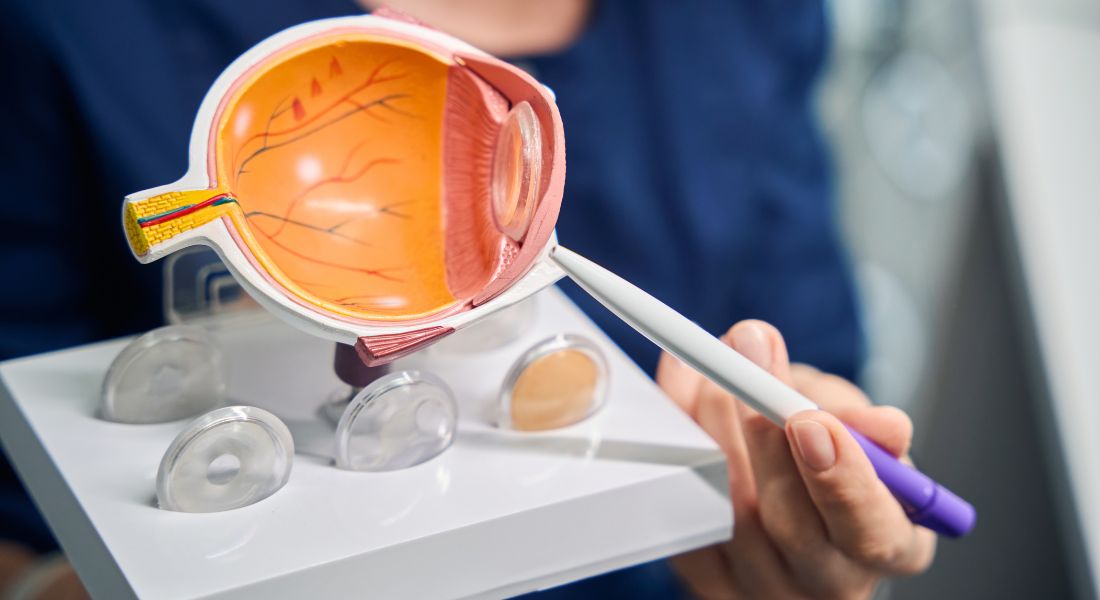
Glaucoma is often called the “silent thief of sight,” and this description is accurate. Many people with glaucoma feel their vision is normal for years. By the time symptoms appear, damage may already be significant.
This lack of early symptoms causes understandable confusion. You may wonder how a serious eye condition can progress unnoticed. The answer lies in how glaucoma affects the eye and brain.
In this article, we explain why glaucoma rarely causes early warning signs. We also explore why routine eye examinations are essential. Understanding this silence can help protect long-term vision.
How Glaucoma Damages Vision
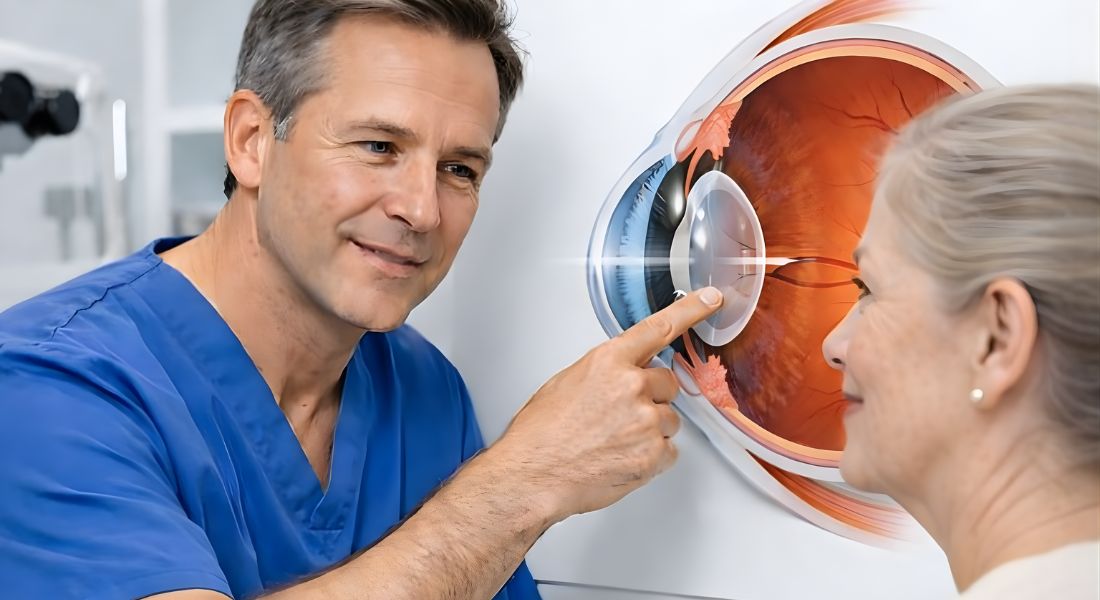
Glaucoma damages the optic nerve, which is responsible for carrying visual information from your eyes to your brain. This damage usually develops slowly over time, often starting outside your central vision. Because it begins in the periphery, you may not notice changes at first.
Your brain is very good at adapting to gradual vision loss. It can fill in missing information without you even realising, which often masks the early effects of glaucoma. This clever adaptation means your sight may feel perfectly normal even as damage occurs.
Because the damage is both painless and subtle, it often goes unnoticed until more significant vision loss occurs. Many people only realise there is a problem once the disease has progressed. Glaucoma can continue quietly, which is why regular eye checks are so important.
Why Peripheral Vision Is Affected First
Glaucoma usually affects your peripheral vision before it impacts central vision. Peripheral vision is used more subconsciously, so changes are harder for you to notice in daily life. You might not realise anything is wrong at first.
You rely on central vision for tasks like reading and recognising faces, which remain unaffected in the early stages. Because peripheral changes don’t interfere with these activities initially, it can give you a false sense of security. You may feel your sight is perfectly normal even as loss occurs around the edges.
By the time central vision becomes affected, glaucoma is often quite advanced. Significant peripheral damage has already taken place. This is why early detection through regular eye checks is so important.
The Brain’s Ability to Compensate
Your brain is incredibly good at adapting to changes in your senses, including your vision. When vision loss happens gradually, it automatically adjusts to fill in missing information. You often aren’t consciously aware that parts of your visual field are missing.
This ability to compensate can be very effective. Even with significant peripheral vision loss, the brain can create a seamless experience, making it feel as though nothing has changed. You might notice no difference in your daily activities, even though damage is occurring.
While this adaptation is helpful in everyday life, it can be risky when it comes to glaucoma. Because the brain masks the problem, you may not realise that your vision is deteriorating. Early warning signs are easily overlooked.
As a result, damage can progress quietly without you noticing. By the time symptoms become obvious, significant vision loss may have already occurred. Regular eye checks are essential to detect glaucoma before it affects your sight seriously.
Why There Is Usually No Pain
Most forms of glaucoma do not cause any pain. While eye pressure may be higher than normal, you don’t actually feel it. The optic nerve, which is damaged by glaucoma, has no pain receptors, so changes happen silently.
Pain is more commonly linked to acute eye conditions, not chronic glaucoma. Chronic forms of the disease develop slowly and behave differently. Because there’s no discomfort, it can be easy to underestimate the seriousness of the condition.
The absence of pain often gives a false sense of security. Many people assume that if something is wrong with their eyes, it should hurt. Unfortunately, with glaucoma, this is rarely the case.
This painless progression is one of the main reasons diagnosis is often delayed. People may not notice anything is wrong until significant vision loss has already occurred. Regular eye examinations are crucial to catch glaucoma early.
Normal Vision Tests Don’t Detect Early Glaucoma

Routine eye tests often focus on how clearly you can see straight ahead. While useful for detecting many vision problems, they do not reveal early damage caused by glaucoma. Understanding this helps explain why regular specialist checks are essential.
- Central Vision is Tested, Not Peripheral Vision: Standard vision tests measure visual acuity using letter charts. These assessments mainly evaluate central vision. Early glaucoma primarily affects peripheral vision, which these tests do not detect.
- Early Glaucoma Can Go Undetected: You may pass routine eye tests even if glaucoma is developing. This can give a false sense of security. Early detection relies on more sensitive assessments than standard charts.
- Specialised Testing is Crucial: Visual field testing and optic nerve imaging are essential for identifying glaucoma early. These tests map side vision and detect structural changes before symptoms appear. Without them, the disease may progress unnoticed.
- Importance of Regular Eye Exams: Relying solely on standard vision tests can delay diagnosis. Regular appointments with an eye specialist ensure that subtle changes are caught early. Early detection allows timely treatment to protect vision long-term.
Why Symptoms Appear Only in Advanced Stages
Symptoms of glaucoma usually only appear once central vision is affected. By this point, the optic nerve has already suffered extensive damage. It’s at this advanced stage that vision loss becomes hard to ignore.
People may start to notice tunnel vision or difficulty navigating familiar spaces. Everyday tasks like reading or driving can become challenging. These signs tend to appear late, which is why glaucoma is often called a “silent” disease.
Once symptoms are noticeable, the damage is permanent. Treatment can help slow further progression but cannot restore lost vision. This makes early detection and regular eye checks essential.
Catching glaucoma before symptoms appear gives you the best chance of preserving your sight. Proactive monitoring and timely intervention are the keys to protecting your vision and maintaining independence.
Differences Between Open-Angle and Angle-Closure Glaucoma
Open-angle glaucoma is the most common form of the condition. It develops slowly and often without noticeable symptoms. Most people do not experience any warning signs until the disease has reached an advanced stage.
Angle-closure glaucoma is much less common but behaves very differently. It can cause sudden pain, blurred vision, and other noticeable changes. Because of these dramatic symptoms, it is usually detected quickly.
The majority of “silent” glaucoma cases are open-angle. Knowing the difference between these types is important for understanding why most patients remain unaware of vision loss for so long. Awareness helps emphasise the need for regular eye checks.
Who Is Most at Risk of Silent Glaucoma
Age is one of the main risk factors for silent glaucoma. Your risk increases significantly after the age of 40, and having a family history of the condition also raises your likelihood of developing it. Regular monitoring becomes more important as you get older.
People of African or Caribbean heritage are at higher risk of developing glaucoma. Other factors, such as diabetes or long-term steroid use, can further increase your chances. Many people in these high-risk groups feel perfectly well, which can make early detection difficult.
Being at risk doesn’t mean you will notice any symptoms. It does mean that screening and regular eye checks are especially important. Staying aware and proactive is the best way to protect your vision.
Why Routine Eye Exams Matter So Much
Routine eye exams are crucial for detecting glaucoma before any symptoms appear. These exams usually include measuring eye pressure, assessing the optic nerve, and checking your visual fields. Together, these tests can reveal damage that you wouldn’t notice on your own.
Early detection means treatment can start before significant vision is lost. Lowering eye pressure early helps preserve your sight over the long term. Acting proactively gives you the best chance of maintaining healthy vision.
Without regular eye exams, glaucoma can remain completely undetected. Waiting until you notice symptoms is risky, as damage is often irreversible by then. Screening is the key to prevention and protecting your eyesight.
How Often You Should Be Checked
Adults over 40 should have regular eye examinations to monitor for glaucoma. How often you need to be checked depends on your individual risk factors. Your optometrist or eye specialist can recommend the schedule that’s right for you.
If you are considered high-risk, annual eye checks may be necessary. For others with lower risk, examinations every two years may be sufficient. The important thing is to be consistent with your appointments.
Skipping or delaying eye exams increases the chance of late diagnosis. Regular monitoring is one of the most effective ways to protect your sight. Early detection gives you the best chance of maintaining healthy vision.
Common Misconceptions About Glaucoma Symptoms
Glaucoma can be misleading because its early effects are often silent. Misunderstandings about symptoms can delay diagnosis and treatment, putting vision at risk. Knowing the facts helps protect your eyes and guide timely care.
- Vision Loss is Often Not Noticed Early: Many people assume they will detect changes in their sight immediately. In reality, early glaucoma primarily affects peripheral vision, which can go unnoticed. Waiting for obvious symptoms can delay treatment.
- Elevated Eye Pressure Usually Doesn’t Cause Pain: Some believe high intraocular pressure will be painful or obvious. Most people experience no discomfort even when pressure is elevated. Symptoms alone are unreliable for detecting glaucoma.
- Relying on Symptoms Can Delay Care: Assuming glaucoma will announce itself may lead to missed early detection. Regular specialist assessments are essential, even if vision feels normal. Early diagnosis allows treatment to protect long-term sight.
- Knowledge Supports Vision Protection: Understanding how glaucoma behaves empowers patients to act proactively. Awareness encourages regular check-ups and adherence to treatment. Informed decisions help preserve vision over time.
Why Glaucoma Is Often Found by Accident
Glaucoma is often discovered by accident during routine eye examinations. Many people attend for glasses updates or driving vision checks, and the condition is found unexpectedly. These incidental findings are common because the disease progresses silently.
Being diagnosed out of the blue can feel unsettling. However, there is a silver lining: catching glaucoma early can significantly improve the outlook. Early detection allows treatment to begin before any serious vision loss occurs.
Finding glaucoma before symptoms appear is ideal for preserving sight. Timely intervention can slow progression and protect your vision. In many cases, this chance discovery is what ultimately saves sight.
The Role of Modern Imaging in Detection
Modern imaging technology has transformed the way glaucoma is detected. Optical coherence tomography (OCT) scans, for example, can reveal subtle changes in the optic nerve before any vision loss occurs. This means damage can be identified much earlier than was possible in the past. Early detection gives you a head start in protecting your sight.
These imaging tools work alongside traditional visual field testing. By combining structural scans with functional assessments, eye specialists get a more complete picture of your eye health. Subtle signs of the disease that might otherwise be missed become easier to spot. This comprehensive approach improves overall accuracy.
Technology also allows for more precise monitoring over time. Changes in the optic nerve can be tracked and compared with previous scans. This helps your specialist see if glaucoma is progressing and whether treatment is effective.
With these advancements, early changes in glaucoma are no longer invisible. Detection is faster, more reliable, and less dependent on symptoms. Modern imaging gives both you and your eye specialist greater confidence in managing the condition.
What Happens After Early Diagnosis
After an early glaucoma diagnosis, treatment is aimed at lowering your eye pressure. This can involve eye drops, laser therapy, or surgery, depending on how advanced the condition is. Your specialist will choose the most appropriate option for your situation.
Starting treatment early can slow or even stop the progression of glaucoma. Many people who begin management promptly are able to maintain good vision for the rest of their lives. Regular monitoring continues to ensure your treatment remains effective.
A diagnosis is not the end it marks the start of protecting your sight. Taking action early gives you the best chance of preserving vision and maintaining independence. Early intervention really does make a difference.
Living Well With Glaucoma
With early diagnosis and proper management, people with glaucoma can lead full and independent lives. Awareness, treatment adherence, and regular monitoring are key to maintaining vision and quality of life.
- Early Diagnosis Makes a Difference: Detecting glaucoma early allows treatment to start before significant vision loss occurs. Most cases can be managed effectively with eye drops or other interventions. Early action supports long-term sight preservation.
- Adherence and Follow-Up Protect Vision: Regular use of prescribed medications and attending follow-up appointments are essential. These measures maintain stable eye pressure and monitor disease progression. Partnership with your eye specialist ensures optimal care.
- Understanding Reduces Anxiety: Learning about glaucoma and how it affects vision helps reduce fear and uncertainty. Knowledge empowers you to make informed decisions and manage your condition confidently.
- Support Is Available: Professional guidance, patient resources, and support networks can assist with practical and emotional challenges. Being informed and supported helps maintain independence and quality of life.
Why Awareness Matters
Awareness of glaucoma is crucial for protecting your vision. Knowing that the condition often develops silently encourages you to attend regular eye screenings. Waiting until symptoms appear is risky, as significant damage may already have occurred.
Sharing information about glaucoma can help others stay safe too. Family members may also be at higher risk, and spreading knowledge increases the chance that they will be checked. Awareness is a simple but powerful way to protect sight across generations.
Education is one of the most effective forms of prevention. Early detection gives you the best chance of slowing progression and preserving vision. By learning about glaucoma, you can overcome its silent nature and take control of your eye health.
FAQs:
- Why does glaucoma often have no symptoms in its early stages?
Glaucoma typically damages peripheral vision first and does so gradually, so the brain adapts and “fills in” vision without making you consciously aware of any loss. Because early damage occurs outside your central vision and does not cause pain, most people feel their sight is normal until the condition is advanced. - Can standard vision tests detect early glaucoma?
Standard vision tests only measure visual acuity how well you see detail straight ahead and early glaucoma usually does not affect this. To detect early glaucoma, specialised assessments such as optic nerve imaging, intraocular pressure measurement, and visual field testing are required. - Is loss of peripheral vision noticeable to most people?
Peripheral vision loss occurs slowly and outside your direct line of sight, so most people do not notice it until it becomes extensive. The brain’s natural ability to compensate for small gaps means that you may not be consciously aware of peripheral changes until central vision is affected. - Does glaucoma always cause pain?
Most forms of glaucoma, particularly open‑angle glaucoma, do not cause pain because the optic nerve does not have pain receptors. Only certain acute types, such as angle‑closure glaucoma, may cause sudden pain and blurred vision, but this form is much less common. - Why do symptoms appear only in advanced glaucoma?
Symptoms usually appear only after significant optic nerve damage has occurred, typically when central vision becomes involved. At this stage, difficulties with activities such as reading or navigating in low light make the vision loss harder to ignore, but unfortunately the damage is already substantial. - Are people aware that their vision is worsening?
Many people with early glaucoma are not aware that their vision is worsening because the changes are subtle, gradual, and outside the area of vision they use most. This lack of awareness means that people often feel their vision is fine even when measurable loss has occurred. - Who is more likely to have glaucoma without symptoms?
People over the age of 40, those with a family history of glaucoma, individuals of African or Caribbean descent, and people with conditions such as diabetes are at higher risk of developing glaucoma. Because early changes are silent, those in these risk groups often remain unaware of the condition unless they have routine eye exams. - Can modern eye scans detect glaucoma before symptoms appear?
Yes, modern imaging technologies such as optical coherence tomography (OCT) and optic nerve head analysis can detect structural changes in the optic nerve before visual field loss is noticeable. These tools significantly improve early detection compared with relying on symptoms alone. - How often should someone get their eyes checked to catch glaucoma early?
Adults over the age of 40 should generally have regular eye examinations, with the frequency tailored to their individual risk factors. People at higher risk may need annual or more frequent monitoring to ensure that any early signs of glaucoma are identified promptly. - If I notice changes in my vision, does that always mean I have glaucoma?
Not necessarily; changes in vision can be caused by a range of eye conditions, including refractive errors, cataracts, or retinal issues. However, any noticeable change in sight particularly peripheral vision should prompt an eye examination so that glaucoma or other conditions can be ruled out or treated early.
Final Thoughts: Protecting Your Vision Through Early Detection
Glaucoma often progresses silently, making regular eye examinations essential for preserving long-term vision. Understanding how the condition affects peripheral vision and recognising the importance of early detection can help you take control before symptoms appear.
If you’re exploring whether glaucoma treatment in London could benefit you, get in touch with us at Eye Clinic London to schedule your consultation. Early intervention and consistent monitoring are key to maintaining healthy eyesight and ensuring your vision remains protected for years to come.
References:
- Kastner, A. (2019). Advanced glaucoma at diagnosis: current perspectives. Clinical Ophthalmology, 13, pp.2695–2707. https://pmc.ncbi.nlm.nih.gov/articles/PMC7002722/
- Öhnell, H., Heijl, A., Andersson, H. & Bengtsson, B. (2016). Detection of glaucoma progression by perimetry and optic disc photography at different stages of the disease: results from the Early Manifest Glaucoma Trial. Acta Ophthalmologica, 95(3), pp.281–287. https://pmc.ncbi.nlm.nih.gov/articles/PMC5412870/
- Tsai, Y.C., et al. (2024). Unveiling Novel Structural Biomarkers for the Diagnosis of Glaucoma. Diagnostics, 12(6), Article 1211. https://www.mdpi.com/2227-9059/12/6/1211
- Elgin, C.Y. (2025). Eye‑Tracking Algorithm for Early Glaucoma Detection: Analysis of Saccadic Eye Movements in Primary Open‑Angle Glaucoma. Journal of Eye Movement Research, 18(3), Article 18. https://www.mdpi.com/1995-8692/18/3/18
- StatPearls Editorial (2024). Glaucoma. StatPearls [Internet]. This comprehensive overview notes that early glaucoma often lacks noticeable symptoms and that many people are unaware of their condition until routine examinations detect optic nerve or visual field damage. https://www.ncbi.nlm.nih.gov/books/NBK538217/