


Can You Still Drive With Glaucoma in the UK? DVLA Rules Explained

If you have glaucoma, it is very common to worry about whether you can still drive legally. Driving represents independence, work, and daily freedom, so uncertainty can feel stressful. Understanding the DVLA rules clearly can ease that anxiety.
Glaucoma affects peripheral vision, which is essential for safe driving. However, having glaucoma does not automatically mean you must stop driving. Eligibility depends on specific vision standards rather than diagnosis alone.
In this article, we explain DVLA requirements, when glaucoma must be reported, how visual field testing is assessed, and what happens if concerns arise. Knowing the rules helps you stay safe, legal, and confident.
Why Glaucoma Raises Driving Concerns

Glaucoma affects vision gradually, which can make driving safety a common worry. Damage to the optic nerve often reduces peripheral vision, sometimes without noticeable early symptoms. Understanding how this relates to driving standards helps clarify real versus perceived risk.
- Impact on Peripheral Vision: Glaucoma primarily affects side vision, which is essential for spotting hazards, pedestrians, and other vehicles. Because the change is gradual, many people do not notice vision loss immediately. This silent progression is what raises concern.
- Driving Standards and Eligibility: Many people with glaucoma still meet legal driving requirements. Driving issues usually arise only when visual field loss becomes advanced. Early and moderate glaucoma often does not affect eligibility to drive.
- Symptoms May Not Be Obvious: Vision loss from glaucoma can occur without clear warning signs. This lack of symptoms can create anxiety about driving safety. However, regular eye tests help identify changes early.
- Uncertainty Drives Concern: Much of the worry around glaucoma and driving comes from uncertainty rather than reality. Clear knowledge of DVLA visual field criteria offers reassurance. Understanding the rules replaces fear with confidence.
With accurate information and regular monitoring, many people with glaucoma can continue driving safely. Awareness and clarity are key to managing concerns effectively.
Does Having Glaucoma Automatically Stop You From Driving?
Having glaucoma does not automatically stop you from driving in the UK. The DVLA does not ban drivers simply because of a diagnosis. What matters is how well you can actually see, not the label attached to your condition. Decisions are always based on your visual function.
You can legally continue driving as long as your vision meets DVLA standards. Many people with glaucoma drive safely for years without any restrictions. Regular eye checks help make sure your vision remains at a safe level for driving. Ongoing monitoring is key to protecting both you and others on the road.
Restrictions only apply if your vision drops below the legal requirements. A diagnosis alone is never the deciding factor. What the DVLA looks at is whether your eyesight allows you to drive safely and confidently. If your functional vision is adequate, you can remain behind the wheel.
When You Must Notify the DVLA About Glaucoma
You must notify the DVLA if glaucoma affects both of your eyes. This includes primary open-angle glaucoma and other long-term forms of the condition. Informing the DVLA is a legal responsibility, not a personal choice. The requirement is based on potential impact on your overall vision.
If glaucoma affects only one eye and your vision in the other eye remains normal, you may not need to notify the DVLA. Even so, it’s sensible to seek advice from your eye specialist. Every case is slightly different, and individual circumstances matter. Getting professional guidance helps you stay on the right side of the rules.
Failing to notify the DVLA when you are required to do so can lead to legal consequences. Reporting your condition does not automatically stop you from driving. Instead, it allows the DVLA to assess your vision properly. The process is about safety and compliance, not punishment.
How to Notify the DVLA About Glaucoma
To notify the DVLA about glaucoma, you need to complete a DVLA medical form. You can do this online or by post, depending on what’s easiest for you. Your eye specialist may also be asked to provide medical information to support your application. The aim is to give the DVLA a clear picture of your vision.
Once you’ve notified them, the DVLA may contact your ophthalmologist directly. They might request details such as your visual field test results. This is a standard part of the assessment process. It helps them understand how your condition affects your ability to drive.
Most drivers are allowed to continue driving while the DVLA reviews their case. Any decision is based on medical evidence, not assumptions. For most people, the process is straightforward and causes minimal disruption.
DVLA Vision Standards for Driving
The DVLA sets clear minimum standards for vision if you want to drive in the UK. These standards cover both visual acuity and visual field requirements. You must meet both to remain legally fit to drive. They are assessed together, not in isolation.
Visual acuity refers to how clearly you can see details, such as road signs. Visual fields relate to your side vision and awareness of what’s happening around you. Glaucoma most commonly affects visual fields rather than sharpness of sight. This is why field testing plays such an important role.
Meeting just one of the vision standards is not enough. Both clarity of sight and side vision are considered together. This balanced approach helps ensure you can react safely to hazards on the road. The goal is always to protect you and other road users.
Visual Field Requirements Explained Simply
Driving safely depends heavily on your visual field, not just how clearly you see straight ahead. For Group 1 drivers, the DVLA focuses on whether your peripheral vision is wide enough to detect hazards. The pattern and location of any vision loss matter more than a single test value.
- Peripheral Vision Standards: The DVLA requires adequate side vision to ensure safe driving. Significant loss near the centre or across both sides of the visual field raises concern. Peripheral awareness is essential for reacting to traffic and pedestrians.
- Pattern of Vision Loss Matters: A single small defect in the visual field may still be acceptable. Problems usually arise when loss is extensive or affects both sides. Central vision involvement is particularly important in driving assessments.
- How Visual Fields Are Tested: Automated visual field machines are used to measure peripheral vision accurately. These tests map where vision is reduced or missing. Clinicians review the pattern of loss carefully rather than relying on one isolated result.
Understanding how visual fields are assessed helps reduce anxiety around driving eligibility. Clear testing and interpretation ensure decisions are fair and safety focused.
How DVLA Visual Field Testing Is Assessed
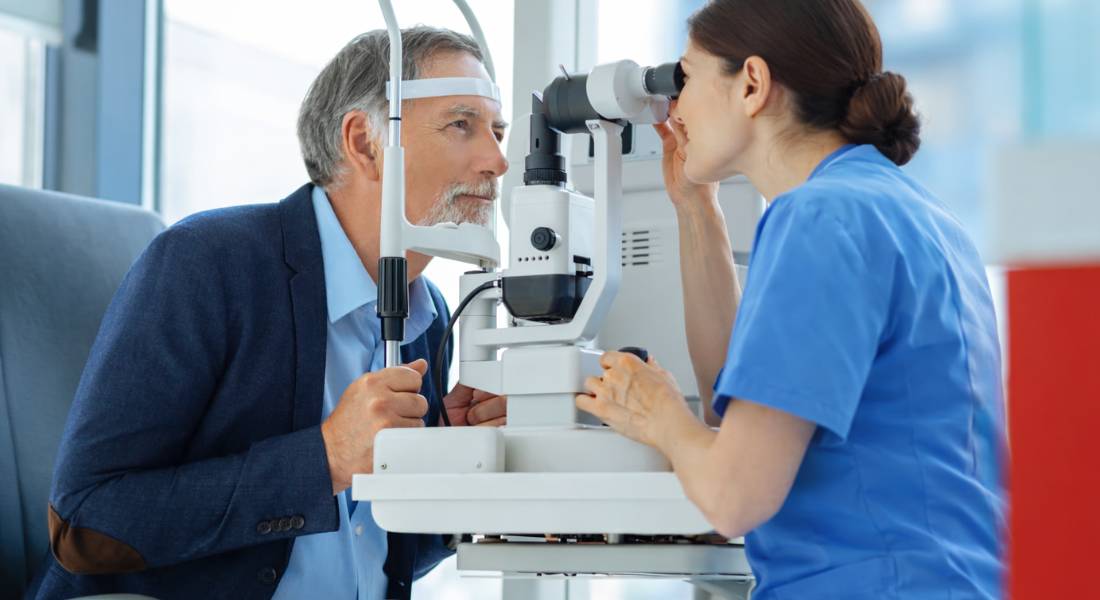
Visual fields are usually assessed using standard automated perimetry. The DVLA looks closely at how reliable and consistent your results are. In some cases, you may be asked to repeat the test. This helps ensure the findings accurately reflect your true level of vision.
An occasional poor result does not automatically mean you’ll be disqualified from driving. The DVLA understands that fatigue, anxiety, or lack of familiarity with the test can affect performance. Learning effects are taken into account. The aim is to reach a fair and balanced assessment.
If your results fall into a borderline range, the DVLA may carry out further review. Additional testing can help clarify whether you meet the legal requirements. Decisions are made carefully and are not rushed. The process is designed to be thorough rather than punitive.
What Happens If You Fail the Visual Field Standard
Failing a DVLA visual field test can feel worrying, but it does not automatically mean permanent loss of your licence. In many cases, further assessment is needed before a final decision is made. The process is designed to be fair and safety focused.
- Further Testing May Be Required: You may be asked to repeat the visual field test to confirm the result. Variability between tests is common, especially if fatigue or learning effects are involved. A single failed test is rarely the final word.
- Temporary Suspension During Review: In some situations, a temporary suspension may be applied while results are reviewed. This is a precaution rather than a judgement. The aim is to ensure safety during the assessment period.
- Potential for Improvement or Adaptation: Some drivers show improvement once treatment stabilises eye pressure and vision. Others may need to adjust daily habits or driving patterns. Outcomes vary depending on individual circumstances.
- Safety, Not Punishment: DVLA decisions are based on road safety rather than penalising drivers. Each case is reviewed carefully using clinical evidence. Support and guidance are available throughout the process.
Understanding the review process helps reduce anxiety and sets realistic expectations. Clear communication and ongoing care are central to managing outcomes.
Can Treatment Improve Driving Eligibility?
Effective glaucoma treatment can help stabilise your vision and support your ability to keep driving. While treatment cannot restore vision that has already been lost, it can slow further progression. Keeping your condition stable plays an important role in maintaining driving eligibility. Consistent control is what matters most.
Laser or surgical treatments may help preserve your remaining visual field. When treatment is escalated early, it can protect visual function more effectively. Timing makes a real difference in how much vision you are able to keep. Protecting what you have is key.
Regular follow-up appointments are essential for long-term safety. Ongoing monitoring allows problems to be picked up early and addressed quickly. This proactive care helps protect your vision and your independence. Staying engaged with treatment gives you the best chance of continuing to drive safely.
Driving With One Eye Affected by Glaucoma
If glaucoma affects only one eye, you may still be allowed to drive. The key requirement is that your unaffected eye meets DVLA vision standards. You may notice changes in depth perception at first, and it can take some time to adjust. This adjustment period is normal and manageable for most people.
Many people continue to drive safely with vision in just one eye. Your brain naturally adapts over time, helping you judge distances more effectively. As you adjust, you often become more aware of your surroundings. Increased caution can actually improve overall driving safety.
It’s always a good idea to seek advice from your eye specialist. An individual assessment can help confirm that driving remains safe and appropriate for you. Professional guidance builds confidence and supports responsible driving decisions.
Night Driving and Glaucoma
If glaucoma affects only one eye, you may still be allowed to drive. The key requirement is that your unaffected eye meets DVLA vision standards. You may notice changes in depth perception at first, and it can take some time to adjust. This adjustment period is normal and manageable for most people.
Many people continue to drive safely with vision in just one eye. Your brain naturally adapts over time, helping you judge distances more effectively. As you adjust, you often become more aware of your surroundings. Increased caution can actually improve overall driving safety.
It’s always a good idea to seek advice from your eye specialist. An individual assessment can help confirm that driving remains safe and appropriate for you. Professional guidance builds confidence and supports responsible driving decisions.
Insurance Implications of Glaucoma
Glaucoma can raise questions about insurance, but problems usually arise only when rules are not followed. Insurers focus on whether you are legally allowed to drive and have met DVLA requirements. Transparency plays a key role in maintaining valid cover.
- DVLA Compliance Is Essential: Insurance companies expect drivers to comply with DVLA regulations. Failing to notify the DVLA when required may invalidate your insurance. Following official guidance protects your policy.
- Driving Legally Protects Your Cover: If you are permitted to drive under DVLA rules, your insurance usually remains valid. Glaucoma alone does not automatically increase premiums. Legal eligibility is the key factor insurers consider.
- When to Inform Your Insurer: Informing your insurer is important if your licence status changes or restrictions are applied. Providing accurate information avoids future disputes. Documentation helps support your position if questions arise.
- Honesty Prevents Complications: Being open about your condition when required reduces the risk of claims being rejected. Transparency ensures your policy continues to protect you properly. Clear communication safeguards both coverage and peace of mind.
Understanding insurance obligations helps you stay protected while managing glaucoma. Compliance and honesty ensure your cover remains secure.
How Often Driving Eligibility Is Reviewed
Driving eligibility for people with glaucoma is reviewed to ensure vision remains safe for the road. These reviews are a routine part of monitoring rather than a sign of concern. The frequency depends on how stable your condition is.
- Review Intervals Vary: The DVLA does not apply a fixed review schedule for everyone. Stable glaucoma may require less frequent checks, while changes in vision may prompt closer monitoring. Reviews are tailored to individual circumstances.
- Role of Your Eye Specialist: Your eye specialist provides up-to-date clinical reports for DVLA reviews. These reports reflect disease stability and treatment response. Specialist input plays a key role in decision-making.
- Importance of Visual Field Testing: Regular visual field tests support accurate assessment of driving safety. Results help track changes over time rather than relying on a single test. Consistent monitoring ensures fair evaluations.
- Reviews Support Safety, Not Punishment
DVLA reviews are designed to protect both drivers and the public. They are not intended to penalise individuals with glaucoma. Ongoing assessment helps maintain confidence in driving eligibility.
Understanding the review process can reduce anxiety and support informed planning. Regular monitoring ensures decisions remain balanced and safety focused.
Emotional Impact of Driving Uncertainty
Uncertainty about driving can be emotionally challenging for you. The fear of losing your driving privileges is common and can affect both your confidence and mental wellbeing. These feelings are completely valid and understandable. Driving is closely linked to independence and daily routine.
Having clear, accurate information can help reduce anxiety. When you understand the rules and what is actually required, you regain a sense of control. Knowing where you stand makes the situation feel less overwhelming. Support is available at every stage.
Open discussions with your eye specialist can be very reassuring. They can explain what your results mean and what to expect next. Reassurance often comes from knowledge rather than assumptions. You are not alone in navigating this.
Practical Tips for Driving Safely With Glaucoma
Managing glaucoma effectively helps protect both your vision and your driving ability. Small adjustments and consistent monitoring can make a big difference to safety and confidence on the road.
- Keep Regular Eye Appointments: Attending scheduled check-ups ensures your condition is monitored and treatment is effective. Adhering to prescribed medications protects vision over time. Regular monitoring also supports continued driving eligibility.
- Avoid Fatigue While Driving: Tiredness can reduce alertness and peripheral awareness. Plan routes carefully, take breaks on longer journeys, and avoid driving when fatigued. Being mindful of your energy levels helps maintain safety.
- Adapt Driving Habits: Simple changes, like increased scanning, using mirrors effectively, and driving in familiar areas, can enhance safety. Awareness of vision limitations allows you to compensate effectively. These adjustments help maintain independence while protecting yourself and others.
- Support Confidence and Independence: Understanding your condition and taking proactive steps fosters confidence behind the wheel. Small, practical strategies can allow safe driving to continue. Staying informed and cautious ensures long-term road safety.
When to Seek Specialist Advice About Driving
If you notice any changes in your side vision, it’s important to seek assessment promptly. Early detection of issues can make a big difference. Waiting too long can increase risk and make management more difficult. Acting quickly helps protect both your vision and your driving ability.
Getting advice from a specialist can clarify your driving eligibility. Objective testing provides clear answers and removes any guesswork. Knowing exactly where you stand gives you confidence and peace of mind. Professional guidance ensures decisions are based on facts, not assumptions.
Being proactive with your care protects both your eyesight and your right to drive. Timely input from your eye specialist allows any necessary interventions to happen early. Keeping on top of your health helps you stay safe behind the wheel.
Making Informed Decisions About Driving
Decisions about driving should be based on facts, not fear. Understanding the legal vision standards gives you the information you need to make confident choices. When you know what is required, you feel more in control and reassured. Knowledge is your best tool for navigating uncertainty.
Having glaucoma does not automatically mean you must stop driving. Many people continue to drive safely for years with the condition. Your individual assessment determines what is safe for you. Personalised guidance ensures that decisions are tailored to your situation.
Making informed choices helps protect your independence. Being aware of your vision and the rules supports both safety and confidence. Clarity about your situation can also reduce stress. When you are informed, you can drive wisely and securely.
FAQs:
- Can I keep driving if I have early-stage glaucoma?
Many people with early-stage glaucoma continue to meet the legal vision standards for driving. Diagnosis alone does not automatically stop you from driving. Your eligibility depends on how well youreyes function and your peripheral vision remains adequate. - When am I legally required to inform the DVLA about my glaucoma?
You must notify the DVLA if glaucoma affects both eyes. If only one eye is affected and the other meets vision requirements, notification may not be necessary. It’s always best to consult your eye specialist to clarify your personal situation. - How does glaucoma affect my ability to see while driving?
Glaucoma primarily affects peripheral vision, which is important for spotting hazards on the road. The condition progresses gradually, so you may not notice changes immediately. Regular eye checks are essential to monitor your vision. - What vision tests does the DVLA use for drivers with glaucoma?
The DVLA uses automated visual field tests to measure peripheral vision. They assess both the width and pattern of vision loss rather than relying on a single result. Accuracy and consistency of these tests help determine whether you meet legal driving standards. - Could I lose my licence if I fail a visual field test?
Failing a visual field test does not automatically mean losing your licence. The DVLA often requests repeat tests or additional assessments to confirm results. Decisions are based on safety and clinical evidence, not on one isolated test. - Can treatment for glaucoma improve my driving eligibility?
Effective glaucoma treatment can help stabilise vision and slow further progression. While lost vision cannot be restored, treatment can preserve the remaining visual field and support your continued ability to drive safely. - Is it safe to drive with glaucoma in only one eye?
Yes, you may still drive if one eye is affected, provided the unaffected eye meets DVLA vision standards. Depth perception may take some adjustment, but many people adapt successfully with awareness and caution. - Does glaucoma affect night driving?
Glaucoma can make night driving more challenging due to reduced peripheral vision. Using extracaution, familiar routes, and adequate lighting can help, and individual assessments can clarify whether night driving remains safe. - How does glaucoma impact car insurance?
Insurance is generally validas long as you meet DVLA standards and have notified the DVLA if required. Transparency is important; failure to comply with legal requirements may invalidate your policy. - How often will my driving eligibility be reviewed?
Review intervals vary depending on how stable your glaucoma is. Regular visual field testing and reports from your eye specialist help the DVLA assess safety over time. Reviews are designed to maintain safety, not to punish drivers.
Final Thoughts: Maintaining Safe Driving and Vision with Glaucoma
Driving with glaucoma can feel uncertain, but understanding DVLA rules, vision requirements, and reporting responsibilities helps you stay safe and confident on the road. Many people with glaucoma continue to drive legally, provided their vision meets the necessary standards and they follow professional guidance. If you’d like to find out whether glaucoma treatment in London is suitable for you, feel free to contact us at Eye Clinic London to arrange a consultation. Regular monitoring and timely treatment play a key role in maintaining both your vision and your independence while driving.
References:
- Ramulu, P.Y. et al., 2009. Driving cessation and driving limitation in glaucoma: The Salisbury Eye Evaluation Project. Ophthalmology, 116(10):1846–1853. https://pmc.ncbi.nlm.nih.gov/articles/PMC2757455/
- Zheng, D. et al., 2023. The effect of glaucomatous visual field defects on driving: a systematic review. Journal of Glaucoma, 30(2):123–131. https://pubmed.ncbi.nlm.nih.gov/40960416/
- Wood, J.M. et al., 2016. Glaucoma and driving: Onroad driving characteristics. PLoS ONE, 11(7):e0158318. https://pmc.ncbi.nlm.nih.gov/articles/PMC4966939/
- Haymes, S.A. et al., 2012. Evaluating clinical change and visual function concerns in drivers and nondrivers with glaucoma. https://pmc.ncbi.nlm.nih.gov/articles/PMC3395081/
- Fujimoto, S. et al., 2024. Reliability of Binocular Esterman Visual Field Test in Assessing Automobile Driving Capabilities. Diagnostics, 14(4):433. https://www.mdpi.com/2075-4418/14/4/433