


Can You Have Glaucoma With Normal Eye Pressure?

You may link glaucoma entirely with raised eye pressure because this is how it is commonly explained. We understand why normal pressure readings feel reassuring and why you might assume your eyes are protected. That assumption is logical, but it does not fully match how glaucoma behaves in reality.
We now recognise that glaucoma can develop even when pressure measurements remain within the normal range. This challenges older ideas about the disease and explains why vision loss can occur despite results that seem reassuring. You are not alone in finding this confusing, as the condition does not always follow expectations.
Normal pressure does not automatically safeguard the optic nerve. We know that damage can arise through mechanisms that pressure checks alone cannot detect, including vascular and structural factors. This is why assessment cannot rely on a single number or isolated test.
Understanding this broader picture helps you make sense of unexpected findings and diagnoses. We place importance on comprehensive eye examinations that look at nerve health, function, and change over time. When you and we move beyond assumptions, care becomes clearer and more effective.
What Normal Eye Pressure Actually Means
Normal eye pressure refers to a statistical range rather than a guaranteed safe level. Most people fall within this range without developing glaucoma. However, this range does not account for individual optic nerve sensitivity.
You may have an optic nerve that is more vulnerable to pressure-related stress. Even pressure considered “normal” can be damaging in this context. Normal does not mean harmless for everyone.
We consider eye pressure as one risk factor among many. It must be interpreted alongside optic nerve appearance and functional testing. Pressure values alone never tell the full story. This is why glaucoma diagnosis relies on patterns rather than isolated numbers. Context matters more than averages.
Understanding Normal-Tension Glaucoma
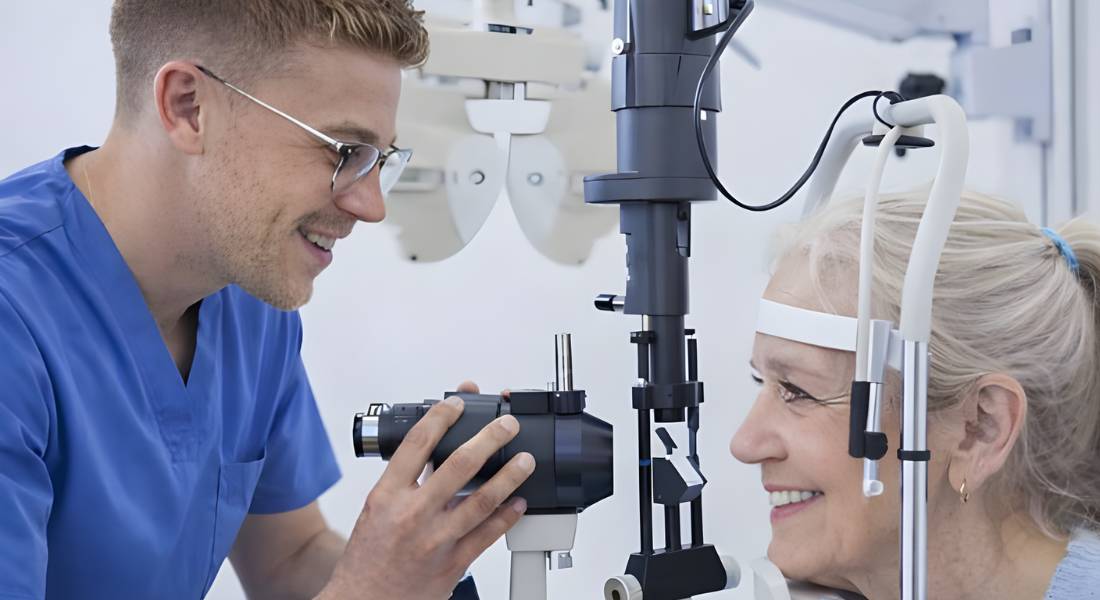
Normal-tension glaucoma is a well-recognised type of open-angle glaucoma, where damage to the optic nerve develops even though eye pressure falls within the normal range. We see patterns of nerve and visual field change that closely resemble those found in pressure-related glaucoma. This shows that harmful processes can be active without raised readings.
You may notice gradual changes in vision despite never recording high pressure values. When assessment focuses too narrowly on pressure, early signs can be missed and diagnosis delayed. Subtle nerve changes often require careful attention before symptoms become obvious.
We base diagnosis on clear evidence of optic nerve damage and corresponding visual field loss, with pressure acting as supporting information rather than the deciding factor. Attention shifts toward preserving nerve health rather than chasing numbers. This highlights that glaucoma is influenced by multiple factors, not pressure alone, and that you and we must take a broader view.
Why the Optic Nerve Can Be Vulnerable at Normal Pressure
The optic nerve does not respond to stress in the same way in every person. Some nerves tolerate pressure well, while others are inherently more vulnerable. This variation helps explain why glaucoma risk cannot be judged by eye pressure alone. We consider individual anatomy central to understanding susceptibility and progression.
- Pressure tolerance varies between optic nerves
Some optic nerves cope with higher pressure without damage, while others are sensitive at lower levels. Structural differences influence how force is transmitted to delicate nerve fibres. - Blood supply and nerve fibre thickness affect vulnerability
A thinner nerve fibre layer or reduced blood flow can increase sensitivity to stress. What appears safe in one eye may still cause harm in another. - Optic nerve head structure influences stress handling
Tissue flexibility and internal support determine how pressure is absorbed and distributed. We assess these features to understand why glaucoma can occur even at normal pressure.
Recognising optic nerve individuality changes how glaucoma is assessed and managed. By focusing on anatomy and tolerance rather than pressure alone, we gain a more accurate picture of risk. This personalised perspective ensures care reflects how your optic nerve truly behaves, not how it is expected to behave on average.
The Role of Blood Flow and Perfusion
Adequate blood flow to the optic nerve plays a vital role in keeping nerve tissue healthy. When circulation is reduced, the nerve may receive less oxygen and fewer nutrients, increasing its susceptibility to injury. We understand that this vulnerability can exist even when eye pressure appears normal.
You may have lower blood pressure or difficulty regulating blood flow, which can limit how well the optic nerve is supplied over time. These issues can quietly affect nerve health, particularly if reduced circulation happens repeatedly. Gradual underperfusion can lead to cumulative damage that develops without obvious warning signs.
We frequently identify vascular influences in normal-tension glaucoma, with night-time drops in blood pressure being especially important. These changes often pass unnoticed unless specifically considered. When you and we recognise the role of circulation, it becomes clearer why pressure readings alone do not explain the condition and why both mechanical and vascular factors matter.
Why Night-Time Factors Matter
Eye pressure and blood pressure both shift during sleep in ways that can affect the optic nerve. We know that eye pressure often increases when you are lying down, while blood pressure naturally drops, reducing blood flow to the nerve. This combination can limit oxygen delivery at a time when the nerve is already more vulnerable.
You may face the greatest risk while asleep, even though these changes are never seen during daytime appointments. Because routine clinic checks do not capture night-time physiology, progression can appear unpredictable. We understand that this hidden window helps explain why damage may occur despite reassuring daytime readings.
We now recognise night-time changes as an important factor in normal-tension glaucoma. Daytime pressure measurements alone can miss periods of significant stress on the optic nerve. By considering when these changes happen as well as how large they are, you and we gain a clearer understanding of risk and disease behaviour.
Why Normal-Tension Glaucoma Is Often Diagnosed Late
Normal-tension glaucoma often develops quietly, meaning you may not notice any changes until vision loss becomes more advanced. We know that central vision is usually maintained until later stages, which can create a false sense of reassurance. This silent progression makes regular assessment especially important, even when symptoms are absent.
Because eye pressure appears normal, recognition of the condition can be delayed. We understand that early optic nerve changes are often subtle and visual field changes emerge slowly over time. Without careful evaluation, these early signs can be easy to miss.
We depend on detailed optic nerve examination, imaging, and repeat testing to identify early disease and track change. Looking at results over time helps you and we distinguish true progression from normal variation. This reinforces why comprehensive eye assessments matter, as pressure readings alone do not tell the full story.
How Normal-Tension Glaucoma Is Diagnosed
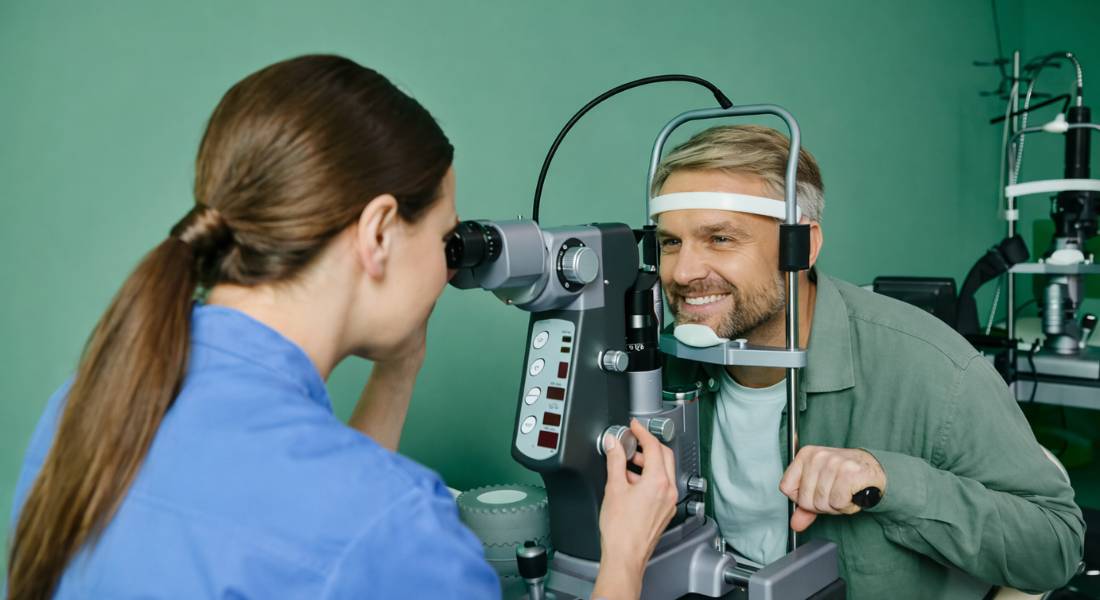
Diagnosing glaucoma requires a careful and comprehensive approach rather than reliance on a single test. No individual result can provide the full answer in isolation. Instead, we build an accurate picture by examining how different findings relate to one another. This method helps ensure decisions are based on evidence rather than assumption.
- Diagnosis is based on multiple complementary findings
We assess the optic nerve, imaging results, visual field performance, and clinical examination together. The pattern and consistency of these findings guide how we interpret disease presence and behaviour. - Structural and functional tests are interpreted together
OCT measures nerve fibre thickness to identify early structural loss. Visual field testing shows how these changes affect vision in practical terms. - Other causes of optic nerve damage are carefully excluded
Relevant history is reviewed and further investigations arranged when appropriate. Normal pressure does not exclude glaucoma when structural and functional evidence aligns.
By weighing all findings together, diagnosis becomes clearer and more reliable. This integrated approach allows you and we to move forward with confidence, supported by consistent evidence rather than isolated results.
How Monitoring Differs in Normal-Tension Glaucoma
When eye pressure starts within the normal range, monitoring shifts towards how the condition behaves over time rather than relying on isolated readings. We focus on identifying early changes so action can be taken before meaningful vision loss develops. This approach allows you and we to understand risk by observing patterns instead of trusting static numbers.
Change over time carries more weight than single results, which is why imaging and visual field tests are repeated. We look for consistency across visits, as stability is reassuring while gradual movement in one direction signals the need for adjustment. Subtle findings are handled with care because they can represent early progression rather than harmless variation.
Normal pressure calls for a personalised monitoring strategy that reflects individual risk. When baseline pressure is not raised, progression becomes the key guide for decisions. By prioritising trends and tailoring care to how your condition evolves, you and we work together to protect vision through early recognition and informed management.
Why Treatment Is Still Needed
Normal-tension glaucoma still needs active management, even when eye pressure appears within the normal range. We know that lowering pressure further can reduce strain on the optic nerve and help slow ongoing change. Treatment focuses on reducing risk rather than reacting to damage after it occurs.
You may question why pressure-lowering treatment is advised when readings are not high to begin with. We rely on strong evidence showing that any reduction in pressure can lessen stress on vulnerable nerve fibres. Even modest changes can provide meaningful protection over time.
We aim to reach a pressure level that your optic nerve can comfortably tolerate, and this differs from person to person. Treatment plans are shaped around your individual response rather than fixed targets. Management is about preservation, helping you and we work together to protect the vision you have.
Other Factors Considered During Management
We also take into account wider health factors, including blood pressure patterns and overall circulation. We recognise that reduced blood pressure at night can affect the optic nerve and may need closer attention. Working alongside your general healthcare providers can help create a more complete picture of what is happening.
You may be encouraged to review how blood pressure is monitored or how certain medications are timed. This guidance does not replace eye-focused care but works alongside it to support stability. The intention is to protect the optic nerve by addressing influences beyond eye pressure alone.
We may also discuss everyday factors such as sleep quality, stress levels, and vascular health. These can affect how well the optic nerve is supplied with blood and oxygen. When management looks beyond the eye itself, you and we are better placed to support long-term outcomes.
Why Progression Can Still Occur
Even with appropriate treatment, glaucoma can still show gradual change over time. This can feel discouraging, especially when care has been consistent and carefully followed. Normal-tension glaucoma is particularly complex, as damage is influenced by multiple interacting factors rather than a single measurable cause. Understanding this behaviour helps place test results into context.
- Progression can occur despite good management
Normal-tension glaucoma does not always stabilise completely, even with treatment. Ongoing change reflects disease complexity rather than treatment failure. - Treatment still provides meaningful protection
Seeing progression does not mean previous care has been ineffective. Treatment continues to reduce risk and slow damage, even when change is detected. - Management adapts as the condition evolves
We refine targets, review trends closely, and adjust the approach when needed. Care remains flexible so it responds to how your condition behaves over time.
The goal of treatment is to slow progression as much as possible, not to promise complete stability. When this aim is clear, results become easier to interpret and expectations more manageable. By adapting care and focusing on long-term protection, we continue working to preserve useful vision over time.
What This Means for Patients

A diagnosis of glaucoma despite normal eye pressure can feel unsettling, especially when expectations suggest pressure should be raised. We recognise how this challenges what you may have previously understood about the condition. What matters is knowing that glaucoma can develop through multiple pathways, not all of which are driven by pressure alone.
You are not responsible for the changes identified in your eyes, and normal readings do not indicate missed prevention. We know that damage can occur even when pressure appears stable, which is why early identification carries such importance. Ongoing monitoring and tailored management remain central to protecting long-term vision.
Living with glaucoma works best as a shared journey built on understanding and communication. We encourage you to ask questions, raise concerns, and stay engaged with follow-up care. When you and we work together with clarity and trust, confidence grows and outcomes improve.
FAQs:
- Can you really develop glaucoma even if your eye pressure is normal?
Yes, glaucoma can still develop when pressure readings fall within the normal range. Some optic nerves are more sensitive and tolerate pressure poorly. Damage can occur through mechanisms beyond pressure alone. We assess risk by looking at nerve health, not just numbers. - Why does normal eye pressure not guarantee your optic nerve is safe?
Normal pressure is a population-based range, not a personalised safety limit. Your optic nerve may be vulnerable even at lower pressures. Structural and vascular factors influence how stress is handled. We interpret pressure alongside anatomy and function. - What exactly is normal-tension glaucoma and how does it affect you?
Normal-tension glaucoma is a form of glaucoma where optic nerve damage occurs without raised pressure. Vision loss develops gradually and often silently. Diagnosis relies on nerve and visual field changes rather than pressure readings. We manage it with the same seriousness as pressure-related glaucoma. - Why can your optic nerve be damaged at pressures others tolerate?
Optic nerves differ in structure, blood supply, and resilience. Some nerves absorb pressure-related stress poorly. Reduced circulation or thinner nerve tissue increases susceptibility. We evaluate these individual features to understand risk. - How does blood flow influence glaucoma when your pressure is normal?
The optic nerve depends on steady blood supply for oxygen and nutrients. Reduced circulation can weaken nerve tissue over time. This vulnerability exists even when pressure appears controlled. We consider vascular factors as part of comprehensive assessment. - Why can glaucoma worsen for you during the night?
Eye pressure and blood pressure change while you sleep. Pressure may rise as blood pressure falls, reducing nerve perfusion. These stress periods are not detected in daytime clinics. We now recognise night-time physiology as a key risk factor. - Why is normal-tension glaucoma often detected later than expected?
Early damage rarely affects central vision, so symptoms may be absent. Normal pressure readings can delay suspicion of glaucoma. Subtle nerve changes develop gradually and require careful monitoring. We rely on repeated testing to identify early progression. - How is glaucoma diagnosed when your pressure is not high?
Diagnosis is based on optic nerve appearance, imaging, and visual field results. Pressure supports the assessment but does not define it. Consistent structural and functional change confirms the diagnosis. We build conclusions from patterns rather than single findings. - Why do you still need treatment if your pressure is already normal?
Lowering pressure further reduces stress on a vulnerable optic nerve. Even small reductions can slow progression. Treatment aims to reach a level your nerve can tolerate safely. We individualise targets rather than follow fixed thresholds. - What does a diagnosis of glaucoma with normal pressure mean for you long term?
Management focuses on monitoring change over time and adapting care as needed. Progression can still occur, but treatment reduces risk and protects vision. Ongoing follow-up is essential even during stable periods. We work with you to preserve useful sight long term.
Final Thoughts on Glaucoma With Normal Eye Pressure
Glaucoma can develop even when eye pressure readings fall within the normal range, because optic nerve vulnerability, blood flow, and individual anatomy all play critical roles. Normal-tension glaucoma shows that pressure alone is not enough to assess risk or rule out disease. Comprehensive examination and long-term monitoring are essential.
We believe effective care combines careful assessment with personalised treatment strategies. If you are concerned whether glaucoma treatment in London could benefit you, get in touch with us at Eye Clinic London for expert evaluation and care tailored to your individual needs.
References:
- Collaborative Normal-Tension Glaucoma Study Group (1998) The effectiveness of intraocular pressure reduction in the treatment of normal-tension glaucoma. American Journal of Ophthalmology, 126(4), pp. 498–505. Available at: https://pubmed.ncbi.nlm.nih.gov/9780094/
- Weinreb, R.N., Aung, T. and Medeiros, F.A. (2014) The pathophysiology and treatment of glaucoma: a review. JAMA, 311(18), pp. 1901–1911. Available at: https://pubmed.ncbi.nlm.nih.gov/24825645/
- Wu, X., Konieczka, K., Liu, X., Chen, M., Yao, K. and Flammer, J. (2022) Role of ocular blood flow in normal tension glaucoma. Asia-Pacific Journal of Ophthalmology (Philadelphia), 11(4), pp. 100036. Available at: https://www.sciencedirect.com/science/article/pii/S2667376222000130
- Mallick, J., Devi, L., Malik, P.K. and Mallick, J. (2016) Update on normal tension glaucoma: risk factors, causes, pathogenesis, diagnosis and management. Journal of Ophthalmic & Vision Research, 11(3), pp. 204–208. Available at: https://www.ncbi.nlm.nih.gov/pmc/articles/PMC4926570/
- Salvetat, M.L., et al. (2023) Pharmaceutical Approaches to Normal Tension Glaucoma. Pharmaceuticals, 16(8), 1172. Available at: https://www.mdpi.com/1424-8247/16/8/1172