


Neurodegeneration in Glaucoma: Is It More Than an Eye Pressure Disease?

Glaucoma has traditionally been described as a condition driven mainly by raised intraocular pressure. You may have been told that lowering eye pressure is the primary aim of treatment, and this remains essential. We continue to rely on pressure reduction as a core strategy. However, pressure alone does not fully explain how glaucoma behaves in every individual.
Growing evidence now shows that glaucoma shares characteristics with neurodegenerative diseases. Damage is not confined to the eye but involves progressive loss of retinal ganglion cells and their neural connections. We understand this process as extending along the visual pathway. This broader biological view is reshaping how glaucoma is defined.
You may notice that glaucoma can continue to progress even when eye pressure appears well controlled. This observation has prompted researchers to investigate mechanisms beyond pressure-related damage. We now recognise that factors such as cellular stress and neural vulnerability play a role. Neurodegeneration has therefore become a central focus of modern research.
Understanding glaucoma as a neurodegenerative condition helps explain why the disease can be complex and unpredictable. This perspective supports more nuanced monitoring strategies over time. We also see it opening the door to future treatment approaches. A wider understanding allows care to evolve beyond a single target.
What Neurodegeneration Means in Simple Terms
Neurodegeneration describes the gradual loss of nerve cells and their function over time. In glaucoma, the main cells affected are retinal ganglion cells, which form the optic nerve. These cells carry visual information from the eye to the brain. When they are damaged, the communication pathway is disrupted.
Once retinal ganglion cells are lost, the resulting vision damage is permanent. You cannot regenerate these nerve cells after degeneration has occurred. This irreversible nature is what makes glaucoma a serious condition. We focus strongly on early protection because lost function cannot be restored.
Neurodegenerative diseases are typically slow and progressive, often developing silently for many years. Glaucoma follows this same pattern, with damage accumulating before symptoms become noticeable. We now recognise that glaucoma fits the neurodegenerative model more closely than once believed. This understanding has reshaped how the disease is studied and managed.
Retinal Ganglion Cell Loss in Glaucoma
Retinal ganglion cell loss is a defining feature of glaucoma. These cells transmit visual signals from the eye to the brain, and their degeneration leads directly to visual field loss. You may not notice symptoms early on because cell loss can begin well before vision is affected. We recognise this silent progression as a key challenge in glaucoma care.
You may find reassurance in knowing that modern imaging can identify early structural changes linked to ganglion cell damage. Even so, the biological process of degeneration may already be underway before changes are clearly visible on scans. This explains why early glaucoma can be difficult to detect with certainty. We use careful monitoring to reduce the risk of missed progression.
Research shows that ganglion cell degeneration shares features with other neurodegenerative conditions. Cellular stress, mitochondrial dysfunction, and inflammatory pathways all contribute to damage beyond pressure effects alone. We now understand that protecting ganglion cell health is central to long-term vision preservation. Pressure reduction remains important, but it is only one part of this broader goal.
Why Eye Pressure Alone Does Not Explain Everything
Elevated intraocular pressure increases the risk of glaucoma, but it does not act alone. You may know individuals who develop glaucoma with normal pressure, while others tolerate high pressure without damage. This variability suggests additional mechanisms are involved.
In normal-tension glaucoma, nerve damage occurs despite statistically normal pressure levels. This form of the disease highlights the role of non-pressure-related factors. Neurodegeneration provides a plausible explanation.
Even in high-pressure glaucoma, pressure may act as a trigger rather than the sole cause. Once degeneration begins, nerve damage may continue independently. This helps explain why progression can persist despite good pressure control. We therefore view pressure as one contributor among many. Neurodegenerative processes help complete the picture.
Links Between Glaucoma and the Brain
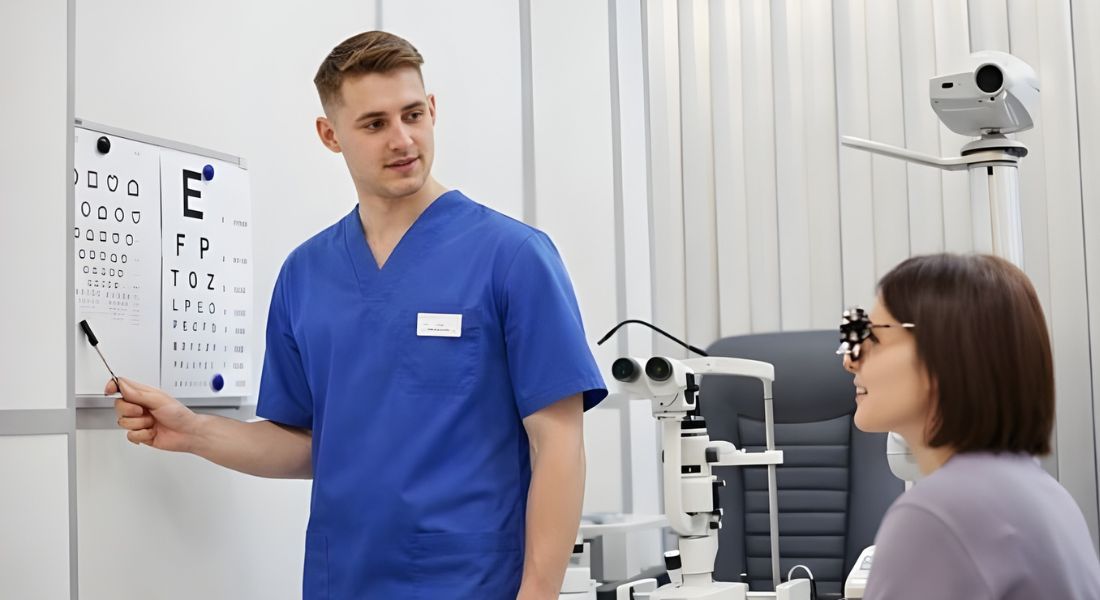
Glaucoma is increasingly understood as more than a condition affecting the eye alone. The optic nerve forms part of the central nervous system, linking eye health directly to brain function. Viewing glaucoma within this wider neurological context helps explain why its effects can extend beyond the visible structures of the eye. This perspective shapes how we think about monitoring and long-term care.
- The optic nerve is part of the central nervous system
Damage to the optic nerve represents a form of neurodegeneration rather than isolated eye injury. We recognise glaucoma as a condition linked to broader neural health. - Brain imaging reveals changes in visual pathways
Advanced studies show alterations along the brain’s visual processing networks. These findings suggest involvement extends beyond the optic nerve head itself. - Glaucoma affects both ocular and central structures
Changes associated with glaucoma can be detected within the brain. We now view the condition as a continuum affecting the eye and central nervous system together.
Understanding glaucoma as a neurodegenerative condition broadens how care is approached. By acknowledging its wider neurological impact, we support more informed monitoring and future-focused management. This integrated view helps ensure long-term care reflects the full scope of the disease.
Shared Features With Other Neurodegenerative Diseases
Glaucoma shares several biological mechanisms with neurodegenerative conditions such as Alzheimer’s and Parkinson’s disease. These include protein aggregation, impaired axonal transport, and long-standing inflammation. Such similarities have attracted growing scientific interest in recent years. We use these insights to better understand how nerve tissue becomes vulnerable over time.
Research has identified overlapping molecular pathways between glaucoma and other neurodegenerative disorders. While each condition remains distinct, shared mechanisms point to common stresses affecting nerve cells. You may find it helpful to know that these overlaps relate to vulnerability rather than identical disease processes. We view this as an opportunity to refine research rather than blur clinical boundaries.
You may wonder whether glaucoma increases the risk of developing other neurological conditions. Current evidence does not support a direct causal link. Instead, shared susceptibility factors such as ageing and neural resilience appear to play a role. We use these comparisons to deepen understanding without causing unnecessary concern.
Axonal Damage and Signal Disruption
In glaucoma, damage is not limited to the loss of retinal ganglion cells alone. The axons that carry visual signals along the optic nerve are often affected at an early stage. When axonal transport is disrupted, communication between the eye and brain can be impaired. We understand that this can occur well before permanent cell death.
You may notice subtle functional changes even when structural loss is not yet obvious. These early changes often reflect axonal dysfunction rather than complete neuronal loss. Standard tests may not always detect this stage easily. We take this possibility into account when interpreting early or unexplained findings.
Axonal injury is recognised as a key feature of neurodegenerative disease. It represents a phase where function may still be preserved with timely intervention. We now see axonal protection as an important therapeutic focus. This broader understanding shifts attention beyond pressure reduction alone.
Inflammation and Glial Cell Activation
Glaucoma is increasingly recognised as a condition influenced by neuroinflammatory processes. Within the nervous system, supporting cells respond to stress in ways that can affect long-term nerve health. Understanding this response helps explain why glaucoma behaves like other neurodegenerative conditions rather than a purely mechanical eye problem. This broader view adds depth to how disease progression is understood.
- Glial cell activation is part of the injury response
Supporting nerve cells become active when tissue is stressed or damaged. This response can initially be protective but may become harmful if it persists. - Chronic inflammation can drive ongoing nerve damage
Prolonged glial activation releases inflammatory mediators. Over time, these substances may accelerate retinal ganglion cell loss. - Neuroinflammation occurs without obvious symptoms
These changes develop at a microscopic level and are not usually felt. We recognise inflammation as part of a wider neurodegenerative cascade in glaucoma.
Understanding neuroinflammation helps explain why glaucoma progresses gradually and silently. By viewing inflammation as part of the disease process, we can better interpret risk and future treatment directions. This perspective supports more comprehensive research and long-term care strategies.
Mitochondrial Dysfunction in Glaucoma
Mitochondria are responsible for energy production within cells. Retinal ganglion cells have high energy demands, making them particularly vulnerable to mitochondrial dysfunction. When energy supply fails, cells cannot survive.
Research has shown mitochondrial abnormalities in glaucoma-affected tissue. These abnormalities impair cellular resilience and increase susceptibility to stress. Pressure-related strain may worsen this vulnerability.
You may notice that glaucoma risk increases with age. Age-related mitochondrial decline may partly explain this pattern. Neurodegeneration often reflects cumulative cellular stress over time. We now explore mitochondrial support as a potential avenue for neuroprotection. This represents a shift toward cellular-level intervention.
Why Glaucoma Progression Can Be Slow and Silent
Neurodegenerative diseases often progress slowly, with long asymptomatic phases. Glaucoma follows this same pattern. You may have significant nerve loss before noticing any change in vision.
This silent progression is why regular monitoring is essential. Structural and functional tests detect damage before symptoms arise. Early detection offers the best chance of preserving useful vision.
You may feel frustrated by the lack of symptoms despite a diagnosis. This does not mean the disease is inactive. Neurodegeneration can continue quietly over years. We emphasise monitoring because intervention is most effective before advanced loss occurs. Prevention remains central to care.
How This Understanding Changes Glaucoma Research
Viewing glaucoma as a neurodegenerative disease has reshaped research priorities in recent years. Scientists are now exploring therapies that focus on protecting nerve cells rather than only reducing eye pressure. You may notice increasing discussion around neuroprotective strategies in this context. We see this as an important evolution in how glaucoma is understood.
Clinical trials are increasingly investigating treatments that support retinal ganglion cell survival. These approaches aim to slow degeneration even when pressure is already well controlled. You may hear about studies targeting disease mechanisms beyond pressure alone. We recognise that results are still developing, but progress so far is encouraging.
You are likely to hear more about neuroprotection as research continues to advance. This reflects a broader shift away from purely mechanical models of glaucoma. We remain guided by evidence rather than speculation when considering new therapies. Any treatment must demonstrate clear and reliable benefit before becoming part of standard care.
What Neurodegeneration Means for Current Treatment
Glaucoma management has advanced significantly, yet pressure control remains the cornerstone of treatment. Lowering eye pressure reduces ongoing stress on the optic nerve and is currently the only proven way to slow progression. At the same time, growing insight into glaucoma as a neurodegenerative condition has refined how care is tailored. Understanding both perspectives helps explain why treatment is both structured and personalised.
- Lowering eye pressure remains the foundation of care
Reducing intraocular pressure limits mechanical and vascular stress on nerve tissue. You benefit because pressure reduction is the only intervention shown to reliably slow progression. - Not all risk is explained by pressure alone
Some patients continue to show change despite well-controlled eye pressure. We respond by adjusting monitoring and considering additional strategies based on disease behaviour. - Early diagnosis supports long-term nerve protection
Intervening before significant nerve loss improves future outcomes. We emphasise timing and proactive care to protect vulnerable cells as early as possible.
Modern glaucoma care balances proven pressure control with an evolving understanding of neurodegeneration. By integrating both approaches, we tailor treatment to how your condition behaves over time. This personalised strategy supports better protection of vision and more confident long-term management.
Why Long-Term Monitoring Is Essential
Neurodegeneration unfolds over years rather than weeks. Glaucoma therefore requires lifelong monitoring rather than short-term intervention. You may notice long periods of stability followed by subtle change.
Structural imaging and functional testing track different aspects of degeneration. Both are essential for understanding disease behaviour. Neither provides a complete picture alone. You may feel reassured when results remain stable.
Consistency suggests degeneration is being slowed effectively. This is the primary goal of treatment. We focus on long-term trends rather than isolated results. This approach aligns with the neurodegenerative nature of the disease.
What This Means for Patients

Understanding glaucoma as a neurodegenerative condition can feel overwhelming at first. However, it also provides clarity. It explains why management focuses on prevention, monitoring, and long-term stability rather than cure.
You are not expected to manage this complexity alone. Care is built around regular review, evidence-based decisions, and personalised strategies. Knowledge empowers you to engage confidently with your care.
This perspective also supports realistic expectations. Treatment aims to preserve vision, not restore lost nerve tissue. Early and consistent care offers the best outcomes. We believe informed patients make better decisions. Understanding the disease process supports partnership in care.
FAQs:
- Why can you have glaucoma even when your eye pressure is well controlled?
You can still experience glaucoma progression because eye pressure is not the only factor involved. Nerve cells may remain vulnerable due to biological stress or reduced resilience. Once degeneration begins, damage can continue independently of pressure levels. This explains why pressure control alone does not always stop progression. - Why is glaucoma now described as a neurodegenerative condition for you?
Glaucoma involves the gradual loss of nerve cells that transmit visual signals to the brain. This pattern mirrors other neurodegenerative diseases where nerve tissue deteriorates over time. The damage extends beyond the eye itself. Viewing glaucoma this way helps explain its slow and unpredictable behaviour. - Why do retinal ganglion cells matter so much for your vision?
Retinal ganglion cells carry visual information from your eye to the brain. When these cells are damaged or lost, communication along the visual pathway breaks down. This loss cannot be reversed once it occurs. Protecting these cells is therefore central to preserving long-term vision. - Why can glaucoma progress silently for you over many years?
Neurodegenerative processes often develop gradually without obvious symptoms. You may lose a significant number of nerve cells before vision changes become noticeable. This silent phase makes regular monitoring essential. Early detection allows action before irreversible damage affects daily vision. - Why does normal-tension glaucoma still cause nerve damage for you?
In normal-tension glaucoma, degeneration occurs despite eye pressure readings within the normal range. This suggests that pressure is not the sole driver of damage. Factors such as cellular stress and reduced nerve resilience play a role. Neurodegeneration helps explain why damage continues without raised pressure. - Why is your optic nerve linked to the brain in glaucoma?
The optic nerve is part of the central nervous system, not a separate eye structure. Damage to this nerve represents injury to neural tissue rather than surface eye disease. Brain imaging shows changes along visual pathways in glaucoma. This reinforces the idea that glaucoma affects the entire visual system. - Why can inflammation affect your glaucoma progression?
Inflammatory responses occur when nerve tissue is stressed or injured. If this response becomes chronic, it can contribute to ongoing nerve damage. These changes happen at a microscopic level without causing pain. Inflammation is now recognised as part of the neurodegenerative process in glaucoma. - Why does mitochondrial health matter for your optic nerve cells?
Your retinal nerve cells require high levels of energy to function properly. When mitochondria fail to supply enough energy, these cells become vulnerable to damage. Ageing and stress can worsen this weakness. Mitochondrial dysfunction helps explain gradual nerve loss over time. - Why does lowering eye pressure still matter if glaucoma is neurodegenerative for you?
Lowering eye pressure reduces mechanical stress on already vulnerable nerve cells. It also improves blood flow conditions around the optic nerve. While it does not stop degeneration completely, it slows the process. Pressure reduction remains the most reliable way to protect remaining vision. - Why does understanding neurodegeneration help you manage glaucoma long term?
This understanding explains why glaucoma care focuses on prevention rather than cure. It highlights the importance of early diagnosis and consistent monitoring. You gain clearer expectations about treatment goals. Knowing how the disease behaves supports confidence in long-term management decisions.
Final Thoughts on Neurodegeneration in Glaucoma
Recognising glaucoma as a neurodegenerative condition helps explain why it behaves differently from a simple pressure-driven disease. Retinal ganglion cell loss, axonal damage, and central nervous system involvement all contribute to progressive vision loss. This broader understanding brings clarity to why glaucoma requires lifelong monitoring and personalised care.
We believe effective management combines pressure control with awareness of neurodegenerative risk factors. If you have concerns about progression or would like expert guidance for glaucoma treatment in London, you can get in touch with us at Eye Clinic London for specialist assessment and support tailored to your individual needs.
References:
- Gupta, N. and Yücel, Y.H. (2007) Glaucoma as a neurodegenerative disease. Current Opinion in Ophthalmology, 18(2), pp.110–114. Available at: https://pubmed.ncbi.nlm.nih.gov/17301611/
- Weinreb, R.N., Aung, T. and Medeiros, F.A. (2014) The pathophysiology and treatment of glaucoma: a review. JAMA, 311(18), pp.1901–1911. Available at: https://pubmed.ncbi.nlm.nih.gov/24825645/
- Zeppieri, M. (2025) Beyond the Eye: Glaucoma and the Brain, Brains, 15(9), p.934. Available at: https://www.mdpi.com/2076-3425/15/9/934
- Chan, J.W. and colleagues (2021) Glaucoma as Neurodegeneration in the Brain, Dove Press – PMC, PMCID: PMC7822087. Available at: https://pmc.ncbi.nlm.nih.gov/articles/PMC7822087/
- Durán-Cristiano, S.C. et al. (2025) Exploring Molecular and Clinical Dimensions of Glaucoma, Int. J. Mol. Sci., 26(18), p.9109. Available at: https://www.mdpi.com/1422-0067/26/18/910