


Glaucoma Treatment When Eye Drops Aren’t Enough: What Are the Next Steps?

Glaucoma eye drops are often the first treatment prescribed to lower eye pressure. Many patients use them for years with good control. However, some people continue to lose vision despite using drops correctly.
When drops are no longer enough, it can feel worrying and confusing. You may wonder whether you have done something wrong or whether stronger treatment is risky. Understanding why this happens helps reduce fear.
In this article, we explain why eye drops may fail, how glaucoma treatment is escalated, and when laser or surgery is considered. Knowing the next steps allows you to feel informed and prepared. Clear plans support confidence.
Why Glaucoma Can Progress Despite Correct Drop Use
Glaucoma can sometimes progress even when you are using your eye drops exactly as prescribed. This does not mean you are doing anything wrong. In some cases, your eyes simply need a lower pressure than drops alone can achieve, especially as the disease becomes more advanced.
Over time, the optic nerve can become more vulnerable to pressure-related damage. A pressure level that was once considered safe may no longer be enough to protect your vision. Because glaucoma often progresses silently, changes can occur without obvious symptoms.
This situation does not reflect a failure on your part or poor adherence to treatment. It reflects the natural behaviour of glaucoma as a long-term condition. As the disease evolves, your treatment plan needs to adapt to provide ongoing protection.
Limits of Eye Drops in Pressure Control
Eye drops work by either reducing fluid production or helping it drain more effectively from your eye. However, their effect has a ceiling, and beyond a certain point, adding more drops may not lower pressure any further.
Using multiple eye drops can also increase the risk of side effects for you. Redness, irritation, and dryness are common, and keeping up with a complex routine can become difficult. This can affect how consistently you use them.
If your pressure targets aren’t reached with drops alone, additional treatment options may be needed. Escalating therapy helps ensure your optic nerve is protected. For some people, drops by themselves simply aren’t enough to control glaucoma safely.
How Specialists Decide When Drops Are No Longer Sufficient

Glaucoma management is highly individualised, and eye drops are often the first line of treatment. Specialists carefully monitor patients to determine whether medication alone is enough to protect vision or if additional interventions, such as laser or surgery, are needed.
- Monitoring trends over time: Decisions are based on patterns rather than single pressure readings. Visual field tests and optic nerve imaging help track changes and detect subtle progression.
- Reassessing target pressure: Each patient has a personalised target pressure. As glaucoma progresses, this target may be lowered. If drops alone cannot achieve the new goal, other treatment options are considered.
- Evidence-based decision-making: Escalation from drops to surgery or laser is deliberate and guided by risk assessment. The decision is not rushed and is based on clinical evidence, aiming to protect long-term vision.
Specialists use careful monitoring and structured evaluation to decide when additional treatment is necessary. This ensures that interventions are timed appropriately, balancing safety and effectiveness.
The Role of Laser Treatment in Escalation
When eye drops are no longer sufficient to control glaucoma, laser treatment is often the next step. It provides an effective way to lower intraocular pressure without the need for additional daily medication, making it an appealing option for many patients.
- Selective Laser Trabeculoplasty (SLT): SLT is commonly used to enhance the eye’s natural fluid drainage. The procedure targets the trabecular meshwork, improving outflow and helping to reduce pressure in a controlled manner.
- Moderate, predictable pressure reduction: While laser treatment typically does not lower pressure as dramatically as surgery, it offers a consistent and reliable reduction, often sufficient to meet treatment goals when combined with drops.
- Delaying or reducing the need for surgery: Laser therapy acts as an intermediate step between medication and surgical intervention. Many patients benefit from this approach, as it can postpone or sometimes reduce the need for more invasive procedures.
Laser treatment is a valuable part of glaucoma management. By providing pressure reduction with minimal disruption to daily life, it bridges the gap between drops and surgery and supports long-term vision protection.
When Laser Treatment May Be Recommended
Laser treatment is usually considered if your eye drops aren’t lowering pressure enough or are difficult for you to tolerate. In some cases, it may even be offered earlier in your treatment plan. Whether it’s suitable for you depends on the type of glaucoma you have.
People with open-angle glaucoma tend to respond best to laser therapy. Your eye’s angle anatomy will be carefully assessed to see if the procedure is appropriate. Not every eye is suitable, so personalised evaluation is important.
Laser treatment is generally performed as a quick outpatient procedure. Recovery is minimal, allowing you to resume normal activities soon after. This makes it a convenient option if you need to escalate your care.
What Happens If Laser Treatment Is Not Enough
If laser treatment doesn’t bring your eye pressure down to the target level, your specialist will consider further steps. This doesn’t mean the treatment has failed it simply means a stronger intervention may be needed to protect your vision.
Some people respond only partially to laser, while others may see little to no effect. Individual variation is normal, and your response helps guide the next stage of care.
At this point, surgical options may be discussed. The goal remains the same: protecting your optic nerve and preserving your sight. Any decision about surgery is made carefully, with your needs and safety in mind.
Understanding Surgical Options for Glaucoma
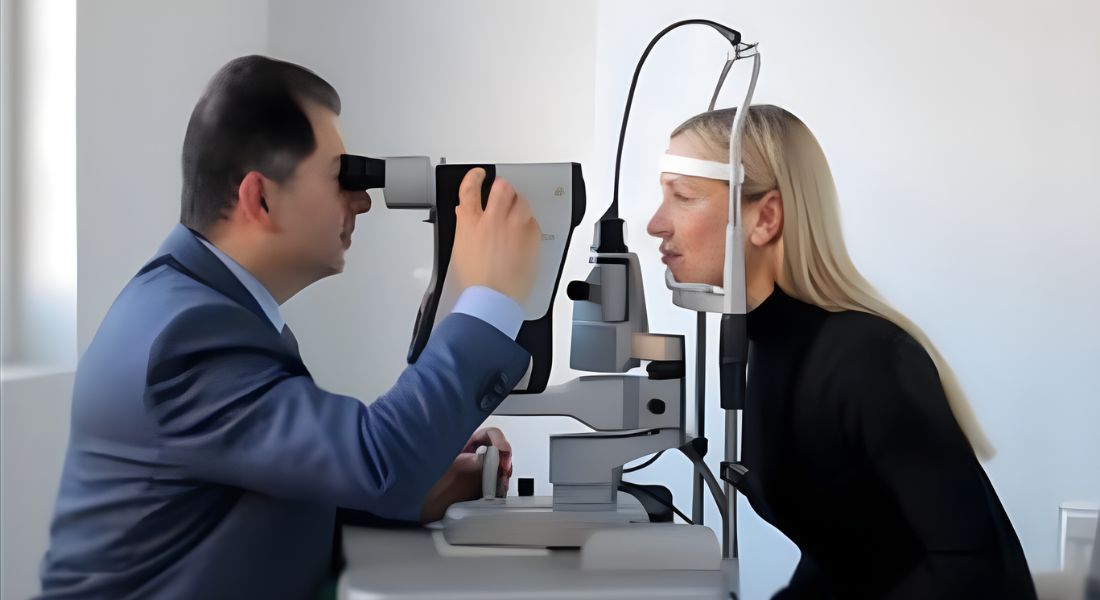
When medication and laser treatments are insufficient, surgery may be considered to protect vision. Glaucoma surgery works by creating new pathways for fluid to exit the eye, lowering intraocular pressure more effectively than drops or laser alone. Understanding the options helps patients make informed decisions about their care.
- How surgery reduces eye pressure: By establishing additional drainage routes, surgery improves fluid outflow and significantly lowers intraocular pressure. This greater reduction is often necessary in progressive or advanced glaucoma.
- Different surgical approaches: Options range from minimally invasive procedures, such as MIGS, to traditional filtration surgeries like trabeculectomy. The choice depends on disease severity, eye anatomy, and the pressure-lowering target.
- Careful consideration of benefits and risks: Surgery is usually reserved for patients whose glaucoma continues to progress despite drops or laser. Surgeons weigh the potential benefits against risks and recovery factors to ensure the best outcome.
Glaucoma surgery is a highly effective tool when conservative treatments are insufficient. Careful selection and planning help maximise pressure control while minimising risk to long-term vision.
Minimally Invasive Glaucoma Surgery as a Next Step
Minimally invasive glaucoma surgery, or MIGS, may be considered if drops and laser treatments aren’t enough to reach your target pressure. It offers a way to lower eye pressure with fewer risks compared with traditional glaucoma surgery. Recovery is generally faster, making it a less disruptive option for your daily life.
MIGS is often performed at the same time as cataract surgery. This combined approach can enhance the pressure-lowering effect while keeping the procedure efficient. It is particularly suitable for people with mild to moderate glaucoma who need a moderate reduction in pressure.
The amount of pressure reduction with MIGS is usually modest. While it may not achieve very low pressures on its own, it can still be a valuable step in controlling your glaucoma. The goal is to maintain your vision safely while minimising risk.
MIGS may also reduce your reliance on daily eye drops. However, it usually does not eliminate the need for drops entirely. Understanding what to realistically expect helps you plan your ongoing glaucoma management and sets clear expectations for results.
When Traditional Glaucoma Surgery Is Needed
Traditional glaucoma surgery is usually considered if your glaucoma is advanced and eye drops or less invasive treatments aren’t enough. These procedures can achieve much lower pressure targets, which is essential to protect your optic nerve in severe disease.
Common surgeries include trabeculectomy or the insertion of drainage devices. They involve more tissue disruption than MIGS and typically require a longer recovery period. Your specialist will explain what to expect and guide you through the process.
Although the risk is higher, traditional surgery is very effective in preserving your remaining vision. Careful follow-up is essential to monitor pressure, manage healing, and detect any complications early. With thorough planning, these procedures can offer lasting protection for your eyes.
Balancing Risks and Benefits of Escalation
Every time your glaucoma treatment is stepped up, your specialist carefully weighs the potential benefits against the risks. Lowering your eye pressure helps protect your vision, but every procedure or medication comes with possible complications. Understanding this balance is key to making informed choices.
The decision is always individualised for you. Factors such as the severity of your disease, your lifestyle, and overall eye health are considered. Shared decision-making ensures your priorities and concerns are included in planning your care.
Knowing the reasoning behind treatment escalation can help reduce any anxiety you may feel. Escalation is not a sign of failure it is about protecting your vision. Keeping your optic nerve safe is always the main goal.
How Monitoring Changes After Escalation
When glaucoma treatment is escalated whether through laser or surgery follow-up and monitoring become even more critical. Increased observation ensures that new interventions are working as intended and that eye pressure remains within safe limits. Understanding the monitoring process helps patients feel informed and reassured.
- More frequent assessments: After escalation, eye pressure, optic nerve health, and visual fields are checked more regularly. This close monitoring ensures that any changes are detected promptly and managed appropriately.
- Establishing new baselines: Post-treatment measurements create a fresh reference point for ongoing care. Tracking changes against this baseline allows specialists to identify subtle trends or early signs of pressure increase.
- Lifelong vigilance: Escalation does not mean the end of glaucoma care. Long-term monitoring continues for life, strengthening protection against vision loss and helping maintain eye health over time.
Enhanced monitoring after treatment escalation provides reassurance and supports long-term outcomes. By keeping a close watch on pressure and optic nerve health, specialists can respond quickly to maintain vision safely.
The Emotional Impact of Escalating Treatment
Needing stronger treatment for your glaucoma can feel overwhelming. It’s natural to feel anxious about surgery, laser procedures, or adding new medications. Many patients share these concerns, and your feelings are completely normal.
Having an open discussion with your specialist can help address these worries. Understanding what to expect from each procedure or treatment step often reduces fear and builds confidence. Knowing the process and outcomes helps you feel more in control.
You are not alone in this journey. Escalation is a common part of glaucoma care, and your care team is there to guide you every step of the way. Reassurance comes from knowledge, preparation, and clear communication with your eye care team.
Why Early Escalation Can Protect Vision
Delaying escalation of your glaucoma treatment can increase the risk of vision loss. Waiting until symptoms appear is risky because damage from glaucoma is irreversible. Acting before problems become noticeable gives your eyes the best chance of staying healthy.
By escalating treatment early, you help preserve your remaining vision. Lowering your eye pressure sooner can lead to better long-term outcomes. Being proactive rather than reactive is a key part of effective glaucoma care.
Escalation is about prevention, not failure. It shows that your specialist is closely monitoring your condition and taking steps to protect your sight. The ultimate goal is maintaining your vision for as long as possible.
Individualising Glaucoma Treatment Pathways
Glaucoma affects each person differently, so treatment cannot be one-size-fits-all. Personalised care ensures that management strategies match the unique needs, disease progression, and lifestyle of each patient, helping to protect vision effectively over time.
- Tailored treatment timelines: Some patients require rapid escalation to laser or surgery, while others remain stable on drops for many years. Monitoring and assessment guide the timing of each intervention.
- Flexible and adaptable care plans: Individual care plans allow specialists to adjust treatment as the disease evolves. Flexibility ensures that patients receive the right level of intervention at the right time.
- Improved long-term outcomes: Personalised approaches focus on both pressure control and quality of life. By considering patient-specific factors, specialists can optimise vision preservation while minimising unnecessary risks or treatments.
Customised glaucoma management recognises that each patient’s journey is unique. Individualised pathways support long-term eye health and ensure that care decisions are tailored to personal needs and disease behaviour.
Preparing for the Next Stage of Treatment

Preparing for the next stage of your glaucoma treatment starts with understanding your options and what to expect. Asking questions and discussing concerns with your specialist helps you feel more confident and in control of the process. Being informed makes the whole experience less daunting.
Practical planning can also reduce stress. Knowing what recovery will involve and arranging support systems if needed helps you feel ready. Being organised allows you to focus on your health without unnecessary worry.
Preparation supports a smoother transition to more advanced treatments if they become necessary. Knowledge empowers you to take an active role in your care. Feeling confident and informed can improve your overall outcomes.
Managing glaucoma is an ongoing process, and eye drops are just one part of your care. The need to escalate treatment doesn’t mean anything has gone wrong it reflects how the disease behaves over time. Staying proactive helps you protect your vision.
Modern treatments give you more options than ever. Laser procedures and surgical interventions can complement drops and help maintain safe eye pressure. These approaches work together to keep your optic nerve healthy.
Living with glaucoma is a partnership between you and your care team. Regular communication and follow-up are essential to success. Your treatment plan evolves as your needs change, ensuring your vision is protected for the long term.
FAQs:
- Does needing laser or surgery mean my glaucoma is getting worse?
Not always. Glaucoma treatment is stepped, meaning care is adjusted as your eye’s needs change. Sometimes escalation is recommended to provide better long-term protection, even if your condition is stable but at higher risk. - Have I failed treatment if eye drops are no longer enough?
No. Glaucoma progression is not a personal failure. Many eyes simply need lower pressure than drops can achieve, especially as the disease evolves over time. Treatment escalation reflects careful monitoring, not misuse of medication. - Will laser treatment replace my eye drops completely?
Laser treatment may reduce or sometimes remove the need for drops, but this cannot be guaranteed. Some patients still require medication afterwards, although often fewer drops than before. - Is laser treatment painful or risky?
Laser glaucoma treatment is usually well tolerated. Most people feel only mild discomfort, if any. Serious complications are uncommon, and the procedure is widely used as a safe step between drops and surgery. - How long does laser treatment take to work?
Pressure reduction usually begins within weeks, but full effect may take several months. Your specialist will monitor pressure closely during this period to assess whether the treatment is sufficient. - What happens if laser treatment does not lower my eye pressure enough?
If laser treatment does not achieve the required pressure, your specialist will discuss further options. This may include minimally invasive or traditional surgery, depending on the severity of your glaucoma and your eye health. - Is glaucoma surgery only for very advanced disease?
Surgery is most often recommended for advanced or progressing glaucoma, but it may also be used earlier if other treatments are ineffective or unsuitable. The decision is individual and based on protecting your remaining vision. - Will I lose vision because of glaucoma surgery?
The aim of surgery is to preserve vision, not improve it. While all surgery carries some risk, untreated glaucoma poses a much greater threat to sight. Careful planning helps minimise complications. - How will my follow-up care change after laser or surgery?
Follow-up appointments usually become more frequent at first. Your eye pressure, optic nerve health, and visual fields will be monitored closely. Once stability is confirmed, visit intervals may lengthen again. - Can glaucoma still be controlled even after escalation?
Yes. Many patients maintain useful vision for life with appropriate escalation and monitoring. Modern glaucoma care offers multiple effective options, allowing treatment to adapt as your condition changes.
Final Thought: Moving Forward With Confidence in Your Glaucoma Care
Glaucoma care does not stop when eye drops are no longer enough. Escalating treatment with laser or surgery is a normal, well-established part of protecting your vision over the long term. These decisions are based on careful monitoring, evidence, and your individual risk profile, not on failure or missed steps. Understanding why treatment changes are recommended helps reduce anxiety and allows you to feel more confident about the path ahead. If you’re exploring whether glaucoma treatment in London could benefit you, get in touch with us at Eye Clinic London to schedule your consultation.
References:
- Guo, X. and Yang, J. (2025) ‘Long‑term efficacy and safety of selective laser trabeculoplasty in the management of primary open‑angle glaucoma: a systematic review and meta‑analysis’, Journal of Glaucoma, 34(1), pp. 12–25. https://pubmed.ncbi.nlm.nih.gov/40782877/
- Li, X., Wang, Y., Zhou, M. et al. (2015) ‘Systematic review and meta‑analysis on the efficacy of selective laser trabeculoplasty in open‑angle glaucoma’, Survey of Ophthalmology, 60(1), pp. 36–50. https://pubmed.ncbi.nlm.nih.gov/25113610/
- Sayin, N., Alkin, Z., Ozkaya, A. et al. (2013) ‘Efficacy of selective laser trabeculoplasty in medically uncontrolled glaucoma’, ISRN Ophthalmology. https://pmc.ncbi.nlm.nih.gov/articles/PMC3914165/
- Yip, J.L.Y. and Foster, P.J. (2024) ‘Comparison of treatment outcomes of selective laser trabeculoplasty for primary open‑angle glaucoma and primary angle‑closure glaucoma’, Journal of Clinical Medicine, 10(13):2853, https://www.mdpi.com/2077-0383/10/13/2853
- Tan, K.A., Wong, P.C., Azuara‑Blanco, A. and Chew, P.T.K. (2022) ‘Non‑contact laser therapy for glaucoma: a review of direct selective laser trabeculoplasty’, Journal of Clinical Medicine, 14(19):6884, https://www.mdpi.com/2077-0383/14/19/6884