


Minimally Invasive Glaucoma Surgery (MIGS): Benefits, Risks, and Outcomes
Minimally invasive glaucoma surgery, commonly known as MIGS, has changed how glaucoma is treated. If you are living with glaucoma, you may have heard this term mentioned as a safer alternative to traditional surgery. Understanding what MIGS involves can help you make informed decisions.
Glaucoma treatment focuses on lowering eye pressure to protect the optic nerve. For many years, treatment options were limited to drops, laser therapy, or major surgery. MIGS now fills an important gap between these approaches.
In this article, we explain what MIGS is, the different types available, who benefits most, and what outcomes you can realistically expect. We also discuss risks and limitations so you have a balanced understanding. Clarity supports confident choices.
What Is Minimally Invasive Glaucoma Surgery?
MIGS refers to a group of surgical procedures designed to lower eye pressure with minimal disruption to the eye. These procedures use very small devices or tiny incisions. The aim is to improve fluid drainage safely.
Unlike traditional glaucoma surgery, MIGS avoids creating large drainage blebs. Tissue trauma is reduced significantly. This leads to faster recovery and fewer complications.
MIGS is usually performed through the same incision used for cataract surgery. It can be done alone or combined with cataract removal. This flexibility makes it appealing to many patients.
Why MIGS Was Developed
Traditional glaucoma surgeries are effective, but they carry higher risks than many patients need in the early stages of disease. Complications such as infection, scarring, and longer recovery times can occur. For people with early or moderate glaucoma, these risks may feel disproportionate to the level of disease.
MIGS was developed to give you a safer option earlier in the treatment journey. The aim was to lower eye pressure without the physical and lifestyle burden of major surgery. Improving safety while protecting your quality of life became a central focus.
By minimising disruption to eye tissue, MIGS significantly improves the safety profile of surgical intervention. This allows treatment before glaucoma becomes advanced. Earlier intervention can help preserve your vision and support better long-term outcomes.
How MIGS Lowers Eye Pressure
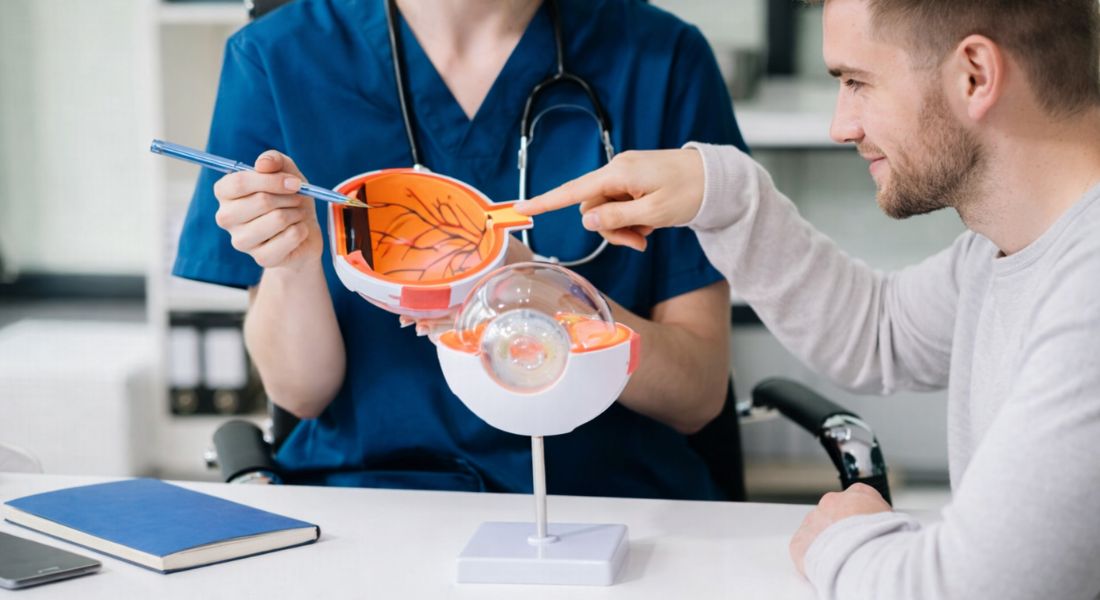
MIGS works by improving your eye’s natural drainage pathways so fluid can leave the eye more easily. Most procedures focus on the trabecular meshwork or nearby structures, where resistance to outflow commonly occurs. By enhancing this process, pressure inside the eye is reduced in a controlled way.
Some MIGS devices create new drainage channels, while others bypass areas where fluid flow is restricted. Although the techniques differ, the goal is the same: to make drainage more efficient and reliable. This leads to a steady reduction in eye pressure.
The pressure-lowering effect of MIGS is usually moderate rather than dramatic. It is not designed to achieve very large pressure reductions on its own. Its main strength lies in its improved safety profile and gentler approach to treatment.
Types of MIGS Procedures
Minimally Invasive Glaucoma Surgery (MIGS) includes a range of procedures designed to lower eye pressure by improving fluid drainage. Each type targets a specific outflow pathway, allowing treatment to be tailored to individual needs.
- Trabecular bypass procedures: These use tiny stents or devices to bypass resistance in the trabecular meshwork, helping fluid drain more easily through the eye’s natural pathway. They are commonly performed alongside cataract surgery.
- Canal-based devices: These procedures focus on opening or dilating Schlemm’s canal to enhance natural drainage. Some reshape existing structures without leaving a permanent implant in the eye.
- Suprachoroidal approaches: These create an alternative drainage route between the eye and surrounding tissues. They target a different pressure-lowering pathway and may be suitable in selected cases.
- Implant-based versus non-implant techniques: Some MIGS procedures involve permanent micro-implants, while others work by modifying the eye’s own drainage structures. The choice depends on eye anatomy, disease severity, and pressure targets.
No single MIGS procedure is right for everyone. Your specialist will recommend the most suitable option based on a detailed assessment and your individual treatment goals.
MIGS Combined With Cataract Surgery
MIGS is often performed at the same time as cataract surgery, which means you avoid an extra procedure and a separate recovery period. Combining treatments in one operation is a practical advantage for many patients. It simplifies care while maintaining a strong focus on safety.
Cataract surgery on its own can slightly lower eye pressure by improving fluid flow within the eye. When MIGS is added, this pressure-lowering effect is enhanced. The two procedures work together to support better pressure control.
Combined surgery is particularly helpful if you have mild to moderate glaucoma. It can reduce your reliance on daily eye drops and simplify long-term management. Many patients value this improvement in convenience and quality of life.
Who Is Most Suitable for MIGS
MIGS is most suitable if you have mild to moderate open-angle glaucoma. It is often considered when eye drops alone are not lowering pressure enough or are difficult for you to tolerate. Acting earlier in the disease course can make MIGS more effective.
If you have very advanced glaucoma, stronger pressure reduction is usually needed. In these cases, MIGS may not achieve low enough pressure targets on its own, and traditional surgery may be more appropriate.
Your suitability for MIGS depends on several factors, including your eye anatomy, stage of disease, and pressure goals. A thorough assessment helps ensure the procedure is used appropriately. Personalised planning improves safety and long-term outcomes.
MIGS Compared to Traditional Glaucoma Surgery
When comparing MIGS with traditional glaucoma surgery, the key difference lies in the balance between pressure reduction and safety. Each approach has a distinct role, depending on how advanced the glaucoma is and how much pressure lowering is required.
- Pressure-lowering effect: Traditional glaucoma surgery can reduce eye pressure more dramatically, which is often necessary in advanced disease. MIGS procedures provide more modest pressure reduction but do so with far less disruption to the eye.
- Safety and recovery: MIGS has a significantly lower risk of complications compared with traditional surgery. Vision typically recovers more quickly, discomfort is minimal, and recovery time is shorter.
- Patient experience and quality of life: Because MIGS is less invasive, it is often better tolerated. Patients can usually return to normal activities sooner, which improves overall experience.
The choice between MIGS and traditional surgery is not about which is better or worse. It is about matching the intensity of treatment to the severity and behaviour of the disease. Striking the right balance is essential for long-term vision protection.
Expected Pressure Reduction With MIGS
Minimally Invasive Glaucoma Surgery (MIGS) is designed to lower eye pressure safely while preserving normal eye structures. Understanding the typical level of pressure reduction helps set realistic expectations before treatment.
- Typical pressure-lowering range: MIGS procedures usually reduce intraocular pressure by around 15–30 per cent. The exact result varies from person to person and is strongly influenced by starting pressure levels.
- Meeting pressure targets: For some patients, this level of reduction is enough to reach their target eye pressure. For others, MIGS works best as an addition to existing treatments rather than a replacement.
- Reduced reliance on eye drops: While MIGS may not eliminate the need for medication entirely, it often reduces the number of drops required. This can make long-term glaucoma management easier and more comfortable.
MIGS is not a cure for glaucoma. It forms part of a long-term management strategy aimed at controlling pressure and protecting vision over time.
Benefits of MIGS for Patients
One of the biggest benefits of MIGS is its strong safety profile. Serious complications are uncommon, which makes it a reassuring option if you are considering treatment earlier in your glaucoma journey. This lower risk can make surgical intervention feel less daunting.
Recovery after MIGS is usually quick and straightforward. Most people return to normal daily activities within a few days, and vision often stabilises rapidly. This shorter recovery period reduces disruption to your routine.
Another important advantage is reduced reliance on eye drops. Needing fewer medications can improve comfort, consistency, and overall adherence to treatment. For many patients, this leads to a noticeable improvement in quality of life.
Risks and Limitations of MIGS
Although MIGS has a strong safety record, it is not completely risk-free. You may experience mild inflammation or temporary changes in eye pressure after the procedure. These effects are usually short-lived and managed easily with routine care.
The main limitation of MIGS is that the amount of pressure reduction is modest. If your glaucoma is advanced, MIGS alone may not lower pressure enough to meet your target. It is important that expectations match what the procedure can realistically achieve.
Not everyone responds to MIGS in the same way. Some patients experience significant benefit, while others notice only a small change. Regular follow-up remains essential to ensure your pressure stays under control.
What to Expect Before MIGS
Before undergoing Minimally Invasive Glaucoma Surgery (MIGS), your eyes are thoroughly assessed to ensure the procedure is appropriate for you. Careful preparation helps optimise safety and improve outcomes.
- Comprehensive eye examination: Eye pressure measurements, assessment of the drainage angles, and evaluation of optic nerve health are carried out. These checks confirm suitability and help guide the choice of procedure.
- Review of current medications: Your existing glaucoma treatments are carefully reviewed, and some medications may be adjusted before surgery. This planning helps reduce the risk of pressure fluctuations after the procedure.
- Clear explanation of the procedure: The surgical process, expected outcomes, and recovery are explained in detail. Understanding what to expect helps build confidence and ensures you feel well prepared.
Preparation for MIGS is usually straightforward. With careful assessment and clear communication, patients can approach treatment feeling informed and reassured.
What Happens During MIGS Surgery
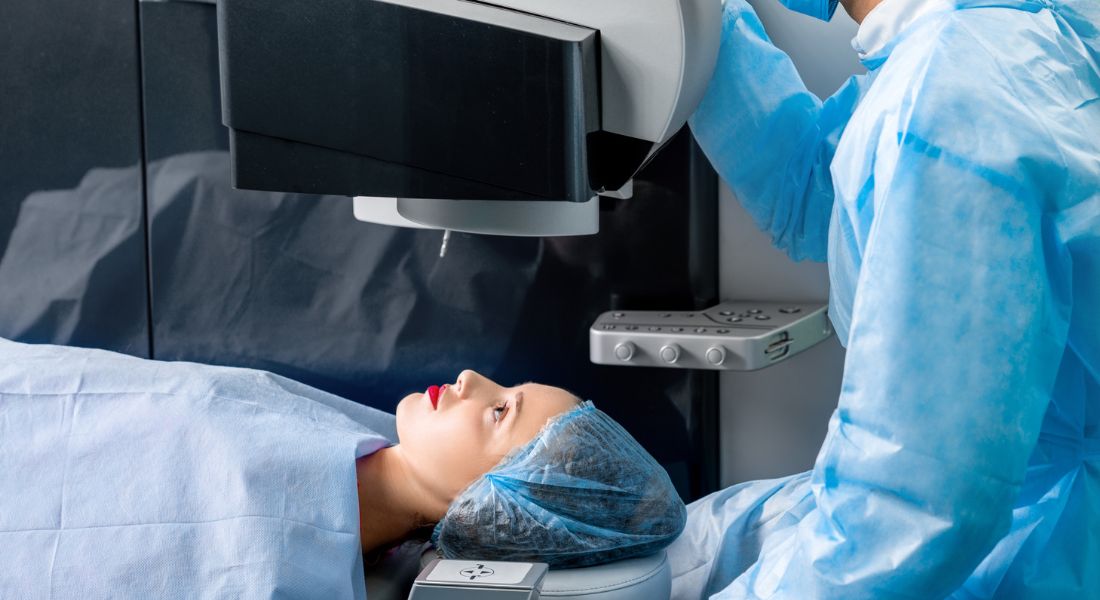
MIGS is usually performed under a local anaesthetic, so you remain awake and comfortable throughout the procedure. The experience is typically calm and well controlled, with minimal discomfort. You are able to go home the same day.
The surgeon uses tiny instruments or micro-devices inserted through very small incisions. These microscopic entry points allow precise work while minimising disruption to eye tissue. This gentle approach is central to MIGS safety.
Most MIGS procedures take only a few minutes to complete. When combined with cataract surgery, it adds very little extra time to the operation. This efficiency is one of the key advantages for patients.
Recovery After MIGS
Recovery following Minimally Invasive Glaucoma Surgery (MIGS) is usually smooth and predictable, reflecting the gentle nature of these procedures. Because MIGS causes minimal disruption to the eye’s natural structures, most patients experience a quicker and more comfortable recovery compared with traditional glaucoma surgery.
Understanding what to expect in the early days after treatment helps set realistic expectations and provides reassurance as healing begins.
- Early post-operative symptoms: Mild redness, slight blurred vision, or a gritty sensation can occur in the first few days. These symptoms typically settle quickly as the eye recovers.
- Medication and follow-up checks: Anti-inflammatory eye drops are prescribed for a short period to reduce irritation. Eye pressure is monitored during follow-up visits to confirm the procedure is working as intended.
- Return to normal activities: Most patients are able to resume normal daily routines within a few days. Restrictions are minimal, and healing is generally uncomplicated.
With routine monitoring and simple aftercare, recovery after MIGS is smooth for most patients. This allows pressure control to be achieved with minimal disruption to everyday life.
Long-Term Outcomes of MIGS
Your long-term results after MIGS depend on how your glaucoma progresses and how your eyes respond to the procedure. For many people, MIGS provides a sustained reduction in eye pressure that can last for several years. However, outcomes vary between individuals.
Some patients may need additional treatment over time. This could include returning to eye drops or, in some cases, undergoing further procedures. Importantly, having MIGS does not limit your future treatment options.
Regular monitoring remains essential after MIGS. Glaucoma is a long-term condition that requires ongoing care. Consistent follow-up helps protect your vision and ensures treatment stays effective.
When MIGS Is Not Recommended
MIGS is not suitable for every type of glaucoma. If you have angle-closure glaucoma, different treatment approaches are usually required because your eye anatomy limits access to the drainage system. This makes anatomy a key factor in decision-making.
If your glaucoma is very advanced, you may need a stronger pressure-lowering intervention. MIGS may not achieve the very low pressure targets required in these cases, and prioritising safety should not compromise effectiveness.
If MIGS is not appropriate for you, your specialist will explain alternative options. Treatment planning remains flexible and tailored to your individual needs. Your care is guided by what best protects your vision in the long term.
Making an Informed Decision About MIGS
Choosing MIGS means balancing safety, effectiveness, and realistic expectations for your eyes. When you understand both the benefits and the limitations, you are better placed to make a choice you feel comfortable with. Informed decisions tend to lead to greater confidence and satisfaction.
Asking questions helps clarify whether MIGS is suitable for you and how it fits into your overall care. Shared decision-making with your specialist ensures your concerns and priorities are fully considered. Your personal goals for vision and lifestyle genuinely matter.
MIGS is one option among several available treatments for glaucoma. There is no single “right” choice for everyone. Expert guidance helps bring clarity and supports you in choosing what is best for your individual situation.
FAQs:
- Is minimally invasive glaucoma surgery painful?
MIGS is generally not painful. The procedure is performed under local anaesthetic, so you should feel comfortable throughout. You may notice mild irritation or a gritty sensation afterwards, but this usually settles within a few days. - Will MIGS cure my glaucoma?
MIGS does not cure glaucoma. It helps lower eye pressure to slow or prevent further damage to your optic nerve. Glaucoma requires lifelong monitoring, even after surgery. - How long does MIGS surgery take?
Most MIGS procedures take only a few minutes. If it is combined with cataract surgery, it adds very little extra time. You will usually be in and out on the same day. - Can MIGS replace my glaucoma eye drops completely?
Some people are able to reduce or stop their drops after MIGS, but this is not guaranteed. The main goal is to lower pressure safely, and you may still need medication depending on your target pressure. - How soon will my vision recover after MIGS?
Vision usually recovers quickly after MIGS. You may notice some blur or light sensitivity for a short time, but most people find their vision stabilises within days, especially if MIGS is combined with cataract surgery. - Is MIGS safe compared to traditional glaucoma surgery?
MIGS has a much lower risk profile than traditional glaucoma surgery. Serious complications are uncommon, which is why MIGS is often considered earlier in the disease rather than as a last resort. - Who is not suitable for MIGS?
MIGS is usually not suitable if you have very advanced glaucoma or certain types such as angle-closure glaucoma. In these cases, stronger pressure-lowering procedures may be needed to protect your vision. - How long do the results of MIGS last?
Results can last for several years, but this varies from person to person. Glaucoma can progress over time, so you may need additional treatment in the future. MIGS does not prevent further options if needed. - Are there any long-term side effects of MIGS?
Long-term side effects are uncommon. Most issues, such as mild inflammation or pressure fluctuations, occur early and are manageable. Your specialist will continue to monitor your eye health over time. - Can MIGS be repeated if it stops working?
In some cases, further MIGS procedures or other treatments can be considered. If MIGS no longer provides enough pressure control, traditional surgery or additional therapies remain available.
Final Thought: Making the Right Choice for Your Glaucoma Care
Minimally invasive glaucoma surgery offers a safer, earlier intervention option for many people living with glaucoma. While it does not replace the need for long-term monitoring, MIGS can reduce eye pressure, lower reliance on drops, and improve comfort when used in the right patients. The key is matching the procedure to your stage of disease, eye anatomy, and pressure targets through careful assessment.
If you are exploring options for glaucoma treatment in London, a personalised consultation can help you understand whether MIGS fits into your long-term care plan. If you’d like to find out whether glaucoma treatment in London is suitable for you, feel free to contact us at Eye Clinic London to arrange a consultation.
References:
- Sayin, N., Alkin, Z., Ozkaya, A. et al. (2013) ‘Efficacy of selective laser trabeculoplasty in medically uncontrolled glaucoma’, ISRN Ophthalmology. https://pmc.ncbi.nlm.nih.gov/articles/PMC3914165/
- Yip, J.L.Y. and Foster, P.J. (2024) ‘Comparison of treatment outcomes of selective laser trabeculoplasty for primary open‑angle glaucoma and primary angle‑closure glaucoma’, Journal of Clinical Medicine, 10(13):2853, https://www.mdpi.com/2077-0383/10/13/2853
- Li, X., Wang, Y., Zhou, M. et al. (2015) ‘Systematic review and meta‑analysis on the efficacy of selective laser trabeculoplasty in open‑angle glaucoma’, Survey of Ophthalmology, 60(1), pp. 36–50. https://pubmed.ncbi.nlm.nih.gov/25113610/
- Tan, K.A., Wong, P.C., Azuara‑Blanco, A. and Chew, P.T.K. (2022) ‘Non‑contact laser therapy for glaucoma: a review of direct selective laser trabeculoplasty’, Journal of Clinical Medicine, 14(19):6884, https://www.mdpi.com/2077-0383/14/19/6884
- Guo, X. and Yang, J. (2025) ‘Long‑term efficacy and safety of selective laser trabeculoplasty in the management of primary open‑angle glaucoma: a systematic review and meta‑analysis’, Journal of Glaucoma, 34(1), pp. 12–25. https://pubmed.ncbi.nlm.nih.gov/40782877/