


Selective Laser Trabeculoplasty (SLT) for Glaucoma: How It Works and Who It’s For
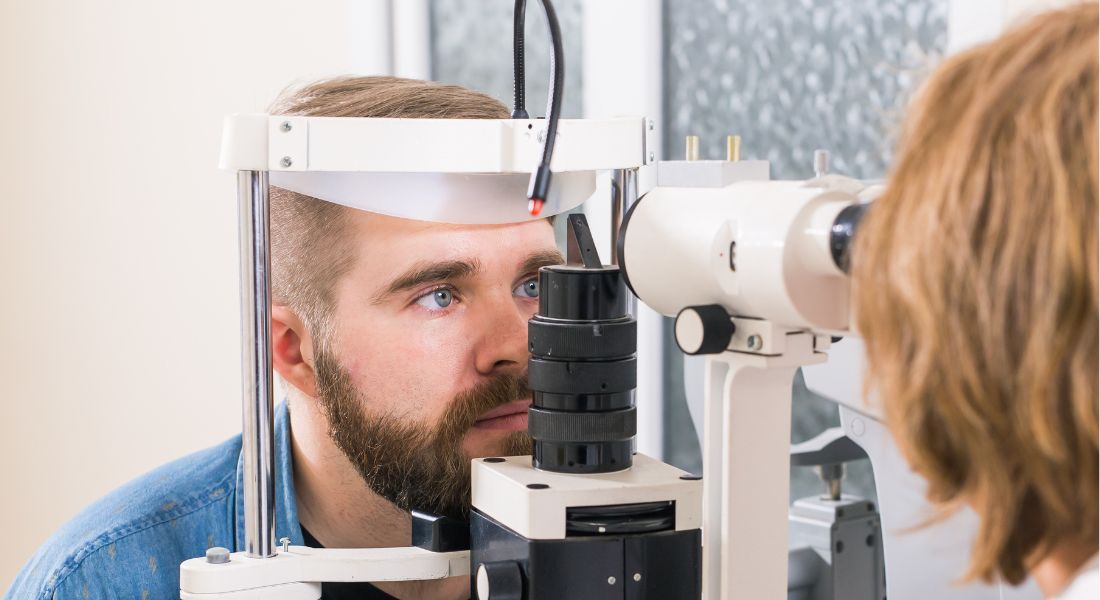
Selective Laser Trabeculoplasty, commonly known as SLT, has become an important treatment option for glaucoma. If you have been diagnosed with glaucoma, you may be offered SLT either as a first treatment or alongside eye drops. Understanding how it works can help you feel more confident about your options.
Glaucoma management focuses on lowering eye pressure to protect the optic nerve. Traditionally, this has been done with daily eye drops, but laser treatment now plays a larger role. SLT offers a way to reduce pressure without ongoing medication for some patients.
In this article, we explain how SLT works, who it is suitable for, and how effective it is compared to eye drops. We also describe what you can expect before, during, and after treatment. The aim is to give you clear, practical information.
What Is Selective Laser Trabeculoplasty?
Selective Laser Trabeculoplasty, or SLT, is a laser treatment that helps lower the pressure in your eyes if you have glaucoma. It works by targeting your eye’s trabecular meshwork the natural drainage system so fluid can leave your eye more efficiently.
The laser is very selective, focusing only on specific pigmented cells and avoiding unnecessary damage to surrounding tissue. This makes the procedure gentler on your eyes than older types of laser treatment.
SLT is done as an outpatient procedure, which means you won’t need any cuts or stitches. Most people can go home soon after treatment and get back to their normal activities fairly quickly.
How Eye Pressure Is Controlled in Glaucoma
Eye pressure rises when fluid doesn’t drain properly from your eye. In open-angle glaucoma, your eye’s natural drainage system becomes less efficient over time, causing pressure to build gradually. If this pressure isn’t managed, it can damage your optic nerve and affect your vision.
Lowering your eye pressure is key to slowing or stopping this damage. Treatments, including eye drops and laser procedures, work by either helping fluid leave your eye more easily or reducing how much fluid your eye produces. Controlling pressure is really the cornerstone of glaucoma care.
Selective Laser Trabeculoplasty (SLT) focuses on improving your eye’s natural drainage rather than blocking fluid production. By helping fluid flow more efficiently, it targets the cause of pressure build-up in a gentle, precise way.
This approach makes SLT particularly useful for certain types of glaucoma. It’s a treatment that works with your eye’s own systems, which can make managing your eye pressure simpler and less invasive.
How SLT Works at a Cellular Level
SLT uses short bursts of low-energy laser light that target the pigmented cells in your trabecular meshwork. The surrounding tissue is mostly unaffected, which makes the procedure much gentler on your eyes.
Rather than burning tissue, the laser stimulates a natural biological response. This response helps your eye’s drainage system work more efficiently, so over time fluid outflow improves and eye pressure drops.
Because the procedure causes minimal tissue damage, SLT can often be repeated if needed. This is a big advantage over older laser treatments, and it relies on your eye’s own natural healing processes.
Types of Glaucoma Suitable for SLT

SLT is most commonly used for open-angle glaucoma, including primary open-angle glaucoma and some secondary forms. It isn’t suitable for every type of glaucoma, so it’s important to know whether your condition qualifies.
If you have angle-closure glaucoma, other treatments are usually needed. Narrow drainage angles can make it difficult for the laser to reach the right cells, which is why SLT may not be effective in these cases.
Your specialist will carefully assess your eye anatomy and the type of glaucoma you have. Suitability depends on factors like the structure of your drainage angle and your target eye pressure, ensuring your treatment is personalised to you.
SLT as a First-Line Treatment Option
SLT is increasingly being offered as a first-line treatment for glaucoma. Research shows it can be just as effective as eye drops for many patients, which has changed the traditional approach to care.
Starting with SLT can reduce or delay the need for daily medication. This is especially appealing if you find eye drops difficult to use or experience side effects, making treatment more convenient for you.
However, not everyone will achieve enough pressure reduction with SLT alone. Some patients may still need eye drops later on, so first-line SLT is recommended based on your individual circumstances and needs.
SLT Compared to Glaucoma Eye Drops
Eye drops work by either reducing the production of fluid in your eye or helping it drain more easily. They need to be used every day, and missing doses can make them less effective, which can be frustrating if you struggle with adherence.
SLT, on the other hand, lowers eye pressure without the need for daily effort. Once the procedure is done, its effects can last for months or even years, freeing you from relying on a strict daily routine.
Research shows that SLT and eye drops often achieve similar pressure-lowering results for many patients. That said, everyone responds differently, and some people may find one approach works better for them than the other.
How Effective Is SLT in Lowering Eye Pressure?
Selective Laser Trabeculoplasty (SLT) is a widely used procedure to reduce intraocular pressure in glaucoma patients. Its effectiveness varies between individuals, but clinical data show consistent benefits for many people.
- Typical pressure reduction: SLT usually lowers eye pressure by around 20–30 per cent. The exact reduction depends on your starting pressure and how your eye responds, with higher baseline pressure often resulting in a greater decrease.
- Gradual onset of effect: Pressure lowering usually develops over several weeks rather than immediately. Regular follow-up appointments are essential to monitor response and ensure treatment is working as intended.
- Long-term effectiveness and repeatability: The benefits of SLT can last several years, though pressure may gradually rise again over time. If needed, the procedure can often be repeated safely to maintain control.
SLT provides a reliable, non-invasive way to manage eye pressure for many patients. With proper monitoring, it can be an effective part of a long-term glaucoma management plan.
Can SLT Replace Eye Drops Completely?
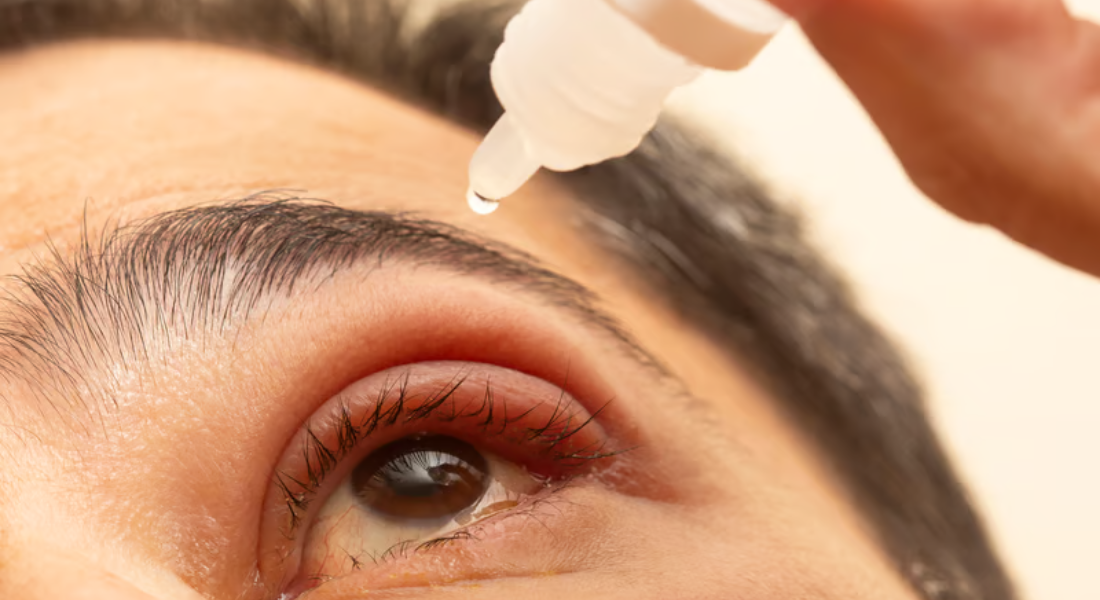
For some patients, SLT can reduce or even stop the need for eye drops, especially if you have early or moderate glaucoma. However, long-term results vary from person to person, so it’s not guaranteed for everyone.
Other patients may still need drops, but often at lower doses. SLT can work alongside your medication, and combination therapy is quite common, giving you flexibility in managing your eye pressure. The main goal is to keep your eye pressure under control, rather than stopping drops at any cost. Treatment plans are adjusted over time, so your care can evolve with your needs.
What to Expect Before SLT Treatment
Before undergoing Selective Laser Trabeculoplasty (SLT), your eyes are carefully assessed to ensure the procedure is appropriate for you. This thorough examination helps confirm suitability and allows the surgeon to plan treatment safely.
- Comprehensive eye assessment: Measurements of intraocular pressure, evaluation of the drainage angle, and examination of the optic nerve are performed. These checks confirm that SLT is likely to be effective and safe.
- Preparation with eye drops: You may be given drops to control pressure and adjust pupil size. The procedure is explained in detail so you know what to expect during and after treatment.
- No major lifestyle changes required: SLT does not usually require you to stop normal activities beforehand. The procedure is quick, performed without general anaesthetic, and preparation is generally straightforward.
With proper assessment and simple preparation, SLT is a safe and convenient treatment. Understanding what happens beforehand helps patients feel confident and ready for the procedure.
What Happens During the SLT Procedure
SLT is performed using a special contact lens placed on your eye, with the laser delivered through a microscope. The treatment usually only takes a few minutes per eye, so it’s quick and straightforward.
You may see flashes of light during the procedure, but most people feel little or no discomfort. Your specialist will guide you through each step, making the experience as comfortable as possible.
Both eyes can be treated on the same day or separately, depending on what your clinician thinks is best for you. The procedure is precise, controlled, and designed to fit easily into your day.
Recovery After SLT Treatment
After undergoing Selective Laser Trabeculoplasty (SLT), it is normal to experience a brief period of adjustment as your eyes respond to the procedure. Most patients notice only minor changes, and understanding what to expect can help you feel more confident during the recovery period.
The rest of your section with bullet points can follow from here.
- Temporary vision changes and mild discomfort: Vision may be slightly blurred for a short period, and mild eye redness or discomfort can occur. These effects typically settle within hours or a few days.
- Post-treatment medication and monitoring: Anti-inflammatory eye drops may be prescribed for a short time to reduce irritation. Eye pressure is checked soon after the procedure to ensure there are no unexpected increases.
- Quick return to normal activities: Most patients can resume their usual daily routines on the same day. There are generally no activity restrictions, making recovery straightforward.
With routine monitoring and simple post-treatment care, SLT recovery is generally smooth. Patients can expect minimal disruption while achieving long-term pressure control.
Possible Side Effects and Risks of SLT
SLT is considered very safe, and serious complications are rare. The most common side effect is mild inflammation, which usually goes away on its own. Most patients experience little to no discomfort during or after the procedure.
Some people may notice a temporary rise in eye pressure. This is usually short-lived and can be treated quickly if needed. Regular monitoring by your specialist helps keep your eyes safe and reduces any potential risks.
Long-term damage from SLT is uncommon. The laser’s selective approach targets only specific cells, protecting the surrounding tissue. This precision is one of the main reasons SLT is such a safe treatment option for you.
How Long Do SLT Results Last?
The pressure-lowering effect of SLT can last for several years, though it varies from person to person. Some patients continue to enjoy good control long term, so you may get lasting benefit from a single procedure.
Over time, the effect can gradually wear off, but this doesn’t mean the treatment has failed. It simply reflects natural changes in your eye’s drainage system as you age.
If your eye pressure rises again, repeat SLT may be considered. Not everyone responds the same way to repeat treatment, so your specialist will monitor your eyes and advise the best approach for you.
SLT and Long-Term Glaucoma Management

SLT is just one part of a broader approach to managing glaucoma. While it can help lower your eye pressure effectively, it doesn’t cure the condition. That’s why regular check-ups and monitoring remain essential to keep your eyes healthy and detect any changes early.
Your pressure targets may shift over time as your eyes change, and your treatment plan will adapt accordingly. SLT gives you flexibility by providing a long-lasting option that can complement other treatments. Knowing that you have choices can make managing glaucoma feel less overwhelming.
For the best long-term protection, care often combines laser treatments, medication, and sometimes surgery if needed. Every patient’s situation is different, so your specialist tailors a plan specifically for you. By incorporating SLT into this strategy, you expand the options available and maintain better control over your eye health.
Who Is Not Suitable for SLT?
SLT isn’t suitable for everyone. Certain types of glaucoma or advanced disease may need alternative treatments, and the structure of your eye can affect how well the laser works.
If your drainage angle is difficult to access, the laser may not be effective. Active eye inflammation can also mean treatment needs to be delayed, so careful assessment is essential to avoid inappropriate use. Your specialist will talk you through other options if SLT isn’t suitable for you. Other laser treatments or surgical approaches may be recommended, ensuring your care is safe and tailored to your needs.
Making an Informed Decision About SLT
Choosing SLT means understanding both its benefits and limitations. For many patients, it provides effective pressure reduction without the need for daily medication, but results aren’t guaranteed for everyone.
Asking questions and discussing your expectations with your specialist helps you see how SLT fits into your long-term glaucoma care. Being involved in shared decision-making can give you greater confidence in your treatment plan.
Making informed choices supports better outcomes for your eyes. SLT is just one of several tools available, and the right option depends on your individual situation, needs, and preferences.
FAQs:
- What exactly is SLT and how does it help with glaucoma?
SLT, or Selective Laser Trabeculoplasty, is a laser procedure that targets specific pigmented cells in your eye’s trabecular meshwork, the natural drainage system. By stimulating a biological response rather than damaging tissue outright, SLT helps improve fluid drainage from the eye, lowering intraocular pressure and reducing the risk of optic nerve damage associated with glaucoma. - Who is a suitable candidate for SLT?
SLT is most commonly recommended for people with open‑angle glaucoma, including primary open‑angle glaucoma and some secondary open‑angle forms. Your specialist will assess your eye anatomy, particularly the drainage angle, to determine if SLT is appropriate; other types of glaucoma, such as angle‑closure glaucoma, usually require different treatment. - Can SLT be used instead of glaucoma eye drops?
Yes, SLT is increasingly offered as a first‑line treatment for glaucoma, and many patients find that it reduces or delays their need for daily eye drops. However, it does not work for everyone, and some people still need to use drops afterwards or in combination with SLT to achieve their target pressure. - How effective is SLT in lowering eye pressure?
SLT typically lowers eye pressure by around 20–30 per cent, though the exact reduction varies between individuals and depends on your baseline pressure. The effect usually takes a few weeks to develop and can last several years, which is why regular follow‑up is essential to monitor how your pressure responds over time. - Is age a factor in determining who can have SLT?
Age on its own is not usually a barrier to SLT, but your overall eye health, glaucoma stage and how well your drainage angle can be accessed by the laser are more important considerations. Your clinician will evaluate all these factors rather than basing suitability solely on age. - What should you expect during the SLT procedure?
SLT is a quick outpatient treatment carried out using a special contact lens placed on your eye while you are seated. You may see flashes of light during the procedure, but it is generally painless and takes only a few minutes per eye. Depending on your condition, both eyes may be treated on the same day or on separate occasions. - Are there any side effects you should be aware of with SLT?
SLT is considered very safe, and most side effects are mild and temporary, such as slight redness, blurred vision or mild discomfort. A temporary rise in eye pressure can occur but is usually managed promptly. Long‑term damage from SLT is uncommon due to its selective action on target cells. - How long does it take to recover after SLT?
Recovery from SLT is typically straightforward, with many patients returning to normal activities on the same day. Mild discomfort or blurred vision may occur initially, but these effects usually settle within hours or a few days. Your specialist will check your pressure and eye health in follow‑up appointments. - Can SLT be repeated if eye pressure rises again?
Yes, one of SLT’s advantages is that it can often be repeated if your eye pressure begins to rise again after the effect wears off. However, not everyone responds equally to repeat treatments, and decisions about re‑treatment are made based on ongoing monitoring and your individual response. - Does SLT cure glaucoma?
No, SLT does not cure glaucoma, but it is an important part of long‑term management designed to protect your optic nerve by controlling eye pressure. Glaucoma requires lifelong monitoring and may involve a combination of laser treatment, medication and surgery depending on how your condition progresses.
Final Thought: Why SLT Matters in Modern Glaucoma Care
Selective Laser Trabeculoplasty has become a valuable option in managing glaucoma because it provides an effective way to lower eye pressure without the need for daily medication in many patients. Its safety, repeatability, and minimally invasive nature make it particularly appealing, especially for those who struggle with eye drops or want to reduce their reliance on them.
Understanding SLT’s role helps you see how it fits into the broader context of glaucoma management. It is not a cure, but it is a tool that works alongside other strategies to protect your optic nerve and preserve vision over the long term. Modern techniques, careful patient assessment, and follow-up monitoring all contribute to predictable and safe outcomes. If you’re exploring whether glaucoma treatment in London could benefit you, get in touch with us at Eye Clinic London to schedule your consultation.
References:
- Guo, X. and Yang, J. (2025) ‘Long‑term efficacy and safety of selective laser trabeculoplasty in the management of primary open‑angle glaucoma: a systematic review and meta‑analysis’, Journal of Glaucoma, 34(1), pp. 12–25. https://pubmed.ncbi.nlm.nih.gov/40782877/
- Li, X., Wang, Y., Zhou, M. et al. (2015) ‘Systematic review and meta‑analysis on the efficacy of selective laser trabeculoplasty in open‑angle glaucoma’, Survey of Ophthalmology, 60(1), pp. 36–50. https://pubmed.ncbi.nlm.nih.gov/25113610/
- Sayin, N., Alkin, Z., Ozkaya, A. et al. (2013) ‘Efficacy of selective laser trabeculoplasty in medically uncontrolled glaucoma’, ISRN Ophthalmology. https://pmc.ncbi.nlm.nih.gov/articles/PMC3914165/
- Yip, J.L.Y. and Foster, P.J. (2024) ‘Comparison of treatment outcomes of selective laser trabeculoplasty for primary open‑angle glaucoma and primary angle‑closure glaucoma’, Journal of Clinical Medicine, 10(13):2853, https://www.mdpi.com/2077-0383/10/13/2853
- Tan, K.A., Wong, P.C., Azuara‑Blanco, A. and Chew, P.T.K. (2022) ‘Non‑contact laser therapy for glaucoma: a review of direct selective laser trabeculoplasty’, Journal of Clinical Medicine, 14(19):6884, https://www.mdpi.com/2077-0383/14/19/6884