


Sudden Increase in Eye Floaters: When It’s an Emergency and When It’s Not

Seeing eye floaters can be unsettling, especially when they appear suddenly or increase quickly. You may notice dark specks, cobwebs, or thread-like shapes drifting across your vision. When this happens unexpectedly, it is natural to worry about whether something serious is going on.
Eye floaters are common and often harmless, particularly as you get older. However, a sudden increase in floaters can sometimes signal a problem inside the eye. Knowing when floaters are normal and when they require urgent attention is essential.
In this article, we explain what causes a sudden onset of floaters, which warning signs should never be ignored, and when monitoring alone may be appropriate. Our aim is to help you recognise when reassurance is enough and when immediate eye assessment is necessary. Clear understanding can reduce anxiety while protecting your sight.
What Eye Floaters Actually Are
Eye floaters are tiny clumps or strands within the vitreous gel that fills the inside of the eye. This gel is normally clear, but with time it can become more liquid and develop microscopic fibres. These fibres cast shadows on the retina, which you perceive as floaters.
Floaters often move when you move your eyes and drift away when you try to focus on them. They are most noticeable against bright backgrounds such as white walls or the sky. For many people, floaters become less noticeable as the brain adapts.
In most cases, floaters are a normal part of ageing. However, changes in their number, size, or pattern can be significant. This is why sudden increases deserve attention.
Why Floaters Can Appear Suddenly
A sudden increase in floaters is often linked to changes in the vitreous gel inside your eye. As you get older, this gel naturally shrinks and can pull away from the retina a process known as posterior vitreous detachment. When this happens, the change can feel quite sudden.
As the vitreous shifts, existing fibres can clump together or drift into your line of sight. This can make it seem as though lots of new floaters have appeared all at once. While this can be unsettling, it’s often harmless.
That said, the same pulling force can sometimes affect the retina itself. This is why you should never ignore a sudden onset of floaters without having your eyes checked. Telling the difference between normal age-related changes and something more serious requires a proper examination.
Posterior Vitreous Detachment and Floaters
Posterior vitreous detachment (PVD) is one of the most common reasons you might suddenly notice floaters. It’s a natural age-related change inside the eye and usually happens after the age of 50, although it can occur earlier if you are short-sighted. The process itself is usually painless, which is why the symptoms can catch you off guard.
- You may notice a sudden increase in floaters: As the vitreous gel begins to pull away from the retina, you might see new floaters that look like dots, threads, or cobwebs drifting across your vision. This often feels sudden, even though the change has been happening gradually.
- You might experience flashes of light: Some people notice brief flashes, especially in their side vision or in low-light conditions. These flashes happen because the vitreous briefly tugs on the retina as it separates.
- It often settles on its own, but still needs checking: In many cases, PVD does not cause lasting harm. Once the vitreous has fully separated, the symptoms usually stabilise or become less noticeable over time.
Even though posterior vitreous detachment is usually harmless, it’s important that you have your eyes checked early. An examination can rule out more serious problems, such as a retinal tear or detachment, which can cause similar symptoms. Getting reassurance early helps protect both your vision and your peace of mind.
When Floaters Can Signal a Retinal Tear

In some cases, a sudden onset of floaters can be a sign of a retinal tear. This occurs when the vitreous pulls strongly enough to create a small break in the retina. Retinal tears are taken seriously because, if left untreated, they can progress to a retinal detachment.
You may notice these floaters as a sudden burst or cloud of dark spots, often alongside flashes of light. Your vision might still seem relatively clear at first, which can be misleading and delay concern.
Because of this risk, retinal tears need urgent assessment. Early treatment, often with laser therapy, can prevent the problem from progressing and help protect your vision.
Retinal Detachment and Emergency Symptoms
Retinal detachment is a medical emergency that needs immediate attention. It happens when the retina pulls away from the tissue that supplies it with oxygen and nutrients, putting your sight at risk. Sudden floaters can sometimes be an early warning sign.
- You may notice a shadow or curtain in your vision: Alongside floaters, you might see a dark area, shadow, or curtain-like effect moving across your vision. This often starts at the edges and slowly spreads towards the centre.
- Your vision can deteriorate quickly: Vision loss may progress over hours or days rather than weeks. The longer the retina remains detached, the higher the risk of permanent damage.
- This requires urgent assessment: Retinal detachment does not improve on its own and should never be ignored. Prompt examination and treatment give you the best chance of preserving your sight.
If you experience any of these symptoms, you should seek urgent eye care straight away. Delaying assessment can significantly increase the risk of permanent vision loss. Early treatment can make the difference between saving and losing vision.
Flashes of Light and What They Mean
You might notice flashes of light appearing alongside sudden floaters. People often describe them as brief sparks or streaks in their side vision. These flashes happen when the retina is mechanically stimulated, usually by the shifting vitreous gel.
Flashes are quite common during a vitreous detachment and may settle on their own over time. In many cases, they’re harmless and part of the normal ageing process of the eye.
However, if the flashes persist or seem to get worse, this can be a sign that the retina is under ongoing traction. That’s when there’s a higher risk of a retinal tear, and it shouldn’t be ignored.
If you notice flashes along with a sudden increase in floaters, it’s important to get your eyes checked promptly. Even if your vision still seems normal, there could be changes behind the scenes, and early assessment is the safest approach.
Floaters After Eye Trauma
You might notice flashes of light appearing alongside sudden floaters. People often describe them as brief sparks or streaks in their side vision. These flashes happen when the retina is mechanically stimulated, usually by the shifting vitreous gel.
Flashes are quite common during a vitreous detachment and may settle on their own over time. In many cases, they’re harmless and part of the normal ageing process of the eye.
However, if the flashes persist or seem to get worse, this can be a sign that the retina is under ongoing traction. That’s when there’s a higher risk of a retinal tear, and it shouldn’t be ignored.
If you notice flashes along with a sudden increase in floaters, it’s important to get your eyes checked promptly. Even if your vision still seems normal, there could be changes behind the scenes, and early assessment is the safest approach.
Inflammation and Floaters
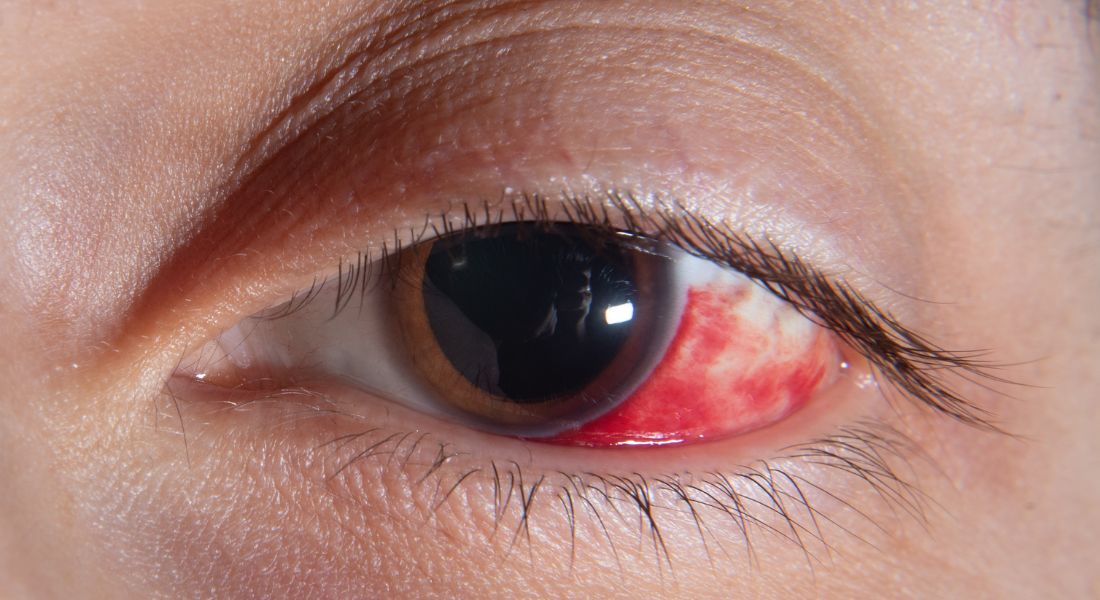
Inflammation inside your eye can sometimes cause floaters. This condition, called uveitis, occurs when inflammatory cells float in the vitreous. You might notice these floaters suddenly, and they can be accompanied by discomfort.
Inflammatory floaters often look different from the age-related ones you might be used to. They can appear more like hazy clouds rather than distinct dots, and your vision may feel blurred at the same time.
Because inflammation can affect your eye health, it always requires medical attention. A specialist can help identify the underlying cause and guide the right treatment.
If left untreated, persistent inflammation can cause long-term damage to your vision. Getting it checked early helps protect your eyes and maintain clear sight.
Bleeding Inside the Eye
A sudden increase in floaters can sometimes be caused by bleeding inside your eye, known as vitreous haemorrhage. You might notice dark spots, hazy clouds, or even a reddish tint, and your vision could be noticeably affected.
This type of bleeding can result from conditions like diabetic eye disease, retinal tears, or trauma. Because the bleeding can obscure the retina, it’s important to have it checked promptly. Identifying the underlying cause is crucial.
Vitreous haemorrhage isn’t always an emergency, but you shouldn’t delay getting it assessed. Early evaluation helps determine the best approach and reduces the risk of complications.
Treatment depends on what’s causing the bleeding and how severe it is. In most cases, simply waiting and monitoring isn’t enough, so a specialist will guide you on the next steps to protect your vision.
When Floaters Are Usually Not an Emergency
Not all sudden floaters are a sign of something serious. If you notice floaters without flashes, loss of vision, or shadows, they are often harmless. Age-related changes in the vitreous gel are very common.
If your floaters stay stable and gradually become less noticeable, simply monitoring them may be enough. Many people find they adapt over time as the brain learns to ignore them. After a thorough examination, reassurance is often possible.
It’s important to remember, though, that this reassurance should only come after a proper eye check. You can’t reliably self-diagnose, even if your symptoms seem mild.
Having a professional assessment gives you clarity and peace of mind, ensuring that any serious issues are spotted early and your eyes stay safe.
Why Monitoring Alone Can Sometimes Be Appropriate
Once serious causes are ruled out, monitoring is often recommended. Floaters may persist but usually become less bothersome. The eye does not always need active treatment.
Monitoring includes being aware of changes in symptoms. Any increase in floaters, new flashes, or vision loss should prompt reassessment. Clear guidance helps you feel confident.
This approach balances safety with practicality. It avoids unnecessary intervention while protecting vision. Education is key to successful monitoring.
Can Floaters Go Away on Their Own?
Floaters don’t usually disappear completely, but in many cases, they become less noticeable over time. They may settle below your line of sight, and your brain often adapts so that you’re less aware of them.
Some people notice improvement within a few months, while others continue to see floaters but find them much less distracting. Everyone’s experience can be a little different.
Understanding this natural course can help you manage your expectations. Knowing that improvement is common even without treatment can be reassuring. Being patient often pays off. With time, many people find that floaters bother them far less than they did initially.
When Treatment for Floaters Is Considered
Treatment for floaters is usually only considered when they start to affect your quality of life, and once any serious causes have been ruled out. For most people, treatment isn’t the first step.
The options available depend on the type of floaters you have and how severe they are. You and your specialist will need to weigh the potential benefits against the risks, which is why conservative management is preferred whenever possible.
Talking things through with a specialist can help you make an informed decision about what’s right for you. Everyone’s situation is different, so there’s no one-size-fits-all approach.
Your care should always be personalised. By taking your individual needs and lifestyle into account, your specialist can guide you safely through the options.
Importance of Early Eye Assessment
Early assessment is the most important step when floaters appear suddenly. It allows serious conditions to be identified or excluded. Timely evaluation protects vision.
Waiting to see if symptoms improve can be risky. Some retinal problems worsen silently. Early care prevents complications.
If you are unsure, it is always safer to seek assessment. Reassurance is valuable, but only after examination. Vision is too important to risk.
How Eye Specialists Assess Sudden Floaters

If you notice a sudden increase in floaters, an eye specialist will start with a detailed examination. This usually involves dilating your pupils so the retina can be carefully inspected. Special lenses or imaging may also be used to get a clear view.
The main goal is to check for anything serious, like retinal tears, detachment, or bleeding. Your vitreous and any other changes in the eye are also assessed. The findings help guide what should happen next.
The examination is painless, though thorough, and it gives both you and your specialist a clear picture of what’s going on. Getting an accurate diagnosis ensures that you receive the right care and that any potential problems are addressed promptly, keeping your vision as safe as possible.
Living With Floaters After Assessment
Once serious causes are ruled out, learning to live with floaters becomes the focus. Most people adapt well with time. Anxiety often reduces once safety is confirmed.
Understanding your symptoms helps you feel more in control. Knowing what changes matter allows confident monitoring. Education empowers you.
Support from your eye care team remains important. Follow-up ensures ongoing safety. Long-term reassurance comes from knowledge.
FAQs:
- Are eye floaters always a sign of something serious?
Eye floaters are very common and, in many cases, harmless. Most floaters develop due to normal age-related changes in the vitreous gel inside the eye and do not threaten vision. However, while many floaters are benign, a sudden increase should never be ignored without proper assessment. The key factor is not just the presence of floaters, but how quickly they appear and whether they are associated with other symptoms such as flashes or vision changes. - What does a “sudden increase” in floaters actually mean?
A sudden increase usually refers to noticing many new floaters over a short period of time, often hours or days, rather than a slow change over months or years. This can feel alarming because the visual disturbance is obvious and unexpected. Even if vision remains clear, a rapid change suggests something has altered inside the eye and should be checked to rule out retinal involvement. - Can stress or fatigue cause eye floaters to appear suddenly?
Stress and fatigue do not directly cause new floaters to form inside the eye. However, they can make you more aware of existing floaters, particularly when you are tired or focusing on bright screens or backgrounds. If floaters truly appear suddenly and in large numbers, this is unlikely to be explained by stress alone and should be assessed medically. - If my vision is still clear, should I still worry about new floaters?
Yes, clear vision does not always mean there is no underlying problem. Retinal tears can initially occur without noticeable vision loss, which is why relying on clarity alone can be misleading. New floaters, especially if they appear suddenly, can be an early warning sign, and prompt examination helps ensure nothing serious is developing beneath the surface. - How quickly should I get my eyes checked after noticing sudden floaters?
Ideally, sudden floaters should be assessed as soon as possible, particularly if they are accompanied by flashes of light or any shadow in the vision. Same-day or urgent assessment is recommended in higher-risk situations. Early examination allows problems such as retinal tears to be treated before they progress and helps provide reassurance when no serious issue is found. - Can eye floaters be linked to digital screen use?
Digital screen use does not cause floaters, but it can make them more noticeable. Bright screens, white backgrounds, and prolonged focus can draw attention to floaters that were already present. If floaters seem more obvious during screen use but do not increase in number, this is usually not concerning. A true sudden onset, however, should still be evaluated. - Do eye floaters mean I will eventually lose my vision?
Most people with floaters do not lose their vision, and many continue to see perfectly well for life. Floaters themselves are usually harmless, but the conditions that sometimes cause sudden floaters can threaten vision if untreated. This is why the focus is on early assessment rather than assuming the worst. With timely care, serious outcomes are often preventable. - Are eye floaters more common if you are short-sighted?
Yes, people who are short-sighted are more likely to experience floaters and vitreous changes at a younger age. The shape of the eye in myopia increases stress on the vitreous and retina, making posterior vitreous detachment more likely. This does not mean serious problems will occur, but it does mean sudden symptoms should be taken particularly seriously. - Can eye floaters come back after being checked and cleared?
Yes, floaters can change over time even after a reassuring examination. New floaters may appear as the vitreous continues to age and shift. What matters is recognising when symptoms change again, such as a new surge in floaters, flashes, or vision loss. Clear advice from your eye specialist helps you know when to return for reassessment. - What should I do if I am unsure whether my floaters are urgent?
If you are uncertain, it is always safer to seek professional eye assessment rather than waiting. Many people delay because they do not want to overreact, but early checks often provide reassurance and protect vision. When it comes to sudden changes in your sight, caution is appropriate, and prompt evaluation is the best way to look after your eyes.
Final Thought: Knowing When to Act Can Protect Your Sight
A sudden increase in eye floaters can be worrying, but not every case signals an emergency. The key is recognising when symptoms fall outside what is normal for you and seeking assessment early rather than trying to second-guess the cause. Sudden floaters, flashes of light, shadows in your vision, or any recent eye trauma should always prompt a professional eye examination. Early assessment allows serious conditions to be ruled out or treated promptly, offering both protection for your sight and reassurance for your peace of mind.
If floaters are affecting your quality of life and serious causes have been excluded, it may be helpful to explore whether specialist floaters treatment in London could be appropriate for you. If you’d like to find out whether floaters treatment in London is suitable for you, feel free to contact us at Eye Clinic London to arrange a consultation.
References:
- Rodriguez-Vidal, C., Alday, N.M., Blanco Teijeiro, M.J. and Bande, M. (2025) ‘Ultrasound-based assessment of posterior vitreous detachment in healthy eyes: Clinical and biometric factors associated with more advanced PVD’, Journal of Clinical Medicine, 14(23), p. 8587. Available at: https://www.mdpi.com/2077-0383/11/19/5502
- Garcia-Aguirre, G., Henaine-Berra, A. and Salcedo-Villanueva, G. (2022) ‘Visualization and grading of vitreous floaters using dynamic ultra-widefield infrared confocal scanning laser ophthalmoscopy: A pilot study’, Journal of Clinical Medicine, 11(19), p. 5502. Available at: https://www.mdpi.com/2077-0383/11/19/5502
- Hollands, H., Johnson, D., Brox, A.C., Almeida, D., Simel, D.L. and Sharma, S. (2009) ‘Acute-onset floaters and flashes: is this patient at risk for retinal detachment?’, JAMA, 302(20), pp. 2243–2249. Available at: https://pubmed.ncbi.nlm.nih.gov/30632695/
- Lynch, A. and Xu, L. (1999) ‘Predictive value of floaters in the diagnosis of posterior vitreous detachment’, British Journal of Ophthalmology, 83(8), pp. 933–935. Available at: https://pubmed.ncbi.nlm.nih.gov/9437329/
- Milston, R.M. and Sebag, J. (2016) ‘Vitreous floaters: Etiology, diagnostics, and management’, Survey of Ophthalmology, 61, pp. 211–227. Available at: https://www.sciencedirect.com/science/article/abs/pii/S003962571530014X