


LASIK Eye Surgery for Patients With Migraines

Migraines are neurological events rather than eye diseases. Although visual symptoms are common, they do not usually originate from the eyes themselves. This distinction is important when assessing eligibility for LASIK.
In this article, we explain how migraines are evaluated during LASIK assessment. We also explore whether LASIK affects migraine frequency and what you should realistically consider before treatment. Our aim is to help you make an informed and confident decision.
Understanding Migraines and Visual Symptoms
Migraines are complex neurological conditions involving changes in brain activity. Many people experience visual symptoms such as flashing lights, zigzag patterns, or temporary blind spots. These symptoms are known as visual aura.
Visual aura originates from the visual cortex in the brain rather than the eye. This means the eye itself is usually structurally healthy. LASIK, which works on the cornea, does not interact with these neurological pathways.
Because visual symptoms can feel eye-related, they often cause confusion. Proper assessment helps separate migraine symptoms from genuine eye conditions. This clarity is essential before considering surgery.
How Migraines Differ From Eye Conditions
Eye conditions such as dry eye, corneal irregularities, or refractive errors originate within the eye. Migraines originate in the nervous system and affect visual perception. This difference underpins LASIK decision-making.
LASIK corrects refractive errors like short-sightedness, long-sightedness, and astigmatism. It does not treat neurological causes of visual disturbance. Understanding this prevents unrealistic expectations.
If your visual symptoms occur only during migraine episodes, they are unlikely to be caused by your eyes. This means LASIK suitability depends on eye health rather than migraine diagnosis alone. Individual assessment remains key.
Does Having Migraines Exclude You From LASIK?
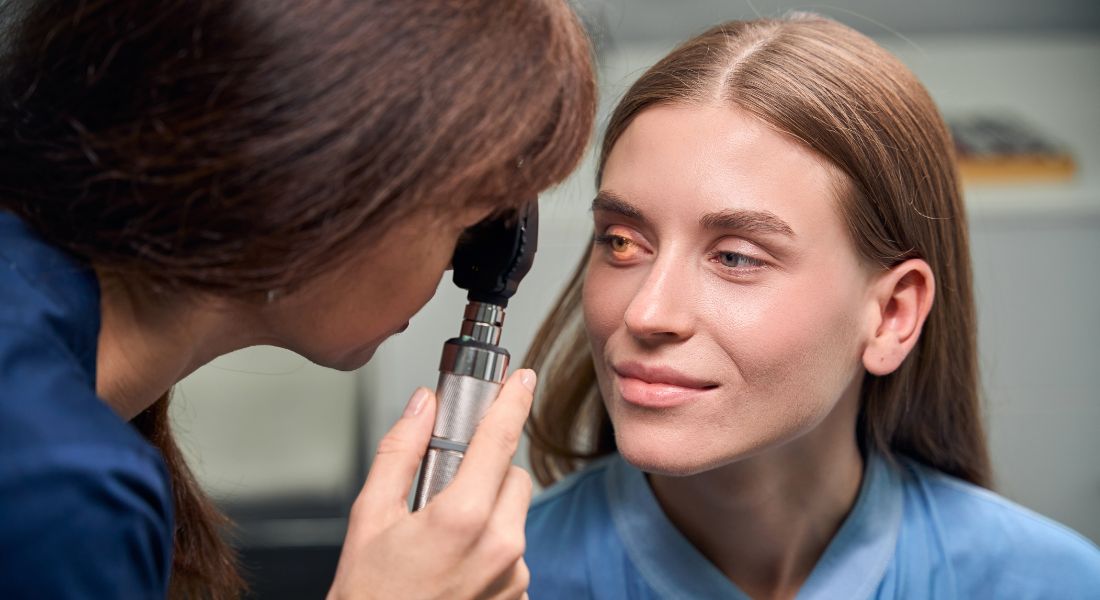
Migraines alone do not exclude you from LASIK eye surgery. Many patients with migraines successfully undergo LASIK without complication. The presence of migraines simply means assessment needs to be thorough.
The focus is on ensuring your eyes are healthy and stable. Corneal shape, tear film quality, and retinal health are evaluated carefully. Migraines do not usually affect these structures.
LASIK decisions are based on eye findings rather than headache history. When the eyes are suitable, migraines rarely pose a barrier. Personalised screening ensures safety.
Light Sensitivity and LASIK Considerations
Light sensitivity is common during migraine attacks. This can raise concern about laser procedures, which involve bright lights. Understanding timing and triggers is important.
LASIK itself does not increase long-term light sensitivity. Temporary sensitivity may occur during early healing, but this typically resolves. This effect is unrelated to migraines.
If you already experience significant light sensitivity outside migraine episodes, this is assessed carefully. Identifying the cause ensures symptoms are not misattributed. Accurate evaluation supports appropriate decision-making.
Can LASIK Trigger Migraines?
If you suffer from migraines, it’s natural to wonder whether LASIK could make them worse. The reassuring news is that LASIK does not cause migraines or increase their frequency. The procedure only reshapes your cornea and does not affect brain activity or the neurological mechanisms behind migraines.
Key points to consider:
- LASIK works on the eye, not the brain: The surgery does not interfere with the pathways that trigger migraines. Your neurological patterns remain unchanged.
- Temporary discomfort is normal, but short-lived: Some patients notice mild eye strain or headaches immediately after surgery due to recovery and temporary dryness. Proper pain management helps you stay comfortable during this brief period.
- Most patients see no change in migraine patterns: In follow-ups, the majority report that their migraines remain the same. Some even experience less eye strain, which can improve overall comfort.
- Individual experiences vary: While risk is very low, everyone’s body responds differently. Discuss your migraine history with your surgeon so they can advise on tailored precautions if needed.
You can approach LASIK confidently knowing that, for most people, it does not affect migraines. Careful preparation, pain management, and follow-up support a smooth recovery and minimise temporary discomfort.
Eye Strain, Vision Correction, and Migraines
Uncorrected refractive errors can contribute to eye strain. In some people, eye strain may worsen headache symptoms. Correcting vision can reduce this trigger.
LASIK improves visual clarity without glasses or contact lenses. This may reduce daily eye strain, especially during screen use. Reduced strain can feel beneficial for some migraine sufferers.
However, LASIK is not a migraine treatment. Any improvement in headache frequency is indirect. Expectations should remain realistic and focused on vision correction.
Dry Eye and Migraine Overlap
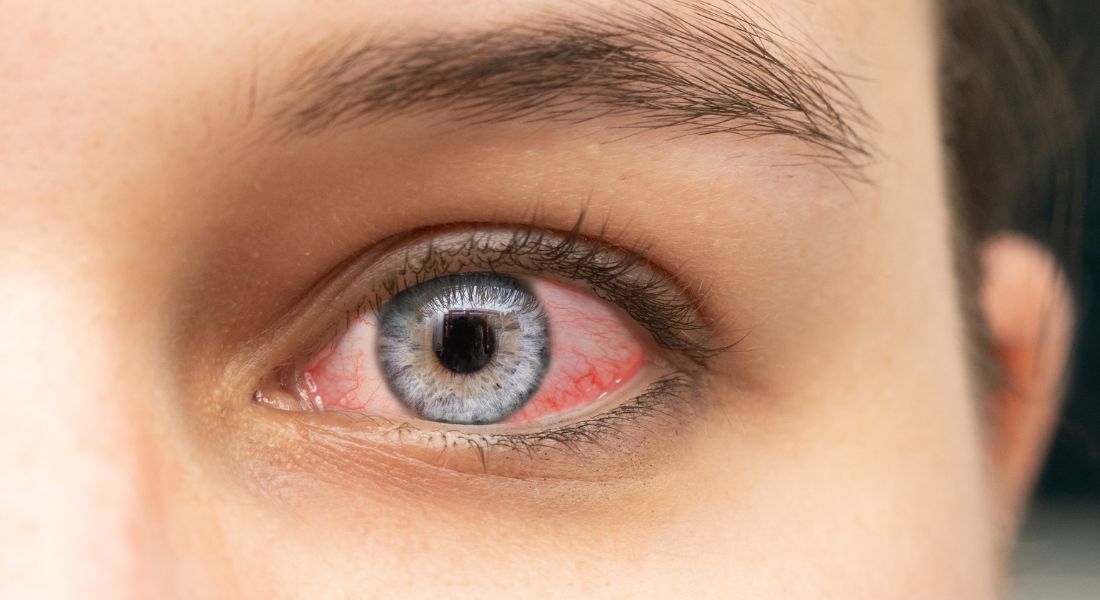
Dry eye can cause discomfort, burning, and sensitivity to light. If you also experience migraines, these symptoms can overlap, making it harder to pinpoint the cause. Distinguishing between the two is important for your comfort and treatment plan.
LASIK temporarily affects tear production as your eyes heal. If you already have dry eye, your surgeon will assess it carefully, especially if you have a history of migraines. Treating dryness before surgery helps you feel more comfortable during recovery.
While dry eye doesn’t cause migraines, the discomfort can worsen your symptoms. Managing your ocular surface reduces the chance of flare-ups after surgery.
Screening and pre-treatment ensure your eyes are in the best possible condition. By addressing dryness early, you can avoid unnecessary overlap of symptoms and enjoy a smoother post-operative experience.
Pre-Operative Assessment for Migraine Patients
Your pre-operative assessment focuses on your eye health, not just your headache history. Corneal scans, tear tests, and a retinal examination are performed to ensure your eyes are suitable for surgery. These checks help your surgeon plan safely and effectively.
If you have a history of migraines, this prompts discussion rather than automatic exclusion. Surgery timing can be adjusted to avoid periods when your migraines are active. This helps prioritise both comfort and predictable outcomes.
Communication during your assessment is essential. Sharing details about your migraine triggers allows your surgeon to tailor the plan to your needs.
Individualised care ensures your surgery is as safe and smooth as possible. By giving your surgeon the full picture, you improve both confidence and recovery experience.
Healing After LASIK and Migraine Considerations
Healing after LASIK usually involves temporary dryness and mild discomfort. These symptoms are generally short-lived and don’t typically trigger migraines. Knowing what to expect can help you feel more at ease.
Your post-operative care will focus on keeping your eyes lubricated and attending follow-up visits. Managing comfort early reduces stress during recovery. A calm environment supports smoother healing.
If you’re prone to migraines, planning for rest and staying hydrated after surgery makes sense. These steps help support your overall wellbeing and comfort.
When your eyes are healthy and care is managed carefully, healing remains predictable. By taking small precautions, you can recover smoothly without letting migraines interfere.
Visual Phenomena After LASIK
After LASIK, you might notice halos or glare during the early stages of healing. These visual changes are common and usually temporary. They aren’t connected to migraine aura, so there’s no cause for alarm.
These effects happen as your cornea stabilises and your vision adjusts. Over the course of weeks to months, they gradually improve. Knowing this ahead of time can help you stay calm during recovery.
Migraine aura feels different from the visual changes you might notice after LASIK. The patterns, duration, and triggers are not the same. Understanding this distinction is important for your peace of mind.
By being informed, you can distinguish between normal post-surgery phenomena and migraine symptoms. Clear explanation reduces anxiety and helps you focus on your recovery.
Long-Term Visual Stability and Migraines
After LASIK, your long-term visual outcomes are generally stable. Migraines do not affect the laser’s accuracy or the shape of your cornea. Your vision correction remains consistent over time.
Your migraine patterns usually stay the same after surgery. LASIK does not interfere with the neurological processes that trigger headaches. This stability can give you reassurance before and after the procedure.
Patients with migraines report satisfaction rates similar to those without migraines. Careful screening and personalised planning help support positive outcomes.
Your diagnosis alone does not determine your results. By focusing on eye health and stability, you can achieve predictable, comfortable vision correction.
Managing Expectations Before Surgery
Having clear expectations before LASIK is essential for your satisfaction. The surgery improves your vision but does not treat migraines. Understanding this helps prevent disappointment after your procedure.
You may still experience visual aura or headaches independently of LASIK. The surgery does not make these symptoms worse. Being aware of this supports informed decisions about your care.
When your expectations match what surgery can realistically achieve, your confidence increases. Knowing what to expect helps you approach the procedure calmly.
Open and honest discussion with your surgeon builds trust. Preparation and understanding form the foundation for a positive LASIK experience and smoother recovery.
When Additional Caution Is Needed
Additional caution may be needed if migraines are accompanied by unexplained visual loss. This requires further investigation before surgery. Safety always comes first.
If neurological symptoms are changing or worsening, surgery may be delayed. Stability is important before elective procedures. Assessment guides timing.
Most migraine sufferers do not fall into this category. Careful evaluation ensures appropriate decisions. Individual findings matter most.
Alternative Vision Correction Options
If LASIK is not ideal, other vision correction options may be considered. Surface laser procedures or lens-based options may be discussed. Choice depends on eye findings.
Migraines alone do not dictate procedure choice. Eye health and corneal suitability guide decisions. Personalisation remains central.
The goal is safe and comfortable vision correction. Multiple options ensure flexibility. Expert guidance supports selection.
Who Is a Good Candidate With Migraines?
You’re a good LASIK candidate if your migraines are stable and your eyes are healthy. Any visual symptoms should clearly relate to your migraine episodes, and your eye examinations should be normal. This ensures surgery is safe and predictable.
You benefit from a thorough discussion during your consultation. Sharing your migraine history helps your surgeon plan the timing and approach of your procedure. Being transparent about your symptoms improves your overall outcomes.
Your suitability for LASIK is determined by your eye health, not by your headache diagnosis alone. The focus is on how your eyes will respond to surgery and heal afterward.
Migraines rarely exclude you from having LASIK. With careful assessment and personalised planning, you can proceed safely and achieve reliable vision correction.
Why Specialist Assessment Matters
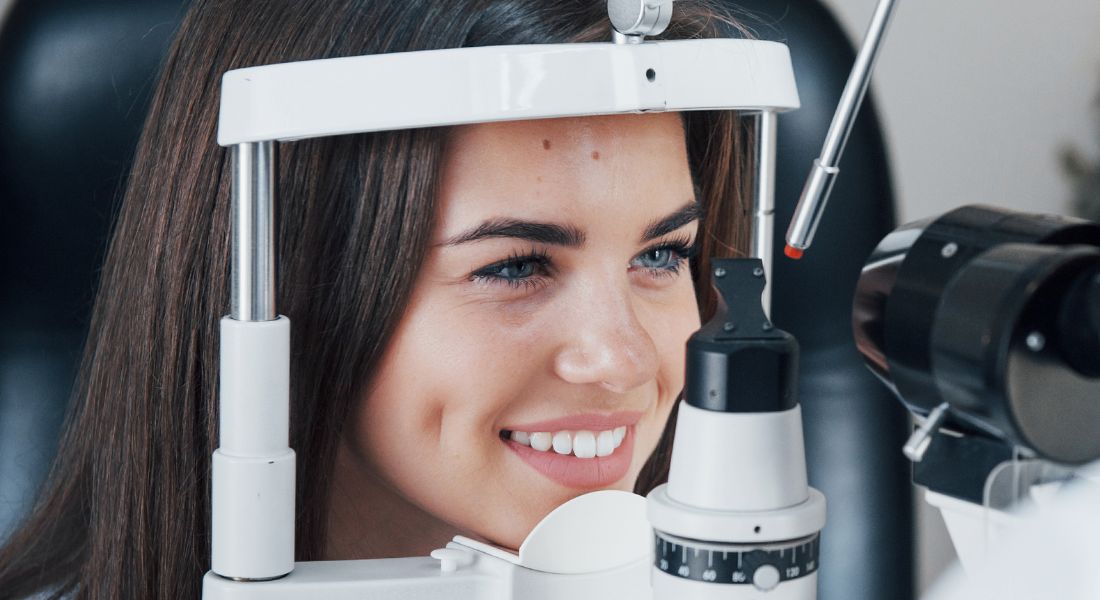
Seeing a specialist ensures your migraine-related concerns are addressed properly. Their experience helps distinguish between neurological symptoms and actual eye issues. This prevents misinterpretation and ensures you get the right advice.
A specialist approach always prioritises your long-term comfort. Conservative decisions are made when needed to protect your wellbeing. Their expertise gives you reassurance throughout the process.
Choosing the right, experienced clinic matters for your safety and peace of mind. Teams familiar with complex medical histories can plan your care more effectively.
When you receive informed, personalised care, you can make confident decisions about surgery. This approach reduces risk and supports better long-term outcomes.
FAQs:
- Can I have LASIK if I have migraines?
Yes, having migraines does not automatically exclude you from LASIK. Eligibility is primarily determined by the health and stability of your eyes. Your surgeon will perform thorough pre-operative testing to ensure your eyes are suitable for surgery. Migraines themselves do not affect the laser’s ability to correct your vision. - Will LASIK make my migraines worse?
LASIK does not trigger migraines or increase their frequency. The procedure reshapes your cornea without affecting the neurological pathways involved in migraines. Any temporary discomfort, such as mild eye strain or dryness during recovery, is short-lived and unrelated to migraine activity. - Can LASIK help reduce eye strain associated with migraines?
Correcting refractive errors with LASIK may reduce general eye strain, which can indirectly improve comfort for some migraine sufferers. However, LASIK is not a treatment for migraines, and any reduction in headaches is incidental rather than a guaranteed effect. - Does light sensitivity during migraines affect LASIK?
Patients who experience light sensitivity during migraine episodes are generally still suitable for LASIK. Temporary light sensitivity after the procedure is common during early healing, but this resolves and is unrelated to migraines. Your surgeon will assess any pre-existing sensitivity to ensure appropriate precautions. - Could LASIK visual side effects trigger migraine aura?
Normal visual phenomena after LASIK, such as halos or glare, are distinct from migraine aura. The patterns, duration, and triggers are different, and these temporary effects do not cause neurological visual disturbances. - How does dry eye interact with migraines in LASIK candidates?
Dry eye can cause discomfort, burning, and sensitivity to light, which may overlap with migraine symptoms. Managing ocular surface health before surgery ensures a smoother recovery and reduces the chance that post-operative discomfort will exacerbate migraine episodes. - What pre-operative assessments are done for migraine patients?
Your surgeon will perform a full ocular examination, including corneal scans, tear tests, and retinal evaluation. Migraine history is discussed to identify triggers and plan surgery timing, but decisions are based on eye health rather than headache diagnosis alone. - Are there circumstances where LASIK is not recommended for migraine patients?
If migraines are accompanied by unexplained visual loss or changing neurological symptoms, surgery may be delayed until stability is confirmed. Safety is prioritised, and individual assessment ensures that LASIK is only performed when it is appropriate. - Are alternative vision correction options considered for migraine sufferers?
Yes, in certain cases, surface laser procedures or lens-based options may be recommended if eye health or corneal shape suggests a safer approach. The choice depends on ocular findings rather than migraine diagnosis alone. - Who is a good LASIK candidate if I have migraines?
Good candidates have stable migraines and healthy eyes, with visual symptoms clearly linked to migraine episodes. Transparent communication during consultation ensures the procedure is planned safely and healing is predictable.
Final Thoughts: LASIK for Migraine Patients
Migraines rarely prevent you from having LASIK, provided your condition is stable and your eyes are healthy. The key to a successful outcome is a thorough assessment of your ocular health, tear film, and corneal stability. By carefully distinguishing between migraine-related visual symptoms and genuine eye issues, your surgeon can plan your procedure safely and effectively.
If you’re exploring whether lasik surgery in London could benefit you, get in touch with us at Eye Clinic London to schedule your consultation. Our team will provide a personalised assessment and guide you through each step, ensuring that your vision correction is both safe and optimised for long-term results.
References:
- Solomon, R., Donnenfeld, E.D., and Rajpal, R.K. (2001) Patient satisfaction and visual symptoms after laser in situ keratomileusis. Journal of Cataract and Refractive Surgery, 27(7), pp.1118–1125. https://pubmed.ncbi.nlm.nih.gov/12867394/
- Moshirfar, M., McCaughey, M.V., and Reinstein, D.Z. (2019) Dry eye after refractive surgery: a meta‑analysis. Canadian Journal of Ophthalmology, 54(1), pp.14–21. https://pubmed.ncbi.nlm.nih.gov/31712000/
- Lee, J.H., Kim, M.K., and Tchah, H. (2017) Visual outcomes and management after corneal refractive surgery: a review. Journal of Ophthalmic & Vision Research, 12(2), pp.123–131. https://www.sciencedirect.com/science/article/pii/S1888429617300705
- StatPearls Contributors (2025) Laser In Situ Keratomileusis (LASIK). StatPearls [Internet]. Treasure Island (FL): StatPearls Publishing. https://www.ncbi.nlm.nih.gov/sites/books/NBK555970/
- Clinical Evaluation of Corneal Biomechanics following Laser Refractive Surgery in Myopic Eyes: A Review of the Literature (2023) Journal of Clinical Medicine, 12(1), 243. https://www.mdpi.com/2077-0383/12/1/243