


LASIK Eye Surgery for Patients With Asthma or Long-Term Steroid Use
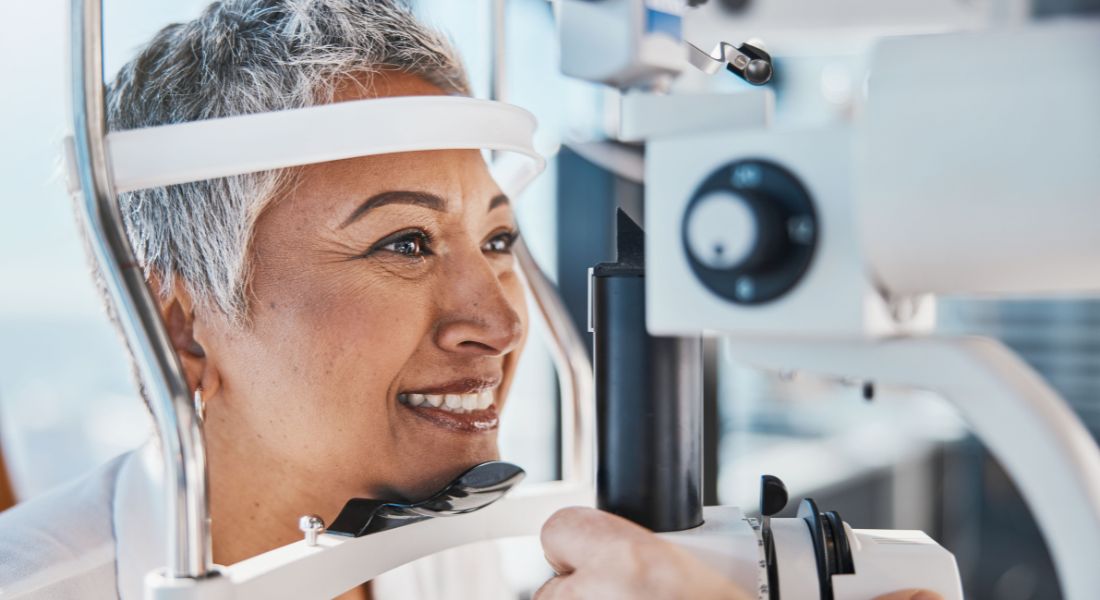
If you have asthma and are considering LASIK eye surgery, it is completely natural to have questions. Many people worry that asthma itself or the medications used to manage it may affect their suitability for laser eye surgery. Understanding how asthma and steroid use are assessed can help you feel more confident about your options.
Asthma on its own rarely prevents LASIK. However, long-term steroid use, whether inhaled or systemic, does require careful evaluation. The focus is on eye pressure, healing response, and overall eye health rather than asthma symptoms themselves.
In this article, we explain how asthma is assessed before LASIK and why steroid exposure matters. We also explore what inhaled steroids mean for eye health and when extra caution is needed. Our aim is to help you understand how suitability is determined and what steps protect your long-term eye health.
Understanding Asthma in the Context of LASIK

Asthma is a chronic inflammatory condition that affects your airways. It doesn’t involve your eyes in the same way some autoimmune conditions do. For most people, asthma on its own doesn’t interfere with LASIK safety or outcomes.
What matters most is how well your asthma is controlled. Frequent flare-ups or poorly managed symptoms can suggest ongoing inflammation or recent medication changes. Stability is important before proceeding with any elective surgery.
When your asthma is well managed, the LASIK assessment focuses primarily on your eyes. Your lungs and respiratory symptoms are considered separately. This allows vision correction to be evaluated on its own merits.
Understanding this distinction often reassures patients. With good control and proper screening, LASIK can be planned safely and predictably, without asthma limiting your results.
Why Steroid Use Matters More Than Asthma Itself
If you have asthma and are considering LASIK, what often matters more than the asthma itself is your history of steroid use. Steroids whether inhaled daily or taken systemically during severe flare-ups can have subtle effects on your eyes that may influence healing and long-term eye health. Understanding these factors helps your surgeon assess risk accurately.
Key considerations include:
- How steroids affect eye pressure: Long-term steroid use can raise intraocular pressure, increasing your risk of glaucoma if you are susceptible. Your ophthalmologist will check this carefully before surgery.
- Impact on wound healing: Systemic steroids used over prolonged periods may slow healing after LASIK. This is why your surgeon reviews your medication history in detail.
- Duration and dosage matter more than occasional use: Short courses of steroids usually do not pose significant risk. What matters is chronic or high-dose exposure, which can have cumulative effects on your eyes.
- Low-dose inhaled steroids are usually safe: Many asthma patients using standard inhalers can undergo LASIK without additional risk. Your eye care team will confirm that your regimen is safe for surgery.
- Individual assessment is essential: Your personal steroid history, eye pressure measurements, and ocular surface health determine whether any additional precautions are needed. This ensures your LASIK procedure is as safe and effective as possible.
By focusing on your steroid use rather than the asthma diagnosis alone, you and your surgeon can make informed decisions, plan recovery appropriately, and achieve optimal results safely.
Inhaled Steroids and Eye Health

If you use inhaled steroids to manage your asthma, these medications mainly act in your lungs. Only small amounts are absorbed into the rest of your body. For most people, this means they don’t pose a significant risk when you’re considering LASIK.
With long-term use over many years, inhaled steroids can occasionally affect eye pressure in some individuals. This isn’t common, but it’s well recognised. That’s why measuring your eye pressure is a routine part of LASIK screening.
Inhaled steroids don’t usually interfere with corneal healing. Most patients who use them recover normally after LASIK without delays or complications. Reassurance comes from careful monitoring rather than automatic exclusion. By assessing your eyes properly, surgery can be planned safely while keeping your long-term eye health protected.
Systemic Steroids and LASIK Considerations
Systemic steroids include oral or injectable medications you may need during severe asthma flare-ups. These treatments affect your whole body, unlike inhaled steroids that act mainly in the lungs. If you’ve needed systemic steroids frequently or over a long period, extra caution is needed before considering LASIK.
Systemic steroids can slow wound healing and affect how your immune system responds. If you’re still exposed to these medications, your eyes may take longer to recover after surgery. This is why timing plays such an important role in planning LASIK safely.
LASIK is usually avoided while you’re taking high-dose systemic steroids. Proceeding during this phase increases the risk of delayed healing and post-operative discomfort. Waiting reduces avoidable complications.
Eye Pressure and Steroid Exposure
If you use steroids and are considering LASIK, monitoring your eye pressure is essential. Steroid-related increases in eye pressure can quietly damage the optic nerve if left unchecked, so pre-operative screening is a critical safety step.
Key points to understand include:
- Not everyone reacts the same way: Some people are “steroid responders,” meaning even low doses can raise eye pressure. Others tolerate steroids without any noticeable effect. Your personal response is what matters most.
- Screening helps catch risks early: Pre-operative tests measure your eye pressure and check optic nerve health. This ensures any issues are identified before surgery, so you can make safe choices.
- High pressure may delay LASIK: If your eye pressure is elevated, your surgeon may recommend delaying LASIK or exploring alternative vision correction options. Safety and long-term eye health always come first.
- Ongoing monitoring is key: Even after surgery, keeping an eye on pressure and steroid use helps maintain comfort and protects your vision. Your ophthalmologist will advise on follow-up schedules tailored to you.
By assessing your steroid history and eye pressure carefully, you can proceed with LASIK safely, knowing that potential risks have been identified and managed.
Does Asthma Increase Dry Eye Risk?
Asthma itself doesn’t usually cause dry eye. However, some asthma medications can indirectly affect tear film stability. Factors such as regular inhaler use and environmental exposure can also contribute to symptoms.
Dry eye assessment is a routine part of every LASIK evaluation. If you already have dryness, it can affect comfort and visual stability after surgery. Identifying this early allows it to be managed properly.
Most people with asthma have normal tear function. Dry eye isn’t assumed just because of your diagnosis. When dryness is present, it’s treated before surgery. Preparing the ocular surface reduces post-operative discomfort and supports smoother healing.
Healing Response in Asthma Patients
Asthma itself doesn’t stop your corneas from healing normally. How well you recover depends more on your overall health and any medications you’re taking. If your asthma is well controlled, your eyes can recover just like anyone else’s.
The main concern is with long-term systemic steroid use. These medications can slow tissue repair if taken continuously over months or years. When your condition is stable, healing usually proceeds predictably.
Most people with asthma heal in the same timeframe as others after LASIK. Your post-operative care will focus on keeping your eyes lubricated and monitoring progress. Small differences in response are normal and guide follow-up visits.
Your individual healing response matters most. By assessing your health, medication history, and eye condition beforehand, your surgeon can ensure recovery is smooth and safe. This personalised approach helps protect long-term comfort and outcomes.
LASIK Outcomes in Patients With Asthma
Asthma does not change how LASIK reshapes your cornea. The laser corrects your vision the same way it does for anyone else. Your respiratory condition doesn’t interfere with the precision of the procedure.
When you undergo thorough pre-operative screening, your outcomes are just as good as patients without asthma. Satisfaction is highest when your expectations are realistic and aligned with what surgery can achieve. Preparation is the key factor in achieving predictable results.
Problems after LASIK are rare and usually relate to surface issues, not asthma itself. By addressing dryness or irritation beforehand, you reduce the risk of complications and improve comfort.
Your diagnosis alone does not determine your results. With proper assessment and planning, you can expect excellent outcomes and a smooth recovery, just like any other patient.
Importance of Disease Stability
Stability is one of the most important factors when you’re considering LASIK. Your asthma should be well controlled, and you shouldn’t have had any recent severe attacks. Keeping your medication regimen consistent helps your eyes and body stay predictable.
If your steroid dose has changed recently, you may need to wait before surgery. This gives your body and eyes time to stabilise. Waiting ensures your healing is more predictable and safe.
Elective surgery should never be scheduled during a period of unstable health. Rushing can increase risks and affect recovery. Waiting doesn’t mean LASIK is impossible for you. It simply ensures that conditions are safer and that you get the best possible outcome.
Medication Review Before Surgery

Before your LASIK assessment, a detailed review of all medications is always taken. This includes inhalers, oral steroids, and any recent courses you may have had. Being transparent helps your surgeon make the safest decision.
Short-term steroid use in the past usually isn’t a problem for surgery. However, long-term or frequent systemic steroid use needs closer evaluation. Your specific situation and medication history matter most.
Reviewing your medications ensures no hidden risks are overlooked. It also allows your surgeon to plan the procedure and recovery with confidence.
This process reassures you that decisions about your suitability are evidence-based. Being informed about your care helps you feel confident and supported every step of the way.
Alternative Vision Correction Options
If LASIK isn’t the best option for you, there are other laser-based procedures to consider. Surface treatments, for example, avoid creating a corneal flap and may be safer in certain situations. Your surgeon can help you understand which options fit your eyes and health.
Each procedure has a different healing profile. How your eyes respond can depend on corneal health, medication use, and overall stability. That’s why individual assessment is essential before deciding.
The goal is always to achieve safe, comfortable vision correction. There isn’t a one-size-fits-all solution, and what works for someone else may not be right for you.
Personalised care is at the heart of modern eye surgery. By tailoring the approach to your eyes and health, you can get the best results with minimal risk.
Managing Expectations as an Asthma Patient
Having clear expectations before LASIK is essential for your satisfaction. The surgery improves your vision but doesn’t affect your asthma or the medications you use to manage it. Understanding this helps prevent confusion or disappointment.
You may still need to manage dry eye after surgery. Many patients require lubricating drops regardless of whether they have asthma. LASIK doesn’t eliminate this need.
When your expectations align with what surgery can realistically achieve, satisfaction tends to be high. Knowing the limits and benefits helps you feel more confident going in.
Open and honest discussion with your surgeon underpins good outcomes. Education and transparency ensure you feel informed, prepared, and supported throughout the process.
Long-Term Eye Health After LASIK
Your long-term eye health after LASIK depends more on regular eye care than on an asthma diagnosis. When your asthma is well managed, your eyes typically do very well. Ongoing check-ups remain an important part of protecting your vision.
Any exposure to steroids should continue to be reviewed during routine eye examinations. Monitoring eye pressure helps detect changes early and prevents long-term problems. Prevention is always better than treatment.
LASIK does not increase asthma-related eye risks. The procedure reshapes your cornea without affecting your body systems.
With proper screening and follow-up, long-term outcomes are favourable. Careful monitoring supports stable vision and lasting eye health.
Who Is a Good Candidate With Asthma?
You’re a good candidate for LASIK if your asthma is well controlled and your medication use is stable. Your eye pressure should be within a healthy range, and your tear film should be functioning normally. These factors guide whether surgery is suitable for you.
Thorough pre-operative testing helps identify any subtle risks. Corneal imaging and eye pressure measurements support accurate, informed decision-making. What your individual tests show matters more than labels or diagnoses.
Asthma on its own rarely excludes you from LASIK. The focus stays on stability and how healthy your eyes are at the time of assessment. A personalised evaluation ensures surgery is offered safely. By assessing you as an individual, risks are minimised and outcomes remain predictable.
Why Specialist Assessment Is Important
When you have asthma or a history of steroid use, specialist assessment becomes especially important. Subtle medication effects on the eyes can be easy to miss without the right experience. An informed evaluation improves safety and avoids unnecessary risks.
A specialist approach always prioritises your long-term comfort. Conservative decisions are made when needed to protect healing and visual stability. The focus stays on outcomes, not rushing surgery.
Your wellbeing comes first at every stage. This means looking beyond eligibility and considering how your eyes are likely to respond over time. Thoughtful planning reduces complications and supports smoother recovery.
Choosing the right clinic truly makes a difference. When you’re seen by a team experienced with medical conditions, decisions feel clearer and more reassuring. Informed care leads to better results and greater confidence moving forward.
FAQs:
- Can I have LASIK if I have asthma?
Yes, having asthma alone rarely prevents you from having LASIK. The main consideration is that your asthma should be well controlled and stable. Frequent flare-ups or recent changes in medication may require your surgeon to postpone surgery until your condition is steady. With proper assessment, asthma does not interfere with the safety or accuracy of the procedure. - Does using inhaled steroids affect LASIK suitability?
Most inhaled steroid treatments for asthma are safe and do not pose significant risk for LASIK. They primarily act in the lungs and have limited systemic absorption, which means they rarely affect eye pressure or healing. Your surgeon will, however, measure your eye pressure and examine your ocular surface to ensure there are no subtle effects that could influence recovery. - What about long-term systemic steroid use?
Long-term or frequent use of oral or injectable steroids can affect wound healing and immune response, which may influence LASIK recovery. Surgery is generally avoided during periods of high-dose steroid use, and your ophthalmologist may recommend waiting until the treatment has finished and your body has stabilized. Careful planning ensures that your eyes can heal safely. - Can asthma medications cause dry eye?
Asthma itself does not usually increase dry eye risk, but some medications can have a minor indirect effect on tear film stability. Most patients maintain normal tear function, and any pre-existing dryness can be identified and treated before surgery. Preparing the eyes in advance reduces the likelihood of post-operative discomfort. - How is eye pressure monitored if I use steroids?
Eye pressure is measured during your pre-operative assessment to detect any steroid-induced elevation. Some people are “steroid responders,” which means even small doses can raise eye pressure, while others tolerate steroids without noticeable effects. Monitoring allows your surgeon to identify any risk early and determine the safest timing for surgery. - Will LASIK slow down my recovery if I take steroids?
If steroids have been used long-term, there may be a slight delay in corneal healing, as these medications can influence tissue repair. However, once your treatment is stable and your eyes are healthy, most patients heal predictably. The individualized assessment by your surgeon ensures that recovery is monitored closely and managed effectively. - Can LASIK worsen asthma or trigger flare-ups?
LASIK does not affect asthma directly, nor does it trigger respiratory flare-ups. The procedure is limited to reshaping the cornea and does not impact lung function or systemic inflammation. The main focus of your assessment is on your eyes and how medications may influence healing, rather than your respiratory condition. - Are alternative laser procedures safer for asthma patients?
In some cases, surface-based procedures such as PRK or LASEK may be considered instead of LASIK. These treatments avoid creating a corneal flap and may be preferable if there is concern about healing or dryness. Your surgeon will evaluate your ocular surface and overall health to determine the safest and most comfortable option. - How do I know if I’m a good candidate for LASIK with asthma?
You are considered a good candidate if your asthma is well controlled, your medications are stable, and your ocular surface and eye pressure are healthy. Pre-operative testing, including corneal imaging and pressure measurements, identifies subtle risks. Eligibility is determined by your current eye health and stability rather than the asthma diagnosis itself. - What should I expect for long-term eye health after LASIK?
Long-term outcomes are generally excellent for patients with well-managed asthma. LASIK does not increase asthma-related risks for the eyes. Ongoing monitoring of eye pressure and ocular surface health is recommended, especially if steroid use continues. With proper screening and follow-up care, patients can expect safe, predictable, and comfortable results over time.
Final Thought: LASIK for Asthma Patients
Asthma alone rarely prevents you from having LASIK. What truly matters is that your condition is stable, your medications are managed, and your eyes are healthy. By carefully reviewing your steroid use, eye pressure, and ocular surface, your surgeon can make informed decisions that prioritise both safety and optimal outcomes.
If you’re considering lasik surgery in London and want to understand whether it’s the right option for you, you’re welcome to reach out to us at Eye Clinic London to book a consultation. Our team will provide a personalised assessment and guide you through every step to ensure safe and effective vision correction.
References:
- Pérez‑Vives, C., Benítez‑Del‑Castillo, J.M. & Pinazo‑Durán, M.D. (2021) Long‑Term Evaluation of Ocular Surface and Meibomian Gland Function after Laser‑Assisted In Situ Keratomileusis (LASIK) Surgery. https://www.mdpi.com/1660-4601/17/23/8729
- Donnenfeld, E.D., et al. (2020) Dry eye after refractive surgery: a meta‑analysis. Survey of Ophthalmology, 65(3), pp. https://www.sciencedirect.com/science/article/abs/pii/S0008418219302790
- Huang, D. et al. (2023) Advances in Refractive Surgery. Journal of Refractive Surgery, 39(5), pp. https://www.sciencedirect.com/science/article/pii/S2162098923010083
- Solomon, A., Donnenfeld, E., Gomes, J.A.P. et al. (2006) The effects of LASIK on the ocular surface. Cornea, 25(8), pp. https://pubmed.ncbi.nlm.nih.gov/17216074/
- Smith, R., Sanders, D.R., Vroman, D.T. et al. (2001) LASIK complications: etiology, management, and prevention. Survey of Ophthalmology, 47(1), pp. https://pubmed.ncbi.nlm.nih.gov/11578645/