

LASIK Eye Surgery for Patients With Thyroid Disease (Graves’ or Hypothyroidism)
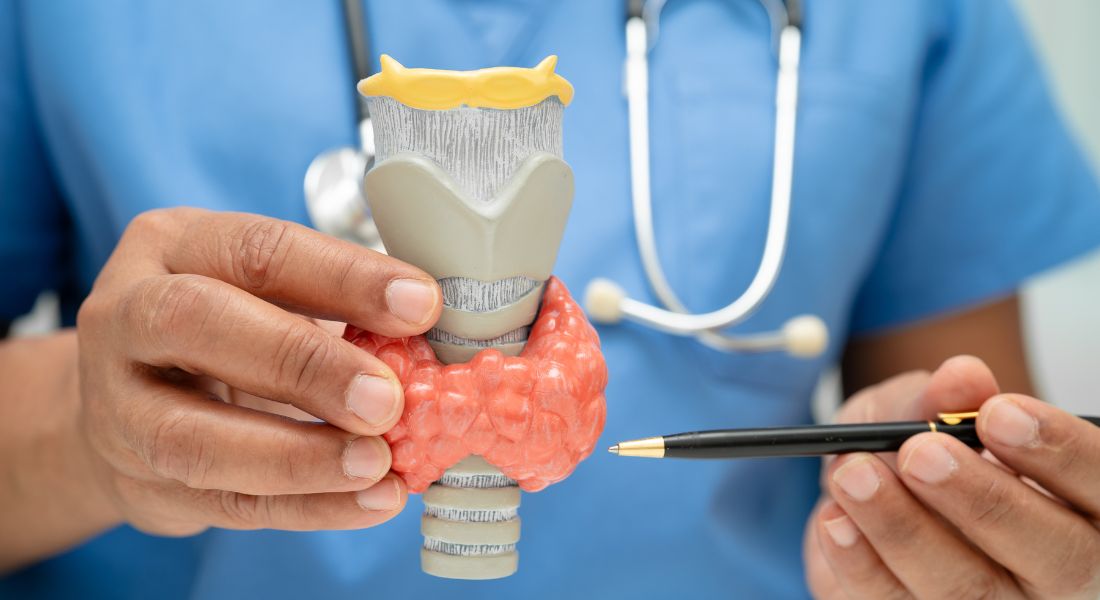
If you have thyroid disease and are considering LASIK eye surgery, it is natural to feel uncertain. Thyroid conditions can affect more than hormone levels and often have important effects on the eyes. Understanding these effects is essential before making decisions about laser eye surgery.
Thyroid disease does not automatically rule out LASIK. However, it does require a more careful and individualised assessment. The key factors involve eye surface health, tear film stability, and how well the thyroid condition is controlled.
In this article, we explain how Graves’ disease and hypothyroidism influence LASIK suitability. We also explore dry eye risk, healing response, and why disease stability is essential before surgery. Our goal is to help you make an informed and confident decision.
Understanding Thyroid Disease and the Eyes
Your thyroid gland plays a key role in regulating metabolism and immune activity. When thyroid function is abnormal, it can affect many systems in your body. Your eyes are particularly sensitive to these changes, which is why they need careful attention.
Thyroid disease can influence your eyelid position, tear production, and surface inflammation. These effects can be subtle or more noticeable depending on the type and severity of your condition. Even if your thyroid is well controlled, you may still notice changes in ocular comfort.
Because LASIK reshapes your cornea, any pre-existing surface instability needs to be identified beforehand. Your surgeon will carefully evaluate your eyes to ensure they’re ready for surgery.
Eye health is just as important as vision correction. By addressing thyroid-related changes first, you give yourself the best chance for a smooth recovery and predictable outcomes.
Graves’ Disease and Eye Involvement
Graves’ disease is an autoimmune thyroid condition that can directly affect your eyes. This eye involvement is known as thyroid eye disease or Graves’ ophthalmopathy. It can develop even when your thyroid hormone levels are well controlled.
You may experience symptoms such as dryness, redness, eyelid retraction, or a bulging appearance of the eyes. These changes can interfere with normal tear distribution and reduce protection of the cornea. During active phases, inflammation can be more pronounced and uncomfortable.
LASIK is generally avoided while thyroid eye disease is active. Operating during this phase increases the risk of poor healing and prolonged symptoms.
Surgery is only considered once your condition is stable and inflammation has settled. Stability is essential to ensure safe treatment, predictable healing, and comfortable long-term results.
Hypothyroidism and Ocular Surface Changes
Hypothyroidism affects your body differently from Graves’ disease, and this can influence how your eyes behave before and after LASIK. Even when your eyes look healthy on the surface, subtle changes can affect comfort and healing. Understanding these factors helps you and your surgeon plan more safely.
Common ocular surface considerations include:
- Reduced tear production: Your thyroid levels can affect how well your tear glands function. You may produce fewer tears or tears that evaporate too quickly, leading to dryness, grittiness, or fluctuating vision during the day.
- Lower tear quality: It’s not just about the amount of tears you produce. In hypothyroidism, the tear film can be less stable, which means your eyes dry out faster, particularly when using screens or reading for long periods.
- Slower surface healing: Because your metabolic processes are slower, the outer layer of your eye may take longer to regenerate. This can slightly extend recovery time after LASIK if the ocular surface is not optimised beforehand.
- Temporary worsening of dry eye after surgery: LASIK can disrupt corneal nerves in the short term. If you already have dryness, you may notice symptoms more clearly in the early recovery phase unless proactive treatment is in place.
- Need for pre-surgery optimisation: Before surgery, your surgeon may recommend lubricating eye drops, lid hygiene, or other treatments to stabilise your ocular surface. This preparation significantly improves comfort and healing outcomes.
With careful assessment and proper management, many people with hypothyroidism can still be good candidates for LASIK. The most important factor is stability. When your thyroid condition is well controlled and your eye surface is healthy, the risks can be managed safely and effectively.
Why Dry Eye Risk Matters in LASIK
Dry eye risk is one of the most important factors you need to assess before LASIK. If you have thyroid disease, you’re more likely to experience tear film instability, which makes careful screening essential from the start.
During LASIK, the corneal nerves that help regulate tear production are temporarily disrupted. If you already have dry eye symptoms, this disruption can make dryness last longer and feel more uncomfortable after surgery.
By identifying dry eye risk early, you reduce the chance of prolonged symptoms and post-surgery dissatisfaction. This step allows you to make informed decisions rather than dealing with avoidable issues later.
Modern LASIK planning places strong emphasis on optimising your ocular surface before treatment. When dryness is treated in advance, you experience better comfort, smoother healing, and more predictable outcomes especially if you have a thyroid condition.
Tear Film Stability and Healing Response

Your tear film plays a critical role in protecting your cornea and supporting healing after LASIK. When thyroid disease is present, even subtle changes in tear quality can influence how comfortable your eyes feel and how smoothly recovery progresses. This is why tear film stability is assessed so carefully before surgery.
Key factors your surgeon will consider include:
- How stable your tear film is throughout the day: Thyroid conditions can change the composition of your tears and how quickly they evaporate. If your tear film breaks up too fast, your cornea is left exposed for longer periods, which can slow healing and increase post-operative dryness.
- Your cornea’s ability to regenerate its surface layer: Healing after LASIK relies on healthy epithelial regeneration. Hormonal and autoimmune influences can slow this process slightly, which means your eyes may need more time and support during recovery.
- The presence of low-grade inflammation: You may not feel obvious inflammation, but mild ocular surface inflammation can interfere with healing. Identifying and treating this before surgery helps reduce discomfort and supports a smoother recovery.
- How your eyes respond to supportive treatment: Most patients heal very well once dryness and inflammation are controlled. Your response to lubricating drops or other pre-operative treatments gives your surgeon valuable insight into how your eyes are likely to heal after LASIK.
- Individual healing patterns rather than labels: Healing response varies far more between individuals than between diagnoses. Your overall eye health, tear stability, and response to treatment matter more than the name of your thyroid condition.
With personalised assessment and careful monitoring, LASIK recovery can progress safely and predictably. When your tear film is stabilised and healing is supported properly, most patients achieve comfortable outcomes without long-term issues.
Does Thyroid Disease Affect LASIK Results?
Thyroid disease does not directly affect how the laser corrects your vision. The procedure reshapes your cornea the same way it does for anyone else. The main concern is the health of your ocular surface, not the accuracy of the correction.
If your eyes are dry or the surface is unstable, you may notice temporary vision fluctuations. Blurriness can occur even when the laser correction itself is precise. This is why preparing your eyes beforehand is so important.
When your thyroid condition is stable and your eyes are healthy, your LASIK outcomes are similar to those of patients without thyroid disease. Proper preparation helps ensure predictable and comfortable results.
Your suitability for surgery is assessed individually, not automatically based on your diagnosis. By focusing on stability and eye health, you give yourself the best chance for a smooth and successful outcome.
Importance of Disease Stability Before Surgery
Disease stability is one of the most important criteria you need to meet before considering LASIK if you have a thyroid condition. When hormone levels fluctuate, they can affect eye comfort, vision stability, and how well your eyes heal after surgery. Stability reduces uncertainty and leads to more predictable outcomes.
If you have Graves’ disease, any eye inflammation must be inactive before LASIK is considered. Proceeding while inflammation is still active increases the risk of post-surgical complications and delayed recovery.
If you have hypothyroidism, your hormone levels should be well controlled and stable. Recent changes in medication often mean your body needs time to adjust, and your eyes need that same period to settle.
LASIK should never be rushed. When you wait until your condition is stable, you improve both safety and long-term satisfaction. In this situation, timing matters far more than urgency.
Medications and LASIK Considerations

If you have a thyroid condition, you’re likely taking long-term medication to manage hormone levels. While these treatments are essential, they can indirectly affect tear production, which is why your full medication history is always reviewed carefully.
If you’re using steroids or immune-modulating drugs, these require closer consideration. They can influence healing speed and increase infection risk, especially if doses have changed recently. Consistency and stability matter here.
Taking medication alone doesn’t rule you out for LASIK. What matters is how your eyes respond and how stable your condition is at the time of assessment. With an individual evaluation, the timing of surgery can be planned appropriately. This approach helps ensure safety, smoother healing, and more reliable outcomes.
Autoimmune Activity and Eye Surgery
If you have an autoimmune condition, healing predictability becomes an important consideration before eye surgery. With Graves’ disease, immune-mediated inflammation can affect the eyes, which is why current disease activity matters.
LASIK itself does not worsen autoimmune disease. There is no evidence that it triggers systemic immune flares or activates the condition elsewhere in the body. The concern is how your eyes heal locally, not whether the disease is reactivated.
When autoimmune activity is quiet, healing after LASIK is usually straightforward. Your eyes respond more predictably, and recovery tends to follow the expected timeline.
Careful screening helps ensure surgery is offered at the right time. By waiting for stability, you protect long-term comfort and achieve safer, more reliable outcomes.
LASIK vs Alternative Laser Procedures
If you have a thyroid condition, LASIK isn’t always the most suitable laser option. That doesn’t mean vision correction is off the table. In some cases, surface-based laser procedures may be a safer and more comfortable alternative, particularly when ocular surface health is a concern.
Your surgeon will guide you through the differences, including:
- Whether creating a corneal flap is advisable for you: LASIK involves creating a flap, which can temporarily affect corneal nerves and tear production. If you already have dryness or delayed healing, avoiding a flap may reduce post-operative discomfort.
- How surface laser procedures work differently: Procedures such as PRK or LASEK reshape the cornea without creating a flap. While recovery can take longer, these options may place less stress on an already sensitive ocular surface.
- Differences in recovery experience: With LASIK, vision often improves quickly, but dryness can be more noticeable early on. Surface laser procedures involve a slower visual recovery, but some patients find long-term comfort easier to manage.
- Your individual ocular surface findings: Suitability isn’t based on diagnosis alone. Your tear film stability, corneal health, healing response, and symptom history all influence which procedure is safest for you.
- Balancing safety, comfort, and visual outcome: The goal is never to push a specific procedure. It’s to achieve safe, stable, and comfortable vision correction that suits your eyes over the long term.
There is no one-size-fits-all solution. With personalised planning and thorough assessment, your surgeon can recommend the procedure that gives you the best balance of safety and visual clarity.
Managing Expectations With Thyroid Disease
Having clear expectations before LASIK is essential for your satisfaction. The surgery improves your vision but does not treat dry eye or thyroid disease. Understanding this helps prevent disappointment after your procedure.
If you have dry eye, management may continue even after surgery. Many patients already use lubricating drops before LASIK, and this need often remains afterward. Preparing for this ensures you know what to expect.
When your expectations are realistic, your confidence in the process increases. Education about what LASIK can and cannot do helps you feel more in control.
Open and honest discussion with your surgeon supports informed consent. By understanding the limits and benefits of surgery, you can approach LASIK with reassurance and clarity.
Long-Term Eye Comfort After LASIK
When it comes to long-term comfort after LASIK, what matters most is the health of your ocular surface not the name of your thyroid condition. If your disease is stable and your eyes are well managed before surgery, you can do very well long term. Ongoing eye care simply becomes part of protecting your results.
Key points to understand include:
- Surface health drives long-term comfort: Your tear film stability and corneal health are far more important than your thyroid diagnosis itself. When dryness and inflammation are controlled before surgery, long-term comfort is usually excellent.
- Stability leads to better outcomes: Patients with well-controlled thyroid disease often heal predictably and comfortably. Stability over time is one of the strongest indicators of success.
- Ongoing lubrication supports recovery: Regular use of lubricating eye drops helps maintain comfort, especially in the first few months. This is a normal part of recovery, not a sign of a problem.
- Early follow-up prevents prolonged symptoms: Attending scheduled reviews allows minor dryness or irritation to be treated early, before it becomes persistent or disruptive.
- LASIK does not worsen thyroid eye disease: LASIK reshapes the cornea only. It does not accelerate autoimmune activity or cause progression of underlying eye disease when proper screening has been done.
With thorough assessment, careful planning, and continued aftercare, long-term outcomes are generally very favourable. Most patients find that any dryness improves over time and does not interfere with daily comfort or vision.
Who Is a Good Candidate With Thyroid Disease?
You’re a good candidate for LASIK if your thyroid function is stable and your ocular surface is healthy. Any dry eye symptoms should be well controlled, and there should be no active inflammation at the time of assessment.
You benefit from thorough pre-operative testing before any decision is made. Tear analysis and detailed corneal imaging help identify risks and guide whether surgery is appropriate for you.
Your eligibility isn’t defined by a thyroid diagnosis alone. What matters most is how stable your condition is and how your eyes are responding right now.
A personalised assessment ensures LASIK is offered safely and at the right time. This approach protects your eye health and supports predictable, comfortable outcomes.
Why Specialist Assessment Matters
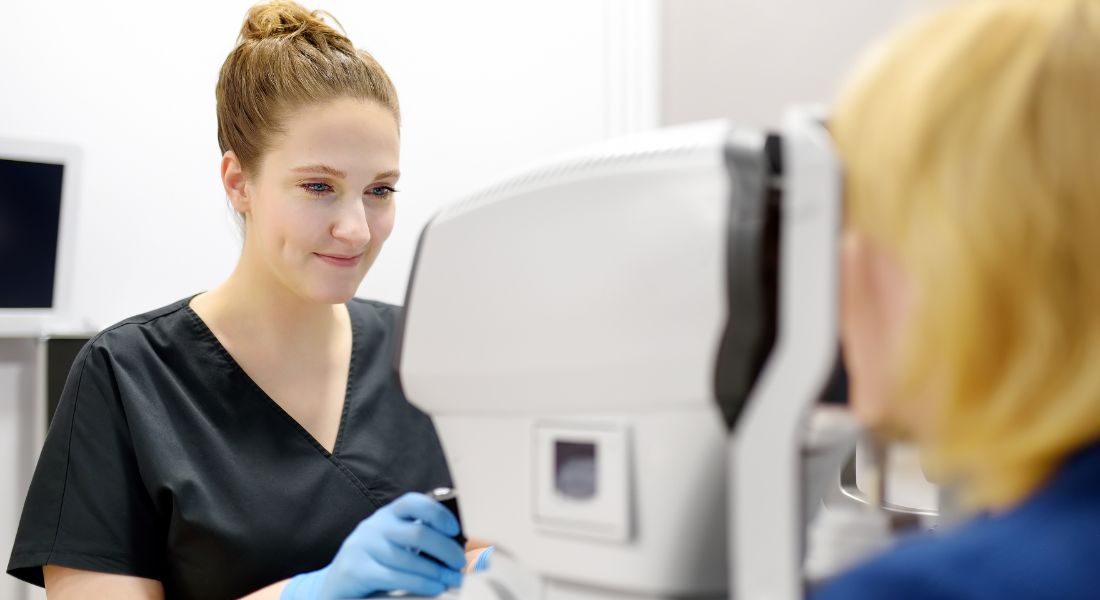
Thyroid-related eye considerations require specialist experience. Without the right evaluation, subtle signs can be overlooked, which may affect both comfort and outcomes after surgery.
When you’re assessed by a specialist, the focus stays on your long-term eye health rather than short-term eligibility. Conservative decisions are made when needed, and that caution protects your results.
Safety always comes first in a specialist-led approach. Every recommendation is based on how your eyes are likely to respond, not on pushing surgery forward unnecessarily.
Choosing the right clinic matters. When you’re seen by a team experienced in managing systemic conditions, decisions feel clearer, risks are reduced, and you can move forward with greater confidence.
FAQs:
- Can I have LASIK if I have Graves’ disease?
Yes, you may be able to have LASIK if you have Graves’ disease, but only once the condition is stable. Any active thyroid eye disease or ongoing inflammation must have fully settled before surgery is considered. LASIK is assessed on eye surface health and disease activity rather than the diagnosis alone. - Does hypothyroidism automatically disqualify me from LASIK?
No, hypothyroidism does not automatically rule you out. Many patients with well-controlled hypothyroidism successfully undergo LASIK. What matters most is that your hormone levels are stable and your ocular surface is healthy at the time of assessment. - Why does thyroid disease increase dry eye risk?
Thyroid disease can affect tear production, tear quality, and eyelid function. These changes may disrupt the tear film even when symptoms are mild. Because LASIK temporarily affects corneal nerves involved in tear regulation, pre-existing dryness needs careful evaluation. - Will LASIK make thyroid eye disease worse?
LASIK does not worsen thyroid eye disease or trigger autoimmune flare-ups when proper screening is performed. The procedure reshapes the cornea only and does not activate immune processes. Surgery is avoided during active eye disease to protect healing and comfort. - How long should my thyroid condition be stable before LASIK?
Your thyroid condition should be stable for several months before surgery, with no recent medication changes or fluctuations in hormone levels. Stability allows your eyes and tear film to settle, making healing more predictable and outcomes safer. - Do thyroid medications affect LASIK healing?
Thyroid medications themselves do not prevent LASIK, but they can indirectly influence tear production and healing response. Your surgeon will review your medication history to ensure your condition is well controlled and that your eyes are responding normally. - Is LASIK accuracy affected by thyroid disease?
Thyroid disease does not affect the accuracy of the laser or the refractive correction. Any vision fluctuation after surgery is usually related to tear film instability rather than the laser treatment itself. With a healthy ocular surface, results are comparable to those without thyroid disease. - Are alternative laser procedures safer for thyroid patients?
In some cases, surface-based procedures such as PRK or LASEK may be recommended instead of LASIK. These options avoid creating a corneal flap and may be better suited for patients with dryness or slower healing. The decision depends on individual eye findings rather than diagnosis alone. - Will I need ongoing dry eye treatment after LASIK?
You may need ongoing lubrication after LASIK, especially if you had dryness before surgery. This is common and does not indicate a problem. Most patients find that symptoms improve gradually as healing progresses and tear function stabilises. - What is the most important factor in deciding LASIK suitability with thyroid disease?
The most important factor is stability. Stable thyroid levels, inactive eye disease, and a healthy ocular surface matter far more than the presence of a thyroid diagnosis. A personalised specialist assessment ensures the decision is based on how your eyes are likely to respond now and in the future.
Final Thought: LASIK for Patients With Thyroid Disease
If you have a thyroid condition and are considering laser eye surgery, the most important step is a personalised assessment. Stability of your thyroid levels, healthy ocular surface, and careful management of dry eye symptoms play a far bigger role in successful outcomes than the diagnosis itself. With thorough evaluation, proper preparation, and ongoing eye care, LASIK can be safe, comfortable, and effective for many patients with thyroid disease.
If you’d like to find out whether lasik surgery in London is suitable for you, feel free to contact us at Eye Clinic London to arrange a consultation. Our specialists will guide you through every step, ensuring the right timing, procedure choice, and personalised care for your eyes.
References:
- Yu, E.Y. et al., 2007. Dry eye after LASIK for myopia: incidence and risk factors. Ophthalmology. https://pubmed.ncbi.nlm.nih.gov/17294376/
- Alio, J.L. et al., 2024. Long‑term evaluation of ocular surface and Meibomian gland function after LASIK surgery. Journal of Ophthalmic & Vision Research. https://pubmed.ncbi.nlm.nih.gov/39653022/
- Barraquer, J. et al., 2020. Dry eye disease following LASIK, PRK, and LASEK: a prospective study. Journal of Clinical Medicine, MDPI, 12(11), 3761. https://www.mdpi.com/2077-0383/12/11/3761
- Denoyer, A., Landman, E., Trinh, L., Faure, J.F., Auclin, F. and Baudouin, C., 2015. Dry eye disease after refractive surgery: comparative outcomes of small incision lenticule extraction versus LASIK. Ophthalmology, 122(4), pp.669–676. https://www.aaojournal.org/article/S0161-6420(14)00952-X/fulltext
- Toda, I., et al., 2007. The effects of LASIK on the ocular surface: pathophysiology and management. The Ocular Surface. https://www.sciencedirect.com/science/article/abs/pii/S1542012412700228