


LASIK Eye Surgery for Patients With Psoriasis
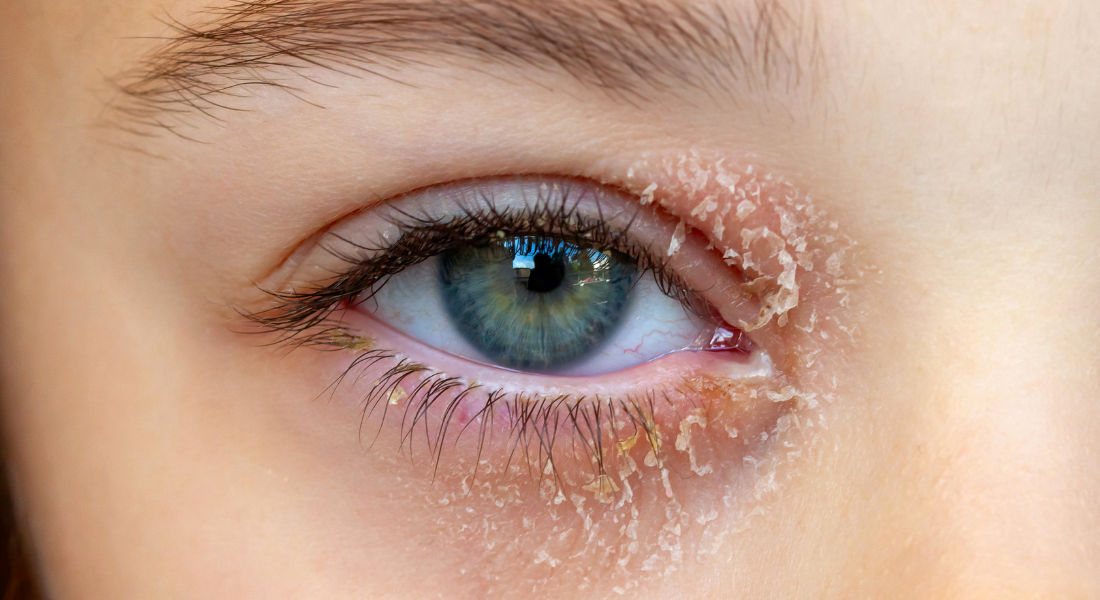
If you’re living with psoriasis and considering LASIK eye surgery, it’s completely natural to feel uncertain. Psoriasis isn’t just a skin condition, and many people worry about how chronic inflammation or immune involvement might affect eye surgery. We understand why you want clarity before making any decisions.
At Eye Clinic London, we regularly speak with patients who want facts, not assumptions. Psoriasis does not automatically rule you out of LASIK. However, it does mean we need to assess your situation more carefully rather than taking a one-size-fits-all approach.
We look closely at how stable your psoriasis is, how your eyes are responding, and whether there are any signs of surface inflammation or dryness. By understanding how your condition behaves, we can guide you safely and honestly on whether LASIK is suitable or if alternative options would be more appropriate for you.
Understanding Psoriasis as a Chronic Inflammatory Condition
Psoriasis is often thought of as a skin condition, but we know it is much more than that. It is driven by an overactive immune response that causes ongoing inflammation, which can affect the body beyond what you see on the skin. This broader impact is why psoriasis needs careful medical assessment.
Here’s why psoriasis is approached differently:
- Psoriasis Is Immune-Driven – Psoriasis develops because the immune system becomes overactive and triggers chronic inflammation. This ongoing inflammatory response is what leads to the skin changes you notice.
- Inflammation Extends Beyond the Skin – Although psoriasis is most visible on the skin, inflammation can also affect joints, blood vessels, and other systems in the body. This systemic involvement changes how we assess and manage the condition.
- It Is Not a Cosmetic Skin Issue – Because psoriasis is inflammatory and immune-related, it cannot be treated like a purely cosmetic concern. Management focuses on controlling inflammation, not just improving appearance.
- Inflammation Affects Healing – Inflammation plays a key role in how the body heals after any procedure. For treatments such as eye surgery, predictable and controlled healing is essential, which is why underlying inflammation matters.
Psoriasis is therefore assessed carefully rather than treated as a simple tick-box condition. By understanding how inflammation behaves in your body, we can make safer decisions and plan treatment in a way that protects both healing and long-term outcomes.
Why Psoriasis Is Relevant When Considering LASIK
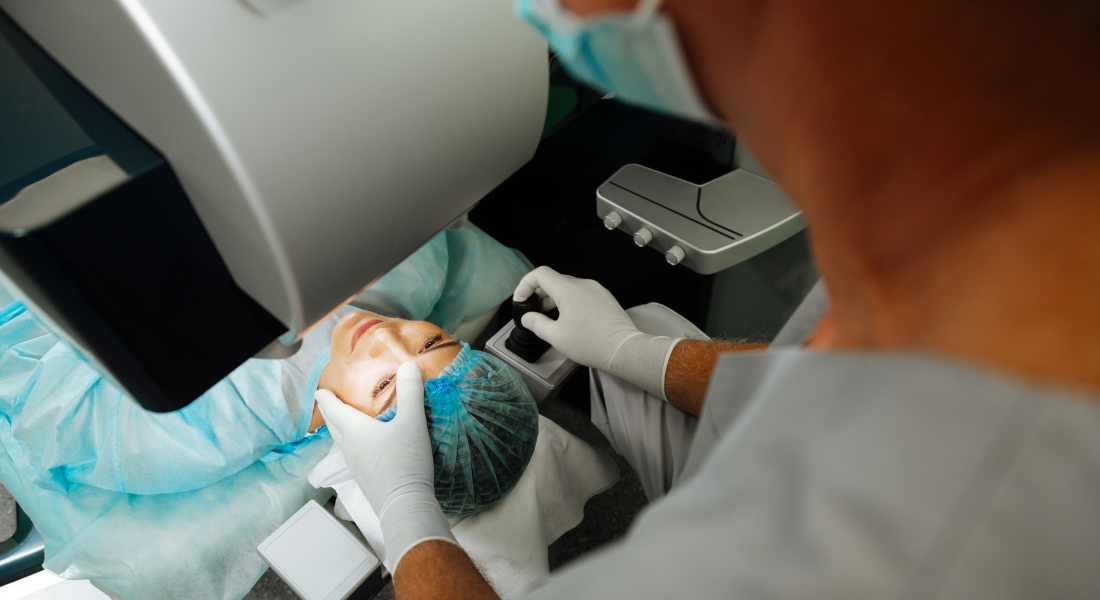
When you’re considering LASIK, it’s important to understand how your overall health can influence eye healing. LASIK reshapes the cornea and depends on a smooth, predictable recovery process. Conditions that affect immune balance or inflammation need careful evaluation before surgery.
Psoriasis is relevant in LASIK assessment because:
- It involves immune and inflammatory activity – Psoriasis affects how your immune system behaves, and fluctuations in inflammation can influence healing after corneal surgery.
- Disease activity can vary over time – Even if your skin symptoms are mild or well controlled, psoriasis can flare unpredictably, which matters when timing elective procedures like LASIK.
- The eyes can sometimes be involved – Psoriasis may be associated with ocular inflammation, such as dryness or irritation, which can affect comfort and recovery after surgery.
- Risk assessment is better than reaction – Our role is to identify potential risks early, so you’re not dealing with avoidable complications later in the recovery process.
By looking at psoriasis in context rather than isolation, we help you make a safer, more informed decision about whether LASIK is right for you.
How Psoriasis Can Affect the Eyes
Not everyone with psoriasis experiences eye symptoms, and many people assume their eyes are unaffected. We know, however, that ocular involvement is recognised in psoriasis and can sometimes appear in subtle or unexpected ways. This is why symptoms alone are not always a reliable guide.
Some patients may notice eyelid inflammation, dryness, irritation, or discomfort around the eyes. Others can experience inflammatory eye conditions during periods when their psoriasis is more active. These changes may come and go, which can make them easy to overlook.
The ocular surface plays a critical role in LASIK outcomes. We assess these factors carefully because inflammation or dryness can affect healing and visual results. By understanding how psoriasis is affecting your eyes, we can guide you safely and responsibly.
The Importance of Disease Stability Before LASIK
Disease stability is one of the most important factors we assess. LASIK is safest when psoriasis has been stable for a sustained period. Active flare-ups indicate increased inflammatory activity throughout the body. When inflammation is high, healing responses can become unpredictable. This may increase discomfort or prolong recovery after surgery. For this reason, we usually recommend waiting until psoriasis is well controlled.
Why Ocular Surface Health Matters So Much
When you’re planning LASIK, the health of your ocular surface plays a critical role in how well you heal and how comfortable your vision feels afterwards. The ocular surface includes the cornea, tear film, eyelids, and surrounding tissues, all of which work together to keep your eyes stable and clear. Even though LASIK is a short procedure, it directly affects this delicate surface.
Ocular surface health matters because:
- LASIK directly interacts with the cornea – The procedure reshapes the cornea, making a stable and healthy surface essential for smooth healing and visual clarity.
- Healthy tissues improve comfort and vision – When the tear film and eyelids are functioning well, you’re more likely to experience clearer vision and less irritation after surgery.
- Psoriasis can affect the eyelids and tear film – Associated inflammation or tear instability can increase the risk of discomfort and dryness if not addressed beforehand.
- Stabilisation reduces post-operative dryness – Treating surface issues before surgery helps lower the risk of persistent dryness and delayed recovery.
By assessing and stabilising the ocular surface in advance, we help ensure you have the best possible comfort and outcome after LASIK.
Dry Eye Considerations in Patients With Psoriasis
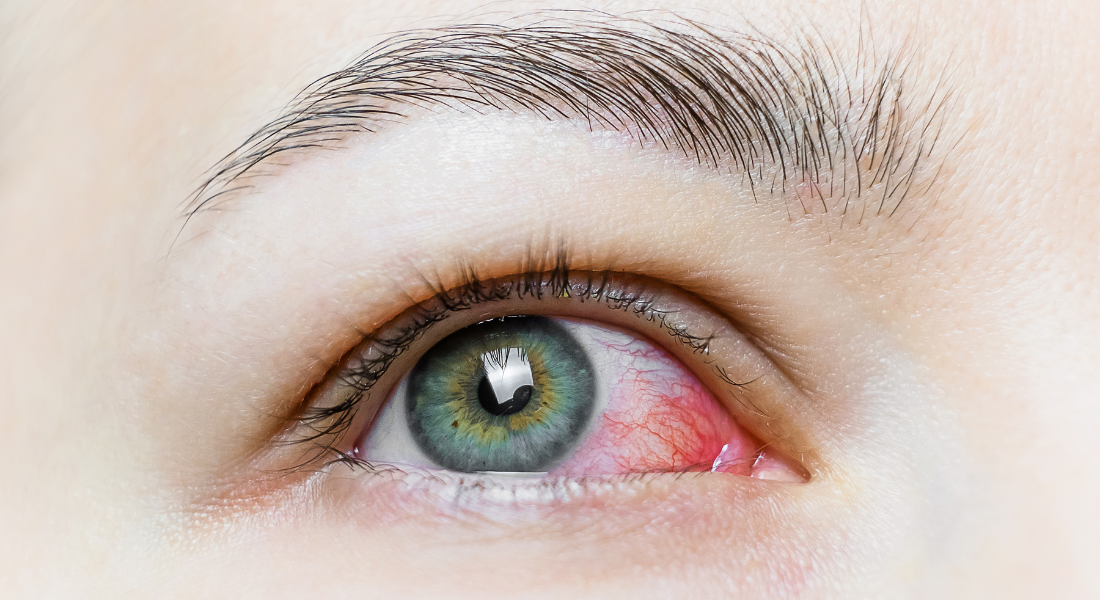
Dry eyes are common in the general population and more frequent in inflammatory conditions. Psoriasis-related inflammation can affect tear quality and stability. This may be subtle but still clinically important. LASIK temporarily disrupts corneal nerves involved in tear regulation. Most patients recover well, but pre-existing dryness can feel more noticeable. That is why we always assess and treat dry eye before considering surgery.
How Psoriasis Treatments Influence LASIK Suitability
When we assess your suitability for LASIK, your medication history matters just as much as your eye measurements. Psoriasis treatments vary widely, and each type can influence inflammation and healing in different ways. This is why we look beyond the diagnosis itself and focus on how your condition is being managed.
Here’s how different treatments are considered:
- Medication History Is Central to Assessment – We always review what treatments you’ve used, both past and present. This helps us understand how stable your condition is and how your immune system is being controlled.
- Psoriasis Treatments Vary Widely – Treatment can range from topical creams to oral medications and injectable biologics. Each works differently within the body and has different implications for healing.
- Topical Treatments Rarely Affect LASIK – Creams and ointments used on the skin generally do not interfere with eye healing. In most cases, they do not affect LASIK suitability at all.
- Systemic Treatments Need Closer Review – Medications that affect the immune system throughout the body require more careful consideration. This is especially important if treatment has been started, stopped, or changed recently.
Stability matters more than the medication itself. When your psoriasis and treatment plan have been stable for a period of time, healing is more predictable. By focusing on control rather than labels, we can make safer, more confident decisions about whether LASIK is right for you.
Immunomodulatory Medications and Healing Behaviour
Some treatments used to control psoriasis work by regulating or suppressing immune activity. While this helps reduce inflammation, it can also influence how your body heals after surgery. We know that predictable healing is essential for safe and successful LASIK outcomes.
We prefer medication regimens that have been stable for a period of time before considering surgery. Sudden changes in treatment close to the procedure can introduce uncertainty in healing and recovery. This is why timing matters just as much as the medication itself.
In some cases, we may coordinate with your dermatologist before proceeding. By working together, we ensure your treatment plan supports both disease control and surgical safety. This collaborative approach helps us make decisions that prioritise your long-term eye health.
Does Psoriasis Increase LASIK Risks?
Psoriasis alone does not automatically increase LASIK risks. Risk depends on disease activity, eye involvement, and surface health. When these factors are well controlled, outcomes are often excellent. Problems arise when inflammation is active or untreated. This is why careful screening is more important than diagnosis labels. Individual assessment protects both vision and comfort.
What a Thorough Pre-LASIK Assessment Involves
When you have psoriasis, a pre-LASIK assessment needs to go beyond routine checks. We look closely at how your eyes are likely to heal, not just whether you meet basic eligibility criteria. This helps us plan surgery around your individual risk profile rather than applying a one-size-fits-all approach.
A thorough pre-LASIK assessment includes:
- Detailed corneal evaluation – We assess corneal shape and thickness to ensure the eye can safely tolerate reshaping and heal predictably.
- Tear film and surface stability checks – Tear quality and stability are carefully measured, as dryness or instability can affect comfort and recovery after LASIK.
- Eyelid and ocular surface health assessment – We look for signs of eyelid inflammation or surface irritation that may increase post-operative risk.
- Comprehensive medical history review – Understanding your psoriasis flare patterns, treatment timelines, and disease stability gives us essential context.
By combining clinical measurements with your medical history, we can make patient-specific recommendations that prioritise safety, comfort, and long-term outcomes.
When LASIK May Need to Be Delayed
In some situations, proceeding with LASIK straight away is not the safest choice. When inflammation or surface eye health is unstable, delaying surgery allows us to protect your eyes and improve long-term outcomes. A delay is often a strategic decision, not a permanent setback.
Here’s when waiting may be necessary:
- Active Psoriasis Flare-Ups Involving the Eyes – If psoriasis is active around the eyes or eyelids, inflammation can interfere with healing. Operating during a flare increases the risk of post-operative irritation and delayed recovery.
- Uncontrolled Dry Eye – Healthy tear film is essential for accurate LASIK measurements and proper healing. If dry eye symptoms are not well controlled, surgery may worsen discomfort and affect visual results.
- Ongoing or Unstable Inflammation – Any sign that inflammation is fluctuating or poorly controlled raises concern. Stability is key to predictable healing after laser eye surgery.
- Recent Changes in Treatment – If your psoriasis treatment has been started, stopped, or adjusted recently, we usually allow time for things to settle. This helps us assess how your body responds before considering surgery.
Delaying LASIK does not mean it will never be possible. Many patients become suitable once inflammation is controlled and eye surface health improves. With patience and the right management, we can often achieve safer surgery and better long-term vision outcomes.
Considering Alternative Vision Correction Options
When LASIK is not ideal, other options may be discussed. Surface laser procedures may suit certain ocular surface profiles. Each option has different healing characteristics. The goal is always to protect long-term eye health. We explain alternatives clearly and honestly.
Informed choice matters more than speed.
Recovery Expectations After LASIK With Psoriasis
When LASIK is performed under stable conditions, recovery is usually smooth. Most patients notice an improvement in vision within the first few days, which can be reassuring early on. However, surface comfort may take a little longer to fully settle.
If you have psoriasis, post-operative care becomes especially important. We place strong emphasis on lubrication and careful inflammation control to protect the ocular surface. This helps support healing and reduces the risk of irritation or dryness.
Close follow-up is a key part of our approach. We monitor your recovery closely so we can address any issues early and adjust care if needed. By doing this, we help ensure your recovery stays on track and your long-term outcomes remain stable.
Long-Term Vision Stability and Psoriasis
Once healing after LASIK is complete, long-term vision outcomes are usually very stable, even if you have psoriasis. The condition itself does not typically interfere with how your vision correction holds over time. What matters most is ongoing eye health rather than the diagnosis alone.
Here’s what to expect long term:
- Vision Stability Is Usually Excellent – After the eyes have fully healed, most patients experience stable, reliable vision. Psoriasis does not usually affect refractive stability once recovery is complete.
- Psoriasis Does Not Alter the Correction – The laser correction itself remains as intended. Your visual outcome behaves the same way we would expect in someone without psoriasis.
- Ongoing Eye Care Still Matters – Even with stable vision, regular eye care remains important. Routine checks help us monitor surface health and catch any issues early.
- Managing Dryness and Eyelid Health Supports Comfort – Psoriasis can be associated with dryness or eyelid inflammation in some people. Keeping these under control helps maintain long-term comfort and visual clarity.
Long-term success is not just about the procedure itself, but about how we care for your eyes afterwards. With good eye hygiene, dryness management, and routine examinations, you can expect stable vision and comfortable eyes for years to come.
Common Misconceptions About Psoriasis and LASIK
Many people assume that having an autoimmune condition like psoriasis automatically rules out LASIK. We understand why this concern exists, but the reality is far more nuanced. Assessment is always individual, and many patients with stable psoriasis do very well with surgery.
Another common worry is that LASIK might trigger a psoriasis flare-up. We often hear this concern, but there is no strong evidence to support it. LASIK works on the eyes and does not interfere with the immune system in a way that alters systemic disease behaviour.
What matters most is stability and careful evaluation. We focus on how your condition is behaving at the time of assessment, not just the diagnosis itself. By taking this personalised approach, we can guide you safely and realistically.
How We Decide If LASIK Is Right for You
Decision-making is collaborative and personalised. We consider medical findings alongside your lifestyle and expectations. There is no one-size-fits-all answer. If LASIK offers clear benefits with acceptable risk, we explain why. If caution is needed, we explain that too. Transparency builds confidence and trust.
Choosing the Right Clinic Matters
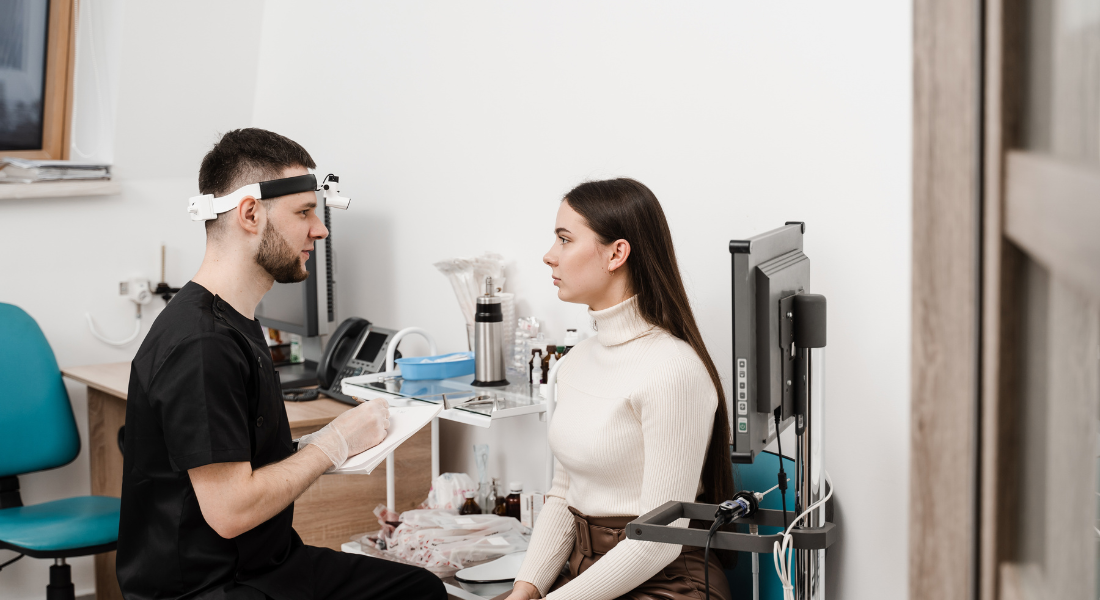
When you’re dealing with inflammatory or immune-related conditions, experience truly makes a difference. Not every clinic is equipped to assess these nuances properly, especially for elective procedures like laser eye surgery. Choosing the right team helps ensure decisions are made with care, not haste.
Choosing the right clinic matters because:
- Experience with inflammatory conditions is essential – Clinics familiar with how inflammation affects healing can assess risk more accurately and plan treatment safely.
- Nuanced assessment leads to safer outcomes – Understanding subtle signs and timing considerations helps avoid complications rather than reacting to them later.
- This is especially important for laser eye surgery – Procedures like LASIK require predictable healing, which depends on careful pre-operative evaluation.
- Patient-specific care builds confidence – At Eye Clinic London, we focus on thorough assessment, personalised guidance, and long-term outcomes rather than speed.
If you’re exploring Lasik surgery in London, choosing a clinic that prioritises careful evaluation supports safer decisions and greater confidence in your treatment journey.
FAQs:
- Does having psoriasis automatically mean I cannot have LASIK eye surgery?
No, psoriasis does not automatically rule you out of LASIK. What matters most is how stable your condition is and whether there is any active inflammation affecting the eyes. Many patients with well-controlled psoriasis safely undergo LASIK after careful assessment. - Why does psoriasis need special consideration before LASIK?
Psoriasis is an immune-driven inflammatory condition, and inflammation can influence healing after surgery. LASIK relies on predictable corneal healing, so underlying inflammatory activity must be stable. This is why individual evaluation is more important than the diagnosis alone. - Can psoriasis affect my eyes even if I don’t notice symptoms?
Yes, psoriasis can sometimes involve the eyes subtly, causing dryness, eyelid inflammation, or surface irritation without obvious symptoms. These changes may not always be noticeable but can still affect LASIK recovery. That is why detailed ocular surface checks are essential. - Why is disease stability so important before LASIK?
LASIK is safest when psoriasis has been stable for a sustained period. Active flare-ups suggest higher inflammatory activity, which can lead to unpredictable healing or prolonged discomfort. Waiting for stability helps improve both safety and visual outcomes. - How does dry eye affect LASIK outcomes in patients with psoriasis?
Dry eye is more common in inflammatory conditions like psoriasis and can feel worse after LASIK if not treated beforehand. Since LASIK temporarily affects corneal nerves involved in tear production, pre-existing dryness needs careful management to support comfort and healing. - Do psoriasis medications affect whether I can have LASIK?
Some treatments, especially systemic or immune-modulating medications, can influence healing behaviour. Stability of treatment is more important than the medication itself. When treatments have been consistent for a period, healing is usually more predictable and safer. - Does psoriasis increase the risk of LASIK complications?
Psoriasis alone does not increase LASIK risk when the disease is well controlled and the eyes are healthy. Risk increases mainly when inflammation, dry eye, or eyelid involvement is active. Careful screening helps avoid avoidable complications. - What happens if my psoriasis flares after LASIK?
There is no strong evidence that LASIK triggers psoriasis flare-ups. LASIK works locally on the eye and does not alter immune activity systemically. Ongoing eye care and dryness management help maintain comfort even if skin symptoms fluctuate later. - Why might LASIK be delayed even if my vision qualifies?
LASIK may be delayed if there is active inflammation, unstable dry eye, recent medication changes, or eyelid involvement. Delaying surgery allows time to stabilise these factors and improves the chance of smooth healing and long-term comfort. - How do doctors decide if LASIK is right for someone with psoriasis?
The decision is personalised and based on eye health, disease stability, treatment history, and lifestyle needs. Surgeons assess healing predictability rather than using blanket rules. This careful, collaborative approach ensures safety, transparency, and realistic expectations.
Final Thoughts: A Careful, Personalised Approach Makes All the Difference
Living with psoriasis doesn’t automatically mean LASIK is off the table. What truly matters is how stable your condition is, how healthy your ocular surface is, and how predictably your eyes are likely to heal. I believe the safest outcomes come from looking beyond labels and focusing on individual disease behaviour, treatment stability, and careful pre-operative assessment rather than assumptions.
If you’d like to find out whether lasik surgery in London is suitable for you, feel free to contact us at Eye Clinic London to arrange a consultation. With the right evaluation and timing, many patients with psoriasis can move forward confidently and safely.Top of Form
References:
- Ocular surface changes after ophthalmic surgery: This review examines how procedures such as LASIK affect the ocular surface and contribute to dry eye and tear film instability post‑surgery. https://www.mdpi.com/2077-0383/10/8/1642
- Tamimi et al. Post‑LASIK dry eye disease: a comprehensive review summarises pathophysiological mechanisms, risk factors, and management of dry eye following LASIK and other refractive procedures. https://pmc.ncbi.nlm.nih.gov/articles/PMC10126282/
- Early ocular surface and tear inflammatory changes after LASIK vs SMILE a study showing how corneal nerve damage during LASIK induces inflammation. https://pmc.ncbi.nlm.nih.gov/articles/PMC4161422/
- Long‑term ocular surface changes after LASIK evidence that chronic dry eye symptoms and reduced tear production may persist post‑LASIK. https://pubmed.ncbi.nlm.nih.gov/39653022/
- Update on contraindications in laser corneal refractive surgery: This paper outlines how autoimmune or inflammatory diseases are treated as relative (not absolute) contraindications. https://www.sciencedirect.com/science/article/abs/pii/S2173579422001426