


Excessive Eye Rubbing in Children: When to See a Paediatric Ophthalmologist
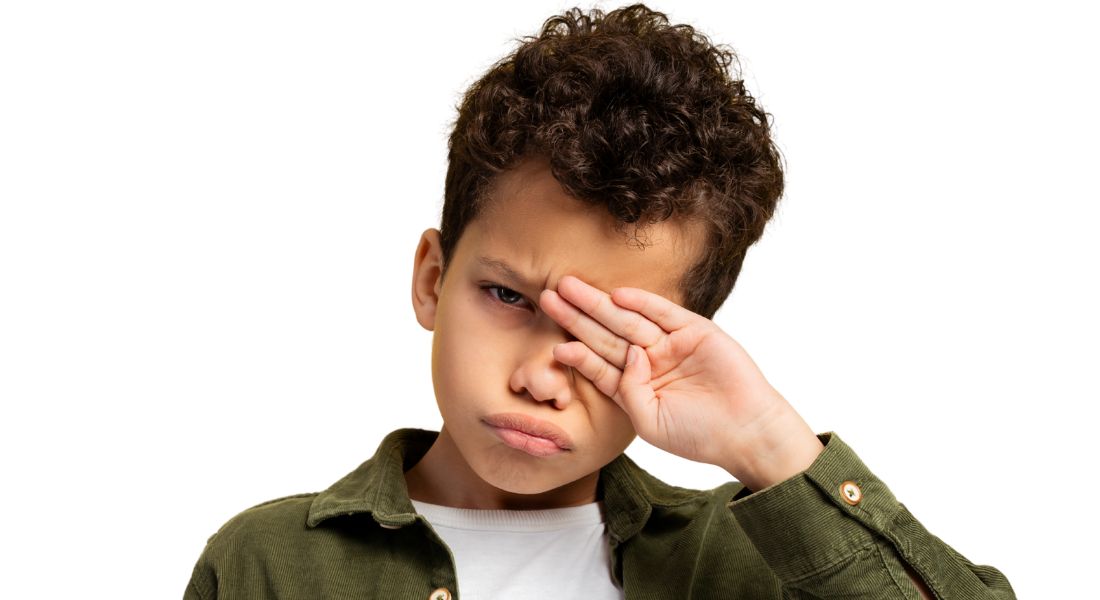
It’s common for children to rub their eyes occasionally, especially when they’re tired or feeling sleepy. Many parents assume it’s a harmless habit that will pass on its own as the child grows. In most cases, that’s true and nothing to worry about. Brief eye rubbing after a long day, screen use, or missed nap is usually normal and self-limiting.
However, frequent or forceful eye rubbing can sometimes signal an underlying eye issue rather than simple fatigue. When rubbing becomes persistent, aggressive, or occurs throughout the day, it deserves closer attention. Parents may notice their child pressing into the eyes, rubbing until the eyes appear red, or doing so even after adequate rest. This type of behaviour can interfere with comfort, vision, and normal daily activities.
In this article, I’ll explain the common causes of excessive eye rubbing in children, when it may indicate a problem, and when it’s advisable to seek assessment from a paediatric eye specialist. Understanding the difference between normal behaviour and warning signs can help parents act early.
Why Children Rub Their Eyes
Children rub their eyes for many reasons, and not all of them are concerning. Young children often lack the language to describe discomfort, so rubbing becomes a natural way to respond to sensations they can’t explain. It may also be a self-soothing behaviour, particularly in infants and toddlers. In many cases, it reflects normal development rather than an eye problem.
Temporary irritation, tiredness, or exposure to bright light can all trigger eye rubbing. After a long day, poor sleep, or time spent outdoors, children may rub their eyes simply because they feel strained or dry. Dust, wind, or chlorine from swimming pools can also cause brief irritation. These episodes are usually mild and settle without any treatment.
The concern arises when rubbing becomes frequent, intense, or habitual. Persistent rubbing throughout the day may suggest ongoing discomfort rather than a temporary trigger. Parents may notice the child rubbing even when they appear well-rested or comfortable otherwise. This pattern can point towards an underlying issue that needs attention.
Tiredness and Eye Rubbing
Fatigue is one of the most common reasons children rub their eyes. Long days at school, extended screen use, or irregular sleep patterns can place strain on young eyes. When children become overtired, their eyes may feel heavy or uncomfortable, prompting rubbing as a reflex. This behaviour is often accompanied by yawning or general irritability.
In these cases, rubbing usually occurs in the evening and stops after rest or sleep. Once the child has had adequate downtime or a good night’s sleep, the behaviour typically disappears. There are no other eye symptoms present, such as redness, discharge, or light sensitivity. Vision remains normal, and the child does not complain of ongoing discomfort.
If rubbing only happens when your child is tired, it’s usually not a cause for concern. Ensuring regular sleep routines and limiting screen time before bed can help reduce eye strain. Encouraging breaks during visually demanding activities may also make a difference. However, if tiredness-related rubbing starts happening earlier in the day or becomes excessive, it may be worth monitoring more closely.
Allergies as a Common Trigger
Eye allergies are one of the most common reasons children rub their eyes repeatedly. Allergic conjunctivitis causes intense itching, redness, and watering, which naturally prompts children to rub their eyes in an attempt to find relief. While rubbing may feel soothing at first, it often worsens irritation and prolongs symptoms.
- Itching is the main driver: The allergic response releases histamine, which causes itching and discomfort around the eyes. Rubbing provides temporary relief but increases inflammation.
- Symptoms often occur in both eyes: Allergy-related eye rubbing usually affects both eyes and is commonly accompanied by sneezing, a runny or blocked nose, or other seasonal allergy symptoms.
- Symptoms may persist without treatment: If the underlying allergy is not managed, eye rubbing can become frequent and habitual. This can lead to ongoing discomfort and increased eye sensitivity.
Without appropriate treatment, allergy-related eye rubbing can become chronic and distressing. Managing the allergy itself is key to reducing symptoms. Early intervention helps protect the eyes and improves overall comfort.
Dry or Irritated Eyes in Children
Although dry eye is more commonly associated with adults, children can experience it too. Environmental factors such as air conditioning, central heating, wind exposure, and prolonged screen time can reduce tear stability and cause irritation. Because children may struggle to describe these sensations, discomfort is often expressed through eye rubbing instead.
- Dryness causes a gritty or burning sensation: Reduced tear quality or quantity can make the eyes feel sore, scratchy, or uncomfortable. Rubbing may temporarily relieve the sensation but often worsens irritation.
- Behavioural signs are more common than complaints: Children may not say their eyes feel dry, but frequent rubbing, blinking, or squinting can indicate discomfort.
- Environmental triggers play a key role: Heated indoor spaces, air conditioning, and extended screen use can all contribute to dryness by reducing blink rate and tear production.
Persistent dryness should not be dismissed as a habit or tiredness alone. Assessment helps identify the cause and prevents ongoing discomfort. Early management supports eye comfort and long-term eye health.
Vision Problems and Eye Rubbing
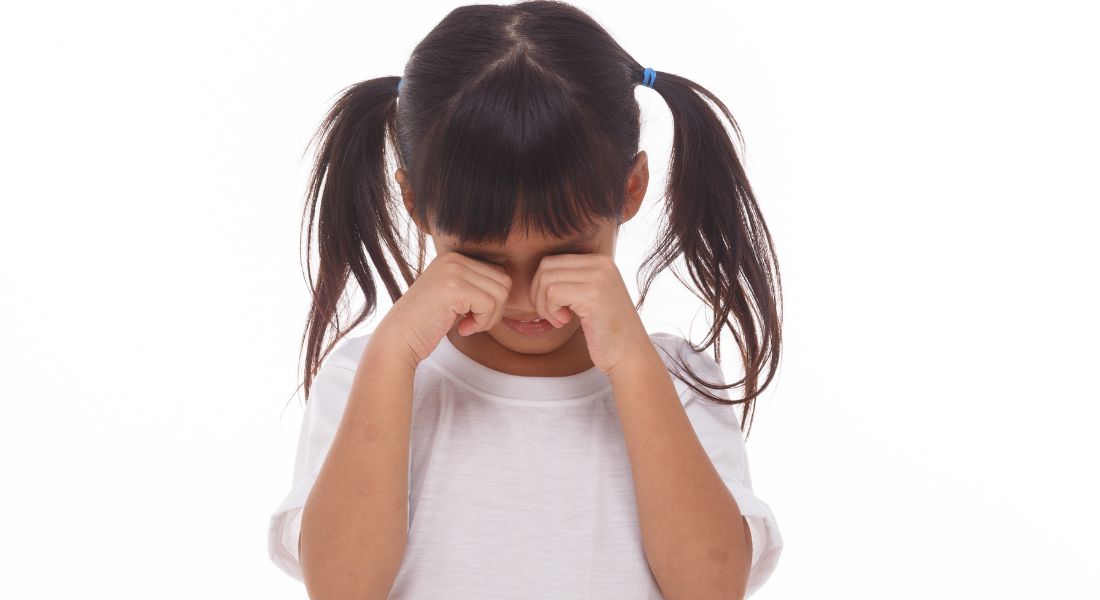
Uncorrected vision problems can cause eye strain, especially when children are focusing on reading, writing, or screens. When the eyes have to work harder to maintain clear focus, discomfort can build up over time. Rubbing the eyes may be a child’s way of relieving this strain. This is particularly common during homework or prolonged close-up tasks.
Children may not realise their vision is blurred because they assume everyone sees the same way. They often adapt without complaint, even if they are struggling to see clearly. As a result, subtle signs such as squinting, sitting very close to books or screens, or frequent eye rubbing may be the only clues. These behaviours can appear long before a child mentions any visual difficulty.
Vision checks are essential when eye rubbing is frequent or clearly linked to near work. An eye examination can identify issues such as long-sightedness, short-sightedness, or astigmatism. Correcting these problems often reduces eye strain and stops the rubbing altogether. Early detection supports comfortable vision and helps children perform better at school and play.
Eye Rubbing and Squinting Together
If eye rubbing occurs alongside squinting, head tilting, or sitting very close to screens, it raises further concern. These behaviours often indicate that a child is struggling to see clearly or comfortably. Squinting may temporarily sharpen vision, while head tilting can help reduce visual strain. When combined with eye rubbing, it suggests ongoing visual discomfort.
Children tend to compensate instinctively rather than explaining what they’re experiencing. They may not have the awareness or vocabulary to describe blurred or strained vision. Instead, behaviours like rubbing, squinting, or changing posture become their way of coping. These signs can be subtle but consistent.
These patterns should prompt an eye assessment, even if the child hasn’t complained directly. An eye examination can identify refractive errors or other vision issues that may be causing the behaviour. Early assessment helps prevent unnecessary strain and supports healthy visual development. Acting early often leads to simple and effective solutions.
When Eye Rubbing Becomes Excessive
Eye rubbing becomes concerning when it is forceful, repetitive, or difficult to stop. Some children rub so hard or so often that the eyes appear red, swollen, or sore. This behaviour may continue throughout the day rather than occurring only when the child is tired. It can also happen even when there is no obvious trigger.
Excessive rubbing can damage the delicate structures of the eye over time. Repeated pressure on the eye surface may worsen irritation or inflammation that is already present. In some cases, it can contribute to changes in the cornea, especially if rubbing continues unchecked. This is why ongoing, aggressive rubbing should always be taken seriously.
Persistent forceful rubbing should never be ignored. It often indicates significant discomfort that needs proper assessment. Identifying and treating the underlying cause can prevent further irritation and protect long-term eye health. Early intervention is particularly important in growing children.
Behavioural or Habit-Based Rubbing
In some cases, eye rubbing becomes a habit rather than a response to discomfort. This is more common in younger children or during periods of stress, anxiety, or change in routine. Rubbing may act as a self-soothing behaviour, similar to thumb-sucking or hair-twirling. It can occur without any clear trigger.
Habitual rubbing may continue even when the eyes appear healthy and free from redness or discharge. Parents may notice it happening during boredom, tired moments, or emotional stress rather than visual tasks. Even so, it’s important not to assume the behaviour is harmless too quickly. Subtle irritation or vision issues can sometimes be missed without proper assessment.
Only after medical causes are excluded should eye rubbing be considered behavioural. An eye examination helps rule out allergies, dryness, or vision problems. Once physical causes are addressed, gentle behaviour strategies can help reduce the habit. Reassurance and consistency are often effective in younger children.
Why Excessive Rubbing Can Be Harmful
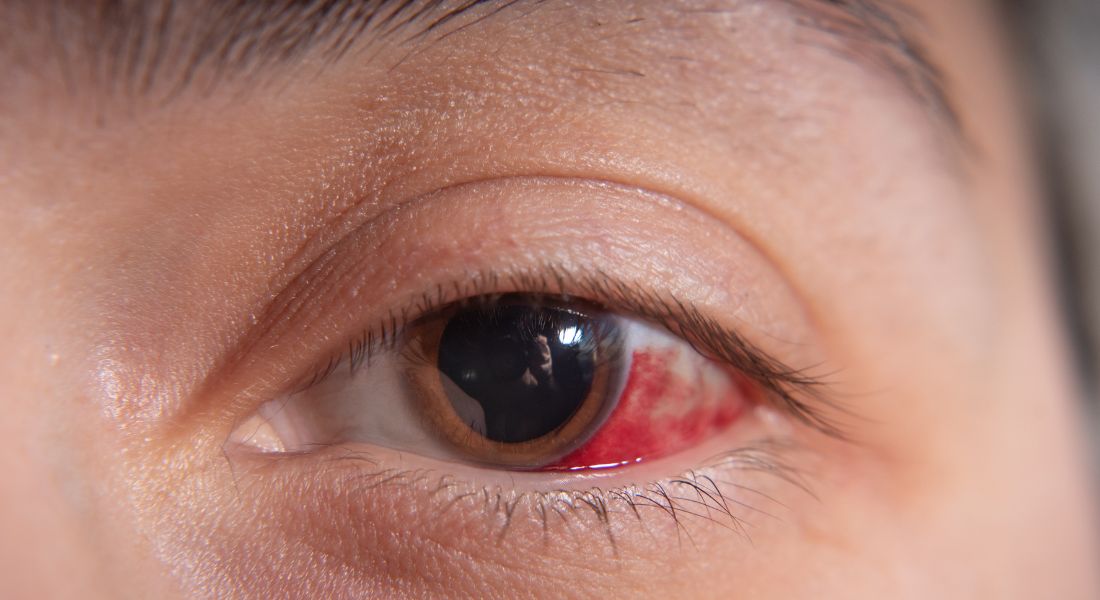
The eye surface is delicate, especially in children whose eyes are still developing. Repeated rubbing can irritate the cornea and surrounding tissues, leading to redness, soreness, or increased sensitivity. If an underlying condition such as allergy or dryness is present, rubbing can make symptoms worse. Over time, this irritation may take longer to settle.
In rare cases, chronic eye rubbing has been linked to changes in the shape of the cornea. While this is uncommon, the risk increases with forceful and long-term rubbing. Persistent pressure on the eye can weaken corneal structure, particularly in susceptible children. This is why ongoing rubbing should never be dismissed as harmless.
Preventing excessive rubbing helps protect long-term eye health. Identifying and treating the cause early reduces the urge to rub in the first place. Simple interventions can make a significant difference when introduced promptly. Protecting the eyes during childhood supports healthy vision well into adulthood.
Red Flags Parents Should Watch For
Occasional eye rubbing is common in children, but certain signs suggest it may be linked to an underlying eye problem. When rubbing is frequent or accompanied by other symptoms, it should not be ignored. Recognising these warning signs early can help prevent ongoing discomfort or potential vision issues.
You should seek professional advice if eye rubbing is accompanied by:
- Persistent redness or swelling: Ongoing inflammation around the eyes may indicate infection, allergy, or irritation that needs treatment.
- Sensitivity to light: Light discomfort can be a sign of surface eye inflammation or other ocular conditions requiring assessment.
- Squinting or frequent blinking: These behaviours may suggest eye strain, irritation, or a vision problem that a child cannot clearly describe.
- Watery or sticky discharge: Discharge may point to infection or blocked tear ducts and should be checked promptly.
- Complaints of headaches or eye pain: Headaches or pain around the eyes can indicate visual strain or other underlying issues.
These symptoms suggest that eye rubbing is more than a simple habit. A professional eye assessment helps identify the cause and guide appropriate treatment. Early evaluation supports comfort, eye health, and visual development.
When to See a Paediatric Ophthalmologist
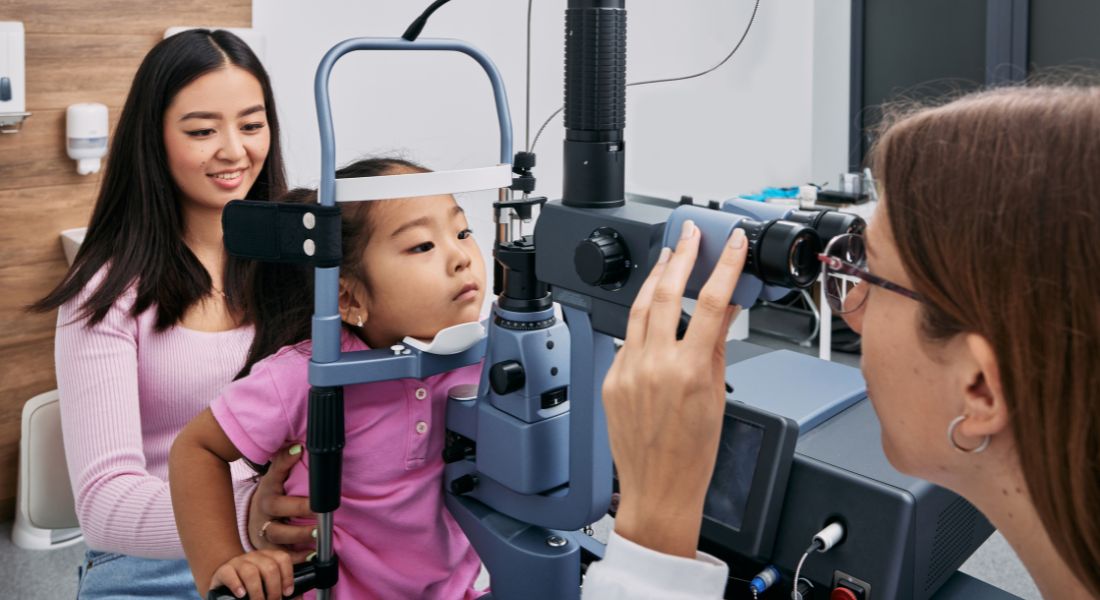
If eye rubbing is frequent, forceful, or associated with other symptoms, a specialist assessment is advisable. A paediatric ophthalmologist can examine your child’s eyes in a child-friendly way. They assess vision, eye alignment, eye surface health, and underlying conditions. This ensures any issue is identified early. Early assessment often prevents long-term problems.
What Happens During an Assessment
A paediatric eye examination is gentle and adapted to your child’s age. Tests are designed to be engaging rather than intimidating. The specialist checks vision, eye movements, eye health, and signs of allergy or inflammation. Parents are usually involved throughout. The goal is understanding, not discomfort.
Why Early Assessment Matters
Children’s visual systems are still developing, which makes early detection of problems especially important. Untreated eye issues can interfere with learning, reading, and concentration in the classroom. Ongoing discomfort may also affect a child’s confidence and willingness to participate in activities. Even mild vision problems can have a broader impact if left unaddressed.
Early identification allows simpler treatments to be effective. Many childhood eye conditions respond well to straightforward measures when caught early. Delayed assessment can allow problems to progress, making treatment more involved or prolonged. Early care often leads to better outcomes with less disruption for the child.
Timely assessment protects both vision and overall development. Addressing eye concerns early supports comfortable, clear vision during key learning years. It also reassures parents and reduces unnecessary worry. Seeking advice at the right time helps ensure healthy visual development.
Treatment Depends on the Cause
Treatment varies depending on what’s causing the eye rubbing. Allergies may be managed with appropriate eye drops, oral medication, or simple avoidance strategies to reduce exposure to triggers. Addressing the underlying inflammation often reduces itching and the urge to rub. In many cases, symptoms improve quickly once treatment begins.
Vision problems are corrected with glasses if needed, which helps reduce eye strain. Once the eyes no longer have to work excessively, rubbing often settles on its own. Dryness or surface irritation may require lubricating drops or environmental adjustments. These supportive treatments help restore comfort and protect the eye surface.
Reassuring Children and Parents
It’s natural for parents to worry when they notice persistent eye rubbing in their child. While the behaviour can look alarming, most causes are not serious when identified and addressed early. Many underlying issues are common and easily treated. Prompt attention often leads to quick reassurance.
Reassurance comes from understanding the reason behind the behaviour. Once a clear cause is identified, parents can feel confident that the right steps are being taken. Having a plan in place reduces uncertainty and helps families feel more in control. Children also tend to feel calmer when their discomfort is acknowledged.
You’re doing the right thing by paying attention to these signs. Noticing changes and seeking advice shows proactive care for your child’s wellbeing. Early action helps protect both comfort and vision. Trusting your instincts as a parent is an important part of keeping your child healthy.
FAQs:
- Is eye rubbing always a sign of an eye problem in children?
No, eye rubbing is not always a sign of an eye problem. Many children rub their eyes when they are tired, bored, or settling down to sleep. Occasional rubbing, especially at the end of the day, is usually normal and not a cause for concern. It becomes more significant only when the behaviour is frequent, forceful, or happens throughout the day without an obvious reason. - How can I tell the difference between normal tiredness and a problem?
Eye rubbing related to tiredness usually happens in the evening and stops after rest or sleep. The child otherwise appears comfortable, with no redness, swelling, or complaints of pain. If rubbing continues despite good sleep, happens during the day, or is associated with other symptoms like squinting or redness, it may suggest something more than simple fatigue. - Can allergies really cause children to rub their eyes this much?
Yes, allergies are one of the most common reasons for excessive eye rubbing in children. Allergic reactions cause intense itching, which naturally leads children to rub their eyes for relief. This rubbing can make symptoms worse by increasing inflammation, which is why allergy-related eye rubbing often becomes persistent without treatment. - Do children get dry eyes, or is that just an adult problem?
Children can experience dry or irritated eyes, even though it is more commonly discussed in adults. Environmental factors such as air conditioning, heating, wind exposure, and prolonged screen use can affect tear stability in children. Because children often struggle to describe dryness, they may show discomfort through rubbing rather than verbal complaints. - Can poor eyesight cause eye rubbing even if my child hasn’t complained?
Yes, uncorrected vision problems can cause eye strain that leads to rubbing, even if a child has not mentioned difficulty seeing. Children often assume their vision is normal and adapt without realising there is an issue. Signs like rubbing during reading or screen use, squinting, or sitting very close to objects may be the only clues. - Should I be worried if my child rubs their eyes very hard?
Forceful or aggressive eye rubbing should always be taken seriously. Repeated pressure on the eyes can worsen irritation and, over time, affect the delicate structures of the eye. If rubbing is intense, difficult to stop, or causing visible redness or swelling, it is important to seek professional assessment. - Can eye rubbing damage my child’s eyes in the long term?
Occasional gentle rubbing is unlikely to cause harm, but chronic or forceful rubbing can irritate the eye surface and worsen existing conditions. In rare cases, long-term excessive rubbing has been linked to changes in the shape of the cornea. Preventing ongoing rubbing by addressing the underlying cause helps protect long-term eye health. - When should I take my child to see a paediatric ophthalmologist?
You should consider seeing a paediatric ophthalmologist if eye rubbing is frequent, persistent, or associated with other symptoms such as redness, light sensitivity, discharge, squinting, headaches, or eye pain. Specialist assessment is particularly important if rubbing continues despite rest or seems to interfere with daily activities. - What will happen during my child’s eye examination?
A paediatric eye examination is designed to be gentle and age-appropriate. The specialist will assess vision, eye alignment, eye movements, and the health of the eye surface using child-friendly techniques. The process is usually calm and reassuring, with parents involved throughout to help the child feel comfortable. - Will treatment stop the eye rubbing completely?
In most cases, yes. Once the underlying cause such as allergies, dryness, or a vision problem is identified and treated, eye rubbing usually reduces or stops altogether. Treatment is tailored to the specific issue, and many childhood eye conditions respond quickly when managed early. Addressing the cause rather than the behaviour itself leads to the best outcomes.
Final Thought: Protecting Your Child’s Eye Health
Excessive eye rubbing in children is often harmless, but when it becomes frequent, forceful, or persistent, it may indicate an underlying issue that requires attention. Children may not be able to describe discomfort or visual strain, so their behaviour becomes an important signal. Observing patterns, associated symptoms, and changes over time allows parents to act early, helping to prevent discomfort or longer-term problems. In many cases, identifying the cause leads to simple and effective treatment, providing reassurance for both children and parents.
If you’d like to find out whether paediatric ophthalmologist in London is suitable for you, feel free to contact us at Eye Clinic London to arrange a consultation. Early assessment ensures your child’s eyes remain healthy and supports comfortable, clear vision during critical developmental years.
References:
- Mahfouz, M. S., Mahmoud, S. S., Haroobi, S. Q. et al., 2024. Knowledge, Attitudes, and Practices of Parents Regarding Ophthalmological Screening of Preschool-Aged Children in Jazan, Saudi Arabia. Clinics and Practice, 14(6), p.2522. https://www.mdpi.com/2039-7283/14/6/198
- Dimacali, V., Balidis, M., Adamopoulou, A. et al., 2020. A Case of Early Keratoconus Associated with Eye Rubbing in a Young Child. Ophthalmology and Therapy, 9(3), pp.667–676. https://pmc.ncbi.nlm.nih.gov/articles/PMC7406581/
- Niu, X., Qin, A., Zhang, W., Xu, M. and Yang, Y., 2025. The Effects of Eye Rubbing on Corneal Topography and Biomechanics in Children With Allergic Conjunctivitis. Translational Vision Science & Technology, 14(10), p.18. https://pubmed.ncbi.nlm.nih.gov/41090994/
- Rabinowitz, Y.S., 2020. Eye Rubbing and Transient Corneal Ectasia Detected by Topography in a Pediatric Patient. Journal of Pediatric Ophthalmology and Strabismus. https://pubmed.ncbi.nlm.nih.gov/32858542/
- Unilateral keratoconus in a child with chronic and persistent eye rubbing, 2005. American Journal of Ophthalmology, 139(2), pp.356–357. https://www.sciencedirect.com/science/article/abs/pii/S0002939404009328