


Why Vision Can Fluctuate After LASEK Surgery
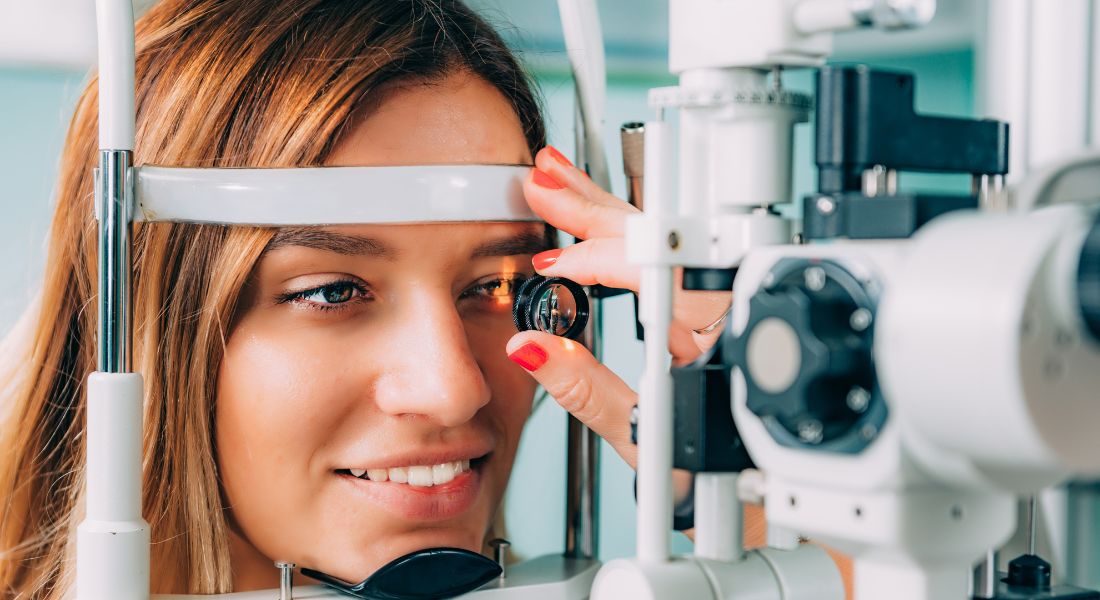
If you’ve had LASEK surgery, or you’re preparing for it, you may be surprised to hear that vision doesn’t always improve in a straight line. Some days your sight feels clearer and sharper, while on others it may seem slightly blurred or inconsistent. This can feel confusing, especially if you expected steady improvement.
Vision fluctuation after LASEK is common and, in most cases, completely normal. The surface of the eye needs time to heal, and several biological processes are happening simultaneously during recovery. These changes can temporarily affect how clearly you see.
In this article, I’ll explain why vision can fluctuate after LASEK surgery, how long this phase usually lasts, what factors influence recovery, and when changes should be checked more closely. Understanding what’s happening can make the recovery period far less stressful.
Why Vision Recovery After LASEK Is Different
LASEK is a surface-based laser eye procedure. Unlike LASIK, it does not involve creating a permanent corneal flap. Instead, the outer layer of the cornea, known as the epithelium, is gently loosened and then repositioned after the laser treatment.
Because this surface layer needs time to heal and regenerate, recovery after LASEK is naturally slower than with flap-based procedures. Vision does not stabilise immediately and instead improves in stages as the epithelium repairs itself.
During this healing period, it’s common for vision to fluctuate. Changes in surface smoothness and tear film stability can cause clarity to vary from day to day or even throughout the same day.
These ups and downs are usually a normal part of recovery rather than a sign that something has gone wrong. They simply indicate that the eye is still healing and gradually stabilising.
What Vision Fluctuation Actually Feels Like
Vision fluctuation after procedures like LASEK rarely means a sudden or dramatic loss of sight. Instead, it’s usually subtle, variable, and inconsistent, which can make it confusing rather than alarming. Many patients describe it as vision that feels “almost right” but not quite settled.
- Clearer vision earlier in the day: Vision may feel sharper in the morning and gradually soften as the day goes on. This is often linked to dryness increasing with screen use, air conditioning, or reduced blinking.
- Blur that comes and goes: You might notice brief periods of slight blur that resolve on their own. These episodes are usually mild and don’t stop you from functioning, but they can be noticeable when reading or focusing.
- Differences between eyes: One eye may feel clearer than the other, or they may seem to alternate in sharpness. This is common during healing, as each eye can recover at a slightly different pace.
- Temporary haziness or soft focus: Vision can occasionally feel misty or less crisp, particularly in low light or when your eyes are tired. This softness often improves with blinking or lubricating drops.
- Day-to-day variability rather than constant change: Vision often feels better on some days and less clear on others, rather than fluctuating dramatically within the same hour. This unpredictability is a normal part of recovery.
Although this inconsistency can feel unsettling, it’s usually a sign of ongoing healing rather than a problem. Understanding that fluctuation is expected helps reduce anxiety and makes it easier to recognise when vision is progressing normally toward stability.
The Role of the Corneal Epithelium
The corneal epithelium plays a crucial role in visual quality after LASEK. This thin outer layer must heal smoothly and evenly to allow light to pass through the cornea in a clear, focused way. Until it fully recovers, vision can feel unstable.
In the early weeks after surgery, epithelial cells are still regenerating and settling into position. During this time, the corneal surface may not be perfectly uniform, even though healing is progressing normally.
Because the epithelium is so important for optical clarity, even very small surface irregularities can affect how light is focused. This can lead to temporary blurring, haziness, or day-to-day fluctuations in vision.
As the epithelial layer continues to smooth out and mature, these visual changes usually settle. Improved surface regularity is a key reason vision becomes clearer and more consistent over time.
Why Vision Can Improve Then Worsen Again
Many patients notice that their vision seems to improve at one point, only to feel worse again later. This pattern is very common after surface laser procedures like LASEK and can understandably feel confusing or discouraging.
Early improvements often occur as initial swelling settles and the eye starts to feel more comfortable. Vision may briefly seem clearer during this phase, giving the impression that recovery is nearly complete.
Later on, fluctuations can return as the epithelial cells continue to remodel, thicken, and adapt to the reshaped cornea. Changes in tear film stability can also contribute to these ups and downs.
This doesn’t mean progress is being lost or reversed. It simply indicates that healing is still happening beneath the surface, and visual stability has not yet fully settled.
Dry Eye and Its Impact on Vision
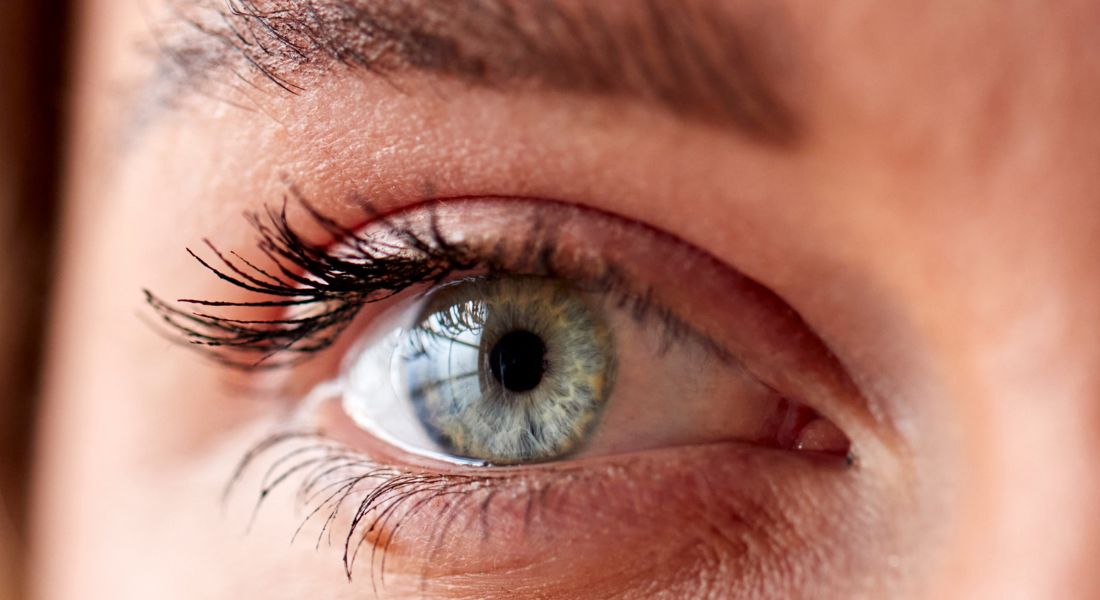
Dry eye is one of the most common reasons patients notice fluctuating vision after LASEK. The procedure temporarily affects the corneal nerves, which play a key role in maintaining a stable tear film. Understanding how dryness impacts vision can help you manage symptoms and set realistic expectations during recovery.
- Temporary disruption of corneal nerves – LASEK affects the tiny nerves in the cornea that control tear production. This can reduce tear secretion and alter the quality of the tear film, leading to intermittent visual softness.
- Variability in tear film stability – A stable tear film is essential for clear vision. When it becomes uneven, light doesn’t focus evenly on the retina, causing temporary blur or haziness.
- Vision affected by environment and activity – Dry air, prolonged screen time, or long days can worsen the effect, making vision seem less sharp later in the day compared with the morning.
- Lubricating eye drops help – Using preservative-free artificial tears can smooth the tear layer, improving clarity and comfort. Regular use can reduce the perception of fluctuations.
- Part of normal healing – Dry eye tends to improve gradually as corneal nerves recover. Most patients notice significant improvement within weeks to months, though some residual dryness may persist longer.
By recognising that dryness is a natural part of the healing process, you can take simple steps to maintain visual clarity and comfort. Managing dry eye effectively is a key factor in stabilising your vision after LASEK.
Healing Takes Place in Stages
Recovery after LASEK occurs in distinct stages rather than all at once, with each phase affecting vision in different ways. Understanding these stages helps set realistic expectations for healing.
In the first few days, blurred vision, light sensitivity, and discomfort are common as the epithelial layer begins to heal. This initial phase is focused on tissue repair rather than visual clarity.
Over the following weeks, vision generally starts to improve, though it may still fluctuate from day to day. These variations are normal and reflect ongoing surface smoothing and adaptation.
Over several months, the cornea gradually stabilises. As healing completes, fluctuations in vision decrease and eventually resolve, allowing for more consistent and reliable sight.
How Long Does Vision Fluctuation Usually Last?
For most patients, noticeable vision fluctuations gradually settle within the first few weeks to months after LASEK. The exact timeline depends on individual healing responses and factors such as corneal thickness, prescription, and tear film stability.
Some patients find their vision stabilises within six to eight weeks, while others may experience minor changes for up to three months or slightly longer. These variations are normal and generally do not indicate complications.
This slower recovery is one of the trade-offs of surface-based laser procedures. While healing takes longer than flap-based surgeries, LASEK preserves corneal integrity and reduces certain risks, offering long-term visual benefits once recovery is complete.
Factors That Influence Vision Stability
Vision stability after LASEK varies from person to person. Several factors can affect how quickly your eyesight settles and how noticeable fluctuations may be during recovery. Understanding these influences can help you set realistic expectations and manage your healing process more effectively.
- Individual healing speed – Everyone’s eyes recover at a slightly different pace. Some patients stabilise quickly, while others may experience fluctuations for several weeks or months.
- Pre-existing dry eye – Patients who had dryness or tear film issues before surgery may notice more pronounced fluctuations and slower visual stabilisation.
- Prescription strength before surgery – Higher degrees of myopia, hyperopia, or astigmatism can influence how rapidly vision becomes consistent after correction.
- Environmental factors – Dry air, air conditioning, prolonged screen use, or exposure to dust can exacerbate temporary blur and make fluctuations more noticeable.
- Consistency with aftercare instructions – Regular use of prescribed drops, avoiding eye rubbing, and following post-operative guidelines all play a role in how smoothly vision stabilises.
None of these factors automatically indicate a complication. They simply shape the way healing progresses. Recognising their influence can help you be patient and proactive during recovery, supporting a smoother journey toward stable, clear vision.
The Importance of Aftercare and Medication
Proper aftercare is crucial for supporting healing and stabilising vision after LASEK. Prescribed eye drops help reduce inflammation, protect the corneal surface, and improve overall comfort during recovery.
Steroid drops are often used specifically to control surface inflammation. Fluctuations in inflammation can directly affect visual clarity, so maintaining a consistent regimen is important.
Carefully following your drop schedule and other aftercare instructions helps the cornea heal evenly. This reduces unnecessary variations in vision and promotes a smoother, more predictable recovery process.
Light Sensitivity and Visual Quality
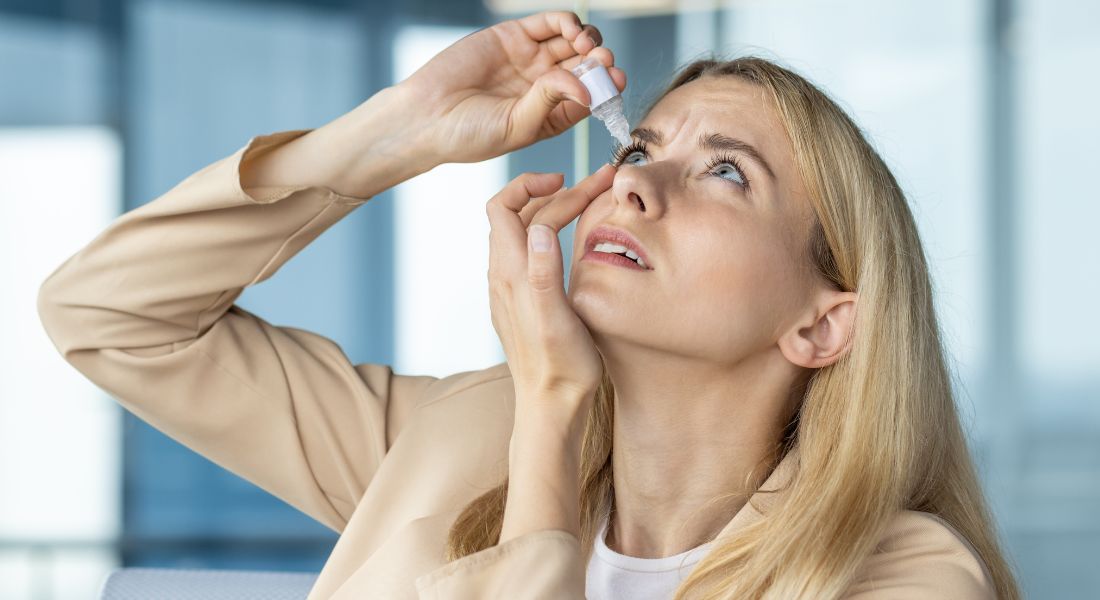
After LASEK, many patients notice increased sensitivity to light, particularly during the early stages of recovery. This heightened sensitivity can make vision feel hazy, uncomfortable, or inconsistent, even when healing is progressing normally. Understanding how light interacts with the recovering eye can help you manage this phase more comfortably.
Early post-operative sensitivity – The corneal surface is temporarily more reactive to bright light, sunlight, or glare. This can make everyday activities such as driving or reading in strong light feel more challenging.
Exaggeration of vision fluctuations – Light sensitivity can make subtle visual inconsistencies feel more pronounced, causing your eyes to strain or your focus to waver.
Environmental adjustments help – Wearing sunglasses outdoors, using hats with brims, and avoiding harsh indoor lighting can reduce discomfort and improve perceived clarity.
Gradual improvement with healing – As the corneal surface smooths and the epithelium regenerates, both light sensitivity and associated vision fluctuations generally decrease.
Supporting comfort and clarity – Using lubricating eye drops, taking regular breaks from screens, and protecting your eyes from direct light can aid in stabilising visual quality during this stage.
Light sensitivity is a normal part of the healing process and usually improves alongside your vision. By taking simple precautions, you can reduce discomfort and support smoother recovery while your eyes regain full clarity.
Is Fluctuation a Sign the Surgery Didn’t Work?
Many patients worry that fluctuating vision means their surgery has failed, but in most cases, this is not true. Temporary ups and downs are a normal part of the healing process after LASEK.
Final, stable vision is not expected immediately. LASEK is designed to achieve optimal results once the cornea has fully healed, rather than providing instant clarity.
Surgeons evaluate outcomes over several months, monitoring how the cornea stabilises and how vision settles. Fluctuating sight during this period is usually a sign of normal recovery, not a failed procedure.
When Vision Should Be Checked More Closely
Fluctuating vision after LASEK is usually part of the normal healing process. However, there are certain signs that warrant prompt attention to ensure no complications are developing. Knowing when to seek a review can help you feel confident in managing your recovery safely.
- Sudden or significant vision loss: Any rapid deterioration in vision, rather than the usual subtle fluctuations, should be assessed immediately.
- Increasing or unusual pain: Mild discomfort is expected, but pain that intensifies instead of gradually improving may indicate an issue requiring attention.
- Redness that worsens: Persistent or spreading redness can signal irritation or infection, which needs timely evaluation.
- Persistent haze or blurriness: While temporary haze is normal, vision that does not gradually clear or continues to deteriorate should be checked.
Although these symptoms are uncommon, early assessment ensures any problems are addressed quickly. If in doubt, contacting your clinic provides reassurance and helps safeguard the long-term success of your LASEK procedure.
Comparing LASEK to Other Laser Procedures
Compared with LASIK, LASEK involves a longer recovery period and more early fluctuations in vision. This is expected because LASEK relies on surface healing, whereas LASIK creates a corneal flap that allows quicker visual stabilisation.
Despite the slower initial recovery, long-term visual outcomes are generally comparable between LASEK and LASIK once healing is complete. Both procedures can provide excellent clarity and patient satisfaction.
Many patients choose LASEK for specific reasons, such as thinner corneas, higher risk of trauma, or personal lifestyle considerations. Understanding these differences helps set realistic expectations and informs the best procedure choice for each individual.
Emotional Impact of Vision Fluctuation
Fluctuating vision after LASEK can be emotionally challenging, particularly for those who depend on clear sight for work, driving, or daily activities. Even temporary blurriness can feel unsettling and affect confidence.
Often, the uncertainty around vision changes causes more stress than the blur itself. Understanding that fluctuations are a normal part of the healing process can help reduce anxiety and improve peace of mind.
Maintaining clear communication with your clinic throughout recovery is essential. Regular updates, check-ups, and guidance provide reassurance and help patients feel supported when visual changes feel worrying.
Why Patience Matters With LASEK
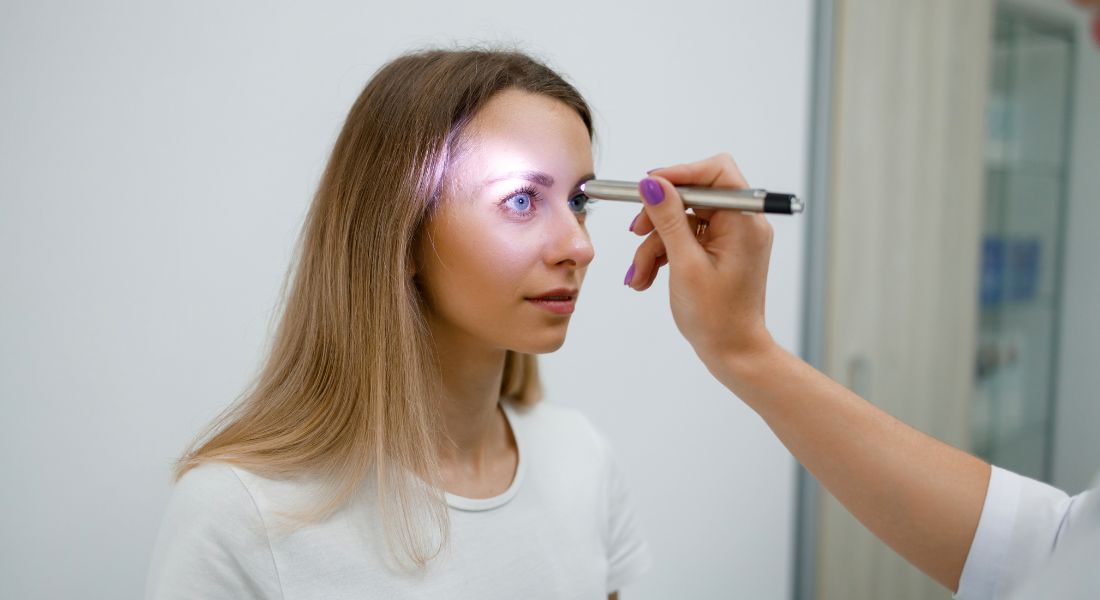
Recovery after LASEK is a gradual process. The procedure is designed to allow the cornea to heal naturally, and rushing to assess results too early can create unnecessary worry. Understanding the importance of patience helps you navigate fluctuations and appreciate the improvements as they occur.
- Healing takes time: The corneal surface needs weeks to fully regenerate, and nerve function gradually returns. Early fluctuations are a normal part of this process.
- Fluctuations are expected: Minor changes in clarity, focus, or sharpness during the first few months are normal and do not indicate a problem.
- Final vision is assessed later: Surgeons typically wait until at least a few months post-surgery before determining the final visual outcome.
- Following post-op care supports recovery: Using prescribed eye drops, protecting your eyes from harsh light, and avoiding rubbing help the eye heal efficiently and reduce complications.
- Patience reduces stress: Accepting that healing is gradual allows you to focus on comfort and self-care rather than worrying about minor day-to-day fluctuations.
Trusting the recovery process and giving your eyes the time they need ensures the best chance of achieving clear, stable, and long-lasting vision after LASEK.
FAQs:
- Why does my vision fluctuate after LASEK surgery?
Vision fluctuates after LASEK because the corneal epithelium, the thin outer layer of the eye, is still healing and smoothing out. Small irregularities on the surface and changes in the tear film can temporarily affect clarity, making vision feel inconsistent from day to day. - How long should I expect my vision to fluctuate?
Most patients notice that vision fluctuations gradually settle within a few weeks to a few months. The exact timeline depends on individual healing speed, tear film stability, and the degree of correction performed during surgery. - Is it normal for one eye to feel clearer than the other?
Yes, it is normal for each eye to recover at a slightly different pace, which can make one eye seem sharper than the other at times. This usually balances out as healing progresses. - Can dry eyes after LASEK cause blurred vision?
Dry eye can temporarily blur vision because it disrupts the tear film, which is essential for smooth, clear vision. Using preservative-free artificial tears and following post-operative care instructions can help manage these fluctuations. - Should I be worried if my vision improves and then seems worse again?
Temporary regression or periods of slightly blurred vision are common and generally do not indicate a problem. These changes reflect the ongoing healing and remodelling of the corneal surface rather than a failure of the surgery. - When is fluctuating vision a sign of a complication?
Sudden or significant vision loss, increasing pain, worsening redness, or persistent haze are signs that require prompt evaluation. Most typical fluctuations are mild and gradually improve over time. - How does light sensitivity affect vision after LASEK?
Increased light sensitivity can make vision feel hazy or less sharp during early recovery. This is a normal response of the cornea and usually improves as the epithelial layer heals and the tear film stabilises. - Does LASEK provide immediate results like LASIK?
Unlike LASIK, which allows quicker visual stabilisation, LASEK requires a longer recovery because the corneal surface needs time to regenerate fully. Early fluctuations are expected, but the long-term clarity is typically excellent. - Can environmental factors affect post-LASEK vision?
Yes, conditions such as dry air, prolonged screen time, or exposure to dust can temporarily worsen vision fluctuations. Taking breaks, using lubricating drops, and protecting your eyes can reduce these effects. - How can I support stable vision during recovery?
Following your surgeon’s aftercare instructions, using prescribed drops consistently, avoiding eye rubbing, and protecting your eyes from harsh light all help promote smooth healing. Patience is also important, as visual stability develops gradually over weeks to months.
Final Thought: Vision Fluctuation After LASEK
Fluctuating vision after LASEK is a normal part of the healing journey. Understanding that ups and downs in clarity are expected, combined with following your aftercare instructions carefully, can help you feel more confident during recovery. Regular use of prescribed eye drops, protecting your eyes from harsh light, and avoiding rubbing all support smoother healing. Patience is key, as final visual stability may take several weeks to months to achieve, but these steps help ensure your eyes recover as safely and effectively as possible.
If you’re considering lasek surgery in London and want to know if it’s the right option, you’re welcome to reach out to us at Eye Clinic London to book a consultation. Our specialists can guide you through the procedure, explain what to expect during recovery, and help you determine whether LASEK is the best choice for your vision needs.
References:
- Denoyer, A., Trinh, L., Faure, J.F., Auclin, F. and Baudouin, C., 2022. Dry Eye Disease following LASIK, PRK, and LASEK: Prospective comparative outcomes and implications for refractive surgery‑related vision fluctuation. https://www.mdpi.com/2077-0383/12/11/3761
- Comparative Analysis of Corneal Wound Healing after Refractive Surgery. Biomedicines, 12(10), p.2289. https://www.mdpi.com/2227-9059/12/10/2289
- Visual outcomes and management after corneal refractive surgery. (Year). Journal of Refractive Surgery. https://www.sciencedirect.com/science/article/pii/S1888429617300705
- Corneal regeneration after photorefractive keratectomy: A Review. (Year). Progress in Retinal and Eye Research. https://www.sciencedirect.com/science/article/pii/S1888429614000867
- Taneri, S., et al., 2004. Evolution, techniques, clinical outcomes, and pathophysiology of LASEK: Literature review. https://pubmed.ncbi.nlm.nih.gov/15530945/