


LASIK Overcorrection: Why It Happens and What Can Be Done
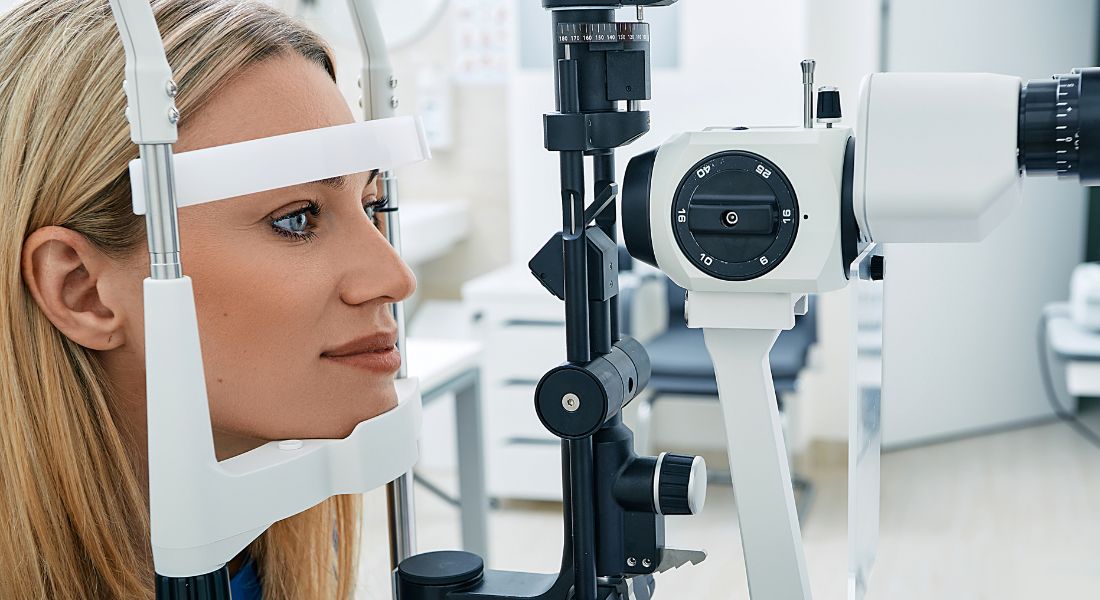
You’re not alone if you’re worried, confused, or unsure what to expect next. Many patients experience unexpected visual changes in the days or weeks after surgery, and the sensation of overcorrection is one of the most talked-about concerns. Even though modern LASIK technology has become incredibly precise, the healing process still varies from one person to another, and sometimes the cornea responds more strongly than intended. When that happens, you might feel as though your vision is sharper at distance than is comfortable or that you’ve suddenly developed mild short-sightedness or far-sightedness in the opposite direction of your original prescription.
What LASIK Overcorrection Actually Means
When LASIK reshapes your cornea, the laser removes a precise amount of corneal tissue to adjust how light enters your eye. For short-sighted patients, the aim is to flatten the cornea slightly so the focal point moves to the retina. For long-sighted patients, the laser steepens the cornea to bring the focal point forward. Overcorrection happens when the laser treatment removes slightly more or slightly less tissue than intended, shifting the focal point past the ideal target.
This shift creates the sensation that your vision is “too strong” or that your prescription has flipped slightly in the opposite direction. If you were short-sighted, you might notice things up close feeling sharper than they should be but distance vision being unexpectedly intense. If you were long-sighted, overcorrection can make near tasks harder temporarily. Either way, the eye needs time to stabilise.
Most overcorrections fall into the mild category, and many resolve themselves as the cornea heals. Your vision can feel different every few days during the early healing period, which makes it important not to panic if it seems stronger or sharper than expected.
Why Overcorrection Happens After LASIK
One of the most important things to understand is that LASIK is incredibly accurate, but your eye’s biology still plays a major role. The laser itself is rarely the cause of overcorrection. In most cases, the issue comes from how your cornea heals or how your tissue responds to the reshaping.
One reason overcorrection happens is because the cornea sometimes reacts slightly differently than predicted. The healing process involves cell regrowth, fluid movement, and subtle biomechanical changes, and these can push the corneal shape a bit beyond the intended target. Even tiny variations measured in microns can make you feel as though your eyesight is over-corrected.
Some patients naturally heal with a stronger response. Their corneal tissue tightens or contracts slightly more, which enhances the effect of the original laser correction. Others experience temporary dryness that makes the cornea appear steeper or flatter for short periods, creating fluctuations that mimic overcorrection.
What matters most is the timeline. Overcorrection immediately after surgery is often temporary. Overcorrection that persists beyond several months may need further assessment.
Factors That Increase the Likelihood of Overcorrection
Even though LASIK platforms use highly advanced algorithms, there are a few factors that can influence the likelihood of overcorrection. One of these factors is having a very high prescription, which can make the laser correction more sensitive. The more tissue that needs to be reshaped, the more carefully the surgeon must balance the treatment parameters. Fortunately, modern systems have become extremely good at managing these cases.
Another factor is corneal thickness. If your cornea is naturally thinner, your surgeon will tailor the treatment to preserve as much tissue as possible. Sometimes this customised approach results in a slight over-response during healing, even with perfect technique.
Your healing profile also plays a major role. Some people heal more aggressively, meaning the cornea stiffens or responds more forcefully, which can push the correction further than predicted. Your age, general health, hormone levels, and even lifestyle factors can influence this.
Dry eye is a surprisingly common contributor. When the surface of your eye becomes dry, light bends slightly differently, and this can make your vision feel artificially stronger or sharper than normal. Once dryness improves, so do the symptoms of overcorrection. Each of these factors is manageable, but they add important context to why your symptoms might be appearing.
How Common Is LASIK Overcorrection?

Overcorrection is significantly less common today than it used to be. With modern technology, smart optical tracking, and predictive algorithms, LASIK is far more precise than earlier generations of laser correction. Under-correction is still slightly more common than overcorrection because surgeons often choose to aim conservatively rather than aggressively.
Around a small percentage of patients may experience temporary overcorrection that settles as the eye heals. Persistent overcorrection that requires treatment is estimated to be far lower. Most cases that appear as overcorrection early on are actually temporary fluctuations due to dryness or normal healing.
So while LASIK overcorrection certainly exists, the likelihood of needing a corrective procedure later on is reassuringly small.
What Overcorrected Vision Feels Like
You may be trying to figure out if what you’re experiencing is actually overcorrection. People describe it in different ways, but there are a few common patterns. Many say distance vision feels “too crisp,” almost unnaturally sharp. Others report mild visual strain, especially when shifting between near and far tasks. If you originally had short-sightedness and now find near vision especially comfortable, you may be experiencing an overcorrection in the opposite direction.
Sometimes the symptoms appear as mild far-sightedness or a sense of “over-focus.” Some patients also notice halos or glare in the early stages, though these often relate more to healing than to true overcorrection.
It’s also possible for dryness to mimic these symptoms. When your tear film fluctuates, your cornea’s curvature changes subtly, which can make your vision feel stronger or sharper in an inconsistent way. If you’re unsure, your clinic can easily confirm whether it’s genuine overcorrection through a refraction exam.
How Long LASIK Overcorrection Usually Lasts
One of the biggest questions people ask is how long it takes for overcorrection to settle. The answer depends on why it’s happening. If it’s caused by temporary dryness, inflammation, or normal healing, the symptoms can improve dramatically in the first few weeks. Some patients notice daily improvements, while others stabilise more gradually.
When the overcorrection is structural, meaning the cornea truly healed with slightly too much correction, the timeline can be different. Many structural overcorrections improve within the first three months. The cornea often softens, remodels, and relaxes during this period. This natural remodelling can bring your vision back toward the intended target without any additional treatment.
In some cases, mild overcorrection continues to settle for up to six months. This is why surgeons rarely recommend enhancements too early. Giving the eyes time to stabilise ensures that any correction made later will be precise and long-lasting.
Persistent overcorrection that remains unchanged after several months is the group that may benefit from treatment, and your surgeon can guide you through your options.
What Your Surgeon Checks During Follow-ups
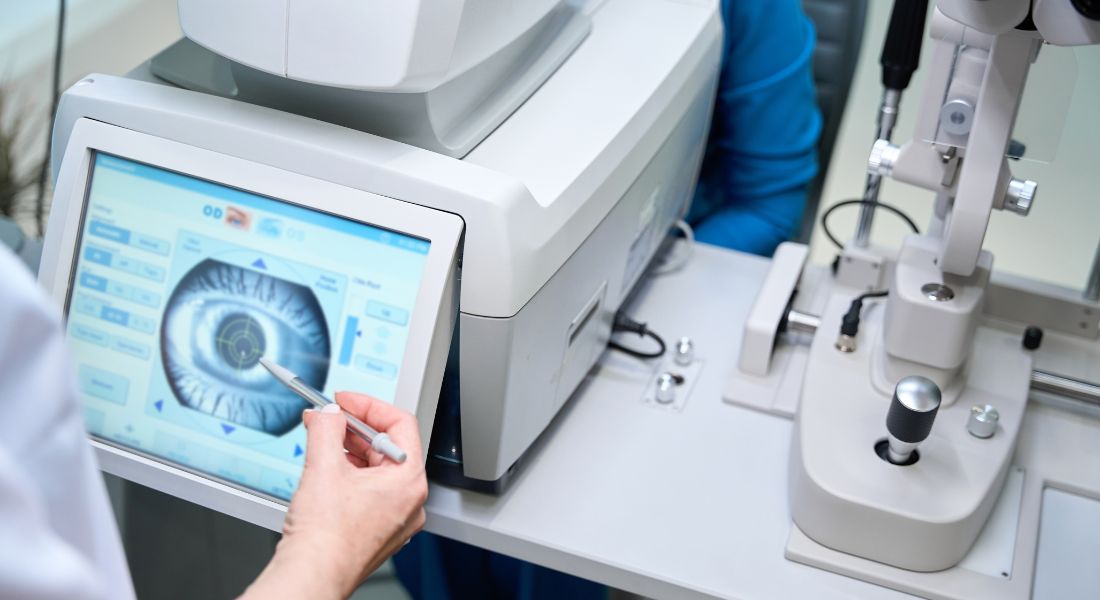
If you feel overcorrected, your follow-up appointments are essential. Your surgeon will repeat tests to assess your corneal shape, tear quality, and refraction. They might use advanced topography or wavefront technology to analyse tiny variations in your cornea. This helps determine whether your symptoms stem from structural overcorrection or simply from healing fluctuations.
Your eye’s tear film is especially important. Many people underestimate how dryness can distort vision early on. By treating dryness, improving lubrication, or adjusting drops, the symptoms of overcorrection often settle without further intervention.
Your surgeon will also compare your current readings with those taken during previous visits. If your vision continues to change in a positive direction, they’ll likely suggest waiting before considering any treatment.
When Overcorrection Needs Treatment
Most cases don’t require intervention, but treatment is available when necessary. If the overcorrection is small, many specialists will start with non-surgical options. This can include lubricating drops, ointments, or short courses of anti-inflammatory medication to help the cornea settle. Sometimes, temporary glasses are recommended to help relieve strain.
If the overcorrection is significant or doesn’t improve over time, an enhancement may be considered. LASIK enhancement procedures use a very small amount of laser correction to fine-tune your vision. Enhancements are typically safe and effective because the surgeon can work with the stabilised shape of your post-LASIK cornea.
In some cases where the flap shouldn’t be lifted again, a surface procedure such as PRK can be used. PRK reshapes the surface of the cornea without lifting the LASIK flap, making it a strong option for minor adjustments. Your surgeon will guide you through whichever approach is most appropriate, based on your cornea, your visual goals, and how long your vision has been stable.
Lifestyle Factors That Influence Overcorrection Healing
Your lifestyle can have a meaningful impact on how quickly your overcorrection settles. Hydration plays a role because dryness often amplifies the symptoms. Taking regular screen breaks helps because prolonged screen time reduces blinking, which worsens dryness. Good nutrition contributes to healing, especially foods rich in omega-3 fatty acids.
Wearing sunglasses outdoors protects your healing cornea from UV exposure. Avoiding rubbing your eyes is also essential because rubbing can irritate the cornea and disrupt healing. Even sleep quality can matter because your eyes rely on the overnight tear film repair cycle to rebuild moisture and stability.
You won’t be able to control every aspect of healing, but these habits support your eyes and can help minimise symptoms.
Enhancement Procedures: What to Expect
If an enhancement is needed, the process is usually much simpler than your original LASIK surgery. Enhancements involve a very small amount of laser correction to fine-tune the cornea. You’ll have the same numbing eye drops and a similar level of comfort, but the procedure itself is typically much shorter.
Most patients recover quickly after an enhancement, often returning to normal activities within a short period. Vision usually stabilises faster because the adjustment is minor compared to the initial treatment.
Enhancements are never rushed. Surgeons prefer to wait until several important conditions are met:
- Your refraction is stable: This ensures your prescription has stopped changing. Treating too early can lead to under- or over-correction.
- Your cornea is fully healed: The cornea needs adequate time to recover from the original surgery. Full healing allows for more accurate and predictable results.
- Your dryness is controlled: Dry eyes can affect both measurements and visual quality. Managing dryness first helps improve accuracy and comfort.
- Your topographic scans show consistency: Repeated scans must show stable corneal shape and thickness. This confirms the eye is ready for further correction.
This careful, patient approach helps ensure that any enhancement is precise, safe, and long-lasting.
When PRK Is Recommended Instead of LASIK Enhancement
In some cases, your surgeon may recommend PRK rather than lifting the original LASIK flap for an enhancement. PRK is a surface-based laser procedure, and although healing can take slightly longer, it can be the safer option when it’s best to leave the flap untouched.
PRK is often recommended when:
- The LASIK flap is very old: Lifting an older flap can increase the risk of complications. PRK avoids disturbing the flap altogether.
- The cornea needs surface smoothing: PRK allows the surgeon to gently smooth surface irregularities. This can improve visual quality as well as sharpness.
- The tissue under the flap should stay stable: In some eyes, preserving the deeper corneal layers is important. PRK works on the surface, reducing stress on the underlying tissue.
- The cornea is thinner than average: Thinner corneas may not safely tolerate flap manipulation. PRK can be a safer alternative in these situations.
Both LASIK enhancement and PRK aim to fine-tune your vision. Your surgeon will explain which option is most suitable based on your corneal structure, eye health, and visual goals, ensuring the safest and most effective outcome.
How to Tell if Overcorrection Is Improving
You’ll usually notice subtle signs that your vision is settling. Text may feel more comfortable to read. Distance objects will appear crisp without seeming “too intense.” Your eyes will feel more relaxed when shifting focus. The glare or sharpness you felt before may reduce gradually.
Improvement is often uneven, and your vision can change day to day. What matters most is the trend over time. If your vision is moving in the right direction, even slowly, that’s a positive sign.
Your clinic will confirm improvement by comparing your dioptre measurements during each follow-up. Changes as small as 0.25 dioptres can provide significant reassurance.
The Emotional Side of LASIK Overcorrection
It’s completely normal to feel anxious when your eyes don’t behave as expected. Vision is one of the most sensitive and personal aspects of your health. When something feels “off,” even temporarily, it can create stress. Understanding that overcorrection is usually temporary helps, but many people still worry about long-term changes.
Sharing your concerns with your surgeon is important. They’ve seen this many times before and can guide you with clarity and reassurance. Reading about people who’ve gone through the same thing can also help. You’re not alone, and in most cases, the outcome is overwhelmingly positive.
How Clinics Decide Whether to Treat Overcorrection
Clinics take into account several factors before recommending treatment. The degree of overcorrection is important, but so is the stability of your measurements. If your refraction continues to change week by week, your surgeon will wait. If it’s stable and significantly different from the ideal target, they may discuss your options.
They’ll also consider your symptoms. If your vision is functional and improving, observation may be best. If your symptoms are affecting your daily life or causing strain, treatment might be recommended sooner.
Your eye health, corneal thickness, and surgical history all influence the decision. Modern clinics take a personalised approach so you receive care that aligns with your goals and your healing profile.
FAQs:
- Is LASIK overcorrection a sign that the surgery failed?
No, LASIK overcorrection does not mean the surgery has failed. In most cases, it reflects how your individual cornea is healing rather than an error in the laser treatment itself. Modern LASIK systems are highly accurate, and early overcorrection is often temporary, settling naturally as the cornea stabilises over time. - Can LASIK overcorrection fix itself without treatment?
Yes, many cases of LASIK overcorrection improve on their own. As the cornea remodels and healing progresses, the eye often relaxes toward the intended correction. This process commonly occurs within the first few weeks to months after surgery, which is why surgeons usually recommend observation before considering any further treatment. - How do I know if my vision issues are from overcorrection or dry eyes?
Dry eyes can closely mimic the symptoms of overcorrection, including overly sharp vision, fluctuating clarity, or visual strain. The key difference is consistency. Dryness-related changes often fluctuate throughout the day, while true overcorrection is more stable. Your surgeon can confirm the cause through refraction testing and surface evaluation. - Does LASIK overcorrection affect both eyes equally?
Not always. It’s common for one eye to heal slightly differently from the other, even when both are treated on the same day. Differences in corneal thickness, tear quality, or healing response can lead to overcorrection in one eye while the other settles perfectly. - Can overcorrection cause headaches or eye strain?
Yes, some people experience headaches, eye fatigue, or difficulty switching focus between near and far tasks. These symptoms usually occur because the visual system is working harder to adapt. As healing continues and vision stabilises, these symptoms often reduce or disappear entirely. - Is overcorrection more common in long-sighted or short-sighted patients?
Overcorrection can occur in both long-sighted and short-sighted patients, but it is slightly more noticeable in long-sighted individuals because their eyes are already more sensitive to small refractive changes. However, with modern laser planning, persistent overcorrection remains uncommon in both groups. - Will I need glasses again if my eyes are overcorrected?
Most patients do not need glasses long-term. Temporary glasses may be recommended in some cases to reduce strain while healing continues, but permanent dependence on glasses after LASIK overcorrection is rare, especially if the issue is mild or improving. - How long do surgeons usually wait before recommending an enhancement?
Surgeons typically wait at least three to six months before considering an enhancement. This waiting period allows the cornea to fully stabilise and ensures that any further correction is accurate and long-lasting. Treating too early increases the risk of chasing a moving target. - Can LASIK overcorrection get worse over time?
True worsening of overcorrection is uncommon. In most cases, the trend is either improvement or stability. If symptoms feel worse, it’s often due to temporary factors such as dryness, screen use, or fatigue rather than structural changes to the cornea. - Does overcorrection affect long-term eye health?
No, LASIK overcorrection does not damage the eye or increase the risk of future eye disease. When monitored properly and managed with appropriate follow-up care, it does not compromise long-term eye health or safety.
Final Thought: What to Know About LASIK Overcorrection
LASIK overcorrection can feel unsettling, especially when your vision seems sharper or stronger than expected after surgery. The reassuring reality is that most cases are temporary and linked to normal healing changes, dryness, or individual corneal responses rather than a problem with the procedure itself. With time, careful follow-up, and the right aftercare, vision often settles naturally without the need for further intervention. Even in the small number of cases where overcorrection persists, modern enhancement techniques offer safe and effective ways to fine-tune results once the eyes are fully stable.
If you’re exploring whether lasik surgery in London could benefit you, you can get in touch with us at Eye Clinic London to schedule your consultation and receive personalised, expert guidance tailored to your eyes.
References:
- Moshirfar, M., McCabe, E.M., Santiago-Caban, L. and Muthappan, V. (2021) ‘Laser-Assisted In Situ Keratomileusis (LASIK) Enhancement for Residual Refractive Error After Primary LASIK’, Journal of Clinical Medicine, 11(16), p. 4832. https://www.mdpi.com/2077-0383/11/16/4832
- de Ortueta, D. and Arba-Mosquera, S. (2025) ‘The Impact of Preoperative Corneal Epithelial Refraction Toricity on Transepithelial Photorefractive Keratectomy for the Treatment of Hyperopia or Mixed Astigmatism’, Vision, 9(3), p. 57. https://www.mdpi.com/2411-5150/9/3/57
- Woodward, M.A., Randleman, J.B. and Stulting, R.D. (2008) ‘Risk Analysis for Ectasia After LASIK’, Ophthalmology, 115(1), pp. 37–50. https://pubmed.ncbi.nlm.nih.gov/29700964/
- Martin, R.J., Mifflin, M.D. and España, E.M. (2003) ‘Conductive Keratoplasty to Treat Hyperopic Overcorrection After LASIK’, , 19(6), pp. 640–645. https://pubmed.ncbi.nlm.nih.gov/20166620/
- Lee, M.L. and Kim, H.S. (2017) ‘Visual Outcomes and Management after Corneal Refractive Surgery: A Review’, Journal of Cataract & Refractive Surgery, 43(7), pp. 1058–1065. https://www.sciencedirect.com/science/article/pii/S1888429617300705