


Does LASEK Eye Surgery Affect Eye Pressure Readings Later in Life?
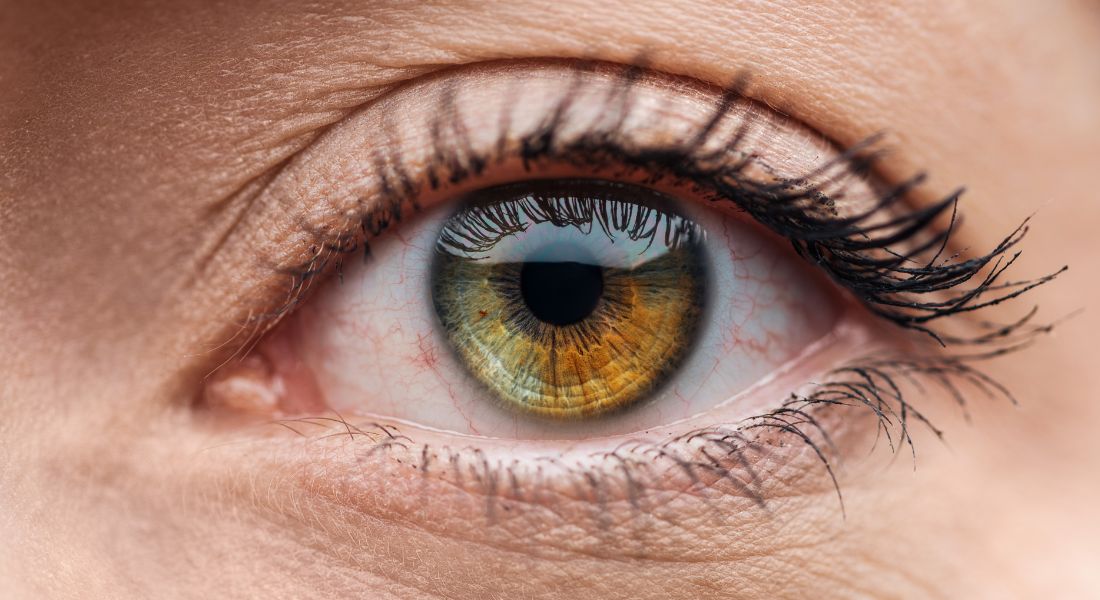
If you’ve had, or are thinking about having, LASEK eye surgery, it’s natural to wonder how the treatment might affect your eye health years down the line. One of the most common questions people ask is whether LASEK has any impact on future eye pressure readings something that becomes especially relevant as you age and your risk of glaucoma increases. Eye pressure is a crucial part of routine eye checks, and many people worry that laser eye surgery might make future tests less accurate or harder to interpret.
You may have heard stories from people saying their eye pressure readings seemed “unusually low” after laser surgery or that their optometrist had to interpret the numbers differently. You may even have been told that laser vision correction can “thin the cornea,” which leaves you wondering whether this influences measurements. These are all valid concerns, and if you’re trying to understand what’s fact, what’s myth, and what really matters long term, this article is here to give you clarity.
Understanding Eye Pressure and Why It Matters
Eye pressure also known as intraocular pressure (IOP) is the fluid pressure inside your eye. Your eyes constantly produce and drain a fluid called aqueous humour, which maintains shape and nourishes internal structures. Think of it like a small, self-regulating system that keeps everything functioning smoothly.
When the pressure inside the eye becomes too high, it can gradually damage the optic nerve. This leads to glaucoma, a serious condition that can cause vision loss over time. Because glaucoma develops slowly and usually without symptoms, regular eye pressure checks are key to early detection.
If you’ve ever had your eye pressure measured, you’ve probably experienced one of these methods:
- Air-puff tonometry (non-contact)
- Goldmann applanation tonometry (the gold standard)
- iCare handheld tonometry
- Rebound tonometry
These tools measure pressure by assessing your cornea’s resistance. But that’s where LASEK comes into the picture, because LASEK alters the shape and thickness of the cornea slightly and thinner corneas tend to produce artificially lower pressure readings.
This doesn’t mean your pressure is actually lower. It only means the measurement can appear lower unless interpreted correctly.
That’s why it’s important to understand how LASEK affects corneal biomechanics and how eye care providers work around these changes.
What Does LASEK Eye Surgery Actually Do to the Cornea?
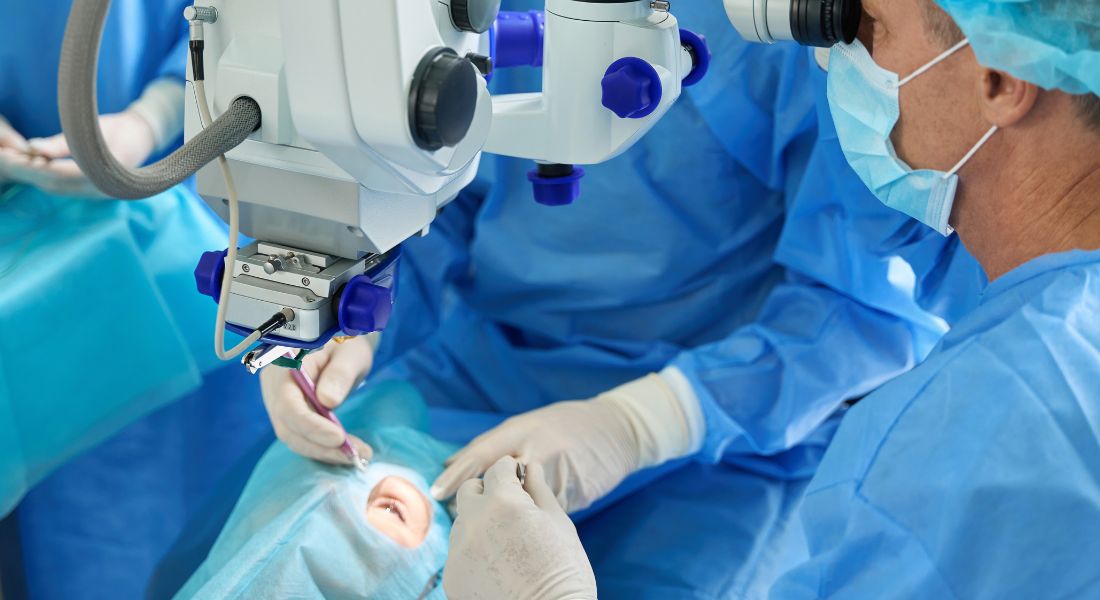
LASEK is a form of surface laser eye surgery. Unlike LASIK, which creates a flap, LASEK loosens the thin surface layer of the cornea (the epithelium) using an alcohol solution. This layer is gently moved aside. Then a laser reshapes the cornea by removing microscopic layers of tissue. Afterwards, the epithelium is repositioned and a bandage contact lens is applied to protect the surface while it heals.
The reshaping process reduces your reliance on glasses or contact lenses by correcting how light enters your eye. However, because LASEK removes a small amount of corneal tissue, the cornea becomes slightly thinner after surgery.
This change is very small and does not weaken the eye or affect its long-term health. But it does influence the way some pressure-measuring devices interpret the cornea’s resistance. To understand why, it helps to know how pressure readings work.
How Eye Pressure Is Measured and Why Corneal Thickness Matters
Most pressure-measuring devices work by gently flattening the cornea. The amount of force needed to flatten it helps estimate your eye pressure. A thicker cornea requires more force to flatten, while a thinner cornea requires less.
Because LASEK thins the cornea slightly, traditional tonometers may read the pressure as lower than it actually is. This doesn’t mean you have low pressure. It simply reflects the fact that your cornea responds differently after surgery.
Here’s what happens with common pressure testing methods:
- Air-puff Tonometry: This method is highly affected by corneal thickness. After LASEK, air-puff measurements often read artificially low.
- Goldmann Applanation (Gold Standard): Still affected by corneal thickness, though less than the air-puff test. Readings may appear 1–3 mmHg lower after LASEK.
- Handheld Tonometers (iCare, Tono-Pen): These can also be influenced, though some newer versions compensate better for thin corneas.
- Corneal-compensated Tonometry (e.g., Ocular Response Analyser): This accounts for corneal biomechanics and gives more accurate readings after LASEK. Many modern clinics use this method for post-laser patients.
The key takeaway is this: LASEK does not change your real eye pressure. It only affects how the standard equipment measures it.
Eye doctors know this and adjust accordingly.
Do Lower Pressure Readings After LASEK Mask Glaucoma Risk?
Many people worry that lower pressure readings after LASEK could mask glaucoma risk, making the eye appear healthier than it actually is. While it’s true that corneal changes can slightly alter intraocular pressure (IOP) readings, this does not compromise glaucoma detection.
Eye pressure is just one component of a comprehensive glaucoma assessment. Modern screening evaluates multiple indicators, including optic nerve appearance, retinal nerve fibre layer thickness (via OCT), visual field testing, corneal thickness, family history, age, and optic nerve shape.
Your pre-surgery corneal thickness is recorded and factored into lifelong eye care. If the cornea was originally thicker, clinicians adjust future pressure readings using correction factors. Additionally, specialised tonometers can account for corneal changes, providing accurate measurements even after LASEK.
Because glaucoma diagnosis is based on patterns across multiple tests, not just one reading, slightly lower post-LASEK pressure readings do not hide risk. Experienced eye doctors can interpret the results accurately, ensuring your glaucoma monitoring remains reliable.
Does LASEK Increase the Risk of Glaucoma?
Many people worry that LASEK might increase glaucoma risk, but the procedure does not affect the factors that cause the condition. LASEK only reshapes the cornea and leaves the internal structures of the eye intact, so it does not raise the likelihood of developing glaucoma.
The surgery does not disrupt the trabecular meshwork, which regulates fluid drainage, nor does it interfere with aqueous humour production or the nerves that help control eye pressure. These critical structures remain fully functional after LASEK.
Even if you already have risk factors for glaucoma or a family history of the condition, LASEK remains a safe option because it preserves the eye’s internal anatomy. The procedure affects only the corneal surface, not the mechanisms that maintain healthy intraocular pressure.
The main change after LASEK is in how pressure readings are measured, not in the actual risk of glaucoma. Eye doctors adjust for corneal changes, ensuring that glaucoma monitoring continues to be accurate and reliable.
How Eye Doctors Account for LASEK When Measuring Eye Pressure
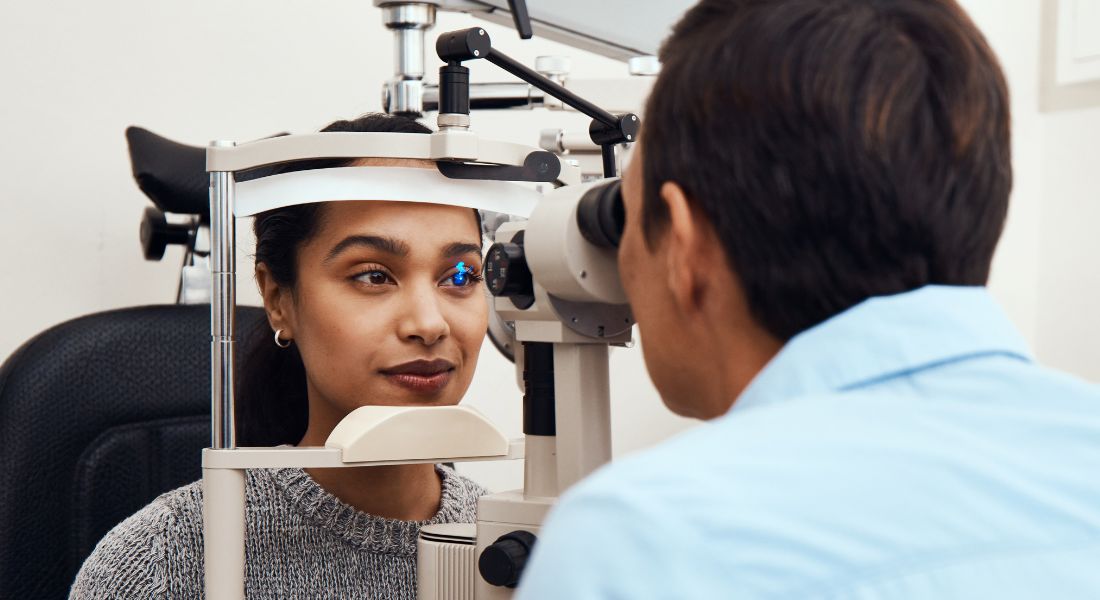
Experienced optometrists and ophthalmologists automatically take LASEK into account when interpreting your eye pressure readings. They use several methods to ensure accuracy over the long term.
- Adjusting pressure readings using correction factors: Certain formulas consider changes in corneal thickness and stiffness after LASEK. These adjustments help estimate the eye’s true internal pressure more accurately than raw readings alone.
- Using biomechanically compensated tonometry: Devices such as the Ocular Response Analyser or Corvis ST measure how the cornea behaves under pressure, not just its thickness. This provides highly accurate intraocular pressure readings even after surgery.
- Taking baseline readings before surgery: Pre-surgery measurements serve as a reference point for your eyes throughout life. Comparing future readings to these baselines helps doctors detect meaningful changes.
- Using OCT scans to monitor the optic nerve directly: Optical coherence tomography (OCT) provides detailed images of the optic nerve. This allows early detection of glaucoma independent of pressure readings, offering a reliable safety net.
- Monitoring long-term trends instead of individual readings: Doctors focus on sustained increases in pressure rather than isolated measurements. This approach helps differentiate temporary fluctuations from clinically significant changes.
- Combining pressure readings with visual field tests: Functional assessments, such as visual field testing, complement pressure measurements. They show whether any changes are affecting vision, not just the eye’s structure.
- Checking corneal thickness periodically: Regular measurements of corneal thickness help ensure that pressure readings remain meaningful over time. Any changes can be factored into future assessments.
Thanks to these strategies, LASEK does not compromise long-term glaucoma screening, and your eye health can continue to be monitored safely and accurately.
What Happens to Eye Pressure Readings Decades After LASEK?
You may wonder whether the effect on tonometry becomes more significant over time. Fortunately, it does not.
The cornea remains stable long after LASEK. Your pressure readings may continue to appear slightly on the lower side, but this remains consistent and predictable. Your optometrist will be able to interpret your numbers accurately whether it has been one year or thirty years since your surgery. Many people who had LASEK 15–20 years ago now undergo regular screenings with no issues.
How Your Age Affects Pressure Interpretation After LASEK
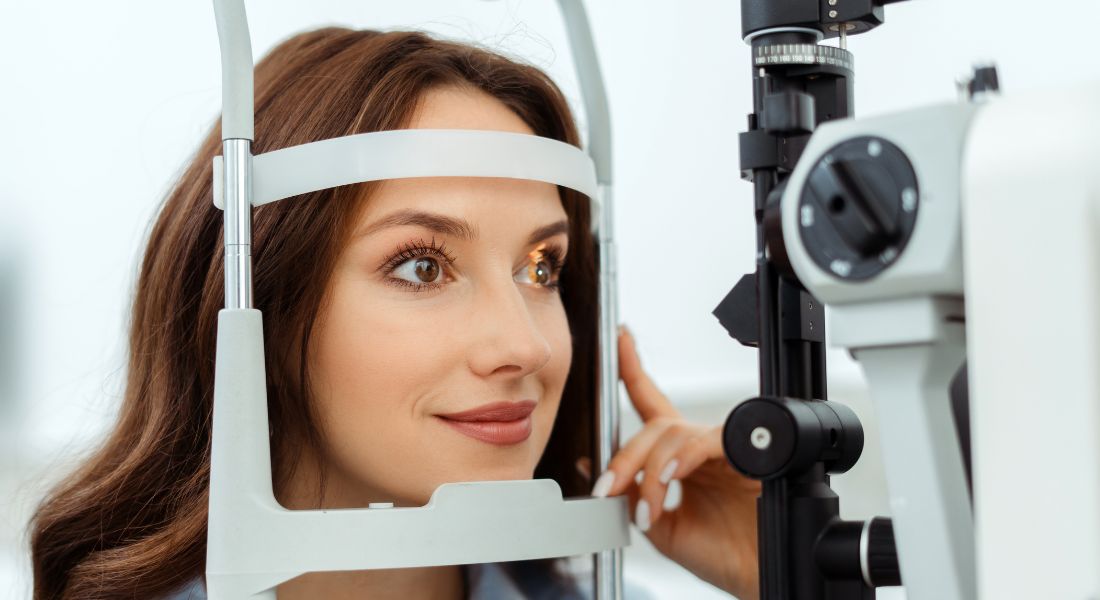
Eye pressure naturally changes as we age, and this occurs regardless of whether you’ve had LASEK. Older adults may experience slightly higher baseline pressure, an increased risk of glaucoma, gradual thinning of the optic nerve, and changes in corneal biomechanics that are unrelated to laser surgery.
Because the effects of LASEK on the cornea are stable, age-related trends in eye pressure remain clear and easy to monitor. The procedure does not interfere with your eye doctor’s ability to track these changes over time.
During check-ups, your clinician evaluates how your current pressure compares to your historical baseline, monitors the optic nerve for structural health, reviews OCT scans for any thinning, and assesses visual fields for early signs of glaucoma.
In short, LASEK does not obscure age-related eye pressure patterns. Doctors can continue to interpret pressure readings and other glaucoma indicators accurately, ensuring reliable monitoring throughout your life.
Does LASEK Make Pressure Readings Too Low to Track?
This is a common misconception. Even though corneal thickness decreases slightly after LASEK, the reduction in measured pressure is usually small often just 1–3 mmHg.
For example: If your true pressure is 17 mmHg, your reading might appear around 14–16 mmHg.
This is still well within the detectable range for glaucoma risk assessment. The difference is not large enough to cause clinical confusion. Eye doctors have extensive experience interpreting these numbers.
Can LASEK Lead to Undiagnosed Glaucoma?
LASEK does not lead to undiagnosed glaucoma. This is because glaucoma diagnosis relies on multiple assessments, not just intraocular pressure readings. Eye doctors evaluate optic nerve structure, retinal nerve fibre layer thickness, and visual field tests all of which remain accurate after LASEK.
Your pre-surgery corneal thickness is recorded and factored into future assessments, ensuring that pressure readings are interpreted correctly. Even if readings are slightly lower post-surgery, long-term pressure trends remain visible and meaningful.
Because LASEK does not affect the optic nerve or the mechanisms that regulate eye pressure, the key indicators for glaucoma detection stay reliable.
As long as you continue regular eye exams, your glaucoma screening remains thorough and dependable, and any changes in eye health can be identified promptly.
Will I Need Special Monitoring After LASEK?
Most people do not require special glaucoma monitoring after LASEK; standard eye exams are usually sufficient. The procedure itself does not increase glaucoma risk or interfere with routine screening.
Some patients may benefit from additional assessments, such as regular OCT scans, corneal thickness measurements, visual field testing if indicated, or occasional biomechanically-compensated tonometry. These are standard for adults over 40, regardless of whether they’ve had laser surgery.
If you have a family history of glaucoma or other risk factors, your eye doctor might recommend more frequent check-ups. This increased monitoring is based on individual risk, not the fact that you’ve had LASEK.
Overall, LASEK does not necessitate special glaucoma surveillance routine, well-scheduled eye exams remain reliable and effective for ongoing eye health.
The Role of Corneal Thickness in Glaucoma Screening
LASEK changes corneal thickness, so doctors always consider your pre-surgery measurements when evaluating eye pressure. They also perform regular pachymetry to measure your current corneal thickness and determine whether pressure readings need adjustment.
Thinner corneas naturally give slightly lower pressure readings, which can mask true intraocular pressure if not accounted for. At the same time, thinner corneas are associated with a higher baseline risk of glaucoma, even in people who haven’t had surgery.
By assessing both pre- and post-surgery corneal thickness together, your doctor ensures that pressure measurements are accurate and your long-term glaucoma risk is properly evaluated.
FAQs:
- Can LASEK eye surgery affect my eye pressure readings permanently?
LASEK slightly thins the cornea by removing a microscopic layer of tissue, which can make certain eye pressure measurements read slightly lower than they actually are. This effect is consistent and predictable, so while the measured values may be lower, your true intraocular pressure is unchanged. Eye doctors account for these changes using correction factors and specialized devices to ensure accurate readings over the long term. - Will my risk of glaucoma increase after LASEK?
No, LASEK only reshapes the corneal surface and does not affect the internal structures of the eye that regulate fluid drainage or optic nerve health. The procedure does not raise your likelihood of developing glaucoma, and your risk profile remains the same as before surgery. - Are standard eye pressure tests reliable after LASEK?
Standard tonometry tests can read slightly lower after LASEK, but they remain useful when interpreted correctly. Modern eye care providers often use devices that compensate for corneal thickness and biomechanical changes, ensuring that readings reflect your true eye pressure. Historical measurements taken before surgery are also used as reference points for long-term monitoring. - Does LASEK make it harder to detect glaucoma early?
No, glaucoma detection relies on a combination of factors, including optic nerve evaluation, retinal nerve fibre layer assessment, visual field testing, and intraocular pressure measurements. Although LASEK slightly changes pressure readings, these multiple indicators allow eye doctors to continue monitoring for glaucoma accurately and effectively. - How long after LASEK do eye pressure readings stabilise?
After the initial healing period, which usually lasts a few weeks, eye pressure readings stabilise and remain consistent for decades. The minor changes caused by corneal thinning do not progress over time, allowing your eye care provider to monitor pressure trends reliably throughout your life. - Do I need special glaucoma checks because I had LASEK?
Most people do not require special glaucoma monitoring after LASEK. Standard eye exams are sufficient for ongoing evaluation. Some patients may benefit from periodic corneal thickness checks or OCT scans, particularly if they have additional risk factors, but these assessments are part of routine adult eye care rather than a requirement unique to LASEK. - Can LASEK make eye pressure appear dangerously low?
The change in pressure readings after LASEK is usually small, typically 1–3 mmHg. This difference is minor enough that glaucoma risk is still detectable through comprehensive eye exams. Eye doctors are aware of the effect and adjust their interpretation accordingly, so the slightly lower readings do not obscure serious conditions. - How do clinicians adjust for post-LASEK pressure readings?
Doctors use correction formulas that take into account corneal thickness and stiffness, as well as biomechanically compensated tonometer’s, to estimate the true intraocular pressure. They also rely on pre-surgery baseline measurements and long-term monitoring to detect any meaningful changes over time. - Can older adults safely have their eye pressure monitored after LASEK?
Yes, aging naturally affects eye pressure and optic nerve health, but the minor corneal changes from LASEK remain stable over time. Clinicians can track age-related changes accurately by comparing current measurements to your historical baselines and using advanced imaging tools when needed. - Is there any scenario in which LASEK could interfere with glaucoma detection?
When performed correctly, LASEK does not interfere with glaucoma detection. Issues could arise only if eye care providers are unaware of your surgical history or fail to consider corneal thickness in their assessments. With proper records, regular exams, and modern tonometry devices, glaucoma screening remains accurate and reliable throughout life.
Final Thought: LASEK and Long-Term Eye Pressure Monitoring
Understanding how LASEK affects eye pressure readings can help you feel confident about your long-term eye health. While the surgery slightly thins the cornea and can make certain measurements appear lower, it does not increase glaucoma risk or compromise routine monitoring. Eye care providers are experienced in adjusting for these changes, using baseline measurements, specialized devices, and comprehensive assessments to ensure accurate evaluation over the years.
If you’re considering lasek surgery in London and want to know whether it’s the right option for you, you’re welcome to reach out to us at Eye Clinic London to book a consultation. Our specialists can provide personalised guidance and answer any questions you have about eye pressure, glaucoma screening, and long-term eye health.
References:
- Pniakowska, Z., Jurowski, P. & others (2023) Clinical Evaluation of Corneal Biomechanics following Laser Refractive Surgery in Myopic Eyes: A Review of the Literature, Journal of Clinical Medicine, 12(1), p.243. https://www.mdpi.com/2077-0383/12/1/243
- How to Measure Intraocular Pressure: An Updated Review of Clinical Methods, Journal of Clinical Medicine, 10(17), p.3860. https://www.mdpi.com/2077-0383/10/17/3860
- Kirwan, C. et al., Measurement of Intraocular Pressure in LASIK and LASEK Patients using the Reichert Ocular Response Analyzer and Goldmann Applanation Tonometry, Journal of Refractive Surgery, 24(4), pp.366–370. https://pubmed.ncbi.nlm.nih.gov/18500086/
- De Benito‑Llopis, L., Alió, J.L., Ortiz, D. and Teus, M.A. (2012) Intraocular pressure measurements with Goldmann applanation tonometry and dynamic contour tonometry in eyes after IntraLASIK or LASEK, Journal of Refractive Surgery, 28(5), pp.350–355. https://pubmed.ncbi.nlm.nih.gov/23226001/
- Wang, Y., Shen, J., McCulley, J.P., Bowman, R.V. and Petroll, W.M. (2002) Intraocular pressure measurement after hyperopic LASIK, The CLAO Journal, 28(3), pp.136–139. https://pubmed.ncbi.nlm.nih.gov/12144232/