


Does LASEK Eye Surgery Affect Colour Vision or Contrast Sensitivity?
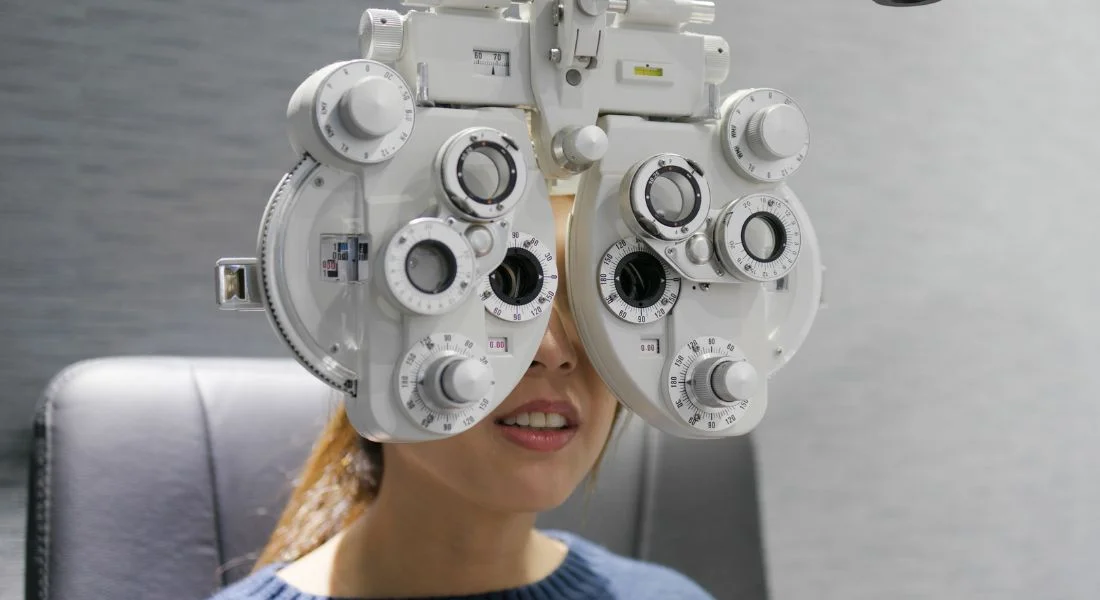
If you’re considering LASEK eye surgery, it’s natural to think beyond basic sharpness of vision. Many people wonder whether their perception of colour, contrast, depth, or overall visual quality will change after the procedure. These concerns are common, especially for those who rely on precise visual detail in daily life or work.
You may have come across stories or anecdotes suggesting that laser eye surgery can subtly alter how colours appear or affect low-contrast vision. Such claims can sound worrying at first, but they are often based on isolated experiences rather than typical outcomes.
The reassuring news is that these effects are well studied, carefully measured, and rarely permanent when LASEK is performed correctly by a qualified surgeon. Modern assessment techniques allow ophthalmologists to monitor and minimise any impact on colour perception or contrast sensitivity.
What Colour Vision and Contrast Sensitivity Really Mean
Colour vision refers to the eye’s ability to distinguish between different wavelengths of light, a function primarily controlled by specialised retinal cells called cones. Since LASEK works on the corneal surface rather than the retina, it does not directly interact with the structures responsible for colour detection.
Contrast sensitivity is influenced by the entire optical system of the eye, not just a single structure. Both colour vision and contrast perception contribute to how “natural” your vision feels. It’s possible to have technically perfect 20/20 vision yet feel dissatisfied if your ability to perceive contrast is reduced. Modern refractive surgery, including LASEK, focuses not only on clarity but also on maintaining overall visual quality.
Why Patients Worry About Visual Quality After LASEK

Many patients considering LASEK have relied on glasses or contact lenses for years and are accustomed to a certain visual experience. They may fear that surgery, while convenient, could come at the cost of subtle visual compromises. Such concerns are completely understandable and very common. Online forums and anecdotal reports often amplify rare or temporary effects, creating unnecessary anxiety about issues like halos, muted colours, or night-time glare.
Surgeons take these concerns seriously because patient satisfaction depends on more than just the numbers on an eye chart. Modern LASEK techniques are designed to preserve fine visual details while minimising structural risks. By understanding what effects are realistic versus extremely unlikely, patients can make informed, calm decisions about their surgery.
How LASEK Works and Why the Cornea Matters
LASEK corrects refractive errors such as myopia, hyperopia, or astigmatism by reshaping the cornea, which plays a key role in focusing light accurately onto the retina. Even small changes in corneal curvature can dramatically improve visual sharpness. Unlike LASIK, LASEK does not involve creating a deep corneal flap.
This surface-based approach preserves corneal strength and reduces certain structural risks. Because the cornea determines how light enters the eye, temporary changes in shape during healing can influence contrast perception. However, colour perception remains controlled by the retinal cones, not the cornea. This is why long-term changes in colour vision after LASEK are extremely unlikely, giving patients reassurance about both safety and visual quality.
Does LASEK Directly Affect Colour Vision?
In clinical terms, LASEK does not impact colour vision. The procedure only reshapes the cornea and does not involve the retina, optic nerve, or visual cortex, which are responsible for processing colour. Any temporary changes in colour perception during early healing are usually related to mild corneal haze, surface irregularities, or tear-film instability, and these resolve as the eye recovers.
- LASEK reshapes the cornea without affecting the retina or optic pathways responsible for colour vision, so there is no biological mechanism for permanent changes
- Some patients may notice subtle, temporary differences in colour appearance during the initial healing phase due to corneal surface changes
- These effects typically resolve as the cornea heals and the tear film stabilises, restoring normal visual perception
- Long-term studies show colour discrimination remains unchanged, with pre- and post-surgery colour vision tests yielding effectively identical results
Overall, patients can be reassured that LASEK is safe from a colour vision standpoint, and any early visual disturbances are temporary and fully reversible.
Why Contrast Sensitivity Is Discussed More Often

Contrast sensitivity is more sensitive to subtle optical imperfections than colour vision, making it a common topic after LASEK. Temporary changes can occur during early healing as the corneal surface regenerates, but these effects are usually mild and resolve naturally. Understanding this helps patients set realistic expectations for the recovery period.
- The corneal surface may be slightly uneven in the first few weeks after LASEK, causing minor light scatter and temporary reduction in contrast sensitivity
- Patients often notice mild haziness or difficulty with low-light tasks, such as night driving, during early healing
- These changes are not indicative of damage or surgical failure; they reflect the normal regeneration of epithelial cells and surface smoothness
- In most cases, contrast sensitivity returns to baseline or even improves beyond pre-surgery levels as healing completes, aided by modern laser profiles designed to minimise such effects
Overall, temporary fluctuations in contrast sensitivity are a normal part of recovery and generally resolve without intervention, allowing patients to enjoy clear, sharp vision over the long term.
How Surgeons Measure Colour Vision Before and After LASEK
Colour vision testing is simple, non-invasive, and highly effective at detecting even mild issues. Common methods, such as Ishihara plates, require patients to identify patterns or numbers within coloured dots. These tests are performed during the initial assessment to establish a baseline, and any pre-existing colour vision deficiencies are noted and explained, as LASEK does not alter inherited colour perception.
Post-operative testing may be conducted if a patient reports concerns, though in almost all cases, results match pre-surgery measurements. This confirms that any perceived changes in colour are typically temporary or unrelated to actual colour vision. By monitoring colour perception before and after surgery, surgeons provide reassurance and ensure that visual quality is maintained.
How Contrast Sensitivity Is Clinically Assessed
Contrast sensitivity testing evaluates how well the eyes detect subtle differences in tone rather than just sharp black-on-white letters. These tests use varying shades of grey to assess how clearly objects stand out from their background, providing insight into overall visual quality.
Such testing is especially relevant for patients who drive at night or work in low-contrast environments, where subtle visual cues are critical. Surgeons may repeat these tests if symptoms persist beyond normal healing, although long-term reductions in contrast sensitivity are rare. Careful, data-driven assessment ensures safe, predictable outcomes and helps maintain confidence in post-LASEK vision.
What Patients Typically Notice After LASEK
Immediately after LASEK, it’s normal for vision to fluctuate as the corneal surface heals and smooths out. In the first few weeks, some patients notice mild glare, reduced contrast in dim lighting, or slightly less vivid colours due to surface healing and temporary dryness. These effects gradually settle as the eye stabilises.
By around three to six months, most patients report that their vision feels completely natural again. Contrast sensitivity usually returns to baseline or improves, and colour perception remains unchanged. These early changes are expected parts of the healing process rather than signs of a problem.
Long-Term Visual Quality After LASEK
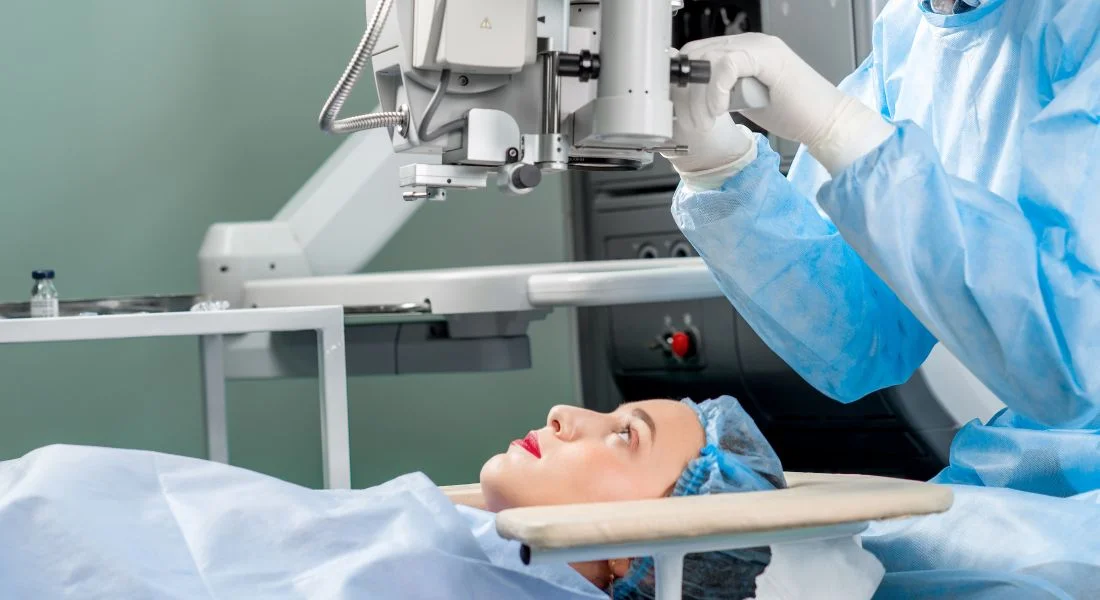
Long-term data on LASEK outcomes is reassuring. Once healing is complete, visual quality is stable and consistent. Patients do not experience progressive loss of contrast or colour perception.
In many cases, contrast sensitivity improves compared to pre-surgery levels. This is especially true for patients who previously relied on contact lenses. Lens-related dryness and distortion are no longer factors.
This is one reason why many patients describe their vision as clearer and more comfortable than before. The absence of lenses often enhances overall visual quality.
The goal is not just clear vision, but better vision.
The Role of Dry Eye in Visual Perception
Dry eye plays an important role in how vision feels after LASEK, particularly in relation to contrast sensitivity rather than colour perception. An unstable tear film can affect the way light enters the eye, leading to visual fluctuation. These effects are most noticeable in low-contrast or low-light conditions. Dryness after surface laser procedures is common but usually temporary and well controlled with proper care.
- Dry eye affects contrast sensitivity more than colour vision by causing light scatter and reduced visual stability
- An unstable tear film can lead to fluctuating clarity, especially in low-contrast or dim environments
- Temporary dryness is common after LASEK and other surface laser procedures
- Proper lubrication, regular follow-up, and targeted dry eye treatment significantly improve visual comfort and clarity
Managing dry eye is a routine and essential part of post-operative care. When dryness is addressed effectively, patients typically notice clear improvements in contrast, overall visual quality, and day-to-day comfort.
Why Proper Assessment Matters Before Surgery
A thorough pre-operative assessment is essential for achieving safe, predictable outcomes with LASEK. It allows potential risk factors to be identified early and ensures the procedure is planned around your individual visual needs. Nothing should be assumed or rushed, as careful evaluation directly influences both results and satisfaction.
- Pre-operative assessment evaluates tear film quality, corneal regularity, and baseline visual performance
- Patients with high or specific visual demands receive tailored counselling to align expectations with realistic outcomes
- Clear, detailed communication throughout the assessment process helps reduce anxiety and build confidence
- Choosing an experienced clinic ensures that assessment is prioritised over speed or convenience
If you’re considering LASEK surgery in London, a comprehensive assessment should be standard practice. It reflects a clinic’s commitment to visual quality, long-term safety, and patient-centred care rather than quick approvals.
When to Be Concerned About Visual Changes
Temporary visual changes are normal during healing. However, persistent symptoms should always be reported. Early review allows prompt reassurance or intervention if needed.
True long-term changes in colour vision after LASEK are extremely rare. Contrast issues beyond the healing phase are also uncommon. Most concerns resolve with time and proper care.
Regular follow-up appointments ensure everything is progressing as expected. This structured approach protects long-term results. You’re never left without support.
FAQs:
- Can LASEK permanently change how I see colours?
LASEK does not permanently change colour vision because the procedure works only on the cornea, not on the retina or optic nerve where colour perception is processed. Colour vision is controlled by cone cells in the retina, which remain completely unaffected during laser eye surgery. Any temporary changes in colour perception that patients may notice during early healing are usually related to surface healing, mild haze, or tear-film instability and resolve as the eye stabilises. - Why do some patients feel colours look different right after LASEK?
Immediately after LASEK, the corneal surface is healing and the tear film may be unstable, which can slightly alter how light enters the eye. This can create the impression that colours look less vivid or slightly washed out. These effects are not true colour vision changes but optical fluctuations that improve as the corneal surface smooths and the tear film becomes stable again over the following weeks. - Does LASEK affect contrast sensitivity more than colour vision?
Yes, contrast sensitivity is more likely to be temporarily affected than colour vision because it depends heavily on the smoothness and optical clarity of the cornea. During early healing, mild surface irregularities or dryness can reduce the eye’s ability to distinguish subtle differences between light and dark. This is a normal and expected part of recovery and usually improves steadily as healing progresses. - How long can contrast sensitivity changes last after LASEK?
Temporary contrast sensitivity changes typically occur within the first few weeks after LASEK and gradually improve over one to three months. In most patients, contrast sensitivity returns to baseline or even improves beyond pre-surgery levels by the time healing is complete. Persistent contrast issues beyond the normal recovery window are uncommon and usually related to dryness or delayed surface healing rather than permanent optical damage. - Can LASEK improve contrast sensitivity in the long term?
In many cases, contrast sensitivity improves after LASEK, especially for patients who previously wore contact lenses. Contact lenses can cause dryness, subtle distortion, and reduced visual quality over time. Once lenses are no longer needed and the cornea has fully healed, patients often report clearer, more stable vision with improved contrast, particularly in everyday lighting conditions. - How do surgeons check colour vision before and after LASEK?
Colour vision is assessed using standardised tests such as Ishihara plates, which detect even mild colour discrimination issues. These tests are performed during the pre-operative assessment to establish a baseline and identify any pre-existing colour vision deficiency. If a patient reports concerns after surgery, testing can be repeated to confirm that colour perception remains unchanged, which is almost always the case. - How is contrast sensitivity measured clinically?
Contrast sensitivity is measured using specialised charts or digital tests that present letters or patterns in varying shades of grey rather than high-contrast black and white. These tests assess how well the visual system detects subtle differences in tone, which is particularly relevant for night driving and low-light tasks. Testing may be repeated during follow-up visits if patients report persistent visual quality concerns. - Does dry eye after LASEK affect colour or contrast perception?
Dry eye primarily affects contrast sensitivity rather than colour vision. An unstable tear film can scatter light and cause fluctuating clarity, especially in dim or low-contrast environments. Dryness after LASEK is common but usually temporary and responds well to lubrication and targeted treatment. Once dryness is controlled, contrast perception typically improves significantly. - Should people with high visual demands worry about LASEK affecting visual quality?
People with high visual demands, such as designers, photographers, or those who work extensively in low-light conditions, can safely undergo LASEK when properly assessed. Modern laser profiles are designed to preserve fine visual details, including contrast sensitivity. Thorough pre-operative assessment and honest discussion about expectations ensure that the procedure is tailored to maintain high-quality vision rather than just achieving 20/20 acuity. - When should I be concerned about visual changes after LASEK?
Mild visual fluctuations, glare, or contrast changes are normal during the healing phase and usually resolve with time. Concern is warranted only if symptoms persist well beyond the expected recovery period or worsen instead of improving. Regular follow-up appointments allow surgeons to monitor healing closely and address issues early, ensuring long-term visual quality and patient reassurance.
Final Thoughts: Understanding Visual Quality After LASEK
Concerns about colour vision and contrast sensitivity are completely natural when considering laser eye surgery, especially if you rely on fine visual detail in daily life. The reassuring reality is that LASEK does not permanently affect colour perception, and any temporary changes in contrast sensitivity are usually part of the normal healing process. With modern laser technology, careful pre-operative assessment, and structured follow-up care, long-term visual quality after LASEK is stable, natural, and often improved compared to life with contact lenses or glasses. If you’re considering lasek surgery in London and want to know if it’s the right option, you’re welcome to reach out to us at Eye Clinic London to book a consultation.
References:
- Yahalomi, T., et al. (2023) Dry Eye Disease following LASIK, PRK, and LASEK, Journal of Clinical Medicine, 12(11), 3761. https://www.mdpi.com/2077-0383/12/11/3761/
- Scerrati, A. (2007) Visual quality after refractive surgery: LASEK vs LASIK, in Refractive Surgery. https://www.sciencedirect.com/topics/medicine-and-dentistry/quality-of-vision/
- Kim, T.W. (2007) Contrast sensitivity after LASIK, LASEK, and wavefront-guided LASEK, Ophthalmology, 114(6), pp. 109. https://pubmed.ncbi.nlm.nih.gov/17455830/
- Dooley, I., et al. (2012) Prospective comparison of LASIK and LASEK for low myopia: visual and contrast outcomes, Journal of Cataract and Refractive Surgery. https://pubmed.ncbi.nlm.nih.gov/15188898/
- One-year follow-up of contrast sensitivity following conventional laser in situ keratomileusis and laser epithelial keratomileusis (2009) Journal of Cataract and Refractive Surgery, 35(8), pp. https://pubmed.ncbi.nlm.nih.gov/20070279/