


Can You Have LASEK Eye Surgery Twice?
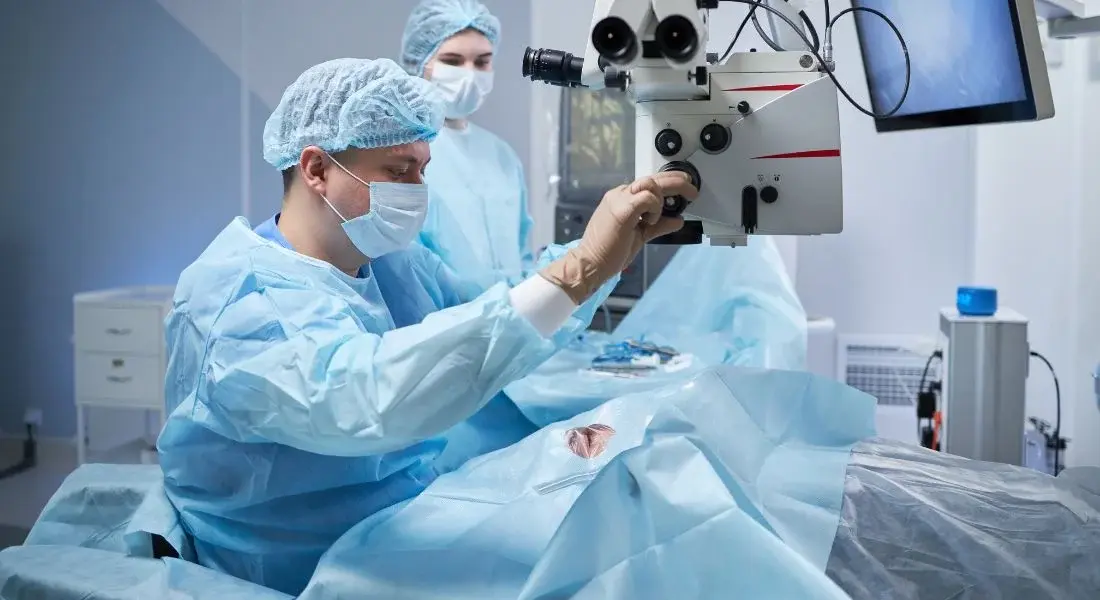
If you’ve already had LASEK eye surgery, you’ll probably remember how transformative it felt. Clearer vision, less reliance on glasses, and the freedom to go about daily life without corrective lenses can make a real difference. So when your vision begins to change again years later, it’s completely natural to feel confused or frustrated and to wonder whether LASEK can be done a second time.
This is a very common and reasonable question. While laser eye surgery can correct vision effectively, it doesn’t stop the eyes from changing as part of the natural ageing process. Factors such as prescription shifts or age-related changes can affect vision over time. In this guide, I’ll explain whether LASEK can be performed twice, what determines your suitability, how long you typically need to wait, and what alternative options may be available if a repeat procedure isn’t the right choice for you.
Understanding How LASEK Works in the First Place
Before discussing repeat treatment, it’s important to understand how LASEK works in the first place. LASEK corrects refractive errors such as short-sightedness, long-sightedness, and astigmatism by reshaping the cornea to improve how light focuses on the retina.
During the procedure, the thin surface layer of the cornea (the epithelium) is gently loosened and moved aside. An excimer laser is then used to precisely reshape the underlying corneal tissue according to the patient’s prescription.
Unlike LASIK, LASEK does not involve creating a corneal flap. This helps preserve more of the cornea’s natural structure, making it a suitable option for people with thinner corneas or certain corneal characteristics. After treatment, the epithelial layer heals and regenerates naturally over time. While this surface layer recovers, the reshaped corneal tissue underneath remains permanently altered.
This permanent change to the cornea is an important factor when considering whether LASEK can be safely and effectively repeated in the future.
Why Vision Can Change After LASEK
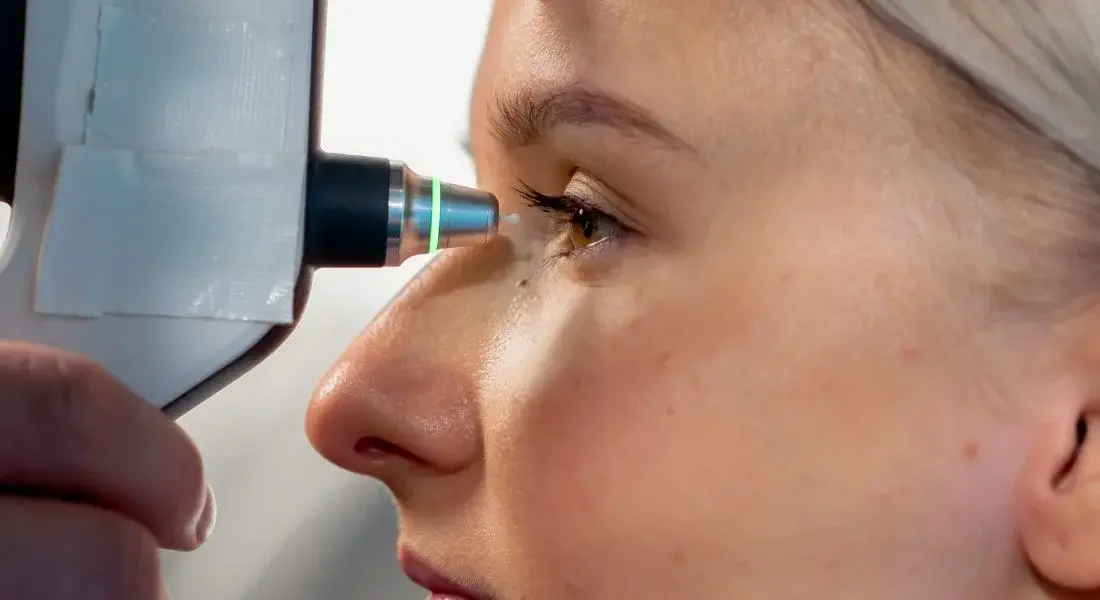
LASEK corrects your vision based on your eyes at a specific moment in time, using precise measurements taken before surgery. While the treatment can significantly improve eyesight, it does not stop the natural ageing process or prevent future changes within the eye.
Over time, several factors can influence how clearly you see after LASEK:
Natural ageing of the eye: As you get older, the lens inside the eye and other ocular structures gradually change. These subtle shifts can affect how light is focused, even if the cornea was perfectly treated during surgery.
Progression of refractive error: Some people’s prescriptions continue to change slowly over the years. This can happen even after a successful LASEK procedure, particularly in those who were treated at a younger age.
Hormonal changes: Hormonal fluctuations can temporarily or permanently affect vision by altering corneal shape, tear film stability, or overall visual comfort.
Pregnancy: Vision can fluctuate during pregnancy due to hormonal and fluid changes in the body. For this reason, laser treatment is usually avoided during pregnancy and reassessed afterwards.
Medical conditions: Certain health conditions, such as diabetes or thyroid disorders, can cause changes in vision over time, sometimes leading to fluctuations or reduced clarity.
Presbyopia developing with age: Presbyopia is a natural, age-related loss of near focusing ability that typically begins in the mid-40s. This change occurs regardless of whether you have had laser eye surgery and often explains why reading vision becomes more difficult later in life.
When this happens, patients often start to ask whether repeat LASEK or another form of enhancement may be appropriate. This decision is always based on a thorough eye assessment, vision stability, corneal health, and realistic expectations about what further treatment can achieve.
Can You Have LASEK Eye Surgery Twice?
The short answer is: sometimes. A second LASEK procedure, often referred to as an enhancement, may be possible in carefully selected cases where it is safe to do so.
However, repeat treatment is not guaranteed and depends on several critical factors. Each case must be assessed individually, with patient safety always taking priority. An enhancement is only considered if the cornea has sufficient thickness and strength to tolerate further laser reshaping. Not every patient will meet these requirements, which is why a thorough assessment is essential before making any decisions.
What Determines Whether a Second LASEK Is Possible?

Before considering a second LASEK procedure, several key factors are carefully evaluated to determine whether repeat treatment is safe and appropriate, with each assessment focused on protecting long-term eye health.
Corneal Thickness and Safety Limits
The cornea has a finite thickness, and every laser procedure removes a small amount of corneal tissue. Because of this, corneal safety is the most critical factor when considering repeat LASEK surgery. Before any enhancement is planned, specialists carefully measure the original corneal thickness, the amount of tissue removed during the first procedure, the current corneal thickness, and the remaining structural stability of the cornea.
If too much tissue has already been removed, performing additional laser treatment could weaken the cornea. This increases the risk of complications such as corneal instability and is therefore not considered safe.
For this reason, corneal safety limits are non-negotiable. If these limits have been reached, repeat LASEK is ruled out, regardless of the level of visual correction desired.
Corneal Shape and Stability
Corneal thickness alone isn’t enough when assessing suitability for repeat LASEK. The overall shape and long-term stability of the cornea are just as important for ensuring safe and reliable outcomes.
Specialists carefully evaluate the cornea for signs of irregular shape, early thinning conditions, or changes that may suggest corneal ectasia. Advanced imaging helps identify subtle issues that may not cause symptoms but could increase risk.
If any instability is detected, repeating laser surgery is not advised. Protecting long-term vision health always takes priority over achieving short-term visual correction.
Time Since Your First LASEK Procedure
Timing plays an important role when considering a second LASEK procedure. After the initial treatment, the eyes need sufficient time to heal fully and for vision to stabilise.
In most cases, an enhancement is not considered for at least 12 months. Vision must remain stable for several months, and any fluctuations need to be carefully monitored before further treatment is discussed.
Rushing into a second procedure too early increases the risk of inaccurate correction and unpredictable results. Allowing adequate healing time helps ensure safer outcomes and more reliable long-term vision.
Degree of Vision Change
Not all vision changes warrant a second laser procedure. Small or minor refractive changes often do not justify the risks associated with further surgery.
Enhancements are typically considered only when vision changes are clinically significant and have a noticeable impact on visual clarity or daily activities.
If the prescription change is minimal, glasses or contact lenses may be the safer and more appropriate option. Laser enhancement is generally reserved for cases where overall visual quality is meaningfully affected.
Overall Eye Health
Overall eye health plays a major role when considering repeat LASEK surgery. Conditions such as dry eye, inflammation, or retinal problems need to be identified and treated before any further laser correction is discussed.
A healthy and stable ocular surface is essential for accurate measurements and predictable laser results. If underlying eye conditions are left untreated, they can compromise both the safety and effectiveness of the procedure.
What Is a LASEK Enhancement?
A repeat LASEK procedure is typically referred to as an enhancement rather than simply “having LASEK again.” This terminology reflects the nature of the treatment, which focuses on refining the results of the original surgery rather than starting from scratch.
An enhancement involves much smaller laser adjustments compared to the initial procedure. Treatment plans are highly conservative, with safety and corneal preservation as the top priorities. The laser is used with precise targeting to correct any residual refractive error that may be affecting vision. This level of accuracy helps improve clarity while minimising additional tissue removal.
The goal of a LASEK enhancement is not to create a dramatic change. Instead, it is about fine-tuning vision carefully and safely, ensuring the best possible outcome without compromising long-term eye health.
How Often Are LASEK Enhancements Performed?
Most people who undergo LASEK never need a second procedure. In the majority of cases, results are stable and long-lasting, providing clear vision for many years.
However, a small percentage of patients may require an enhancement at some point. This is usually due to factors such as:
- Residual refractive error: Occasionally, a small amount of short-sightedness, long-sightedness, or astigmatism remains after the initial treatment. While this may be mild, some patients choose enhancement for sharper vision.
- Gradual regression: In some cases, the eye slowly shifts back towards its original prescription over time. This is more likely to happen years after surgery rather than immediately.
- Lifestyle or occupational visual demands: People who rely heavily on very sharp vision such as for driving at night, detailed screen work, or precision tasks may notice even small changes and opt for further correction.
Enhancements are more common in patients with higher initial prescriptions, as these eyes require greater correction and are more prone to minor regression. By contrast, enhancements are much less common after mild corrections, where long-term stability is usually excellent.
Is Recovery Different the Second Time?
Recovery after a second LASEK procedure is often similar to the first, but it is not always identical. Healing responses vary from person to person, and the eye may respond slightly differently to repeat treatment.
You may notice:
- Similar initial discomfort – Mild soreness, light sensitivity, or a gritty sensation are common in the early days, much like after the original procedure.
- Temporary blurred vision – Vision may fluctuate or feel hazy during the initial healing phase as the surface of the eye repairs itself.
- Gradual improvement over weeks – Clarity typically improves steadily rather than instantly, with vision continuing to settle over several weeks.
Because the amount of correction needed for an enhancement is often smaller than the original treatment, recovery can sometimes feel easier or quicker. However, this is not guaranteed, and some patients may experience a similar recovery timeline.
For this reason, it is important to keep expectations realistic and follow all post-treatment advice carefully. Your surgeon will guide you on what to expect based on your individual eyes, the level of correction required, and your previous healing response.
Are There Additional Risks with Repeat LASEK?
Any surgical procedure carries some degree of risk, and repeat LASEK requires additional caution compared to first-time treatment. Careful assessment is essential to minimise potential complications.
With enhancement procedures, there may be a higher chance of slower healing, increased dryness, and reduced predictability of visual outcomes. These risks are closely linked to the condition of the cornea and overall eye health.
There is also a risk of corneal weakening if safety limits are exceeded, which is why strict criteria are followed. This is the reason repeat LASEK is offered selectively rather than routinely, with safety margins always taking priority over further correction.
What If You’re Not Suitable for Repeat LASEK?
If a second LASEK procedure isn’t considered safe, it doesn’t mean you’re out of options. There are several alternative ways to manage or improve your vision, depending on your eye health, prescription, and visual needs.
The most appropriate alternative is determined through a detailed assessment, with the focus always on preserving long-term eye health while achieving the best possible visual outcome.
- Glasses or Contact Lenses: For many people, mild changes are best managed conservatively. Modern lenses provide excellent visual quality without the risks associated with surgery. This option is often recommended when changes are small, gradual, or age-related. It allows you to maintain clear vision immediately and can be easily adjusted as your prescription evolves.
- PRK or Surface Enhancements: In some cases, other surface-based laser techniques may be evaluated. These procedures reshape the cornea similarly to LASEK but can be suitable when repeat LASEK is not advised. Suitability depends on corneal thickness, stability, and overall eye health. Your specialist will advise whether this approach is likely to provide meaningful improvement without undue risk.
- Lens-Based Solutions: For patients experiencing age-related changes such as presbyopia, lens-based options may be discussed. These procedures focus on restoring vision at multiple distances rather than only correcting corneal shape. They are typically considered later in life rather than immediately after LASEK. Lens-based solutions can offer long-term clarity for near, intermediate, and distance vision, especially if the natural lens begins to lose flexibility.
Even if repeat LASEK is not suitable, there are safe and effective alternatives to maintain or improve vision, tailored to your prescription, age, and lifestyle needs.
Presbyopia and the Limits of Repeat Laser Surgery
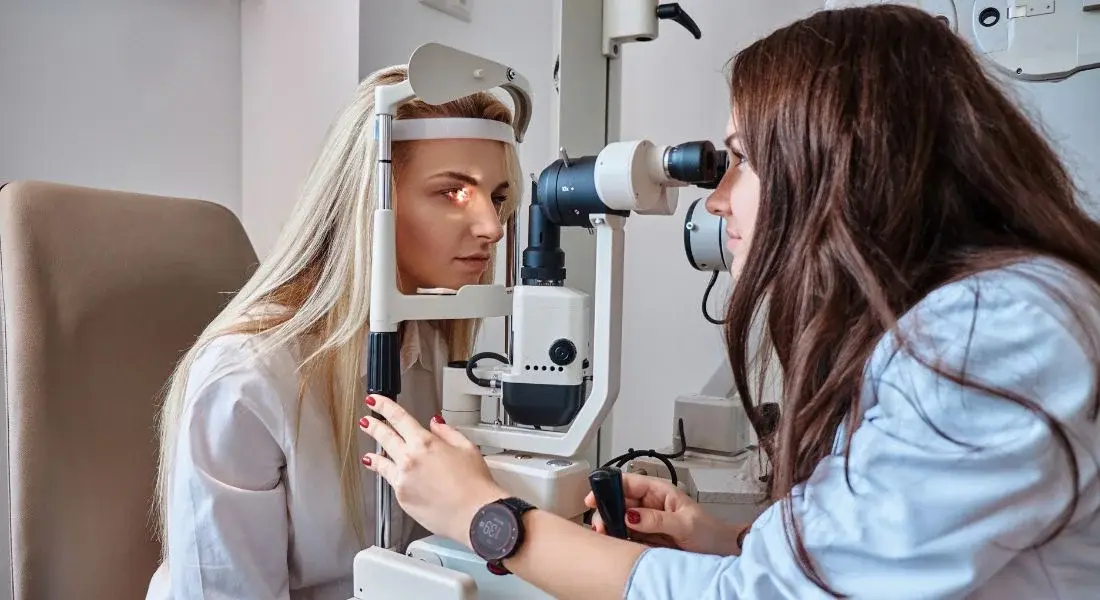
Presbyopia is a natural ageing process that impacts near vision, typically starting in your 40s. It occurs as the eye’s lens gradually loses flexibility, making close-up tasks more challenging. Because laser surgery like LASEK reshapes the cornea but doesn’t restore lens flexibility, it cannot prevent or fully correct presbyopia. This is often why some people feel their vision has “regressed” over time.
In such cases, repeat LASEK is usually not the solution, and alternative strategies are generally more effective.
How a Specialist Assessment Makes the Difference
Deciding whether repeat LASEK is possible requires a comprehensive and detailed assessment that goes far beyond a standard eye exam. Specialists carefully evaluate your eyes using corneal topography to examine the shape and structure of the cornea, pachymetry to measure corneal thickness, and checks for refraction stability to ensure your vision has truly stabilized since the first procedure.
The assessment also includes evaluating the tear film, which is essential for proper healing and accurate laser results, and a thorough retinal health check to rule out any underlying issues. Consulting a specialist experienced in LASEK surgery in London ensures that all safety parameters are carefully reviewed, helping to determine whether a repeat procedure is safe, appropriate, and likely to provide the desired improvement in vision.
How Long Should You Wait Before Considering a Second Procedure?
Most specialists recommend waiting at least 12 months before considering a second LASEK procedure. This extended period allows your eyes to heal fully and ensures that any changes in vision have stabilised. Rushing into a repeat procedure too early can increase the risk of complications or lead to inaccurate corrections, which is why patience is so important.
During this waiting period, a thorough reassessment is conducted to evaluate whether a repeat procedure is both safe and necessary. This includes checking corneal thickness, stability, refraction, tear film quality, and overall eye health. Ensuring that all these factors are stable helps prevent potential issues and supports a more predictable outcome.
In some cases, waiting even longer than a year may be advisable. Taking extra time allows the specialist to monitor your eyes carefully, detect any subtle changes, and make a more informed decision.
Is Repeat LASEK Common?
Repeat LASEK is relatively uncommon, as most patients experience stable and satisfactory results for many years after their initial procedure. Only a small percentage require enhancements, and even then, these are approached with great caution. Specialists use conservative adjustments to fine-tune vision while prioritising safety. This careful, measured approach helps ensure long-term eye health and preserves the benefits of the original LASEK procedure.
FAQs:
- How does LASEK correct vision the first time?
LASEK works by reshaping the cornea, the front surface of the eye, to improve how light focuses on the retina. During the procedure, the thin surface layer of the cornea is loosened and temporarily moved aside, while an excimer laser reshapes the underlying tissue. Unlike LASIK, LASEK preserves more of the cornea’s structure because it does not require a flap. Once the epithelial layer regenerates, the cornea maintains its new shape, correcting short-sightedness, long-sightedness, or astigmatism. - Why can vision change after LASEK?
Vision can change after LASEK due to natural ageing processes, ongoing shifts in prescription, hormonal changes, pregnancy, or medical conditions such as diabetes or thyroid disorders. Age-related presbyopia, which reduces near focusing ability, can also make it seem as though the results of LASEK have regressed. These changes are unrelated to the surgery itself, but they may lead patients to consider whether a second procedure is necessary. - Can everyone have LASEK a second time?
Not everyone is suitable for repeat LASEK surgery. The decision depends on factors like corneal thickness, corneal shape, overall eye health, and the stability of your vision. An enhancement can only be performed if the cornea is structurally strong enough to handle additional reshaping. Each case is assessed individually to ensure safety, so repeat surgery is considered selectively rather than routinely. - What factors determine whether a second LASEK procedure is safe?
Several key elements influence safety for a second LASEK. Corneal thickness is crucial because too much tissue removal could weaken the cornea. Specialists also examine the cornea for signs of irregular shape or instability, assess the degree of vision change, and evaluate overall eye health. The timing of the second procedure is also important, as sufficient healing and stabilization of vision are necessary before enhancement can be considered. - How is a LASEK enhancement different from the first surgery?
A LASEK enhancement focuses on refining the results of the initial procedure rather than starting from scratch. It involves smaller, precise laser adjustments to correct residual or regressed refractive error while minimising additional tissue removal. The goal is to fine-tune vision safely, improving clarity without compromising the structural integrity of the cornea. - How long do you need to wait before a second LASEK?
Most specialists recommend waiting at least 12 months after the first LASEK procedure. This period allows the eyes to heal fully and ensures that vision has stabilised. Waiting helps prevent inaccurate corrections and supports predictable outcomes. In some cases, waiting longer than a year may be advised to monitor subtle changes and make a more informed decision. - Is recovery different the second time?
Recovery from a second LASEK is often similar to the first, although each eye may respond differently. Patients may experience mild discomfort, temporary hazy vision, or light sensitivity, which usually improves gradually over several weeks. Since enhancements typically involve smaller adjustments, recovery can sometimes feel easier or quicker, but individual healing responses vary. - Are there additional risks with repeat LASEK?
Repeat LASEK carries some additional risks compared to the initial surgery. These include slower healing, increased dryness, and slightly less predictable visual outcomes. The primary concern is the potential weakening of the cornea if safety limits are exceeded, which is why specialists carefully assess every case and adhere to strict safety margins. - What alternatives exist if repeat LASEK isn’t suitable?
If a second LASEK procedure isn’t safe, alternative options include glasses or contact lenses to correct minor prescription changes, other surface-based laser procedures like PRK, or lens-based solutions for age-related vision issues such as presbyopia. These alternatives can provide effective visual correction without the risks associated with a repeat laser procedure, tailored to your prescription, lifestyle, and eye health. - How does a specialist assessment help before deciding on a second LASEK?
A specialist assessment evaluates corneal thickness, corneal shape, vision stability, tear film quality, and overall eye health. Advanced imaging and measurements ensure that any repeat procedure is safe and appropriate. Consulting a specialist experienced in LASEK surgery helps identify the best course of action, whether that’s an enhancement or alternative options, while protecting long-term vision health.
Final Thought: Repeat LASEK and Your Vision Options
If you’re considering Lasek surgery in London and are wondering whether a repeat procedure could be suitable for you, a thorough specialist assessment is essential. Every eye is unique, and factors such as corneal thickness, vision stability, and overall eye health determine whether a second LASEK or an alternative solution is the safest and most effective option. At Eye Clinic London, we provide detailed evaluations to guide you on the best approach for your vision needs. If you’re considering Lasek surgery in London and want to know if it’s the right option, you’re welcome to reach out to us at Eye Clinic London to book a consultation.
References:
- Mimouni, M. (2024) Repeat Versus Primary Photorefractive Keratectomy for the Treatment of Myopia. https://www.mdpi.com/2673-3269/5/4/36
- Moshirfar, M. (2022) Laser-Assisted In Situ Keratomileusis (LASIK) Enhancement for Residual Refractive Error after Primary LASIK. https://www.mdpi.com/2077-0383/11/16/4832
- Wang, L. (2013) Advances in Refractive Surgery, Progress in Retinal and Eye Research. https://www.sciencedirect.com/science/article/pii/S2162098923010083
- Siedlecki, J. (2019) Enhancement Options After Myopic Small‑Incision Lenticule Extraction, Journal of Cataract & Refractive Surgery https://www.sciencedirect.com/science/article/pii/S2162098923004784
- Ning, J. (2024) Surface Ablation Laser Surgery: Bibliometric and Visualised Analysis. https://pmc.ncbi.nlm.nih.gov/articles/PMC11557019/