


LASIK Eye Surgery and Light Sensitivity: What to Expect
The truth is that light sensitivity after LASIK is normal, temporary, and manageable. It happens for predictable reasons, and for most people, it settles quickly. Understanding why it occurs will help you feel more confident and prepared. In this guide, I’ll walk you through why LASIK causes light sensitivity, what you can expect in the hours, days, and weeks following your procedure, how to reduce discomfort, and who is more likely to experience stronger photophobia.
Why Light Sensitivity Happens After LASIK
To understand why light sensitivity occurs, you first need to know what happens during LASIK. The procedure reshapes your cornea so that light focuses properly on your retina. A thin corneal flap is created and then repositioned after the laser reshaping. This process disrupts corneal nerves temporarily.
When your corneal nerves are healing, your eye can become temporarily unbalanced in how it interprets brightness. This makes light feel stronger than usual, especially bright sunlight, car headlights, computer screens, or reflective surfaces.
Inflammation also plays a role. Even though LASIK is a minimally invasive procedure, the cornea still goes through a healing process. During this time, your eye may become more sensitive to light, similar to how your skin feels more sensitive after a light injury.
The combination of nerve regeneration and natural healing creates a predictable pattern of light sensitivity. For most people, it’s mild to moderate and settles with each passing day.
Typical Timeline of Light Sensitivity After LASIK
The recovery timeline for light sensitivity after LASIK is generally consistent and predictable. Knowing what to expect can help you prepare and reduce unnecessary worry.
In the first few hours after surgery, almost everyone experiences sensitivity to bright lights. This occurs because the corneal flap is still healing, and many patients prefer to rest with their eyes closed during this phase.
Within the first 24 hours, sensitivity often becomes more noticeable when stepping outdoors or encountering strong artificial lighting. This is normal, and wearing sunglasses can help reduce discomfort.
During the first week, light sensitivity gradually decreases. You may notice glare or halos around lights, especially at night, and screens may seem overly bright. These effects ease as your corneal nerves recalibrate and your tear film stabilises.
By around one month, most people feel comfortable in both indoor and outdoor lighting. Mild sensitivity may still occur in very bright or windy conditions, but it rarely affects daily activities.
At three months, the majority of patients report that light sensitivity has resolved or become minimal. Most can go about their day without noticing any discomfort from bright lights.
What Light Sensitivity Feels Like After LASIK
Light sensitivity doesn’t feel the same for everyone, but there are certain patterns you might recognise during recovery.
You may find that bright sunlight feels intense, even if the weather is mild. Headlights at night can appear slightly sharper or more prominent. Screens may feel uncomfortable unless you reduce brightness settings. Fluorescent lighting can feel harsher than usual in the first few days.
Some people describe the sensation as mild pressure behind the eyes. Others say that bright lights cause them to squint more or blink frequently. A smaller number may experience watery eyes or a temporary need to avoid glare.
These sensations are temporary and reflect the healing of your corneal nerves. Your brain and eyes are simply adjusting to the improved focus created by the laser treatment.
Who Is More Prone to Light Sensitivity After LASIK?
Although everyone experiences some level of light sensitivity after LASIK, certain people may notice stronger or longer-lasting effects. Understanding these risk factors can help you prepare and reduce discomfort during recovery.
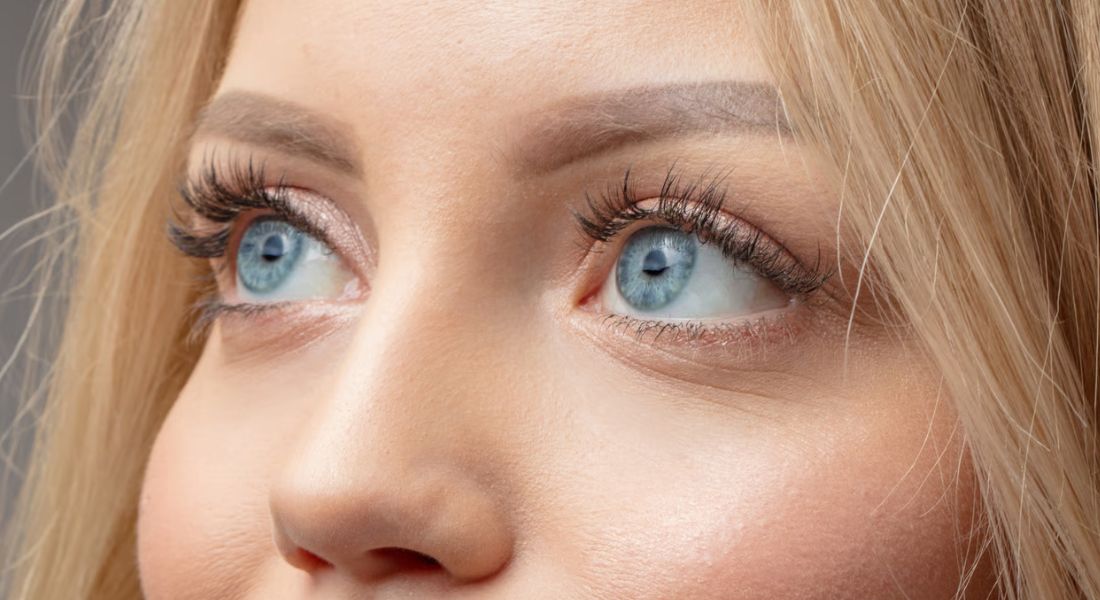
Naturally light-coloured eyes: Light-coloured irises allow more light to enter the eye, which can increase sensitivity after surgery. Patients with blue, green, or hazel eyes may notice brighter or more glaring light in the first few weeks.
Frequent dryness or irritation: Eyes that are already dry or irritated tend to be more reactive to bright light. Ensuring proper lubrication before and after surgery can reduce discomfort.
History of migraine sensitivity to light: If you are prone to migraines triggered by light, your visual system may be more responsive to brightness. Extra care with sunglasses and controlled lighting can help during recovery.
Long hours using digital screens: Extended screen time can destabilize the tear film and worsen light sensitivity. Regular breaks and artificial tears can make a significant difference.
Seasonal allergies or inflammation: Allergic or inflamed eyes are more reactive and can intensify light sensitivity. Managing allergies proactively can improve comfort.
Thinner tear film or pre-existing dry eye disease: Reduced tear volume or quality makes the eyes more sensitive to light and can slow healing. Pre-treatment evaluation and dry eye management are important for these patients.
These factors don’t make LASIK unsafe, but they influence your healing experience. By identifying these patterns ahead of time, your surgeon can suggest personalised strategies such as lubricating drops, sunglasses, or screen-time adjustments to make recovery smoother and more comfortable.
Does Light Sensitivity Mean Something Went Wrong?
One of the biggest fears people have is that sensitivity means their LASIK did not go as planned. Fortunately, this is almost never the case. Light sensitivity is expected during the early healing phase and rarely indicates a problem.
Your corneal nerves are simply adapting to their new environment. When those nerves send stronger or irregular signals, your brain interprets brightness differently. This creates a temporary mismatch in how your eyes and brain respond to light.
What matters most is the pattern of improvement. If your light sensitivity gradually reduces from day to day or week to week, this is a very good sign. Your eyes are healing exactly as they should.
Only in rare cases such as unusual inflammation or infection would sensitivity be a warning sign. Your surgeon will monitor this during your follow-up visits.
How LASIK Improves Vision Yet Causes Temporary Sensitivity
It may seem strange that LASIK improves your vision dramatically while causing sensitivity at the same time. The reason for this contrast lies in how precisely LASIK reshapes your cornea.
When the laser makes your cornea smoother and more accurate, light enters your eye in a much more organised pattern. Your retina receives a clearer, sharper image almost immediately. This is why many people notice a huge improvement in clarity even on the day of their surgery.
However, the healing stage of your cornea especially the nerve recovery can temporarily interfere with how your eyes react to that clarity. Your tear film may be slightly unstable, your nerves may be healing, and your eye surface may be settling into its new shape.
As your tear film becomes smoother and more consistent, your eye interprets light more comfortably. As your nerves regenerate, brightness stops feeling overwhelming. When these factors align, your vision becomes both sharp and comfortable.
The Role of Dry Eye in Light Sensitivity After LASIK
Dry eye is one of the biggest contributors to sensitivity during LASIK recovery. The corneal nerves regulate tear production, and when those nerves are temporarily disrupted, your tear film may become uneven.
A poor tear film scatters light rather than bending it smoothly. This scattering effect makes lights look more intense or glaring. It can also increase the appearance of halos or starbursts.
If you already had dry eye before LASIK, you may notice stronger or more prolonged sensitivity. However, this doesn’t mean LASIK was a bad choice. It simply means that lubrication becomes essential during recovery.
Using lubricating drops regularly can dramatically improve comfort and reduce sensitivity. Many patients underestimate how much these drops help. Your surgeon may suggest preservative-free artificial tears for several weeks to stabilise your tear film and reduce photophobia.
How Long Does Light Sensitivity Last?
For most people, light sensitivity improves gradually as the eyes heal:
First 24–48 hours: Sensitivity is most noticeable, especially in bright environments or under harsh lighting. Sunglasses and dim indoor lighting can help manage discomfort.
First week: Discomfort usually reduces significantly. Most patients notice clearer, more comfortable vision as tear film stabilises.
Two to four weeks: Most people feel almost back to normal, with only occasional awareness of brightness in certain situations.
Three months: Any remaining sensitivity usually resolves. Your corneal nerves have largely healed, and your visual system has adapted to the new optical shape.
Some people notice faint halos or stronger brightness at night for several months. This is normal, as your cornea and tear film continue refining how light is processed. Large pupils can make night-time sensitivity more noticeable, but improvement generally follows a predictable course.
How to Manage Light Sensitivity After LASIK

You can reduce discomfort significantly by using simple strategies during the healing period.
Wearing high-quality sunglasses outdoors is one of the easiest ways to feel more comfortable. Sunglasses help your eyes relax and reduce strain. Wraparound styles provide extra protection from wind, which is helpful if dryness contributes to your sensitivity.
Adjusting screen brightness is another effective approach. Lowering brightness or switching to warmer tones can reduce eye strain. Many people find dark mode more comfortable during early recovery.
Lubricating drops are essential. Keeping your eyes hydrated helps your tear film stay stable, which reduces glare and discomfort. Using drops frequently, especially in dry or windy environments, helps prevent sensitivity. Avoiding fans, air conditioning vents, and windy weather also helps because environmental dryness can make sensitivity worse.
Resting your eyes is just as important. If you spend long hours at a computer or use your phone frequently, take short breaks throughout the day. The 20-20-20 rule look 20 feet away for 20 seconds every 20 minutes can help your eyes relax.
Night-Time Light Sensitivity After LASIK
Headlights, streetlights, and phone screens can feel intense during the early recovery period after LASIK. This is normal, especially for people with larger pupils, and usually improves as healing progresses.
You may notice halos or slight starbursts around lights. These effects occur because the healing cornea and tear film temporarily scatter light, but they rarely interfere with daily activities.
Night-time glare is often more noticeable when you feel tired, your eyes are dry, your tear film is unstable, or you’ve used digital screens heavily. These factors can make lights seem brighter or more distracting than usual.
Using lubricating drops before driving at night can help reduce discomfort. Some surgeons also recommend nutritional support, such as omega-3 supplements, to stabilise the tear film and support overall eye health.
Light Sensitivity in Different Environments
Not all environments produce the same level of sensitivity after LASIK. Many people find that bright outdoor light is hardest in the first few days. Clear sky conditions, snow, sand, or water surfaces create reflective environments that amplify brightness.
Indoor lighting affects people differently. Fluorescent lights can feel uncomfortable early on because of their sharpness. LED screens may feel intense until you adjust brightness.
Environments with moving air gyms, outdoors, air-conditioned offices can increase dryness, which makes sensitivity more noticeable. Being aware of these environments helps you plan ahead and stay comfortable.
When Light Sensitivity Requires Attention
While some light sensitivity is normal after LASIK, there are rare situations where it may signal an underlying issue. Knowing when to contact your surgeon is important to protect your vision and ensure proper healing.
Sensitivity that gets worse rather than better: If your light sensitivity intensifies over time instead of gradually improving, it may indicate inflammation or another complication. Early evaluation helps prevent further issues.
Pain combined with light sensitivity: Discomfort or a sharp sensation in the eyes alongside light sensitivity is not typical and should be assessed promptly. This can sometimes signal infection or flap irritation.
Redness or discharge: Excessive redness, unusual tearing, or discharge is a warning sign that your eyes may be inflamed or infected. Immediate attention ensures effective treatment.
Sudden drop in vision: Any noticeable decrease in vision after LASIK is abnormal and requires urgent evaluation. Prompt intervention can prevent permanent changes.
One eye healing differently from the other: Asymmetry in recovery, such as one eye being more sensitive to light or appearing redder, can indicate uneven healing or localized complications.
These symptoms could point to treatable issues like inflammation or infection when caught early. Your follow-up appointments are designed to detect any irregular healing quickly, but you should always mention any concerns, no matter how minor they seem, to ensure the safest and most comfortable recovery.
How Your Eyes Adapt to Light After LASIK
Your visual system not just your eyes adapts after LASIK. Your brain recalibrates how it processes brightness and contrast. This adjustment takes time and can create temporary differences in how light appears.
Your corneal surface becomes smoother and more refined as healing progresses. This reduces scatter and creates clearer, more comfortable vision. As your nerves regenerate, your tear film becomes more stable, which also reduces sensitivity.
Eventually, the combination of nerve healing, tear film recovery, and brain adaptation results in a balanced, comfortable response to light.
Does Persistent Light Sensitivity Mean LASIK Was a Mistake?
Persistent sensitivity is uncommon, but when it occurs, it doesn’t necessarily mean LASIK was the wrong choice. Some people naturally have more reactive visual systems. Others may have dryness, allergies, or environmental triggers that extend symptoms.
With proper management, most cases improve significantly. Only a very small percentage of patients experience long-term sensitivity, and many of those cases are linked to dryness rather than the procedure itself.
Your surgeon will help you identify the root cause if symptoms extend beyond the normal healing window.
How LASIK Technology Reduces Light Sensitivity Risks
Modern LASIK technology is much more advanced than earlier methods. Wavefront-guided and topography-guided treatments allow customised corneal reshaping that enhances visual quality and reduces night-time glare.
These technologies help reduce optical aberrations that can cause distorted vision in low light. They also create smoother corneal surfaces, which improves overall clarity.
Low-light visual performance is significantly improved with these modern techniques. Patients often notice fewer halos and less glare compared with older LASIK methods.
This is why LASIK outcomes today are far better than what you might read in older online forums. Advances in technology have made night-time light sensitivity less of an issue for most patients.
What Most Patients Say About Light Sensitivity After LASIK
If you speak to someone who’s had LASIK, you’ll often hear the same pattern: bright lights felt sharp for the first few days, sunglasses helped immensely, and the sensitivity faded quickly.
Many people actually enjoy light more after healing because their vision becomes clearer and colours look more vibrant. You may find that outdoor activities feel more enjoyable once your sensitivity settles because you no longer rely on glasses or contact lenses.
FAQs:
- Is light sensitivity normal after LASIK?
Yes, light sensitivity is a very common and expected part of LASIK recovery. It happens because the corneal nerves are temporarily disrupted during the procedure, and your eyes are adjusting to the new corneal shape. For most people, sensitivity is mild to moderate and gradually improves over the first few weeks. - How long does light sensitivity last after LASIK?
Most patients notice improvement within the first week. Mild sensitivity can persist for two to four weeks, and by three months, it usually resolves almost completely. Some individuals may experience occasional glare or halos in very bright conditions, which is normal as the cornea and tear film continue stabilising. - Why does LASIK cause light sensitivity?
Light sensitivity occurs due to temporary changes in corneal nerves and the healing process of the corneal flap. Your nerves send altered signals to the brain, making bright lights feel more intense. In addition, temporary dryness or inflammation can increase glare and discomfort. - Who is more likely to experience stronger light sensitivity?
People with light-coloured eyes, pre-existing dry eye, a history of migraines triggered by light, prolonged screen use, seasonal allergies, or thinner tear films may notice more pronounced sensitivity. These factors don’t prevent LASIK but can influence how noticeable sensitivity feels during recovery. - Does light sensitivity mean something went wrong?
Not usually. Temporary sensitivity is a normal part of healing. Your eyes are simply adjusting to the new corneal shape and regenerating nerves. Only if sensitivity worsens, is accompanied by pain, redness, discharge, or vision changes should you contact your surgeon. - How can I reduce discomfort from light sensitivity?
Wearing high-quality sunglasses outdoors, using lubricating eye drops frequently, adjusting screen brightness, taking regular breaks from digital devices, and avoiding windy or dry environments all help. Protective measures and careful management of dryness or allergies significantly reduce discomfort. - Can light sensitivity affect night-time vision?
Yes, bright headlights, streetlights, or phone screens can seem intense during the early recovery period. Mild halos or starbursts are common. These effects usually fade over the first few weeks as the cornea heals, the tear film stabilises, and the visual system adapts. - Does dryness make light sensitivity worse after LASIK?
Absolutely. Dry eyes scatter incoming light, increasing glare and discomfort. Managing dryness with artificial tears, warm compresses, omega-3 supplements, and pre-treatment therapies can significantly improve comfort and reduce photophobia during healing. - Are there long-term light sensitivity risks after LASIK?
For most patients, light sensitivity resolves completely within three months. Persistent sensitivity is uncommon and usually linked to dryness, allergies, or environmental factors rather than the surgery itself. Modern LASIK technology also reduces the risk of night-time glare or halos. - Can modern LASIK technology help minimise light sensitivity?
Yes. Wavefront-guided and topography-guided LASIK create smoother, more precise corneal surfaces, reducing optical aberrations that cause glare or halos. Patients often report less night-time discomfort and clearer vision compared to older LASIK techniques, making recovery more comfortable overall.
Final Thought: LASIK and Light Sensitivity
Light sensitivity after LASIK is a normal, temporary part of the healing process. Most patients notice gradual improvement within the first few weeks, and by three months, sensitivity is usually minimal. With proper care such as using sunglasses, lubricating drops, and managing screen time you can make recovery comfortable and protect your vision while your eyes adapt.
If you’re considering lasik surgery in London and want to know if it’s the right option, you’re welcome to reach out to us at Eye Clinic London to book a consultation. Our specialists can guide you through the procedure, recovery expectations, and personalised strategies to ensure a smooth experience.
References:
- Cho, Y.K., Kim, M.K., Kim, J.Y., Kim, H. & Kim, E.K. (2007) Dry eye after LASIK for myopia: incidence and risk factors, European Journal of Ophthalmology, 17(1), pp. 8–13. https://pubmed.ncbi.nlm.nih.gov/17294376/
- Siganos, C.S., Kymionis, G.D. & Grentzelos, M.A. (2008) Dry eye and corneal sensitivity after high myopic LASIK, Journal of Refractive Surgery, 24(8), pp. 770–775. https://pubmed.ncbi.nlm.nih.gov/17455828/
- Knorz, M.C. (2013) The role of corneal innervation in LASIK‑induced neuropathic dry eye, Current Opinion in Ophthalmology, 24(4), pp. 224–229. https://www.sciencedirect.com/science/article/abs/pii/S1542012413001298
- Hovanesian, J.A., Shah, S.B., Maloney, R.K. & Dougherty, P.J. (2018) Dry eye disease following LASIK, PRK, and LASEK: prospective clinical study, Journal of Clinical Medicine, 12(11), pp. 3761. https://www.mdpi.com/2077-0383/12/11/3761
- Shtein, R.M. (2011) Post‑LASIK dry eye: pathophysiology and management, British Journal of Ophthalmology, 95(2), pp. https://pmc.ncbi.nlm.nih.gov/articles/PMC3235707/