


LASIK Eye Surgery for People Who Rub Their Eyes Frequently

If you’re someone who rubs your eyes often, the thought of having LASIK can feel a little worrying. You might imagine accidentally rubbing your eyes after surgery and damaging the flap. You may have read alarming stories online about flap issues or complications, and that can make you hesitate even if you’re genuinely interested in vision correction. Many people share this concern, so you’re not alone.
In this guide, I’ll walk you through everything you need to know about LASIK and eye rubbing. You’ll understand the real risks (not the exaggerated ones), what the flap is and how it heals, how long you need to be careful, why some people are more prone to rubbing, and when alternative procedures like SMILE or PRK might offer better peace of mind.
Why People Rub Their Eyes in the First Place
Before talking about LASIK, it helps to understand why eye rubbing is so common. Many people rub their eyes without even realising they’re doing it. Some do it out of habit, others because of dryness, irritation, tiredness, or allergies. You might rub your eyes when you wake up, after long hours on a screen, or during times when your eyes feel gritty.
Dry eye is one of the most common triggers. When your tear film becomes unstable, your eyes feel scratchy, which makes rubbing feel temporarily soothing. Allergies are another major factor. If you have hay fever or seasonal allergies, the itching sensation can make rubbing irresistible. Sometimes it’s simply behavioural your hands move to your eyes automatically when you’re stressed, sleepy, or distracted.
Understanding your own pattern matters because it influences what kind of vision correction procedure might suit you best. LASIK involves the creation of a corneal flap, so the healing process requires some awareness around touching your eyes.
How LASIK Works and Why the Flap Matters
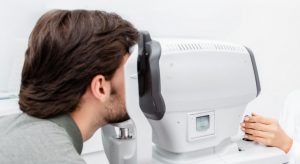
LASIK is a flap-based laser procedure. During the surgery, a thin flap is created on the surface of your cornea using a femtosecond laser. This flap is gently lifted so the excimer laser can reshape the underlying corneal tissue. Once the reshaping is complete, the flap is repositioned.
The flap acts like a natural bandage, which is why LASIK is known for its comfort and quick recovery. You usually see well within hours and experience minimal discomfort. However, because the flap must re-adhere to the eye, there is a short period where eye rubbing can disturb healing.
What many people don’t realise is that the flap adheres more securely than they imagine. Modern femtosecond flaps fit perfectly and create a highly stable interface. Within days, the flap is strongly held in place, and as months pass, it becomes increasingly secure.
The idea that one accidental light rub could cause flap dislocation is misleading. You would have to apply significant pressure far more than a casual touch for anything to move.
How Long You Need to Avoid Eye Rubbing After LASIK
Most surgeons advise you not to rub your eyes for at least one to two weeks after the procedure. This early phase is when the flap is most vulnerable. Even though it adheres quickly, rubbing introduces unpredictable pressure.
By the first week, the flap is already secure enough that light accidental touches like brushing your eyes while washing your face or dabbing around your eyelids are unlikely to cause issues. However, strong or aggressive rubbing should still be avoided for several weeks.
By the one-month mark, the flap is significantly more stable. Many surgeons consider this the point where normal, everyday touching is safe. After three months, flap-related risks from rubbing become extremely low.
The reality is that the risk window is small, but during that window, discipline matters. If you know that you rub your eyes frequently and forcefully especially during sleep you may need additional protection or a different treatment method.
What Happens If You Accidentally Rub Your Eyes After LASIK?
This is one of the most common questions patients ask after surgery. Many people worry about “messing up the flap,” which can make them hyper-aware of their hands. The truth is that light, everyday rubbing rarely causes any problems, especially after the first few days.
Aggressive rubbing in the first week: If you rub your eyes hard during the initial healing period, there is a small risk that the flap could shift. This might cause temporary discomfort or slight visual distortion, but in most cases, your surgeon can easily reposition the flap without any long-term issues.
Accidental rubbing during sleep: Many patients wake up with their hands near their eyes or feel as though they rubbed them unconsciously overnight. Fortunately, significant flap issues from unconscious rubbing are extremely rare, particularly with modern LASIK techniques.
Protective measures: Surgeons often provide protective shields or goggles to wear at night for the first week. These create a barrier to prevent accidental rubbing while sleeping and give patients peace of mind during early recovery.
Real-world risk: While the idea of rubbing your eyes after LASIK can sound alarming, the actual risk is far smaller than most people imagine. With modern flap technology and careful early care, most patients recover without complications even if minor rubbing occurs.
Who Is Most at Risk of Rubbing Their Eyes After Surgery?
Some people are naturally more prone to rubbing, and it’s helpful to identify whether you fall into one of these higher-risk groups. Extra care can help protect your eyes during the critical early healing period.
Severe allergies that cause itching: Allergy sufferers often experience persistent eye itchiness, which can make rubbing almost reflexive. Managing allergies with medications or avoiding triggers is important before and after LASIK.
Frequent dry eye symptoms: Dry, irritated eyes are more likely to be rubbed unconsciously. Proper lubrication with prescribed drops can reduce the urge to rub and improve comfort after surgery.
Blepharitis or eyelid irritation: Inflamed eyelids can trigger rubbing, which increases risk to the healing flap. Treating any eyelid conditions before surgery is recommended.
Rubbing during sleep: People who unconsciously touch or rub their eyes at night may benefit from protective shields or goggles to prevent flap displacement.
Rubbing out of habit or stress: Some individuals rub their eyes automatically when tired, stressed, or focusing intensely. Awareness and behavioral adjustments can reduce accidental contact.
Asthma or eczema: These conditions often correlate with more frequent eye rubbing due to systemic inflammation or itchiness. Extra caution and appropriate care measures are advised.
If you identify with any of these risk factors, LASIK is still possible. Your surgeon may create a tailored plan that includes hydration, antihistamines, lubricating drops, or alternative laser techniques to ensure safe and smooth healing.
Can Chronic Eye Rubbers Still Have LASIK?
Yes, many people who rub their eyes can still have LASIK safely, but the decision depends on whether you can control rubbing during the early healing phase.
If your rubbing is occasional, conscious, and usually mild, LASIK is unlikely to be a problem. You’ll simply need to be mindful for a few weeks.
If your rubbing is frequent, forceful, or happens during sleep, the risks are higher. This doesn’t necessarily exclude LASIK, but it means you may need protective strategies or an alternative procedure that doesn’t involve a flap. The key factor is whether you can avoid rubbing during the critical healing period.
If you cannot confidently avoid it, flapless surgeries like SMILE or PRK may offer a safer option with less worry.
Alternative Procedures for People Who Rub Their Eyes
Not everyone feels comfortable with the idea of a flap, and that’s completely understandable. If you rub your eyes often especially subconsciously you may prefer a flapless technique. Fortunately, modern vision correction offers excellent alternatives.
SMILE:
SMILE (Small Incision Lenticule Extraction) is an excellent option for people who rub their eyes frequently. Unlike LASIK, it does not involve creating a flap. Instead, a small keyhole incision is made to remove a tiny disc of tissue called the lenticule.
Because there is no flap, the risk of displacement is eliminated. This means you can safely rub your eyes much sooner without worry.
Healing after SMILE is highly stable, making it a reliable choice for active lifestyles. Many patients find the recovery smooth and comfortable compared to flap-based procedures.
SMILE can effectively correct myopia and astigmatism, but it is not suitable for hyperopia. Your eligibility depends on your specific prescription and a detailed eye assessment.
PRK / LASEK:
PRK (Photorefractive Keratectomy) is another flapless vision correction procedure. Instead of creating a flap, it removes the surface layer of the cornea, which then grows back naturally over time.
One major advantage of PRK is that there are no flap-related risks. It also provides long-term corneal stability, making it ideal for people who rub their eyes frequently.
PRK is particularly suitable for individuals with thinner corneas who may not qualify for flap-based procedures like LASIK. Its stability after healing is one of its strongest benefits.
The main downsides are a longer recovery period and more discomfort during the initial healing phase compared to LASIK. Despite this, PRK remains a reliable option for those prioritising safety and durability.
Dry Eye and Rubbing: Why This Matters
Dryness is one of the most common reasons people rub their eyes. LASIK can temporarily increase dryness, especially in the first few weeks, because creating the corneal flap can affect nerve sensitivity. This often makes rubbing feel instinctive or soothing.
Pre-treatment dry eye therapy: Addressing dryness before surgery can improve healing and comfort. This may involve specialized treatments to optimize tear film and corneal health.
Lubricating drops: Artificial tears help maintain moisture and reduce irritation. Using them regularly can decrease the urge to rub and keep your eyes comfortable throughout recovery.
Omega-3 supplements: Omega-3 fatty acids support tear quality and ocular surface health. Many surgeons recommend supplementation as part of a comprehensive dry eye management plan.
Warm compresses: Applying gentle warmth to the eyelids can improve oil gland function and reduce dryness. This simple step often makes a noticeable difference in comfort levels.
Anti-inflammatory eye drops: In certain cases, medicated drops can reduce ocular surface inflammation, further decreasing irritation and the impulse to rub.
Effectively managing dryness not only improves comfort but also lowers the risk of accidentally disturbing the healing flap.
People with severe dry eye may not be suitable for LASIK, but alternative laser techniques or surface procedures often remain possible, allowing many patients to achieve excellent vision safely.
Allergies and Eye Rubbing After LASIK
If allergies make your eyes itchy, rubbing becomes almost instinctive. During allergy season, even someone who never rubs may suddenly find it irresistible.
If this sounds like you, it doesn’t automatically disqualify you from LASIK, but planning is essential. Your surgeon may recommend antihistamine drops, oral antihistamines, or specific allergy management strategies during healing.
You may also need to schedule LASIK at a time of year when your symptoms are mild. By reducing itching, you protect the flap during its most delicate stage.
What Eye Rubbing Feels Like After LASIK
Many people expect their eyes to feel extremely fragile after LASIK. Surprisingly, most describe the sensation as mild dryness or light irritation for the first 24 hours, not fragility.
By the second day, most people feel comfortable enough that they have to remind themselves not to rub. This is why protective shields are so helpful they act as a physical guard and a behavioural reminder.
By the end of the first week, most people feel completely normal. This doesn’t mean you should rub aggressively, but it does mean that everyday activities feel comfortable again.
What Happens to the Flap Long-Term?
One of the most common misconceptions about LASIK is that the corneal flap “never heals fully.” This idea has circulated online for years, causing unnecessary fear about long-term complications.
The flap adheres incredibly well over time: While it does not heal in the same way as a standard surgical incision, the flap bonds strongly at the edges and becomes stable across the corneal surface. This provides long-term integrity and protection.
Significant flap dislodgement is extremely rare: Cases of flap movement months or years after LASIK almost always involve major trauma, not casual rubbing or everyday activities.
Severe injuries that could disturb the flap include:
- Football or sports impact: High-force collisions can potentially shift the flap, but this is uncommon with protective eyewear.
- Car accidents: Severe blunt trauma to the face can affect flap stability.
- Chemical trauma: Strong chemicals or burns can compromise the cornea.
- Strong blows to the face: Any significant force directly to the eyes could theoretically disrupt the flap.
Daily activities are safe once the flap has healed:
Normal rubbing, makeup removal, swimming, or even contact lens use (when medically approved) do not cause problems. Once fully healed, the flap remains remarkably resilient under everyday conditions.
The Real Risks of Eye Rubbing vs the Perceived Risks
Many people worry that rubbing their eyes after LASIK will cause serious problems, but the actual risk window is quite small. Even during this early period, significant complications are uncommon.
The main real risks include flap movement during the initial healing phase, inflammation from friction, and infection from unwashed hands. These are manageable when proper precautions are taken.
Perceived risks, often spread on forums, tend to exaggerate how fragile the flap really is. Following aftercare instructions, using protective shields, and keeping hands clean greatly reduce these risks.
The biggest danger is aggressive rubbing during the first week after surgery. Beyond that, the risk diminishes rapidly with each passing day.
How to Protect Yourself If You Rub Your Eyes Often
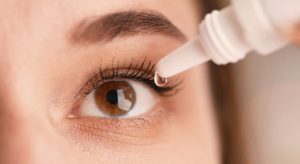
If you rub your eyes often, the best approach combines physical protection with behavioural awareness. Taking proactive steps can help you heal safely and comfortably.
One effective method is wearing protective shields at night during the first week. Using lubricating drops regularly also reduces irritation and the urge to rub.
Managing allergies promptly and keeping tissues nearby to dab instead of rub can make a big difference. Setting reminders not to rub helps reinforce safer habits during recovery.
When you feel pressure in the eyes, try pressing above the brow rather than directly on the eye. These simple strategies greatly reduce risk and increase confidence throughout the healing process.
Deciding Whether LASIK Is Right for You
To decide if LASIK is right for you, it helps to ask a few honest questions. Consider whether you can avoid rubbing your eyes reliably for one to two weeks and whether rubbing is a conscious or subconscious habit.
Think about triggers like allergies or dryness that could make rubbing more likely during healing. You might also ask whether a flapless procedure like SMILE or PRK would give you greater peace of mind.
Consider the impact of clear, glasses-free vision on your daily life. If you can manage rubbing during the crucial early period, LASIK remains an excellent option.
If you’re unsure, flapless procedures offer similar benefits without the flap-related concerns. Your surgeon can guide you in choosing the option that best fits your habits and lifestyle.
FAQs:
- Can frequent eye rubbing prevent me from having LASIK?
Frequent eye rubbing doesn’t automatically exclude you from LASIK, but it does require careful consideration. Surgeons assess whether you can avoid rubbing during the early healing phase, particularly the first one to two weeks. If you can manage this period safely, LASIK is usually possible. For patients who rub aggressively or unconsciously during sleep, alternatives like SMILE or PRK may be recommended to reduce flap-related risks. - How long should I avoid rubbing my eyes after LASIK?
Most surgeons recommend avoiding eye rubbing for at least one to two weeks after surgery, when the corneal flap is most vulnerable. Light, incidental touching is generally safe after the first few days, but aggressive rubbing should still be avoided for several weeks. By the one-month mark, the flap becomes significantly stable, and normal daily activities, including gentle rubbing, rarely pose any risk. - What happens if I accidentally rub my eyes after LASIK?
Minor or light rubbing is unlikely to cause any issues, especially after the first few days. Strong, aggressive rubbing in the initial week carries a small risk of flap shift, which may cause temporary discomfort or mild visual distortion. In most cases, your surgeon can reposition the flap if needed. Using protective shields at night can prevent accidental rubbing while sleeping and offer extra peace of mind. - Are some people more at risk from rubbing after LASIK?
Yes. Individuals with severe allergies, chronic dry eye, blepharitis, or eyelid irritation are naturally more prone to rubbing. People who unconsciously touch their eyes during sleep or habitually rub when stressed or tired also face higher risk. Identifying these factors beforehand allows your surgeon to recommend strategies to protect the flap and ensure safe healing. - Can chronic eye rubbers safely undergo LASIK?
Many chronic eye rubbers can still have LASIK if they can control rubbing during the early recovery phase. Occasional, mild rubbing is generally acceptable, but frequent or forceful rubbing requires additional protective measures or considering alternative procedures like SMILE or PRK. The key is maintaining discipline during the critical first few weeks when the flap is most vulnerable. - What flapless alternatives exist for people who rub their eyes?
SMILE and PRK are both excellent flapless options. SMILE involves a small incision rather than a flap, eliminating displacement risk and allowing safer early recovery for frequent rubbers. PRK removes the corneal surface layer, which regenerates naturally, offering long-term stability without flap complications. Both provide effective vision correction, but suitability depends on your prescription and corneal health. - How does dry eye affect eye rubbing after LASIK?
Dry eye is a common trigger for rubbing. LASIK can temporarily increase dryness, particularly in the first few weeks, making rubbing instinctive. Using lubricating drops, warm compresses, pre-treatment therapies, and omega-3 supplements can improve tear film quality, reduce irritation, and help minimize the urge to rub, supporting a smoother recovery. - What precautions help protect the flap during recovery?
Protective shields at night, regular lubrication with artificial tears, and awareness of rubbing triggers are highly effective. Managing allergies, dabbing gently with tissues instead of rubbing, and applying pressure above the brow rather than directly on the eye can also reduce risk. These measures give patients confidence and reduce anxiety about flap safety. - Does eye rubbing pose long-term risks after LASIK?
Once the flap has fully healed, usually after a few months, daily activities like gentle rubbing, makeup removal, or swimming do not compromise the flap. Significant displacement is extremely rare and usually results from major trauma, such as severe sports injuries, car accidents, or chemical burns. Routine habits no longer pose a risk once healing is complete. - How do I know if LASIK is right for me if I rub my eyes often?
Deciding on LASIK depends on your ability to avoid rubbing during the critical early healing phase and on the severity and frequency of your rubbing. Patients who can manage these factors safely usually achieve excellent outcomes. If not, flapless procedures may offer similar benefits without flap-related concerns. Consulting a qualified ophthalmologist will help you choose the best option for your eyes, lifestyle, and habits.
Final Thought: Protecting Your Eyes After LASIK
While frequent eye rubbing can feel like a barrier to LASIK, modern flap-based procedures are remarkably resilient when proper care is taken. By following your surgeon’s advice, using protective measures, and managing triggers like dryness or allergies, most patients can enjoy safe recovery and excellent visual outcomes. For those who rub their eyes frequently or during sleep, flapless alternatives such as SMILE or PRK offer additional peace of mind without compromising results.
If you’d like to find out whether lasik surgery in London is suitable for you, feel free to contact us at Eye Clinic London to arrange a consultation. Our experienced team can guide you through the options, help identify the safest approach for your habits, and ensure a smooth, effective recovery.
References:
- Janiszewska‑Bil, D., et al., 2024. Comparative analysis of corneal wound healing after refractive surgery. https://www.mdpi.com/2227-9059/12/10/2289
- Shen, Y., Wang, J., Zhou, X., Yu, Z., Hong, J. & Le, Q., 2023. Impact of dry eye disease on the uncorrected distance visual acuity after small incision lenticule extraction. Journal of Clinical Medicine, 12(19), Article 6179. https://www.mdpi.com/2077-0383/12/19/6179
- Ren, D. et al., 2025. Non‑traumatic bilateral corneal flap dislocation 20 years after LASIK surgery. https://pmc.ncbi.nlm.nih.gov/articles/PMC12577102/
- Zuercher, M.D., Perez‑Simon, J.A. & Manche, E.E., 2021. Incidence, risk, and visual outcomes after repositioning of acute non‑traumatic flap dislocations following femtosecond‑assisted LASIK. https://pubmed.ncbi.nlm.nih.gov/34204958/
- Stein, P., Vitavska, O., Kind, P., Hoppe, W., Wieczorek, H. and Schürer, N.Y., 2015. The biological basis for poly‑L‑lactic acid‑induced augmentation. Journal of Dermatological Science, 78(1), pp.26–33. https://www.sciencedirect.com/science/article/abs/pii/S0923181115000377