


LASIK Eye Surgery for Big Differences Between Eyes (Anisometropia)
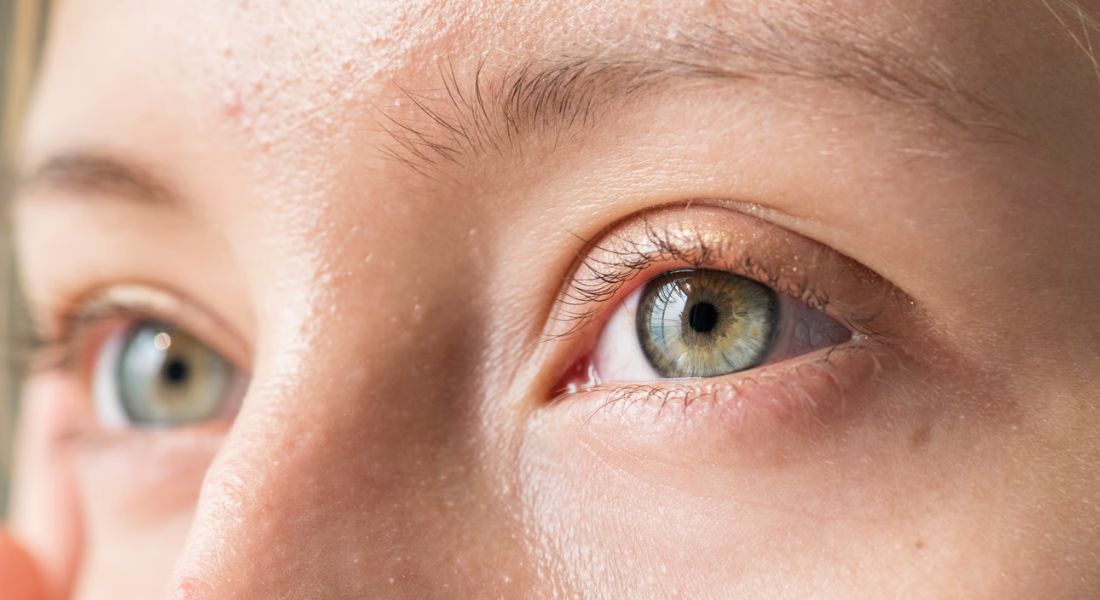
If one of your eyes has a stronger prescription than the other, you may have already felt how imbalanced vision can affect your daily life. Even if each eye sees well with glasses or contact lenses, the difference between them can cause headaches, depth-perception issues, tired eyes or a constant feeling of visual “strain”.
This condition, known as anisometropia, is more common than many people realise. It can develop gradually or be present from childhood, and it affects people with myopia, hyperopia or astigmatism. When the prescription difference becomes large enough, the brain struggles to balance the two images, which can make even simple tasks feel uncomfortable.
One of the most effective long-term solutions for anisometropia is LASIK, because it corrects the imbalance at the corneal level rather than relying on external lenses. In this guide, I’ll walk you through how LASIK treats uneven prescriptions, who makes a good candidate, what results you can expect and when it’s the right choice compared with glasses or contact lenses.
What Is Anisometropia?
Anisometropia occurs when your two eyes have noticeably different prescriptions, which can involve myopia (short-sightedness), hyperopia (long-sightedness), astigmatism, or a combination of these. Even a relatively small difference around 1.50 dioptres or more can start to affect how your eyes work together.
The condition causes symptoms because your brain struggles to merge the images from each eye into a single, seamless picture. This can result in eye strain, headaches, uneven depth perception, fatigue during reading, difficulty switching focus, and the sensation that one eye is “doing more work.” In children, untreated anisometropia may lead to amblyopia (lazy eye), while adults usually retain stronger binocular function but may still experience discomfort.
How LASIK Corrects Uneven Prescriptions
When each eye has a different prescription a condition called anisometropia the brain must work harder to merge two mismatched images. This can cause eye strain, headaches, or difficulty focusing. LASIK addresses the root cause by reshaping each cornea individually, allowing both eyes to achieve optimal focus and work together naturally.
How LASIK Treats Anisometropia
- Fixes each eye independently – During the same LASIK session, the surgeon can treat each eye according to its unique prescription. This precision ensures that the laser corrects both eyes optimally, even if the prescriptions are very different.
- Reduces prescription difference – The goal of LASIK is to bring both eyes as close to zero as possible. By minimising the difference between the eyes, the brain no longer needs to compensate, reducing strain and improving comfort.
- Improves binocular vision – With balanced eyes, both eyes can focus together more effectively. This enhances depth perception, hand-eye coordination, and overall visual clarity, making everyday tasks from reading to driving much easier.
- Removes dependence on glasses – Glasses can exaggerate the difference between prescriptions, causing magnification or distortion in one eye. LASIK corrects the imbalance directly at the corneal level, eliminating the need for glasses and providing more natural vision.
- Provides more stable vision than contact lenses – Contacts can shift, dry out, or cause discomfort, making anisometropia feel inconsistent throughout the day. LASIK creates a permanent, stable correction, so vision remains clear and balanced at all times.
Is LASIK Suitable for All Types of Prescription Differences?
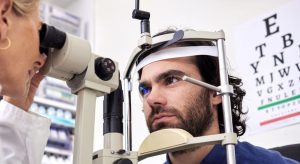
LASIK is highly effective for most patients with anisometropia (unequal prescriptions between the eyes). However, suitability depends on the type of refractive error, the degree of difference, and the overall health and thickness of the cornea. A thorough pre-operative assessment is essential to ensure safety and optimal outcomes.
LASIK works extremely well for:
Myopic anisometropia: When one eye is more short-sighted than the other, LASIK can precisely correct each eye to achieve balanced distance vision. This reduces eye strain and improves visual comfort.
Hyperopic anisometropia: If one eye is significantly long-sighted, even mild hyperopia can cause fatigue and headaches. LASIK can correct the difference, improving near and distance focus and reducing the effort your eyes need to exert.
Astigmatic anisometropia: When astigmatism differs meaningfully between the eyes, vision can appear distorted or blurred. LASIK reshapes the cornea to correct each eye’s cylinder independently, improving clarity and sharpness.
Mixed anisometropia: For patients where one eye is myopic and the other hyperopic, LASIK can carefully treat each eye to bring both closer to emmetropia (zero prescription), allowing the brain to merge images comfortably.
Symptoms That Often Disappear After LASIK
Many patients with anisometropia don’t realise how much strain their eyes have been under until it’s relieved. LASIK balances the prescriptions between the eyes, allowing them to work together naturally. Most patients report a significant reduction in common symptoms, even with mild prescription differences.
Common Improvements After LASIK
Eye fatigue: When each eye has a different prescription, the eyes constantly struggle to coordinate. LASIK reduces this effort, allowing your eyes to function in harmony and reducing tiredness.
Headaches: Many patients experience fewer headaches, particularly after activities like reading, working on a computer, or focusing on near objects for extended periods.
Blur when switching focus: Before surgery, shifting focus between near and far objects can cause temporary blur. After LASIK, both eyes are balanced, making transitions smoother and clearer.
Poor depth perception: An unequal prescription can make judging distances difficult. LASIK improves binocular vision, enhancing 3D perception and making everyday tasks like driving or sports more comfortable.
Dizziness or visual discomfort: Some patients feel mild dizziness or visual instability caused by prescription imbalance. LASIK corrects the root cause, often eliminating these issues entirely.
LASIK for Large Prescription Differences
Some patients have anisometropia with prescription differences of 3.00 dioptres or more. These cases require careful evaluation, but LASIK can still be highly effective. Correcting large differences can dramatically improve comfort, clarity, and visual balance.
Why Large Differences Benefit from LASIK
- Glasses create distortion: When the difference between lenses is significant, glasses can magnify or minify one image relative to the other, making vision feel uneven or distorted. LASIK corrects the imbalance directly at the corneal level, providing more natural, balanced vision.
- Contacts may not be tolerated: Patients with dry eyes, allergies, or sensitivity often find contact lenses uncomfortable. Managing large prescription differences with contacts can be tricky, whereas LASIK offers a stable, lens-free solution.
- Brain adaptation becomes easier: When both eyes are corrected close to zero, the brain no longer has to compensate for mismatched images. This improves binocular vision, reduces eye strain, and makes depth perception more accurate and comfortable.
Important Considerations
- Corneal thickness must be sufficient to safely perform LASIK.
- Extremely high prescriptions may require a staged or conservative approach to avoid overcorrection.
- Some patients may be better suited to PRK/LASEK or implantable collamer lenses (ICLs) depending on corneal shape, thickness, or other ocular factors.
Your surgeon will customise the treatment plan based on the exact difference between your eyes and your individual ocular health, ensuring the safest and most effective outcome.
Is LASIK Worth It if Only One Eye Is Strongly Affected?
Many patients with anisometropia have one eye that is nearly perfect and another that is noticeably blurred. It’s common to wonder whether LASIK is worthwhile if only one eye “needs” correction.
In most cases, the answer is yes. Even treating a single eye can have a significant impact on comfort, clarity, and overall visual function.
Why Treating One Eye Is Beneficial
Equalising vision improves comfort: Even if you primarily rely on your stronger eye, the imbalance forces your brain to compensate, which can cause eye strain, fatigue, and subtle discomfort. Correcting the weaker eye restores balance and reduces this strain.
Depth perception improves dramatically: When both eyes contribute equally, binocular vision improves, making it easier to judge distances, coordinate movements, and perform everyday tasks more naturally.
Your dependence on glasses decreases: Glasses for only one weak eye can feel awkward and unbalanced. LASIK can reduce or eliminate this need, allowing for clear vision without eyewear.
Night vision improves: Uneven prescriptions often contribute to glare, halos, and light streaks at night. LASIK correction balances vision, improving contrast and night-time clarity.
Binocular vision becomes effortless: After surgery, your eyes no longer compete for focus. The brain can process visual information smoothly, making daily activities more comfortable and less tiring.
Because LASIK restores full visual balance, even treating a single eye can transform everyday life. Patients often report not just clearer vision, but a greater sense of ease, comfort, and confidence in both near and distance tasks.
Expected Visual Outcomes After LASIK for Anisometropia
Most patients with anisometropia achieve excellent results after LASIK, including 20/20 vision or better, balanced vision between both eyes, sharp distance clarity, and smooth depth perception. Many also experience reduced eye strain and often no longer need glasses or contact lenses for daily activities.
LASIK outcomes are especially predictable for mild to moderate prescriptions, which are common in anisometropia cases. While improved visual clarity is a major benefit, the biggest improvement patients often notice is overall comfort, as their eyes no longer need to work harder to compensate for the prescription difference.
LASIK vs Glasses for Uneven Prescriptions
For patients with anisometropia (unequal prescriptions between the eyes), glasses can sometimes exacerbate the problem rather than solve it. By magnifying the difference between the eyes, lenses can make vision feel unbalanced and uncomfortable.
Problems Glasses Can Create
- Image size mismatch
Glasses can make one image appear larger or smaller than the other. This forces the brain to constantly adjust, which can lead to visual strain and fatigue. - Depth perception distortion
Because each eye sees objects differently, judging distances can become difficult. Objects may appear closer, further, larger, or smaller than they actually are. - Visual strain
The brain must work harder to merge two mismatched images. Over time, this can cause headaches, eye fatigue, or even subtle dizziness. - Limited comfort
Some patients feel off balance or uncomfortable while wearing glasses, especially during prolonged use, driving, or active tasks.
How LASIK solves this
- It eliminates the difference at the source
- Each eye produces a natural-sized image
- Your brain receives two matching signals
- Visual effort becomes minimal
For this reason alone, many anisometropia patients prefer LASIK over glasses.
LASIK vs Contact Lenses for Uneven Prescriptions
Having uneven prescriptions, or anisometropia, can make everyday tasks like reading, driving, or using digital devices more challenging. While contact lenses can help balance your vision, they’re not always perfect and may come with their own set of issues. Understanding these limitations can help you decide whether LASIK might be a better long-term solution.
Why some anisometropia patients struggle with lenses
- Dryness or irritation: Especially if used daily. Prolonged wear can worsen eye dryness and lead to red, itchy eyes, making lens use uncomfortable for long periods. Some patients also notice blurred vision when their eyes are tired or after long hours of screen time.
- Discomfort from one eye relying more on the lens: The weaker eye tends to feel strain more quickly. This imbalance can cause headaches or eye fatigue, particularly during tasks requiring extended focus, like reading, driving, or working on a computer.
- Infection risk: Even mild lens use carries risks, particularly for those using lenses to manage anisometropia every day. Poor hygiene, overnight wear, or overuse increases the likelihood of eye infections, which can sometimes be serious if untreated.
- Poor tolerance for long hours: Many patients discover that their weaker eye becomes more uncomfortable over time. This can lead to uneven vision correction and reliance on glasses at the end of the day to relieve eye strain.
LASIK offers a permanent, lens-free correction that works even when your eyes are tired, reducing the daily hassles associated with contact lens use and providing consistent, sharp vision without the need for lenses.
Suitability: Who Is a Good Candidate for LASIK for Anisometropia?
Most adults aged 18 to 60 with healthy eyes can be good candidates for LASIK to correct anisometropia. Ideal candidates typically have a clear difference between their eye prescriptions, stable vision for at least 12 months, healthy corneas, no untreated eye conditions, and realistic expectations about the procedure and its results. These factors help ensure that LASIK can safely and effectively balance vision between the two eyes, improving both clarity and comfort in daily activities.
However, caution or alternative treatments may be necessary if you have thin or irregular corneas, a very large prescription difference, significant dry eyes, a history of corneal surgery, or a preference for a no-flap procedure. In such borderline cases, your surgeon may suggest other approaches such as PRK, LASEK, or implantable lenses (ICLs), which can still provide excellent visual correction while minimising risks. A thorough consultation is essential to determine the safest and most effective treatment plan tailored to your eyes and lifestyle.
Recovery After LASIK for Prescription Differences
Recovery is usually smooth and similar to standard LASIK.
Typical recovery timeline
Day 1: Vision becomes clearer; slight haziness is normal.
Day 2–3: Most people return to work; light sensitivity improves.
Week 1: Both eyes start working together comfortably.
Month 1: Vision stabilises; depth perception feels natural.
Unique recovery notes for anisometropia patients
If one eye previously “dominated”, the brain may take a few days or weeks to adjust to balanced inputs. This
Why LASIK Is Often the Best Long-Term Solution
Unlike glasses or contact lenses, which only manage vision externally, LASIK corrects the imbalance at its source, providing a permanent solution for uneven prescriptions.
LASIK offers:
- Natural binocular vision: Both eyes work together more effectively, giving you balanced, comfortable vision without one eye overcompensating for the other.
- Relief from headaches and strain: Many patients who struggled with eye fatigue or tension headaches due to uneven prescriptions notice a dramatic reduction in discomfort after LASIK.
- Better depth perception: Correcting the prescription difference allows your brain to process visual information from both eyes more accurately, improving coordination and spatial awareness.
- A symmetrical visual experience: Your vision feels more uniform, making daily tasks reading, driving, or using screens easier and more enjoyable.
- Freedom from corrective lenses: No more daily lens care, dryness, or the need to constantly switch between glasses and contacts. Many patients describe a newfound sense of convenience and independence.
For many people, these benefits translate into a significantly improved quality of life, with sharper, more comfortable vision every day.
FAQs:
- Can LASIK really correct large differences between the eyes?
Yes, LASIK can correct even significant differences in prescription between the two eyes, and this is one of the reasons it is commonly recommended for anisometropia. During the procedure, each eye is treated independently, allowing the surgeon to precisely reshape the cornea of each eye according to its specific refractive error. When the prescription difference is large, glasses often create uncomfortable image size distortions, and contact lenses may be difficult to tolerate. LASIK resolves the imbalance at the corneal level, giving both eyes a more equal visual output. This makes it far easier for the brain to merge images comfortably, improving clarity, depth perception, and overall visual comfort. - Is LASIK safe for people who have uneven prescriptions?
LASIK is considered very safe for people with anisometropia, provided that they meet the standard medical criteria for the procedure. Suitability depends on factors such as corneal thickness, corneal shape, prescription stability, and the presence of any underlying eye conditions. During the consultation, detailed scans allow the surgeon to ensure that each eye can be safely treated. Many people with uneven prescriptions achieve excellent, long-term vision after LASIK. Those who are not ideally suited may still benefit from alternatives like PRK, LASEK, or ICLs, which can provide similar results with slightly different healing processes. - What results can I expect after LASIK if only one eye needs strong correction?
Even if only one eye has a significantly higher prescription, LASIK can still produce dramatic improvements. After surgery, the corrected eye usually begins functioning much more effectively alongside the stronger eye, reducing strain and making vision feel more comfortable and natural. Many patients notice that depth perception becomes clearer and everyday tasks feel easier because the brain no longer has to compensate for mismatched inputs. Treating just one eye often eliminates the need for glasses altogether, especially if the other eye already has good vision. - How soon will my vision feel balanced after LASIK?
Most patients feel noticeably clearer and more balanced vision within the first few days, although some may take a little longer to fully adjust. When the prescription difference was large before surgery, the brain sometimes needs extra time to adapt to the more equal inputs from both eyes. This adjustment happens naturally and gradually. As both eyes begin working together in a more coordinated way, activities like reading, driving, judging distances, and switching focus tend to feel smoother and more comfortable. - Is recovery different for people with anisometropia?
Recovery generally follows the same timeline as standard LASIK, but patients with anisometropia may experience a more noticeable shift in how their eyes work together during the first few days. Because the brain is suddenly receiving two images that are much more equal in clarity and size, it may require a short adjustment period to process visual information naturally again. This transitional phase is normal and temporary. Most patients find that discomfort such as mild strain or awareness of one eye fades quickly as binocular vision improves. - Will LASIK eliminate my headaches caused by uneven prescriptions?
Many people with anisometropia experience tension headaches or eye strain because their brain constantly works to compensate for the difference between the eyes. Correcting the imbalance often leads to a noticeable reduction in headaches. Once both eyes are aligned in terms of prescription and clarity, the brain no longer has to exert extra effort to combine mismatched images. This relief can be immediate for some people, while for others it becomes more apparent over the first few weeks as vision stabilises. - Can LASIK improve my depth perception if it has been affected by anisometropia?
Yes, one of the major benefits of LASIK for uneven prescriptions is the improvement in depth perception. When the eyes have very different prescriptions, judging distances becomes more difficult because one eye dominates and the other contributes less effectively. After LASIK, both eyes provide clearer and more similar inputs, allowing the brain to process spatial information more accurately. This often makes activities such as driving, sports, and tasks requiring hand–eye coordination feel more natural and precise. - Is LASIK still effective if I have astigmatism in one or both eyes?
LASIK is highly effective for astigmatism, including cases where only one eye has significant cylinder. The laser reshapes the cornea in a way that smooths out the irregular curvature responsible for astigmatism. When astigmatism is part of anisometropia, correcting it can help both eyes achieve sharper, more stable focus. Patients typically enjoy clearer overall vision, especially when switching between distance and near tasks, and find that visual distortion or “shadowing” reduces significantly. - What if my prescription difference is very high? Can LASIK still help?
Even patients with large prescription differences can benefit from LASIK, but suitability must be assessed carefully. Extremely high prescriptions sometimes require a more conservative treatment plan, such as performing partial correction, staging procedures, or considering alternative refractive options. In many cases, however, LASIK can still safely equalise the prescriptions enough to dramatically improve comfort, clarity, and visual balance. Your surgeon will evaluate the shape and thickness of each cornea to determine the safest approach for long-term results. - Will I still need glasses after LASIK for anisometropia?
Most patients do not need glasses for daily activities after LASIK, especially if their anisometropia involved mild to moderate prescriptions. Each eye is corrected to bring it as close as possible to zero, which reduces or eliminates the need for glasses. Some patients may still use low-powered reading glasses later in life due to natural age-related changes like presbyopia, but this is unrelated to anisometropia and affects everyone eventually. For distance, clarity is typically long-lasting and highly stable.
Final Thought: Is LASIK the Right Choice for You?
LASIK can be a life-changing option for anyone struggling with uneven prescriptions, helping both eyes work together comfortably and naturally. By correcting each eye individually and restoring visual balance, it often reduces strain, headaches, and depth-perception issues that glasses or contacts can’t fully resolve. Many patients find that even daily activities like reading, driving, or using screens feel noticeably easier once the imbalance is corrected. If you’re considering lasik surgery in London and want to know if it’s the right option, you’re welcome to reach out to us at Eye Clinic London to book a consultation.
References:
- Yahalomi, T., Achiron, A., Arnon, R., Stanescu, N. & Pikkel, J. (2023) ‘Dry Eye Disease following LASIK, PRK, and LASEK: An Observational Cross‑Sectional Study’, Journal of Clinical Medicine, 12(11), 3761. https://www.mdpi.com/2077-0383/12/11/3761
- Tsai, T. (2022) ‘Changes of Subjective Symptoms and Tear Film Metrics After Femto‑LASIK: A Prospective Analysis’, International Journal of Molecular Sciences, 23(14), 7512. https://www.mdpi.com/1422-0067/23/14/7512
- Shtein, R.M. (2011) ‘Post-LASIK Dry Eye’, Surv Ophthalmol, 56(6), pp. 509–514. https://pmc.ncbi.nlm.nih.gov/articles/PMC3235707/
- Nair, S. et al. (2023) ‘Refractive Surgery and Dry Eye An Update’, Eye & Contact Lens: Science & Clinical Practice, [online]. https://pmc.ncbi.nlm.nih.gov/articles/PMC10276666/
- Reilly, C., Wang, L. & Koch, D.D. (2016) ‘Short-Term Impact of FS-LASIK and SMILE on Dry Eye Metrics and Corneal Nerve Morphology’, Journal of Ophthalmology, 2016, https://pubmed.ncbi.nlm.nih.gov/32243424/