


LASIK Eye Surgery for Mild Prescriptions: Is It Worth It?
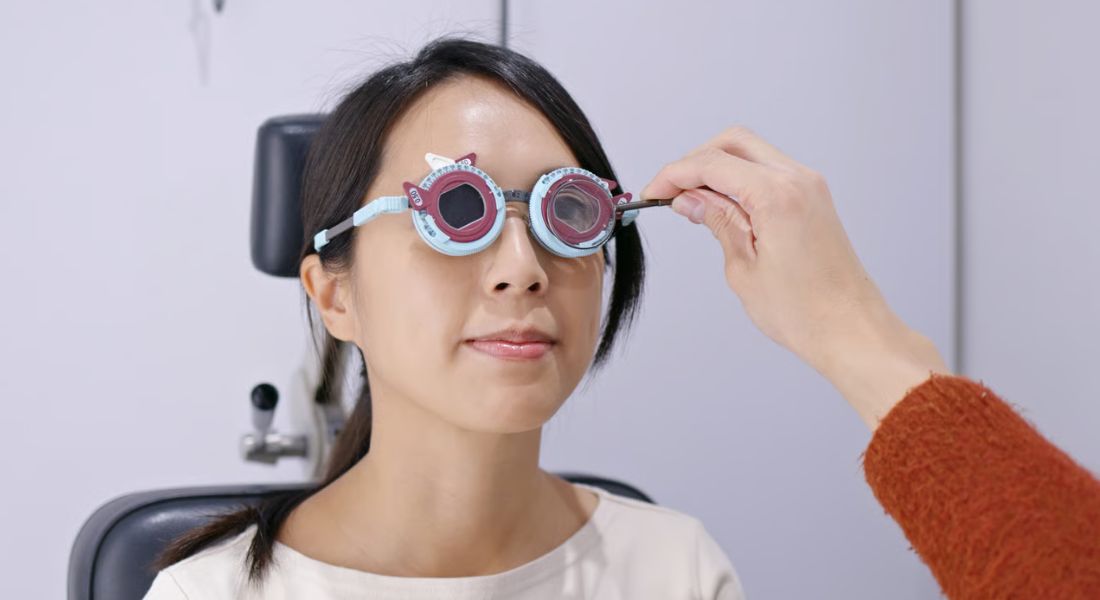
You might be weighing up whether LASIK is worth the cost and recovery time, or whether the benefits are significant enough when your prescription is small. Many people also worry about overtreatment the idea of undergoing laser surgery for something that feels manageable.
In this guide, I’ll help you understand exactly how LASIK performs for mild prescriptions, who benefits the most, what you can expect after surgery and how to know if it’s the right choice for you.
What Counts as a Mild Prescription?
A mild prescription generally falls within the lower end of glasses or contact lens powers. It’s not just about the numbers it’s also about how much the prescription affects your everyday vision and activities. People with mild prescriptions often manage without correction for certain tasks, but glasses or contacts can still noticeably improve clarity and comfort.
Typical Ranges Considered Mild
Mild short-sightedness (myopia)
Around -0.50D to -2.00D: Those with mild myopia may struggle slightly with distance vision, such as reading signs or seeing a screen across the room, but near vision is usually clear.
Mild long-sightedness (hyperopia)
Around +0.25D to +2.00D: People with mild hyperopia often see nearby objects slightly blurred, especially during prolonged close-up work like reading or using a smartphone. Distant vision may remain relatively sharp.
Mild astigmatism
Up to 1.00–1.25D: Mild astigmatism can cause minor blurriness or distortion at all distances, sometimes accompanied by eye strain or headaches after extended focus.
Even within these mild ranges, wearing corrective lenses can make a noticeable difference in comfort, clarity, and reducing visual fatigue, especially during tasks that require prolonged focus or precise vision.
Common Reasons People with Mild Prescriptions Consider LASIK
Even if your prescription is small, glasses or contacts can sometimes feel inconvenient. Many patients say, “I’m not blind without my lenses, but my vision still feels limited.” LASIK can address these subtle frustrations and provide long-term freedom from corrective eyewear.
Here are some common motivations:
- Blur that interferes with certain activities
Even mild prescriptions can make distance tasks slightly challenging. Driving, reading street signs, spotting details on a presentation, or seeing clearly at night may feel sharper with glasses. LASIK can offer this clarity without the need for lenses, improving safety and comfort. - Desire for convenience
Some people simply want the freedom of clear vision without constantly reaching for glasses. Whether at home, at work, or running errands, not relying on corrective eyewear can feel liberating. - Frustration with contact lenses
Contacts aren’t always hassle-free. Mild prescriptions can still cause dryness, irritation, or increased risk of eye infections. LASIK eliminates the need for daily lens care while maintaining sharp vision. - Lifestyle improvements
Sports, swimming, hiking, travelling, or outdoor activities can be easier and more enjoyable without glasses or contacts. LASIK provides the freedom to engage in your favourite activities without worrying about losing or damaging your eyewear. - Wanting stable, long-term clarity
Unlike glasses or contacts, LASIK can give consistent vision without frequent prescription updates. Even if your prescription is mild, having reliable, clear vision day-to-day can enhance quality of life and reduce eye strain.
If these reasons resonate with you, LASIK may still be worthwhile even for a small prescription. Many patients with mild myopia, hyperopia, or astigmatism find that correcting subtle imperfections improves both comfort and confidence in everyday life.
Is LASIK Safe for Mild Prescriptions?
Yes, LASIK is not only safe for mild prescriptions, it is often more predictable than for stronger prescriptions. Because only a small amount of corneal reshaping is needed, the procedure can be performed with exceptional precision, minimising risks and maximising results.
Why Mild Prescriptions Respond Well to LASIK
Smaller corneal adjustments: Correcting a mild prescription requires less tissue removal, which preserves corneal integrity and structural stability. This makes the procedure safer and reduces the risk of complications.
Lower risk of overcorrection or undercorrection: Mild prescriptions can be fine-tuned with high accuracy. The smaller adjustments allow surgeons to target the exact refractive error, giving precise outcomes and consistent results.
Rapid visual recovery: Because the laser removes less tissue and the cornea heals quickly, most patients notice a significant improvement in vision almost immediately. Many can resume daily activities within a day or two.
High satisfaction rates: Studies consistently show excellent outcomes for patients with mild myopia, hyperopia, and astigmatism. Satisfaction rates are typically higher in mild prescriptions because the procedure is highly effective and predictable.
Even if your prescription is small, LASIK can correct your vision reliably, giving you clearer sight without the need for glasses or contacts. For many patients, the benefits go beyond convenience, improving quality of life and confidence in daily activities.
What Results Can You Expect with a Mild Prescription?
Most patients with mild prescriptions achieve 20/20 vision or better after LASIK. Because the amount of correction is low, the accuracy is often very high.
What you may notice after surgery
Sharper distance vision – Signs, screens and faces become clearer without glasses.
Improved night-time clarity – Mild prescriptions often cause halos or slight blur at night, which LASIK can resolve.
Greater visual confidence – You’re no longer switching between glasses and the “good enough” naked eye vision.
Reduced eye strain – Your eyes work less to focus, especially if you previously struggled with mild hyperopia or astigmatism.
If you’ve always felt your vision is “almost fine”, LASIK can make it genuinely effortless.
Who Benefits the Most from LASIK with Mild Prescriptions?
Not everyone with a mild prescription requires LASIK, but certain people can gain significant benefits. Frequent drivers may find that even slight blurring affects their confidence, especially at night, while those who spend long hours working on screens can experience eye strain, headaches, or fatigue from astigmatism or hyperopia.
Active or sporty individuals often appreciate the freedom from glasses for easier and safer movement, and people who struggle with contact lenses due to dryness, irritation, or infections may find surgery more comfortable. Those bothered by inconsistent vision switching between “acceptable” and “crisp” sight can experience meaningful, noticeable improvement from LASIK.
Is LASIK Worth It Financially for Mild Prescriptions?
The cost of LASIK is the same regardless of prescription strength, which makes some people question whether it’s worth it for a mild prescription. The answer depends on your lifestyle and long-term vision needs. Factors to consider include potential long-term savings from reducing the need for glasses and contact lenses, the convenience of clear vision 24/7, improved daily function and reduced eye strain, and lower risks associated with contact lens use such as dryness or infection. LASIK provides a permanent correction for something you use all day, every day. If you only wear glasses occasionally and don’t mind them, LASIK may feel optional, but if a mild prescription affects your comfort or lifestyle, the procedure is often worthwhile.
Suitability: When LASIK Makes Sense and When It Doesn’t
Not every patient with a mild prescription is automatically a good candidate for LASIK. Factors such as corneal health, lifestyle, and personal expectations play an important role. Good candidates typically have had stable vision for at least 12 months, healthy corneas, realistic expectations, and mild to moderate dry eye that is manageable.
LASIK may not be suitable if your prescription is extremely close to zero, you function well without glasses, or you have naturally dry or sensitive eyes. It’s also not recommended during pregnancy or breastfeeding, or if your corneas are too thin. In borderline cases, your surgeon may suggest alternatives like PRK or LASEK, which remove less tissue while still improving vision.
How LASIK Performs for Mild Myopia
Mild myopia is one of the most successful groups for LASIK, as even a small amount of short-sightedness can cause everyday annoyances such as blurred signs, difficulty reading distant text, or frequent squinting. The procedure offers highly predictable correction for low prescriptions, with many patients noticing clear vision within hours and a lower risk of regression over time.
Those who benefit most include drivers, students, screen-based professionals, frequent travellers, and anyone frustrated by blur during daily tasks. For people who regularly wear glasses for certain activities, LASIK can often eliminate the need for them entirely, providing a convenient and long-lasting solution.
How LASIK Performs for Mild Hyperopia
Hyperopia (long-sightedness) often causes more eye strain than obvious blur. Even mild hyperopia can make tasks like reading, working on a computer, or using a smartphone uncomfortable, as the eyes must overwork to focus clearly. LASIK can address this by correcting the underlying focusing difficulty and reducing strain on the eyes.
How LASIK Helps Mild Hyperopia
Sharper near and distance vision: By reshaping the cornea to correct the refractive error, LASIK improves both near and distance vision. This allows your eyes to focus naturally without excessive effort, making daily tasks like reading, driving, or screen use much easier.
Reduced headaches: Because your eyes no longer need to overcompensate to focus, many patients notice a significant reduction in eye strain and headaches that were previously linked to hyperopia.
Immediate comfort and clarity: Many people report a sense of “relief” shortly after surgery, as their vision stabilises and the constant effort to focus is reduced. While some minor fluctuations may occur during the first few days, clarity usually improves quickly.
How LASIK Performs for Mild Astigmatism
Many people underestimate mild astigmatism, but even a small amount can cause noticeable issues such as eye strain, distorted letters, ghosting around text, and difficulty seeing clearly at night. These subtle visual problems can make everyday tasks tiring and uncomfortable for the eyes.
LASIK corrects mild astigmatism with high precision by reshaping the exact meridian causing distortion. This results in sharper lines and edges on text, screens, and signs, while reducing eye fatigue. For those who experience headaches or discomfort due to astigmatism, LASIK can significantly improve daily comfort and overall visual clarity.
What Is Recovery Like for Mild Prescription LASIK?
Recovery after LASIK for mild prescriptions is often faster, smoother, and more comfortable than for stronger prescriptions. Because only a small amount of corneal reshaping is required, your eyes can heal quickly, and visual improvements are noticeable almost immediately.
What to Expect
Day 1: Most patients notice significantly sharper vision shortly after the procedure. Some mild haziness, light sensitivity, or watery eyes is normal, but overall clarity is much improved.
Day 2–3: You can typically resume normal daily activities, including work, reading, and light screen use. It’s important to avoid rubbing your eyes, swimming, or heavy exercise to allow the cornea to heal properly.
Week 1: Vision begins to stabilise, and temporary side effects such as glare, halos, or starbursts around lights usually start to fade. Most people can comfortably drive and resume their usual routines.
Month 1: By the end of the first month, you should experience consistently crisp and stable vision. Mild prescription LASIK patients often report that their eyes feel less strained and daily tasks are easier than before surgery.
Potential Downsides for Mild Prescriptions
LASIK is generally safe and highly effective, even for mild prescriptions. However, there are some unique considerations to keep in mind before deciding on surgery.
What to be aware of:
Your improvement may feel subtle – If your blur or vision issues were minimal to begin with, the change after LASIK might not feel dramatic. While clarity usually improves, the difference may be less noticeable than it is for people with stronger prescriptions.
The emotional “wow factor” may be lower – Patients with high prescriptions often experience an immediate sense of liberation after LASIK. For mild prescriptions, the impact may feel more gradual and subtle, as your daily life might not have been strongly affected by glasses or contacts.
You might not gain much if you rarely wear glasses – If you can comfortably perform most tasks without corrective lenses, LASIK may not provide life-changing benefits. The main advantage in such cases tends to be convenience rather than a dramatic improvement in vision.
LASIK vs Wearing Glasses for Mild Prescriptions

For mild prescriptions, LASIK offers several advantages over glasses. It provides permanent correction, eliminates issues like fogging, slipping, or lens distortion, and improves vision during sports and travel. Additionally, LASIK removes ongoing costs associated with glasses or contact lenses, offering long-term convenience for daily wearers.
Glasses, on the other hand, are non-invasive, easy to update as your prescription changes, and useful for occasional wear. If you rely on glasses every day, LASIK can greatly enhance day-to-day comfort and freedom. However, if you only wear glasses sporadically, LASIK may be more of a lifestyle preference than a medical necessity.
FAQs:
- What is LASIK and how does it work for mild prescriptions?
LASIK is a laser refractive surgery that reshapes the cornea to correct refractive errors such as nearsightedness, farsightedness and astigmatism. The procedure uses an excimer (or femtosecond) laser to gently remove a thin layer of corneal tissue, altering how light enters your eye so that it focuses properly on the retina. For mild prescriptions, only a small amount of corneal reshaping is needed. This results in minimal tissue removal, which helps preserve corneal integrity and makes the procedure more precise and safer compared with higher‑prescription corrections. - Who with a mild prescription is a good candidate for LASIK?
People with stable vision (i.e., no significant change in prescription for at least a year), healthy corneas of sufficient thickness, and no contraindicating eye conditions are good candidates for LASIK even if their prescription is mild. LASIK tends to be more predictable when only small corrections are needed, which often translates to excellent outcomes and quicker recovery. - What kind of vision improvement can someone with mild myopia expect after LASIK?
For individuals with low myopia (e.g. mild nearsightedness), LASIK outcomes are typically excellent many achieve uncorrected distance visual acuity comparable to 20/20 vision or close to it. Lower prescription strength means the laser has to remove less tissue, which helps with accuracy and reduces the chance of over- or under-correction. As a result, many patients experience crisp, clear vision soon after the procedure. - How quickly does recovery happen after LASIK for mild prescriptions?
Because the amount of corneal reshaping is small for mild prescriptions, recovery is often rapid. Many people notice significantly sharper vision within a day or two, and most can resume ordinary activities including work, reading, and light screen use within a few days. Temporary side‑effects like mild dryness or light sensitivity can occur, but tend to fade within weeks as the eye heals. - Are the risks and side‑effects of LASIK lower for mild prescriptions?
Yes. When less tissue is removed, there is generally a lower chance of complications such as flap problems, corneal instability, or over-/under-corrections. Common side‑effects like transient dry eyes, glare or halos in low light may still occur, but they tend to be less severe and resolve quicker when the correction is small. - Does LASIK reliably work for hyperopia (farsightedness) or mild astigmatism too?
LASIK is not limited to nearsightedness it can correct hyperopia and astigmatism as well. For mild to moderate hyperopia (farsightedness), LASIK outcomes have improved, and studies demonstrate that many patients achieve good uncorrected visual acuity post‑surgery. Similarly, when astigmatism is mild, LASIK can successfully reshape the cornea to reduce distortion and improve clarity. - How stable are LASIK results over time, especially for mild prescriptions?
Long‑term follow-up studies show that LASIK (including for low‑to‑moderate myopia) remains effective and stable over many years. Eyes corrected with LASIK maintained good uncorrected and best‑corrected visual acuity over extended periods, demonstrating that mild prescription LASIK is not just effective in the short term but can offer lasting results. - When might LASIK not be worth it for someone with a mild prescription?
If your correction needs are minimal and you’re comfortable wearing glasses part-time, the difference after LASIK may feel subtle rather than life‑changing. In such cases, the convenience might not offset the surgical cost, recovery period, or even mild risk of side‑effects. Also, if you have dry eyes, thin corneas, or other eye conditions, LASIK might not be advisable. - What should someone with a mild prescription consider before deciding on LASIK?
You should ensure your vision has been stable for at least a year, your corneas meet safety criteria (thickness/shape), and you have realistic expectations about results. It is important to discuss with an eye‑care specialist whether LASIK will provide meaningful benefit for your lifestyle for instance, if you frequently use glasses or contact lenses, or would benefit from lens‑free vision during sports, travel or daily tasks. - Will LASIK eliminate the need for glasses or contacts forever if you have a mild prescription?
For many people with mild prescriptions, LASIK can significantly reduce or even eliminate reliance on glasses or contacts especially for distance vision. However, as you age, other vision issues (like presbyopia) can arise, which LASIK does not correct. Also, night vision quality in low light may differ from perfect conditions, so occasional use of visual aids may still be needed in certain situations.
Final Thought: Considering LASIK for Mild Prescriptions: Is It Right for You?
Even with a mild prescription, LASIK can offer meaningful improvements in vision, convenience, and daily comfort. The procedure is highly predictable for low prescriptions, recovery is often quick, and many patients notice sharper vision almost immediately. While not everyone needs surgery for a small prescription, those who experience frequent eye strain, minor blur, or frustration with glasses and contact lenses often find LASIK genuinely beneficial. If you’re exploring whether lasik surgery in London could benefit you, get in touch with us at Eye Clinic London to schedule your consultation and see if this life-changing procedure is right for your eyes.
References:
- Li, R., Shi, D., Huang, W. et al., 2023. “Dry Eye Disease following LASIK, PRK, and LASEK: An Observational Cross‑Sectional Study.” Journal of Clinical Medicine, 12(11), 3761. Available at: https://www.mdpi.com/2077-0383/12/11/3761
- Shtein, R.M., 2011. “Post‑LASIK dry eye.” Expert Review of Ophthalmology. Available at: https://pmc.ncbi.nlm.nih.gov/articles/PMC3235707/
- Murueta‑Goyena, A. & Cañadas, P., 2017. “Visual outcomes and management after corneal refractive surgery: A review.” Journal of Optometry, 11(2), pp.121–129. Available at: https://pmc.ncbi.nlm.nih.gov/articles/PMC5904824/
- Wilson, S.E., 2007. “The effects of LASIK on the ocular surface.” Cornea / Ophthalmology Review. Available at: https://pubmed.ncbi.nlm.nih.gov/17216074/
- Hovanesian, J.A. et al., 2023. “Advances in Refractive Surgery.” Journal of Refractive Surgery / Ophthalmology Review, article on post‑LASIK dry eyes and ocular surface disease. Available at: https://www.sciencedirect.com/science/article/pii/S2162098923010083