


LASEK Eye Surgery for Water-Sport Athletes (Swimming, Diving, Surfing)
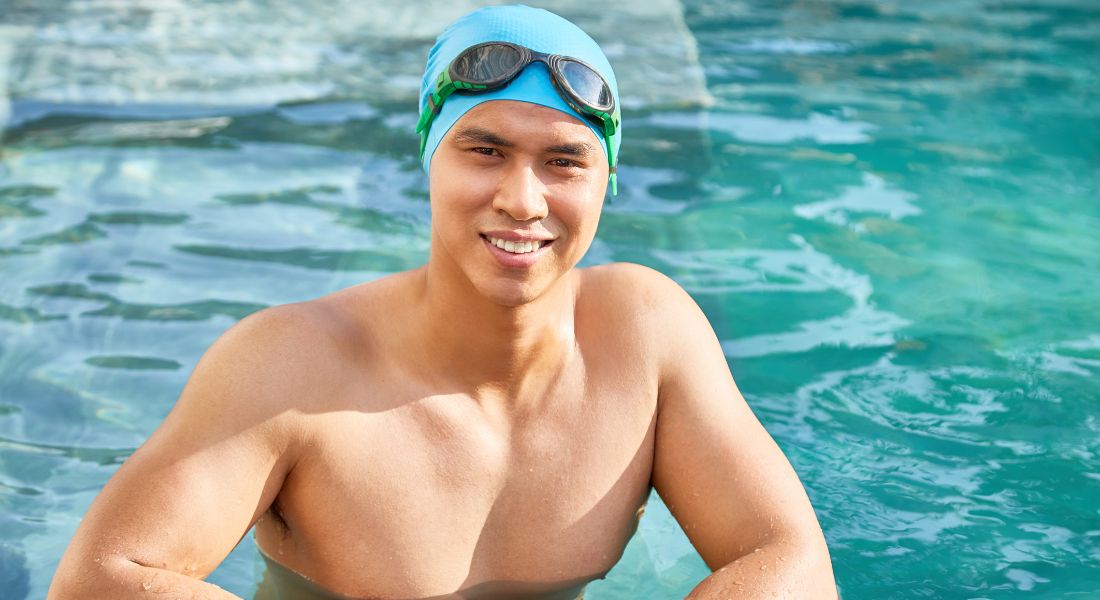
If you’re a swimmer, diver, surfer or anyone who spends a lot of time in the water, choosing the right type of laser eye surgery becomes an important decision. You rely on your eyes not only for clear vision but also for safety, stability and fast reaction times in constantly changing environments. The idea of being free from contact lenses and glasses while performing your sport can feel incredibly liberating.
This is where LASEK becomes particularly relevant. LASEK eye surgery is known for its safety in situations where physical impact, water exposure and pressure changes are common. Because it does not create a corneal flap, unlike LASIK, it removes the risk of flap displacement something that is especially important for athletes exposed to waves, pressure or rapid movements.
In this guide, I’ll walk you through everything you need to know about LASEK as a water-sport athlete. You’ll learn about suitability, recovery timelines, protective strategies, infection risks and how to return to the water confidently and safely.
Why LASEK Is Often Preferred for Water-Sport Athletes
LASEK is often chosen by athletes who cannot risk complications that involve the corneal flap. LASIK creates a flap in the cornea, and while very effective, that flap always carries a small chance of being disturbed by pressure, impact or turbulent water. Sports such as surfing, diving or swimming place your eyes in unpredictable environments where accidental impact or sudden force can occur.
LASEK, on the other hand, uses an alcohol solution to loosen the epithelium the thin surface layer of the cornea without creating a flap. This epithelium naturally heals and strengthens over time. The lack of a flap means there’s nothing to become displaced, making LASEK structurally safer for athletes in contact or high-pressure environments.
Why LASEK Offers Structural Advantages:
- No flap risk – Ideal for sports with turbulence, force or high-speed movements.
- Greater corneal stability – Reduced risk of complications from pressure underwater or wave impact.
- Lower risk of injury-related issues – Helps prevent flap dislocation from accidental eye rubbing or physical impact.
Because of these features, many surgeons recommend LASEK over LASIK for anyone regularly exposed to water environments.
What Water-Sport Athletes Want Most From Laser Eye Surgery
If water is a central part of your sport or lifestyle, you likely want surgery that gives you excellent vision without compromising your safety. Most athletes prioritise stability and reliable performance just as much as clarity.
Here’s what athletes generally look for:
- Strong long-term corneal stability
- Low risk of trauma-related complications
- Reliable healing even with active lifestyles
- Freedom from contact lenses, which irritate in water
- Confidence underwater without blurry vision or lost goggles
- Fast return to training and competition schedules
LASEK aligns well with these needs, provided you follow the correct aftercare steps.
Understanding the LASEK Procedure
LASEK involves gently softening and moving aside the epithelium before reshaping the cornea with a laser to correct your vision. After the laser portion is complete, a protective bandage contact lens is placed on the eye while the epithelium heals.
Although the initial healing period is longer compared to LASIK, the eventual visual outcome is similar. For athletes, this slightly slower recovery is often a worthwhile trade-off for the enhanced safety around water, sports impact and physical activity.
What You’ll Experience on Surgery Day
- Your eyes are numbed with drops
- The thin epithelial layer is lifted
- The laser reshapes the cornea
- The epithelium is repositioned
- A bandage lens protects the cornea
- You go home shortly after the procedure
The laser portion itself usually takes less than a minute per eye.
Why Water Exposure Matters So Much After LASEK
Water exposure is a significant concern after LASEK because the eye’s surface is still regenerating and highly vulnerable during the early healing phase. Any contact with pools, lakes or the ocean increases the chance of infection, as these water sources contain bacteria, microorganisms and contaminants that can easily enter the eye before the epithelium has fully healed. Even well-maintained swimming pools cannot eliminate all pathogens, and natural bodies of water often contain far more microbes and organic particles that pose additional risks.
Irritation is another issue, as chlorine, salt water and debris can aggravate the delicate healing tissues, potentially slowing recovery or triggering inflammation. Hot tubs are particularly risky due to their warm, circulating water, which supports high bacterial levels. For anyone who swims regularly or participates in water sports, these exposure risks are important to keep in mind, as even brief contact with contaminated water can interfere with healing during the first few weeks.
When You Can Safely Return to Swimming, Diving and Surfing
The timeline for returning to water varies depending on your activity and how your healing progresses. The following guidance reflects typical recommendations, but always follow your surgeon’s personalised instructions.
Swimming in Pools – Swimming in pools should be avoided in the early weeks after LASEK because the healing epithelium isn’t fully sealed, making your eye more vulnerable to infection from chlorine-resistant bacteria. Most people can safely return to swimming after 2–3 weeks, but this depends on your surgeon’s assessment. Goggles offer some protection, but you should only use them once the surface has completely healed, and even then, splashes can still seep in.
Swimming in Lakes or Rivers – Swimming in lakes or rivers carries a much higher infection risk after LASEK because natural water contains bacteria, microorganisms and organic debris that can easily irritate or infect a healing eye. You should wait at least 4–6 weeks before considering exposure, and even then, avoid fully submerging your head until your surgeon confirms that your eye has healed properly.
Ocean Swimming and Surfing – Ocean swimming and surfing should be avoided in the early stages after LASEK because salt water can sting and irritate healing eyes, and the ocean contains microorganisms that can increase infection risk. Most patients are advised to wait around 4–6 weeks before gentle ocean exposure, but heavy surf, diving waves and high-impact water activities should be avoided for 6–8 weeks.
Diving (Scuba or Free Diving) – Diving, whether scuba or free diving, places pressure on the eyes that can cause discomfort or complications if the epithelium hasn’t fully healed after LASEK. Shallow diving is usually safe after about 4–6 weeks, while moderate to deep dives should be delayed for 6–8 weeks or longer, depending on your healing progress. Competitive or high-intensity diving should only resume once your surgeon gives explicit clearance.
High-Intensity Water Sports – High-intensity water sports like jet skiing, kite surfing and wakeboarding should be avoided for several weeks after LASEK because the high speeds, strong water force and impact risks can easily affect a healing eye. Most surgeons recommend waiting 6–8 weeks before returning to these activities, as they pose far greater risks than swimming alone.
Why You Must Avoid Getting Water in Your Eyes Early On
Avoiding water exposure in the early stages after LASEK is crucial because even a brief splash can irritate the healing surface or introduce bacteria that the eye isn’t ready to defend against. The epithelium, which acts as your eye’s natural protective barrier, is still re-forming during the first days and weeks. Until it fully seals, the eye remains vulnerable to infection, inflammation and dryness triggered by common water contaminants.
Potential Risks from Water Exposure
Corneal infection – Natural and treated water sources can harbour bacteria, viruses and microorganisms that may enter the eye before the epithelium has recovered, potentially affecting long-term vision quality.
Delayed epithelial healing – Irritation from water chlorine, salt, debris or microbes can slow the regeneration of the delicate surface cells, prolonging your overall recovery timeline.
Inflammatory response – Exposure can cause redness, soreness, burning, tearing or light sensitivity as the eye reacts defensively to contaminants or chemical irritants.
Increased dryness – Water can disrupt the tear film, washing away natural lubrication and worsening post-LASEK dryness, which is already common during healing.
In short, keeping water out of your eyes during the early healing phase is one of the most important steps to ensure a smooth recovery, protect your vision and avoid unnecessary complications.
How Long Before Goggles Are Safe to Use?
Goggles can offer an extra layer of protection after LASEK, but they are not completely watertight, and even small leaks can introduce water or irritants into a healing eye. In addition, the suction and pressure created around the eye socket can place stress on the regenerating epithelium, potentially causing discomfort or slowing the recovery process. For this reason, surgeons recommend avoiding goggles too early, even if swimming itself is postponed, because the pressure alone can be enough to irritate sensitive tissues.
In most cases, light swimming goggles become safe to use after about 2–3 weeks, while more form-fitting diving goggles often require 4–6 weeks. Tight, pressure-resistant goggles typically used for deep diving or competitive swimming should usually be avoided for 6–8 weeks to prevent strain on the healing cornea. Regardless of the type, it’s important to keep goggles clean and disinfected before each use, as any contamination inside the seal can create a direct pathway for bacteria to reach the eye.
Contact Lenses vs LASEK for Water-Sport Athletes
Many water-sport athletes rely on contact lenses to avoid wearing glasses in the water, but contacts come with significant drawbacks. Soft lenses can absorb water and expand, creating discomfort and increasing the risk of irritation. Water also carries bacteria and other microorganisms that can easily adhere to the lens surface, dramatically raising the chance of eye infections.
In addition, contact lenses can float out during waves, dives, or rapid movements, and water movement itself can cause dryness and further irritation. LASEK offers a practical alternative by correcting vision permanently, eliminating the need for contact lenses and the associated risks, so athletes can enjoy water activities with greater safety and comfort.
How to Protect Your Eyes as You Heal
The first days and weeks after LASEK are critical for allowing your eyes to heal properly. During this time, your goal is to protect the delicate corneal surface and create an environment where the epithelium can restore itself without irritation, infection, or disruption. Following a few simple precautions can make a significant difference in your recovery and long-term vision outcomes.
Key Protection Measures
- Wear sunglasses outdoors – Bright sunlight can irritate healing eyes and worsen dryness. Wraparound sunglasses offer extra protection from UV rays, wind, and dust, helping your eyes remain comfortable while they recover.
- Avoid water splashes – Be careful when showering, washing your face, or doing any activity that could expose your eyes to water. Even small splashes can carry bacteria or irritants that may disrupt healing.
- Use lubricating eye drops – After LASEK, the eyes are naturally dry as the surface regenerates. Regularly using preservative-free lubricating drops helps maintain moisture, reduces irritation, and supports optimal healing.
- Do not rub your eyes – Rubbing can traumatise the healing epithelium, increase infection risk, and potentially delay recovery. If your eyes feel itchy or gritty, use eye drops instead of rubbing.
- Maintain good hygiene – Wash your hands before touching your eyes or applying drops. Avoid environments with dust, smoke, or strong chemicals that could irritate your eyes.
- Follow your surgeon’s instructions – Adhere strictly to any prescribed medications, protective measures, or follow-up appointments. Your surgeon’s guidance is tailored to your healing stage and ensures the best outcome.
These small but consistent habits play a major role in a smooth, complication-free recovery, helping your eyes heal comfortably and effectively after LASEK.
Signs You Should Not Return to the Water Yet
Even if your eyes feel comfortable after LASEK, they may still be healing beneath the surface. Returning to water too soon can increase the risk of infection or irritation, so it’s important to pay attention to any lingering discomfort or changes in vision.
You should be cautious if you notice persistent redness, sharp or worsening pain, light sensitivity, blurred or fluctuating vision, or the sensation that something is stuck in your eye. Slow healing of the epithelium is another warning sign. If any of these occur, it’s best to postpone water activities and consult your clinic before resuming swimming, diving, or other water sports.
How Athletes Typically Progress After LASEK
After undergoing LASEK, athletes often wonder how soon they can return to training and competition. Most follow a predictable recovery pattern, with gradual improvements in visual stability and clarity over the weeks following surgery.
Typical Athlete Recovery Timeline:
First 48 hours – Eyes may be uncomfortable, watery or light-sensitive. Rest is essential.
Days 3–7 – Vision stabilises; discomfort reduces; bandage lens removed.
Week 2 – Most daily activities feel comfortable; dry eye gradually improves.
Weeks 3–4 – Light pool swimming with goggles may be allowed.
Weeks 4–6 – Surfing, lake swimming, diving and open water exposure permitted with caution.
Weeks 6–12 – Most water-sport athletes resume normal training schedules.
Everyone heals at a different pace, so your timeline may vary.
Why LASEK Is Safer Than LASIK for High-Impact or Water-Heavy Sports
The key advantage of LASEK is that it avoids creating a flap, which eliminates the long-term risk of flap displacement. Water environments introduce force, turbulence and accidental impact that could affect a LASIK flap, even years later.
Flap-Free Benefits
– No risk of flap trauma
– Lower risk of underwater pressure complications
– Better long-term stability for diving or surfing
– More forgiving for accidental eye rubbing
These benefits make LASEK an appealing choice for athletes who rely on stable, strong corneas.
Balancing Performance and Safety as an Athlete
For athletes, one of the main concerns with LASEK is how it might impact training and performance. While the recovery period requires patience and some temporary adjustments, the long-term results are stable and reliable. With clear vision, athletes can enjoy better performance and safety in water-based activities without the ongoing challenges of contact lenses or glasses.
During recovery, training schedules may need to be adapted for several weeks, and goggles should be used cautiously to avoid irritation. However, once healing is complete, freedom from contact lenses can actually improve performance and comfort in the water. Most athletes find that the brief downtime is a worthwhile trade-off for the long-term benefits of sharper vision and reduced risk of eye complications.
How to Plan Your Surgery Around Your Training Season
For competitive athletes, it’s important to plan LASEK surgery around your training and competition schedule. Choosing a time when you can take several weeks off from high-intensity activity or water sports allows your eyes to heal fully and reduces the risk of complications. Proper timing ensures that you can recover without the pressure of upcoming events.
When planning surgery, try to avoid peak competition periods and schedule procedures after major events. Allow at least 6–8 weeks before any important competitions or races, and work with your surgeon to create a gradual return-to-water plan. Careful scheduling helps ensure that your vision is fully restored while maintaining performance, allowing you to train and compete safely once recovery is complete.
Psychological Benefits for Water-Sport Athletes
For water-sport athletes, LASEK can provide significant psychological benefits. Being able to enter the water without worrying about losing contact lenses, dealing with irritation, or struggling with blurry goggles gives a huge boost in confidence. Many athletes find they feel more at ease and can concentrate fully on their performance, rather than constantly managing vision-related distractions.
Clear and stable vision also improves comfort during long training sessions and fosters a stronger sense of freedom and independence. With fewer concerns about lens problems, athletes can focus on technique, strategy, and enjoyment, making LASEK not just a physical enhancement but a mental advantage in open-water sports.
FAQs:
- How is LASEK different from LASIK for athletes?
LASEK differs from LASIK primarily in how the cornea is treated. While LASIK creates a flap in the cornea, LASEK lifts only the thin epithelial layer, reshaping the underlying tissue without forming a flap. For athletes who spend significant time in water or participate in high-impact sports, this distinction is crucial. The absence of a flap eliminates the risk of flap displacement from pressure, turbulence, or physical impact, providing a more stable and structurally secure cornea. This makes LASEK a safer option for individuals whose eyes are frequently exposed to forceful water movements or accidental impacts. - How long does it take to see clear vision after LASEK?
Recovery after LASEK is generally slower than LASIK because the epithelium needs time to heal. Most patients notice gradual improvements over the first few weeks. Vision may be slightly blurry initially, particularly during the first two to three days while the bandage contact lens is in place. By the end of the first week, visual clarity typically improves, but it may continue to stabilize over four to six weeks. For athletes, this gradual recovery is manageable, as it allows the cornea to strengthen without compromising safety in water or high-intensity environments. - When can I safely resume swimming, diving, or surfing after LASEK?
Returning to water-based activities requires careful timing because the corneal surface remains vulnerable during the initial healing phase. Pool swimming is generally allowed after two to three weeks if light goggles are used, while exposure to natural bodies of water such as lakes, rivers, or the ocean is typically recommended only after four to six weeks. High-impact activities like surfing, deep diving, or high-speed water sports should be delayed for six to eight weeks or until a surgeon confirms full epithelial recovery. Even once cleared, protective goggles are advised to reduce the risk of irritation or infection. - Are there long-term risks associated with LASEK for athletes?
When performed by an experienced surgeon, LASEK is very safe, and long-term risks are minimal. Because the corneal flap is not created, there is no concern about flap displacement years after the procedure. Some patients may experience temporary dryness, light sensitivity, or mild irritation during recovery, but these issues usually resolve within weeks. Athletes benefit from the procedure’s structural stability, which reduces the likelihood of trauma-related complications compared with LASIK. Ongoing eye care, such as using lubricating drops and protecting the eyes from contaminants, further minimises long-term risks. - How does water exposure affect recovery after LASEK?
Water exposure during the early stages of healing can be hazardous because the cornea’s epithelial layer is regenerating and highly susceptible to infection or irritation. Pools, lakes, rivers, and the ocean all carry bacteria, microorganisms, and debris that can enter the eye, potentially leading to infection or delayed healing. Chlorine, salt, and organic matter may also irritate the eye, triggering inflammation or redness. Therefore, athletes must avoid water contact until the epithelium has sufficiently healed, even if goggles are worn, to ensure a smooth recovery and prevent long-term complications. - Can I wear goggles or eye protection soon after surgery?
Protective eyewear can be used with caution, but timing is critical. Light swimming goggles may be safe after about two to three weeks, whereas tight-fitting diving goggles are typically recommended only after four to six weeks, depending on healing progress. The suction and pressure created by goggles can strain the regenerating epithelium, potentially causing discomfort or slowing recovery. Cleanliness is also essential, as any contaminants trapped inside the goggles can directly enter the healing eye. Surgeons will advise on the appropriate timing for each type of eyewear based on individual recovery. - How does LASEK compare to contact lenses for water-sport athletes?
Contact lenses present challenges for athletes in aquatic environments. Soft lenses can absorb water, expand, or shift during swimming or diving, creating discomfort and increasing the risk of infection. They also attract microorganisms from pools, lakes, and oceans, further elevating the chance of eye irritation. LASEK eliminates these risks entirely by correcting vision permanently, allowing athletes to perform without relying on lenses or glasses. This improves comfort, reduces distraction, and enhances safety during water-based activities. - Are there specific aftercare steps that are crucial for athletes?
Aftercare is essential to ensure the epithelium heals properly and to prevent complications. Athletes should avoid rubbing their eyes, stay away from water exposure, wear sunglasses outdoors to protect against UV rays and wind, and use preservative-free lubricating drops to maintain moisture. Maintaining hygiene when applying drops and following all post-operative instructions from the surgeon helps protect the eyes during the critical healing period. Strict adherence to these steps significantly improves long-term vision outcomes and ensures a safer return to sport. - Can I plan LASEK around my training or competition schedule?
Yes, timing your LASEK surgery to align with your training or competition schedule is highly recommended. Athletes should plan the procedure during periods when several weeks off from high-intensity or water-heavy activities are possible. Allowing at least six to eight weeks for recovery ensures the eyes heal fully, minimizing risks during competitions or training sessions. Coordinating with your surgeon to create a gradual return-to-water plan allows you to resume performance safely without compromising your results. - Does LASEK provide psychological benefits for water-sport athletes?
LASEK can have significant psychological advantages beyond improving vision. Many athletes report increased confidence and freedom when entering the water, no longer worrying about losing contact lenses or dealing with irritation from glasses. Clear, stable vision also reduces distractions during training and competition, allowing athletes to focus on performance and technique. The mental relief of knowing their eyes are protected and vision is reliable often enhances enjoyment, motivation, and overall well-being while engaging in water sports.
Final Thought: LASEK for Water-Sport Athletes
For water-sport athletes, LASEK offers a unique combination of safety, stability, and long-term vision clarity that is hard to match with other corrective procedures. By avoiding the creation of a corneal flap, LASEK reduces the risk of complications in turbulent or high-pressure water environments, allowing you to enjoy swimming, diving, surfing, and other activities with greater confidence. Proper aftercare, careful timing, and adherence to your surgeon’s guidance are key to a smooth recovery and safe return to water-based sports. If you’d like to find out whether lasek surgery in London is suitable for you, feel free to contact us at Eye Clinic London to arrange a consultation.
References:
- de Ortueta, D. & Arba‑Mosquera, S. (2025) “The Impact of Preoperative Corneal Epithelial Refraction Toricity on Transepithelial Photorefractive Keratectomy for the Treatment of Hyperopia or Mixed Astigmatism.” Vision, 9(3), 57. https://www.mdpi.com/2411-5150/9/3/57
- Curcă, P.F. et al. (2024) “Advances in Transepithelial Photorefractive Keratectomy: Safety and Efficacy Compared to Femtosecond-LASIK.” Diagnostics, 14(5), 481. https://www.mdpi.com/2075-4418/14/5/481
- Taneri, S. et al. (2011) “Effect of repositioning or discarding the epithelial flap in epithelial laser refractive surgery (epi-LASIK / LASEK).” Journal of Refractive Surgery / Cornea. https://www.sciencedirect.com/science/article/abs/pii/S0886335011011692
- Steinert, R.F. et al. (n.d.) “Surface Ablation: Photorefractive Keratectomy, LASEK, Epi‑LASIK” overview article on surface ablation procedures. ScienceDirect Topics – Laser Refractive Surgery. https://www.sciencedirect.com/topics/nursing-and-health-professions/laser-refractive-surgery
- Ghadhfan, F. et al. (2007) “Laser in situ keratomileusis versus surface ablation: visual outcomes and complications (LASIK, LASEK, M‑PRK, T‑PRK).” Journal of Refractive Surgery. https://pubmed.ncbi.nlm.nih.gov/18053901/