


Laser Eye Surgery for Frequent Travellers & Business Flyers

If you travel often for work or leisure, you probably know how essential it is to keep your schedule flexible and your health in good shape. When you spend a lot of time in airports, cabins, and unfamiliar environments, you need to feel confident about your eyes, especially if you’re considering a procedure like laser eye surgery.
In this guide, I’ll walk you through what you should know if you fly often. I’ll help you understand the best time to have surgery, what sensations you might feel on flights after treatment, and how to manage dryness in cabins. I’ll also explain how to look after your eyes when you’re moving between time zones, climates, and conditions.
Laser eye surgery can make travelling easier and more enjoyable by removing the stress of packing lenses, dealing with dryness from contacts, or struggling with glasses during airport queues. Once you understand how to plan your recovery around flying, you’ll feel ready to embrace the freedom that clearer vision can bring.
Why Travel Requires Extra Planning After Laser Eye Surgery
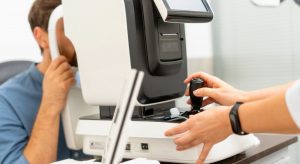
Travelling affects your eyes in ways you may not always notice. When you’re on a flight, the cabin air has much lower humidity than what you experience on the ground. This dryness can cause your tears to evaporate more quickly, which makes your eyes feel irritated or uncomfortable. If you’ve had surgery recently, this dryness may feel more noticeable.
You also need to consider the demands of your travel schedule. Business trips often involve early meetings, late nights, long days using laptops, and multiple flights in a short time. Each of these factors puts more strain on your eyes, and it becomes even more important to give your eyes the right environment to heal.
Your surgeon will want to make sure your cornea has enough time to stabilise before you return to travelling. Even though the surgery itself takes only a few minutes, your cornea needs time to recover, and your eyes need time to adapt to their new focusing power. This is why planning is so important.
When you’re aware of these factors, you can schedule your surgery at a time when your travel commitments are lighter. Even a small gap in your routine can give your eyes the breathing room they need to heal comfortably.
When Is It Safe to Fly After Laser Eye Surgery?
This is one of the most common questions for frequent travellers. The exact timeline depends on several factors, including the type of surgery you have and how your eyes respond during the first few days of healing.
Flying After LASIK: Most LASIK patients can fly after 24 to 48 hours. The corneal flap created during LASIK is delicate in the early stages, but flying itself doesn’t affect the pressure around your eye. The only concern is dryness, which you’ll manage with lubricating drops.
Flying After LASEK or PRK: LASEK and PRK are surface procedures, which means your epithelium needs time to regrow and smooth over. Flying too soon can feel uncomfortable because dryness is more noticeable after surface treatments. Most surgeons recommend waiting around one week before flying, although many patients feel comfortable sooner.
Flying After SMILE: SMILE is minimally invasive and often causes less early dryness. Many SMILE patients feel safe to fly within 48 hours, but surgeons usually suggest waiting at least a few days to make sure healing has begun smoothly.
Your Surgeon’s Recommendation Matters Most
Your surgeon knows exactly how your eyes are healing, and they’ll tell you whether it’s appropriate to fly. If you have an upcoming flight booked, mention it during your consultation so the timing can be built into your treatment plan. Flying too soon doesn’t usually put your eyes in danger, but it can make your recovery feel more uncomfortable. When your eyes are still sensitive, a dry cabin is the last thing they need.
Understanding Cabin Dryness and How It Affects Your Healing Eyes
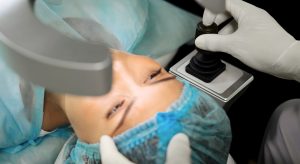
Airplane cabins are extremely dry, often containing humidity levels as low as 10%. For context, the humidity in a typical home ranges from 30% to 50%. This difference explains why your mouth feels dry, your skin tightens, and your eyes become irritated during long-haul flights.
When you’ve had laser eye surgery, your eyes are already producing fewer tears temporarily as your corneal nerves recover. This means dryness may feel more prominent, and your eyes may need more lubrication while you’re in the air.
You might experience:
- A gritty sensation
- Difficulty keeping your eyes open
- Fluctuating vision
- Mild burning
- More sensitivity to air circulation
These sensations are normal and usually temporary. They’re also easy to manage when you know what to expect.
How to Protect Your Eyes During Flights After Surgery
Travelling after laser eye surgery doesn’t have to be uncomfortable. Once you understand how to protect your eyes in dry environments, you can fly without worry. The key is being proactive and giving your eyes as much support as possible.
Use Lubricating Eye Drops Frequently – Keeping your eyes hydrated is essential. Bring preservative-free lubricating drops in your carry-on, and apply them every hour or whenever your eyes start to feel dry. These drops help stabilise your tear film and make your eyes feel more comfortable in the dry cabin air.
Avoid Wearing Contact Lenses Forever After Surgery – One of the best things about laser eye surgery is saying goodbye to contact lens discomfort during flights. Contacts tend to dry out quickly, especially in low-humidity environments. After surgery, sticking to your natural tears and lubricating drops is the best approach.
Stay Hydrated Throughout the Flight – Cabin air dehydrates you more quickly than you might expect. Drinking enough water helps your natural tears remain hydrated, which benefits your comfort and visual clarity.
Use the Cabin Air Vents Carefully – Air blowing directly onto your face can dry your eyes instantly. If you feel air circulating toward you from the overhead vent, adjust it so it’s not blowing directly onto your eyes.
Avoid Makeup Around the Eyes in Early Recovery – Makeup particles can irritate your eyes or interfere with healing. If you’re flying within the first week of surgery, avoid applying any eye makeup until your surgeon gives you permission.
Rest Your Eyes During the Flight – Long working hours on laptops or phones strain your eyes, especially when they’re healing. Use your flight as a chance to rest your eyes, look out the window occasionally, and take breaks from screens.
By combining these steps, you can make your flight experience much more comfortable and keep your recovery on track.
Scheduling Your Surgery Around a Busy Travel Lifestyle
If you travel frequently, the timing of your surgery is one of the most important decisions you’ll make. The key is creating a window with minimal commitments during the early healing period. Even though the surgery itself is quick, the first one to two weeks are crucial for managing dryness, sensitivity, and adapting to your new vision.
Give Yourself One Week of Light Activity – Most people feel comfortable returning to their routine after a few days, but if you’re a frequent traveller, giving yourself a full week to rest before flying is ideal. This allows your eyes to settle and helps reduce discomfort during your first post-surgery flight.
Plan Around Follow-Up Appointments – Your surgeon will want to see you shortly after surgery to make sure your healing is progressing well. If you’re often travelling, discuss your schedule with your clinic during the consultation phase. You may need to stay local for the first few follow-ups to ensure your eyes are monitored properly.
Consider Your Destination’s Conditions – Travelling to a dry or high-altitude destination can amplify dryness. If your first trip after surgery involves a desert environment, mountain region, or an area with high wind, be prepared with extra eye drops and protective eyewear.
Avoid Intense Travel Days Immediately After Surgery – Early mornings, late nights, and constant movement put additional strain on your eyes. If possible, avoid tight schedules, heavy workloads, or red-eye flights in the first few days.
When you plan your treatment around your travel schedule, you give your eyes the chance to heal without unnecessary stress.
What Frequent Travellers Love About Laser Eye Surgery
If you travel often, the benefits of laser eye surgery become obvious almost immediately. You no longer have to worry about packing spare glasses, keeping contact lenses clean, or dealing with dryness mid-flight. The simplicity it brings to your routine can completely change the way you experience travel.
Travellers particularly enjoy the freedom from glasses and lenses. There’s no risk of losing eyewear in transit or misplacing lenses in hotel rooms, and you can move through airports and destinations without carrying fragile or high-maintenance items. It’s a small change that makes every trip feel easier.
Comfort during flights is another major advantage. Contact lenses tend to dry out in cabin air, causing irritation and blurry vision, but after surgery you rely on your natural tear film and occasional lubricating drops instead. This makes long-haul or overnight flights far more comfortable.
Frequent travellers also appreciate the confidence that comes with always-ready vision. Sudden itinerary changes, unexpected delays, or red-eye flights become much easier to manage when you’re not tied to eyewear. This sense of flexibility is one of the key reasons many travellers choose laser eye surgery.
How to Manage Recovery While Travelling
Even if you travel frequently, you can still recover smoothly by building simple eye-friendly habits into your routine. These don’t require major adjustments they just help your eyes stay stable as you move through different environments and time zones.
Carrying a small travel kit makes a big difference. Keeping lubricating drops, eyelid wipes, sunglasses, and a mirror within easy reach helps you stay comfortable during flights, layovers, or long car journeys. Prioritising rest when you arrive is equally important, since disrupted sleep can slow healing in the first week.
Limiting screen time on long travel days also protects your eyes. Cabin air and prolonged screen exposure can reduce your blink rate, making dryness more noticeable, so taking regular breaks and adjusting brightness helps reduce strain.
Good hygiene and consistent eye-drop use complete the essentials of travel-friendly healing. Washing your hands frequently and avoiding eye-touching lowers infection risk, especially in unfamiliar environments.
Understanding Climate Differences When You Travel
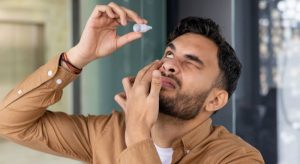
If you travel internationally, you may move between different climates and conditions quickly. Cold air, hot air, humidity, pollution, and elevation can all influence how your eyes feel. When your eyes are healing, these differences may feel more noticeable than usual.
Travelling to Dry or High-Altitude Areas: Places with dry air or high elevation can intensify dryness. You’ll want to use lubricating drops more frequently and avoid direct wind exposure.
Travelling to Humid Regions: Humidity can feel soothing after surgery because it slows tear evaporation. Your eyes may feel more comfortable in warm, moist air.
Travelling to Polluted Cities: Pollution can irritate your eyes, especially in the early weeks of healing. Using protective sunglasses and keeping drops with you helps reduce discomfort.
Understanding how each environment affects your eyes helps you stay prepared wherever your travels take you.
Why Follow-Up Appointments Still Matter for Frequent Flyers
No matter how often you travel, your follow-up appointments remain essential. These appointments help your surgeon make sure your cornea is healing well and your vision is stabilising as expected. If your schedule makes it difficult to attend regular visits, you may need to plan your surgery for a time when you can stay local for the first few check-ups.
Many clinics offer flexible follow-up options, including remote check-ins or partnerships with other eye specialists. However, the first appointment or two after surgery should ideally be in person for the most accurate assessment.
When you attend your follow-ups regularly, you ensure that your surgeon can detect any changes early and guide you properly throughout your recovery.
Your Long-Term Experience as a Frequent Traveller
Once you’ve healed from laser eye surgery, you’ll likely find that travelling becomes easier, simpler, and more enjoyable. No more blurry vision when you wake up on a plane. No more awkward moments trying to put in contact lenses in airport bathrooms. No more worrying about breaking your glasses halfway through a business trip.
Your long-term vision stabilises within a few months, and dryness becomes far less noticeable. Many frequent travellers say that laser eye surgery is one of the most practical improvements they’ve ever made to their lifestyle.
Laser eye surgery gives you freedom and convenience that’s hard to match. When your eyes are healthy and you no longer rely on lenses or glasses, every part of your journey feels easier.
FAQs:
- Is it safe to fly soon after laser eye surgery?
Yes, flying is generally safe after laser eye surgery because cabin pressure doesn’t harm the eyes. The only concern is dryness, which can feel more noticeable in low-humidity cabin air. Your safe flying window depends on the procedure you’ve had. Most LASIK and SMILE patients can travel within a couple of days, whereas LASEK or PRK patients usually need about a week for the surface to heal enough to feel comfortable on a flight. Your surgeon’s advice always takes priority because they can judge your healing progress accurately. - Will cabin pressure affect my eyes after surgery?
Cabin pressure does not pose a risk to the cornea or the surgical outcome. Laser eye surgery doesn’t involve anything that can be damaged by changes in cabin pressure. What passengers often mistake for pressure changes is actually dryness, which becomes more noticeable because the cabin’s humidity is extremely low. As long as you keep your eyes lubricated, pressure changes won’t interfere with your recovery. - Why do my eyes feel drier on flights after laser eye surgery?
Your eyes may feel dry because the air inside aircraft cabins contains far less moisture than normal environments. Laser eye surgery can temporarily reduce tear production, so the dry cabin air makes symptoms like grittiness and fluctuating vision more noticeable. This is completely normal and improves as your nerves recover over the following weeks. Using lubricating eye drops at regular intervals helps keep you comfortable throughout the flight. - Can long-haul flights affect the healing process?
Long-haul flights don’t harm the cornea directly, but the extended exposure to dry air and prolonged screen time can make your eyes feel tired or irritated. The longer the flight, the more closely you may need to monitor your comfort, especially during the first week or two after surgery. Taking breaks, avoiding unnecessary screen use, using plenty of lubricating drops, and resting your eyes can make long flights more manageable during recovery. - Is it normal for my vision to fluctuate while travelling?
Yes, fluctuations are common when your eyes are healing, and they may feel slightly more noticeable during travel. Dry cabins, disrupted sleep, and rapid changes between environments can affect how stable your tear film is at any moment. Most people experience clearer, more consistent vision once their tear film becomes more stable, usually within a few weeks. If fluctuations persist or become bothersome, your follow-up appointment is the best time to mention them. - Should I avoid certain destinations shortly after surgery?
You don’t need to avoid travel, but some destinations require extra care. Dry or high-altitude locations can intensify dryness, while polluted cities may cause irritation during early healing. With proper preparation such as carrying hydrating eye drops, wearing sunglasses outdoors, and taking short breaks from harsh environments you can travel safely to almost any destination. Your surgeon can guide you if you have specific trips planned. - Can I resume swimming while travelling after laser eye surgery?
Swimming needs to be avoided for at least two weeks after LASIK or SMILE, and often for slightly longer after PRK or LASEK. Water from pools, oceans, or lakes can expose your healing eyes to bacteria and increase the risk of infection. Once your surgeon confirms that your eyes have healed enough, you can resume swimming, but goggles are strongly recommended for extra protection especially in unfamiliar environments while travelling. - Do I still need to follow my eye-drop schedule while travelling?
Yes, staying consistent with your eye-drop regime is essential, especially in the early stages of healing. Antibiotic and anti-inflammatory drops prevent infection and reduce inflammation, while lubricating drops help support your comfort and vision. Travelling can disrupt routines, but keeping your drops in your carry-on and setting reminders ensures that you don’t miss any scheduled doses. This small effort helps your healing stay on track even with a busy itinerary. - Is it okay to wear makeup while travelling soon after surgery?
Eye makeup should be avoided for at least one week after surgery, and even longer for people who are more prone to irritation. Tiny particles from mascara, eyeliner, or eyeshadow can easily enter the eye and interfere with healing. Once your surgeon clears you to resume makeup, it’s best to use clean brushes, gentle products, and avoid applying anything too close to the lash line. While travelling, maintaining hygiene is even more important because you’re exposed to more bacteria. - How soon can I return to my usual travel-heavy lifestyle after laser eye surgery?
Most people return to frequent travelling within a week or two, depending on the procedure and how comfortably their eyes are healing. The first few days are the most sensitive, so keeping this period free of major travel commitments makes recovery smoother. Once your vision stabilises and dryness improves, travelling usually becomes easier than it ever was with glasses or contact lenses. Many frequent flyers find that laser eye surgery simplifies their lifestyle significantly, making everything from airport queues to long-haul flights more comfortable.
Final Thought: Travelling Safely After Laser Eye Surgery
Travelling frequently doesn’t have to complicate your recovery from laser eye surgery. With a little planning, an understanding of how flying affects your eyes, and the right habits during your early healing period, you can continue to enjoy your lifestyle without interruption. Most frequent flyers find that once their eyes have settled, travelling becomes easier than ever, especially without the hassle of glasses or contact lenses.
If you’re considering laser eye surgery in London and want guidance on whether the procedure fits your travel schedule, you’re welcome to reach out to us at Eye Clinic London to book a consultation. Our team will help you plan your treatment at a time that works for you, so you can move forward confidently with clearer, more convenient vision wherever your travels take you.
References:
- Kaštelan, S. (2024) “The Influence of Tear Film Quality on Visual Function”, Vision, 8(1), 8. https://www.mdpi.com/2411-5150/8/1/8
- Mikalauskienė, L. et al. (2021) “Ocular Surface Changes Associated with Ophthalmic Surgery”, Journal of Clinical Medicine, 10(8), 1642. https://www.mdpi.com/2077-0383/10/8/1642
- Wang, B., Naidu, R. K., Chu, R., Dai, J., Qu, X. & Zhou, H. (2015) “Dry Eye Disease following Refractive Surgery: A 12‑Month Follow-Up of SMILE versus FS-LASIK in High Myopia”, Journal of Ophthalmology, 2015:132417. https://pubmed.ncbi.nlm.nih.gov/26649190/
- Post‑Refractive Surgery Dry Eye: A Systematic Review Exploring Pathophysiology, Risk Factors, and Novel Management Strategies. https://pubmed.ncbi.nlm.nih.gov/38916023/
- Early changes to dry eye and ocular surface after small-incision lenticule extraction for myopia. https://pmc.ncbi.nlm.nih.gov/articles/PMC4853355/