

Laser Eye Surgery for Patients Over 50: Is It Still Worth It?
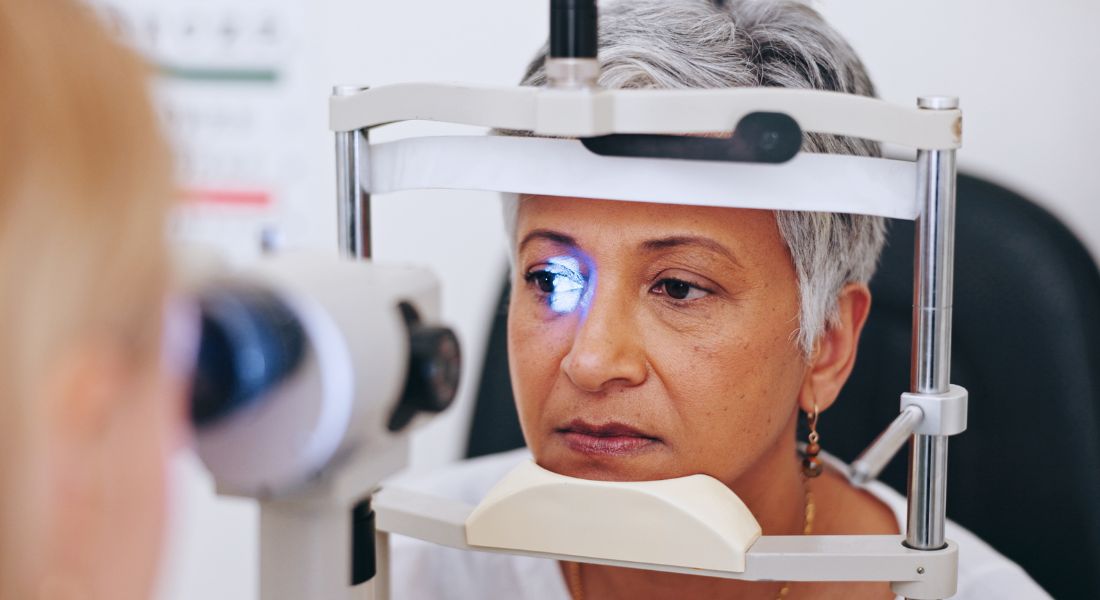
If you’re over 50 and considering laser eye surgery, you might be wondering whether the treatment is still worth it for someone at your stage of life. You may have heard mixed messages that laser surgery is ideal for younger people, or that age-related changes like presbyopia make it less beneficial after 50. The truth is far more flexible. Many people in their fifties enjoy excellent results with laser eye surgery, but the right choice depends on your eyes, your lifestyle and your future expectations.
In this guide, I’ll walk you through everything you need to know about laser eye surgery after 50 from suitability and safety to presbyopia, alternatives such as refractive lens exchange (RLE), and how to decide whether surgery is still the best option for you. My goal is to help you feel confident and informed as you explore your next steps.
How the Eyes Change After Age 50
As you age, your eyes naturally undergo changes, even if your vision has always been excellent. Understanding these changes can help you make informed decisions about treatment options. Common age-related changes include reduced near vision (presbyopia), lens stiffening, a lower ability to focus up close, early cataract formation, dryness, reduced contrast sensitivity, and a slight long-sighted (hyperopic) shift.
While laser eye surgery can correct distance vision, intermediate vision, or even monovision for near tasks, it cannot reverse the internal changes that occur in the lens itself. For those seeking to address age-related lens changes, alternatives such as refractive lens exchange (RLE) may become a more suitable option.
Is Laser Eye Surgery Still Suitable After 50?
In many cases, laser eye surgery is still suitable after age 50. Suitability depends more on the overall health of your eyes than on age alone. People in their fifties routinely undergo LASIK, SMILE, or LASEK and achieve sharp, reliable distance vision, provided their eyes meet the necessary health criteria.
During your consultation, your surgeon will assess factors such as your prescription, corneal thickness and shape, tear film quality, presence of early cataracts, general eye health, and your near-vision goals. While many patients over 50 are excellent candidates, the choice of procedure must be tailored to your corneal structure and age-related changes to ensure the best outcomes.
The Biggest Factor: Presbyopia

Presbyopia is the natural loss of near-focusing ability that typically begins around age 40–45 and progresses gradually over time. It affects everyone eventually, even those who have had perfect distance vision their entire lives. This means that while laser eye surgery can significantly improve your distance vision, near vision will still need to be addressed separately.
Here’s how it affects your options:
- Distance vision can be corrected with laser surgery – LASIK, LASEK, or SMILE can effectively reduce or eliminate the need for glasses when looking far away, such as driving or watching TV.
- Near vision may still require reading glasses – Even after perfecting distance vision, tasks like reading books, using a smartphone, or doing close-up work may still need corrective lenses.
- You may choose a presbyopia-friendly strategy like monovision – Monovision corrects one eye for distance and the other for near tasks. Many patients adapt well, reducing their dependence on reading glasses.
- RLE (Refractive Lens Exchange) may offer more long-term stability – For patients with presbyopia who want both distance and near vision correction, replacing the natural lens with a multifocal or accommodating intraocular lens can provide a more permanent solution.
Important note: Laser eye surgery does not remove or reverse the ageing lens, so while your distance vision can be corrected beautifully, your near vision will still depend on your presbyopia strategy. Planning ahead ensures you get the best overall visual outcomes for your lifestyle.
Understanding Your Treatment Options Over 50
Here are the vision correction strategies most commonly recommended for people in their fifties.
- Standard LASIK or SMILE for Distance Vision: Standard LASIK or SMILE for distance vision is ideal if you want sharp, glasses-free distance vision and are comfortable using reading glasses for near tasks. It works best when your corneas are healthy and thick enough, and when there are no early cataract changes. Correcting distance vision alone is a straightforward, predictable approach that delivers high patient satisfaction.
- Monovision LASIK: Monovision LASIK treats one eye for distance and the other slightly for near vision, allowing your brain to blend the images for a broader range of focus. This approach is ideal if you want to reduce dependence on reading glasses, have mild to moderate presbyopia, and have successfully adapted to monovision during a contact lens trial. It can also be a way to delay lens surgery for several years. While not everyone adjusts easily, many patients adapt beautifully and enjoy the flexibility it provides.
- Refractive Lens Exchange (RLE) / Lens Replacement: Refractive Lens Exchange (RLE) is often recommended for people over 50 because it replaces the ageing natural lens with a clear, artificial lens, addressing presbyopia and preventing future cataract development. RLE may be the best option if you want long-term freedom from reading glasses, have early cataract changes, your corneas aren’t ideal for laser surgery, or you’re seeking a more permanent solution. This procedure provides a broader range of correction and offers predictable, long-term vision for older patients.
How Cataracts Influence Your Options
By your mid-fifties, many people develop early lens clouding, even if they don’t notice symptoms. If your surgeon detects early cataracts, they may recommend RLE over laser surgery. Laser surgery corrects the cornea but not the lens. If cataracts progress later, you may lose the clarity you gained from LASIK. RLE replaces the lens permanently, making it a more future-proof choice.
Suitability Tests for Laser Eye Surgery Over 50
Your suitability evaluation will be detailed and personalised. The key checks include:
Corneal Thickness and Shape
Your cornea must be thick and regular enough for reshaping. If not, alternatives may be suggested.
Tear Film Evaluation: Dry eyes become more common after age 50, and tear film stability can significantly impact recovery from vision correction procedures. During evaluation, your surgeon will assess tear breakup time, meibomian gland function, and overall tear film stability. This information helps guide the choice of procedure and ensures the safest, most effective outcome.
Refraction Stability: Before undergoing vision correction, your prescription should ideally be stable for 12 to 24 months. Stable refraction helps ensure accurate, long-lasting results from procedures like LASIK, SMILE, or RLE.
Early Cataract Detection: Early cataract changes, even if subtle, can influence the best treatment choice. Detecting these changes may shift the recommendation from LASIK to Refractive Lens Exchange (RLE) to ensure optimal long-term vision.
Retinal Health: Retinal health is a crucial consideration, particularly for people who are short-sighted, as myopia increases the risk of retinal issues. Assessing the retina helps ensure that any vision correction procedure is safe and appropriate for your eyes.
Why Dry Eyes Matter More After 50
As we age, the tear film naturally becomes less stable, making dry eyes more common after 50. This can lead to blurriness, redness, burning sensations, difficulty with screens, and fluctuating visual clarity. While laser procedures like LASIK can temporarily worsen dryness, options such as SMILE and LASEK generally cause less disruption to the tear film.
If you already have dry eyes, your surgeon may recommend pre-treating the condition, choosing SMILE over LASIK, or even considering RLE if dryness is severe. Preparing and stabilising your tear film before surgery is essential for achieving comfortable, clear vision and supporting a smooth recovery.
Recovery After Laser Eye Surgery for Patients Over 50

Recovery times are similar regardless of age, but dryness may be slightly more noticeable early on.
LASIK: After LASIK, most patients enjoy clear vision within hours, although some dryness can persist for several weeks. Many are able to return to their normal daily routines within 24 to 48 hours, making it a popular choice for those seeking rapid visual recovery.
SMILE: SMILE offers a quick recovery with less dryness compared to LASIK, making it particularly comfortable for patients prone to dry eyes. Many find it an ideal option when minimising post-operative irritation is a priority.
LASEK: LASEK involves a longer surface healing period, which means visual recovery is slightly slower compared to LASIK or SMILE. It is particularly well-suited for patients with thin corneas or minor corneal irregularities, offering a safe and effective alternative when other procedures may not be ideal.
When Laser Eye Surgery Still Makes Sense After 50
Laser eye surgery remains a great choice if:
- Your corneas are healthy
- You do not have early cataracts
- You mainly want freedom from distance glasses
- You accept the need for reading glasses
- You want the quickest recovery and sharp clarity
- You prefer laser over lens replacement
Many people in their 50s feel younger, more active and ready to enjoy freedom from glasses and laser vision correction still delivers excellent results.
When RLE May Be a Better Option
Refractive Lens Exchange (RLE) may be recommended instead of laser eye surgery in certain situations, particularly when presbyopia or age-related changes are a concern. Unlike laser procedures, RLE replaces your natural lens, addressing both distance and near vision issues while eliminating the effects of lens ageing.
Your surgeon may suggest RLE if:
- You have presbyopia and want full-range vision: RLE allows the use of multifocal or accommodating lenses, providing good distance, intermediate, and near vision without relying on glasses.
- You have early cataracts: Replacing the lens removes the cloudy tissue, restoring clearer vision and preventing progression to more significant cataracts.
- You want a solution that won’t fade as your lens ages: Laser surgery corrects only the cornea, so age-related changes in your natural lens will still occur. RLE removes this variable entirely.
- You want to avoid needing cataract surgery later: Since the natural lens is replaced during RLE, future cataract development is no longer a concern, offering long-term stability for your vision.
In short, RLE removes the biggest age-related variable: the natural lens, providing a long-term, predictable solution for patients seeking full-range vision or those at risk of early lens changes.
FAQs:
- Can people over 50 still benefit from laser eye surgery?
Yes, many people over 50 can still benefit from laser eye surgery, particularly for correcting distance vision. Age alone does not automatically rule out candidacy. The suitability depends on factors such as corneal health, prescription stability, tear film quality, and the absence of significant cataracts. With a thorough pre-operative assessment, older patients can achieve sharp and reliable distance vision, enjoy rapid visual recovery, and reduce dependence on glasses, especially for driving and daily activities. - How does presbyopia affect laser eye surgery outcomes?
Presbyopia is the natural decline in near-focusing ability that typically begins around the early to mid-forties. While laser surgery can effectively correct distance vision, it cannot restore the lens’ ability to focus up close. Patients over 50 should understand that even after LASIK, SMILE, or LASEK, reading glasses may still be needed for close work. Some people choose monovision strategies, which correct one eye for distance and the other for near, allowing the brain to adapt and reduce dependence on reading glasses, although full near vision restoration usually requires alternative treatments like Refractive Lens Exchange. - Is my age alone a barrier to laser eye surgery?
Age alone is rarely a strict barrier. The more important considerations are the health and stability of the eyes. Surgeons focus on corneal thickness and shape, tear film quality, and the presence of early lens changes. If these factors are suitable, patients over 50 can undergo laser procedures successfully. The main limitation is presbyopia, which affects near vision, but this can be managed with monovision or alternative procedures such as RLE, depending on individual goals and lifestyle needs. - How do early cataracts influence the choice between laser surgery and lens replacement?
Early cataracts can make lens replacement procedures like Refractive Lens Exchange a more appropriate choice than laser surgery. Laser procedures correct the cornea, but they do not address changes within the natural lens. If cataracts progress later, the improvements from LASIK or SMILE could be partially lost. RLE replaces the natural lens with a clear artificial one, providing both distance and near vision correction while eliminating the risk of future cataract development, offering a more permanent solution for older patients. - Can laser eye surgery correct both distance and near vision after 50?
Laser eye surgery primarily targets distance vision, and presbyopia usually means near vision still requires correction. Techniques such as monovision allow one eye to focus on distance and the other on near tasks, helping some patients reduce dependence on reading glasses. However, laser surgery cannot reverse age-related changes in the lens. For comprehensive near and distance vision correction, procedures like Refractive Lens Exchange with multifocal or accommodating lenses are generally more effective for older adults. - How do dry eyes affect laser surgery suitability in older patients?
Dry eyes become more common after 50 due to natural changes in tear film stability. Procedures like LASIK can temporarily exacerbate dryness by affecting corneal nerves, while SMILE and LASEK generally cause less disruption. Pre-existing dry eye may require treatment with lubricating drops, warm compresses, or other therapies before surgery. Stabilising the tear film is essential to ensure clear vision, comfort during recovery, and the overall success of the procedure. - What is the recovery process like for patients over 50?
Recovery times after laser eye surgery are generally similar across age groups, though dryness may be more noticeable in older patients during the initial period. LASIK patients often experience rapid visual improvement within hours and can resume normal activities within a day or two. SMILE offers comparable recovery with less dryness, while LASEK has a longer surface healing period, with visual clarity improving over two to four weeks. Following post-operative care instructions is critical to ensure smooth recovery and optimal outcomes. - How do surgeons assess suitability for laser surgery in patients over 50?
Surgeons perform a thorough evaluation that includes corneal thickness and shape assessment, tear film analysis, refraction stability checks, and examination for early cataracts or retinal issues. They also evaluate overall eye health and discuss the patient’s visual goals. This personalised approach ensures that any laser procedure is safe, appropriate, and tailored to the patient’s age-related changes, maximising both the effectiveness and longevity of the results. - When is Refractive Lens Exchange preferred over laser surgery?
Refractive Lens Exchange is preferred when patients seek correction for both distance and near vision or when early cataracts are present. Unlike laser procedures, RLE replaces the natural lens with an artificial one, providing long-term stability and reducing the likelihood of needing cataract surgery later. It is also recommended for patients whose corneas are less suitable for laser surgery or who want a predictable, permanent solution to presbyopia and age-related lens changes. - Is laser eye surgery worth it for lifestyle reasons after 50?
For many people over 50, laser eye surgery remains a highly worthwhile option. It allows freedom from distance glasses, rapid visual recovery, and the ability to enjoy activities like driving, sports, or travel without reliance on corrective lenses. While near vision may still require reading glasses, strategies such as monovision can significantly reduce dependency. For patients whose primary goal is improved distance vision and convenience, laser surgery continues to provide excellent, life-enhancing results.
Final Thought: Is Laser Eye Surgery Right for You After 50?
Even after 50, laser eye surgery can still be a safe and effective way to reduce dependence on distance glasses and enjoy sharper vision. The key is a thorough assessment of your eye health, including corneal thickness, tear film stability, early cataract detection, and prescription stability. While presbyopia means near vision may still require reading glasses, options such as monovision or alternative procedures like Refractive Lens Exchange (RLE) can help you achieve a broader range of focus. If you’d like to find out whether laser eye surgery in London could be the right choice for your eyes and lifestyle, get in touch with us at Eye Clinic London to arrange a consultation.
References:
- Benabidi, S., Frings, A., Druchkiv, V. & Katz, T., 2024. “Influence of the patient’s age on the safety, efficacy, and prediction accuracy of the microkeratome in laser‑assisted in situ keratomileusis (LASIK)”. Scientific Reports, 14, 1972. https://pmc.ncbi.nlm.nih.gov/articles/PMC10806251/
- Garzón, N. & colleagues, 2015. “LASIK in the presbyopic age group: safety, efficacy, and predictability in 40- to 69‑year-old patients.” Journal of Refractive Surgery, 21(5). https://pubmed.ncbi.nlm.nih.gov/17382397/
- Tuszynska‑Buciora, K., Kretz, A. & Maciejewski, J., 2019. “Effect of age on visual and refractive results after laser‑assisted subepithelial keratomileusis (LASEK).” https://pmc.ncbi.nlm.nih.gov/articles/PMC6449780/
- Ventura, L., Canto‑Cerdán, M., Alió, J.L. & Alió del Barrio, J.L., 2020. “Influence of age on small incision lenticule extraction (SMILE) outcomes.” British Journal of Ophthalmology. https://pubmed.ncbi.nlm.nih.gov/33208352/
- Reilly, R. & colleagues, 2019. “Small‑Incision Lenticule Extraction (SMILE) versus Femto‑LASIK: Long‑Term Outcomes and Quality of Life.” [Journal of Ophthalmic & Vision Research]. https://pubmed.ncbi.nlm.nih.gov/30988598/