


Laser Eye Surgery for Contact Lens Overwear & Red Eye Problems

If you’ve worn contact lenses for years, you might already know how uncomfortable they can become. Maybe your eyes feel red by lunchtime, or you struggle with irritation, dryness or blurry patches throughout the day. Perhaps you’ve even reached the point where your lenses feel intolerable, and you’re wondering whether laser eye surgery could offer a more comfortable, long-term solution. If so, you’re not alone. Many people turn to laser eye surgery after developing problems from contact lens overwear.
In this guide, I’ll explain how contact lenses affect your eye health, what overwear actually does to the cornea, how red-eye issues come into play and what surgeons look for before recommending treatment. You’ll also learn which procedures are safest if you’ve had irritation or inflammation from lenses, and how you can prepare your eyes for the best results.
Why Contact Lens Overwear Causes Eye Problems
Contact lenses rest directly on the cornea and, although designed to be breathable, they still limit the amount of oxygen that reaches the eye’s surface. Overwearing lenses whether during long workdays, late nights, or accidentally sleeping in them can gradually interfere with your eye’s natural protective mechanisms. Over time, this disruption can make the eyes more prone to irritation and dryness.
Common problems from contact lens overwear include redness, burning or soreness around the lids, fluctuating vision, increased light sensitivity, and even recurrent infections. Many people notice these symptoms gradually, often realising only after a while that wearing lenses has become uncomfortable or increasingly effortful. This slow buildup highlights the importance of careful lens hygiene and adherence to recommended wearing schedules.
How Overwear Affects Your Cornea
The cornea is incredibly delicate and relies on oxygen from the outside air to stay clear, healthy, and properly shaped. When contact lenses sit on the cornea for too long, the tissue can become oxygen-deprived, a condition known as hypoxia. This can temporarily or permanently affect corneal health, which is especially important if you’re considering laser eye surgery.
Hypoxia can lead to several changes in the cornea:
- Corneal swelling (oedema) – Fluid accumulates in the cornea, making it thicker and slightly distorted, which can reduce visual clarity.
- Reduced clarity – Vision may appear hazy or blurred due to the swelling and compromised corneal surface.
- Tiny surface breaks – The epithelial layer can develop microabrasions, increasing the risk of irritation and infection.
- Fragile epithelial tissue – The outer layer of the cornea becomes more delicate, making the eyes more sensitive to environmental stress.
- Red-eye flare-ups – Inflammation can cause persistent redness, discomfort, and a feeling of tired or irritated eyes.
- Inflammation – Prolonged hypoxia triggers cellular stress, which can interfere with corneal healing and tear film stability.
Red Eye Problems From Contact Lenses: What’s Actually Happening?

If your eyes often look red after wearing contact lenses, it’s easy to assume it’s just dryness or fatigue. In reality, frequent red-eye episodes are often a sign that your eyes are struggling to cope with lens wear. Understanding the causes helps you protect your eyes and optimise them for future laser eye surgery.
Red-eye episodes may be caused by:
- Inflammation – The cornea and surrounding tissues can become inflamed from lens wear, causing discomfort, redness, and sensitivity.
- Allergic reactions to lens solutions – Some cleaning or storage solutions contain preservatives that irritate the eye or trigger mild allergic responses.
- Hypoxia (lack of oxygen) – Contacts sitting on the cornea for too long can reduce oxygen supply, leading to redness, swelling, and compromised corneal health.
- Tight-fitting lenses – Lenses that are too tight can restrict tear flow, rub the cornea, and create localized irritation.
- Protein deposits – Accumulated deposits on lenses can irritate the eye surface and trigger redness or discomfort.
- Reduced tear quality – Poor tear film stability, common in heavy screen users or dry eye sufferers, makes the cornea more vulnerable to irritation.
- Chronic irritation of the cornea – Repeated red-eye episodes gradually make the corneal surface more sensitive, increasing discomfort even when lenses aren’t worn.
The more frequently your eyes become red, the more irritated and sensitive the surface becomes. This doesn’t automatically prevent you from having laser eye surgery, but it does mean your eyes may need a recovery period to restore corneal health before treatment. Proper preparation ensures safer, more predictable surgical outcomes.
Can You Have Laser Eye Surgery if You Get Red Eyes From Contact Lenses?
Yes, many people who experience red eyes or irritation from contact lenses can still be excellent candidates for laser eye surgery. The most important factor is ensuring that the cornea has fully recovered and is healthy enough for the procedure. Surgeons carefully assess the eye’s condition before approving surgery to make sure healing and visual outcomes will be safe and predictable.
During the evaluation, your surgeon will check the stability of your corneal shape, the clarity of the corneal surface, the health of your tear film, any signs of inflammation, the presence of blood vessels on the cornea, and whether contact lens wear has caused corneal warpage. If your cornea is slightly irritated or swollen, simply pausing contact lens use for a few days or weeks often allows the surface to recover fully, making surgery safe and effective.
Why You Must Stop Wearing Contact Lenses Before Your Consultation
It’s essential to stop wearing contact lenses before your laser eye surgery consultation because your cornea needs to return to its natural shape. Long-term lens wear, particularly with soft lenses, can temporarily change the curvature of the cornea, which may affect the accuracy of pre-surgical measurements. Planning surgery on a distorted cornea can compromise both safety and visual outcomes.
Most surgeons recommend a “contact lens holiday” to allow the cornea to stabilise. This typically means one week off soft daily lenses, two weeks off soft monthly lenses, and three to four weeks off rigid gas permeable lenses. Taking this break ensures your cornea returns to its true measurements, allowing your surgeon to design a treatment plan that is both safe and precise.
Suitability Factors for People With Contact Lens Overwear Issues
If you’ve had irritation or red eye from lenses, the suitability assessment becomes even more important. Your surgeon will take detailed measurements and look carefully at your corneal health.
Key suitability checks include:
- Corneal Thickness – Laser eye surgery reshapes your cornea, so it must be thick enough to maintain strength and stability after treatment.
- Corneal Topography – This creates a map of your cornea and helps detect irregularities caused by lens warpage or inflammation.
- Tear Film Stability – Dry eyes are extremely common after contact lens use, which can influence your healing and comfort after surgery.
- Eye Surface Health – Redness, inflammation or micro-abrasions must settle before treatment.
- Prescription Stability – Your prescription must remain stable for at least 12–24 months.
- Overall Corneal Health – Signs of neovascularisation, scarring or chronic irritation may require additional care or alternative procedures.
Is Dry Eye More Likely After Laser Eye Surgery if You’ve Worn Lenses for Years?
If you’ve worn contact lenses for many years, especially with extended wear, your eyes may already have mild dryness or reduced tear film quality. Laser eye surgery particularly LASIK can temporarily increase dryness because it affects the corneal nerves responsible for stimulating tear production.
The good news is that this dryness is usually temporary and manageable with proper care, including artificial tears, blink exercises, and good hydration.
People with mild to moderate dryness can still be excellent candidates if:
- Their tear film improves with treatment – Addressing underlying dryness with drops, gels, or in-office treatments before surgery helps stabilise the cornea.
- They follow a pre-surgery hydration plan – Using artificial tears, maintaining good blink habits, and avoiding excessive screen strain improves ocular comfort and healing.
- SMILE or LASEK is chosen as a safer alternative – These procedures are generally less disruptive to corneal nerves than LASIK, reducing the severity and duration of post-operative dryness.
Your surgeon will carefully evaluate tear function and ocular surface health before recommending the most suitable procedure. With proper preparation, even long-term contact lens wearers can enjoy safe, predictable outcomes.
Which Laser Eye Surgery Is Best for People With Contact Lens Overwear?

Different procedures have different benefits depending on your corneal health.
LASIK: LASIK offers the fastest recovery and provides sharp vision from day one, making it ideal for people with healthy corneas and good tear film stability. It’s a popular choice for those who want rapid visual improvement with minimal downtime, allowing them to return quickly to work or daily activities.
SMILE: SMILE tends to cause less dryness than LASIK because it doesn’t require a corneal flap and preserves stronger corneal biomechanics. It’s often recommended for people who experience dryness or irritation from contact lens overwear. For these patients, SMILE can provide a more comfortable healing process while still delivering fast visual recovery.
LASEK/PRK: LASEK and PRK do not require a corneal flap, which reduces nerve disruption and makes them excellent options for eyes with surface-level irritation. These procedures are particularly well-suited for thin corneas or minor corneal irregularities. If your cornea needs extra time to recover from contact lens overwear, LASEK or PRK may offer the safest approach, allowing for gradual healing while still achieving excellent visual outcomes.
How Contact Lens Warpage Affects Suitability
Contact lens overwear can sometimes cause corneal warpage, a temporary distortion of the cornea’s natural shape. This can interfere with accurate measurements during your laser eye surgery consultation, which are essential for planning a safe and effective procedure.
Common signs of warpage include irregular corneal topography, fluctuating vision, discomfort when wearing lenses, and difficulty achieving clear vision even with new contact lenses. If your surgeon detects warpage, surgery may be postponed until the cornea stabilises. This isn’t a complication rather, it’s a normal part of the healing process that ensures the best possible outcomes.
Infections and Inflammation: Can You Still Have Laser Eye Surgery?
Even if you’ve previously experienced contact lens-related infections, corneal ulcers, conjunctivitis, keratitis, or severe episodes of redness, you can still be a candidate for laser eye surgery. The key requirement is that your eyes have fully healed and any active infection or inflammation has resolved.
Surgeons may advise waiting several weeks or treating underlying inflammation before proceeding to ensure optimal outcomes. Laser eye surgery is safest when the cornea is calm, well-moisturised, and stable, reducing the risk of complications and supporting a smooth recovery.
Recovery Timeline for People Switching From Contact Lenses to Laser Surgery
Your recovery depends on the procedure you choose, but here’s what most people experience:
LASIK: After LASIK, most patients notice clear vision from day one, although slight dryness is common initially. By days two to three, vision is usually comfortable enough for normal daily routines. Dryness tends to improve significantly within the first week, and by around four weeks, visual clarity has generally stabilised, allowing for consistent, reliable vision.
SMILE: After SMILE, many patients experience mild blur during the first one to two days, which usually improves quickly. By the end of the first week, vision is generally comfortable, and dryness tends to reduce over the next two to four weeks. By around one month, most people enjoy excellent visual stability and comfort.
LASEK: For LASEK, the initial four days can involve some discomfort as the corneal surface heals. Clarity gradually improves over the first week, with functional vision returning by weeks two to four. Near-full clarity is typically achieved between one and three months. People who have experienced contact lens-related irritation often find that SMILE or LASEK provides smoother comfort during these early stages of recovery.
Preparing Your Eyes Before Surgery: Essential Steps
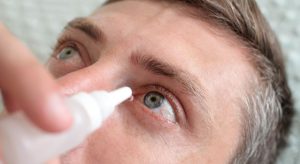
If your eyes feel irritated or red from contact lenses, these steps help restore corneal health before surgery.
- Take a proper contact lens break – Give your corneas time to return to their natural shape.
- Use lubricating drops – Hydrate your eyes consistently.
- Apply warm compresses – Improve meibomian gland function for better lubrication.
- Stay hydrated – Your tear film relies on good hydration.
- Avoid smoky or dry environments – Your cornea heals faster in a clean, hydrated environment.
- Rest your eyes – Reduce screen strain while your corneas recover.
How Surgeons Ensure Safety for Contact Lens Overwear Patients
For patients with a history of contact lens overwear, surgeons use advanced technology to thoroughly assess corneal health before proceeding with laser eye surgery. This careful evaluation ensures the cornea has returned to its natural shape and that the eyes are ready for a safe, effective procedure.
The assessment may involve corneal topography and tomography, wavefront scanning, tear film analysis, pupil size measurement, microscopic examination of the corneal surface, and a review of your lens-wearing history. By examining every detail, surgeons can personalise the treatment plan to maximise visual outcomes while minimising risk.
FAQs:
- Can people who frequently get red eyes from contact lenses have laser eye surgery?
Yes, individuals who experience red-eye episodes from contact lenses can often undergo laser eye surgery safely. The key consideration is ensuring that the cornea has fully recovered and is free from inflammation or irritation at the time of surgery. Surgeons evaluate the eye’s surface health, tear film stability, and corneal shape to determine if the eyes are ready. If mild redness or irritation is present, a brief period without contact lenses can allow the cornea to stabilise, creating a safe environment for surgery and more predictable outcomes. - How does long-term contact lens wear affect corneal health?
Wearing contact lenses for extended periods can reduce the oxygen supply to the cornea, a condition called hypoxia. Over time, this can cause corneal swelling, surface micro-abrasions, and inflammation. The epithelial layer may become fragile, leading to increased sensitivity, recurrent redness, and even changes in visual clarity. Chronic overwear can also affect tear film stability and make the cornea more prone to irritation. These effects are important to consider before laser eye surgery, as the procedure requires a healthy and stable corneal surface for optimal results. - Why is it important to stop wearing contact lenses before surgery?
Pausing contact lens wear before your consultation is crucial because lenses can temporarily alter the curvature of the cornea. If surgery is planned while the cornea is distorted, it can compromise the accuracy of measurements, which are critical for a safe and effective procedure. Most surgeons recommend a “contact lens holiday” of at least one to four weeks, depending on the lens type, to allow the cornea to return to its natural shape. This ensures that the surgical plan is based on precise measurements, which improves both safety and visual outcomes. - Are certain laser procedures better for people with a history of lens-related irritation?
Yes, the choice of procedure depends on corneal health and tear film stability. LASIK provides fast visual recovery but may temporarily increase dryness due to flap creation. SMILE tends to cause less post-operative dryness because it preserves more corneal nerves, making it a good option for eyes that are prone to irritation. LASEK or PRK avoids creating a flap entirely, allowing the surface to heal gradually, which can be beneficial for corneas that have been stressed by long-term contact lens use. Surgeons consider all these factors when recommending the safest option. - How long does it take for corneal warpage from lenses to settle?
Corneal warpage from contact lenses is usually temporary and can resolve after a proper break from lens wear. The duration varies depending on the lens type and the length of time lenses were worn. Soft lenses generally require one to two weeks off, whereas rigid gas-permeable lenses may need up to four weeks. Once the cornea returns to its natural shape, measurements taken during consultation are accurate, and the eyes are ready for surgery. This period is essential to ensure that the laser treatment is precisely tailored to the patient’s eyes. - Can past contact lens infections or inflammation prevent surgery?
Previous episodes of contact lens-related infections, such as keratitis or conjunctivitis, do not automatically disqualify someone from laser eye surgery. The crucial factor is that the eyes must be fully healed and free of active infection or inflammation. Surgeons may recommend waiting until the cornea has stabilised and any surface irritation has resolved. Ensuring that the eyes are calm and well-hydrated before surgery helps minimise risks and supports a smoother recovery process. - Does laser eye surgery make pre-existing dryness worse for long-term lens wearers?
Laser surgery can temporarily increase dryness because it affects the corneal nerves that stimulate tear production. However, this effect is usually short-term, and most patients regain pre-surgery tear function within a few weeks to months. Those with mild or moderate dryness can still be suitable candidates if pre-operative management, such as lubrication therapy and blink exercises, is implemented. Procedures like SMILE or LASEK are often preferred in patients prone to dryness because they preserve corneal nerves more effectively, reducing discomfort during recovery. - How quickly can someone transition from contact lenses to normal vision after surgery?
Recovery timelines vary depending on the procedure. LASIK patients often notice clear vision almost immediately and can return to normal activities within a few days. SMILE usually provides fast recovery with mild blur initially, improving within the first week. LASEK/PRK has a slower early phase, with vision gradually improving over the first two to four weeks and near-full clarity achieved within one to three months. In all cases, following post-operative care instructions, including hydration and avoiding strain, helps ensure a smooth transition from contact lens dependency to stable, glasses-free vision. - How do surgeons evaluate corneal health in patients with lens overwear?
Surgeons use a combination of advanced diagnostic tools to assess the cornea’s readiness for surgery. These may include corneal topography and tomography to detect warpage or irregularities, wavefront scanning for detailed optical assessment, and tear film analysis to check for dryness. They may also measure pupil size, examine the corneal surface under a microscope, and review the patient’s history of lens wear and any prior eye conditions. This comprehensive evaluation helps ensure that surgery is safe and that the cornea is in optimal condition for precise reshaping. - What steps should be taken to prepare the eyes for surgery after long-term contact lens wear?
Preparation is key for safe and effective laser eye surgery. Patients should stop wearing lenses for the recommended period, use lubricating drops regularly, apply warm compresses to improve meibomian gland function, and stay well-hydrated. Reducing screen time and avoiding smoky or dry environments helps the cornea recover faster. Resting the eyes and following any specific pre-operative instructions from the surgeon ensures that the cornea is healthy and stable, which maximises both safety and visual outcomes after surgery.
Final Thought: Considering Laser Eye Surgery After Contact Lens Overwear
If you’ve experienced discomfort, redness, or irritation from long-term contact lens wear, it’s reassuring to know that laser eye surgery can still be a safe and effective option. The key is ensuring your cornea has fully recovered and that any inflammation or surface irregularities have settled. A thorough assessment by an experienced surgeon helps determine the most suitable procedure whether LASIK, SMILE, or LASEK to minimise dryness, optimise healing, and provide predictable visual outcomes. If you’re exploring whether Laser eye surgery in London could benefit you, get in touch with us at Eye Clinic London to schedule your consultation.
References:
- Pniakowska, Z., Jurowski, P. & Wierzbowska, J., 2023. Clinical Evaluation of Corneal Biomechanics following Laser Refractive Surgery in Myopic Eyes: A Review of the Literature. https://www.mdpi.com/2077-0383/12/1/243
- Li, F., et al., 2023. In Vivo Measurement Techniques for Corneal Biomechanics: Implications for Refractive Surgery. https://www.mdpi.com/2306-5354/10/1/120
- Nair, S., Kaur, M., Sharma, N. & Titiyal, J.S., 2023. Refractive surgery and dry eye An update. Indian Journal of Ophthalmology, 71(4), pp.1105–1114. https://www.ncbi.nlm.nih.gov/pmc/articles/PMC10276666/
- Shah, R. M., 2017. Chronic dry eye in PRK and LASIK: manifestations, incidence and predictive factors. Ocular Surface. https://www.ncbi.nlm.nih.gov/pmc/articles/PMC5702539/
- Reinstein, D.Z., Archer, T.J. & Gobbe, M., 2023. Duration of contact lens removal before myopic keratorefractive surgery Impact on postoperative refractive outcomes. Journal of Refractive Surgery. https://pubmed.ncbi.nlm.nih.gov/32811175/