


LASIK Eye Surgery for Irregular Prescriptions: Can It Help?
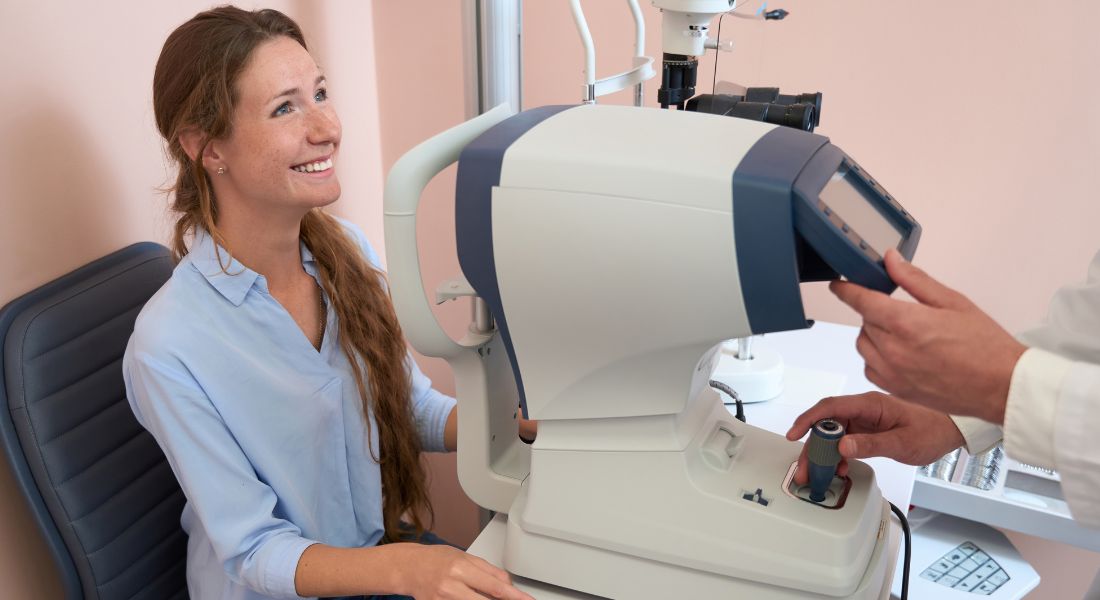
If you’ve been told that your prescription is “irregular,” “asymmetric,” or “uneven,” you might feel unsure about whether LASIK is right for you. Maybe one eye has a much higher correction than the other, or perhaps your astigmatism doesn’t follow the typical pattern. You might have been wearing glasses or contact lenses that never feel quite right. It’s completely normal to wonder whether LASIK can fix these irregularities or whether you’ll need an alternative procedure.
Many patients with irregular prescriptions assume they are automatically unsuitable for laser eye surgery but this isn’t always the case. LASIK can correct many types of unusual or asymmetric prescriptions, especially when the irregularity is optical rather than structural. However, if the surface of the cornea itself is irregular, LASIK may not be the best choice.
In this guide, I’ll walk you through the different types of irregular prescriptions, which ones LASIK can treat, which ones it cannot, and what alternatives may be safer and more effective. By the end, you’ll have a clear understanding of your options and what to expect from each one.
What Does “Irregular Prescription” Actually Mean?
The term “irregular prescription” can describe several different scenarios and doesn’t necessarily indicate a problem with your eyes. It simply means that your vision doesn’t follow the typical patterns seen in most glasses or contact lens prescriptions, making standard corrections less straightforward.
Common forms of irregularity include a large difference between eyes (anisometropia), astigmatism that is asymmetrical or rotates over time, fluctuating prescriptions, abnormal corneal curvature, corneal irregularities from contact lens wear, or irregular astigmatism caused by injury or corneal thinning. Some of these irregularities can be effectively treated with LASIK, while others may require alternative treatments. Understanding the type of irregularity you have is the essential first step in determining the most suitable correction method.
How LASIK Corrects Regular Prescriptions
LASIK is one of the most common and effective procedures for correcting standard refractive errors. By precisely reshaping the cornea, LASIK allows light to focus correctly on the retina, improving vision and reducing or eliminating the need for glasses or contact lenses.
Normally, LASIK corrects:
- Short-sightedness (myopia): This occurs when the eye focuses light in front of the retina, making distant objects appear blurry. LASIK reshapes the cornea to move the focal point onto the retina, improving distance vision.
- Long-sightedness (hyperopia): In this condition, the eye focuses light behind the retina, making close-up vision difficult. LASIK adjusts the corneal shape so that near and intermediate vision become clearer.
- Regular astigmatism (symmetrical curvature): Regular astigmatism happens when the cornea is evenly curved in one direction, causing blurred or distorted vision. LASIK can correct this by reshaping the cornea to create a more uniform curvature, improving overall visual clarity.
- Mild to moderate unevenness between eyes: Also known as anisometropia, this occurs when the prescription differs significantly between the two eyes. LASIK can balance the refractive power of both eyes, helping them work together and reducing strain or visual discomfort.
Types of Irregular Prescriptions LASIK Can Correct
LASIK can work very well for certain kinds of irregularity. If your prescription fits into one of the categories below, you may be a good candidate.
Uneven Prescriptions Between Eyes (Anisometropia) – If one eye is significantly stronger or weaker than the other, LASIK can often correct the weaker eye to achieve better visual balance between the two eyes. This correction helps the eyes work together more effectively, improving overall comfort and visual performance. Treating anisometropia with LASIK can enhance depth perception, reduce headaches and eye strain, and improve binocular vision, allowing for clearer and more coordinated sight. As long as both corneas are healthy and structurally suitable for surgery, LASIK is highly effective in addressing uneven prescriptions between eyes.
Mild to Moderate Irregular Astigmatism – Some people have astigmatism that isn’t perfectly symmetrical, yet it isn’t severe enough to indicate an underlying corneal disease like keratoconus. LASIK can often correct these mild to moderate irregularities, improving visual clarity and reducing distortion. This includes astigmatism that is slightly tilted, has mild irregular curvature, or changes slightly over time. Modern wavefront-guided and topography-guided LASIK technologies are particularly effective at smoothing these minor irregularities, allowing for sharper vision and better overall visual quality.
Prescriptions Affected by Contact Lens Warping – Long-term contact lens wear can temporarily distort the shape of the cornea, leading to an irregular prescription. Once the cornea stabilises typically after a period of discontinuing lens use for several days or weeks LASIK can be performed safely and effectively. Your surgeon may recommend a “contact lens holiday” to allow the cornea to return to its natural shape, followed by re-measurement to ensure accurate readings. LASIK is usually scheduled soon after the cornea stabilises. This type of irregularity is functional rather than structural, meaning it is often fully correctable with surgery, restoring clear and stable vision.
Age-Related Unevenness in Vision – Over time, it’s common for only one eye to experience changes in vision, resulting in uneven prescriptions between the eyes. LASIK can be used to treat the eye that has worsened, helping to restore balance and clarity. This type of age-related change often occurs when one eye becomes more short-sighted, astigmatism increases in a single eye, or the prescription drifts gradually with age. As long as the cornea remains healthy and structurally sound, LASIK can effectively correct these changes and improve overall visual comfort.
Types of Irregular Prescriptions LASIK Cannot Correct
LASIK does not correct structural abnormalities of the cornea. These require different treatments.
Keratoconus: Keratoconus is a progressive condition in which the cornea thins and gradually bulges outward, leading to distorted vision and increased sensitivity to light. LASIK is strictly unsuitable for patients with keratoconus because removing corneal tissue can further weaken the cornea, potentially worsening the bulging and leading to severe visual impairment. Other treatments, such as corneal cross-linking or specialty contact lenses, are typically recommended instead.
Pellucid Marginal Degeneration: This is another type of corneal thinning disorder, usually affecting the lower part of the cornea and causing irregular astigmatism. LASIK is unsafe for these patients because cutting and reshaping the cornea can exacerbate thinning and compromise structural integrity. Management usually involves rigid gas-permeable lenses or surgical interventions tailored to the individual’s corneal shape.
Post-LASIK Ectasia or Corneal Intability: Some patients develop ectasia, a progressive weakening and bulging of the cornea, after LASIK, or may naturally have an unstable cornea. In these cases, performing additional LASIK is not possible, as it would further reduce corneal strength and risk significant visual deterioration. Alternative approaches such as corneal cross-linking or scleral lenses are preferred to stabilise the cornea and improve vision.
Irregular Astigmatism from Scarring: Scarring caused by trauma, infections, or other injuries can create unpredictable corneal shapes, making it impossible for LASIK to reshape the cornea accurately. Attempting LASIK in such cases can worsen vision or lead to complications. Patients often achieve better outcomes with customized contact lenses, phototherapeutic keratectomy (PTK), or other specialized treatments.
Severe Corneal Surface Distortion: If the cornea is too irregular for the laser to reliably reshape it, LASIK is not advisable. Severe surface distortion can result from advanced keratoconus, scarring, or other corneal diseases. In these cases, alternative treatments like LASEK, SMILE, corneal implants, or specialized lens options offer safer and more predictable outcomes, protecting both vision and corneal health.
In all of these conditions, LASIK is generally contraindicated, and exploring other treatments provides better long-term safety and visual results.
Why LASIK Is Unsuitable for Structurally Irregular Corneas
LASIK relies on several key corneal characteristics to provide safe and predictable results. For the procedure to work effectively, the cornea must have sufficient thickness, a smooth and regular shape, stable curvature, and a predictable response to laser treatment. These factors ensure that the cornea can be reshaped safely without compromising its structural integrity or the quality of vision.
If a cornea is weak, thin, or highly asymmetric, removing tissue during LASIK can further destabilise it, potentially leading to complications such as corneal ectasia, worsening irregular astigmatism, or unpredictable changes in vision. Patients with these structural irregularities are therefore at higher risk, and LASIK may not be a safe option. This is why comprehensive preoperative testing including corneal topography, pachymetry, and other assessments is essential. These tests help your surgeon evaluate corneal health, detect subtle irregularities, and determine whether LASIK is appropriate or if an alternative procedure would provide safer, more reliable visual outcomes.
How Surgeons Assess Irregular Prescriptions Before LASIK
When dealing with irregular prescriptions, LASIK suitability becomes more nuanced, and a thorough preoperative evaluation is essential. Your surgeon will perform a detailed assessment to understand the underlying cause of your irregularity and determine whether LASIK can safely improve your vision.
This evaluation may include corneal topography to map the surface curvature, corneal tomography for a 3D view of corneal structure, and pachymetry to measure corneal thickness. Wavefront analysis helps detect higher-order optical aberrations, while tear film evaluation and corneal biomechanics assess eye surface health and structural stability. Prescription stability testing ensures that your vision is not fluctuating. These tests help distinguish whether your irregularity is primarily optical making LASIK a safe option or structural, which would make LASIK unsafe and prompt consideration of alternative treatments.
Modern LASIK Technologies That Help Irregular Prescriptions
Thanks to advancements in laser technology, LASIK can now address a wider range of visual irregularities more precisely than ever before. These innovations allow surgeons to correct subtle imperfections in both the cornea and the overall optical system, improving outcomes for patients with irregular prescriptions.
Wavefront-Guided LASIK: Wavefront-guided LASIK measures how light travels through your entire eye, capturing higher-order aberrations that traditional LASIK cannot detect. This technology can treat small irregularities in the optical system, such as slight distortions or asymmetries, resulting in sharper, clearer vision and reduced glare or halos, especially in low-light conditions.
Topography-Guided LASIK: Topography-guided LASIK focuses specifically on the detailed shape of the cornea, creating a highly precise map to guide the laser. This is particularly effective for smoothing mild irregular curvature or localized corneal bumps, improving visual clarity and quality. It also helps correct irregular astigmatism that may not be fully addressed by standard LASIK.
Customised Ablation Profiles: Customised ablation profiles allow the laser treatment to be tailored to your unique corneal shape and irregularities. By using detailed imaging and mapping data, the surgeon can create a personalised treatment plan that addresses the specific distortions in your eyes, resulting in better precision, improved visual outcomes, and a higher likelihood of achieving optimal vision.
These modern LASIK options provide far greater accuracy and predictability than traditional methods, making it possible to safely treat a wider range of irregular prescriptions while minimising the risk of postoperative complications.
When LASIK Is Suitable for Irregular Prescriptions
LASIK may be a suitable option for patients with irregular prescriptions if certain conditions are met. Your cornea must be healthy, free from thinning disorders, and structurally stable. The irregularity should be primarily optical rather than structural, meaning it stems from how light passes through the eye rather than from a compromised cornea.
Additional factors include having a stable prescription, mild to moderate astigmatism, and adequate corneal thickness to allow safe tissue reshaping. Your surgeon will confirm suitability using advanced imaging and detailed corneal mapping, ensuring that LASIK can safely provide precise visual correction and improved clarity.
When LASIK May Not Be Suitable Even for Mild Irregularity

Even if your prescription irregularity is mild, LASIK may not be recommended in certain situations. For example, if your corneal thickness is borderline, the structural integrity of your cornea could be compromised by surgery. Similarly, irregularities that suggest early keratoconus or other progressive corneal conditions make LASIK unsafe.
Other factors that may limit suitability include fluctuating prescriptions, long-term rigid contact lens warpage, dry eye that affects the accuracy of preoperative measurements, or generally unstable vision. In these cases, alternative procedures such as LASEK, SMILE, or non-surgical vision correction options may provide safer and more reliable outcomes.
Alternatives to LASIK for Irregular Prescriptions
If LASIK isn’t suitable for your eyes due to structural or optical irregularities, there are still several effective options available to improve your vision. These alternatives can often provide clear, stable eyesight while minimising the risk of complications associated with LASIK. Choosing the right approach depends on the type and severity of your irregularity, corneal health, and overall eye condition.
- LASEK / PRK: LASEK and PRK are surface laser treatments that reshape the cornea without creating a flap, making them safer options for patients with borderline or irregular corneas. By preserving more corneal tissue, these procedures reduce the risk of complications such as ectasia and are particularly suitable for thinner corneas. They are also effective at correcting mild corneal irregularities while maintaining the structural integrity of the eye, offering a reliable alternative when LASIK is not appropriate.
- SMILE (Small Incision Lenticule Extraction): SMILE is a minimally invasive laser procedure suitable for certain corneal irregularities and for patients with higher prescriptions. By using a small incision instead of creating a flap, SMILE preserves more corneal nerves and maintains structural stability. This approach also allows for a faster visual recovery, less postoperative discomfort, and a lower risk of dry eye, making it a reliable alternative when LASIK may not be ideal.
- Corneal Cross-Linking (CXL): Corneal cross-linking (CXL) is a treatment designed for patients with early keratoconus or structurally unstable corneas. The procedure strengthens the corneal tissue by creating additional bonds within the collagen fibers, helping to stabilise the cornea and prevent further bulging or progression of the disease. This makes CXL an important option for maintaining long-term corneal health and preserving vision in patients who are not suitable candidates for LASIK.
- Topography-Guided PRK with CXL: Topography-guided PRK combined with corneal cross-linking (CXL) is a specialised approach for patients with irregular or unstable corneas. The PRK component reshapes and regularises the corneal surface, improving visual clarity, while CXL strengthens the corneal tissue to prevent further progression of thinning or bulging. This combination provides both functional and structural benefits, offering long-term stability and clearer vision for patients who are not suitable candidates for LASIK.
- Implantable Collamer Lens (ICL): An Implantable Collamer Lens (ICL) is a highly effective alternative for patients who are not suitable candidates for LASIK or LASEK. It is particularly beneficial for those with very high prescriptions or irregular corneas, as it does not involve reshaping the cornea. Instead, the lens is implanted inside the eye to provide clear, stable vision, making it a safe and reversible option for correcting significant refractive errors while preserving corneal integrity.
- Specialised Contact Lenses: Specialised contact lenses, such as rigid gas-permeable or scleral lenses, offer an effective non-surgical solution for correcting irregular prescriptions. These lenses create a smooth optical surface over the cornea, compensating for irregularities and providing clear, stable vision. They are particularly useful for patients with corneal scarring, keratoconus, or other conditions that make laser surgery unsuitable, allowing excellent visual outcomes without altering the corneal structure.
What Results Can You Expect From LASIK for Irregular Prescriptions?
If you are a suitable candidate, LASIK for irregular prescriptions can provide significantly clearer vision and improved balance between the eyes. Many patients experience reduced dependence on glasses or contact lenses, sharper contrast, and smoother correction of astigmatism. When the irregularity is mild and the cornea is healthy, LASIK outcomes are often comparable to those achieved with regular prescriptions, offering precise, stable, and long-lasting visual improvement.
Will Vision Be Stable After LASIK?
Yes, vision can remain stable after LASIK, provided the cornea is healthy and the irregularity is primarily optical rather than structural. Long-term stability depends on factors such as corneal health, a stable prescription, good tear film quality, avoiding eye rubbing, and following proper postoperative care. Your surgeon will provide personalised guidance to help maintain optimal results and ensure your vision remains clear and stable over time.
Frequently Asked Questions:
- Can LASIK correct all types of irregular prescriptions?
Not all irregular prescriptions are suitable for LASIK correction. LASIK works best when the irregularity is optical rather than structural, meaning it stems from how light passes through the eye rather than from a corneal abnormality. For example, mild to moderate anisometropia, minor asymmetrical astigmatism, or irregularity caused by long-term contact lens wear can often be corrected. However, conditions such as keratoconus, severe corneal scarring, or other structural corneal abnormalities generally make LASIK unsuitable, as removing corneal tissue in these cases can worsen vision or compromise the cornea’s integrity. Understanding the underlying cause of your irregular prescription is therefore essential before considering LASIK. - How do surgeons determine if my irregular prescription can be treated with LASIK?
Surgeons use a combination of advanced imaging and diagnostic tests to assess whether LASIK is safe and effective for irregular prescriptions. Corneal topography and tomography map the curvature and thickness of the cornea, while pachymetry measures corneal depth. Wavefront analysis evaluates higher-order optical aberrations, and tear film assessment ensures the eye surface is healthy. Additionally, prescription stability testing confirms that your vision is not fluctuating. By combining these assessments, the surgeon can distinguish between optical irregularities that LASIK can safely correct and structural irregularities that may require alternative treatments. - How long does recovery take after LASIK for irregular prescriptions?
Recovery after LASIK for irregular prescriptions is generally similar to standard LASIK, though the exact timeline can vary depending on the severity of the irregularity and the complexity of the procedure. In the first few days, patients may experience mild dryness, blurred vision, and light sensitivity, which typically improves within one to two weeks. Visual clarity continues to improve over the next several weeks as the cornea stabilises and the eye heals fully. Most patients notice significant improvements within a month, with vision usually stabilising around three to six months post-surgery, provided there are no underlying structural concerns. - Are the results of LASIK permanent for irregular prescriptions?
For patients with healthy corneas and optical irregularities, LASIK results are considered long-lasting and stable. The procedure reshapes the cornea permanently, allowing light to focus correctly on the retina. However, long-term stability also depends on factors such as maintaining overall eye health, avoiding trauma or excessive eye rubbing, and monitoring for conditions like dry eye that could affect vision. Some age-related changes in the lens or natural progression of eye conditions may alter vision over time, but these changes are generally independent of the LASIK procedure itself. - Can people with mild keratoconus ever have LASIK?
LASIK is generally contraindicated for keratoconus, even in mild cases, because the procedure removes corneal tissue and can exacerbate the cornea’s thinning and bulging. For patients with mild keratoconus, safer alternatives such as corneal cross-linking, specialised contact lenses, or topography-guided PRK with CXL are often recommended. These treatments stabilise the cornea, improve vision, and reduce the risk of progression, making them a safer long-term option compared with LASIK. - Is there a risk of vision worsening after LASIK for irregular prescriptions?
If the cornea is structurally sound and the irregularity is optical, the risk of vision worsening after LASIK is low. Modern technologies like wavefront-guided and topography-guided LASIK help minimise risks by precisely reshaping the cornea based on detailed maps and measurements. However, if LASIK is performed on a structurally compromised cornea, there is a risk of complications such as ectasia, irregular astigmatism, or fluctuating vision. This is why thorough preoperative evaluation is critical to ensure safe and predictable results. - How does LASIK improve irregular astigmatism?
For mild to moderate irregular astigmatism, LASIK works by reshaping the cornea to create a smoother, more uniform curvature. Modern techniques, including wavefront-guided and topography-guided LASIK, allow surgeons to target subtle irregularities that traditional LASIK cannot correct. The procedure reduces distortion, improves contrast, and enhances overall visual clarity. Patients typically notice sharper vision, reduced ghosting or blurring, and more consistent focus between the eyes once healing is complete. - Can LASIK fix irregular prescriptions caused by long-term contact lens wear?
Yes, LASIK can often correct irregular prescriptions caused by long-term contact lens use, provided the cornea has stabilised. Long-term lens wear can temporarily warp the cornea, creating uneven prescriptions. Surgeons usually recommend a “contact lens holiday” of several days or weeks before measurements are taken to ensure the cornea returns to its natural shape. Once stabilised, LASIK can safely reshape the cornea to provide clearer and more consistent vision. - What are the alternatives if LASIK isn’t suitable for my irregular prescription?
If LASIK is not suitable due to structural irregularities, several alternatives can provide excellent visual outcomes. LASEK or PRK can reshape the cornea without creating a flap, making them safer for thinner or irregular corneas. SMILE is another minimally invasive option that preserves corneal stability. Corneal cross-linking, sometimes combined with topography-guided PRK, strengthens unstable corneas and improves surface regularity. Implantable collamer lenses offer a non-ablative solution for high prescriptions or irregular corneas, while specialised contact lenses can correct vision without surgery. - How can I maintain vision stability after LASIK for irregular prescriptions?
Maintaining long-term vision stability after LASIK requires following your surgeon’s postoperative care instructions carefully. This includes protecting the eyes from trauma, avoiding excessive rubbing, using prescribed lubricating drops if needed, and attending follow-up appointments. Managing overall eye health, including controlling dry eye, monitoring prescription changes, and maintaining regular eye exams, also contributes to sustained visual clarity. With proper care, most patients enjoy stable, high-quality vision for many years after the procedure.
Final Thought: Is LASIK Right for You?
LASIK can be an excellent solution for many patients with irregular prescriptions, particularly when the irregularity is optical rather than structural. However, it’s not suitable for everyone, especially those with corneal thinning, scarring, or progressive conditions like keratoconus. Understanding the type of irregularity, undergoing a thorough preoperative assessment, and exploring modern LASIK technologies or alternative treatments are essential steps to achieving the best visual outcome.
If you’re considering Lasik surgery in London and want to know if it’s the right option for your eyes, you’re welcome to reach out to us at Eye Clinic London to book a consultation. Our experts can evaluate your prescription, discuss alternatives if needed, and guide you toward the safest and most effective treatment for clear, stable vision.
References:
- Kang, E. M., Ryu, I. H., Lee, I. S., Kim, J. K., Kim, S. W. & Ji, Y. W. (2022) ‘Comparison of Corneal Higher‑Order Aberrations Following Topography‑Guided LASIK and SMILE for Myopic Correction: A Propensity Score Matching Analysis’, Journal of Clinical Medicine, 11(20), p. 6171 https://www.mdpi.com/2077-0383/11/20/6171
- Hashem, O. & Sheha, H. (2022) ‘Ten‑Year Outcomes of LASIK for Pediatric Myopic Anisometropia’, Clinical Ophthalmology, 16, pp. 4293–4301. https://pmc.ncbi.nlm.nih.gov/articles/PMC9792104/
- Study by authors (2004) ‘Topography‑guided ablation for the treatment of irregular astigmatism’, Journal of Refractive Surgery (case series of 60 eyes). https://www.sciencedirect.com/science/article/pii/S2452403417300158
- Alió, J.L., Plaza‑Puche, A.B. & Fernandez, P. (2004) ‘Astigmatism and LASIK’, American Journal of Ophthalmology, 137(5), pp. 806–811. https://pubmed.ncbi.nlm.nih.gov/12165710/
- Corneal topography and LASIK’ (2003) evaluated 114 myopic eyes, showing topographic pattern strongly influences postoperative quality of vision. https://pubmed.ncbi.nlm.nih.gov/12825400/