

When Can You Drive After LASEK Eye Surgery?
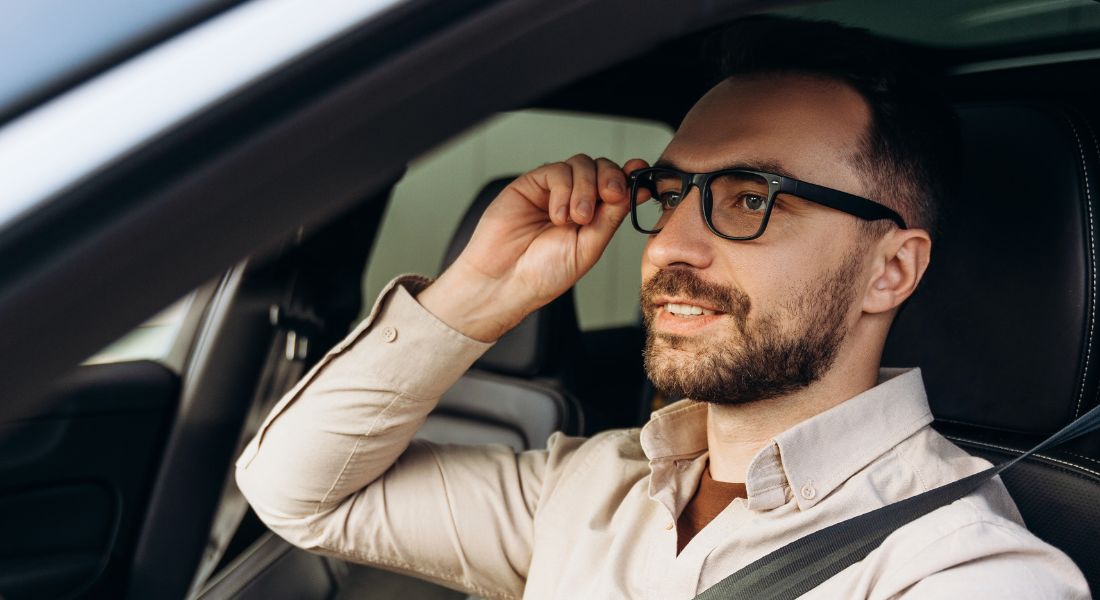
If you’re preparing for LASEK eye surgery, you may be excited about the possibility of waking up with clearer vision, but you may also have practical concerns. One of the biggest questions people ask is very simple: When can I drive again? Driving is essential for daily life, whether you’re commuting to work, taking your children to school, or simply running errands. Being away from the road for too long can be frustrating, so it’s understandable that you want a realistic timeline.
However, safe driving requires sharp vision, good contrast sensitivity, and clear night-time sight. After LASEK, your cornea needs time to heal, your vision fluctuates, and you may be sensitive to light. All of this affects when you can legally and safely get back behind the wheel.
In this comprehensive guide, I’ll walk you through the typical timelines, DVLA standards, what your surgeon checks before clearing you, and what signs tell you that you’re ready. You’ll learn exactly what to expect so you can plan your return to driving confidently and safely.
Understanding What Happens in Your Eyes After LASEK
Before considering when it’s safe to drive after LASEK, it’s important to understand what happens to your eyes during and after the procedure. LASEK is a surface laser treatment in which the epithelium the thin, outer layer of the cornea is gently loosened and lifted so the laser can reshape the underlying corneal tissue. This allows the laser to correct refractive errors while preserving the delicate surface of the eye.
After surgery, the epithelium needs time to heal and regenerate, and this recovery process can cause fluctuating vision, increased sensitivity to light, and temporary haziness. Common early symptoms include blurry vision, light sensitivity, watery eyes, mild discomfort, fluctuations in vision throughout the day, and haze or glare in bright light. Because of these effects, driving is unsafe during the early days after LASEK, even if your vision feels slightly clearer at times.
Typical Timelines for Driving After LASEK
Recovery after LASEK varies for each individual, so driving timelines depend on how quickly your eyes heal and how well your vision stabilises. The following is a general guide based on typical experiences, but your surgeon’s advice should always take precedence.
- First 24–48 hours: During the initial day or two, your vision will be significantly blurred, and your eyes may feel sore, watery, or gritty. It is essential not to drive during this period, as visual clarity and reaction times are greatly reduced. Most patients need to rest at home, use prescribed eye drops, and avoid strenuous activities.
- Days 3–5: By the third day, the epithelium the surface layer of the cornea is gradually healing. Some improvement in vision is common, but the surface is still irregular. Driving is still unsafe, as fluctuating vision can make depth perception, reading road signs, and reacting to hazards challenging. Patients may also experience sensitivity to light or mild glare.
- Day 5–7 (first check-up): Most surgeons schedule a follow-up appointment around this time. Your eye health and visual acuity are evaluated to determine how well your eyes are healing. Some patients may begin to meet the DVLA visual standards, but you should not drive without a formal examination confirming that your vision meets legal requirements.
- Days 7–14: This is the period when most LASEK patients are cleared to resume driving. Visual acuity and contrast sensitivity usually reach the minimum standards for legal driving. However, it’s common to still experience mild fluctuations, such as temporary blur, halos around lights, or glare, particularly at night. Surgeons may provide personalised advice based on how well your vision stabilises.
- Week 2–6: Even after being cleared to drive, your vision continues to stabilise over the next several weeks. Night-time glare, halos, or sensitivity to bright light may persist but gradually improve. Routine follow-ups during this period help monitor recovery and ensure no complications arise.
Summary:
While most people can return to driving between 7 and 14 days after LASEK, recovery varies. Factors such as age, pre-existing vision conditions, and adherence to post-operative care can influence timelines. Your surgeon’s clearance is essential, and it’s important to prioritise safety over speed when resuming driving.
Your Surgeon Must Clear You Before You Drive
Even if you feel that your vision is “good enough,” it is important to understand that you cannot legally return to driving until your surgeon has given explicit clearance. This involves a thorough assessment to ensure that your vision meets the DVLA standards, that your cornea has healed properly after surgery, and that your contrast sensitivity is adequate for daily tasks. Additionally, if you plan to drive at night, your surgeon must confirm that your eyes are safe for night-time driving, as the demands on vision in low-light conditions are higher.
Every patient’s eyes heal at a different rate, and relying on your own judgment to determine if your vision is sufficient can be risky. Self-assessing your eyesight after surgery is both unsafe and unreliable, potentially putting you and others on the road in danger. Only a professional evaluation by your surgeon can confirm that it is safe for you to resume driving.
DVLA Vision Rules You Must Meet Before Driving
In the UK, the DVLA sets strict eyesight standards to ensure safe driving. After LASEK surgery, you must meet these rules without relying on temporary glasses or contact lenses. This includes being able to read a number plate at 20 metres (with corrective lenses if you normally use them), achieving at least 6/12 vision on a Snellen chart in both eyes together, having adequate peripheral vision, and maintaining sufficient contrast sensitivity.
Most patients meet these vision requirements within the first two weeks after LASEK, but some may take a little longer for their eyes to fully stabilise. It’s important to follow your surgeon’s advice and ensure your vision meets these standards before getting back behind the wheel.
Why Vision Can Still Feel “Strange” Even When You Meet DVLA Standards
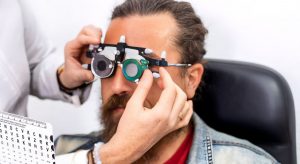
Even if your vision meets DVLA standards, it doesn’t necessarily mean that your eyesight is fully stable or that you’ll feel completely comfortable while driving. After LASEK surgery, your eyes are still in the healing phase, and it’s common to experience a range of temporary visual disturbances.
Some of the issues you might notice include:
- Fluctuating clarity: Your vision may seem clear one moment and slightly blurry the next, especially during the day as your eyes adjust.
- Dryness: Your eyes can feel dry, gritty, or irritated, which may affect focus and comfort, particularly during long drives.
- Glare around lights: Streetlights, headlights, or other bright sources may appear to have halos or a glowing effect, making night driving more challenging.
- Slight ghosting: You may notice faint double images or shadows, particularly when looking at high-contrast objects.
- Reduced night-time sharpness: Low-light vision may not be fully restored yet, making it harder to see fine details in the dark.
These symptoms are generally normal and tend to improve gradually over the first few weeks after surgery. Even if your surgeon has cleared you for driving, it’s important to take your own comfort and confidence into account, especially before attempting longer journeys or night-time driving.
Daytime vs Night-Time Driving After LASEK
Many patients feel comfortable driving during the day long before they are ready for night-time driving. Most people regain safe daytime vision within 1–2 weeks after LASEK, allowing them to drive confidently in normal daylight conditions. Night-time driving, however, can take longer to feel comfortable. You may notice halos around headlights, starbursts, increased glare, difficulty judging distances, and lower contrast sensitivity. These night-time symptoms usually improve gradually over 4–8 weeks after surgery. Until your night vision feels fully reliable and comfortable, it’s important to avoid driving after dark.
Common Factors That Influence When You Can Drive Again
Several factors can affect how quickly your vision stabilises after LASEK surgery, and understanding them can help you set realistic expectations for returning to driving safely.
Your Prescription Strength: Patients with higher prescriptions may experience slower visual recovery. Stronger corrections require more corneal reshaping, which can take longer to stabilise and result in temporary fluctuations in clarity.
Dry Eye: Dryness is a common post-LASEK issue. Eyes that feel dry or gritty can cause unpredictable blurring, making driving uncomfortable or unsafe, especially during longer journeys.
Corneal Healing Speed: Healing rates vary from person to person. Some individuals naturally recover faster, while others may take longer for their cornea to fully stabilise, which can affect both daytime and night-time vision.
Sensitivity to Light: After surgery, your eyes may be more sensitive to bright light, glare, or sunlight. If light causes discomfort or temporary visual disturbances, driving particularly during the day can be unsafe until your eyes adjust.
How Strictly You Follow Aftercare Instructions: Following your surgeon’s aftercare advice, including using prescribed eye drops, keeping your eyes lubricated, and protecting them from UV exposure, can significantly speed up recovery. Neglecting aftercare may prolong healing and delay your ability to drive safely.
Being aware of these factors helps you understand why some people resume driving sooner than others and highlights the importance of listening to your own comfort levels, not just your vision test results.
Your First Post-LASEK Appointment: What Your Surgeon Checks
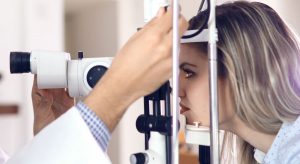
Your first post-LASEK check-up is a crucial step in your recovery, as it allows your surgeon to assess how well your eyes are healing and whether it is safe for you to resume normal activities, including driving. During this appointment, your surgeon will carefully evaluate several key aspects of your vision and corneal health.
They typically check:
- Corneal surface healing: Ensuring that the epithelium has fully regenerated and the surface is smooth.
- Visual acuity: Measuring how clearly you can see at various distances to confirm that your sight is recovering properly.
- Contrast sensitivity: Assessing your ability to distinguish subtle differences in light and dark, which is essential for safe driving, especially at night.
- Presence of haze: Detecting any cloudiness or scarring that could affect vision quality.
- Inflammation: Checking for signs of redness, swelling, or infection that could impede recovery.
- Dryness: Ensuring your eyes are properly lubricated, as dryness can temporarily blur vision and cause discomfort.
- Light sensitivity: Evaluating how your eyes respond to bright light, glare, and sunlight.
Your surgeon will only clear you to drive if all these factors are within safe limits. Even if your vision feels normal, any lingering irregularities can affect depth perception, reaction times, and overall safety on the road. This check-up is not just a routine formality it is essential to protect your vision and ensure you return to driving confidently and safely.
What If You Don’t Meet the Vision Requirement at Your Check-Up?
If you don’t meet the vision requirements at your post-LASEK check-up, it can be due to several common factors, such as having a higher prescription before surgery, slower-than-average corneal healing, eye dryness, or the presence of early haze on the cornea. These issues are usually temporary and do not indicate any serious problem with your eyes or the surgery itself. Often, your vision simply needs a few more days to settle as your cornea continues to heal and your visual acuity improves. Most patients who initially fall short of the driving standards are able to meet the legal and functional requirements within a week of their check-up, but it’s important to follow your surgeon’s guidance and avoid driving until you are formally cleared to ensure both your safety and the safety of others on the road.
Tips for Driving Safely After You’re Cleared
Even once your surgeon confirms that you’re ready to drive, it’s important to approach the transition cautiously and gradually. Start with short, local journeys to rebuild confidence and avoid motorways or long trips until your vision feels completely stable. In the first few weeks, it’s wise to avoid driving at night, as glare and halos can still be distracting even if your eyesight meets legal standards. Keep lubricating eye drops on hand, since dryness can suddenly blur vision and make driving uncomfortable. Similarly, try to reduce the use of car air vents, which can exacerbate dryness, and wear sunglasses during daylight hours to protect your eyes, reduce squinting, and improve overall comfort.
In addition, avoid rush-hour or heavy traffic initially, as these situations demand sharper visual acuity and faster reaction times. Most importantly, don’t drive if you feel even slightly unsure comfort and confidence behind the wheel are just as crucial as meeting legal vision standards. Prioritising these precautions helps ensure your safety and the safety of everyone on the road as your eyes continue to recover fully.
Frequently Asked Questions:
- How soon after LASEK surgery can I start driving?
The timeline for resuming driving after LASEK varies significantly between patients. Your cornea needs time to heal, and your vision may fluctuate during the first days to weeks after surgery. Most people regain the ability to meet the DVLA standards between 7 and 14 days, but it is essential to wait for your surgeon’s formal clearance before getting behind the wheel to ensure safety and compliance with the law. - What factors affect when I can drive again?
Several elements influence your recovery and the timeline for safe driving. Patients with higher prescriptions may experience slower visual stabilisation, while dry eyes, early corneal haze, or increased sensitivity to light can temporarily affect vision clarity. Your adherence to post-operative care, including using prescribed eye drops and protecting your eyes from UV exposure, can also impact how quickly your eyesight stabilises. - Can I drive during the first week if I feel my vision is clear?
Even if your vision feels reasonably clear, driving is unsafe in the first week following LASEK. Your corneal surface is still healing, and vision may fluctuate throughout the day. Depth perception, glare tolerance, and contrast sensitivity can all be temporarily impaired, so relying on subjective comfort is not enough to ensure safe driving. Only a professional assessment by your surgeon can confirm readiness. - What does my surgeon check before allowing me to drive?
At your first post-operative appointment, your surgeon evaluates multiple aspects of your eye health, including corneal surface healing, visual acuity, contrast sensitivity, the presence of haze, inflammation, dryness, and light sensitivity. Clearance to drive is only given when all these factors are within safe limits, ensuring both legal compliance and practical safety for daytime and night-time driving. - Is night driving more difficult after LASEK?
Yes, night driving can be more challenging initially. Even when your visual acuity meets legal standards, you may notice halos, glare from headlights, starbursts, or reduced contrast sensitivity. These symptoms usually improve gradually over several weeks, and it is advisable to avoid night-time driving until you feel confident and comfortable with your vision in low-light conditions. - Can I use lubricating drops to improve my driving vision?
Lubricating drops can help manage dryness, which is a common post-LASEK symptom that can temporarily blur vision. While drops may improve comfort and clarity, they do not replace the need for your surgeon’s clearance. It is important to continue using drops as prescribed and follow other aftercare instructions to support overall recovery. - What happens if I don’t meet the driving standards at my first check-up?
If your vision does not meet the required standards during your initial post-operative assessment, it is usually due to temporary factors like slow corneal healing, dryness, early haze, or fluctuations in visual acuity. This is generally not a cause for concern, and most patients achieve the necessary vision within a few days to a week. Continuing your prescribed care routine and monitoring your eyes under your surgeon’s guidance ensures safe progression. - How can I gradually transition back to driving safely?
Even after clearance, it is best to ease back into driving gradually. Start with short, familiar routes and avoid high-traffic areas or motorways until you feel fully confident. Daytime driving is generally easier than night-time driving, and you should continue using sunglasses in bright light, keep lubricating drops handy, and avoid air vents that could dry your eyes. Prioritising comfort and confidence is as important as meeting legal vision requirements. - Are there long-term changes I should expect in my vision after LASEK?
While LASEK provides long-lasting vision correction, some temporary fluctuations, light sensitivity, or glare may persist for a few weeks. Most patients achieve stable vision within a month, but minor changes like dryness or night-time halos can occasionally occur. Regular follow-ups with your surgeon help monitor these changes and ensure your eyes remain healthy and safe for activities like driving. - How do I know when it’s completely safe to drive at night?
Complete safety for night driving is achieved when your eyes have fully stabilised and you feel confident in low-light conditions. Even if your visual acuity meets DVLA standards, it’s normal to experience halos or glare early on. You should only resume night driving once these issues have diminished, your contrast sensitivity is reliable, and your surgeon has confirmed that your eyes are ready for all driving conditions.
Final Thought: Driving After LASEK Surgery
Returning to driving after LASEK surgery requires patience, careful monitoring, and guidance from your surgeon. While most patients regain the ability to drive safely within 1–2 weeks, each person’s recovery timeline is unique, and your eyes may continue to stabilise over several weeks. Paying attention to your comfort, avoiding night driving until fully confident, and following post-operative care instructions are essential for a smooth and safe transition back to the road. If you’d like to find out whether Lasek surgery in London is suitable for you, feel free to contact us at Eye Clinic London to arrange a consultation.
References:
- Castro‑Luna, G., Jiménez‑Rodríguez, D., Pérez‑Rueda, A. & Alaskar‑Alani, H. (2020) ‘Long Term Follow‑Up Safety and Effectiveness of Myopia Refractive Surgery’, International Journal of Environmental Research and Public Health, 17, 8729. https://www.mdpi.com/1660-4601/17/23/8729
- Yahalomi, T. et al. (2023) ‘Dry Eye Disease following LASIK, PRK, and LASEK’, Journal of Clinical Medicine, 12(11), 3761. https://www.mdpi.com/2077-0383/12/11/3761
- Lim, S.A., Park, Y., Cheong, Y.J., & Joo, C.-K. (2016) ‘Factors Affecting Long-term Myopic Regression after Laser In Situ Keratomileusis and Laser‑assisted Subepithelial Keratectomy for Moderate Myopia’, Clinical & Experimental Ophthalmology. https://pmc.ncbi.nlm.nih.gov/articles/PMC4820531/
- Spadea, L. et al. (2015) ‘Long term results of no‑alcohol laser epithelial keratomileusis and photorefractive keratectomy for myopia’, Journal of Ophthalmology, 2015, 60‑month follow-up. https://pmc.ncbi.nlm.nih.gov/articles/PMC4458666/
- Abad, J.C. et al. (2004) ‘Evolution, techniques, clinical outcomes, and pathophysiology of LASEK: review of the literature’, Survey of Ophthalmology, 49(6), pp. 509–530. https://www.sciencedirect.com/science/article/abs/pii/S0039625704001353