


LASEK vs PRK Surgery: Which Is Better for Your Eyes?
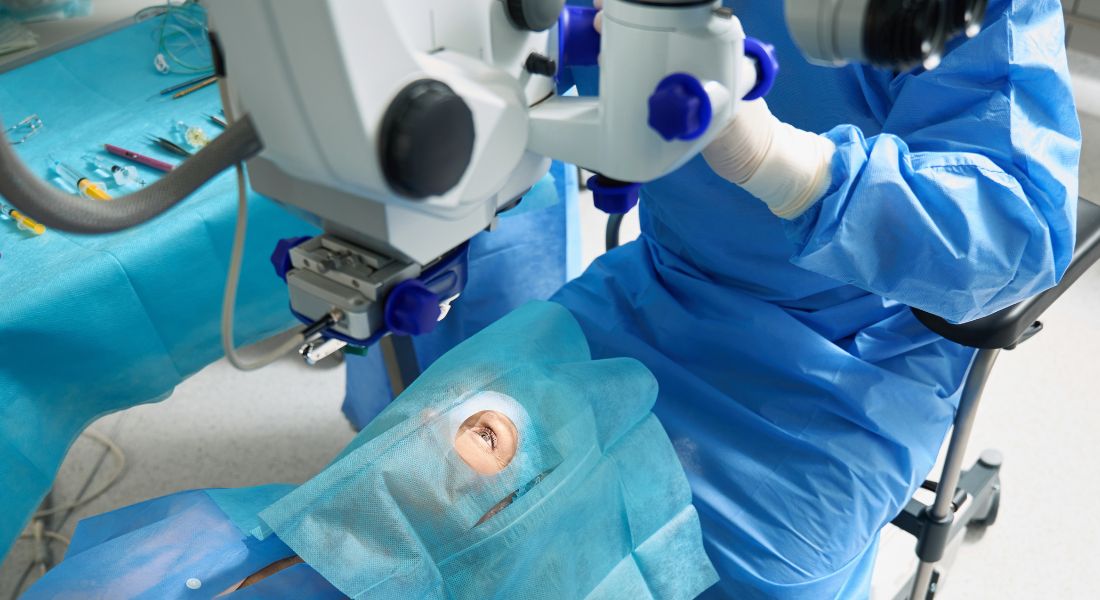
If you’ve been researching laser eye surgery, you’ve probably come across two procedures that seem incredibly similar at first glance: LASEK and PRK. Both fall under the category of surface laser treatments, they both reshape the cornea using advanced laser technology, and they both help you reduce or eliminate the need for glasses or contact lenses. But despite these similarities, they are not identical. Each has its own technique, healing pattern, comfort level, and suitability depending on your eyes and lifestyle.
If you’re trying to understand which procedure is better for you, the amount of conflicting information online can feel overwhelming. You might have heard that PRK has a longer recovery time, that LASEK is more comfortable, or that one is better for thin corneas than the other. You may also be wondering why some people are recommended LASEK instead of LASIK, or why others are advised to avoid flap-based treatments entirely.
In this guide, I want to make everything clear and simple for you. I’ll walk you through the differences between LASEK and PRK, what the procedures involve, how they feel, how long recovery takes, and who benefits most from each one. By the end, you’ll have a solid understanding of both surgeries and feel confident about which one fits your eyes, lifestyle, and expectations.
Understanding Surface Laser Surgery
Before comparing LASEK and PRK directly, it helps to understand how surface laser treatments differ from LASIK. Unlike LASIK, which involves creating a flap in the cornea, surface procedures work on the outermost layer without making any flap. The surgeon removes or loosens the surface epithelium before reshaping the cornea with an excimer laser. Because the epithelium regenerates naturally after treatment, surface laser surgeries generally have a slightly longer recovery period and more sensitivity in the first few days. However, they offer reduced risk of flap-related complications and excellent long-term stability, making them ideal for people with thinner corneas, dry eyes, or active lifestyles where flap injuries could be a concern.
What Is PRK?
PRK (Photorefractive Keratectomy) is the oldest and most established form of surface laser surgery. In PRK, the epithelium is gently removed completely before applying the excimer laser to reshape the cornea. The surface cells then grow back over several days.
Surgeons have performed PRK for more than three decades, and the technique has evolved significantly since the early 1990s. Today, PRK is far more comfortable, safer, and more predictable thanks to improved lasers, smoother ablation profiles, and advanced aftercare.
PRK remains a trusted option for people who may not be ideal candidates for LASIK. It is also preferred in certain cases where a flap would be unsuitable, such as irregular corneas, thin corneas, or occupations that involve physical impact.
What Is LASEK?
LASEK (Laser-Assisted Subepithelial Keratectomy) was developed later as a modification of PRK. Instead of removing the epithelium completely, LASEK loosens it using a mild alcohol solution and gently moves it aside as a thin sheet. After the laser reshapes the cornea, the surgeon repositions this sheet over the treated area to act as a biological bandage.
The idea behind LASEK is to preserve more of the eye’s natural tissue, reduce early discomfort, and protect the healing surface. Although the repositioned epithelium eventually sloughs off as new cells grow, it still provides temporary coverage that some patients find beneficial in the early healing phase.
LASEK is often chosen for the same reasons as PRK: thin corneas, dry eyes, or lifestyle risks. Many clinics now use LASEK as their preferred surface technique because of its blend of safety and comfort.
How the Two Procedures Differ
Although LASEK and PRK share many similarities, the key difference lies in how the epithelium is handled. This difference can affect the early healing experience, comfort, and the way your eyes adjust in the first few days after surgery. Understanding these distinctions can help you choose the procedure that best suits your lifestyle, eye health, and recovery expectations.
PRK: The Epithelium Is Removed Completely
In PRK, the surface cells are removed and discarded. Your eye regenerates new epithelial cells naturally over the next few days. This approach allows for direct access to the corneal tissue with no flap involved, which can be advantageous for long-term corneal stability. The benefits include a clean and predictable treatment surface, a long history of clinical success, and excellent outcomes once healing is complete. The drawback is that the first few days can feel more uncomfortable because the surface is exposed until the new epithelium grows, and vision may fluctuate during this initial period as the eye heals.
LASEK: The Epithelium Is Preserved and Repositioned
In LASEK, the surgeon loosens the epithelium but keeps it intact as a thin sheet. After the laser treatment, this layer is placed back over the eye. While it doesn’t necessarily re-adhere long-term, it serves as a temporary protective covering that can make the early healing process more comfortable. The advantages include potentially less discomfort in the first few days, a smoother early healing phase, and additional protection for the underlying corneal tissue. The main downside is that the repositioned epithelial sheet may not provide significant long-term benefit, as the body eventually replaces it with new cells, and vision may still fluctuate slightly during the initial recovery period.
Comfort and Early Healing: Which Procedure Feels Easier?
If comfort matters to you, it’s natural to wonder which procedure feels gentler in the first few days. LASEK preserves a thin layer of epithelium, acting like a natural bandage and often causing less irritation than PRK, which removes this layer completely. Some stinging, dryness, or a foreign-body sensation is normal with both procedures, but symptoms usually improve within a few days. Using lubricating drops, sunglasses, and following aftercare instructions can make the early recovery more comfortable.
Pain and Discomfort: With PRK, the first two to four days can be more uncomfortable because the surface is exposed as new cells regenerate. It may feel gritty, stingy, or sore. With LASEK, some people report slightly less discomfort early on. The repositioned epithelial layer and a bandage contact lens work together to protect the treated area. However, the level of discomfort varies widely between individuals, and modern pain-relief strategies make both procedures manageable.
Visual Clarity in the First Week: PRK often has more fluctuating or delayed visual recovery in the first few days because the epithelium regenerates completely. LASEK may offer slightly steadier vision early on, although the difference is typically small. Neither procedure offers immediate crisp vision like LASIK, but both lead to excellent results within weeks.
Long-Term Vision Results: Are They the Same?
This is one of the most important questions. You may be wondering whether choosing one procedure over the other affects your long-term clarity.
LASEK and PRK offer equally excellent long-term visual outcomes.
LASEK and PRK offer equally excellent long-term visual outcomes. Over time, there is almost no difference in how well patients see with either procedure. Both treatments provide high accuracy, stable vision, and long-lasting results, with low rates of complications. Most patients achieve 20/20 vision or better, provided they were suitable candidates to begin with.
Which is more predictable long-term?
Both are extremely predictable today, thanks to advanced scanning technology and improved laser profiles that minimise irregularities. The long-term stability is one of the reasons surface laser surgery continues to be recommended for patients with thinner corneas or those at risk of corneal instability.
Recovery Timeline: What to Expect with Each Procedure
Understanding the healing timeline can help you plan daily tasks, work, and activities more effectively. Being aware of what to expect at each stage also helps reduce anxiety and allows you to follow aftercare instructions more confidently for a smoother recovery.
PRK Recovery Timeline: In the first few days after PRK, typically between days one and four, most patients experience the most discomfort along with blurry or occasionally double vision and sensitivity to light. A bandage contact lens is usually in place to protect the eye during this period. By days five to seven, the new epithelium begins to form, discomfort decreases, and vision starts to improve. Over the following two to six weeks, vision becomes clearer, dryness begins to improve, and night-time sensitivity gradually reduces. By two to three months, the majority of patients reach full visual clarity, and their vision stabilises.
LASEK Recovery Timeline: During the first three days after LASEK, patients generally experience mild to moderate discomfort, blurriness, and light sensitivity, while the protective epithelial layer and bandage contact lens support healing. Between days four and seven, comfort begins to improve, although some fluctuations in vision may continue. By weeks two to four, vision becomes noticeably clearer, making most daily activities easier. At around two to three months, sharpness and visual stability reach their peak.
Overall, LASEK may offer a slightly quicker early recovery compared with PRK, but in the long term, both procedures follow nearly identical timelines for achieving stable, clear vision.
Suitability: Which Procedure Fits You Better?
Your suitability depends on more than comfort alone. Here are the factors that play the biggest role.
Corneal Thickness: If you have thin corneas, both LASEK and PRK are safer than LASIK. Surface treatments preserve more structural tissue because they avoid flap creation. This preservation helps maintain corneal strength and reduces the risk of long-term complications.
Lifestyle or Occupation: If you participate in activities such as martial arts, boxing, rugby, military training, or any work that carries a risk of physical impact, surface laser surgeries are often recommended. These procedures are preferred because they do not create a corneal flap, eliminating the risk of flap displacement and providing a safer option for individuals with active or high-impact lifestyles.
Dry Eyes: If you already experience dryness, both PRK and LASEK may be more suitable than flap-based treatments, as surface procedures reduce the risk of worsening dryness over the long term. Because these procedures avoid creating a corneal flap, they place less stress on the tear-producing nerves, which can help maintain better eye lubrication during recovery. Patients with pre-existing dry eye conditions often find these surface treatments more comfortable in the weeks following surgery.
Corneal Shape or Irregularities: For patients with mild corneal irregularities, PRK is often recommended because it provides a clean, even surface for precise laser treatment, helping to optimise visual outcomes. By removing the epithelium completely, PRK allows the surgeon to work directly on the corneal tissue, which can lead to more predictable results. This approach is particularly beneficial for achieving sharper vision in eyes with subtle surface irregularities.
Personal Healing Pattern: Everyone’s eyes heal at a slightly different pace, and individual responses can influence which procedure is more suitable. Surgeons sometimes prefer PRK for patients who tend to regenerate their epithelium quickly, as this can lead to a smoother overall recovery.
Which Procedure Is More Popular Today?
The choice between LASEK and PRK can vary by clinic. Some surgeons perform more PRK, while others prefer LASEK. In many modern practices, LASEK has become the favoured surface technique because of its balance between comfort and safety.
Why LASEK Is Often Recommended: LASEK is frequently suggested because it can offer a slightly smoother early recovery compared with other surface procedures. The protective epithelial layer placed over the cornea helps shield the eye during the first few days, reducing irritation and promoting comfort. Patients often experience lower levels of early discomfort, making the initial healing phase more manageable. Despite these short-term advantages, LASEK delivers predictable, stable long-term results, making it a reliable choice for many candidates.
Why Some Surgeons Still Rely on PRK: PRK remains a trusted option for many surgeons due to its simpler technique and a proven track record spanning over 30 years. It provides clear, direct access to the corneal surface, allowing for precise treatment, and consistently delivers excellent visual outcomes. Ultimately, both PRK and LASEK are highly reliable procedures, with long-term results that are comparable and predictable.
Comparing Risks and Side Effects
Although both LASEK and PRK are generally considered safe and effective, it’s still important to be aware of the potential risks and side effects. Understanding what to expect can help you feel more prepared, manage your recovery, and know when to seek advice from your eye care professional. Being informed also allows you to make a confident decision about which procedure is best suited to your eyes and lifestyle.
Common Effects Shared by Both Procedures: During the early recovery period, it’s normal to experience blurry vision, light sensitivity, dryness, fluctuating vision, mild discomfort, or halos and glare around lights. These symptoms reflect the natural healing process of the cornea and usually improve gradually over the course of several weeks to a few months. Most patients find that these effects are temporary and manageable with proper care and follow-up.
Less Common Effects: Some patients may experience delayed epithelial healing, temporary corneal haze, excessive tearing, or redness during recovery. While these effects are less frequent, they are closely monitored during follow-up visits to ensure proper healing and to address any issues promptly.
Rare Complications: Although uncommon, some patients may experience rare complications such as infection, significant corneal haze, over-correction or under-correction of vision, or regression of their prescription. Thanks to modern technology and careful post-operative care, the risk of these serious issues remains very low.
Cost: Are They Priced Differently?
In most clinics, LASEK and PRK are similarly priced since the primary laser treatment the reshaping of the cornea is the same for both procedures. The main difference is how the epithelium is handled, not the laser itself. Some clinics may charge slightly more for LASEK because it involves additional steps, can take a bit longer to perform, and may require specialised equipment. However, any price difference is usually modest and should not be the deciding factor when choosing between the two procedures.
Aftercare: What You Need to Do After the Procedure
Aftercare is very similar for both LASEK and PRK and is crucial for a smooth recovery. You will typically need to use antibiotic and anti-inflammatory drops, apply lubricating drops regularly, and protect your eyes by wearing sunglasses outdoors. It’s also important to avoid swimming, refrain from rubbing your eyes, and limit screen time during the first few days. Attending all follow-up appointments allows your surgeon to monitor healing and address any issues promptly. Most patients find that once they get past the early healing phase, the rest of the recovery becomes much easier and more comfortable.
What Do Most Patients Care About?
During consultations, patients are usually most concerned with practical aspects of the procedures. They want to know which option is less painful, which heals faster, when they can return to work, and whether the visual results will be the same. They also ask if their prescription might return, whether the risks differ, and if one procedure is safer for their specific eye type. Understanding these factors often reassures patients that both LASEK and PRK are highly safe, predictable, and effective options.
Frequently Asked Questions:
- Which procedure is more painful LASEK or PRK?
Both procedures involve some degree of discomfort because the surface layer of the eye needs time to heal. However, most patients report that LASEK feels slightly gentler in the early days. This is because the epithelium is softened and preserved rather than removed entirely, which leads to less surface exposure. PRK can feel more “scratchy” during the first three days because the epithelium is regrowing from scratch. Pain control medications and the bandage contact lens make both procedures manageable, and the discomfort usually reduces significantly after the initial healing phase. - Which one gives clearer vision long-term? LASEK or PRK?
There is no difference in long-term visual clarity between LASEK and PRK. Multiple clinical studies have shown that both procedures produce equally sharp, stable vision once healing is complete. By three to six months, the outcomes are nearly identical. The small differences mostly relate to early recovery, not the final result. So if you’re thinking long-term, neither method is “better” both are highly effective and reliable. - Is LASEK safer than PRK?
Both LASEK and PRK are extremely safe when performed on the right candidate. PRK has been used for over 30 years and has a long history of excellent safety, even in demanding environments such as the military. LASEK offers the added benefit of preserving the epithelial layer, which may slightly improve comfort and early healing. Overall, neither procedure is inherently safer; the safest option is the one that suits your eye measurements, corneal shape and lifestyle. - Which procedure heals faster?
Healing timelines are similar, but LASEK tends to offer a slightly smoother early experience. Because the epithelium is preserved, vision stabilises a little quicker and early discomfort is often milder. PRK requires the epithelium to fully regrow, which can make the first week feel slower in terms of clarity. However, once the surface heals, both surgeries follow an almost identical recovery pattern, reaching full stability within a few months. - Is one procedure better for thin corneas?
LASEK is usually preferred for people with thin corneas because the epithelium can be preserved rather than removed, which reduces surface trauma. PRK is still suitable for thin corneas as well, but many surgeons choose LASEK when they want to maintain as much natural corneal structure as possible. In cases where the epithelium is irregular or scarred, PRK may be chosen instead. The decision depends on precise mapping during your consultation. - Can either surgery cause dry eyes?
Dry eye symptoms can occur after any laser procedure, but LASEK and PRK generally cause much less dryness than LASIK because they do not involve creating a flap. Most patients experience mild dryness in the early weeks, which improves as the nerves regenerate. Some surgeons feel that LASEK causes slightly less dryness during recovery because the epithelial layer is preserved. However, long-term dryness levels between the two procedures are very similar. - Are night-time vision issues more common with one procedure?
Night-time glare, halos and starbursts can appear temporarily after both LASEK and PRK. These effects are usually due to temporary surface irregularities during healing, not the procedure itself. As the epithelium smooths out and the cornea stabilises, these symptoms typically fade. There is no meaningful long-term difference between LASEK and PRK when it comes to night vision quality, and both produce excellent low-light performance once healed. - Which procedure is better for athletes or people with active lifestyles?
PRK is often recommended for individuals involved in high-impact sports such as martial arts, rugby or activities where the eyes are at risk of trauma. This is because PRK does not involve repositioning the epithelial layer, making it slightly more robust in the early stages. LASEK is also safe for active people, but PRK is sometimes preferred when durability is a priority. Long-term, both procedures are equally suitable for active lifestyles. - How do surgeons decide whether I need LASEK or PRK?
Surgeons use advanced corneal diagnostics to measure thickness, curvature, epithelial patterns and overall eye health. They also consider your prescription history, dry eye status, and lifestyle. If your cornea is thin but the epithelium is healthy, LASEK may be recommended. If the epithelium is uneven or prone to irregularities, PRK may be the better option. Ultimately, the decision is customised to your specific eye anatomy rather than chosen randomly. - How soon can I return to work after LASEK or PRK?
Most people feel comfortable enough to return to work within five to seven days after either procedure, depending on their job and healing response. LASEK patients sometimes feel ready a little earlier because the preserved epithelium allows for quicker surface stability. People with screen-heavy jobs may prefer taking a few extra days to reduce strain. Full clarity continues improving over the following weeks, but normal daily activities usually resume within the first week.
Final Thought: Making the Right Choice for Your Eyes
Choosing between LASEK and PRK ultimately depends on your eye health, lifestyle, and personal preferences. Both procedures are highly effective, safe, and deliver long-term stable vision, but subtle differences in comfort, early recovery, and corneal handling may influence which option is best for you. If you’d like to find out whether Lasek surgery in London is suitable for you, feel free to contact us at Eye Clinic London to arrange a consultation and discuss the procedure tailored to your eyes.
References:
- Yahalomi, T., Achiron, A., Arnon, R., Stanescu, N. & Pikkel, J. (2023) ‘Dry Eye Disease following LASIK, PRK, and LASEK: An Observational Cross-Sectional Study’, Journal of Clinical Medicine, 12(11), 3761. https://www.mdpi.com/2077-0383/12/11/3761
- Castro-Luna, G., et al. (2020) ‘Long Term Follow-Up Safety and Effectiveness of Myopia Correction by PRK’, International Journal of Environmental Research and Public Health, 17(23), 8729. https://www.mdpi.com/1660-4601/17/23/8729
- Li, S.-M., Soong, H.-K. & Huang, Y.-C. (2016) ‘Laser-assisted subepithelial keratectomy (LASEK) versus PRK for myopia correction: a review of randomized controlled trials’, Acta Ophthalmologica, 94(3), pp. 235–241. https://pubmed.ncbi.nlm.nih.gov/26899152/
- Taneri, S., et al. (2022) ‘Long-term outcomes of PRK, LASIK and SMILE’, Refractive Surgery Reviews, https://pubmed.ncbi.nlm.nih.gov/34241701/
- Naderi, M., Ghadamgahi, S. & Jadidi, K. (2016) ‘Photorefractive Keratectomy (PRK) is Safe and Effective for Patients with Myopia and Thin Corneas’, Medical Hypothesis, Discovery & Innovation in Ophthalmology, 5(2), 58–62. https://pmc.ncbi.nlm.nih.gov/articles/PMC5347191/