


What to Expect After Corneal Transplant for Keratoconus
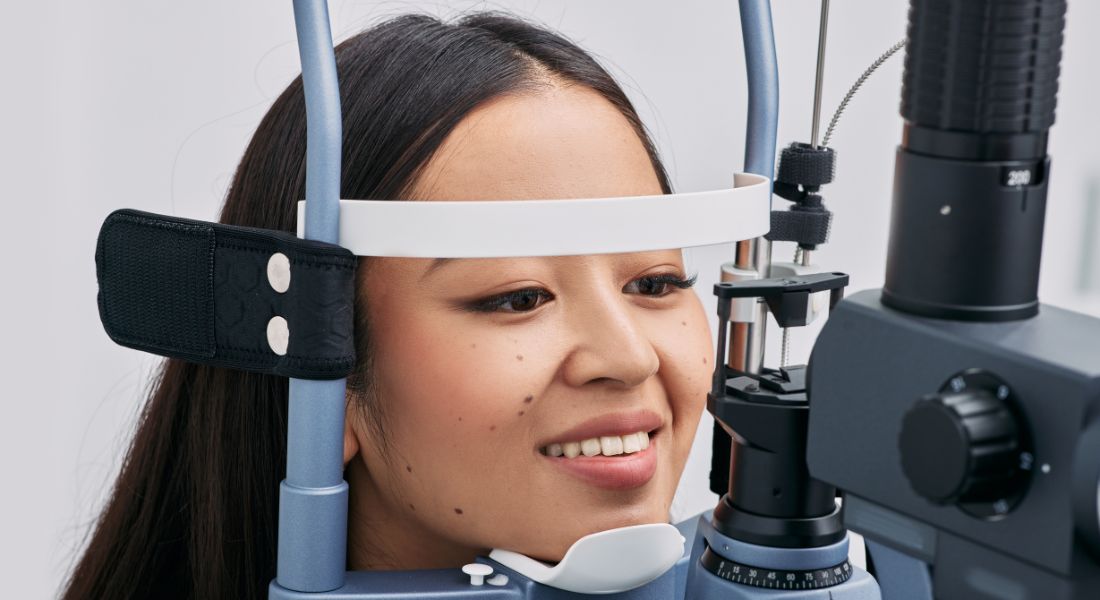
If you’ve reached the stage where a corneal transplant is recommended for your keratoconus, you’re likely feeling a mix of nervousness, relief and uncertainty. It’s completely understandable. A transplant is a major step, and although modern corneal grafts are extremely successful, the idea of undergoing surgery on your eye can feel overwhelming. You might be wondering how long the recovery takes, what the vision outcome will be like, what risks you should be aware of and what life will look like after the graft heals.
I want to reassure you right from the start: corneal transplants for keratoconus have some of the best success rates of all transplant procedures. And today’s surgical techniques, combined with careful post-operative care, offer excellent long-term clarity and stability for many patients. While recovery does take time and patience, the results can be life-changing.
In this guide, I’m going to walk you through everything you should expect after a corneal transplant day by day, week by week and month by month. I’ll explain how vision improves, what symptoms are normal, how to care for your graft, what signs to look out for, and how the long-term future usually looks for keratoconus patients. My goal is to give you the clarity and comfort you need to approach your recovery with confidence and understanding.
Types of Corneal Transplants for Keratoconus

Before diving into recovery timelines, it helps to understand the type of transplant you may have had. Different procedures heal differently and offer distinct benefits.
The two most common grafts for keratoconus are:
Penetrating Keratoplasty (PK or Full-Thickness Transplant)
Penetrating Keratoplasty (PK), also known as a full-thickness corneal transplant, is the traditional type of corneal transplant in which the entire central portion of the cornea is replaced with donor tissue. This procedure is typically used in cases where the cornea is severely scarred, the keratoconus has progressed to an advanced stage, or other treatment options are no longer viable. Because all layers of the cornea are replaced during PK, visual recovery tends to be slower compared to partial-thickness procedures.
Deep Anterior Lamellar Keratoplasty (DALK)
Deep Anterior Lamellar Keratoplasty (DALK) has become the preferred corneal transplant procedure for many patients with keratoconus. Unlike penetrating keratoplasty, which replaces the entire thickness of the cornea, DALK involves replacing only the front layers while preserving the innermost layer, known as the endothelium. By keeping the patient’s own endothelium intact, this approach reduces many of the risks associated with full-thickness transplants and focuses on correcting the structural and visual problems caused by keratoconus.
The advantages of DALK are significant. Patients benefit from a lower risk of graft rejection, faster achievement of long-term visual stability, and stronger structural integrity of the cornea. Additionally, complications such as endothelial failure are far less common. Recovery may still vary depending on individual factors and the exact surgical technique used, but overall, most post-operative expectations including follow-up care, use of medicated eye drops, and gradual improvement in vision are similar to other corneal transplant procedures. This makes DALK a safer and highly effective option for many people with advanced keratoconus.
Immediately After Surgery: What You’ll Experience
Immediately after your corneal transplant, your eye will begin the healing process. During the first few hours and days, you may notice various changes as your eye adjusts to the surgery.
Here’s what usually happens in the first hours and days.
First Few Hours After Surgery – In the first few hours after your corneal transplant, it is common to experience blurry vision, a gritty or scratchy sensation, tearing, light sensitivity, and mild discomfort. Your eye will usually be covered with a protective shield during this time. Many patients describe their vision as “foggy” or “hazy” immediately following surgery, which is normal as the graft begins to integrate and some swelling occurs around the eye. Any pain is typically mild to moderate and can be managed effectively with prescribed medication.
The First 24–48 Hours – During the first 24 to 48 hours after your corneal transplant, it is common for the eye to feel scratchy, appear red, or feel heavy, and for watering to occur frequently. Bright light may also cause discomfort. Most patients spend this period resting, often keeping their eyes closed. You will be prescribed antibiotic and anti-inflammatory eye drops to prevent infection and control inflammation, and it is essential to follow the drop schedule carefully. Your first follow-up appointment typically occurs within this timeframe so your surgeon can examine the graft, check intraocular pressure, and ensure that healing is progressing as expected.
The First Week: Early Healing Begins – During the first week after your corneal transplant, early healing begins, and you may start to notice gradual improvements. Discomfort and light sensitivity typically decrease, vision may slowly begin to clear, redness diminishes, blinking becomes easier, and the eye starts to feel more stable. However, it is normal for your vision to remain very blurry during this period as the eye continues to heal.
Why is vision blurry early on?
Early blurry vision after a corneal transplant is caused by several factors, including swelling inside the eye, the presence of stitches on the cornea, and the time needed for the graft to properly settle. The cornea may also have an irregular shape in the first days, and the surface layers of the eye gradually heal. Although this stage can be frustrating, it is temporary, and vision typically improves as healing progresses.
Weeks 2 to 6: Settling Into Recovery – During weeks two to six after a corneal transplant, the focus is on stabilisation, protection, and continued healing. Vision gradually improves, discomfort decreases significantly, corneal swelling reduces, the graft becomes clearer, and stitches begin to integrate. Regular follow-up appointments during this period allow your surgeon to monitor graft clarity, eye pressure, overall healing progress, and check for any early signs of inflammation. By around week four, most patients feel considerably more comfortable and can cautiously resume many daily activities.
What Vision Improvement Looks Like Over Time
Keratoconus places a huge strain on the corneal shape. After a transplant, that distorted shape is replaced by a clearer, healthier donor cornea. But vision does not improve instantly. It follows a gradual, staged process.
Here’s what you can generally expect.
Stage 1: Very Blurry Vision (Days to Weeks) – In the early stage after a corneal transplant, vision is typically very blurry, appearing foggy, cloudy, or unfocused. This happens because the graft has not yet fully settled into place and there is still swelling around the surgical area. As the eye heals and the swelling gradually reduces, vision will slowly begin to improve.
Stage 2: Improving Clarity (Weeks 2–6) – By a few weeks after surgery, most patients begin to notice a significant improvement in their vision. You may experience increased sharpness, find reading easier, notice less scatter from lights, and see a more stable image overall. However, some blurriness and irregularity can still persist during this stage as the cornea continues to heal and settle.
Stage 3: The Stabilisation Phase (Months 2–6) – This stage is when some of the most important changes take place. Vision gradually becomes sharper, clearer, and more stable as the cornea continues to heal. During this period, your surgeon may adjust stitches (particularly after PK) to fine-tune the shape of your cornea, and these adjustments can lead to significant improvements in your vision.
Stage 4: Final Vision Outcomes (Months 6–18) – During this final stage, the cornea continues to smooth and refine over many months. Most patients achieve stable vision between six and twelve months, although in some cases it may take up to eighteen months. While the process is lengthy, the gradual improvements and eventual clarity make the wait worthwhile.
Understanding Your Stitches (Sutures)
Stitches, or sutures, play a crucial role in shaping and stabilising the new cornea after a transplant. Depending on the type of surgery, you may have 16–24 stitches in the case of PK, fewer stitches with DALK, or specialised stitches that allow tension adjustments. These sutures hold the graft securely in place and guide the cornea toward its proper shape during healing.
It’s important to know that stitches are not painful, and they either dissolve very slowly or are removed manually by your surgeon. Stitch removal is quick and painless, though it may cause temporary blurring for a few days. However, these adjustments often lead to clearer and more refined long-term vision as the cornea continues to settle.
Common Symptoms After a Corneal Transplant
It’s important to know which symptoms are normal and which need attention.
Normal Symptoms:
- Light sensitivity: Bright light may feel uncomfortable in the early weeks as the cornea heals and the eye adjusts to the new graft.
- Tearing: Increased watering is common and helps protect the eye during the initial healing phase.
- Slight redness: Mild redness is expected as the surface tissues recover from surgery and inflammation gradually settles.
- Foreign-body sensation: A scratchy or gritty feeling is normal and occurs as the corneal surface regenerates and stitches settle.
- Mild pain: Some discomfort or aching may occur, but it typically improves with medication and time.
- Fluctuating vision: Vision may change from day to day while the cornea stabilises and swelling reduces.
- Occasional dryness: Temporary dryness is common and often improves with lubricating eye drops during the healing process.
These are expected and improve gradually.
Symptoms That Require Immediate Assessment:
Contact your surgeon urgently if you notice:
- Sudden vision drop: A rapid decrease in vision can signal early graft rejection or internal inflammation and needs urgent attention.
- Increasing redness: Worsening redness, especially if spreading, may indicate infection or rejection of the graft.
- Severe pain: Intense, persistent pain is not normal after the initial healing period and should be assessed immediately.
- Excessive light sensitivity: If light suddenly becomes extremely uncomfortable, it may suggest inflammation inside the eye.
- Unusual discharge: Thick, yellow, or persistent discharge can be a sign of infection and requires prompt treatment.
- Cloudiness in the graft: Any new haze or cloudiness may mean the graft is becoming inflamed or rejecting.
- A sudden change in the shape of your vision: Distortion or unusual visual patterns may indicate swelling or movement of the graft and should be evaluated urgently.
These can be signs of graft rejection or infection and must be treated immediately.
Graft Rejection: What You Should Know
Graft rejection is relatively uncommon, but it remains one of the most important risks to be aware of after a corneal transplant. Knowing how to recognise the early signs can make a major difference, as rejection caught early is usually very treatable. The symptoms often start subtly, with increasing redness, a rise in light sensitivity, a gradual decline in vision, or a general sense of discomfort or irritation in the eye. These changes can occur weeks, months, or even years after the surgery, which is why ongoing awareness is essential throughout your recovery and beyond.
To help patients remember these warning signs, surgeons often use the “RSVP” rule: Redness, Sensitivity to light, Vision loss, and Pain. If you notice any of these symptoms even if they seem mild it’s important to contact your surgeon urgently. Early intervention with anti-inflammatory medication can usually stop the rejection episode quickly, allowing the graft to recover fully. In most cases, prompt treatment leads to a complete reversal of the rejection process, preserving clear vision and preventing long-term complications.
Activity Guidelines After Your Transplant

You’ll need to make temporary adjustments to protect your eye.
- Avoid Touching or Rubbing Your Eye
Rubbing is one of the leading causes of complications. - Use Your Eye Shield at Night
This prevents accidental rubbing while sleeping. - Avoid Contact Sports
Your eye needs months of protection. - Avoid Swimming for at Least 3 Months
Water carries bacteria that increase the risk of infection. - Limit Heavy Lifting or Straining
This helps keep eye pressure stable. - Avoid Dusty and Windy Environments
Your graft is more vulnerable early on. - Follow Your Drop Schedule Precisely
Your drops prevent rejection and inflammation.
Driving After a Corneal Transplant
Most patients are not able to drive for several weeks, and in many cases, it may take a few months before their vision is clear and stable enough to meet legal driving requirements. This is because vision after a corneal transplant improves gradually, and early on, it is common to experience blurriness, fluctuating clarity, and light sensitivity all of which can make driving unsafe. Additionally, stitches, swelling, and the settling of the graft can temporarily affect the shape of the cornea, delaying the return of reliable vision.
Your surgeon will determine when you can safely resume driving based on your visual clarity, stability, and overall healing progress. Regular follow-up exams allow them to assess whether you meet the legal standards for driving and whether your eye is ready for the visual demands of the road. It’s important not to drive prematurely, even if your vision feels slightly improved, as your safety and the safety of others depends on consistent, stable eyesight. Patience during this stage ensures a safer and more confident return to driving.
Returning to Work or School
The timeline for getting back to work or school varies depending on the type of tasks you perform and how your eye is healing. Many patients can return to office-based activities such as reading, computer work, and other low-strain tasks within one to three weeks. These roles typically place minimal physical demand on the eye, making them suitable during the early healing period when vision is still stabilising.
However, people whose jobs involve manual labour, dusty environments, or high-intensity physical activity often need a longer recovery period before returning safely. These activities can increase the risk of injury, infection, or pressure on the healing eye. Because every patient’s recovery is different, it’s essential to follow your surgeon’s personalised advice to ensure your return to work or school is both safe and comfortable.
Long-Term Outlook After a Transplant
Corneal transplants for keratoconus have excellent long-term success rates.
Most patients achieve
Improved clarity: Most patients experience a significant improvement in visual sharpness as the graft settles and the cornea becomes smoother. This clearer vision enhances day-to-day activities and overall comfort.
Reduced distortion: Keratoconus-related irregularities gradually diminish, resulting in more even focusing of light. This means fewer visual distortions, less ghosting, and better overall image quality.
Stable vision: Once healed, the cornea usually remains stable for many years, with far fewer fluctuations compared to pre-transplant vision. This stability helps patients rely on their sight more confidently.
Strong graft endurance: Corneal grafts for keratoconus have an excellent long-term survival rate and can remain healthy for decades. With proper care and regular check-ups, the graft continues to perform effectively over time.
Better night vision: As the cornea becomes smoother and less distorted, night-time visual quality often improves significantly. Patients report reduced glare, fewer halos, and clearer vision in low-light conditions.
Improved quality of life: With clearer, more stable vision, everyday tasks from reading to driving become easier and more comfortable. Many patients enjoy greater independence, confidence, and overall well-being.
With proper care, transplants can last decades.
Do You Still Need Glasses or Lenses After a Transplant?

Even after a corneal transplant has successfully restored the structure and clarity of your cornea, you may still need some form of vision correction to achieve optimal eyesight. This could include wearing glasses, soft contact lenses, rigid gas permeable lenses, or scleral lenses, depending on your individual needs and the shape of your newly healed cornea. These aids help fine-tune your vision and address any remaining refractive errors, ensuring you can see as clearly as possible in different lighting and distances.
It’s important to understand that needing additional correction is completely normal and does not mean the transplant has failed. Corneal transplants primarily aim to restore clarity, reduce distortion, and provide a stable, healthy cornea. However, the new cornea may still have a slight irregular shape or refractive error that requires corrective lenses. Using these visual aids in combination with regular follow-up care allows most patients to achieve excellent functional vision and enjoy a significant improvement in daily life.
How to Protect Your Graft Long-Term
Maintaining the health of your corneal graft requires careful, consistent care. Following simple daily habits can help ensure long-term clarity and stability of your vision.
Avoid rubbing: Rubbing your eye can dislodge or damage the graft, so it’s important to resist the urge, even if the eye feels itchy or irritated. Gentle care helps maintain long-term graft integrity.
Manage allergies: Allergic reactions can cause itching, redness, and inflammation, which may stress the transplanted cornea. Using allergy medications or eye drops as recommended can protect your graft.
Attend follow-ups: Regular check-ups allow your surgeon to monitor graft health, detect early signs of rejection or complications, and adjust treatment if necessary. Timely follow-ups are essential for long-term success.
Use drops as instructed: Medicated drops help prevent infection and control inflammation. Consistent use ensures the cornea heals properly and maintains clarity over time.
Protect your eye during contact sports: Physical activity can risk trauma to the eye. Wearing protective goggles or avoiding high-impact sports helps prevent accidental damage to the graft.
Wear sunglasses often: Sunglasses shield your eyes from harmful UV rays and bright light, reducing irritation and long-term sun-related damage. This helps preserve corneal health and comfort.
Keep your eye moisturised: Regular use of preservative-free artificial tears prevents dryness, reduces irritation, and supports a healthy tear film, all of which are important for graft longevity.
Consistency is key: Long-term graft success depends on maintaining all of these habits consistently. Diligent care helps ensure clear, stable vision for many years after your transplant.
What About Keratoconus in the Other Eye?
If keratoconus affects only one eye, or if one eye is significantly worse than the other, your specialist will keep a close watch on the second eye. Even after a successful corneal transplant in one eye, the keratoconus in the other eye may continue to progress, sometimes at a slow rate. Early detection and management are key to preventing further deterioration and maintaining good overall vision.
Several treatments can help protect and strengthen the unaffected or less-affected eye. Corneal cross-linking can stabilise the cornea and slow the progression of keratoconus, while specialised lenses such as rigid gas permeable or scleral lenses can improve vision and reduce distortion. Regular scans and check-ups allow your ophthalmologist to track subtle changes over time and intervene promptly if needed. By monitoring both eyes carefully, patients can achieve long-term visual stability and reduce the risk of complications.
Cross-Linking After a Transplant
In some cases, corneal cross-linking may be recommended for the other, unaffected eye to help prevent further progression of keratoconus. This procedure strengthens the corneal tissue and can slow or stop the disease from worsening, helping to preserve vision in the eye that has not required a transplant.
Cross-linking is generally not performed on transplanted corneas, as graft tissue usually remains stable and does not typically develop ectasia or thinning like a keratoconic cornea. The transplanted cornea is already structurally healthy, so the risks and benefits of cross-linking in this context are minimal. Monitoring both eyes closely allows your specialist to decide if and when cross-linking may be appropriate for long-term protection.
Your Emotional Recovery Matters, Too
Undergoing a corneal transplant can be as emotionally challenging as it is physically, and it’s normal to experience a range of feelings throughout the recovery process. Many patients feel anxious about how well the eye will heal, frustrated by the slow pace of visual improvement, or worried about potential complications. Some may also feel concerned about whether they will regain their former level of vision and independence. Acknowledging these emotions as normal can help you manage them more effectively and reduce unnecessary stress.
Supporting your emotional well-being is an important part of the overall recovery process. You can do this by asking questions at appointments to stay informed, joining patient support groups to connect with others who have undergone similar procedures, and educating yourself about keratoconus and corneal transplants. Celebrating small improvements such as clearer vision, reduced discomfort, or increased confidence in daily tasks can boost morale. Additionally, taking recovery at your own pace and allowing yourself time to adjust to the changes in vision helps maintain a positive outlook. As your eyesight gradually improves, most patients experience a renewed sense of confidence, relief, and optimism, which can significantly enhance quality of life after surgery.
Frequently Asked Questions:
- How long does it take to recover vision after a corneal transplant?
Recovery of vision after a corneal transplant is a gradual process that varies depending on the type of surgery, the patient’s age, and the overall health of the eye. In the first few days, vision is typically very blurry due to swelling and the presence of stitches. Over the following two to six weeks, most patients notice gradual improvement, although vision remains far from perfect. Significant stabilization usually occurs between two and six months, while final vision outcomes often take between six months and a year, and in some cases up to eighteen months. During this time, the cornea settles into its new shape, and any adjustments to sutures can further refine visual clarity. Patience and adherence to follow-up appointments are key for achieving the best results. - Will I still need glasses or contact lenses after the transplant?
Even after a successful corneal transplant, some form of vision correction is usually required. Glasses or contact lenses may still be necessary because the new cornea may retain a degree of refractive irregularity, especially in cases where the previous keratoconus caused significant distortion. Over time, once the graft stabilizes, lenses can provide sharper and more comfortable vision than in the early months. For those with moderate residual irregularity, rigid or scleral lenses can be particularly effective, offering stable vision and better comfort than glasses alone. The transplant primarily aims to restore clarity and stop disease progression, rather than fully correct refractive errors. - How can I tell if my graft is being rejected?
Graft rejection is uncommon but can occur. Early recognition is crucial for successful treatment. Signs include redness in the eye, increased sensitivity to light, sudden decline in vision, and discomfort or pain that is new or worsening. If any of these symptoms occur, patients should contact their ophthalmologist immediately. Prompt treatment with steroid eye drops or other interventions can reverse most rejection episodes and protect long-term vision. Regular follow-ups help identify subtle changes before they become serious. - Is pain after surgery normal?
Some discomfort after a corneal transplant is expected. Patients often describe mild to moderate pain, a gritty sensation, and sensitivity to light during the first few days. Pain is usually well-managed with prescribed medications. As healing progresses, discomfort decreases steadily, and most patients report only minor irritation or dryness after the first few weeks. Emotional anxiety about the recovery process can sometimes make discomfort feel worse than it is, so understanding what is normal can help reduce stress. - When can I return to work or school?
Returning to normal activities depends on the type of work or study involved. For office-based tasks or activities that do not involve heavy lifting, most patients can resume after one to three weeks, provided their vision is sufficiently clear and their ophthalmologist gives clearance. Activities that are physically demanding, dusty, or involve potential eye trauma may require a longer period of rest. Every patient’s healing timeline is unique, and following personalized medical guidance is essential to avoid complications. - Can I drive after a corneal transplant?
Driving after a corneal transplant is not immediately possible and is usually delayed until vision is adequate to meet legal standards. Some patients may be ready within several weeks, while others require a few months for safe driving. Surgeons assess visual acuity and stability before giving the green light. Using caution and following professional advice ensures safety for both the patient and others on the road. - Are there long-term risks associated with corneal transplants?
Long-term risks are generally low, particularly with modern surgical techniques. However, patients must continue routine follow-up care, use prescribed medications correctly, and protect the eye from trauma and infections. Rare complications include graft rejection, infection, or gradual changes in vision that may require additional intervention. With proper care, many grafts last for decades, providing sustained visual clarity and improved quality of life. - Can I participate in sports or physical activities after surgery?
Participation in sports is possible but must be approached cautiously. Activities that risk direct eye trauma, such as martial arts, contact sports, or high-impact games, should be avoided for several months. Protective eyewear can allow safer engagement in lower-risk activities. Over time, as the graft stabilizes and vision improves, patients can usually return to most sports with proper precautions. - Will the keratoconus affect my other eye after a transplant?
Even after a successful transplant in one eye, keratoconus may continue to progress in the other eye. Monitoring the second eye is crucial to catch early signs of progression. Treatments such as corneal cross-linking, specialized lenses, and regular scans can help prevent deterioration. Maintaining vigilance ensures that both eyes are managed effectively and reduces the risk of long-term vision problems. - How can I support my emotional recovery after a corneal transplant?
Undergoing a corneal transplant can be emotionally taxing. Patients often experience anxiety, frustration, or worry about their visual recovery. Emotional support is as important as physical care. Learning about the procedure, attending follow-ups, asking questions, joining support groups, and celebrating incremental improvements can help patients feel empowered and confident. Maintaining a positive mindset and understanding the gradual nature of recovery significantly enhances the overall healing experience.
Final Thought: Navigating Recovery and Future Vision
Recovering from a corneal transplant for keratoconus can feel overwhelming, but understanding the healing process and what to expect at each stage makes it far more manageable. Most patients experience gradual improvements in vision over weeks and months, with final outcomes often stabilising within a year. While some vision correction may still be necessary, a successful transplant can significantly reduce distortion, improve clarity, and enhance overall quality of life. Consistent post-operative care, protecting your graft, and attending follow-ups are essential for long-term success.
If you’re considering Keratoconus treatment in London and want to explore whether a corneal transplant is the right option for you, you’re welcome to reach out to us at Eye Clinic London to book a consultation and discuss the best approach for your eyes.
References:
- Hashemian, M. N., Wise, J. & Moshirfar, M. (2025) ‘Long-term outcomes of corneal transplantation: a review’, BMC Ophthalmology, [online] Available at: https://pmc.ncbi.nlm.nih.gov/articles/PMC11756154/
- Qureshi, S., Zaidi, A., Alqahtani, S. & AlMohimeed, M. (2022) ‘Penetrating Keratoplasty: Indications and Graft Survival by Indication’, Peer-reviewed article, [online] Available at: https://pmc.ncbi.nlm.nih.gov/articles/PMC10084850/
- Al-Mohaimeed, M. M. (2013) ‘Penetrating Keratoplasty for Keratoconus: Visual and Graft Survival Outcomes’, International Journal of Health Sciences, 7(1), pp. 67–74. Available at: https://pmc.ncbi.nlm.nih.gov/articles/PMC3612418/
- Thompson Jr, R. W., Price, F. W., Jr, Bowers, P. L., Price, M. O., & Bourne, W. M. (2003) ‘Long-term graft survival after penetrating keratoplasty’, Cornea, 22(3), pp. 182–187. Available at: https://pubmed.ncbi.nlm.nih.gov/12867398/
- Kelly, T. L., Hildebrand, F. L. & Forster, R. K. (2011) ‘Corneal Transplantation for Keratoconus: A Registry Study’, JAMA Ophthalmology, 129(9), pp. 1103–1107. Available at: https://jamanetwork.com/journals/jamaophthalmology/fullarticle/427371