


Laser Eye Surgery for Contact Lens Intolerance: Your Options Explained
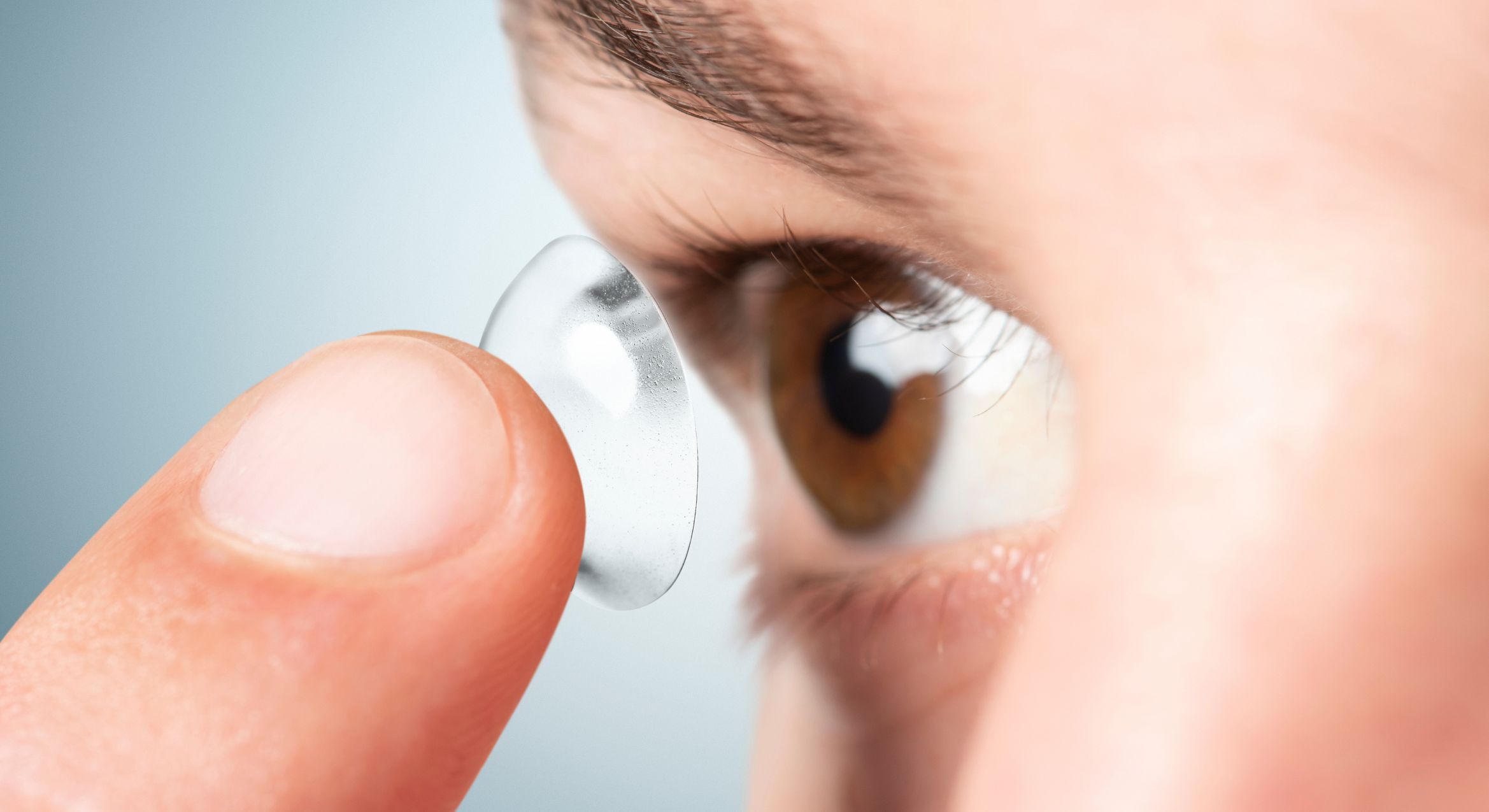
If you’ve ever struggled with contact lenses, you know the frustration of dealing with dry, irritated, or uncomfortable eyes after a long day. For some, the discomfort goes beyond inconvenience and becomes a real barrier to daily life. If this sounds familiar, you might have started wondering whether there’s a better solution one that doesn’t involve juggling different lens types, drops, or limited wearing time.
That’s where laser eye surgery comes in. Over the past few decades, laser procedures have transformed the lives of millions of people who once depended on glasses or contact lenses. For those with contact lens intolerance, surgery can offer lasting relief and freedom from the daily grind of lens care.
In this guide, I’ll walk you through everything you need to know about laser eye surgery if you struggle with contact lenses from understanding why intolerance occurs to exploring the procedures available, suitability factors, and what you can realistically expect after surgery.
Understanding Contact Lens Intolerance
Before exploring laser options, it’s important to fully understand what contact lens intolerance means. Many people assume that mild discomfort while wearing lenses is normal, but persistent or worsening symptoms often indicate that your eyes are struggling to cope. True contact lens intolerance can affect not just comfort, but also your overall eye health and quality of vision. It may result from dry eyes, allergies, lens fit issues, or underlying ocular conditions, and if left unaddressed, it can lead to chronic irritation or even damage to the cornea. Recognising intolerance early is key to preventing long-term problems and finding the right alternatives for clear, comfortable vision.
Contact lens intolerance can present in a variety of ways, and symptoms can differ from person to person. Common signs include dryness and irritation, a gritty or sandy sensation under the eyelids, redness or inflammation, fluctuating or blurred vision when lenses move or don’t fit correctly, reduced wearing time, and increased light sensitivity. While occasional mild irritation is normal, chronic discomfort, persistent redness, or an inability to wear lenses for more than a few hours indicates true intolerance. Understanding these warning signs helps guide discussions with your eye care professional about whether alternative lens options or treatments, including laser procedures, may be more suitable for your eyes.
Why Contact Lens Intolerance Happens
Contact lens intolerance occurs when your eyes can no longer tolerate lenses comfortably, even if you’ve worn them for years. Several factors can contribute:
1. Dry Eye Syndrome: If your eyes don’t produce enough tears or the tears lack the right balance of oils and water, lenses won’t be properly lubricated. This can lead to a gritty, burning, or stinging sensation. Even high-quality lenses may feel uncomfortable if the tear film is unstable.
2. Lens Material: Different lens materials interact with your eyes in different ways. Some people are sensitive to the plastics or coatings used in soft lenses, while others may react to rigid gas permeable lenses. Material-related reactions can cause redness, irritation, and a feeling of dryness.
3. Lens Fit: A lens that is too tight or too loose can rub against the cornea or conjunctiva, causing friction and inflammation. Even small imperfections in lens shape or size can lead to discomfort over time.
4. Long-Term Wear: Wearing contact lenses daily over many years can gradually make the cornea more sensitive. The cumulative effect of oxygen deprivation, micro-abrasions, or minor inflammatory responses can make previously tolerable lenses feel irritating.
5. Underlying Eye Conditions: Certain eye conditions can make lens wear more difficult. Allergies can trigger inflammation, blepharitis can disrupt the eyelid margin and tear film, and ocular surface diseases can compromise the cornea’s ability to tolerate foreign objects.
6. Environmental and Lifestyle Factors: Extended screen time, dry indoor air, exposure to smoke, or swimming in chlorinated water can all exacerbate lens discomfort. Even good-quality lenses may feel uncomfortable if your environment or habits stress your eyes.
7. Medication or Health Changes: Some medications, such as antihistamines or acne treatments, can reduce tear production. Hormonal changes or systemic health conditions may also affect how your eyes respond to contact lenses.
Understanding the exact cause of intolerance is crucial. Identifying whether the issue stems from your tear film, lens material, fit, or an underlying condition will guide your optometrist or ophthalmologist in choosing the most appropriate treatment, whether that’s switching lens type, using supportive eye drops, or considering procedural alternatives.
Laser Eye Surgery: A Viable Alternative
If contact lenses have become more of a burden than a convenience, laser eye surgery can offer a lasting solution. These procedures are designed to reshape the cornea, the clear front surface of your eye, to correct refractive errors. By doing so, they reduce or even eliminate the need for glasses or contact lenses, helping you achieve clearer vision and greater freedom in daily life. For many people struggling with lens intolerance, this can be life-changing.
Laser eye surgery works by using highly precise lasers to alter the cornea’s curvature, which changes how light focuses on the retina. This can correct nearsightedness (myopia), farsightedness (hyperopia), and astigmatism, which causes blurred or distorted vision due to an irregular corneal shape. There are several types of laser procedures available, each suited to different prescriptions, corneal thicknesses, and lifestyles. Your surgeon will determine the most appropriate option to ensure optimal vision outcomes and comfort.
Types of Laser Eye Surgery
LASIK (Laser-Assisted In Situ Keratomileusis): LASIK (Laser-Assisted In Situ Keratomileusis) is the most widely known and performed laser eye procedure. It involves creating a thin flap on the surface of the cornea, reshaping the underlying tissue with a precise laser, and then repositioning the flap to heal naturally. For those struggling with contact lens intolerance, LASIK offers several benefits, including a quick recovery, minimal discomfort, and a high success rate in correcting myopia, hyperopia, and astigmatism, with many patients noticing immediate improvements in vision. However, it may not be suitable for individuals with extremely thin corneas, and some patients can experience temporary dry eye, which typically resolves within a few months.
PRK (Photorefractive Keratectomy): PRK (Photorefractive Keratectomy) is an older but highly effective laser eye procedure, particularly suitable for patients who are not candidates for LASIK. Unlike LASIK, PRK involves removing the epithelium, the outer layer of the cornea, before reshaping the underlying tissue, with the epithelium naturally regenerating over several days. This makes PRK an excellent option for those with thin corneas, reduces certain surgical risks since no corneal flap is created, and is ideal for people with active lifestyles or who play contact sports. However, recovery is slower than LASIK, often taking several days to weeks, and mild discomfort is common during the healing process.
LASEK (Laser-Assisted Sub-Epithelial Keratectomy): LASEK (Laser-Assisted Sub-Epithelial Keratectomy) is a hybrid procedure combining elements of LASIK and PRK. Rather than fully removing the epithelium, it is gently loosened and preserved before the underlying corneal tissue is reshaped with a laser. This approach makes LASEK suitable for patients with thin or irregular corneas, lowers the risk of flap-related complications compared with LASIK, and is effective for a wide range of prescriptions. Recovery is generally slower than LASIK but faster than PRK, and patients may experience temporary vision fluctuations during the healing process.
Who Is a Good Candidate?
Not everyone is suitable for laser eye surgery, and careful assessment by an eye specialist is essential. Generally, good candidates for correcting contact lens intolerance:
-
Have stable vision for at least 12 months, ensuring that the prescription is unlikely to change soon.
-
Are over 18 years old, with many surgeons recommending 21 or older for optimal results.
-
Suffer from contact lens intolerance that significantly impacts daily life, making glasses or lenses inconvenient or uncomfortable.
-
Have healthy corneas without disease, scarring, or structural abnormalities that could interfere with laser treatment.
-
Do not have severe dry eye that cannot be managed effectively, as this can affect healing and comfort after surgery.
A comprehensive eye examination will determine whether your corneas, tear film, and overall ocular health make you a suitable candidate. Your specialist will also review your lifestyle, medical history, and expectations to ensure the procedure can safely deliver the best possible vision outcomes.
Preparing for Laser Eye Surgery
If you decide to explore laser options, preparation is key. Here’s what to expect:
Initial Consultation: During your initial consultation, your surgeon will conduct a thorough assessment to determine your suitability for laser eye surgery. This includes checking visual acuity and ensuring your prescription has been stable, measuring corneal thickness and shape using advanced imaging, and evaluating overall eye health, such as testing for dry eye and examining the ocular surface. Your medical history and lifestyle factors, which can affect healing and long-term results, will also be reviewed to help your surgeon recommend the most appropriate procedure for your needs.
Pre-Procedure Guidelines: Before your laser eye surgery, it’s important to follow a few key preparations. You’ll need to stop wearing contact lenses for a period beforehand—typically around two weeks for soft lenses and up to four weeks for rigid lenses—to allow your cornea to return to its natural shape. On the day of surgery, avoid wearing eye makeup, lotions, or creams, and arrange for someone to drive you home, as you won’t be able to drive immediately after the procedure. Following these guidelines helps ensure accurate measurements and a smoother surgical experience.
Setting Realistic Expectations: Laser eye surgery can greatly reduce or even eliminate the need for contact lenses, but it’s important to have realistic expectations. Some patients may still need glasses for certain tasks, such as reading or night driving, and mild fluctuations in vision can occur during the healing period. In some cases, additional procedures may be necessary to achieve the best possible results. Understanding these possibilities helps ensure a smoother recovery and satisfaction with the outcome.
Recovery and Aftercare
Recovery after laser eye surgery varies depending on the procedure performed. With LASIK, most patients notice a significant improvement in vision within 24–48 hours, though mild dryness, irritation, or a gritty sensation in the eyes is common during the first few days. PRK and LASEK typically require a longer healing period, with vision gradually stabilising over several days to weeks, and mild discomfort or light sensitivity is normal as the corneal surface regenerates. It’s important to follow your surgeon’s instructions closely to ensure the best possible outcome.
Proper aftercare is essential for supporting healing and maintaining long-term eye health. This includes using prescribed lubricating eye drops to prevent dryness, avoiding rubbing your eyes, and protecting your eyes from sunlight by wearing sunglasses. Attending all scheduled follow-up appointments allows your surgeon to monitor recovery, detect any complications early, and provide guidance on returning to normal activities. Following these steps carefully can help maximise the benefits of laser eye surgery and ensure lasting visual clarity.
Expected Outcomes
For individuals struggling with contact lens intolerance, laser eye surgery can offer significant improvements in daily life. Most patients achieve clear, lens-free vision, often reaching 20/20 or near-20/20 acuity, allowing them to see clearly without relying on glasses or contact lenses. By eliminating the need for lenses, eye irritation, dryness, and discomfort are greatly reduced, providing immediate relief for many who have struggled with contact lens wear.
Beyond vision correction, laser eye surgery can enhance overall quality of life. Patients enjoy the freedom from daily lens care routines, a lower risk of eye infections, and reduced dependency on eyewear for work, sports, and social activities. However, long-term success also depends on maintaining good eye health, following post-operative care instructions, and attending regular check-ups to ensure the eyes remain healthy and vision stays optimal.
Potential Risks and Complications
While laser eye surgery is generally safe and effective, it’s important to be aware of potential risks, as with any surgical procedure. Some patients may experience temporary dry eye, which usually improves over time, though in rare cases it can persist longer. Others may notice glare, halos around lights, or difficulty seeing at night, particularly in the early weeks after surgery. There is also a risk of undercorrection or overcorrection, which may necessitate a second procedure to achieve optimal vision. For LASIK specifically, flap-related complications can occur, although these are uncommon. Choosing an experienced surgeon, attending all pre- and post-operative appointments, and carefully following instructions significantly reduces the likelihood of these complications and supports a smoother recovery.
Cost Considerations
The cost of laser eye surgery varies depending on the clinic, procedure type, and your prescription. In the UK, prices typically range from £1,500 to £3,000 per eye. While this may seem significant, many patients find the long-term savings on lenses, drops, and appointments justify the investment.
Insurance rarely covers elective laser surgery, so patients usually fund the procedure themselves. Consider discussing financing options if needed.
Lifestyle Benefits Beyond Contact Lens Freedom

Laser eye surgery offers more than just relief from contact lens intolerance—it can transform daily life in ways that go beyond vision correction. For many, the freedom from lenses brings practical, physical, and emotional benefits, making everyday activities easier and more enjoyable. From improved convenience and confidence to a lower risk of eye infections, these advantages can have a meaningful impact on overall quality of life.
Laser eye surgery doesn’t just address intolerance it can positively impact your daily life in other ways:
- Sports and activities: Swim, run, or hike without worrying about lenses falling out or drying your eyes.
- Convenience: No more cleaning, storing, or replacing lenses.
- Confidence: Enjoy clear vision naturally, without relying on eyewear.
- Reduced infections: Eliminating lenses lowers the risk of eye infections.
For someone who has struggled with contact lens discomfort for years, these benefits can be life-changing.
Finding the Right Surgeon
Choosing the right surgeon is one of the most important steps in ensuring a safe and successful outcome. Here’s what to look for:
-
Extensive experience in all types of laser procedures: A surgeon who has performed a wide range of procedures, including LASIK, PRK, and LASEK, will have the expertise to recommend the most suitable option for your eyes and manage any unexpected challenges during surgery.
-
Positive patient reviews and before/after results: Hearing from previous patients and seeing real-life results can give you confidence in the surgeon’s skills and help set realistic expectations for your own outcomes.
-
Thorough pre-operative assessments and personalised treatment plans: A detailed evaluation ensures that all aspects of your eye health are considered, from corneal thickness to tear film quality, allowing for a treatment plan tailored specifically to your needs.
-
Access to modern technology and safety protocols: Clinics with up-to-date laser equipment and strict safety measures can provide more precise treatments, reduce risks, and improve recovery times, ensuring a higher likelihood of achieving optimal vision results.
If you’re in the UK, you might consider looking into Laser eye surgery in London. Their team can provide a detailed consultation, helping you choose the best procedure for your eyes and lifestyle.
Long-Term Considerations
While laser eye surgery can provide lasting relief from contact lens intolerance, maintaining healthy vision requires ongoing care. Understanding how your eyes may change over time and following good post-operative practices is key to preserving both comfort and clarity. This section outlines what to expect and how to support long-term results.
Even after successful surgery:
-
Regular eye exams remain important to monitor overall eye health: Ongoing check-ups help detect early signs of glaucoma, cataracts, or other eye conditions, ensuring that any issues are managed promptly.
-
Age-related vision changes, such as presbyopia, may require reading glasses in later years: While laser surgery can correct distance vision, natural changes in the eye’s lens over time may still affect near vision, requiring occasional use of reading glasses.
-
Maintaining a healthy lifestyle and managing dry eye factors helps sustain results: Staying hydrated, protecting your eyes from UV light, and using lubricating drops if needed can preserve comfort and prolong the benefits of surgery.
Laser surgery is not a cure-all, but for people with contact lens intolerance, it can mark the beginning of a more comfortable, lens-free life.
Alternative Options for Those Unsuitable for Surgery
Not everyone is suitable for laser eye surgery, whether due to thin corneas, certain medical conditions, or personal preferences. Fortunately, there are effective non-surgical options that can help manage contact lens intolerance and improve comfort. These alternatives aim to reduce irritation, support eye health, and provide clearer vision without the need for surgical intervention.
- Scleral lenses: Larger lenses that vault over the cornea, reducing irritation.
- Hybrid lenses: Combine soft and rigid materials for comfort and clarity.
- Daily disposable lenses: Reduce protein build-up and irritation.
- Specialised lubricating drops: Help manage dryness and inflammation.
While these options may not eliminate discomfort entirely, they can provide temporary relief.
Making the Decision
Deciding to undergo laser eye surgery is a highly personal choice, and it’s important to carefully consider all factors before proceeding. Key points to weigh include the severity of your contact lens intolerance, how it affects daily life, your lifestyle needs and expectations, overall eye health, and whether your eyes are suitable for the procedure. Cost and long-term benefits should also be considered, as surgery can be a significant investment in both time and resources.
Speaking with a qualified surgeon is essential to gain professional guidance tailored to your eyes and vision goals. Hearing about real patient experiences can also provide valuable insight into recovery, outcomes, and what to expect from the procedure, helping you make an informed decision with confidence.
FAQs:
- What is contact lens intolerance?
Contact lens intolerance occurs when wearing lenses causes persistent discomfort, dryness, or irritation. Unlike occasional mild irritation, intolerance can limit the number of hours you can wear lenses. It often stems from dry eye, lens fit issues, or sensitivity to lens materials. Chronic discomfort may interfere with daily life and activities. Laser eye surgery can be an effective solution for those struggling with intolerance. - How does laser eye surgery help with contact lens intolerance?
Laser eye surgery reshapes the cornea to correct refractive errors like myopia, hyperopia, or astigmatism. By improving vision naturally, it eliminates or reduces the need for contact lenses. This reduces dryness, irritation, and other discomfort associated with long-term lens wear. Most patients experience clearer vision and freedom from daily lens care. The procedure can dramatically enhance quality of life for lens-intolerant patients. - Which laser eye procedures are suitable for contact lens intolerance?
Common procedures include LASIK, PRK, and LASEK. LASIK offers quick recovery and minimal discomfort, ideal for most prescriptions. PRK is better for thin corneas and avoids creating a corneal flap. LASEK combines benefits of both, preserving the epithelium while reshaping the cornea. Your surgeon will recommend the most suitable option based on corneal health and lifestyle needs. - Am I a good candidate for laser eye surgery?
Good candidates generally have stable vision for at least a year, are over 18, and suffer from significant contact lens intolerance. Healthy corneas and manageable dry eye are essential. Severe eye conditions or active infections may disqualify candidates. A comprehensive eye exam determines suitability, prescription stability, and procedure type. - How long does recovery take after surgery?
Recovery depends on the procedure. LASIK patients often notice improvement within 24–48 hours. PRK and LASEK take longer, with vision stabilising over days to weeks. Mild dryness, irritation, or fluctuating vision is common initially. Following aftercare instructions and attending follow-ups ensures optimal healing and visual outcomes. - Are there any risks or complications?
While generally safe, potential risks include temporary or persistent dry eye, glare, halos, or night vision difficulties. LASIK carries flap-related risks, while PRK/LASEK may involve slower healing. Some patients may need enhancement procedures if vision is under- or overcorrected. Choosing an experienced surgeon significantly reduces risks. - Will I still need glasses after surgery?
Most patients achieve 20/20 or near-20/20 vision. Some may need glasses for specific tasks like reading or night driving, especially as they age. Prescription stability before surgery impacts long-term results. Enhancements are possible if minor corrections are needed. Laser surgery reduces dependence on corrective lenses significantly. - How should I prepare for laser eye surgery?
Stop wearing contact lenses for a period before surgery (soft lenses ~2 weeks, rigid lenses up to 4 weeks). Avoid eye makeup, creams, or lotions on the day of the procedure. Arrange transport home, as driving immediately post-surgery isn’t safe. Follow pre-operative instructions carefully for best outcomes. A detailed consultation will cover all preparation steps. - What lifestyle benefits can I expect after surgery?
Laser surgery eliminates the need for daily lens care, improving convenience and comfort. Sports and outdoor activities become easier without worrying about lenses. Reduced infections and eye irritation are common. Many patients report enhanced confidence and improved quality of life. Clear, lens-free vision is one of the most rewarding benefits. - What alternatives exist if I’m not suitable for surgery?
Non-surgical options include scleral or hybrid lenses, daily disposables, and specialised lubricating drops. These options reduce irritation but may not fully eliminate discomfort. They can be effective for temporary relief or those with certain eye conditions. Regular eye care and follow-ups remain important. Consulting an eye specialist helps determine the best approach for your needs.
Final Thought: Achieving Lens-Free Comfort with Laser Eye Surgery
If you’ve been struggling with contact lens intolerance, laser eye surgery can offer freedom from daily discomfort and dependency on lenses. Procedures like LASIK, PRK, and LASEK provide safe, effective, and lasting solutions for many people. By reshaping the cornea, these surgeries not only correct your vision but also reduce irritation, improve quality of life, and allow you to enjoy activities without restriction.
Of course, suitability, expectations, and potential risks vary from person to person. A thorough consultation and realistic understanding of outcomes are crucial. For those in London, consulting a reputable clinic, such as Laser eye surgery in London, can provide personalised advice tailored to your eyes and lifestyle. If you’re considering Laser eye surgery in London, you can reach out to us at Eye Clinic London to discuss whether this treatment is the right choice for your vision goals.
Reference:
- Yahalomi T., Achiron A., Arnon R. et al. (2023) ‘Dry Eye Disease following LASIK, PRK, and LASEK: An Observational Cross‑Sectional Study’, Journal of Clinical Medicine, 12(11), 3761. https://www.mdpi.com/2077-0383/12/11/3761
- Castro‑Luna G., de la Mata M., Barraquer R. I. et al. (2020) ‘Long-Term Follow-Up Safety and Effectiveness of Myopia Correction after PRK and FS-LASIK: 10-year Study’, International Journal of Environmental Research and Public Health, 17(23), 8729. https://www.mdpi.com/1660-4601/17/23/8729
- Shtein R. M. (2011) ‘Post‑LASIK dry eye’, Expert Review of Ophthalmology, 6(5), pp. 575–582. https://pmc.ncbi.nlm.nih.gov/articles/PMC3235707/
- Dry eye disease after LASIK Ţuru L., Alexandrescu C., Stana D. & Tudosescu R. (2012) J Med Life, 5(1), pp. 82–84. https://pmc.ncbi.nlm.nih.gov/articles/PMC3307085/
- M. A. Shah, A. M. Abraham, H. P. McCarthy & M. J. Devlin (2007) ‘Dry eye after LASIK for myopia: incidence and risk factors’, European Journal of Ophthalmology, 17(1), pp. 1–6. https://pubmed.ncbi.nlm.nih.gov/17294376/