


When Should You Choose LASEK Over LASIK? Deciding Your Best Option

If you’re considering laser eye surgery, you’re probably asking yourself one of the most common questions patients have: Should I choose LASEK or LASIK? Both treatments can dramatically improve your vision and reduce your dependence on glasses, but they’re not interchangeable. One may be perfect for your eyes, while the other could be unsuitable, unsafe, or simply not ideal for your lifestyle.
Many clinics advertise LASIK more frequently because it offers a faster recovery. But LASEK is often the safer and smarter choice in specific situations especially when the shape, thickness or biomechanical stability of your cornea makes LASIK unsuitable. And while LASIK is the more well-known procedure, LASEK is often the unsung hero. It may take longer to heal, but it preserves more corneal strength and avoids flap-related complications entirely.
This article is designed to give you the clarity you need. I’m going to break down the differences, explain how surgeons decide between the two, and show you exactly when LASEK becomes the safer, more stable or more appropriate option. By the end, you’ll understand how to evaluate your eyes, your lifestyle and your long-term vision needs so you can feel confident about choosing the right treatment.
Let’s start with the fundamentals.
How LASIK Works
LASIK works by reshaping the cornea to improve how light focuses on the retina, and it begins with creating a very thin flap on the surface of the cornea. This flap is made using either a microkeratome blade or a highly precise femtosecond laser. Once the flap is lifted, the underlying corneal tissue becomes accessible for treatment. A computer-guided excimer laser then reshapes this deeper layer with remarkable accuracy, removing microscopic amounts of tissue to correct nearsightedness, farsightedness or astigmatism. After the reshaping is complete, the flap is gently repositioned, where it naturally seals back into place without stitches, functioning like a biological bandage.
Because the surface of the eye remains largely undisturbed the flap protects the treated area the healing process is significantly faster than with surface-based procedures like LASEK or PRK. Most patients experience only mild irritation or dryness for a short period, often described as a gritty feeling that fades quickly. Many notice a dramatic improvement in vision within just a few hours and achieve functional clarity by the next day. This rapid recovery, combined with minimal downtime and high accuracy, is one of the biggest reasons LASIK has become so popular. For people with suitable corneal measurements, it offers an efficient, comfortable and highly predictable path to clearer vision.
Key Benefits of LASIK:
Vision improves rapidly (often within 24–48 hours): Most patients notice a significant improvement in clarity within the first one to two days as the cornea stabilises quickly after treatment. Everyday tasks like reading, driving, or using digital screens often feel easier almost immediately, and vision continues to refine over the next few days.
Minimal discomfort: The procedure is quick and typically painless, with only mild sensations such as slight dryness, itching, or a gritty feeling during the early healing phase. These symptoms settle rapidly and are easily managed with lubricating eye drops, allowing most people to resume normal routines comfortably.
Excellent clarity for suitable candidates: Those who meet the recommended criteria often achieve sharp, high-definition vision that feels natural and stable throughout the day. Many patients report seeing better than they did with glasses or contact lenses, enjoying long-lasting clarity and improved visual freedom.
But LASIK Also Has Limitations:
It requires sufficient corneal thickness: LASIK involves reshaping the cornea, so people with thin corneas may not have enough tissue for a safe or effective outcome. Performing LASIK on a thin cornea can increase the risk of complications, making it unsuitable for many patients.
It involves a permanent corneal flap: The creation of a flap means the cornea never fully returns to its original structure. Although complications are rare, the flap can be vulnerable to displacement or trauma, especially in people who play contact sports or work in high-risk environments.
It may increase dry eye symptoms: LASIK can temporarily disrupt corneal nerves responsible for tear production, leading to dryness, irritation, or fluctuating vision. For individuals with pre-existing dry eye, these symptoms may become more noticeable after surgery.
It is not suitable for certain eye shapes: People with irregularly shaped corneas, very high prescriptions, or conditions like keratoconus may not be ideal candidates, as reshaping the cornea with LASIK could compromise stability or visual quality.
How LASEK Works
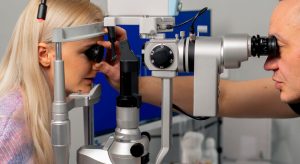
LASEK does not involve creating a corneal flap. Instead, the thin surface layer of the epithelium is gently loosened with an alcohol solution and lifted aside so the laser can reshape the cornea underneath. This makes the procedure surface-based, which results in a different healing pattern compared to LASIK.
Instead:
The epithelium (surface skin) is softened: A diluted alcohol solution is gently applied to loosen the ultra-thin outer layer of the cornea. This softens the cells enough to be lifted without cutting deeper tissue, ensuring the natural strength of the cornea remains intact.
Moved aside: The softened epithelial layer is then carefully slid to the side to expose the underlying corneal surface. Because no flap is created, this step avoids the long-term structural changes associated with LASIK, making the procedure safer for thinner or irregular corneas.
The laser reshapes the cornea: A highly precise excimer laser reshapes the exposed corneal surface to correct nearsightedness, farsightedness, or astigmatism. This reshaping allows light to focus more accurately on the retina, leading to clearer and more stable vision once healing is complete.
The epithelium is repositioned: After the laser treatment, the original epithelial layer is gently placed back over the cornea. Although this layer needs time to heal and regenerate, repositioning it helps protect the treated area and supports a smoother recovery.
A bandage contact lens is placed: A soft, transparent “bandage” lens is applied to protect the healing epithelium, reduce discomfort, and maintain a stable surface as the cells naturally regenerate over the next few days. This lens also helps keep the eye comfortable during the early healing phase.
Key Benefits of LASEK:
Safer for thinner or irregular corneas: LASEK avoids deep corneal cuts, making it especially suitable for people whose corneas do not meet LASIK’s thickness requirements. It preserves more of the natural corneal tissue, reducing the risk of structural weakening and offering a safer vision-correction option for those with borderline or uneven corneal measurements.
No flap-related complications: Because LASEK only lifts the surface epithelial layer without creating a permanent flap the eye avoids long-term risks such as flap displacement, flap wrinkles, or injury during accidental eye trauma. This provides added peace of mind for patients concerned about flap safety.
More biomechanically stable: By keeping the deeper corneal layers completely intact, LASEK maintains the natural strength and stability of the cornea. This reduces the chances of corneal distortion over time and contributes to a secure, predictable healing process, especially important for patients with delicate corneal structures.
Better for people with active lifestyles: For athletes, gym-goers, or individuals involved in contact sports or physically demanding work, LASEK eliminates the risk of flap disturbance. This means fewer restrictions after healing and a lower chance of injury-related complications in the future.
Suitable for patients with specific eye conditions: Individuals with chronic dry eye, borderline corneal topography, mild irregular astigmatism, or conditions that make flap creation risky often qualify for LASEK when LASIK is not recommended. It offers a safer pathway to vision improvement without compromising long-term results.
The Drawbacks:
Longer recovery: Because the outer epithelial layer must naturally heal and regenerate, the recovery timeline is slower compared to LASIK. Patients may need several days to resume normal activities and several weeks for vision to fully settle, making the overall healing process more gradual.
More early discomfort: During the initial healing phase, the eye can feel sore, gritty, or sensitive to light as the epithelium repairs itself. This discomfort is temporary but can be more noticeable than with LASIK, often requiring a bandage contact lens and regular lubricating drops for relief.
Slower vision stabilisation: Vision tends to return in stages, improving gradually over days to weeks. Some patients may experience temporary blurriness, fluctuations, or haziness as the surface smooths out and the cornea adapts to its new shape. Final clarity may take longer but is typically worth the wait.
When LASEK Is the Safer or Smarter Option
Let’s go through the most important scenarios where LASEK is recommended over LASIK, as the two procedures are not always suitable for the same patients. Certain eye characteristics, lifestyle factors and medical conditions make a surface-based approach safer and more effective. Understanding these situations can help you see why your surgeon may guide you toward LASEK instead of creating a corneal flap. This ensures the treatment matches your eye health and long-term visual needs.
When Your Corneas Are Thin
This is the most common reason surgeons recommend LASEK, because it allows safe vision correction without compromising the natural strength of the cornea. By avoiding flap creation, LASEK preserves more corneal tissue, which is especially important for patients with thin or borderline corneal measurements. This approach reduces the risk of weakening the eye and helps maintain long-term structural stability. As a result, many surgeons consider LASEK the safer choice in such cases.
LASIK requires:
Enough corneal thickness: A minimum amount of corneal tissue is essential for LASIK to be performed safely. If the cornea is too thin, there isn’t enough structural depth to reshape without increasing the risk of long-term weakening.
Enough tissue for a stable flap: LASIK involves creating a permanent corneal flap. When the cornea is thin, the flap may not be strong or secure enough, making it more vulnerable to complications, displacement, or irregular healing.
Enough remaining tissue after reshaping: Even after the flap and the laser reshaping, a healthy amount of untouched corneal tissue must remain to maintain biomechanical stability. Thin corneas cannot afford significant tissue removal without risking structural compromise.
If your corneas are naturally thin, or if your prescription requires removing a greater amount of tissue, LASIK may increase the risk of corneal weakening or long-term instability. LASEK becomes the safer choice in these cases because it avoids flap creation entirely and preserves significantly more corneal tissue, maintaining better long-term strength and stability.
Why LASEK is safer:
It preserves more corneal tissue: LASEK removes significantly less tissue than LASIK because it only treats the surface layer. This is especially important for people with naturally thin corneas or higher prescriptions, where every micron of tissue matters for long-term safety.
Avoids flap creation: Unlike LASIK, LASEK does not require lifting or cutting a deep corneal flap. This eliminates flap-related complications and prevents the long-term structural weakening that can occur when the cornea is permanently altered.
Reduces risk of ectasia (corneal bulging): Because more tissue is preserved and the deeper corneal layers remain untouched, the risk of postoperative ectasia a condition where the cornea becomes unstable and starts to bulge forward is significantly lower with LASEK.
Maintains biomechanical strength: LASEK keeps the cornea closer to its natural, untouched structure. This leads to better long-term stability, making it a safer option for eyes that require extra protection due to shape, thickness, or borderline scan results.
If your scans show borderline corneal thickness, LASEK is usually the better long-term option because it preserves more of the eye’s natural structure. Without the need to create a flap, less tissue is disrupted, which reduces the risk of corneal weakness in the future. This makes LASEK a safer choice for patients who may not meet the thickness requirements for LASIK.
When Your Corneal Shape Is Irregular
Asymmetry: One part of the cornea may curve more or less than another, creating an uneven shape that affects how light enters the eye. This lack of symmetry makes flap creation in LASIK less predictable and increases the likelihood of inducing further irregularities.
Irregular curvature: Instead of forming a perfectly rounded, smooth dome, the cornea may show slight bumps, dips, or uneven areas. These subtle irregularities can interfere with the laser’s precision during LASIK and may lead to unstable visual outcomes if deeper layers of the cornea are altered.
Subtle steepening: Certain regions of the cornea may appear slightly steeper, which can be an early indicator of biomechanical weakness. Even if it does not meet keratoconus criteria, this steepening can still make LASIK risky, as removing tissue or creating a flap can push the cornea toward instability.
Uneven thickness: The cornea may be thinner in some areas and thicker in others. LASIK requires consistent and predictable thickness for safe flap creation. When the cornea is uneven, a flap may be too deep in some zones, too shallow in others, increasing the chance of structural complications.
Even if these irregularities aren’t severe enough to be considered keratoconus, LASIK may still pose a risk because flap creation and deeper reshaping can stress an already irregular cornea. In such cases, surgeons often avoid LASIK to protect long-term corneal health.
Why LASEK works better here:
The surface treatment is gentler: LASEK only works on the very top layer of the cornea, avoiding deep cuts or flap creation. This makes the procedure much safer for eyes with uneven or delicate corneal shapes, as it reduces the risk of further distorting the cornea’s natural curvature.
The deeper layers remain untouched: Because LASEK doesn’t involve cutting into the thicker, structural layers of the cornea, its internal strength is preserved. This is crucial when the cornea already shows areas of mild irregularity or subtle steepening, as deeper intervention could destabilise it.
The cornea experiences less biomechanical stress: With no flap and minimal tissue removal, the cornea undergoes significantly less strain. This lowers the chances of postoperative thinning, bulging, or instability risks that are more pronounced in corneas that aren’t perfectly regular.
Shaping remains more controlled: LASEK allows the laser to reshape the corneal surface with greater precision, without depending on flap quality or deeper corneal uniformity. For eyes with irregular thickness or curvature, this ensures a safer and more predictable outcome.
When You Have a High Prescription
Higher prescriptions require more laser correction, which means more corneal tissue must be removed to achieve clear vision. If too much tissue is taken away during LASIK, the cornea can become structurally weaker than it should be. This adds a risk of long-term instability, especially in patients whose corneas are already thin or borderline. In such situations, surgeons often prefer LASEK to preserve more tissue and maintain corneal strength.
LASEK is safer for moderate to high prescriptions because:
It preserves structural tissue: LASEK treats only the thin epithelial layer on the surface, leaving the deeper, supportive layers of the cornea completely intact. By avoiding deeper cuts, the cornea maintains its natural strength and stability, which is especially important for people with thin, uneven, or borderline corneal measurements.
Avoids flap complications: Because no corneal flap is created, LASEK eliminates long-term risks such as flap displacement, wrinkles, inflammation, or trauma-related issues. This makes the procedure safer for individuals who play contact sports, rub their eyes frequently, or have corneal shapes that make flap creation unpredictable.
Allows more controlled reshaping: The laser reshapes the cornea directly on the surface, offering precise control without depending on flap thickness or uniformity. This stability in treatment is beneficial for irregular or asymmetric corneas, ensuring smoother healing and more reliable visual outcomes.
When You’re More Prone to Dry Eyes
LASIK temporarily affects the corneal nerves that help regulate tear production, and this disruption can make dryness more noticeable during the healing process. If you already struggle with symptoms such as burning, gritty sensations, fluctuating vision or light sensitivity, the reduction in nerve function may intensify these issues after surgery. A less stable tear film can also affect the clarity of your vision, making the recovery period feel more uncomfortable or inconsistent.
For patients with these pre-existing dry eye tendencies, LASEK is often the safer and more comfortable option. Because LASEK does not involve creating a corneal flap, it preserves more of the nerve pathways responsible for natural lubrication, leading to a more stable tear film during recovery. This typically results in fewer dryness-related symptoms and a smoother healing experience overall. For many patients, this difference is significant enough that surgeons recommend LASEK to protect long-term corneal and visual comfort.
LASEK minimises dryness risk because:
No flap is created: In LASIK, creating a flap cuts through layers of corneal nerves that help regulate natural tear production. LASEK avoids this entirely, leaving the cornea’s anatomy largely untouched. With no flap incision, there is far less disruption to the eye’s moisture-regulating system.
Fewer nerves are disturbed: Only the thin surface epithelium is gently lifted and then repositioned. The deeper corneal nerves which play a major role in signalling when the eye needs lubrication remain intact. This means your eye maintains stronger tear feedback signals and recovers moisture balance more easily.
The tear film stabilises faster long-term: Because nerve pathways recover more naturally and the structural cornea remains preserved, the tear film rebuilds itself smoothly over time. This leads to better long-term comfort, less dependence on artificial tears, and a lower likelihood of chronic post-surgery dryness.
When You Play Contact Sports or Lead an Active Lifestyle
When you play contact sports or maintain a very active lifestyle, surgeons often steer you toward LASEK rather than LASIK. Activities such as martial arts, rugby, boxing, football and other high-contact sports involve frequent physical impact, accidental blows or collisions. Because LASIK involves creating a corneal flap, any significant trauma to the eye during these activities can pose a risk. Even though flap complications are rare, the possibility becomes more relevant for athletes or anyone regularly exposed to forceful movement.
LASEK avoids this concern entirely because it does not create a flap, making the corneal surface more stable in situations where accidental impact is possible. For people who train intensely, compete regularly or simply engage in rough, fast-paced activities, this additional level of safety can make a meaningful difference. Choosing LASEK helps protect long-term corneal integrity while still offering the same vision-correction benefits, making it a preferred choice for those with active or high-risk lifestyles.
LASEK avoids this entirely:
No flap: Because LASEK doesn’t involve cutting a corneal flap, the entire procedure stays on the surface. This eliminates the long-term risks associated with flap creation, such as displacement, wrinkles, or complications from impact.
Nothing to lift or dislodge: With no flap present, there is nothing that can shift due to accidental eye rubbing, sports injuries, or contact with equipment. This makes the eye far less vulnerable during healing and offers greater protection throughout life.
Long-term structural stability: By preserving the deeper corneal layers and maintaining the natural shape of the eye, LASEK keeps the cornea biomechanically stronger over the long run. This stability is especially important for people at higher risk of trauma or those with demanding visual environments.
When Your Pupils Are Large
When your pupils are naturally large, especially in dim or low-light environments, surgeons often approach LASIK with caution. Larger pupils allow more peripheral light to enter the eye, and if the laser-treated zone does not fully match this wider opening, you may experience visual side effects. This can lead to more noticeable halos, glare, starbursts and general night-vision disturbances after LASIK. These symptoms tend to appear most clearly when driving at night or moving between bright and dark settings.
LASEK can be a better option in these situations because it often creates smoother optical transitions across the corneal surface. By avoiding a flap and treating the surface more evenly, LASEK can reduce the risk of light scattering that contributes to night-vision issues. As a result, patients with large pupils frequently report fewer visual disturbances in low light after LASEK compared with LASIK, making it a safer and more predictable choice for long-term visual comfort.
When You’re at Higher Risk of Ectasia
When you’re at higher risk of ectasia, surgeons are typically very cautious about recommending LASIK. Ectasia is the abnormal forward bulging of the cornea, and certain patients are naturally more prone to it because of factors such as genetics, subtle corneal weaknesses, high prescriptions or irregular corneal curvature. Even if these issues are mild, they can make the cornea less stable and more vulnerable to changes after laser vision correction. Identifying these risk factors early is essential for choosing the safest procedure.
LASIK can increase the likelihood of ectasia because it involves creating a flap and removing deeper corneal tissue, which can reduce the cornea’s structural strength. For patients who already show signs of potential instability, this added stress may pose a long-term risk. LASEK, on the other hand, avoids flap creation and preserves more of the cornea’s natural support, making it a much safer choice for those with borderline or at-risk measurements. This is why surgeons often recommend LASEK for patients where corneal stability is a primary concern.
Why LASEK is a safer alternative:
Eliminates flap risk: LASEK does not involve creating or lifting a corneal flap, so there is no possibility of flap displacement, wrinkles, inflammation, or trauma-related complications. This makes it inherently safer for anyone with borderline scans or an active lifestyle.
Preserves structural strength: Because the deeper corneal layers are left untouched, the eye retains its natural biomechanical stability. This preservation is crucial for patients with thinner corneas, irregular curvature, or subtle signs of weakness that could be aggravated by flap-based surgery.
Minimises biomechanical stress: With no flap and less tissue removed overall, the cornea experiences far less strain during and after the procedure. This reduces the chances of long-term thinning, distortion, or instability issues that can arise when the cornea is compromised by deeper reshaping.
When You’ve Already Had Previous Laser or Eye Surgery
When you’ve already had previous laser or eye surgery, surgeons take extra care in choosing the safest option for further vision correction. Procedures such as LASIK, PRK, SMILE, cataract surgery or lens replacement can alter the natural structure of the cornea or change the way light enters the eye. These structural changes may affect how much tissue is available for reshaping or how stable the cornea will be after another procedure. Even if your vision needs refinement, your surgeon must consider these past interventions before deciding on the next step.
Because the cornea may already be thinner or structurally modified, LASIK may not always be the safest option for enhancement surgery. Creating a flap again or weakening the tissue further can pose risks for long-term stability. LASEK, which works on the surface and avoids flap creation altogether, often becomes the preferred choice in these cases. It preserves more of the remaining corneal strength and reduces the likelihood of complications, making it a safer pathway for patients with a history of prior eye procedures.
LASEK is the preferred enhancement method because:
No flap lifting: Enhancements after LASIK require lifting the original flap, which carries risks of wrinkles, inflammation, or incomplete reattachment. LASEK avoids this entirely by working on the surface, making the enhancement safer and reducing flap-related complications.
Surface reshaping blends safely: LASEK gently reshapes the surface of the cornea, allowing corrections to blend smoothly with the existing tissue. This leads to more predictable healing and reduces the risk of irregularities that can occur when deeper layers are disturbed a second time.
Suitable even after lenticule removal (SMILE): SMILE does not create a flap, so enhancements cannot be performed by flap lifting. LASEK is the ideal approach because it works without needing access to deeper layers, making it the safest and most compatible enhancement for SMILE patients.
Safe following intraocular surgery: For patients who have had cataract surgery, ICL implantation, or other internal eye procedures, LASEK avoids disturbing sensitive structures and provides a non-invasive enhancement method that complements previous surgeries.
When You Want to Preserve Long-Term Corneal Strength
When you want to preserve long-term corneal strength, LASEK becomes an appealing option for patients who prioritise stability over faster recovery. Some people simply prefer a procedure that protects as much natural tissue as possible, even if it means taking slightly longer to heal. For these individuals, the structural conservation offered by a surface-based technique is more important than the convenience of quicker visual recovery.
LASEK provides better long-term preservation because it avoids creating a flap, reduces the risk of flap-related issues and maintains more of the cornea’s natural biomechanics. This leads to improved structural integrity, lower long-term risk and greater stability for future eye health especially important as prescriptions can shift or new eye conditions may develop later in life. If you want the most biomechanically conservative approach, LASEK is often considered the ideal option.
When You’re Not a Suitable LASIK Candidate
When you’re not a suitable LASIK candidate, LASEK often becomes the safest and most reliable option. There are many situations where performing LASIK simply isn’t advisable because the procedure involves creating a flap and removing deeper corneal tissue. If your surgeon identifies factors such as thin corneas, mild corneal irregularity, early dry eye symptoms, high prescriptions, a risk of ectasia, incompatible corneal thickness ratios or borderline topography, they may avoid LASIK to prevent long-term complications. These anatomical or structural limitations mean LASIK could compromise your corneal strength or visual stability.
In these situations, LASEK may not just be an alternative it may be the only safe option. Because LASEK works on the surface and doesn’t require flap creation, it preserves more tissue and maintains stronger corneal biomechanics. This makes it a far better choice for patients who fall outside traditional LASIK safety parameters. For many individuals, choosing LASEK ensures both effective vision correction and the highest level of long-term eye health protection.
How Surgeons Decide Between LASEK and LASIK
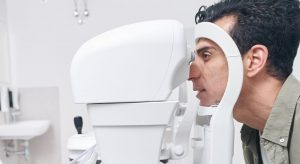
The choice is rarely based on a single factor, because every eye is unique and responds differently to treatment. Surgeons look at dozens of measurements including corneal thickness, curvature patterns, tear quality and pupil size to determine the safest option. By evaluating all these details together, they can recommend the procedure that offers the most predictable results. This comprehensive approach helps protect both your vision and long-term eye health.
Why Speed of Recovery Shouldn’t Be the Only Factor
When considering laser eye surgery, it’s completely understandable to be drawn to the idea of a fast recovery, which often makes LASIK seem like the obvious choice. The benefits are appealing: vision returns rapidly, early discomfort is minimal and most people can return to work or normal routines within a day or two. This level of convenience is hard to ignore, especially for those with busy schedules or lifestyles that don’t allow extended downtime. It’s one of the biggest reasons LASIK has become so popular and widely recognised.
But speed shouldn’t overshadow safety, particularly when it comes to something as important as your long-term eye health. A quick recovery does not automatically mean the procedure is the best match for your eyes. If your corneas are thin, if you have early dry eye symptoms or if your scans show borderline measurements, rushing toward the fastest option could introduce unnecessary risks. In these situations, LASEK offers a safer, more stable outcome, even though the healing period is longer. Choosing the right procedure isn’t only about how quickly you see well it’s about protecting your vision for decades to come. Prioritising long-term stability over short-term convenience often leads to better clarity, comfort and confidence in your results.
LASEK offers long-term advantages:
More stability: Because LASEK preserves deeper corneal layers and avoids flap creation, the cornea maintains its natural strength over the long term. This makes your vision more stable as the years go by, especially if your corneas are thinner or slightly irregular.
Fewer complications: With no flap and less tissue disruption, LASEK eliminates many of the issues that can arise with LASIK such as flap displacement, flap wrinkles, or long-term dryness. This significantly reduces the chances of complications both during healing and in the years that follow.
More suitable for borderline cases: Patients with thinner corneas, mild irregularities, larger pupils, dry eyes, or weaker corneal biomechanics often cannot safely undergo LASIK. LASEK is designed to accommodate these borderline cases while still delivering excellent visual outcomes.
More controlled biomechanics: By keeping the deeper corneal structure untouched, LASEK maintains the eye’s natural biomechanical strength. This reduces the risk of future corneal instability, ectasia, or shape changes that could compromise long-term vision.
Common Misconceptions About LASEK vs LASIK
Myth 1: Not true LASEK has evolved significantly with modern technology and continues to be an essential procedure for patients who are not ideal LASIK candidates. Its ability to preserve more corneal strength makes it highly relevant in today’s refractive surgery landscape.
Myth 2: Not at all. LASIK may be more popular, but suitability matters far more than trends. For patients with thin corneas, large pupils, early dry eye symptoms or borderline scans, LASEK can provide a safer and more predictable outcome than LASIK.
Myth 3: Incorrect LASEK can actually be safer long-term because it avoids flap creation and preserves more of the cornea’s natural biomechanics. This reduces the risk of flap complications and helps maintain corneal stability for years to come.
Myth 4: Discomfort after LASEK is temporary and very manageable with modern eye drops and bandage contact lenses. While the early healing period is longer than LASIK, long-term results are equally excellent, and many patients value the added safety and stability it provides.
Which Procedure Gives Better Long-Term Results?
When comparing LASIK and LASEK for long-term outcomes, both procedures are capable of delivering excellent clarity and highly satisfying vision. The difference lies in how they interact with the structure of your cornea. LASIK is well-known for its speed it provides rapid visual improvement with minimal initial discomfort, which makes it incredibly appealing for people who want quick results. For patients with strong, thick corneas and ideal measurements, the long-term visual outcome of LASIK can be just as good as LASEK.
LASEK, however, often provides superior long-term stability because it preserves more of the cornea’s natural strength. By avoiding flap creation and removing less structural tissue, LASEK maintains better biomechanical integrity over time. This becomes especially important if your corneas are thin, borderline, slightly irregular or show any signs that their strength could be compromised. In these cases, the added stability offered by LASEK can make a meaningful difference in comfort, clarity and long-term safety. For many patients outside ideal LASIK parameters, LASEK is not just preferable it’s the more responsible and protective choice.
Frequently Asked Questions:
- Does LASEK take longer to heal than LASIK?
Yes, LASEK generally takes longer to heal because the surface layer of the cornea needs time to regenerate after being moved aside during the procedure. Most patients notice functional vision within a week, but it may take several weeks for their eyesight to stabilise fully. LASIK, by comparison, allows much quicker visual recovery because the flap created during surgery heals rapidly. Although the slower recovery of LASEK can feel inconvenient, many patients and surgeons still prefer it when long-term corneal strength and safety are the priority. - Is LASEK more painful than LASIK?
LASEK can cause more discomfort during the first few days because the surface cells of the cornea need to heal, and this exposed area can feel sensitive or irritated. Patients often describe sensations like stinging, watering and light sensitivity. These symptoms are temporary and usually well managed with prescribed eye drops and pain relief. LASIK tends to involve minimal discomfort because the surface layer remains mostly undisturbed. However, this short-term comfort sometimes comes at the cost of long-term corneal stability, which is why many surgeons still recommend LASEK for specific eye types. - Is LASEK safer for thin corneas?
Yes, LASEK is considered a safer option for people with thin corneas because it avoids creating a flap and preserves much more of the corneal structure. When the cornea is naturally thin or when someone has a high prescription that requires more tissue removal, performing LASIK may leave the cornea biomechanically weak. This increases the risk of long-term complications such as ectasia. LASEK, by reshaping the surface without cutting a flap, minimises this risk and maintains corneal stability more effectively. - Can LASEK give the same visual results as LASIK?
Yes, the long-term visual clarity from LASEK is comparable to that of LASIK for most suitable candidates. While LASIK delivers faster results in the first few days, both procedures generally achieve excellent clarity once healing is complete. The main difference lies in the healing timeframe rather than the quality of the final outcome. Many patients who choose LASEK because of thin corneas, irregular topography or dry eyes are relieved to find that they achieve the same level of sharpness they would have expected from LASIK, just over a slightly longer period. - Is LASEK better if I already have dry eyes?
Yes, LASEK is often preferred for people with dry eyes because it causes less disruption to the corneal nerves responsible for tear production. LASIK temporarily severs more of these nerves while creating the flap, which can worsen dryness or delay recovery of the tear film. LASEK avoids this issue and tends to allow the tear film to stabilise more naturally during the healing process. This makes it a more comfortable and suitable choice for patients who already struggle with dryness or sensitivity before surgery. - Can I have LASEK if I play contact sports?
Yes, LASEK is widely recommended for people who participate in contact sports because it eliminates the risk of flap displacement. Since LASIK involves creating a permanent corneal flap, any strong impact or accidental trauma during activities like rugby, martial arts or boxing could potentially disturb it. LASEK has no flap at all, which means the cornea remains structurally stronger long-term. Athletes, military personnel and individuals with highly active lifestyles often choose LASEK for this added safety. - Does LASEK reduce night-vision issues compared to LASIK?
For some patients, yes. Individuals with naturally large pupils or certain corneal shapes sometimes experience more halos, glare or starbursts after LASIK, particularly in low light. Because LASEK reshapes the surface without disturbing deeper layers of the cornea, it can produce smoother optical transitions and reduce the likelihood of these symptoms. While both procedures can occasionally cause night-vision disturbances, LASEK may offer a gentler surface correction that benefits patients who are more prone to these issues. - Can I have LASEK if I’ve already had eye surgery before?
Yes, LASEK is often the preferred choice for patients who have undergone previous eye procedures because it avoids the risks associated with lifting or creating a new flap. If someone has had LASIK, SMILE, PRK or even intraocular surgeries like cataract or lens replacement, the corneal structure may already be altered. LASEK provides a safer enhancement method because it works at the surface level and integrates well with tissues that have undergone previous procedures. Surgeons often rely on LASEK as the safest way to perform retreatments or enhancements. - Is the long-term safety of LASEK better than LASIK?
For many patients, yes. LASEK preserves more of the corneal strength and avoids all flap-related complications, making it a more biomechanically stable option long-term. This is especially important for younger patients, people with borderline scans or individuals who want to minimise the risk of ectasia later in life. While LASIK is extremely safe for suitable candidates, LASEK provides an added margin of protection for those whose corneas need more conservative treatment. Over decades, this preservation of structural integrity can be a significant advantage. - How do I know whether LASEK or LASIK is right for me?
The only way to determine the best choice is through a detailed consultation that includes corneal mapping, tomography, epithelial thickness analysis, tear-film assessment and a full lifestyle review. The decision isn’t based on speed or popularity but on the health and stability of your corneas. If scans reveal thin tissue, irregular curvature, borderline biomechanics or signs of dry eye, surgeons usually recommend LASEK. If your corneas are strong, thick and symmetrical, LASIK may be suitable. The safest option is always the treatment that aligns with your eye measurements and long-term visual goals.
Final Thought: Which Vision Correction Option Is Right for You?
Choosing between LASEK and LASIK isn’t just about speed of recovery it’s about long-term safety, stability and what’s genuinely best for your eyes. While LASIK remains popular for its quick healing, LASEK can often be the smarter, safer choice for people with thinner corneas, irregular topography, dry eyes, active lifestyles or borderline scans. Understanding your own eye measurements and lifestyle needs is the most reliable way to decide which procedure will give you the safest and most predictable results.
The best next step is always a detailed consultation with an experienced surgeon who can assess every aspect of your eye health. With the right guidance, you can feel confident about choosing the treatment that protects your corneal strength while giving you clear, lasting vision. If you’re considering Lasek surgery in London and want to know whether it’s the best option for your eyes, you’re welcome to reach out to us at Eye Clinic London to book a consultation and discuss your suitability in detail.
References:
- Liao, J. and Chou, P. (2020) ‘Comparison of corneal biomechanics after LASIK and surface ablation procedures’, Journal of Clinical Medicine, 9(6), p. 1857.
Available at: https://www.mdpi.com/2077-0383/9/6/1857 - El Bahrawy, M., El-Samadouny, M. and Hartwig, A. (2022) ‘Long-term outcomes of LASEK in patients with thin corneas’, Vision, 6(3), p. 52.
Available at: https://www.mdpi.com/2411-5150/6/3/52 - Taneri, S., Oehler, S. and Dick, H.B. (2018) ‘LASEK vs LASIK: A review of indications and outcomes’, Ophthalmology, 125(8), pp. 1232–1243.
Available at: https://pubmed.ncbi.nlm.nih.gov/29887125/ - Zarei-Ghanavati, S. and Randleman, J.B. (2021) ‘Corneal ectasia risk factors following refractive surgery’, Current Opinion in Ophthalmology, 32(4), pp. 298–305.
Available at: https://pubmed.ncbi.nlm.nih.gov/33927225/ - Xu, Y., Yang, X. and Zhang, J. (2019) ‘Comparison of visual recovery between LASIK and surface ablation’, Medicine, 98(15), e15112.
Available at: https://www.ncbi.nlm.nih.gov/pmc/articles/PMC6472734/