


LASEK Surgery for Far-Sightedness (Hyperopia): Is It Effective?
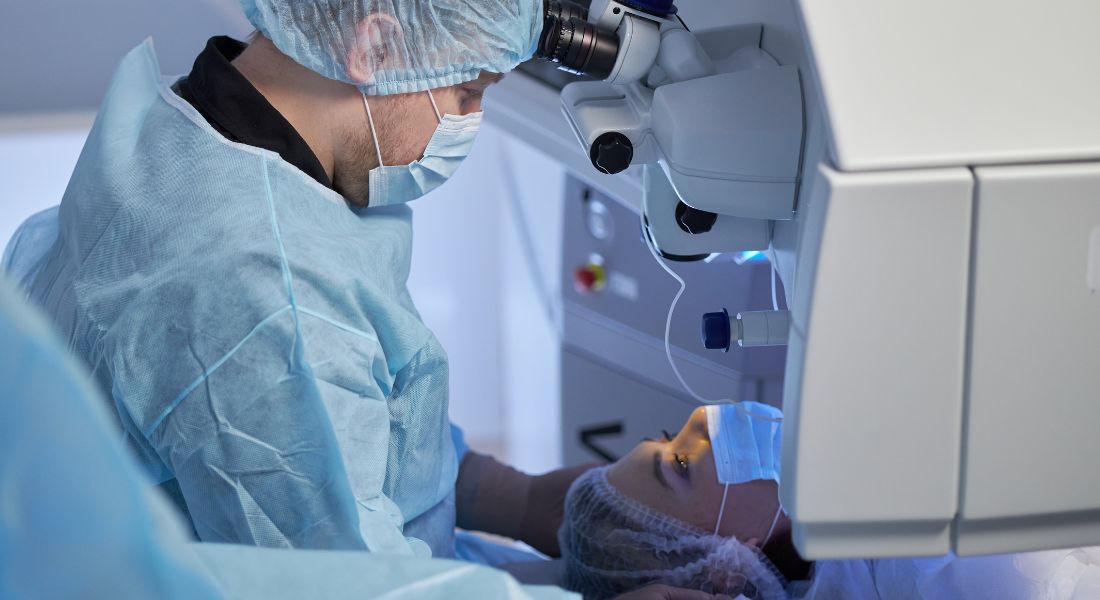
If you’re someone who’s far-sighted (hyperopic), you probably know exactly what it feels like to hold your phone at arm’s length just to make the text clear. You may struggle with reading, close work, detailed tasks, or even general comfort when switching focus. Perhaps your distance vision is still decent, but your eyes get tired easily, your reading glasses have become a constant companion, and you’re wondering whether laser eye surgery could give you more freedom. Most people associate LASEK with correcting short-sightedness, but many far-sighted patients ask the same question: “Can LASEK treat hyperopia effectively?” The answer is: yes for the right patient. But hyperopia is more complex than myopia, and not everyone is automatically suitable.
In this article, I’ll walk you through everything you need to know about LASEK for far-sightedness. I’ll explain how the procedure works, why hyperopia behaves differently from myopia, what results you can realistically expect, how long the vision stays stable, and why some surgeons recommend alternatives for certain prescriptions. I’ll also compare LASEK to LASIK and other treatments so you can clearly understand your best options before making a decision. My goal is to give you all the knowledge you need to move forward confidently. Let’s begin by looking at what hyperopia actually is and why it behaves differently in the eye.
What Is Far-Sightedness (Hyperopia)?

Hyperopia, also known as long-sightedness, occurs when:
Your eye is too short: When the eyeball is shorter than average from front to back, light entering the eye doesn’t have enough distance to focus properly. Because of this reduced length, the image forms behind the retina, making close objects look blurry while distant objects may still appear relatively clear.
Your cornea is too flat: The cornea is meant to have a natural curve that bends (refracts) light sharply. If it’s too flat, its focusing power becomes weaker, so light rays do not converge quickly enough. As a result, they overshoot the retina, causing difficulty with tasks like reading, sewing, or using a phone up close.
Or the focusing power of the eye is too weak: Sometimes the cornea and lens together don’t bend light powerfully enough, even if the eye’s length is normal. This reduced refractive strength means the eye has to work harder to focus on near objects, often leading to eye strain, headaches, or the tendency to hold things farther away to see them clearly.
What hyperopia feels like:
difficulty focusing on near tasks: When you try to do anything up close reading a menu, checking your phone, threading a needle, or working on a laptop your eyes must exert extra effort just to make the image clear. This happens because the eye’s focusing system is constantly trying to pull the image forward onto the retina. Over time, this becomes tiring, and you may notice yourself squinting, holding things farther away, or needing more light just to maintain clarity.
eye strain when reading: Reading requires continuous, precise focusing. In hyperopia, the eye muscles responsible for this focusing are always working harder than normal, even if you don’t realise it. After a short time, this can create a feeling of pressure, burning, or tightness around the eyes. Words may start to blur or “swim,” and you might need to take breaks more frequently than others. This strain often becomes more obvious at night or after long hours of screen use.
headaches or brow tension: Because your eyes are constantly trying to compensate for the focusing weakness, the small muscles inside the eye stay active for long periods. This internal effort often spills over into the surrounding facial muscles, especially around the forehead and temples. As a result, many people experience a dull, aching headache or a tightening band-like pressure across the brow. These headaches tend to worsen as the day progresses, particularly after prolonged near tasks.
blurred near and intermediate vision: Objects held close, such as books or phones, may appear fuzzy or out of focus. Even intermediate distances like a computer screen, car dashboard, or anything at arm’s length can seem soft or slightly hazy. You might notice that adjusting the distance gives brief relief, or that clarity comes and goes depending on how tired your eyes feel. This blur is often worse in low light, when your pupils widen and your focusing system has to work even harder.
difficulty switching focus: Looking quickly from something near to something far, or vice versa, can feel slow and uncomfortable. The eyes take a moment to change focus, leading to a brief period where everything appears blurry or unstable. This lag can be noticeable when reading and then looking up, when checking your phone while watching TV, or when driving and glancing between the dashboard and the road ahead. Over time, this constant refocusing can add to overall visual fatigue.
tired eyes at the end of the day: Because your eyes have been compensating all day long, they often feel exhausted by evening. This fatigue can show up as dryness, heaviness, burning, or a desire to close your eyes for relief. Many people describe their eyes as “overworked” or “not cooperating” by night-time, especially after long hours at work, extended screen use, or reading for long periods. This tiredness can also make near vision even more blurry and uncomfortable.
How LASEK Works for Hyperopia
To correct hyperopia, LASEK focuses on reshaping the cornea in a way that boosts its natural focusing power. Unlike treatments for myopia, where the goal is to flatten the cornea, hyperopia correction requires the laser to steepen the central cornea so it bends light more effectively. When this central curve becomes slightly steeper, the focal point shifts forward onto the retina, giving you clearer, more comfortable near vision. This subtle change helps reduce the constant effort your eyes make to maintain focus, which is why so many long-sighted patients notice a significant drop in strain, headaches, and visual fatigue after treatment. It’s a delicate adjustment, but when planned correctly, it can dramatically improve how stable and natural your vision feels throughout the day.
The procedure itself is carefully structured but surprisingly quick. First, the epithelium the thin, protective outer skin of the cornea is gently loosened using an alcohol solution and slid aside to expose the underlying tissue. The excimer laser then reshapes the cornea with incredible precision, applying a customised pattern that steepens the centre according to your prescription. Once the reshaping is complete, the epithelium is repositioned, and a soft bandage contact lens is placed over the eye to keep it comfortable and protected while the surface heals. Each eye takes about 15–20 minutes, and both are usually treated during the same appointment. Because LASEK avoids creating a corneal flap, it’s often considered a safer, more stable choice for people with thinner corneas, flatter corneas, or those who prefer a surface-based procedure with a lower risk of flap-related complications.
Why Hyperopia Is More Challenging to Treat Than Myopia
Here’s why:
The cornea must be steepened, not flattened: For hyperopia, the goal is to increase the curvature of the cornea so it bends light more strongly. This steepening process is more technically demanding than flattening a cornea for myopia because it requires adding curvature rather than removing it. The laser must reshape the peripheral cornea very precisely to create a central steepening effect. Since this change relies heavily on the cornea’s natural biomechanics, it can be less predictable and may require more healing time or fine-tuning compared with myopic treatments.
Hyperopic corrections require larger optical zones: To properly steepen the central cornea and avoid visual distortions such as glare or halos, the laser must treat a wider area than in myopic laser surgery. A larger optical zone ensures smooth transitions between treated and untreated tissue, which is essential for maintaining quality vision, especially in dim lighting. However, treating a larger surface area requires more precision and increases the amount of tissue that must be safely reshaped.
Vision can fluctuate more during healing: After hyperopic treatments, the corneal surface and deeper layers take time to stabilise into their new shape. During this period, vision may vary from day to day or even morning to evening. Some people notice sharper distance vision on some days and softer near vision on others. These fluctuations are common because the cornea is adjusting its curvature and the tear film is recovering.
Higher hyperopic prescriptions are harder to correct with surface treatments like LASEK: Surface procedures such as LASEK or PRK must work within the limits of the cornea’s thickness and biomechanics. When treating higher levels of hyperopia, the amount of steepening required can exceed what is safe or predictable with surface laser techniques. The healing process may also be slower and the risk of regression slightly higher.
Is LASEK Effective for Treating Hyperopia?

The short answer is that LASEK can effectively treat mild to moderate hyperopia, and for many patients, the difference is life-changing. It improves both distance and near vision, which means you may finally be able to read, use your phone, or focus on close work without constantly relying on reading glasses or straining your eyes. The procedure works by precisely reshaping the cornea so that light lands correctly on the retina, and when done correctly, these results are generally stable and long-lasting. Many patients describe a newfound ease in everyday tasks, from reading menus and working at a computer to driving at night, making LASEK an attractive option for those ready to reduce their dependence on corrective lenses.
However, there are some important limitations and considerations to keep in mind. High hyperopia is usually less suitable for LASEK, as larger corrections can be more difficult to achieve and may carry a higher risk of side effects. Recovery is also slower compared with LASIK, with vision often fluctuating over several weeks as the cornea heals and the epithelium settles back into place. During this time, you may notice temporary haze, light sensitivity, or minor blurriness, which can be frustrating if you expect immediate perfect vision. Understanding these factors ahead of time is crucial it helps set realistic expectations and ensures that LASEK is the right fit for your eyes and lifestyle, allowing you to move forward confidently with the procedure.
Who Is Suitable for LASEK When Treating Hyperopia?
You are likely a good candidate for LASEK if you have mild to moderate hyperopia, typically in the range of +1.00 to +4.00, and your prescription has been stable for at least a year. It’s important to have healthy corneas with enough thickness to allow the laser to safely reshape the surface, and patients should generally be over 18, when vision has stabilised. People without keratoconus, irregular corneal topography, or other structural abnormalities tend to have the best outcomes. Even if you have mild astigmatism, LASEK can often correct both issues at once. Essentially, if your eyes are structurally sound and your vision has been consistent, LASEK can provide an effective, long-term solution for reducing dependence on glasses or contact lenses.
LASEK is also particularly suitable for patients who face challenges that make LASIK less ideal. For instance, if you have thin corneas or chronic dry eyes, LASEK is safer because it doesn’t involve creating a corneal flap, which can weaken the eye or complicate healing. It’s also an excellent choice for athletes or anyone who plays contact sports and wants to avoid the risk of flap-related injuries. For the right patient, LASEK can provide excellent visual clarity, improving both distance and near vision while maintaining long-term corneal stability. Many patients find that it not only enhances everyday comfort and focus but also offers peace of mind, knowing they have chosen a procedure that is both safe and reliable for years to come.
Who Is NOT Suitable for LASEK for Hyperopia?
LASEK (Laser Epithelial Keratomileusis) is a popular surface laser procedure used to correct hyperopia, commonly known as long-sightedness. By reshaping the cornea, LASEK helps focus light accurately onto the retina, improving distance vision and reducing dependence on glasses or contact lenses. While LASEK is safe and effective for many patients, it is not suitable for everyone. Certain eye conditions, anatomical factors, and vision requirements can make the procedure less predictable or increase the risk of complications. Understanding who may not be an ideal candidate is crucial for ensuring both safety and optimal visual outcomes.
You may not be suitable for LASEK if you:
Have high hyperopia (above +4.00): Patients with strong long-sightedness require a significant increase in corneal curvature to achieve clear vision. LASEK has limitations on how much the cornea can safely be reshaped, and attempting very high corrections can lead to under-correction, regression, or uneven visual results. For these patients, alternative procedures like LASIK, implantable lenses, or refractive lens exchange often provide more predictable, stable outcomes, especially for achieving sharp near and intermediate vision.
Have irregular corneas: Irregularities such as corneal scars, previous surgery, or natural uneven curvature can make it challenging for the laser to create a smooth, uniform surface. LASEK depends on a regular corneal shape to accurately focus light on the retina. Treating irregular corneas with LASEK can result in visual distortions, reduced clarity, and increased risk of glare or halos at night. In some cases, specialized imaging and alternative procedures may be safer and more effective.
Have thin corneas below safety thresholds: The LASEK procedure removes and reshapes corneal tissue, which slightly weakens the structural integrity of the cornea. If a patient’s cornea is already thin, further tissue removal could increase the risk of complications such as ectasia (bulging of the cornea) or long-term instability. Surgeons often set strict minimum thickness requirements to ensure patient safety, and those below the threshold are usually directed to LASIK, SMILE, or implantable lenses instead.
Have early or active keratoconus: Keratoconus is a condition where the cornea progressively thins and becomes cone-shaped. Performing LASEK on a cornea affected by keratoconus can exacerbate the disease and lead to unpredictable visual outcomes. For these patients, other approaches such as corneal cross-linking, implantable lenses, or specialized refractive procedures are considered safer and more effective.
Have very dry eyes: LASEK temporarily affects the corneal surface and tear film, which can worsen existing dry eye symptoms. Patients with severe dryness may experience discomfort, fluctuating vision, slower healing, and prolonged recovery periods. In these cases, alternative procedures that are less surface-dependent, such as LASIK with careful pre-treatment for dry eyes, may offer better comfort and more stable visual results.
Need correction of presbyopia alongside hyperopia: Presbyopia is the age-related loss of near vision due to a stiffening natural lens. LASEK can correct hyperopia but cannot fully restore accommodation for near tasks. Patients seeking simultaneous treatment for hyperopia and presbyopia may need advanced solutions such as multifocal or accommodating lenses, refractive lens exchange, or combined procedures that address both distance and near vision effectively.
Have large pupils that increase glare at night: Larger pupils allow more light to enter the eye, which can magnify minor imperfections in the corneal surface after LASEK. This can result in night-time visual issues such as halos, glare, or reduced contrast sensitivity. Patients with large pupils are at a higher risk of experiencing these side effects, and alternatives like LASIK or implantable lenses may provide clearer, more comfortable night vision.
What Results Can You Expect After LASEK for Hyperopia?
Results you can expect include: After LASEK for hyperopia, most patients experience a range of practical and noticeable benefits. You can expect clearer distance vision and sharper intermediate vision, which makes activities like driving, computer work, or cooking much easier. Many people find they have a reduced reliance on reading glasses, while daily tasks feel more comfortable and less tiring. LASEK also helps reduce eye strain and improves overall focusing ability, allowing your eyes to switch between near and far objects more smoothly. Together, these improvements create a more natural, effortless visual experience that can make a real difference in everyday life.
Success rates for mild to moderate hyperopia are high: In terms of outcomes, LASEK for hyperopia is highly effective for most patients. Around 90–95% achieve their desired visual result, with the majority reaching 20/20 vision or very close to it. It’s important to remember, however, that LASEK doesn’t stop the natural ageing process, so presbyopia the gradual loss of near focusing ability may still develop later in life. Even so, the procedure provides a long-lasting improvement in both distance and intermediate vision, often reducing dependence on glasses for many years.
How LASEK Results Compare With LASIK for Hyperopia
Understanding how LASEK compares with LASIK for hyperopia is important because, while both procedures reshape the cornea to improve vision, they do so in fundamentally different ways. LASEK is a surface-based procedure, meaning the outer layer of the cornea is lifted and replaced rather than cut into a flap. This makes it a safer option for patients with thinner corneas, flatter corneas, or those who prefer a flap-free approach. The recovery with LASEK is slower, and vision may fluctuate over several weeks as the epithelium heals, but many patients find the long-term stability and reduced risk of structural complications to be worth the extra healing time. It’s particularly appealing for individuals who play contact sports or have lifestyle considerations where flap-related risks could be a concern.
LASIK, by contrast, involves creating a flap in the cornea before reshaping the underlying tissue with a laser. This approach allows for faster recovery, more immediate visual improvement, and typically less discomfort during the healing period. LASIK is often chosen for patients with higher levels of hyperopia because the flap-based method enables highly precise corneal reshaping, which can be more challenging with surface procedures. However, it does carry some additional considerations: a slightly higher risk of long-term dryness, potential flap complications, and, in rare cases, issues with flap healing. Ultimately, both LASEK and LASIK are effective for correcting hyperopia, but the best choice depends on your corneal thickness, prescription strength, lifestyle, and how much you value speed of recovery versus long-term safety and stability.
LASEK for Hyperopia
LASEK for hyperopia is often considered a safer option for patients with thinner corneas or chronic dry eyes because it doesn’t involve creating a flap in the cornea. This surface-based approach helps preserve corneal strength and completely avoids flap-related complications, making it particularly appealing for athletes, contact sport players, or anyone concerned about long-term corneal integrity. However, there are trade-offs: recovery is slower, there may be more discomfort in the early days, and vision can fluctuate slightly during the first few weeks as the epithelium heals and settles into place. Despite these initial inconveniences, most patients find that the long-term safety and stability are well worth it.
In terms of visual outcomes, both LASEK and LASIK deliver similar long-term results, with most patients achieving sharp, comfortable vision that significantly reduces reliance on glasses or contact lenses. The choice between the two procedures usually comes down to individual factors such as corneal thickness, dryness, lifestyle, and how quickly you want to recover. For those prioritising safety and structural preservation, LASEK is often the better fit, while LASIK may be preferred by patients who want faster visual improvement and a more comfortable immediate recovery.
Recovery Timeline After LASEK for Hyperopia
Hyperopia recovery is slightly different from myopia recovery.
Here’s what to expect:
Day 1–3 (Discomfort and Blurriness): During the first few days after LASEK, it’s normal to experience more discomfort than with LASIK. Many patients describe a gritty or scratchy feeling in the eyes, along with sensitivity to light. Near vision is often blurrier than distance vision at this stage, making reading or close work challenging, while distance vision may already feel slightly clearer. The bandage contact lens placed during the procedure remains in place to protect the cornea and help the epithelium heal, which can also contribute to some mild irritation. Although these first days can be uncomfortable, this initial healing period is temporary, and most of the discomfort gradually eases as the eyes begin to recover.
Day 3–5 (Removal of Bandage Lens): Around days three to five, the bandage contact lens is usually removed, marking a noticeable improvement in comfort. The gritty or scratchy sensation begins to fade, and light sensitivity often decreases, making daily activities much easier. While vision may still fluctuate, most patients start to notice clearer distance vision, though near tasks can remain slightly blurry. This stage is an encouraging turning point, as the eyes begin to settle and the initial discomfort of the early days gradually diminishes.
Week 1–2 (Distance Vision Improves Steadily): By the end of the first week and into the second, most patients notice that distance vision is becoming much clearer. Near vision also begins to improve gradually, although it may not yet be fully sharp for reading or close work. Many people find that eye strain is noticeably reduced, and daily activities like driving, using a computer, or watching TV feel more comfortable. While some fluctuations in vision may still occur, this period is generally when the eyes start to stabilise, and patients gain a clearer sense of the improvements LASEK is providing.
Weeks 3–6 (Continued Visual Refinement): Between three and six weeks after LASEK, many hyperopic patients experience the most noticeable fluctuations in vision. Some days may feel almost perfectly clear, while others can still feel slightly blurry, especially for near tasks. This is completely normal, as the cornea continues to settle and the epithelium fully integrates into its new shape. During this phase, patients often notice gradual improvements in near vision, sharper intermediate focus, and reduced eye strain compared with the first couple of weeks. Regular follow-ups during this time help the surgeon monitor healing and ensure everything is progressing as expected.
3 Months (Final Vision Clarity): By around three months, most patients reach their final vision clarity. Distance vision is generally stable and sharp, intermediate vision is reliable, and near vision has usually improved enough to significantly reduce dependence on reading glasses. Many patients report that daily tasks from working at a computer to reading and driving feel easier and more comfortable than they have in years. This milestone is when the benefits of LASEK truly become noticeable, giving patients a real sense of freedom from corrective lenses.
6–12 Months (Long-Term Stability): From six months to a year, the visual results typically remain stable for many years, providing a lasting improvement in both clarity and comfort. Minor fluctuations are rare at this stage, and most patients enjoy consistent vision for distance and intermediate tasks. While natural changes such as presbyopia may develop with age, the effects of LASEK are long-lasting, and the eyes maintain the improved focusing ability achieved through the procedure. This period marks the consolidation of the benefits, giving patients confidence in their vision and in the lasting safety and effectiveness of the surgery.
Will the Results Last? (Hyperopia Stability Explained)
One of the most common concerns for hyperopic patients considering LASEK is regression, where the eyes gradually drift back toward long-sightedness after surgery. Hyperopic corrections are generally more prone to regression than myopic ones, because steepening the cornea is a more delicate adjustment than flattening it. Even small changes in the cornea’s healing or structural response can slightly affect the outcome. It’s natural to worry about whether the improvement will last, especially if you’ve been dealing with long-sightedness for years, but with careful planning and the right technique, regression can be minimised, and most patients enjoy durable, satisfying results.
Several factors play a key role in maintaining long-term stability after LASEK. Selecting the right procedure for your level of hyperopia is critical, as is using advanced technology like wavefront or topography-guided laser treatments, which map and correct subtle irregularities in the cornea. Treating both eyes at the same time can also improve balance and reduce the likelihood of visual fluctuations. Ensuring your corneas are healthy, thick enough, and structurally sound provides a strong foundation for lasting results. Additionally, waiting until you are over 21 with a stable prescription gives the cornea time to stabilise naturally, which further enhances longevity. When all these conditions are met, many patients maintain excellent vision for 10–20 years or longer, with minimal need for enhancement or corrective lenses, making LASEK a reliable long-term solution for hyperopia.
How LASEK Compares With Other Hyperopia Treatments
While LASEK is an excellent option for many hyperopic patients, it isn’t always the best fit for every eye. Factors such as very high prescriptions, extremely thin corneas, or other corneal irregularities can make other treatments more suitable. Fortunately, there are several strong alternatives that can correct hyperopia effectively while catering to different needs, lifestyles, and eye structures. Some of the most commonly considered alternatives include LASIK, which offers faster recovery and more immediate visual improvement, and PRK, a surface-based procedure similar to LASEK but sometimes preferred in specific corneal conditions. Other options like implantable lenses (ICL) or refractive lens exchange (RLE) may be recommended for higher prescriptions or when the cornea isn’t suitable for laser reshaping. Each approach has its own benefits, recovery profile, and suitability criteria, so understanding these options helps you and your surgeon choose the method that will provide the clearest, most stable vision for your eyes.
LASIK for Hyperopia: LASIK is often the preferred option for patients with higher hyperopia, as the flap-based approach allows for more precise corneal reshaping. It’s also a good choice for those who want fast visual recovery and minimal early discomfort, or for people with thicker corneas that can safely support the flap. However, LASIK isn’t ideal for everyone. Patients with thin corneas, chronic dry eyes, or those involved in professions or sports with a higher risk of eye trauma may be better suited to flap-free procedures like LASEK or PRK. Understanding these advantages and limitations helps determine which laser treatment will be safest and most effective for your eyes.
SMILE for Hyperopia: SMILE (Small Incision Lenticule Extraction) is not currently widely used for hyperopia. The procedure was originally developed to treat myopia and certain forms of astigmatism, and while some advanced SMILE platforms are being tested for long-sightedness, these applications are still in the experimental stage and not yet widely available. For now, most hyperopic patients are better served by established procedures like LASEK, LASIK, or PRK, which have a long track record of safety and predictable outcomes.
PRK (Photorefractive Keratectomy): PRK is a surface-based laser procedure similar to LASEK, but with one key difference: the epithelium is removed entirely rather than repositioned. Like LASEK, PRK reshapes the cornea to correct hyperopia, though it may be used in more limited cases since LASEK’s epithelial preservation often results in slightly faster healing and less early discomfort. PRK remains a reliable alternative for patients who are not suitable for LASIK or LASEK, offering the benefits of a flap-free procedure while still achieving excellent long-term visual results.
Refractive Lens Exchange (RLE): Refractive Lens Exchange (RLE) is a procedure very similar to cataract surgery, where your natural lens is removed and replaced with an artificial intraocular lens. It’s particularly ideal for middle-aged or older patients who have moderate to high hyperopia, presbyopia, or combined vision needs that aren’t easily corrected with corneal laser procedures. By replacing the natural lens, RLE not only corrects long-sightedness but also eliminates the future risk of cataracts, giving patients clear vision for years to come. This approach can be especially beneficial for those seeking a more permanent solution when corneal procedures may be less predictable due to age or prescription strength.
Implantable Collamer Lens (ICL): Implantable Collamer Lens (ICL) surgery is widely recognised for treating high myopia, but it is less commonly used for hyperopia. In some cases, special hyperopic ICLs are available, designed to correct long-sightedness when laser procedures may not be suitable. However, their availability can vary by region, and not all clinics offer them as a standard option. For patients with higher prescriptions or corneal limitations, ICL can provide an alternative path to clear vision, offering excellent optical quality and the advantage of a reversible procedure without removing the natural lens.
Possible Side Effects of LASEK for Hyperopia: Most side effects of LASEK for hyperopia are temporary and predictable, and usually improve as the eyes heal. Common issues include dryness, glare, halos, fluctuating vision, delayed near focus, and general discomfort during the first few days. Rarely, patients may experience undercorrection, regression, prolonged healing, or corneal haze, but these complications are uncommon and are greatly minimised when an experienced surgeon carefully evaluates your eyes and uses advanced laser techniques. Being aware of these potential effects helps set realistic expectations and ensures a smoother, more confident recovery.
Lifestyle Benefits of LASEK for Hyperopia
One of the main lifestyle advantages of LASEK is that it is a flap-free procedure, which makes it particularly safe for people who play contact sports, practice martial arts, or engage in other physically demanding activities. Unlike LASIK, there’s no risk of flap dislocation or trauma, and the procedure doesn’t involve cutting instruments inside the eye, which helps preserve corneal integrity and long-term strength. LASEK is also better tolerated by patients with dry eyes, as it avoids some of the nerve disruption associated with flap creation, reducing the likelihood of chronic dryness. After healing, many patients enjoy clear distance and near vision, making daily tasks such as reading, using digital devices, driving, or working much more comfortable and less reliant on glasses or contact lenses.
For younger adults, active professionals, or frequent travelers, these lifestyle benefits can be especially meaningful. LASEK provides a stable, durable correction that allows you to pursue hobbies, sports, and career demands without worrying about eye safety or corneal complications. Its long-term stability and minimal interference with corneal structure also mean fewer concerns about future procedures or age-related changes. Overall, LASEK combines effective hyperopia correction with practical, everyday advantages, giving patients the freedom to enjoy an active, hassle-free life with clear, comfortable vision.
FAQs:
- Can LASEK fully correct hyperopia?
LASEK can fully correct mild to moderate hyperopia in many patients, particularly those with prescriptions between +1.00 and +4.00. During the procedure, the laser steepens the central cornea so that light focuses accurately on the retina. While it works extremely well for lower prescription ranges, higher levels of hyperopia sometimes require alternative treatments such as LASIK or refractive lens exchange, simply because far-sightedness can be more complex to stabilise long-term. Still, for suitable candidates, LASEK provides clear, stable, long-lasting vision, with many achieving results close to 20/20. - Is LASEK safe for treating hyperopia?
Yes, LASEK is considered a very safe procedure for hyperopia, especially for people who have thin corneas, dry eyes, or active lifestyles where a flap-related complication from LASIK would be a concern. Because LASEK doesn’t involve creating a corneal flap, the structural integrity of the cornea remains stronger. The healing may take longer, but the overall safety profile is excellent. Complications such as haze or regression are uncommon and usually manageable with proper assessment and follow-up. - How long does recovery take after LASEK for hyperopia?
Recovery from LASEK is slower than LASIK, but most patients notice meaningful improvements in vision within the first one to two weeks. Near vision often fluctuates more because the eye needs time to adapt to the increased corneal curvature. It generally takes around two to three months for the final clarity to settle, and some hyperopic patients experience subtle refinements for several months beyond that. By the three-month mark, most people achieve the stable, clear results they expected. - Does LASEK improve both near and distance vision for hyperopic patients?
Yes, LASEK typically improves both near and distance vision for suitable hyperopic patients. Because the laser increases the cornea’s focusing power, tasks such as reading, computer work and working at arm’s length often become noticeably easier. Distance vision also becomes sharper, contributing to increased comfort throughout the day. The improvement in near vision can be especially significant for younger adults, although age-related changes such as presbyopia will still occur over time and may require reading glasses later. - Is the LASEK procedure painful?
The procedure itself is not painful because anaesthetic drops numb the eye. Most patients describe a feeling of pressure rather than discomfort. After the treatment, however, it’s normal to experience soreness, light sensitivity, watery eyes and a gritty sensation for the first two to three days. This is because the surface layer of the cornea is healing. A bandage contact lens is used to protect the eye during this stage, and medicated drops help control inflammation and discomfort. The majority of patients feel significantly better by day four or five. - How stable are hyperopia results after LASEK?
Hyperopia results are generally stable for many years, particularly when the procedure is performed on patients with appropriate prescription levels and healthy corneas. While hyperopic corrections can carry a slightly higher tendency for regression compared to myopia, advances in laser technology have improved long-term predictability. Choosing wavefront-guided or topography-guided treatment further enhances accuracy and stability. Most patients enjoy clear vision for 10 to 20 years or more, although natural ageing of the eye will eventually influence focusing ability. - Can LASEK treat hyperopia with astigmatism?
Yes, LASEK can effectively treat hyperopia combined with mild to moderate astigmatism. The excimer laser is capable of reshaping the cornea in a way that addresses both the curvature steepening required for hyperopia and the irregularity involved in astigmatism. This allows many patients to achieve clearer, more comfortable vision without needing glasses for everyday tasks. Very high astigmatism levels may require alternative procedures, but for most people with common prescription ranges, LASEK is a strong option. - Is LASEK better than LASIK for hyperopia?
Neither procedure is universally “better”; the choice depends entirely on the patient’s eye structure and lifestyle. LASIK provides faster recovery, less initial discomfort and often a quicker stabilisation of vision. However, LASEK is often preferred for people with thin corneas, dry eyes, flat corneas or those involved in sports where physical impact could risk a LASIK flap. In terms of long-term visual results, both procedures offer similarly high success rates. The ideal choice is based on safety, stability and the anatomy of the eye rather than which one is superior overall. - Will I still need glasses after LASEK if I’m hyperopic?
Many patients no longer need glasses for everyday distance tasks after LASEK, and many also find that near and intermediate activities become much more comfortable. However, whether you will ever need glasses again depends on several factors, including your original prescription, your age and how your vision changes naturally over time. Hyperopic patients who are older may eventually need reading glasses due to presbyopia, which affects everyone regardless of whether they have had laser eye surgery. - How do I know if I’m a good candidate for hyperopia correction with LASEK?
The best way to determine suitability is through a detailed eye assessment that examines corneal thickness, shape, prescription stability, tear film quality and overall eye health. Patients with mild to moderate hyperopia, a stable prescription, healthy corneas and no signs of irregularities such as keratoconus are often excellent candidates. People with thin corneas or dry eyes also tend to benefit from LASEK over LASIK. Your lifestyle, visual goals and long-term expectations also play a key role in deciding whether LASEK is the right treatment for you.
Final Thought: Is LASEK the Right Option for You?
Choosing the right treatment for far-sightedness is a highly individual decision, and understanding how LASEK works for hyperopia can help you take the next step with confidence. While hyperopic corrections are more complex than myopic ones, modern LASEK techniques offer excellent clarity, long-term stability and a safer option for people with thin corneas, dry eyes or active lifestyles. If you’re exploring your options, the most reliable way to know whether you’re an ideal candidate is through a detailed assessment of your corneal thickness, prescription and overall eye health. If you’re considering Lasek surgery and want to know if it’s the right option, you’re welcome to reach out to us at Eye Clinic London to book a consultation.
References:
- Ghadhfan, F., Al-Rajhi, A.A. & Wagoner, M.D. (2007) ‘Laser in situ keratomileusis versus surface ablation: Visual outcomes and complications’, Journal of Refractive Surgery, 23(3), pp. 244–254. Available at: https://pubmed.ncbi.nlm.nih.gov/17385263/
- Lee, J.B., Choe, C.M., Kim, H.S. & Seo, K.Y. (2001) ‘Comparison of laser epithelial keratomileusis and photorefractive keratectomy for low to moderate myopia’, Journal of Cataract and Refractive Surgery, 27(4), pp. 565–570. Available at: https://pubmed.ncbi.nlm.nih.gov/11311623/
- Alio, J.L., Artola, A., Claramonte, P., Ayala, M.J. & Sánchez, S.P. (1998) ‘Complications of photorefractive keratectomy for hyperopia’, Journal of Cataract and Refractive Surgery, 24(12), pp. 1562–1570. Available at: https://pmc.ncbi.nlm.nih.gov/articles/PMC1771479/
- Camellin, M. & Arba Mosquera, S. (2011) ‘Aspheric LASIK treatment of hyperopia: 6-month results’, Journal of Ophthalmology, Article ID 928751. Available at: https://pmc.ncbi.nlm.nih.gov/articles/PMC3145729/
- Alió, J.L., Soria, F.A., Abbouda, A. & Peña-García, P. (2020) ‘Laser refractive surgery for hyperopia: indications, techniques and limitations’, Journal of Clinical Medicine, 9(4), p. 1106. https://www.mdpi.com/2077-0383/9/4/1106