


Can You Fix Thin Corneas Before LASIK Surgery?
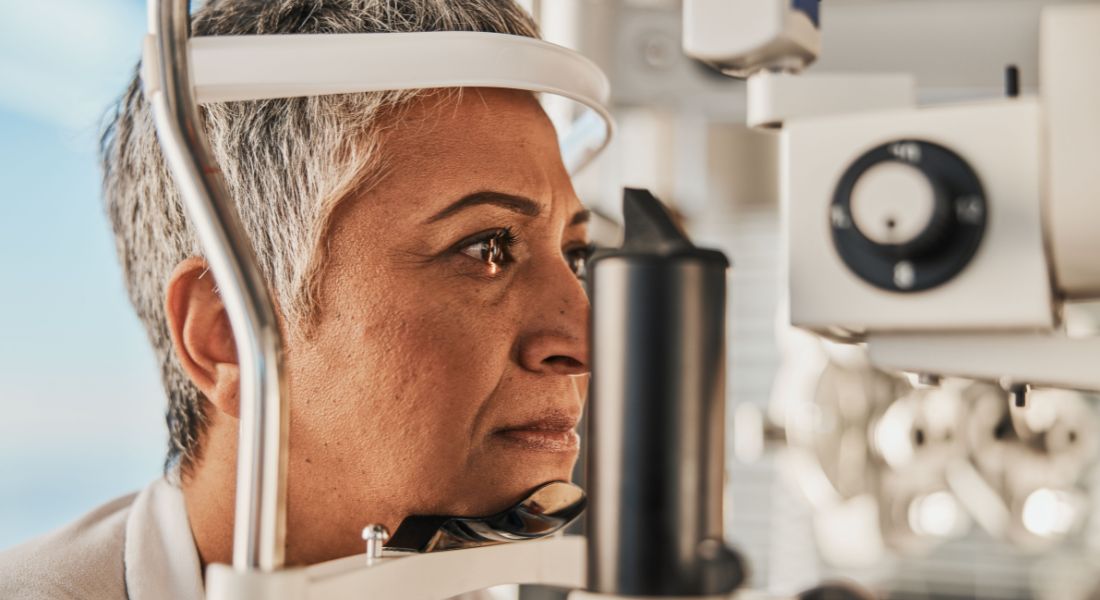
If you’ve ever dreamed of living without glasses or contact lenses, being told that your corneas are “too thin for LASIK” can be disappointing and even frustrating. It’s natural to feel like your vision goals have suddenly become out of reach, especially if you’ve never experienced any eye problems before. Many people assume LASIK is a one-size-fits-all solution, so learning that corneal thickness is a critical factor can come as a shock. The idea that your cornea’s structure alone can determine whether you’re eligible for a procedure might feel confusing, but it’s a key aspect of ensuring long-term eye health and safety.
Once you learn about thin corneas, the next thought often is: “Can I strengthen or thicken my corneas so that I could qualify for LASIK later?” It seems logical after all, we can improve other parts of our body, like skin, hair, or muscles, with the right treatments. The hope is that corneal health might be equally malleable, allowing you to safely undergo laser vision correction in the future. However, unlike muscles or skin, corneal tissue is delicate and doesn’t regenerate or thicken in the same way. This makes the solution more complex and requires a clear understanding of what treatments can and cannot do.
In this guide, I’ll take you through everything you need to know about thin corneas, including whether they can be “fixed,” the role of corneal cross-linking in strengthening the cornea, and what your safest alternatives are if LASIK isn’t an option. The goal is to provide honest, evidence-based information so you can make informed decisions about your vision. By the end, you’ll understand not only your LASIK eligibility but also your overall corneal health and the range of vision correction options available, giving you clarity on the safest path to achieving better vision.
Why Corneal Thickness Matters for LASIK
Corneal thickness is a critical factor in determining LASIK eligibility because the procedure relies on precise reshaping of the cornea to correct vision. During LASIK, the surgeon uses a laser to remove very thin layers of corneal tissue, changing the curvature of the cornea so that light entering the eye focuses accurately on the retina. This reshaping is what allows for clear, glasses-free vision. However, because tissue is being removed, the cornea must have enough thickness to remain strong and stable after the procedure. Starting with an adequately thick cornea ensures that the eye can tolerate the structural changes without compromising its integrity.
If the cornea is too thin before surgery, removing even a small amount of tissue can leave it weakened, increasing the risk of complications both immediately after surgery and over the long term. One of the most serious risks is corneal ectasia, a progressive bulging of the cornea that can distort vision and lead to instability. Other potential issues include poor visual outcomes, fluctuating vision, and permanent changes in corneal shape. Because of these risks, eye surgeons consider corneal thickness one of the most important factors when evaluating patients for LASIK. Ensuring sufficient corneal thickness helps maintain structural stability, reduces the likelihood of complications, and contributes to safe, predictable, and long-lasting vision correction results.
What Is Considered a “Thin” Cornea?

A normal adult cornea typically measures between 520 and 550 microns in thickness at the centre. Corneal thickness is a key factor in determining suitability for LASIK, and while standards can vary slightly between clinics, there are general thresholds that guide decision-making. Corneas below 500 microns are often considered borderline thin, those under 480 microns are usually deemed too thin for LASIK, and below 460 microns LASIK is almost always ruled out. Corneas thinner than 450 microns generally require alternative procedures, as standard LASIK would remove too much tissue and compromise corneal stability.
It’s important to remember that having a thin cornea is not a disease. Some people are naturally born with thinner corneas, while in others, thinning may be influenced by genetics, long-term contact lens use, or undiagnosed conditions like keratoconus. The main purpose of measuring corneal thickness is not to label it as “good” or “bad” but to understand what the eye can safely tolerate. Even with thinner corneas, other procedures such as PRK or SMILE may still be possible depending on the overall health, shape, and strength of the cornea, ensuring safe and effective vision correction.
Can You Actually Thicken Your Corneas?
Understanding Corneal Cross-Linking (CXL): Can It Help You Become Eligible for LASIK?
Corneal cross-linking (CXL) is a specialized procedure designed to strengthen a weakened or thinning cornea. It is most commonly used to treat conditions like keratoconus or corneal ectasia, where the cornea progressively softens, thins, and becomes irregular in shape. By increasing the biomechanical strength of the cornea, CXL helps stabilise its structure, slowing or halting the progression of these disorders and reducing the risk of further deformation.
While CXL can significantly improve corneal stability, it does not thicken the cornea or regenerate lost tissue. As a result, it rarely makes LASIK safe for patients with naturally thin corneas. In some cases, however, cross-linking may make other procedures, such as PRK, safer for patients with borderline corneal thickness by providing a stronger, more resilient corneal structure. The primary goal of CXL is to protect and stabilise the cornea, rather than to directly increase eligibility for LASIK.
Does cross-linking thicken the cornea? No, corneal cross-linking (CXL) does not thicken the cornea in the sense of adding new tissue. The procedure works by creating additional bonds between the collagen fibers within the cornea, which increases its biomechanical strength and rigidity. This reinforcement helps stabilise a weakened or thinning cornea, reducing the risk of progressive bulging or deformation, even though the overall thickness of the cornea remains unchanged.
Does cross-linking allow you to get LASIK afterwards? In most cases, corneal cross-linking (CXL) does not make LASIK a safe option afterward. While CXL strengthens the cornea by increasing collagen bonds, it does not add thickness or restore lost tissue. LASIK still involves removing corneal tissue to reshape the eye, which can be risky on a cornea that is already weakened or has an irregular shape. For this reason, many surgeons consider performing LASIK after CXL unsafe, and it is generally not recommended as a vision correction option for patients who have undergone cross-linking.
So what’s the purpose of cross-linking? The primary purpose of corneal cross-linking (CXL) is to stabilise the cornea, not to prepare it for LASIK or other laser vision correction procedures. CXL is a medical treatment designed to strengthen and halt the progression of corneal diseases such as keratoconus or corneal ectasia. Its goal is to improve the structural integrity of a weakened or thinning cornea, protecting vision and preventing further deformation, rather than making the cornea suitable for elective laser surgery.
If Cross-Linking Doesn’t Make LASIK Possible, Why Do People Think It Does?
The misconception that corneal cross-linking (CXL) can make LASIK possible often comes from oversimplified explanations online or articles that exaggerate what the procedure can do. While CXL is a highly effective treatment for strengthening and stabilising the cornea, it does not add tissue or increase corneal thickness the very factor LASIK relies on to safely reshape the eye. Cross-linking offers several important benefits: it can reduce corneal steepening, halt the progression of keratoconus, improve the biomechanical strength of the cornea, enhance contact lens tolerance, and even reduce vision blur caused by irregular corneal surfaces. These improvements can make daily life easier for patients with thinning corneas, but they do not change the underlying structural limitations that prevent LASIK in thin corneas.
Because LASIK removes corneal tissue to correct vision, surgeons must prioritise the long-term structural integrity of the eye above all else. Even after CXL, a cornea that is naturally thin or previously weakened still lacks the thickness needed for safe LASIK reshaping. Removing additional tissue in such cases could increase the risk of serious complications, including corneal ectasia a progressive bulging and weakening of the cornea that can permanently affect vision. That’s why surgeons are extremely cautious and typically recommend alternative procedures such as PRK, SMILE, or implantable lenses, which can provide effective vision correction without compromising corneal health. Understanding this distinction is crucial for patients considering their options: CXL stabilises and strengthens the cornea, but it is not a pathway to LASIK, and safe alternatives exist for achieving excellent vision even with thin or borderline corneas.
What About Other Corneal Strengthening Treatments?
In addition to corneal cross-linking (CXL), there are a few experimental or less common treatments that people sometimes ask about for strengthening or stabilising the cornea. These techniques are not as widely used or as well-established as CXL, and their effectiveness and safety can vary significantly. It’s important to approach them with realistic expectations and a clear understanding of the evidence behind each option.
Some of these methods include riboflavin-assisted treatments, injectable corneal stiffening agents, or specialised contact lenses designed to support corneal shape. While early studies may show promise, most of these approaches are still in the research phase or are only suitable for very specific cases. None of them reliably increase corneal thickness, and like CXL, their primary goal is to stabilise the cornea rather than make LASIK possible. Discussing these options with a qualified corneal specialist is essential to determine what is safe, effective, and appropriate for your individual eyes.
Corneal Inserts (Intacs and Similar Devices)
Corneal inserts, such as Intacs, are tiny, arc-shaped implants that are surgically placed within the corneal stroma to flatten steep or irregular areas of the cornea. They are most commonly used in patients with keratoconus, a condition where the cornea progressively thins and bulges, causing distorted vision. By altering the cornea’s shape, these inserts can improve visual acuity, reduce irregular astigmatism, and make contact lens wear more comfortable for patients who struggle with conventional lenses. The procedure is minimally invasive and reversible, allowing adjustments if needed.
Do they increase thickness? No, corneal inserts do not add tissue or increase the overall thickness of the cornea. Their effect is purely mechanical they reshape and redistribute the existing corneal tissue to create a more regular surface. While this can improve vision and corneal function, it does not address the underlying thinness of the cornea, which is a critical factor for the safety of laser procedures like LASIK.
Do they make LASIK possible later? Almost always no. Because LASIK requires a minimum amount of corneal thickness to safely remove tissue and reshape the cornea, the presence of inserts does not create the additional tissue needed for the procedure. Even after corneal inserts, the cornea may remain too thin or structurally unstable for LASIK, so alternative vision correction methods, such as PRK, SMILE, or implantable lenses, are usually recommended instead.
Corneal Transplants (Full or Partial): Corneal transplants, whether full or partial, involve replacing damaged or diseased corneal tissue with healthy donor tissue and are typically reserved for severe keratoconus, very thin or scarred corneas, or advanced corneal disease that cannot be managed with less invasive treatments. The primary goal of a transplant is to restore corneal clarity and improve vision, not to make a patient eligible for LASIK. Even after a transplant, LASIK is generally not recommended because the donor tissue may not have the same biomechanical stability as a natural cornea, so vision correction is usually achieved through glasses, contact lenses, or other non-laser methods rather than laser surgery.
Artificial Corneal Additions (Hydrogel or Biomechanical Inserts): These are experimental devices designed to provide additional support or reshape the cornea in patients with thinning or irregular corneas. Some hydrogel or biomechanical inserts aim to improve corneal stability or reduce irregularities, particularly in conditions like keratoconus. However, these devices are still largely in research or clinical trial stages and are not approved for the purpose of making a cornea suitable for LASIK. While they may offer some structural support or visual improvement, they cannot reliably increase corneal thickness or restore the biomechanical integrity needed for safe laser vision correction. Their role remains primarily investigational, and they are not considered a practical solution for patients hoping to qualify for LASIK.
Strengthening Drops or Topical Products: Despite marketing claims in some forums, there are currently no eye drops, gels, or topical treatments that can thicken or sufficiently strengthen the cornea to make LASIK safe. Corneal tissue does not regenerate like skin or muscle, and no pharmacological or topical product has been shown to create enough additional corneal mass or improve biomechanical stability to meet LASIK safety requirements. Any suggestion that drops could make LASIK possible should be viewed skeptically, as these products cannot replace the structural support that a naturally thick, healthy cornea provides. The only medically recognised method to improve corneal stability is corneal cross-linking, which strengthens the cornea but does not increase its thickness.
So, What Can You Actually Do if You Have Thin Corneas?
If you have thin corneas, it’s important to realise that your options for vision correction are far from gone you just need to focus on procedures that are safe and compatible with your corneal structure. Thin corneas make LASIK risky because the procedure removes tissue, which could compromise corneal stability and lead to complications such as corneal ectasia. However, having thinner corneas does not mean you cannot achieve excellent vision without glasses or contacts. The key is to consider alternatives that maintain the structural integrity of your cornea while still providing effective vision correction, and to work closely with a qualified eye surgeon who can guide you based on your individual eye health.
Several safe and effective alternatives exist for patients with thin corneas. PRK, or photorefractive keratectomy, reshapes the cornea without creating a flap, making it safer for those with less tissue. SMILE, a minimally invasive, flapless laser procedure, removes a small lenticule of tissue to correct mild to moderate myopia while preserving corneal strength. For patients with very thin corneas or high prescriptions, implantable lenses (ICL) are an excellent option because they do not alter the cornea at all, instead placing a biocompatible lens inside the eye. Other non-surgical options, such as advanced contact lenses and glasses, can also provide high-quality vision correction with minimal risk. By exploring these alternatives, you can still achieve clear, stable, and long-lasting vision without compromising corneal health.
Here are the top options:
PRK (Photorefractive Keratectomy): PRK is widely regarded as one of the safest and most effective alternatives for people with thin corneas who are not suitable candidates for LASIK. Unlike LASIK, PRK does not require the creation of a corneal flap, which is a significant advantage for preserving corneal tissue. By avoiding a flap, PRK removes less tissue overall, leaving a thicker residual stromal bed, which is essential for maintaining corneal stability. This approach significantly lowers the risk of complications such as corneal ectasia a progressive weakening and bulging of the cornea that can occur after LASIK in patients with thin or weak corneas. In PRK, the laser reshapes the surface of the cornea, keeping the structural integrity of the eye stronger and safer over the long term.
PRK has several distinct advantages that make it particularly suitable for thin corneas. It is safer for patients whose corneal thickness is borderline, and it provides excellent long-term visual results comparable to LASIK once the eye has fully healed. PRK can correct a wide range of prescriptions, including mild to moderate myopia, hyperopia, and astigmatism, and it avoids the flap-related complications that can occur with LASIK, which is why it is commonly used for high-risk professions such as military pilots and astronauts. However, PRK does come with some trade-offs. The initial recovery period is longer, with more discomfort during the first few days, including light sensitivity, tearing, and irritation. Visual clarity improves gradually, often taking several weeks to reach optimal levels. Despite the slower recovery, the final quality of vision after PRK is comparable to LASIK, making it a reliable, long-term solution for those with thin corneas. For many patients told they are “too thin for LASIK,” PRK remains the top recommendation because it balances safety, effectiveness, and lasting results without compromising corneal health.
SMILE Laser Eye Surgery: SMILE is a modern, minimally invasive procedure that reshapes the cornea through a tiny keyhole incision instead of creating a full flap, as in LASIK. During the procedure, a femtosecond laser creates a small, lens-shaped piece of tissue called a lenticule within the cornea, which is then removed through the incision. This flapless approach preserves more of the corneal surface, maintains biomechanical strength, and reduces the risk of flap-related complications, making SMILE an attractive option for patients who want a safer, less invasive laser procedure with faster recovery of corneal stability.
When it comes to thin corneas, SMILE can sometimes be suitable but is not appropriate for everyone. It is generally safe for patients with mild to moderate myopia who prefer a flapless approach and may have borderline corneal thickness, but it still removes corneal tissue, so adequate thickness is required for long-term stability. Very thin corneas or high prescriptions requiring deep lenticule extraction are not suitable for SMILE, as excessive tissue removal could increase the risk of complications such as corneal ectasia. While SMILE offers advantages over LASIK for select patients, including reduced risk of dry eye and better preservation of corneal strength, careful preoperative assessment is essential, and alternative procedures like PRK or implantable lenses may be safer for those with very thin or structurally delicate corneas.
Implantable Collamer Lenses (ICL): ICL are increasingly recognised as one of the best options for people with thin corneas who want excellent vision without compromising corneal integrity. Unlike laser procedures such as LASIK or SMILE, ICL does not remove or reshape any corneal tissue. Instead, a soft, biocompatible lens is placed inside the eye, behind the iris and in front of the natural lens. This approach allows patients to achieve sharp, high-definition vision while preserving the cornea’s natural strength, making it ideal for those with naturally thin corneas, keratoconus, or other structural corneal concerns. Another significant advantage is its reversibility the lens can be removed or replaced if vision changes occur in the future, offering flexibility that no laser procedure can provide.
ICL is particularly suitable for patients with high prescriptions or those who are otherwise ineligible for laser procedures. Since the cornea remains untouched, corneal thickness is no longer a limiting factor, and patients can enjoy safe, stable, and long-term vision correction. The procedure provides excellent night vision, minimal visual disturbances, and predictable outcomes, making it highly satisfying for patients. For those with very thin or delicate corneas, ICL bypasses the risks associated with laser tissue removal, offering a solution that combines safety, reversibility, and exceptional visual quality. For many who were once told they were “too thin for LASIK,” ICL represents a life-changing alternative that achieves outstanding vision without compromising eye health.
Contact Lenses or Glasses (If You Prefer Non-Surgical Options): For individuals with thin corneas who prefer to avoid surgery, modern contact lenses and glasses offer excellent vision correction. Daily disposable lenses, toric lenses for astigmatism, and other specialist lenses can provide sharp, high-quality vision comparable to surgical outcomes in many cases. These options are particularly useful for patients whose corneal thickness is borderline, allowing them to achieve clear vision safely without risking structural complications.
Glasses remain a simple, non-invasive solution that can correct a wide range of prescriptions while preserving corneal health. For those with borderline corneas, using corrective lenses instead of undergoing surgery is a conservative approach that protects long-term eye stability. Advanced lens technologies, such as thin high-index lenses, anti-reflective coatings, and blue-light filters, further enhance visual comfort and clarity, making non-surgical correction a practical and effective choice for maintaining excellent vision.
Does Corneal Thickness Ever Change Naturally Over Time?
A common question among patients with thin corneas is whether their corneal thickness can increase naturally over time, especially after being told that LASIK may not be safe for them. The straightforward answer is no once you reach adulthood, corneal thickness remains essentially stable. While minor, temporary fluctuations can occur due to factors such as hydration levels, eye rubbing, or mild corneal swelling, these changes are small, reversible, and do not have a meaningful impact on the structural integrity of the cornea. They are not sufficient to make someone who is ineligible for LASIK suddenly suitable for the procedure.
For individuals whose corneas are thin in their twenties or thirties, this thinness will typically persist throughout life. Corneal thickness is largely determined by genetics and developmental factors, and it does not regenerate in the way skin, hair, or muscle tissue can. This is why ophthalmologists place such importance on corneal measurements when assessing LASIK eligibility. Understanding that corneal thickness remains stable helps set realistic expectations and encourages patients to explore safe, effective alternatives, such as PRK, SMILE for borderline cases, or implantable lenses (ICL). These options allow individuals with thin corneas to achieve excellent vision without risking the long-term health and stability of their eyes.
Can Lifestyle Habits Strengthen or Protect Your Corneas?
Although it is not possible to naturally thicken your corneas, adopting certain lifestyle habits can help protect them from further weakening and maintain overall ocular health. One of the most important practices is avoiding excessive eye rubbing, which can place mechanical stress on the cornea and increase the risk of progressive thinning, especially in people with naturally thin or borderline corneas. Wearing protective sunglasses outdoors is also beneficial, as it shields the eyes from harmful UV rays that can damage corneal tissue and contribute to long-term eye problems. Additionally, avoiding prolonged exposure to dry, dusty, or smoky environments can help reduce irritation and preserve corneal health.
Maintaining good general eye health through a balanced diet, proper hydration, and supplementation when needed can also support corneal function. Nutrients such as vitamin C, vitamin A, omega-3 fatty acids, and antioxidants play a role in maintaining healthy eye tissue and reducing oxidative stress. Regular eye check-ups are crucial to monitor corneal stability, detect early changes in shape or thickness, and address any developing issues promptly. While these habits cannot make LASIK safe for someone with thin corneas, they can help minimise additional risk, preserve corneal integrity, and ensure that alternative vision correction options such as PRK, SMILE, or implantable lenses can be pursued safely with optimal outcomes. By combining protective habits with professional guidance, you can maintain eye health and achieve the best possible vision while keeping your corneas strong and stable over time.
Here’s what helps:
Minimise eye rubbing: Rubbing your eyes is one of the leading preventable causes of corneal weakening. Even gentle rubbing exerts mechanical pressure that can distort the cornea over time, worsening conditions like keratoconus. Chronic rubbing can also trigger micro-trauma to epithelial cells, slowing natural repair processes. Instead, manage discomfort with cold compresses, preservative-free lubricating drops, or allergy medications to reduce the urge to rub.
Avoid sleeping on your face: Applying pressure to your eyes during sleep can subtly deform the cornea. Over time, this pressure may accelerate thinning or irregularities, especially in patients with pre-existing corneal weakness. Sleeping on your back or side reduces contact with the pillow or mattress, minimising mechanical stress. Using a specially designed eye pillow or a gentle eye mask can further protect your eyes at night.
Manage allergies: Itchy eyes from allergies are a common trigger for eye rubbing. Allergic inflammation also increases irritation, dryness, and light sensitivity, making the cornea more susceptible to damage. Managing allergies through environmental changes, antihistamines, or medicated eye drops reduces rubbing and mechanical stress, helping maintain corneal shape and health.
Use preservative-free lubricating drops if dry: Dry eyes can make the cornea more vulnerable to injury, environmental stress, and irregular healing. Preservative-free lubricating drops keep the cornea hydrated, protect epithelial cells, and support natural repair mechanisms. Proper lubrication also improves comfort, reduces the urge to rub, and enhances visual stability, particularly after prolonged screen use or contact lens wear.
Take breaks from contact lenses: Extended contact lens wear can temporarily reduce oxygen supply to the cornea and place mechanical stress on its surface. Over time, this may contribute to subtle shape changes or dryness. Taking breaks, switching to daily disposables, or limiting wear time allows the cornea to recover, maintains natural curvature, and helps prevent long-term weakening. Proper hygiene and lens care are also critical for protecting corneal health.
While lifestyle habits cannot increase corneal thickness or make someone eligible for LASIK, they are essential for maintaining corneal stability and slowing progression of thinning conditions. By avoiding mechanical stress, managing allergies and dryness, and protecting your eyes during sleep or contact lens use, you can support long-term corneal health, enhance visual comfort, and reduce the risk of complications.
What About “Partial LASIK” or Customized LASIK Settings for Thin Corneas?
In recent years, some clinics have promoted advanced LASIK techniques aimed at conserving corneal tissue, such as tissue-saving LASIK, thin-flap LASIK, or customised ablations tailored to a patient’s specific corneal shape. These approaches are marketed as being safer for people with thinner corneas because they remove less tissue than traditional LASIK. In theory, reducing the amount of corneal tissue removed could help maintain more of the eye’s structural integrity. However, even these “modified” techniques still carry significant risks for patients with genuinely thin or borderline corneas. The cornea may remain too weak or unstable after surgery, which can increase the risk of serious complications such as corneal ectasia a progressive weakening and bulging of the cornea that can permanently affect vision.
Experienced, high-quality surgeons always prioritise long-term eye health over short-term convenience or marketing claims. If a surgeon advises that LASIK is not safe for your eyes, it is based on careful evaluation of multiple factors, including corneal thickness, topography, stability, and biomechanical strength. Attempting LASIK on a thin cornea, even with partial or customised settings, can jeopardise vision permanently. For this reason, patients with thin corneas are better served by safer alternatives, such as PRK, SMILE (for those with borderline thickness), or implantable collamer lenses (ICL). These options provide excellent vision correction while preserving corneal integrity, offering predictable outcomes without compromising the long-term health of the eyes. Understanding this balance helps patients make informed decisions and avoid unnecessary risks in pursuit of laser vision correction.
Why Surgeons Are So Careful About Thin Corneas
Surgeons are not being overly cautious when they evaluate corneal thickness they are protecting your long-term vision. The cornea provides the structural support necessary for the eye to focus light properly, and if it is too thin, removing tissue during LASIK can compromise this stability. This can lead to serious complications, including corneal ectasia (progressive bulging of the cornea), visual distortions, and unstable vision. In severe cases, additional interventions may be required, such as corneal cross-linking, rigid contact lenses to correct vision, or, rarely, a corneal transplant.
While these complications are uncommon when proper preoperative screening is performed, ignoring corneal thickness guidelines significantly increases the risk. This is why surgeons enforce strict LASIK eligibility criteria and conduct comprehensive corneal assessments, including thickness measurement, topography, and biomechanical evaluation. Their caution ensures that only patients whose corneas can safely withstand the procedure are offered LASIK, protecting both the structural integrity of the eye and long-term visual outcomes. Screening is not optional it is a vital step in safeguarding vision and preventing irreversible complications.
Can Technology Change This Rule in the Future?
There is ongoing research in corneal bioengineering, regenerative medicine, and artificial tissue development that holds promise for the future of vision correction. Scientists are exploring ways to safely augment corneal thickness or enhance its biomechanical strength, potentially allowing more patients to qualify for procedures like LASIK. These investigations include engineered corneal implants, cell-based therapies, and advanced biomaterials designed to integrate with natural corneal tissue. If successful, such innovations could transform treatment options for individuals with thin or weakened corneas, providing solutions that are currently unavailable.
However, at present, there is no safe or approved method to reliably increase corneal thickness for LASIK eligibility. Corneal cross-linking (CXL) is the closest clinically available procedure, but it serves only to stabilise and strengthen the cornea rather than add thickness. While CXL can halt the progression of thinning conditions like keratoconus and improve structural integrity, it does not make LASIK safe for patients whose corneas are too thin. Until new technologies are proven safe, effective, and widely available, patients with thin corneas must continue to rely on alternative vision correction options such as PRK, SMILE for borderline cases, implantable lenses (ICL), or high-quality glasses and contact lenses. These alternatives provide excellent, long-term visual outcomes while protecting the structural health of the cornea, ensuring that eye safety is never compromised in pursuit of clearer vision.
What If One Surgeon Says “No” but Another Says “Yes”?
It’s not uncommon for patients to receive differing opinions from different surgeons regarding LASIK eligibility, especially when corneal thickness is borderline. One surgeon may be extremely cautious and prioritise long-term corneal stability, while another may feel the patient could safely undergo the procedure based on their measurements and experience.
However, it’s important to understand the reasoning behind each recommendation. Surgeons who advise “no” are typically following strict safety guidelines to protect your vision from complications like corneal ectasia or unstable outcomes. If a surgeon says “yes,” it doesn’t necessarily mean LASIK is risk-free it may indicate a more aggressive approach or reliance on advanced technology that slightly expands eligibility criteria. In such situations, patients should carefully review the surgeon’s evaluation, understand the risks, and consider second opinions while prioritising long-term eye health over convenience or desire for surgery.
Some possibilities:
The second surgeon might be using different technology: Modern lasers vary in how they reshape the cornea and how much tissue they remove. Some advanced platforms allow for more precise treatment with smaller tissue removal, which can make borderline cases eligible for surgery. However, even with advanced technology, there are limits to what is safe. It’s important to remember that equipment alone does not eliminate risk your corneal thickness, shape, and biomechanics remain critical factors.
The first surgeon may be more cautious: Surgeons have different thresholds for risk. A conservative surgeon may decline a procedure if there’s any chance of weakening the cornea or causing long-term complications, prioritising safety over immediate vision improvement. A “no” from a cautious surgeon is often a sign of experience and judgement rather than denial. Choosing a safer option initially can prevent irreversible complications like corneal ectasia or regression, which can be much harder to correct later.
Your corneal measurements may vary slightly: Corneal thickness, elevation maps, and topography are measured with high precision, but minor variations between devices or imaging sessions are normal. Different surgeons may interpret these small differences differently. Importantly, eligibility is based on the overall assessment corneal shape, thickness distribution, biomechanical stability, and prescription not a single number. Small measurement differences can sometimes account for conflicting opinions.
You may be eligible for PRK or SMILE, but not LASIK: Sometimes patients misunderstand the recommendation. A surgeon may say “no” to LASIK because it requires creating a corneal flap, which could weaken a borderline cornea, but may still recommend PRK or SMILE, which are surface procedures and safer for thin or irregular corneas. Clarifying the exact procedure being suggested is essential to avoid confusion and make an informed decision.
The second surgeon may be offering something riskier: If the second opinion suggests a procedure that the first surgeon deemed unsafe, this could be a warning sign. Surgeons have different comfort levels, but a recommendation that pushes the limits of safety should be questioned carefully. Always ask the surgeon to explain why the procedure is considered safe for you, and request supporting evidence or case studies. Avoid making decisions based solely on convenience or optimism.
Always trust the more conservative opinion: When faced with conflicting advice, the safest choice is usually to follow the more cautious recommendation. Corneal health is permanent, and short-term convenience or slightly better outcomes are not worth risking irreversible complications. A conservative approach protects your vision and preserves future options for corrective procedures if needed. Remember: it’s always better to be patient and safe than to gamble with your eyesight.
Expected Outcomes Depending on Your Chosen Procedure
If you choose PRK: PRK is an excellent option for patients with thin corneas because it reshapes the cornea’s surface without creating a flap, preserving structural integrity. Vision gradually becomes clear over 2–4 weeks, with full clarity typically achieved by the first month, and long-term outcomes are comparable to LASIK. By removing less tissue and avoiding a flap, PRK maintains strong corneal stability and significantly reduces the risk of complications such as ectasia. Although the initial recovery may involve mild discomfort and slower visual improvement, the procedure provides safe, reliable, and lasting vision correction for those who cannot undergo traditional LASIK.
If you choose SMILE: SMILE offers a minimally invasive, flapless approach that preserves corneal strength, making it suitable for patients with mild to moderate myopia. Recovery is generally faster than PRK, with many patients experiencing usable vision within days. However, the procedure is limited by corneal thickness patients with very thin corneas may not be eligible, as removing the lenticule still reduces structural integrity. For those with adequate thickness, SMILE provides excellent long-term vision with reduced risk of flap-related complications.
If you choose ICL: Implantable Collamer Lenses (ICL) provide immediate, ultra-sharp vision without removing any corneal tissue, making them ideal for patients with thin or structurally delicate corneas. The procedure is reversible, allowing the lens to be removed or replaced if needed, and it works effectively for high prescriptions that may be unsafe for laser procedures. Because the cornea remains untouched, ICL maintains full corneal strength and stability, offering a safe, long-term solution for achieving excellent vision while avoiding the risks associated with LASIK or other laser-based surgeries.
If you stay with glasses or contacts: Choosing to rely on glasses or contact lenses eliminates any surgical risks, making it the safest option for individuals with thin corneas. Modern corrective lenses offer excellent clarity, including options such as high-index glasses, toric lenses for astigmatism, daily disposables, and specialised designs for enhanced comfort and vision quality. While this approach does not provide the freedom from corrective eyewear that surgery can offer, it is a reliable, non-invasive way to achieve sharp vision without compromising the structural health of your corneas.
FAQs:
- Can thin corneas be naturally thickened to allow LASIK?
Thin corneas cannot be naturally thickened after adolescence. While minor fluctuations in thickness can occur due to hydration or temporary swelling, these changes are not sufficient to make someone eligible for LASIK surgery. The only way to improve corneal stability is through medical interventions like corneal cross-linking, but even this does not increase thickness. - Does corneal cross-linking make LASIK possible for thin corneas?
Corneal cross-linking strengthens the cornea by creating new bonds within the collagen fibres, which helps stabilise thinning or weakening. However, it does not add tissue or increase thickness, so LASIK is usually still not considered safe after cross-linking. The procedure’s main purpose is to halt progression of conditions like keratoconus, not to prepare the cornea for LASIK. - Are there any drops or supplements that can strengthen the cornea for LASIK?
Currently, no topical drops, supplements, or eye treatments can meaningfully strengthen or thicken the cornea enough to allow LASIK. While good eye health practices can prevent further weakening, they do not change the underlying corneal thickness required for safe laser surgery. - What are the safest alternatives to LASIK for people with thin corneas?
For patients with thin corneas, PRK is often the most suitable alternative because it reshapes the surface without creating a flap, preserving more corneal tissue and reducing the risk of ectasia. SMILE may also be an option in mild to moderate myopia if the cornea is borderline thin, though it still requires some tissue removal. Implantable collamer lenses (ICL) are another solution that does not remove corneal tissue and can safely correct higher prescriptions. - Can lifestyle changes make my corneas strong enough for LASIK?
Lifestyle adjustments such as minimising eye rubbing, managing allergies, avoiding sleeping on the face, and using preservative-free lubricating drops can help maintain corneal health, but these measures do not increase thickness. They can prevent additional weakening and protect the cornea, but LASIK eligibility is still determined primarily by structural thickness. - What is the role of PRK in patients with thin corneas?
PRK works by reshaping the outer layer of the cornea rather than creating a flap, which leaves more of the corneal structure intact. This makes it safer for individuals with thinner corneas compared to LASIK. Recovery may take longer and can be slightly more uncomfortable, but the long-term visual outcomes are comparable to LASIK in many cases. - Is SMILE suitable for everyone with thin corneas?
SMILE is suitable for certain patients with mild to moderate myopia who have borderline corneal thickness. However, it still requires removal of some tissue, which means extremely thin corneas or those with high prescriptions are generally not suitable candidates. The procedure offers a flapless alternative but does not eliminate all thickness requirements. - Can ICL completely replace LASIK for vision correction?
Yes, ICL can be a highly effective alternative for people with thin corneas or high prescriptions because it does not involve reshaping or removing corneal tissue. The lens is implanted behind the pupil, providing excellent clarity and reversibility while preserving corneal structure, making it a safe option for patients who are not candidates for LASIK. - Why do some surgeons refuse LASIK for thin corneas while others might offer it?
Variations in LASIK recommendations often depend on technology, surgeon experience, and interpretation of corneal measurements. Some surgeons may have access to tissue-saving techniques, while others prioritise long-term eye safety. Patients with thin corneas are usually advised to trust the more conservative opinion, as removing too much tissue can compromise the cornea and lead to serious complications. - Can thin corneas worsen over time, affecting future vision correction options?
Thin corneas typically remain stable after adolescence, though conditions like keratoconus can cause progressive thinning. Maintaining healthy habits and avoiding trauma or excessive eye rubbing helps protect the cornea. Even if corneas are thin, alternative procedures like PRK or ICL can provide effective vision correction while maintaining corneal integrity.
Final Thought: Thin Corneas and Vision Correction
If you have thin corneas, it doesn’t mean that your vision correction goals are out of reach. While LASIK may not be safe for everyone with thin corneas, alternatives such as PRK, SMILE, or implantable collamer lenses can provide excellent results while maintaining the structural integrity of your eyes. It’s always best to consult a specialist who can assess your corneal thickness, guide you through the safest options, and help you choose the procedure that aligns with your vision goals.
If you’d like to find out whether Lasik surgery in London is suitable for you, feel free to contact us at Eye Clinic London to arrange a consultation. Our team will review your eye health and recommend the safest approach tailored to your needs.
References:
- Guo, H., Hosseini‑Moghaddam, S. & Hodge, W. (2019) ‘Corneal biomechanical properties after SMILE versus FLEX, LASIK, LASEK, or PRK: a systematic review and meta-analysis’, BMC Ophthalmology, 19: 167. https://pubmed.ncbi.nlm.nih.gov/31370817/
- Zhao, H., Cao, K., Li, Y., Li, J. & Li, M. (2022) ‘Visual outcomes of Small‑Incision Lenticule Extraction (SMILE) in thin corneas’, Journal of Clinical Medicine, 11(14): 4162. https://www.mdpi.com/2077-0383/11/14/4162
- Şahin, A. et al. (2020) ‘Refractive and visual outcomes of SMILE in eyes with thin corneas (< 500 µm): long‑term follow‑up’, The British Journal of Ophthalmology, 104(7): 930–934. https://pubmed.ncbi.nlm.nih.gov/33139876/
- Chan, C., Sharma, M. & O’Brart, D. (2007) ‘Long-term results of thin corneas after refractive laser surgery (PRK and LASIK)’, Journal of Refractive Surgery, 23(9): 931–936. https://pubmed.ncbi.nlm.nih.gov/17533106/
- Sachdev, R. et al. (2017) ‘The visual outcomes and corneal biomechanical properties after PRK and SMILE in low to moderate myopia’, Indian Journal of Ophthalmology. https://pmc.ncbi.nlm.nih.gov/articles/PMC11831955/