


Is LASIK Surgery Safe for Thin Corneas?
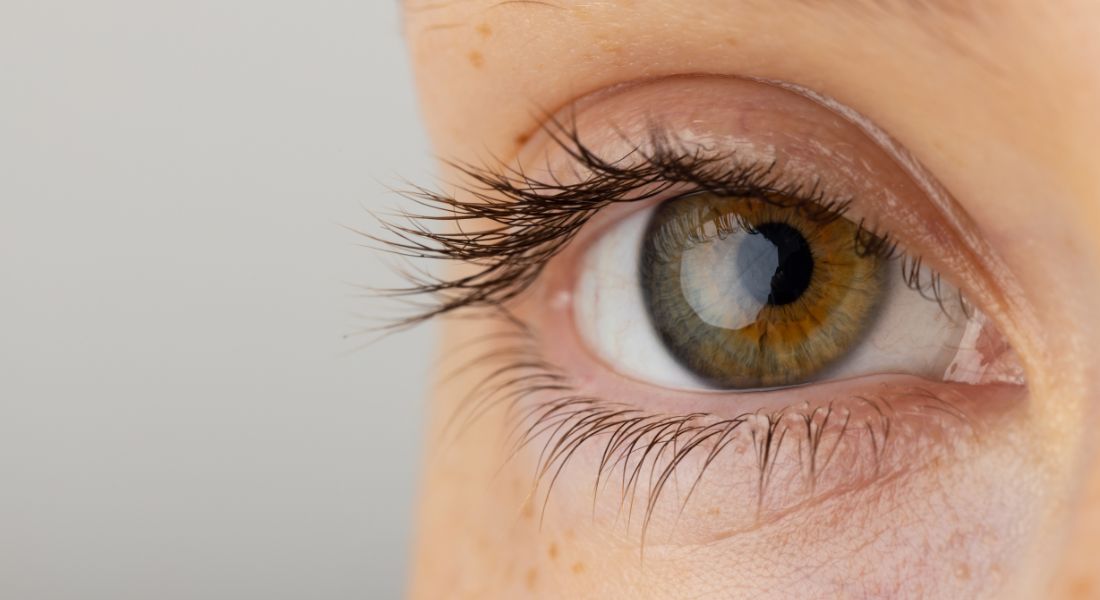
If you’ve been told you have thin corneas, it’s completely normal to feel concerned about whether LASIK is an option for you. Many patients experience confusion, frustration, or even disappointment during eye consultations, especially if they’ve been looking forward to life without glasses or contact lenses. Being told your corneas may be too thin can feel like a major setback, but it’s important to understand that thin corneas don’t automatically rule out all forms of vision correction. While traditional LASIK may not always be the safest choice, there are alternative procedures and strategies that can deliver excellent visual outcomes while preserving corneal health. Thin corneas simply mean your eyes need more careful evaluation and that certain treatments may be safer than others.
Thanks to advancements in ophthalmology, patients with thinner corneas now have access to a wide range of safe, effective options. Modern diagnostic tools, including high-precision corneal mapping and biomechanical assessments, allow surgeons to evaluate your eyes with remarkable accuracy and determine which procedures are appropriate for your specific corneal structure. Advanced laser platforms have also evolved to minimise tissue removal and customise treatments based on individual corneal thickness, curvature, and strength. Beyond lasers, alternatives such as PRK, SMILE for borderline thickness, and implantable collamer lenses (ICL) provide excellent results without compromising corneal integrity. In this comprehensive guide, you’ll learn why corneal thickness matters, the safety limits surgeons follow, and which procedures might be best suited to your eyes. By the end, you’ll have a clearer understanding of your options, the potential outcomes, and the steps you can take to achieve optimal vision safely and confidently.
Understanding the Role of Corneal Thickness in LASIK
To understand why thin corneas raise concerns, it’s helpful to look closely at how LASIK works. The procedure reshapes the cornea using a laser to correct refractive errors, improving the way light focuses on the retina for clear vision. Before the laser reshaping occurs, a thin flap is created on the surface of the cornea, usually around 90–120 microns thick. This flap is lifted to expose the underlying corneal tissue, which the laser then sculpts according to your prescription. The stronger your prescription, the more tissue typically needs to be removed to achieve the desired visual correction. This means that both the thickness of your cornea and the degree of refractive error directly influence how much tissue can be safely removed.
A key concept in LASIK is the residual stromal bed the layer of corneal tissue left untouched beneath the flap and the laser-ablated area. This residual tissue is essential for maintaining the cornea’s structural integrity. If too little tissue remains, the cornea can become weakened, increasing the risk of a complication known as corneal ectasia. In ectasia, the cornea gradually bulges forward, causing distorted vision, glare, and sometimes severe visual impairment. In extreme cases, additional treatments such as corneal cross-linking or even corneal transplantation may be required to stabilise the eye.
This is why corneal thickness is such a critical measurement in pre-LASIK evaluations. Surgeons carefully assess the total corneal thickness, the thickness of the flap they plan to create, and the estimated tissue removal needed for your prescription. All of these factors are combined to ensure that enough corneal tissue remains to maintain stability and safety. For patients with thin or borderline corneas, this evaluation often determines whether LASIK is safe or whether alternative procedures, such as PRK or implantable lenses, might provide excellent vision correction without compromising the long-term health of the eye. Understanding this balance helps patients make informed decisions and sets realistic expectations for the safest route to clear, stable vision.
What Counts as a Thin Cornea?
The average central corneal thickness for most people ranges from approximately 540 to 550 microns. Corneas that measure significantly below this range are considered thinner than average. While thin corneas are not inherently a disease or a problem, they do require careful evaluation when considering procedures like LASIK, because less tissue is available for safe reshaping.
In clinical practice, corneal thickness thresholds help guide treatment decisions: corneas below about 500 microns are often considered borderline, while those below 480 microns are typically regarded as too thin for standard LASIK. Patients with very thin corneas may still be eligible for alternatives such as PRK, SMILE (for borderline thickness), or implantable lenses, but standard LASIK is usually ruled out to maintain long-term corneal stability and prevent complications like ectasia. Understanding where your corneal thickness falls is crucial for choosing the safest and most effective vision correction option.
Here’s a general breakdown:
Under 500 microns: A cornea measuring under 500 microns is generally classified as thin. While some laser procedures like LASEK or PRK may still be possible, careful evaluation is required. Surgeons will assess corneal shape, topography, and biomechanical stability to ensure enough tissue remains for safe reshaping. Patients in this range may need customised treatment plans and close monitoring to minimise risk.
Under 480 microns: Corneas below 480 microns are considered very thin, making standard laser procedures riskier. The amount of tissue available for reshaping is limited, which increases the chance of corneal weakening or long-term complications. In many cases, alternative procedures such as PRK with conservative parameters, SMILE (if suitable), or ICL (implantable lenses) may be safer options.
Under 450 microns: When corneal thickness falls below 450 microns, LASIK is generally not recommended because creating a corneal flap could compromise structural integrity. Attempting LASIK in this range can significantly increase the risk of complications like corneal ectasia. Patients with very thin corneas are usually advised to consider non-laser alternatives such as PRK, ICL, or lifestyle management to preserve corneal stability.
While corneal thickness provides an important baseline, it doesn’t tell the full story when assessing LASIK safety. Other factors such as corneal shape, biomechanical strength, topographic patterns, and even family history play critical roles in determining whether a procedure is safe. Some individuals with slightly thinner corneas may have exceptionally strong, stable corneas and perfectly healthy eyes, making them suitable candidates for certain procedures. Conversely, people with average-thickness corneas might have subtle irregularities or weaknesses that make LASIK risky.
The encouraging news is that modern diagnostic technology allows surgeons to evaluate these factors in incredible detail. Advanced tools like corneal topography, tomography, and biomechanical assessments provide a highly precise map of your cornea’s structure, curvature, and strength. This detailed information enables your eye surgeon to make an informed decision about which vision correction options are safest and most effective for your individual eyes, ensuring both excellent visual outcomes and long-term corneal health.
Why LASIK Isn’t Always Recommended for Thin Corneas
LASIK is a highly effective vision correction procedure, but its safety relies heavily on the structural integrity of the cornea. When a cornea is thin, the amount of tissue that can be safely reshaped is limited. During LASIK, a flap is created on the corneal surface, and the laser removes tissue beneath it to correct your prescription. If the cornea is already thin, removing even a small amount of tissue can compromise its strength, leaving it more vulnerable to deformation over time. A weakened cornea may begin to bulge forward in a condition known as corneal ectasia, which can lead to distorted vision, irregular astigmatism, and even the need for further interventions such as corneal cross-linking or, in severe cases, a corneal transplant.
The risk isn’t limited to extreme cases. Even slight thinning combined with other factors like high prescriptions, irregular corneal shape, or low biomechanical stability can increase the likelihood of complications. Surgeons must carefully evaluate how much corneal tissue will remain after LASIK, known as the residual stromal bed, to ensure the eye retains sufficient structural support. If the residual tissue would be too thin, LASIK is generally not recommended, no matter how advanced the laser technology or surgical technique. In such cases, alternative vision correction options such as PRK, SMILE for borderline thickness, or implantable collamer lenses (ICL) are considered safer. These procedures provide excellent visual outcomes while preserving corneal stability, allowing patients to achieve their vision goals without exposing their eyes to unnecessary long-term risk.
The two main concerns are:
Corneal Ectasia: Corneal ectasia is the most serious potential complication for patients with thin corneas undergoing LASIK. It occurs when the cornea becomes weakened and starts to bulge forward, similar to the natural condition called keratoconus. This forward bulging distorts vision, often causing blurred or irregular vision that cannot be corrected with glasses alone. In severe cases, treatment may involve corneal cross-linking to stabilise the cornea or, rarely, a corneal transplant to restore structure and vision.
Irregular or Unpredictable Healing: Thin corneas can sometimes respond differently to laser reshaping compared with thicker, more robust corneas. This may lead to undercorrection, where the desired vision improvement is not fully achieved, or regression, where vision slowly worsens over time. Patients may also experience visual disturbances such as glare, halos, or starbursts, particularly in low-light conditions. These unpredictable healing patterns are why surgeons are cautious when recommending LASIK for individuals with thin corneas.
Modern Diagnostics Have Changed the Story
In the past, LASIK screening relied primarily on basic corneal thickness measurements and simple topography maps. While useful, these methods provided only a limited view of corneal health and structural stability. Today, modern diagnostics offer far more detailed insights, allowing surgeons to assess not just thickness but also corneal shape, curvature, biomechanical strength, and subtle irregularities that could affect surgical outcomes.
Advanced technologies such as corneal tomography, optical coherence tomography (OCT), and biomechanical analyzers give a comprehensive map of your cornea, highlighting areas of weakness or asymmetry that may not be visible with older screening methods. This enhanced understanding helps surgeons make more informed decisions about LASIK suitability, identify safer alternatives for patients with thin or borderline corneas, and tailor treatments to the unique characteristics of each eye maximising both safety and visual results.
These include:
Pentacam Imaging: It produces a highly detailed, three-dimensional map of both the anterior (front) and posterior (back) surfaces of the cornea. Unlike traditional scans that only assess the front surface, Pentacam can reveal subtle irregularities or early signs of corneal weakening that are not otherwise visible. This includes conditions like keratoconus, localized thinning, or asymmetrical curvature. The information from Pentacam helps surgeons assess whether your cornea can safely undergo laser surgery, plan the optimal treatment area, and reduce the risk of post-operative complications.
Ocular Response Analyser (ORA): The ORA evaluates corneal biomechanics, essentially measuring how “stiff” or flexible your cornea is. Corneal thickness alone does not fully determine safety; a thin cornea may still be strong, while a thicker cornea may be weak. ORA results provide insight into how the cornea responds to stress, which is critical for predicting stability after procedures like LASEK or LASIK. This test helps surgeons decide whether a cornea can safely withstand reshaping and guides the choice of procedure and treatment settings.
Corneal Tomography: It examines the cornea’s deeper structural layers and provides a comprehensive view of its volume, curvature patterns, and symmetry. By looking beyond surface thickness, tomography can detect subtle irregularities in corneal architecture, such as uneven thickness distribution or early ectatic changes. This deeper assessment helps surgeons evaluate the long-term stability of the cornea and ensure that any chosen procedure maintains its biomechanical integrity. Tomography is particularly valuable for patients with borderline thickness or unusual corneal shapes.
Wavefront Analysis: It measures higher-order optical aberrations subtle imperfections in the eye that standard prescription tests cannot detect. These aberrations can cause visual symptoms such as glare, halos around lights, and decreased contrast sensitivity, especially at night. By mapping these imperfections, surgeons can customise laser treatments to correct not only refractive errors but also improve overall visual quality. Wavefront analysis helps determine the most suitable procedure (e.g., LASIK, LASEK, or PRK) for achieving the clearest and sharpest vision possible.
Can You Still Have LASIK With Thin Corneas?
Corneal Thickness Limits and Safety Thresholds
When evaluating whether LASIK is safe for patients with thin corneas, surgeons follow established thresholds to minimise the risk of long-term complications. A typical LASIK procedure requires a corneal thickness of at least 500 microns, with a residual stromal bed of 250–300 microns remaining after the laser reshaping. The flap created during surgery, usually around 100 microns thick, also contributes to the overall tissue removal. If performing LASIK would result in less than the minimum residual tissue, the cornea could be structurally compromised, increasing the likelihood of corneal ectasia, unstable vision, and other complications. These safety limits are essential for ensuring that the cornea retains its strength and stability after surgery.
Advancements in technology, however, have introduced some flexibility in these thresholds. Modern femtosecond lasers can create ultra-thin flaps, sometimes as thin as 85–90 microns, which preserves more of the underlying corneal tissue and allows surgeons to safely perform LASIK on corneas that would have been borderline in the past. Despite this, surgeons continue to exercise extreme caution. Most experts avoid LASIK in corneas measuring below 480 microns, even with advanced technology, because the risks still outweigh the benefits. These limits are not arbitrary; they are based on extensive clinical data showing the correlation between residual stromal thickness and long-term corneal stability. By adhering to these safety thresholds, surgeons prioritise not only the immediate success of the procedure but also the long-term health and visual outcomes of their patients.
Alternative Treatments That Are Safer for Thin Corneas
Here are your best alternatives:
PRK (Photorefractive Keratectomy): PRK is often considered the safest laser eye surgery for patients with thin corneas. In fact, it was the first type of laser vision correction developed and remains highly popular, especially for those whose corneas may not be suitable for LASIK. Unlike LASIK, PRK does not involve creating a corneal flap. Instead, the outer surface layer of the cornea (the epithelium) is gently removed, allowing the laser to reshape the underlying corneal tissue directly. The surface then heals naturally over several days, gradually restoring clear vision.
PRK offers several advantages for thin corneas. Because no flap is created, more corneal tissue is preserved, which lowers the risk of weakening the cornea or developing complications like ectasia. It is suitable for corneas under 500 microns and delivers long-term results comparable to LASIK. The main drawback is a slower recovery period vision gradually improves over days to weeks, and some discomfort may be experienced initially. Despite this, PRK remains one of the safest and most effective options for patients with thinner corneas seeking long-term, stable vision correction.
TransPRK / Smart Surface / No-Touch Laser Surgery: TransPRK, also known as Smart Surface or no-touch laser surgery, represents the latest evolution in surface laser vision correction. Unlike traditional PRK, where the surgeon manually removes the outer layer of the cornea (the epithelium) before reshaping the underlying tissue, TransPRK allows the laser to perform both the removal and the reshaping in a single, fully automated step. This touchless approach reduces the risk of mechanical trauma to the eye and increases precision, making the procedure highly predictable and safe.
For patients with thin corneas, TransPRK offers multiple advantages. Since there is no corneal flap and tissue removal is minimised, the cornea retains more of its natural thickness and structural strength, lowering the risk of long-term complications such as corneal ectasia. It is particularly suitable for people with active lifestyles, contact sports enthusiasts, or individuals prone to eye rubbing, as it maintains corneal stability while providing excellent vision correction. Recovery is typically similar to PRK, with vision improving gradually over several days to weeks, but many patients appreciate the reduced manipulation and enhanced precision of the no-touch method. Overall, TransPRK provides a safe, efficient, and tissue-preserving alternative for patients who are not ideal candidates for LASIK due to thinner or borderline corneas.
SMILE (Small Incision Lenticule Extraction): SMILE is a newer type of laser vision correction that has quickly gained popularity among patients seeking a faster recovery with fewer risks associated with a corneal flap. Unlike LASIK, SMILE does not require creating a large flap. Instead, the laser forms a small, lens-shaped piece of tissue (lenticule) within the cornea, which is then removed through a tiny 2–4 mm incision. This minimally invasive approach preserves corneal structure and maintains better biomechanical stability.
For patients with moderately thin corneas, SMILE offers several advantages. The absence of a flap helps preserve corneal strength, and the small incision reduces disruption to corneal nerves, lowering the risk of dry eye. It is especially suited for people who want a more stable cornea post-surgery or have active lifestyles. However, SMILE is not suitable for everyone: it is primarily used for correcting short-sightedness (myopia) and certain types of astigmatism, and it still requires a minimum corneal thickness, though slightly less than LASIK. This makes SMILE a viable alternative for some patients with thinner corneas who cannot safely undergo LASIK.
ICL (Implantable Collamer Lens): ICL is a non-laser vision correction option that does not involve reshaping or removing any corneal tissue. Instead, a specially designed artificial lens is implanted inside the eye, positioned behind the iris and in front of the natural lens. This makes it an ideal solution for patients with very thin corneas, extremely high prescriptions, borderline or irregular corneal scans, or those who are otherwise unsuitable for laser-based treatments like LASIK or PRK.
The advantages of ICL are significant. Because no corneal tissue is removed, the structural integrity of the eye remains fully intact. The procedure is reversible, meaning the lens can be removed or replaced if needed. ICL can correct extremely high prescriptions that LASIK or PRK cannot safely address, and it provides crisp, high-contrast vision. For patients who have been told their eyes are too thin or irregular for LASIK, ICL often becomes the most reliable and effective alternative for achieving excellent visual outcomes safely.
What Happens During a LASIK Assessment for Thin Corneas?
For patients with thin corneas, a LASIK assessment is far more detailed than a routine eye exam, because ensuring corneal safety is paramount. The process begins with precise measurements of corneal thickness using pachymetry, which allows the surgeon to determine whether there is enough tissue to safely perform LASIK while maintaining a healthy residual stromal bed. Corneal shape and curvature are then evaluated with topography and tomography to detect irregularities, subtle asymmetries, or early signs of conditions like keratoconus. Biomechanical strength is also assessed, as some corneas may appear normal in thickness but have reduced structural integrity, making them more vulnerable to complications after surgery.
Beyond corneal evaluation, the assessment includes a thorough review of your prescription, pupil size, tear film quality, and overall ocular health. Advanced imaging technologies, such as optical coherence tomography (OCT), can produce highly detailed 3D maps of the cornea, allowing surgeons to visualise layers and detect weaknesses invisible to standard testing. Lifestyle factors such as participation in sports, occupation, and visual demands are also considered to ensure the chosen procedure aligns with your daily needs. All this information is combined to make a personalised recommendation: whether LASIK can be safely performed with modern tissue-sparing techniques, or whether alternatives like PRK, TransPRK, SMILE, or ICL lenses offer a safer, more effective solution for long-term visual outcomes.
You can expect:
Corneal Thickness Measurement (Pachymetry): Pachymetry is a precise measurement of corneal thickness, recorded in microns. It tells the surgeon exactly how much tissue is available for reshaping, which is critical for ensuring safety during laser procedures like LASEK or LASIK. If too much tissue is removed from a thin cornea, it can weaken the cornea and increase the risk of complications such as ectasia (bulging of the cornea). Even small variations in thickness can influence eligibility, so pachymetry is one of the first and most important tests performed during pre-operative evaluation.
Corneal Topography and Tomography: Corneal topography creates a detailed map of the cornea’s front surface, highlighting curvature and irregularities. Tomography complements this by looking deeper into the cornea, assessing the thickness distribution and underlying structural integrity. Together, these scans can detect subtle early signs of keratoconus, irregular astigmatism, or other corneal weaknesses that may not show up on routine exams. These insights allow the surgeon to customise the laser treatment plan to your specific corneal shape and ensure long-term stability.
Corneal Biomechanics Testing: Biomechanical testing evaluates how the cornea responds to pressure or stress. It measures stiffness and elasticity, providing insight into corneal strength beyond just thickness. This test is crucial because two corneas of the same thickness can behave differently one may be strong and stable, while the other may be weak and prone to deformation. Understanding biomechanics helps the surgeon select the safest procedure and the optimal amount of tissue to reshape, minimising risks and ensuring predictable visual outcomes.
Prescription Analysis: Your refractive error (prescription) determines how much corneal tissue needs to be reshaped to achieve clear vision. Higher prescriptions require more tissue removal, which can impact eligibility for certain procedures. Surgeons consider your prescription alongside corneal thickness, curvature, and biomechanics to balance effective vision correction with maintaining structural safety. This analysis ensures that the procedure provides the best possible outcome without compromising corneal integrity.
Dry Eye Evaluation: A thorough evaluation of your tear film and ocular surface is essential because laser procedures can temporarily worsen dryness. Patients with pre-existing dry eyes may experience discomfort, delayed healing, or fluctuating vision if this is not addressed. Identifying dryness beforehand allows the surgeon to recommend treatments such as preservative-free lubricating drops, punctal plugs, or pre- and post-operative care plans, ensuring better comfort and more stable visual results.
Lifestyle Considerations Your lifestyle and daily activities play a significant role in choosing the right procedure. Individuals who are very active, play contact sports, or have occupations that risk eye trauma may benefit from flapless procedures like LASEK or PRK, which eliminate the risk of flap-related complications. Surgeons take these factors into account when recommending procedures, balancing safety, convenience, and long-term visual outcomes. Tailoring the procedure to your lifestyle helps protect your eyes and ensures lasting satisfaction with your vision.
Signs You May Be Unsuitable for LASIK
Even if your corneal thickness falls within a borderline range, LASIK may not always be the safest option. Surgeons look beyond just thickness to assess the overall health and stability of your cornea. Irregular corneal topography, for example, can indicate areas of uneven curvature or early structural weakness, which increases the risk of complications like corneal ectasia after surgery. Early-stage keratoconus, a progressive thinning and bulging of the cornea, is another red flag, even if your corneas seem thick enough at first glance. A family history of corneal diseases may also predispose you to similar conditions, which further raises caution during LASIK planning.
Other warning signs include significant asymmetry between your eyes, where one cornea may be weaker or shaped differently from the other, and evidence of biomechanical weakness, such as reduced corneal rigidity or abnormal response to intraocular pressure. High prescriptions are also a concern, as correcting strong myopia or hyperopia requires more tissue removal, potentially leaving an insufficient residual stromal bed. In these cases, alternative treatments like PRK, SMILE, or implantable collamer lenses (ICL) are often recommended. These options maintain corneal stability, reduce the risk of long-term complications, and can provide excellent visual outcomes without compromising eye health, making them safer and more reliable choices for patients with borderline or compromised corneas.
Does LASIK for Thin Corneas Increase Risk Long-Term?
One of the main concerns for patients with thin corneas is whether undergoing LASIK could lead to complications many years after surgery. The primary issue revolves around corneal strength and stability. LASIK works by removing corneal tissue to reshape the eye, which inherently weakens the cornea to some degree. For patients with average or above-average corneal thickness, this is generally not a problem. When LASIK is performed on a structurally strong cornea that meets all safety criteria adequate thickness, stable curvature, and good biomechanical integrity the procedure has proven to be stable and safe in the long term, with very low rates of complications like ectasia.
For patients with thin or borderline corneas, the situation is more nuanced. Even a slightly weakened or borderline cornea can be at higher risk of long-term complications, particularly corneal ectasia, where the cornea gradually bulges forward and vision becomes distorted. This risk can develop years after surgery, which is why meticulous preoperative evaluation is critical. Modern diagnostic technologies, such as corneal topography, tomography, and biomechanical analysis, allow surgeons to detect subtle irregularities and structural weaknesses that may not be apparent through simple thickness measurements alone. By using these tools, surgeons can accurately determine whether LASIK is safe or whether alternative procedures like PRK, SMILE, or implantable collamer lenses (ICL) would provide safer, long-term vision correction. In essence, LASIK can still be a safe option for some patients with thinner corneas, but only when a highly detailed and comprehensive assessment confirms that the cornea can withstand the procedure without compromising its long-term stability.
Why Surgeons Take a Conservative Approach
Eye surgeons are especially cautious when evaluating patients with thin or borderline corneas because the cornea is the eye’s primary structural layer, and its integrity is crucial for lifelong visual health. LASIK, while highly effective for many patients, involves removing corneal tissue, which inherently weakens the cornea to some degree. In a cornea that is already thin or biomechanically borderline, even small reductions in thickness can increase the risk of long-term complications such as corneal ectasia, irregular astigmatism, or unstable vision. Because these complications can have serious consequences, surgeons prioritise safety over speed or convenience, focusing on treatments that maintain or optimise corneal strength for decades to come.
This cautious approach is why patients with thinner corneas are often steered toward alternatives like PRK, SMILE, or implantable collamer lenses (ICL). Each of these options is designed to either remove less tissue, avoid creating a flap, or bypass corneal reshaping altogether, significantly reducing the likelihood of structural compromise. PRK removes only the surface epithelium, SMILE uses a small incision rather than a full flap, and ICL does not touch the cornea at all. While these procedures may involve slightly longer recovery times or different considerations compared with LASIK, they provide safer, more predictable outcomes for patients whose corneas cannot safely withstand the tissue removal LASIK requires. Viewing this guidance as protective, rather than restrictive, highlights the surgeon’s commitment to your long-term vision and overall ocular health.
Realistic Expectations for People With Thin Corneas
If you have thin corneas, it’s important to approach vision correction with realistic expectations. While LASIK may still be an option for some patients, it can only be considered after a thorough, detailed evaluation of corneal thickness, shape, and biomechanical stability. For many, alternative procedures such as PRK, TransPRK, SMILE, or implantable collamer lenses (ICL) will be recommended instead, ensuring that safety and long-term corneal strength are prioritised.
Even with thinner corneas, excellent visual outcomes are achievable. The recovery timeline may differ depending on the procedure PRK and TransPRK may involve slower initial visual improvement, while SMILE and ICL offer faster clarity but the end result can be comparable to LASIK in terms of vision quality. Ultimately, having thin corneas may influence which treatment is safest and most suitable, but it does not remove your chance of achieving clear, stable vision without glasses or contacts. Your doctor’s focus will always be on preserving corneal integrity while helping you reach the best possible visual outcome.
Frequently Asked Questions:
- Can people with thin corneas have LASIK?
Yes, some people with thin corneas can still safely undergo LASIK, but it depends on more than just thickness. Modern screening tools allow surgeons to assess the full architecture of the cornea, including shape, biomechanics, and stability. If the cornea is structurally strong and the prescription is moderate, LASIK may be an option using techniques that preserve more tissue, such as ultra-thin flaps. Every case is personalised, and the decision is made after a detailed evaluation to ensure safety. - What is considered a “thin cornea” for LASIK?
While average corneal thickness is around 540–550 microns, anything below 500 microns is generally considered thin. Corneas under 480 microns are classified as very thin, and those under 450 microns are usually not suitable for standard LASIK. However, thickness alone does not determine eligibility. Corneal shape, biomechanical strength, and patterns observed on tomography scans all influence whether LASIK is safe for a particular patient. - Why is residual stromal bed important in LASIK for thin corneas?
The residual stromal bed is the portion of the cornea left untouched after laser reshaping. It is critical because it maintains corneal strength and prevents weakening or bulging, which could lead to ectasia. If too little tissue is left, the cornea may lose structural integrity, leading to long-term complications. Surgeons calculate the residual stromal bed carefully during planning, ensuring that LASIK is performed safely while leaving sufficient tissue for long-term stability. - What are the risks of LASIK for thin corneas?
LASIK on thin corneas carries an increased risk of corneal ectasia, which is a progressive thinning and bulging of the cornea that can distort vision. Other potential risks include unpredictable healing, undercorrection or regression, and visual disturbances such as glare, halos, or fluctuating vision. Even though modern lasers and advanced mapping techniques have reduced these risks, surgeons still take a conservative approach to avoid complications in patients with borderline corneal thickness. - How do modern diagnostics improve LASIK safety for thin corneas?
Modern tools such as Pentacam imaging, corneal tomography, ocular response analysers, and wavefront analysis provide a detailed understanding of corneal structure, thickness, and biomechanical properties. These assessments allow surgeons to identify patients who may appear unsuitable based solely on thickness but are actually safe candidates. They also help identify subtle weaknesses or irregularities that could pose long-term risks if LASIK were performed. This technology has significantly expanded treatment options for people with thinner corneas. - What alternatives exist if LASIK isn’t safe for thin corneas?
If LASIK is not recommended, there are several effective alternatives. PRK, which removes only the corneal surface without creating a flap, is highly suitable for thinner corneas and preserves structural strength. TransPRK or “no-touch” laser surgery achieves the same results with minimal disruption to corneal tissue. SMILE is another option that preserves corneal biomechanics through a small incision rather than a flap. For very thin corneas or high prescriptions, implantable collamer lenses (ICL) provide excellent visual correction without altering the cornea at all. - Does having a thin cornea increase the chance of long-term complications after LASIK?
Thin corneas do increase the potential risk for long-term complications, particularly corneal ectasia. However, when the cornea is structurally strong and all safety thresholds are met, LASIK remains a stable, effective procedure. Long-term outcomes are generally excellent when careful preoperative assessment is conducted. Surgeons will always prioritise safety over convenience, ensuring that patients with thin corneas are guided to the safest procedure for their individual eyes. - Can LASIK be performed on a thin cornea using special techniques?
Yes, modern LASIK technology allows surgeons to perform the procedure on thin corneas using ultra-thin femtosecond laser flaps. These flaps can be as thin as 85–90 microns, which preserves more of the residual stromal bed and maintains corneal strength. Despite this advancement, surgeons remain cautious and only recommend this approach when the cornea is otherwise healthy, the prescription is suitable, and the risk of ectasia remains low. - Will thin corneas affect the recovery process after LASIK?
Recovery after LASIK on thin corneas is generally similar to that of patients with average corneal thickness. Patients may experience mild dryness or light sensitivity, but these typically resolve over weeks to months. The most important factor is the stability of the cornea and whether sufficient tissue was preserved during surgery. With careful planning, patients with thinner corneas can enjoy fast visual recovery and excellent long-term outcomes, similar to those with thicker corneas. - How do surgeons decide the best treatment for someone with thin corneas?
Deciding on the most suitable procedure involves a comprehensive assessment that looks at more than just corneal thickness. Surgeons evaluate corneal topography, biomechanics, prescription strength, tear film quality, and lifestyle needs. They may recommend LASIK, PRK, TransPRK, SMILE, or ICL depending on what preserves the cornea’s integrity while providing the best visual outcome. The goal is always to balance safety, effectiveness, and long-term stability, ensuring that patients achieve excellent vision without compromising eye health.
Final Thought: Considering LASIK with Thin Corneas: What You Need to Know
Thin corneas can make LASIK more complex, but they don’t automatically rule out the possibility of vision correction. With modern diagnostics, advanced laser technology, and alternative procedures like PRK, SMILE, TransPRK, or ICL lenses, many patients with thinner corneas can still achieve excellent visual outcomes safely. The key is a thorough, personalised assessment that considers corneal thickness, shape, biomechanics, prescription, and lifestyle needs.
If you’d like to find out whether Lasik surgery in London is suitable for you, feel free to contact us at Eye Clinic London to arrange a consultation. Our team can help determine the safest and most effective treatment tailored specifically to your eyes.
References:
- Lee, C.Y., Lee, S.-Y., Kim, J.-Y. & Jun, I. (2024) ‘Topographic and Surgical Risk Factors for Early Myopic LASIK Ectasia’, Diagnostics, 14(12), 1275. Available at: https://www.mdpi.com/2075-4418/14/12/1275
- Eskina, V., Safyanova, G., Sivkova, N., Papleta, E. & Dorofeeva, D. (2022) ‘Visual Outcomes of Small‑Incision Lenticule Extraction (SMILE) in Patients with Thin Corneas’, Journal of Clinical Medicine, 11(14), 4162. Available at: https://www.mdpi.com/2077-0383/11/14/4162
- Kymionis, G.D., Pallikaris, I.G., Astyrakakis, N. et al. (2007) ‘Long‑term results of thin corneas (< 500 µm) after refractive laser surgery’, American Journal of Ophthalmology, 144(2), pp. 284‑‐289. Available at: https://pubmed.ncbi.nlm.nih.gov/17533106/
- Wang, R., Song, X. & Zhang, X. (2016) ‘Residual stromal bed thickness correlates with regression of myopia after LASIK’, Journal of Refractive Surgery, 32(8), pp. 528‑533. Available at: https://pubmed.ncbi.nlm.nih.gov/27784987/
- Song, Y.W., Zhang, J.H., Zhou, R. et al. (2018) ‘Long‑term safety of laser in situ keratomileusis in eyes with thin corneas’, Journal of Cataract & Refractive Surgery, 44(10), pp. 1229‑1236. Available at: https://pmc.ncbi.nlm.nih.gov/articles/PMC6048324/