


Blade-Free LASIK Surgery: Is It Better Than Traditional?
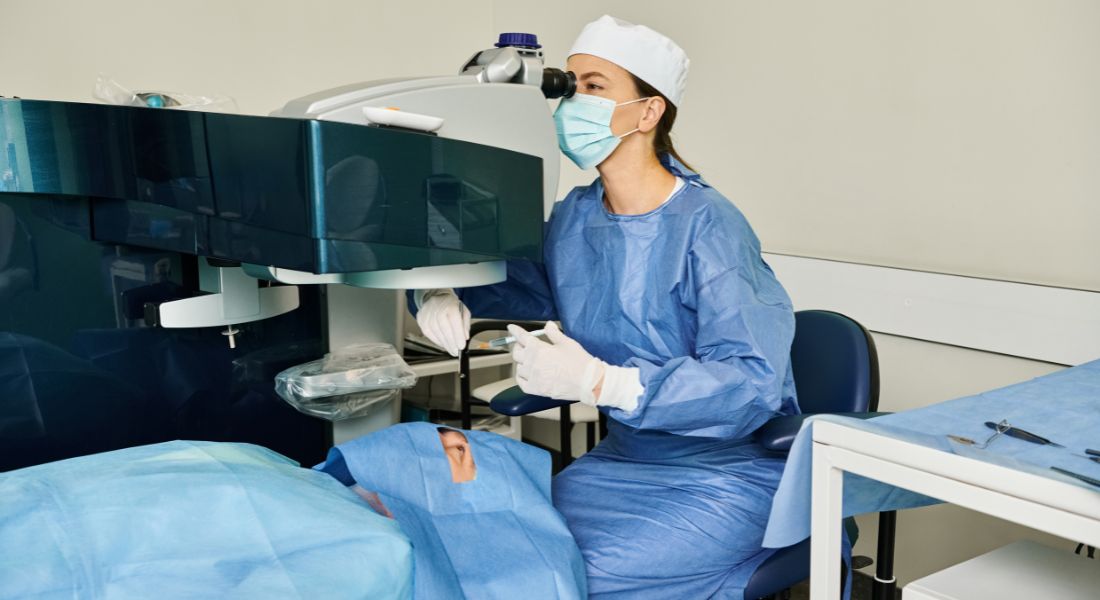
If you’re thinking about LASIK to improve your vision, one of the first decisions you’ll encounter is whether to go with blade-free LASIK or the traditional microkeratome approach. Both methods are highly effective for correcting myopia, hyperopia, and astigmatism, allowing most patients to reduce or eliminate their dependence on glasses or contact lenses. The main difference lies in how the corneal flap is created, and that difference can influence your safety, comfort, and even the speed of recovery. Traditional LASIK uses a precise mechanical blade to create the flap, while blade-free LASIK relies on a femtosecond laser to perform the same task without a blade.
Blade-free LASIK is often praised for its precision and consistency. The laser can create a flap with exact thickness, size, and shape according to your eye’s unique measurements. This level of control can reduce certain risks associated with the flap, such as irregular cuts or complications during surgery. Patients may also experience less pressure on the eye during the procedure and a smoother recovery, although both methods typically provide excellent visual outcomes when performed by an experienced surgeon.
Understanding the differences between these options is crucial, especially if you have specific concerns like thin corneas, dry eyes, or a very active lifestyle. Blade-free LASIK can offer advantages in safety and flap predictability, but traditional LASIK remains an effective choice for many patients. By reviewing the pros and cons of each approach and discussing your individual eye characteristics with your surgeon, you can make an informed, confident decision that aligns with your vision goals and long-term eye health.
What Is LASIK and How Does It Work?
LASIK, short for Laser-Assisted In Situ Keratomileusis, is a highly effective and widely performed procedure designed to correct common vision problems like myopia, hyperopia, and astigmatism. The procedure works by reshaping the cornea, the clear front surface of your eye, so that light focuses properly on the retina. This adjustment allows you to achieve clear, sharp vision without relying on glasses or contact lenses, often providing life-changing convenience for daily activities, sports, and work.
The LASIK procedure has two main steps. First, a thin flap is created on the surface of the cornea, which is then lifted to expose the underlying tissue. Second, an excimer laser precisely reshapes the corneal stroma to correct your prescription. Once the laser has reshaped the cornea, the flap is repositioned, naturally adhering without the need for stitches. The main difference between blade-free LASIK and traditional LASIK lies in how this flap is created either with a laser or a mechanical blade while the laser reshaping step remains the same.
Blade-Free LASIK vs Traditional LASIK: The Key Difference

Traditional LASIK: It uses a microkeratome, which is a very precise mechanical blade, to create the corneal flap. This tiny device carefully cuts a thin layer of the cornea, which the surgeon then lifts to expose the underlying tissue for laser reshaping. While highly effective, this method relies on the accuracy of the mechanical blade, and small variations in flap thickness or shape can occasionally occur. Despite this, traditional LASIK has been safely performed for decades and remains a trusted option for many patients seeking clear, glasses-free vision.
Blade-Free LASIK (Femtosecond LASIK): Blade-free LASIK, or femtosecond LASIK, uses a femtosecond laser instead of a mechanical blade to create the corneal flap, and this seemingly small difference has a major impact on the procedure. The laser produces ultra-fast pulses of light to separate corneal tissue with remarkable precision, resulting in a more accurate and consistent flap. This improves patient comfort, enhances safety, and makes recovery more predictable. Additionally, the laser allows surgeons to customise the flap for each eye, making the procedure suitable for a wider range of patients, including those with thinner or slightly irregular corneas, while reducing the risk of flap-related complications.
How the Traditional LASIK Flap Is Created
In traditional LASIK, the corneal flap is created using a microkeratome, which is essentially a very small, highly precise mechanical blade. The process starts with placing the device gently on the surface of your eye, followed by suction to hold the cornea completely steady. This stabilisation is essential because even the slightest movement could affect the flap’s accuracy. Once in place, the blade moves smoothly across the cornea, cutting a thin, hinged flap. The surgeon then lifts this flap to expose the underlying corneal tissue, allowing the excimer laser to reshape it according to your prescription.
The creation of the flap is a critical step because it directly influences both safety and the quality of your visual outcome. Traditional LASIK has been used successfully for decades, helping millions of patients reduce or eliminate their dependence on glasses and contact lenses. The procedure is reliable and effective, but because it relies on mechanical movement, there is a small chance of variability in flap thickness or uniformity. This variability is usually minor, and experienced surgeons can manage it safely, but it is an important factor to consider when comparing LASIK techniques.
Despite these considerations, many patients achieve excellent results with traditional LASIK, enjoying rapid visual improvement and a relatively short recovery time. However, for individuals with thinner or irregular corneas, or those who want the highest precision possible, blade-free LASIK may offer additional advantages. Understanding the differences between the two methods helps patients make an informed decision, balancing safety, comfort, and long-term visual outcomes.
How Blade-Free LASIK Creates the Flap
Blade-free LASIK, also known as femtosecond LASIK, creates the corneal flap using an ultra-precise laser instead of a mechanical blade. The procedure begins with a detailed, computer-guided mapping of your cornea, which allows the surgeon to plan the flap’s exact thickness, diameter, and position for your unique eye anatomy. The femtosecond laser then emits thousands of rapid, tiny pulses that generate microscopic bubbles within the corneal tissue. These bubbles gently separate the layers of the cornea, forming a flap that can be lifted without any blade ever touching your eye. This method removes the small variability introduced by mechanical blades and ensures a more predictable outcome.
The advantages of this approach go beyond precision. Because the flap is uniform and highly controlled, it reduces the risk of complications and irregularities, making the procedure safer, especially for patients with thinner or slightly irregular corneas. Blade-free LASIK also tends to improve patient comfort during the procedure, and the predictable flap shape can contribute to smoother, more stable healing afterward. Overall, the femtosecond laser’s ability to create a precise, customised flap enhances both the safety and effectiveness of LASIK, giving more patients the opportunity for excellent visual results.
Accuracy: Which Method Is More Precise?
When it comes to accuracy, blade-free LASIK is generally considered the more precise method for creating the corneal flap. The femtosecond laser allows surgeons to customise the flap thickness, diameter, and shape according to your unique corneal measurements. The laser produces extremely clean edges and a uniform flap, which reduces the chance of small variations in depth or position. This high level of control helps ensure that the laser reshaping of the underlying cornea is exactly as planned, which is essential for achieving the best visual outcomes.
In contrast, traditional LASIK using a microkeratome blade can introduce minor variations because it relies on mechanical movement across the cornea. While experienced surgeons manage this safely, the small inconsistencies in flap thickness or shape can matter, particularly for patients with irregular corneas, thinner corneas, or higher prescriptions. Blade-free LASIK’s precision makes it a preferred choice for those seeking maximum accuracy and stability, improving both safety and the predictability of long-term vision results.
Safety Comparison: Which Is Safer?
Both traditional LASIK and blade-free LASIK are considered very safe procedures when performed by a skilled, experienced surgeon. Millions of patients worldwide have achieved excellent vision outcomes with either method, and serious complications are rare. However, the way the corneal flap is created plays a key role in safety, and this is where blade-free LASIK offers some notable advantages. Because blade-free LASIK uses a laser to create the flap, it reduces the risks associated with mechanical blades, such as uneven flap thickness, irregular edges, or small deviations in flap position. The laser’s precision also lowers the likelihood of flap-related complications like dislodgement or wrinkling. For patients with thinner or slightly irregular corneas, or those with higher prescriptions, blade-free LASIK provides an extra margin of safety, helping ensure that the corneal structure remains stable and strong during and after the procedure.
Blade-Free LASIK Safety Benefits: Blade-free LASIK offers several safety advantages over traditional LASIK. Because no mechanical blade is used, there’s a lower risk of flap complications, such as dislodgement, wrinkling, or uneven edges. The laser’s precision allows surgeons to create a highly uniform and customised flap, reducing the chance of irregularities and making the procedure safer for thinner or slightly irregular corneas. Overall, the combination of blade-free technology and precise control enhances both the safety and predictability of the surgery, giving patients greater confidence in their visual outcomes.
Traditional LASIK Safety Profile: Traditional LASIK remains a very safe and effective procedure, with decades of successful results and millions of satisfied patients worldwide. Its long track record demonstrates that, when performed by experienced surgeons, it delivers excellent visual outcomes. However, because a mechanical blade is used to create the corneal flap, there is a slightly higher risk of flap-related issues, such as uneven edges, minor irregularities, or dislodgement, compared with blade-free LASIK. Despite this, serious complications remain rare, and most patients recover quickly with clear, stable vision.
Comfort During the Procedure
Comfort during LASIK is generally very good for both traditional and blade-free methods. Before the procedure begins, your surgeon applies numbing eye drops to ensure that you feel no pain during the creation of the corneal flap or the laser reshaping process. Most patients describe only a mild sensation of pressure or a slight tugging on the eye, but not discomfort. The laser itself is completely painless, and because the procedure is quick typically only a few minutes per eye the experience is far less stressful than many people expect.
Beyond the actual surgery, the short duration also helps minimise anxiety and discomfort. Blade-free LASIK can feel even smoother for some patients because there’s no blade involved, which reduces the sensation of mechanical movement on the eye. For both techniques, having a calm, relaxed state of mind and following your surgeon’s instructions can make the procedure more comfortable. Overall, the combination of numbing drops, advanced technology, and rapid treatment time makes LASIK a surprisingly comfortable experience for most patients.
Traditional LASIK Comfort: During traditional LASIK, most patients remain comfortable thanks to numbing drops, but some may notice a bit more pressure compared with blade-free LASIK. The mechanical movement of the microkeratome blade can feel slightly unusual or unfamiliar, causing mild sensations that are often described as tugging or pushing on the eye. Despite these feelings, the procedure itself is quick and painless, and any discomfort is typically brief and well tolerated. With experienced surgeons guiding the process, most patients find the overall experience manageable and are often surprised at how smooth it feels.
Blade-Free LASIK Comfort: Blade-free LASIK generally offers a more comfortable experience compared with traditional LASIK. Because the femtosecond laser creates the flap without any mechanical movement, patients typically feel less pressure on the eye and experience a smoother, quieter procedure. Many describe it as more gentle, with minimal tugging or unusual sensations. Combined with numbing drops and the short duration of the surgery, blade-free LASIK tends to feel effortless for most patients, making the overall experience calmer and more reassuring.
Visual Results: Are the Outcomes Different?
Both traditional and blade-free LASIK deliver excellent visual outcomes, allowing most patients to achieve 20/20 vision or better. Millions of people worldwide have regained clear, glasses-free vision using either method, and long-term results are highly reliable. For everyday life reading, driving, sports, and screen use patients generally notice a dramatic improvement regardless of which technique is chosen.
Blade-free LASIK, however, may provide slightly better consistency in outcomes due to the precise, uniform flap created by the femtosecond laser. This uniformity reduces the chance of small variations in corneal reshaping, which can be particularly important for patients with thinner corneas, higher prescriptions, or subtle irregularities. While both methods are highly effective, the added precision of blade-free LASIK can give surgeons and patients a bit more confidence in achieving optimal, predictable visual results.
Traditional LASIK Results: Traditional LASIK produces excellent results for the majority of patients, especially those with mild to moderate prescriptions and healthy corneas. When performed on suitable eyes, it offers high accuracy, allowing most people to achieve 20/20 vision or very close to it. While there may be slight variability in flap creation compared with blade-free LASIK, the procedure’s long track record demonstrates that it is highly effective and reliable. Patients often experience rapid visual improvement, usually noticing a significant difference in clarity within hours to a day after surgery.
Blade-Free LASIK Results: Blade-free LASIK tends to provide more reliable results across a broader range of eye shapes and prescriptions. Because the femtosecond laser creates a precise, uniform flap, it reduces the risk of irregularities that can affect healing or visual quality. This precision is particularly beneficial for patients with higher prescriptions, thinner corneas, or subtle corneal irregularities, as it allows for safer and more predictable reshaping of the cornea. The improved flap quality contributes to stable, long-lasting visual outcomes, giving patients greater confidence in achieving clear, consistent vision after surgery.
Who Is Suitable for Traditional LASIK?

Traditional LASIK remains a highly effective and widely used procedure for many patients, especially those with straightforward eye anatomy. It is particularly suitable for individuals whose corneas are thick enough to safely create a flap and whose prescription falls within the moderate range. Because the technique has been refined over decades, surgeons can achieve excellent results with a proven track record of safety and reliability. Many patients notice a dramatic improvement in vision within hours to a day after surgery, making it a quick and effective solution for those seeking freedom from glasses or contact lenses.
In addition to effectiveness, traditional LASIK can be a more cost-effective option compared with blade-free LASIK, making it appealing for patients who prioritize value without compromising results. People with uncomplicated eye structures meaning no irregularities or thin corneas typically experience high accuracy and stable outcomes. While blade-free LASIK offers enhanced precision, traditional LASIK remains a trusted choice, delivering excellent visual clarity and long-term satisfaction for the right candidates.
Who Is Suitable for Blade-Free LASIK?
Blade-free LASIK is often a better choice for patients who require greater precision and safety. If you have thinner corneas, a higher prescription, or a slightly irregular corneal shape, the femtosecond laser’s ability to create a uniform, precise flap makes the procedure safer and more predictable. This technology reduces the risk of flap complications and preserves corneal strength, which is especially important for patients who may not be ideal candidates for traditional LASIK.
Additionally, blade-free LASIK is well suited for those who want cutting-edge technology and more controlled outcomes. Patients prone to dry eye or those seeking maximum safety and consistent results often benefit from this approach. By allowing surgeons to customize flap creation with high accuracy, blade-free LASIK expands eligibility to a wider range of patients, offering excellent visual results even for eyes that might have been challenging with traditional LASIK.
Differences in Flap Healing
Flap healing differs between traditional and blade-free LASIK primarily because of the way the corneal flap is created. In blade-free LASIK, the femtosecond laser produces a highly uniform, precise flap, which fits back onto the cornea more evenly. This uniformity reduces minor irregularities that can occur with a blade, allowing the cornea to adhere and heal more smoothly. As a result, patients often experience less irritation, fewer fluctuations in vision during the early recovery period, and a generally more comfortable healing process.
In contrast, traditional LASIK flaps created with a microkeratome blade can have slight variations in thickness or edges, which may lead to marginally longer or less predictable healing. While both methods are safe and effective, the precision of blade-free LASIK often translates into a more stable corneal surface earlier, making the initial recovery period easier for many patients. This can be particularly beneficial for those who want to resume normal activities quickly and with minimal discomfort.
Blade-Free Healing: Blade-free LASIK generally offers smoother and more predictable healing due to the precision of the femtosecond laser. The cleaner edges and better flap alignment help the cornea reattach more uniformly, which can reduce minor complications and improve early visual stability. In addition, this method tends to lower the risk of flap-related dry eye because it preserves corneal nerves more effectively, contributing to a more comfortable recovery period. Overall, patients often notice faster comfort and more consistent results compared with traditional LASIK.
Traditional Healing: Traditional LASIK flaps created with a microkeratome blade still heal effectively for most patients, but there is slightly more variability in the process. Because the flap relies on mechanical cutting, minor differences in thickness or edge smoothness can occur, which may slightly affect early visual clarity or comfort. Healing outcomes largely depend on the skill of the surgeon and the precision of the blade, and while most patients achieve excellent long-term results, the initial recovery can be a bit less predictable compared with blade-free LASIK.
Downtime and Recovery
Both traditional and blade-free LASIK are known for their rapid recovery, often allowing patients to return to normal activities within a day or two. Most people notice significant improvement in vision almost immediately, with gradual stabilization over the first few days to weeks. Postoperative discomfort is usually mild and manageable, thanks to numbing drops and anti-inflammatory eye medications provided by the surgeon. Whether you choose traditional or blade-free LASIK, the overall downtime is minimal compared with older refractive procedures.
Blade-free LASIK, however, can make the recovery feel smoother and more comfortable for many patients. The precise, uniform flap created by the femtosecond laser reduces flap-related complications and helps the cornea heal more evenly. This can translate into fewer fluctuations in vision, less irritation, and a more predictable progression toward clear, stable eyesight. For patients seeking a gentler initial healing period and faster comfort, blade-free LASIK often provides a slight advantage over the traditional method.
Traditional LASIK Recovery: Recovery after traditional LASIK is generally quick and effective. Most patients notice a significant improvement in vision within the first day, though mild dryness and light sensitivity are common during the initial healing period. The corneal flap created with the microkeratome usually stabilises within a few days, allowing patients to resume most normal activities safely. While vision continues to fine-tune over the following weeks, the overall recovery is rapid, and the vast majority of patients achieve excellent clarity and comfort.
Blade-Free LASIK Recovery: Recovery after blade-free LASIK is often smoother and more comfortable than traditional LASIK. Many patients experience sharper vision sooner, thanks to the precise, uniform flap created by the femtosecond laser. The cleaner flap edges and better alignment promote faster integration with the corneal surface, which can reduce irritation and minimize the risk of dryness. Overall, the healing process feels more predictable, allowing patients to enjoy clear, stable vision with less discomfort during the early days of recovery.
Complications: What to Expect
LASIK is one of the safest elective eye procedures, and serious complications are uncommon. However, it’s important to understand the potential differences between traditional and blade-free techniques. Both methods carry some risk of dry eye, light sensitivity, or temporary fluctuations in vision during the early healing period. Minor issues like halos or glare can also occur, particularly in patients with higher prescriptions or large pupils.
The main differences in complications relate to the corneal flap. Traditional LASIK flaps created with a microkeratome blade have a slightly higher risk of flap-related issues, such as irregular edges, dislodgement, or subtle wrinkling. Blade-free LASIK, on the other hand, produces a more uniform and predictable flap, reducing these risks. Overall, serious complications are rare for both methods, and careful screening plus experienced surgical technique significantly minimizes any potential problems.
Traditional LASIK Possible Complications: While traditional LASIK is generally very safe, there are some potential flap-related complications to be aware of. The mechanical microkeratome can occasionally create an irregular flap edge, which may affect early visual clarity. In rare cases, epithelial cells can grow beneath the flap, a condition called epithelial ingrowth, or the flap can become slightly dislocated shortly after surgery. Additionally, any issues related to the microkeratome itself though uncommon can impact the precision of the flap. Despite these possibilities, most patients heal without any problems and enjoy excellent long-term vision.
Blade-Free LASIK Possible Complications: Blade-free LASIK is also very safe, with most patients experiencing minimal complications. In some cases, patients may notice transient light sensitivity during the first few days, but this is usually mild and resolves quickly. A slight amount of inflammation can also occur initially as the cornea heals, but it is typically managed effectively with standard post-operative medications. Overall, the risk of flap-related issues is much lower than with traditional LASIK, making blade-free LASIK a highly predictable and reliable option for many patients.
Which Is Better for Thick vs Thin Corneas?
For patients with thick corneas, both traditional and blade-free LASIK are generally excellent options. The corneal thickness provides enough tissue to safely create a flap with a microkeratome or a femtosecond laser, and either method typically results in rapid recovery, minimal complications, and excellent visual outcomes. In these cases, the choice often comes down to personal preference, cost, and surgeon experience.
For patients with thinner corneas, blade-free LASIK is usually preferred. The femtosecond laser allows surgeons to create thinner, highly uniform flaps with extreme precision, preserving more corneal tissue and reducing the risk of weakening or long-term complications. This makes blade-free LASIK a safer, more predictable option for people whose corneal thickness might make traditional LASIK riskier.
Which Option Works Best for Astigmatism?
LASIK for High Prescriptions
For patients with high prescriptions, including strong myopia or significant astigmatism, precision is crucial. Blade-free LASIK is often the preferred option because the femtosecond laser creates a highly uniform flap, ensuring accurate reshaping of the cornea. This stability is especially important when treating extreme prescriptions, where even small variations in flap thickness or position could affect visual outcomes. Many surgeons recommend blade-free LASIK for these challenging cases to maximise safety, predictability, and long-term vision quality.
Traditional LASIK can still provide excellent results for high prescriptions, but it may be more limited in extreme cases. The mechanical microkeratome flap can introduce minor inconsistencies that slightly increase the risk of under- or over-correction, particularly for very strong prescriptions. Despite this, many patients with moderate to high prescriptions still achieve excellent vision with traditional LASIK, making it a viable option depending on corneal thickness and overall eye health.
Cost Comparison: Which Is More Affordable?
When considering LASIK, cost is often one of the first things people think about. Traditional LASIK tends to be more affordable because it relies on a mechanical microkeratome to create the corneal flap. For patients with straightforward prescriptions, thick corneas, and regular eye shapes, this method provides excellent outcomes while keeping the procedure budget-friendly. Many people who qualify for traditional LASIK choose it primarily for cost reasons, especially when their eyes don’t require the additional precision offered by newer technologies. It remains a tried-and-true option with decades of successful results worldwide.
Blade-free LASIK, by contrast, usually comes at a slightly higher price because it uses advanced femtosecond laser technology to create the corneal flap. This method offers significant advantages, including more uniform flap thickness, better centration, reduced risk of flap complications, and greater suitability for thinner or irregular corneas. For patients with higher prescriptions, astigmatism, or unique corneal shapes, the precision and predictability of blade-free LASIK can make a meaningful difference in visual outcomes. While the upfront cost is higher, many patients find that the extra investment is worth it for the enhanced safety, comfort, and long-term reliability, making it a popular choice for those seeking the best possible results.
FAQs:
- Is blade-free LASIK actually safer than traditional LASIK?
Yes, blade-free LASIK is generally considered safer because the femtosecond laser creates the corneal flap with a level of precision that a mechanical blade cannot match. Since no blade touches the eye, the chances of flap-related complications such as uneven cuts or partial flaps are significantly reduced. Traditional LASIK is still very safe and has been performed successfully for decades, but the mechanical nature of the microkeratome introduces slightly more variability. If safety is your top priority, the laser-based approach usually offers the most predictable and reliable results. - Does blade-free LASIK give better vision than traditional LASIK?
Both techniques are capable of producing excellent visual outcomes, and many patients achieve 20/20 vision or better with either method. However, blade-free LASIK provides greater consistency because the flap is created with exact thickness and shape, reducing the chance of irregularities that might affect the laser reshaping step. This level of precision can be particularly beneficial for people with higher prescriptions or slightly irregular corneas, making the final result more stable and predictable. While traditional LASIK still produces outstanding results in the right candidates, blade-free surgery offers a higher degree of refinement. - Is the blade-free LASIK procedure less painful?
Both procedures are painless thanks to numbing eye drops, but most patients report that blade-free LASIK feels more comfortable during the flap creation step. In traditional LASIK, the microkeratome blade can create a sensation of pressure or movement that some people find unsettling. The femtosecond laser used in blade-free LASIK typically feels smoother, quieter and more controlled, which helps reduce anxiety during the procedure. Overall, while neither method is painful, the laser-based approach tends to provide a calmer and more comfortable experience. - Which method heals faster: blade-free or traditional LASIK?
Healing is usually quick with both techniques, but blade-free LASIK often results in slightly faster and smoother recovery because the flap tends to be more uniform. When the flap aligns perfectly and sits flush against the corneal surface, your eyes can stabilise more efficiently. This may lead to sharper vision sooner and fewer fluctuations in clarity during the first few days. Traditional LASIK also heals swiftly, but minor variations in flap thickness or shape may result in subtle differences in early recovery. For most patients, both methods allow a return to normal activities within 24 hours. - Can people with thin corneas get blade-free LASIK?
Yes, blade-free LASIK is often recommended for people with thin corneas because the femtosecond laser can create a thinner, more controlled flap than the microkeratome blade. Traditional LASIK requires a thicker flap to ensure stability, which may make some patients unsuitable candidates. The laser’s precision allows surgeons to preserve more corneal tissue, which is essential for maintaining long-term corneal strength. This means that people who were previously told they weren’t suitable for traditional LASIK may still qualify for blade-free treatment after a detailed evaluation. - Is blade-free LASIK better for treating astigmatism?
Blade-free LASIK is generally considered more effective for astigmatism because it creates a flap with consistent thickness and highly accurate centration. When treating astigmatism, even minor misalignment can affect the quality of the results. The femtosecond laser’s accuracy ensures that the excimer laser can reshape the cornea exactly as planned, improving the symmetry and clarity of the final visual outcome. Traditional LASIK can still treat astigmatism successfully, but the mechanical blade may introduce small variations that aren’t ideal for higher or irregular astigmatic prescriptions. - Are the results of blade-free LASIK more stable in the long term?
In most cases, blade-free LASIK offers slightly more stable results because of the precision involved in creating the corneal flap. The uniform shape and smooth edges help the flap settle securely, reducing the likelihood of small irregularities that might affect healing. Over time, this can contribute to more consistent visual quality, especially in patients with higher prescriptions or unique corneal shapes. Traditional LASIK still provides excellent long-term stability for the majority of patients, but the greater customisation possible with blade-free technology gives it a small advantage. - Is blade-free LASIK worth the higher cost?
Many patients feel that blade-free LASIK is worth the additional cost because the technology offers greater accuracy, comfort and safety. The femtosecond laser reduces the likelihood of blade-related complications and extends eligibility to people who might not qualify for traditional LASIK. While traditional LASIK is more affordable and still produces excellent results, the extra investment in blade-free treatment often provides added peace of mind. The decision ultimately depends on your prescription, corneal thickness, lifestyle and personal preference after consulting with your surgeon. - Can blade-free LASIK treat higher prescriptions more effectively?
Yes, blade-free LASIK is usually the preferred method for higher levels of myopia, hyperopia or astigmatism because of its superior accuracy in creating the flap. When dealing with stronger prescriptions, the reshaping step becomes more critical, and precise flap creation ensures that the excimer laser treatment is applied exactly where it’s needed. This helps achieve better results and reduces the risk of complications. Traditional LASIK can still treat moderately high prescriptions, but many surgeons prefer the laser-based approach for more complex cases. - Who should choose traditional LASIK instead of blade-free LASIK?
Traditional LASIK may still be a suitable choice for people with thick corneas, straightforward prescriptions and a desire for a more cost-effective option. It remains a widely used technique with a long track record of excellent outcomes. If your eyes have ideal measurements and no irregularities, traditional LASIK can provide visual improvement comparable to blade-free surgery at a lower price. However, most surgeons now recommend blade-free LASIK whenever possible because it offers broader eligibility, fewer variables and enhanced precision.
Final Thought: Is LASIK Right for You?
LASIK remains one of the most reliable and effective ways to achieve long-term freedom from glasses and contact lenses. With quick recovery, high success rates and results that continue to impress patients year after year, it’s a treatment worth considering if you’re ready for clearer vision without daily eyewear. Many people also appreciate how the procedure fits easily into a busy schedule, with minimal downtime and long-lasting visual benefits.
If you’d like to find out whether Lasik surgery in London is suitable for you, you can get in touch with us at the Eye Clinic London to book a consultation. Our team can guide you through your options, assess your eye health and help you make a confident, informed decision about your next steps. We’re here to ensure you feel supported throughout the process and fully understand what to expect before and after treatment.
References:
- Xia, L.-K., Yu, J., Chai, G.-R., Wang, D. & Li, Y. (2015) ‘Comparison of the femtosecond laser and mechanical microkeratome for flap cutting in LASIK’, International Journal of Ophthalmology, 8(6), pp. 784-790. Available at: https://www.ncbi.nlm.nih.gov/pmc/articles/PMC4539628/
- Kahuam-López, N. et al. (2018) ‘Femtosecond laser versus mechanical microkeratome use for LASIK flap creation’, Clinical Ophthalmology, 12, pp. 2213-2220. Available at: https://www.ncbi.nlm.nih.gov/pmc/articles/PMC6491062/
- Kanclerz, P. & Khoramnia, R. (2021) ‘Flap Thickness and the Risk of Complications in Mechanical Microkeratome and Femtosecond Laser In Situ Keratomileusis: A Literature Review and Statistical Analysis’, Diagnostics, 11(9), 1588. Available at: https://www.mdpi.com/2075-4418/11/9/1588
- Yan, Q. et al. (2022) ‘Femtosecond Laser-Assisted Ophthalmic Surgery’, Micromachines, 13(10), 1653. Available at: https://www.mdpi.com/2072-666X/13/10/1653
- Kosar, C.B., et al. (2013) ‘Comparison of visual acuity, refractive results and satisfaction between LASIK performed with a femtosecond laser and a Hansatome microkeratome’, Clinical Ophthalmology, 7, pp. 1883-1889. Available at: https://pmc.ncbi.nlm.nih.gov/articles/PMC3693019/