


What Is the Success Rate of PRK Surgery?
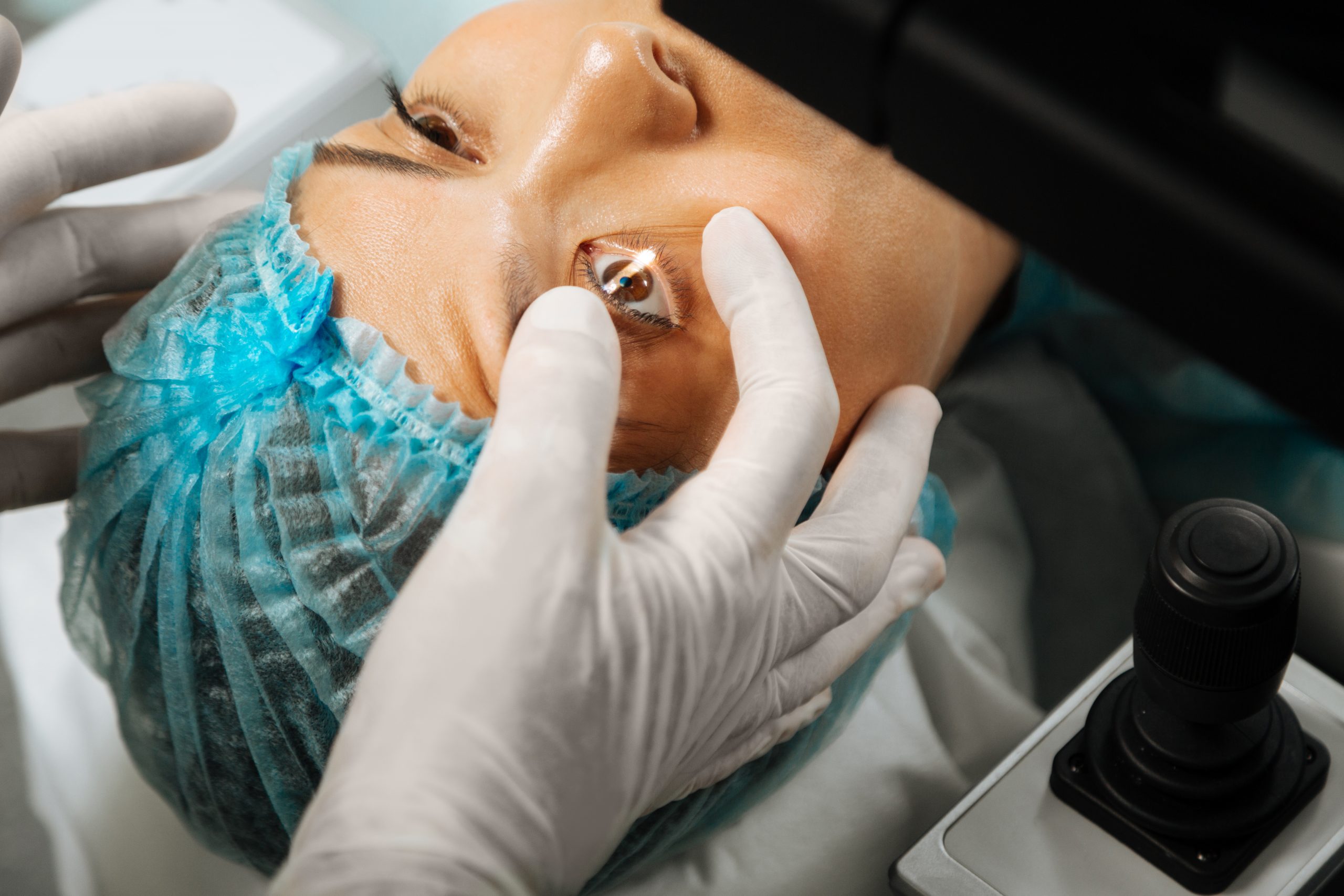
As someone who has spoken with many people comparing PRK with LASIK, SMILE, and other laser vision correction options, I know that accuracy is often the top concern. Patients want to understand how sharp their vision will be, how long the results last, and whether they might need a second procedure down the line.
In this article, I’ll break down everything you need to know about PRK’s success rates, drawing on studies, statistics, and real-world outcomes. You’ll learn what factors influence results, how PRK compares with LASIK, and what you can realistically expect in terms of clarity, stability, and long-term vision.
By understanding these details, you can approach your decision with confidence, knowing the procedure is both reliable and well-supported by evidence. With the right candidate selection and post-operative care, PRK consistently delivers excellent, long-lasting results for patients seeking freedom from glasses or contact lenses.
What Makes PRK Such a Successful Procedure?
PRK is actually the original version of modern laser vision correction and it still performs exceptionally well today. Although LASIK later became more popular because of the faster recovery, PRK remains the preferred option for many patients, especially those with thin corneas, dry eyes or lifestyles where flap-related injuries are a concern.
Here’s why PRK continues to be successful decades after its introduction:
- It reshapes the cornea with exceptional precision
- There is no corneal flap, so long-term structural integrity is excellent
- The treatment zone can be customised for your exact prescription
- Modern technology has significantly improved accuracy
- Results tend to be extremely stable over time
So, What Is the Actual Success Rate of PRK Surgery?
One of the most common questions about PRK is its success rate. Patients want to know how reliably the procedure can correct vision and whether results are long-lasting. Fortunately, clinical data and real-world outcomes show that PRK is highly effective, providing excellent visual clarity for the vast majority of patients.
Modern PRK success rates:
- 92–98% of patients achieve 20/20 vision or better
- 99%+ achieve 20/40 vision (enough to pass driving standards)
- Less than 5% need any enhancement
- Long-term stability is extremely high
These percentages can vary slightly based on prescription strength, corneal shape, healing response and surgeon experience, but overall the results are consistently strong.
Is PRK as Good as LASIK? The Data Says Yes

Many people assume LASIK is “better” because the recovery is faster. But when you look at long-term results, PRK and LASIK are almost identical in overall success. When comparing outcomes, both procedures deliver excellent vision. PRK achieves 20/20 vision in about 92–98% of patients, while LASIK reaches around 96–99%. The need for enhancement is low for both typically 2–5% for PRK and 1–3% for LASIK. Long-term stability and safety are extremely high with either option.
However, PRK has some unique advantages. It has a lower risk of dry eye, and because it doesn’t involve creating a corneal flap, it eliminates flap-related complications entirely something LASIK still carries, even if the risk is small.
These differences explain why many surgeons still recommend PRK, especially if you:
- Have thin corneas
- Play contact sports
- Have dry eyes
- Have irregular corneal measurements
- Have job-related restrictions
What PRK Success Really Means: Breaking Down the Results
Success in PRK isn’t solely about achieving perfect 20/20 vision. The procedure aims to improve overall visual quality, reduce dependence on corrective lenses, and provide long-term stability and comfort. By understanding the different aspects of PRK success, patients can have a clearer picture of the realistic outcomes and benefits they can expect from the surgery.
Visual Acuity (Clarity of Vision): The primary measure of PRK success is visual acuity. Most patients achieve 20/20 vision, and nearly all reach at least 20/40, the standard for driving in most countries. Patients with higher prescriptions may achieve 20/25 or 20/30, which still provides excellent uncorrected vision for everyday activities.
Long-Term Stability: PRK offers excellent long-term stability because it does not involve creating a corneal flap, unlike LASIK. This flap-free design eliminates rare, long-term flap complications, making PRK a preferred choice for individuals in high-impact or high-risk professions, including military pilots, MMA fighters, boxers, swimmers, and rugby players.
Safety and Complication Rates: PRK has very low complication rates, with issues occurring in less than 1–2% of cases. Most complications are temporary and related to healing, such as dryness, glare, minor haze (rare with modern techniques), or night halos. These generally resolve as the corneal surface fully regenerates.
Predictability: Modern PRK uses advanced mapping and custom laser technology, allowing surgeons to create a treatment pattern tailored to each eye’s unique shape. This precision improves predictability and success rates, ensuring that most patients achieve their desired vision outcomes reliably.
Factors That Influence PRK Success
PRK is known for its excellent track record, but several factors can influence how well the procedure works for each individual. Understanding these variables ranging from eye health to lifestyle and healing tendencies can help patients set realistic expectations and make informed decisions about their vision correction journey.
Your Prescription Strength: PRK is most accurate for low to moderate prescriptions. Patients with mild myopia (-1 to -3D) have a 98% chance of achieving 20/20 vision, while moderate myopia (-3 to -6D) achieves 95%, and high myopia (-6D and above) reaches 85–92%. Astigmatism up to 4D can also be corrected very effectively with modern PRK. Even with higher prescriptions, PRK remains highly effective, though some patients may require a minor enhancement later.
Corneal Health and Thickness: PRK is particularly suitable for patients with thin corneas, as it preserves corneal tissue better than flap-based procedures. Extremely thin or irregular corneas may slightly reduce the precision of the correction, which is why a detailed corneal mapping scan is performed before recommending treatment.
Healing Response: Everyone heals differently, which can affect the initial recovery period. Most patients heal smoothly, but slower healers may experience longer periods of dryness or temporary visual fluctuations. These variations usually do not affect the overall success of the procedure only the speed at which vision stabilises.
Age: Younger adults, typically 18–40 years old, tend to achieve the highest precision and fastest recovery. Patients over 40 still experience excellent distance vision outcomes, but presbyopia (age-related near vision changes) may require reading glasses, even after successful PRK.
Adherence to Aftercare: Following aftercare instructions is crucial for optimal results. Patients should use prescribed drops, avoid rubbing their eyes, wear protective shields, avoid dust, smoke, or sweat exposure, and refrain from eye makeup for the recommended period. Proper aftercare supports faster healing, reduces complications, and ensures more stable, long-term vision.
Surgeon Skill and Technology: The experience of the surgeon and the technology used are among the most important factors for PRK success. A highly experienced surgeon using the latest excimer laser technology can significantly enhance precision, predictability, and overall visual outcomes.
How Long PRK Results Last
One of the most important measures of PRK’s success is how long the results last. Fortunately, PRK is considered a permanent solution for vision correction. Once the cornea is reshaped and fully healed, its new form remains stable, providing long-lasting clarity.
There are a few exceptions where vision might change over time, but these are generally unrelated to the surgery itself. Age-related changes, such as presbyopia or the development of cataracts, can affect near vision, and new prescriptions may be needed if your eyes naturally change. Hormonal shifts or certain medical conditions can also influence vision stability.
For the vast majority of patients, PRK provides decades of clear, sharp vision. The reshaped cornea maintains its correction, meaning most people enjoy lasting benefits without the need for repeat procedures. This long-term reliability is a key reason PRK remains a trusted choice for both high-demand lifestyles and general vision improvement.
What Percentage of PRK Patients Need Enhancements?
Enhancements are additional laser procedures performed after the initial surgery to fine-tune vision, and they are relatively uncommon with PRK. Statistics show that only about 2–5% of PRK patients require an enhancement, a rate that is very similar to LASIK.
The reasons for enhancements vary. They are most often needed when a patient had a very high prescription, when the cornea takes longer to stabilise, or when healing causes minor irregularities. Occasionally, vision may settle slightly off target, prompting a small adjustment to achieve optimal clarity.
Even when an enhancement is necessary, the procedure is typically quick, safe, and highly effective. Patients who undergo PRK enhancements usually achieve the same excellent long-term visual outcomes as those who do not need any follow-up treatment. This reliability reinforces PRK’s status as a precise and predictable option for lasting vision correction.
PRK Success Rates for Different Conditions
PRK is highly versatile and effective across a range of refractive errors, but success rates can vary slightly depending on the condition being treated. Understanding how PRK performs for myopia, hyperopia, and astigmatism helps patients set realistic expectations and choose the best approach for their individual vision needs.
Short-Sightedness (Myopia): PRK performs exceptionally well for myopia, particularly up to -6D, where outcomes are outstanding. Patients with higher myopia, between -6D and -10D, still achieve very good results, though there may be a slightly higher chance of needing a minor enhancement. Because PRK preserves corneal structure, it is often considered safer than LASIK for higher prescriptions.
Long-Sightedness (Hyperopia): PRK is effective for hyperopia, but results are slightly less predictable than for myopia. Success rates remain high, though patients with long-sightedness may require enhancements more frequently to achieve optimal vision.
Astigmatism: Modern PRK handles astigmatism extremely well. Using topography-guided or wavefront-optimized treatments, surgeons can reshape the cornea with exceptional precision. Success rates are very high, with 90–98% for mild-to-moderate astigmatism and 85–92% for high astigmatism, making PRK a reliable option even for complex prescriptions.
Is PRK Safer Than LASIK?
Both PRK and LASIK are highly safe and effective procedures, but PRK offers a unique advantage: it does not involve creating a corneal flap. This single difference eliminates flap-related risks entirely, which can be a concern with LASIK.
Flap-related complications, though rare, may include displacement, air pockets, wrinkles, or trauma-related issues. While these risks are minimal for everyday activities, they can be more significant for people exposed to physical impact, such as athletes, military personnel, or police officers.
Because PRK avoids the flap altogether, it provides an extra layer of safety for those in high-risk or high-impact environments. For many patients with active lifestyles or jobs that involve potential eye trauma, PRK is often recommended as the more secure, long-term choice for vision correction.
Does PRK Have Lower Dry Eye Risk?
Yes, PRK carries a significantly lower risk of long-term dry eye compared with LASIK. One of the main reasons is that PRK does not involve creating a corneal flap. In LASIK, the flap creation can sever some corneal nerves, which are essential for stimulating tear production. When these nerves are preserved, as in PRK, the tear film remains more stable, reducing the likelihood of chronic dryness.
This benefit is particularly important for people who already experience dry eye symptoms or are frequently exposed to conditions that worsen dryness, such as air-conditioned offices, windy environments, or prolonged screen use. For these patients, PRK can provide a more comfortable recovery and a lower risk of persistent irritation, allowing them to maintain better eye health over time.
Additionally, PRK patients often report that post-operative dryness is temporary and mild compared with LASIK. The corneal surface regenerates naturally, and normal tear function typically returns as the epithelium heals, further reducing long-term discomfort.
Overall, the lower risk of dry eye adds to PRK’s appeal, making it a safer, more comfortable choice for long-term vision correction. For individuals with active lifestyles, high-impact jobs, or existing dryness issues, PRK provides both effective visual results and improved ocular comfort over many years.
Does PRK Success Depend on Pain or Recovery Speed?
No, the success of PRK is measured by the final visual outcome, not by how quickly your eyes heal or how much discomfort you experience initially. While recovery is slower than LASIK, this does not affect the long-term quality or stability of your vision.
During the first few days and weeks, it’s normal for vision to fluctuate and for mild discomfort or light sensitivity to occur. These early symptoms are part of the natural healing process as the corneal epithelium regenerates.
Patients who are patient and follow post-operative care instructions typically achieve excellent results. Once the cornea fully heals, PRK delivers vision that is just as sharp, stable, and long-lasting as LASIK, with the added benefits of flap-free safety and lower dry eye risk.
Understanding that early recovery does not dictate long-term success can help set realistic expectations and reduce anxiety during the healing period. Patience and proper care are key to achieving the full benefits of PRK.
Common Myths About PRK Success Rates
Myth 1 (PRK is outdated): Many people believe PRK is an old procedure, but this is not true. Modern PRK uses the same advanced laser technology as LASIK, providing precise, customised vision correction with excellent outcomes.
Myth 2 (PRK results are worse than LASIK): It is often assumed that PRK is less effective than LASIK, but in reality, the long-term visual results are virtually identical. Most patients achieve 20/20 or near 20/20 vision after either procedure.
Myth 3 (PRK causes corneal haze): Corneal haze was a concern with older PRK techniques, but it is now extremely rare. Modern lasers, customised treatments, and post-operative medications have significantly reduced this risk.
Myth 4 (PRK is only for people with thin corneas): While PRK is excellent for patients with thin corneas, it is not limited to them. Many patients choose PRK for its long-term safety, corneal stability, and suitability for high-impact activities, regardless of corneal thickness.
FAQs:
- How successful is PRK surgery overall?
PRK surgery has one of the strongest long-term success records in laser eye treatments. Most patients achieve 20/20 vision, and nearly everyone reaches at least the driving standard of 20/40. Its accuracy is well-proven in both low and high prescriptions, and the results are stable for decades because the procedure does not involve a corneal flap. The combination of predictable visual outcomes, long-term stability, and excellent safety makes PRK a consistently successful procedure. - How does PRK compare to LASIK in terms of success rate?
When comparing PRK and LASIK, the long-term vision outcomes are almost identical. LASIK tends to offer a quicker recovery, but PRK matches it in clarity, stability, and overall predictability once healing is complete. Many studies show that PRK delivers 20/20 vision in a similar percentage of patients as LASIK, and both have very low enhancement rates. The main difference is that PRK avoids flap-related risks, making it safer for certain lifestyles. - How long do PRK results last?
PRK results are designed to be permanent. Once the cornea heals and stabilises, the new shape created by the laser remains stable for life unless natural age-related changes occur, such as presbyopia in the 40s or cataracts much later. The long-term durability of PRK is one of the main reasons it is preferred for people who need maximum structural stability, including athletes and individuals in high-impact professions. - Will I need an enhancement after PRK?
Most PRK patients never need an enhancement, but a small percentage may benefit from a secondary procedure later. Enhancements are typically considered if the original prescription was very high or if the eye heals slightly differently than expected. Even when enhancements are needed, they are straightforward, effective, and provide excellent results when performed after the cornea fully stabilizes. - Why do some surgeons prefer PRK over LASIK?
Surgeons often recommend PRK because it maintains the natural strength of the cornea by avoiding the creation of a flap. This makes the procedure safer for people with thin corneas, irregular corneal measurements, or professions where eye trauma is a possibility. PRK can also be a better option for those who already experience dryness, since it disrupts fewer corneal nerves and reduces dry-eye symptoms after surgery. - Does PRK cause more pain or discomfort than LASIK?
PRK does involve more early discomfort than LASIK because the surface layer of the cornea needs several days to regenerate. During this time, patients may feel irritation, sensitivity to light, or fluctuating vision. However, this discomfort is temporary and does not affect the final success of the procedure. Once complete healing occurs, the visual results are just as sharp and stable as LASIK. - Is PRK safe for people with high prescriptions?
PRK is considered very safe for high prescriptions and is often preferred over LASIK for this reason. Because PRK removes less corneal tissue and does not involve a flap, it preserves more structural integrity, which is beneficial when treating stronger degrees of myopia or astigmatism. Many high-prescription patients achieve excellent results, although some may have a slightly higher chance of needing an enhancement. - Does PRK increase the risk of dry eyes?
PRK actually has a lower risk of dry eyes compared to LASIK. Since no flap is created, fewer nerves responsible for tear production are affected. This allows the tear film to recover more naturally during healing. People who already struggle with dryness often find PRK a more comfortable option because it minimizes the severity of dry-eye symptoms after surgery. - What affects the final outcome of PRK?
The success of PRK depends on several individual factors, including prescription strength, corneal shape, healing speed, age, and the technology used by the surgeon. A person with a stable prescription, healthy corneas, and good healing habits is likely to achieve the most precise outcome. Following aftercare instructions closely, using prescribed drops correctly, and avoiding eye rubbing or environmental irritants also contribute directly to the final clarity and stability of vision. - Is PRK still relevant with modern LASIK and SMILE technology available?
PRK remains highly relevant and widely performed even with newer technologies in the market. The reason is that each laser procedure is suitable for different eye types, and PRK continues to excel in situations where maximum safety and corneal stability are essential. Many surgeons still prefer PRK for athletes, military personnel, swimmers, and individuals with thin corneas. Modern PRK uses advanced lasers and mapping systems, making it just as precise and effective as the latest LASIK and SMILE methods.
Final Thought: PRK Success Rates
PRK continues to be one of the most stable and reliable forms of laser vision correction, offering excellent long-term clarity, precision, and safety especially for individuals with thin corneas, active lifestyles, or higher prescriptions. Its decades-long track record, combined with modern custom laser technology, makes it a strong alternative to LASIK with equally impressive visual outcomes.
If you’re considering PRK surgery in London and want to know if it’s the right option, you’re welcome to reach out to us at Eye Clinic London to book a consultation. You can also learn more about the procedure through our dedicated page for a detailed overview of how PRK works, what to expect, and whether it’s the best fit for your vision goals.
References:
- Shojaei, A., Mohammad-Rabei, H., Eslani, M., Elahi, B. & Noorizadeh, F. (2009). Long-Term Evaluation of Complications and Results of Photorefractive Keratectomy in Myopia: An 8-Year Follow-Up. Journal of Cataract & Refractive Surgery, 35(10), pp.1786-1791. https://pubmed.ncbi.nlm.nih.gov/19387232/
- O’Brart, D., Rajan, M., Jaycock, P., & PERK Study Group (2004). A long-term prospective study of photorefractive keratectomy; 12-year follow-up. Ophthalmology, 111(10), pp.1813–1824. https://pubmed.ncbi.nlm.nih.gov/15465541/
- Seven, I., Lloyd, J.S. & Dupps, W.J. (2020). Differences in Simulated Refractive Outcomes of Photorefractive Keratectomy (PRK) and Laser In-Situ Keratomileusis (LASIK) for Myopia in Same-Eye Virtual Trials. International Journal of Environmental Research and Public Health, 17(1), 287. https://www.mdpi.com/1660-4601/17/1/287
- García-Lázaro, S., López-de-la-Urz, A., Berra, M., Sánchez-Martínez, M., et al. (2020). Long Term Follow-Up Safety and Effectiveness of Myopia Refractive Surgery. International Journal of Environmental Research and Public Health, 17(23), 8729. https://www.mdpi.com/1660-4601/17/23/8729
- Diakonis, V.F., Kankariya, V.P., Kymionis, G.D., Kounis, G., Kontadakis, G., Grentzelos, M.A., et al. (2014). Long Term Follow-Up of Photorefractive Keratectomy with Adjuvant Use of Mitomycin C. Journal of Ophthalmology, 2014, https://pmc.ncbi.nlm.nih.gov/articles/PMC4020169/