


Eye Health Blog

What Is Fuchs’ Endothelial Dystrophy?
Morning haziness can be a symptom of Fuchs’ endothelial dystrophy, but other eye conditions can cause similar changes. It affects

Fuchs’ Dystrophy and Cataract Surgery: What Changes?
Your Fuchs’ dystrophy can make cataract surgery planning more careful because your corneal endothelial cells may already have reduced ability

Recurrent Corneal Erosion: Why Your Eye Keeps Painfully Opening in the Morning
If you wake with sudden sharp eye pain when opening your eye, recurrent corneal erosion could be a possible cause.
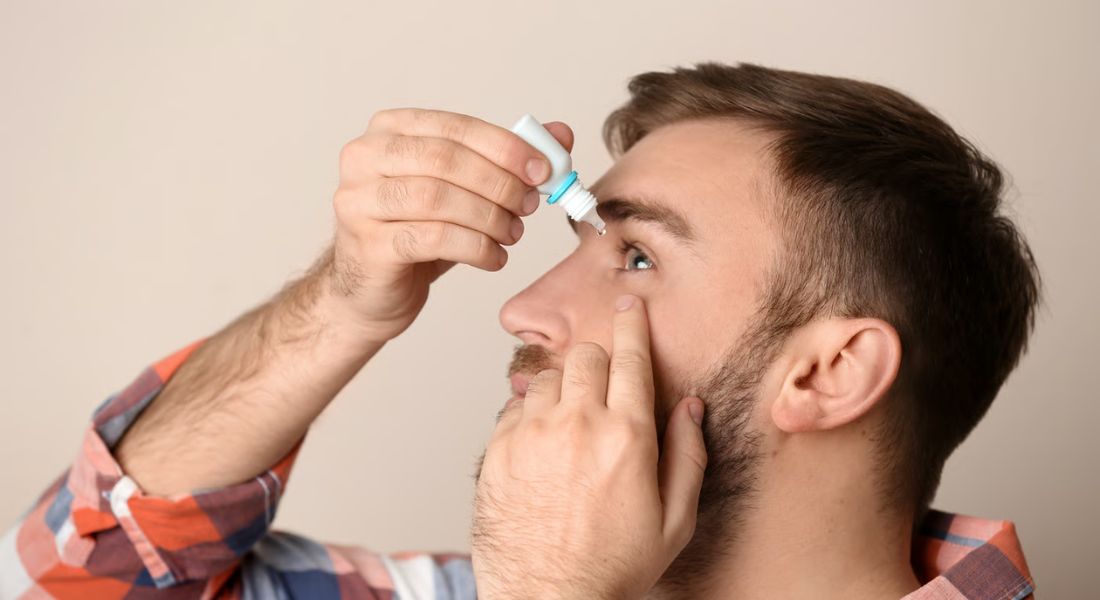
Steroid Eye Drops for Uveitis: Benefits, Risks and Monitoring
If you have anterior uveitis, steroid eye drops may help control inflammation and reduce the risk of complications that can
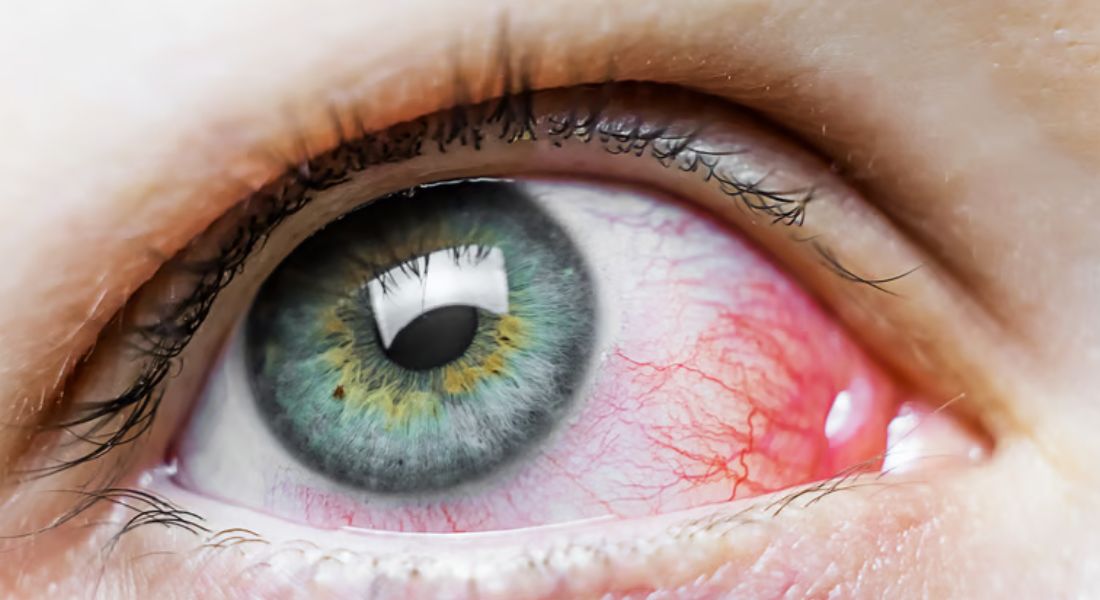
Can Uveitis Cause Permanent Vision Loss?
If you have uveitis, you may worry about whether it could permanently affect your eyesight. However, uveitis does not always
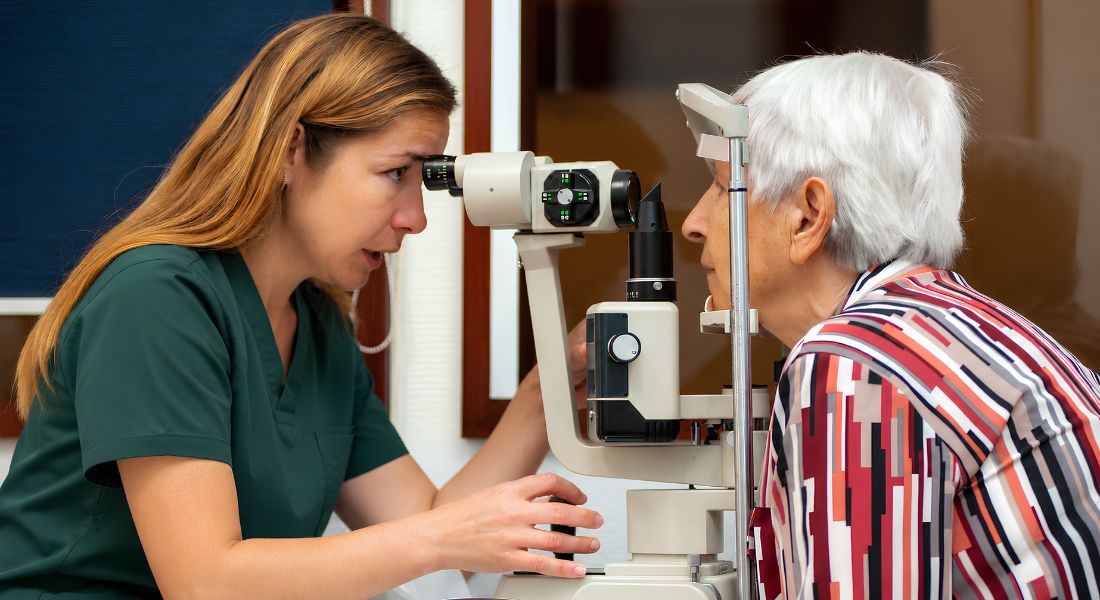
Uveitis vs Conjunctivitis: How to Tell the Difference
If you have a red eye, you may wonder whether it is conjunctivitis or uveitis. Both can cause redness and
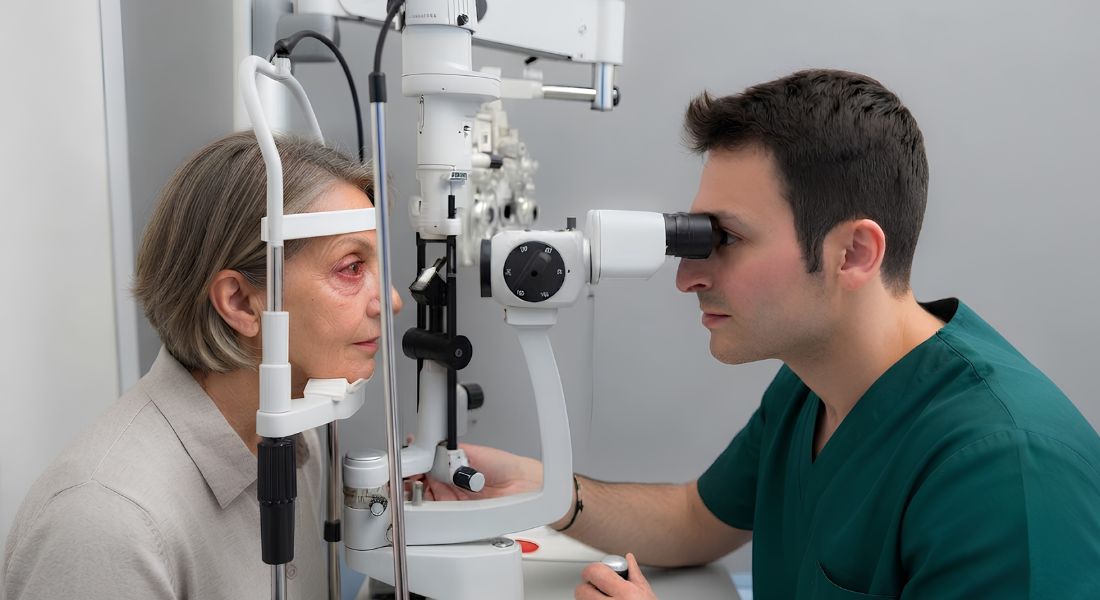
HLA-B27 and Eye Inflammation: What Patients Should Know
If you have a painful, red or light-sensitive eye, your specialist may mention HLA-B27. It is a genetic marker linked

What Is Anterior Uveitis and Why Does It Keep Coming Back?
If you have had anterior uveitis more than once, you may notice recurring eye pain, redness, light sensitivity or blurred

RLE for High Prescriptions: When Is Lens Exchange Considered?
If you have a high prescription, you may find that laser eye surgery is not suitable because of your prescription
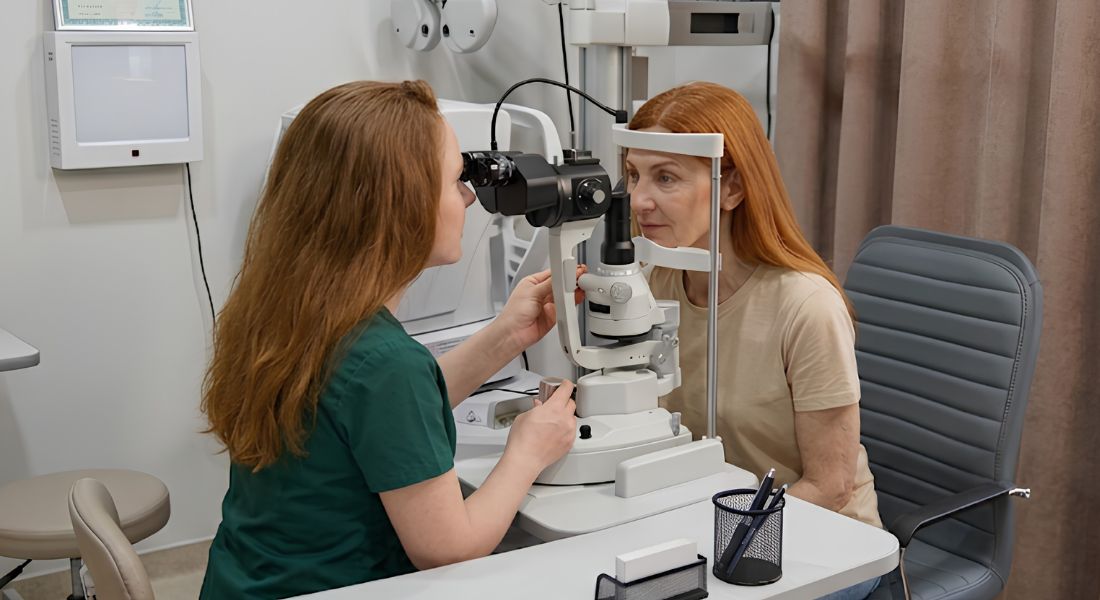
RLE and Dry Eye: Risks, Prevention and Treatment Options
If you are considering RLE, you may notice dryness, irritation or fluctuating vision after surgery. You may also experience burning,

Driving After RLE: When Can You Safely Return to the Road?
If you’re planning RLE, you may be wondering how soon you can get back behind the wheel. You will not

How Much Does RLE Cost in the UK? What’s Included?
If you are considering refractive lens exchange, cost is likely to be one of the first practical questions you have.

Can ICL Surgery Be Removed or Exchanged Later?
If you are considering ICL surgery, you may feel reassured knowing that the lens can potentially be removed or exchanged
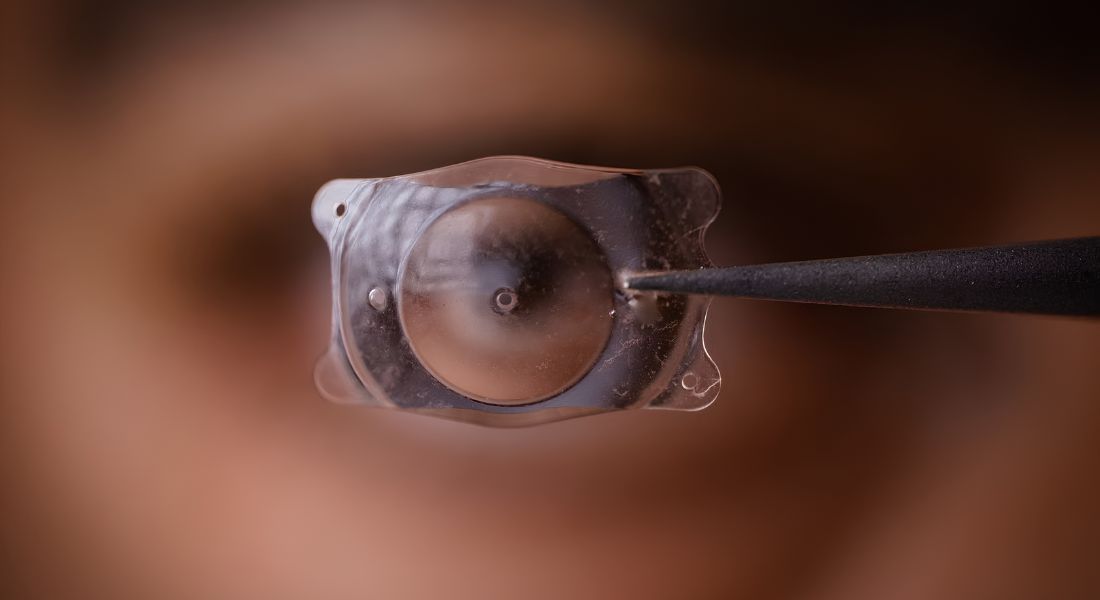
ICL vs Refractive Lens Exchange (RLE): What’s the Difference?
ICL and RLE both use an artificial lens to correct your vision, but they work differently. With ICL, your natural

ICL vs LASIK for Dry Eyes: What’s the Difference?
If you have dry, gritty or burning eyes, LASIK and ICL affect your eyes differently. LASIK reshapes your cornea and
What Is Fuchs’ Endothelial Dystrophy?
Morning haziness can be a symptom of Fuchs’ endothelial dystrophy, but other eye conditions can cause similar changes. It affects
Fuchs’ Dystrophy and Cataract Surgery: What Changes?
Your Fuchs’ dystrophy can make cataract surgery planning more careful because your corneal endothelial cells may already have reduced ability
Recurrent Corneal Erosion: Why Your Eye Keeps Painfully Opening in the Morning
If you wake with sudden sharp eye pain when opening your eye, recurrent corneal erosion could be a possible cause.
Steroid Eye Drops for Uveitis: Benefits, Risks and Monitoring
If you have anterior uveitis, steroid eye drops may help control inflammation and reduce the risk of complications that can
Can Uveitis Cause Permanent Vision Loss?
If you have uveitis, you may worry about whether it could permanently affect your eyesight. However, uveitis does not always
Uveitis vs Conjunctivitis: How to Tell the Difference
If you have a red eye, you may wonder whether it is conjunctivitis or uveitis. Both can cause redness and
HLA-B27 and Eye Inflammation: What Patients Should Know
If you have a painful, red or light-sensitive eye, your specialist may mention HLA-B27. It is a genetic marker linked
What Is Anterior Uveitis and Why Does It Keep Coming Back?
If you have had anterior uveitis more than once, you may notice recurring eye pain, redness, light sensitivity or blurred
RLE for High Prescriptions: When Is Lens Exchange Considered?
If you have a high prescription, you may find that laser eye surgery is not suitable because of your prescription
RLE and Dry Eye: Risks, Prevention and Treatment Options
If you are considering RLE, you may notice dryness, irritation or fluctuating vision after surgery. You may also experience burning,
Driving After RLE: When Can You Safely Return to the Road?
If you’re planning RLE, you may be wondering how soon you can get back behind the wheel. You will not
How Much Does RLE Cost in the UK? What’s Included?
If you are considering refractive lens exchange, cost is likely to be one of the first practical questions you have.
Can ICL Surgery Be Removed or Exchanged Later?
If you are considering ICL surgery, you may feel reassured knowing that the lens can potentially be removed or exchanged
ICL vs Refractive Lens Exchange (RLE): What’s the Difference?
ICL and RLE both use an artificial lens to correct your vision, but they work differently. With ICL, your natural
ICL vs LASIK for Dry Eyes: What’s the Difference?
If you have dry, gritty or burning eyes, LASIK and ICL affect your eyes differently. LASIK reshapes your cornea and